1장
Forging Unbreakable Minds: The Psychology of Mental Strength
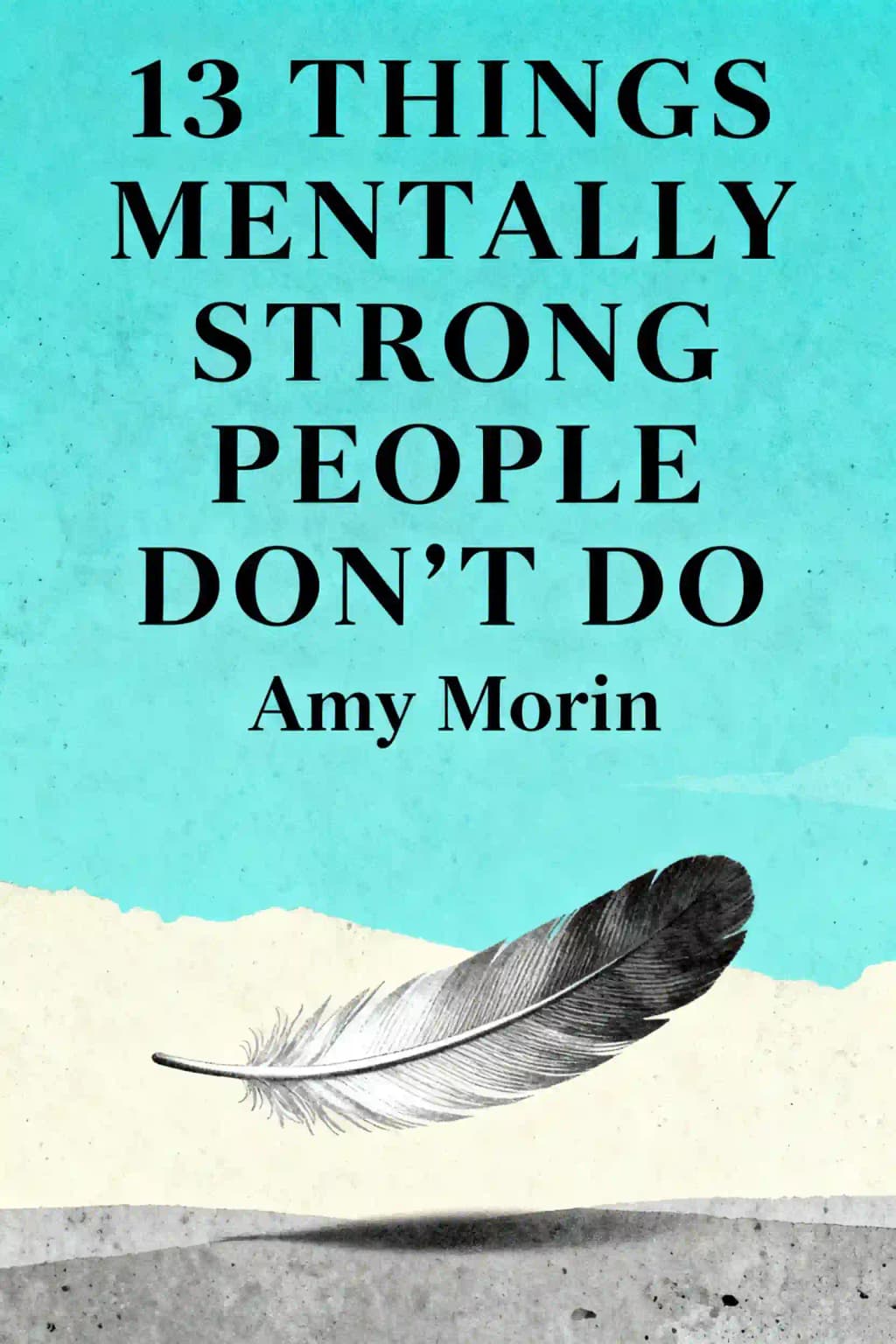
In a world that often celebrates physical prowess, Amy Morin's groundbreaking work "13 Things Mentally Strong People Don't Do" shifts the spotlight to the equally vital yet frequently overlooked realm of mental fitness. Since its publication in 2014, this transformative guide has become a staple on the bookshelves of CEOs, professional athletes, and everyday individuals seeking to build psychological resilience. Born from Morin's personal crucible of losing both her mother and husband in quick succession, then facing her father-in-law's terminal illness, the book resonated deeply with readers worldwide, earning praise from psychology luminaries and becoming a New York Times bestseller. What began as a viral Forbes article has evolved into a mental strength movement, with Morin's insights featured on major platforms from Good Morning America to Fox News. The book's enduring appeal lies in its counterintuitive approach-defining strength not by what we do, but by what we avoid doing. As we navigate an increasingly complex world, Morin's framework offers a refreshing perspective: mental strength isn't about positive thinking alone, but about developing the resilience to face life's inevitable challenges with clarity and purpose.
2장
The Three-Dimensional Nature of Mental Strength
Mental strength isn't a binary trait you either have or lack-it exists on a spectrum where everyone can improve. While genetics and personality influence your starting point, deliberate practice can significantly enhance your mental muscles. The foundation of mental strength rests on three interconnected pillars: managing thoughts, regulating emotions, and taking productive action regardless of circumstances.
Consider how these elements create downward spirals when neglected. A socially anxious person thinks, "I'm awkward around coworkers," which triggers anxiety (emotion), leading them to avoid office interactions (behavior). This avoidance reinforces their original negative thought, creating a self-perpetuating cycle. Breaking this pattern requires addressing all three components simultaneously.
Developing mental strength isn't about eliminating emotions-quite the opposite. The healthiest decisions emerge when we balance emotional awareness with rational thinking. Acting purely on emotion often leads to regret, while ignoring feelings entirely creates a robotic existence devoid of humanity. The sweet spot lies in acknowledging emotions while preventing them from hijacking your behavior.
Take my irrational fear of Maine's harmless snakes. When I encounter one while hiking, I can acknowledge my fear (emotion) while recognizing it poses no actual danger (rational thought), allowing me to continue my hike without letting irrational fear dictate my actions (behavior). This balance represents mental strength in action-not fearlessness, but the ability to act despite fear when appropriate.
The benefits of developing this strength extend throughout life. Beyond preparing you for inevitable challenges like job loss or grief, mental strength enhances everyday existence through improved stress resilience, greater life satisfaction, and better performance in all domains-whether parenting, professional work, or personal goals.
Just as reading about basketball won't make you a skilled player without practice, mental strength requires consistent application. The thirteen habits we'll explore aren't a simple checklist but ongoing practices everyone struggles with sometimes. The goal isn't perfection but continuous improvement-becoming slightly better than you were yesterday by finding healthier ways to navigate life's challenges.
3장
The Self-Pity Trap: How Victimhood Undermines Strength
Self-pity is perhaps the most destructive non-pharmaceutical narcotic-momentarily pleasurable but ultimately disconnecting us from reality. Consider Jack's transformative story: After being struck by a school bus and suffering serious injuries, his parents initially wallowed in pity, viewing their son as damaged and limited. But a wise doctor intervened, suggesting they frame Jack as a superhero who "beat a school bus" rather than a victim. This reframing changed everything-Jack returned to school confident in his superhero narrative rather than defined by his injuries.
We all occasionally feel sorry for ourselves, but there's a critical difference between normal sadness and destructive self-pity. The latter manifests as believing your problems exceed others', focusing exclusively on misfortune, withdrawing to ruminate, complaining about unfairness, struggling to find gratitude, and believing everyone else has it easier. While circumstances may be genuinely difficult, your attitude toward them remains within your control.
Why do we indulge in self-pity? It serves as a defense mechanism, delaying the need to face fears and take responsibility. It becomes a tool for gaining sympathy through "poor me" narratives, avoiding accountability, or expressing defiance against perceived unfairness. For Jack's parents, pity initially served as protection against further harm, but inadvertently fostered his own self-pity.
The costs of this indulgence are steep. Self-pity wastes precious time, generates additional negative emotions, becomes self-fulfilling, prevents processing genuine feelings, blinds us to life's positives, and damages relationships. As Jack's parents discovered, their pity was taking more from them than the accident itself had.
Overcoming self-pity requires changing both behavior and thought patterns. After my husband Lincoln's death, his family chose to celebrate his birthday with adventure activities like skydiving rather than hosting pity parties. This tradition honors his adventurous spirit while transforming grief into gratitude. Small behavioral shifts can make profound differences-volunteering for worthy causes, performing random acts of kindness, or engaging in activities that shift focus away from misfortune.
Our perception dramatically affects how we experience events. Two drivers can have completely different emotional reactions to the same fender bender based on their perspective. Finding the silver lining requires asking: "What's another way to view my situation?", "What advice would I give a loved one with this problem?", and "What evidence shows I can handle this?" Replacing catastrophic thoughts with realistic ones dismantles self-pity's foundation.
Marla Runyan exemplifies overcoming limitations without self-pity. Despite being legally blind since age nine, she views her condition as a gift that pushed her to achieve. After winning five gold medals in the Paralympics, she became the first legally blind Olympian in 2000, finishing eighth in the 1,500-meter race. Gratitude requires effort but transforms perspective-thinking "I have more than I deserve" rather than "I deserve better."
Research confirms gratitude's powerful effects: improved immune function, more positive emotions, better sleep, and stronger social relationships. People who practice gratitude get sick less often, experience more joy, and demonstrate greater generosity toward others. Simple practices like keeping a gratitude journal, expressing thankfulness daily, or teaching children gratitude can develop this mindset and improve both psychological and physical health.
4장
Reclaiming Your Power: Breaking Free from External Control
When we surrender control over our emotions and choices to others, we diminish our mental strength. Lauren's story illustrates this perfectly-her overbearing mother-in-law Jackie made unannounced visits and undermined her parenting authority, causing Lauren to seethe internally while maintaining a polite exterior. Though physically spending only five hours weekly with Jackie, Lauren devoted another five hours to thinking and complaining about her, effectively giving Jackie power over multiple areas of her life.
Giving others power over your thoughts, feelings, and behaviors undermines mental strength. Signs include being deeply offended by criticism, allowing others to provoke regrettable reactions, changing goals based on others' opinions, letting others determine your mood, yielding to guilt trips, basing self-worth on others' perceptions, and struggling with boundaries while resenting those who take advantage.
Lauren surrendered her power because she equated being "nice" with tolerating mistreatment. Raised to "turn the other cheek," she hesitated to establish boundaries with her mother-in-law, fearing it would be disrespectful. Through counseling, she realized that setting healthy limits wasn't mean but necessary for her family's wellbeing and her mental strength.
This power surrender created numerous problems: Lauren depended on Jackie to regulate her feelings, avoided addressing real issues, became a victim of circumstances, grew overly sensitive to criticism, lost sight of her goals, and damaged relationships through growing resentment. With her husband's support, she finally established firm boundaries about visits and parenting comments. Though initially offended, Jackie eventually accepted these boundaries when she realized they were non-negotiable for access to their home.
Officer Steven McDonald exemplifies refusing to surrender power after being shot and paralyzed by a teenager. Rather than harboring resentment, he forgave his assailant, stating "The only thing worse than a bullet in my spine would have been to nurture revenge in my heart." He became an inspirational speaker teaching forgiveness.
Our language often reveals where we've surrendered power. Phrases like "my boss makes me so mad" or "I'm not good enough" after rejection give control to others rather than acknowledging our own agency. Reframing means recognizing that others influence but don't control your emotions, that one person's opinion doesn't define your worth, and that most "obligations" are actually choices you make.
Rachel unwittingly gave power to her defiant teenage daughter by engaging in arguments that only delayed compliance and caused Rachel to lose her temper. Reacting emotionally gives others control over you. Strategies to stay calm include taking deep breaths to reduce physiological responses, excusing yourself when you recognize anger signs, and distracting yourself until you can think rationally.
Madonna and Andy Warhol both faced harsh rejection before achieving monumental success. Retaining power means critically evaluating criticism by examining evidence for and against it, considering the critic's motivation, and deciding whether to change based on your own values-not because someone else demands it.
Recognizing that almost everything is a choice-even obligations like going to work-can be liberating. While choices have consequences, acknowledging your agency in making them helps shift from feeling victimized by circumstances to recognizing your power to create the life you want.
5장
Embracing Change: The Courage to Transform
Richard, an overweight 44-year-old with diabetes, struggled to change his health habits despite understanding the risks. Initially attempting too much too fast, he repeatedly failed until adopting incremental changes: first replacing afternoon cookies with carrots, then gradually addressing evening snacking habits by making unhealthy options less accessible.
Though people often claim they want to change, our thoughts and emotions frequently prevent actual behavioral shifts. We resist change primarily because we perceive it as too risky or uncomfortable. Richard initially gave up when thinking "This is going to be too hard," but gained momentum once positive results shifted his thinking.
New Year's resolutions often fail because they're based on dates rather than genuine readiness. Even small habit changes require commitment through the five stages of change: Precontemplation (not recognizing need for change), Contemplation (weighing pros and cons), Preparation (establishing concrete plans), Action (implementing behavioral change), and the essential but often overlooked Maintenance stage.
Fear powerfully blocks change. Andrew remained in a low-paying job despite financial struggles after a car accident because he feared changing jobs. He worried about disliking a new position, doubted his skills, and dreaded adapting to a new environment. Only after creating a budget that revealed his current job couldn't cover his bills did the fear of financial ruin outweigh his fear of change, motivating him to seek better employment.
People often underestimate their ability to tolerate the discomfort that accompanies behavioral change. Richard initially resisted giving up favorite foods, experiencing workout pain, or feeling hungry. Only after gaining confidence in his ability to manage these temporary discomforts did he feel capable of making further changes.
Changing often means giving something up, and this grief can convince us to maintain harmful behaviors rather than face loss. Tiffany resisted budgeting not because she didn't understand its importance, but because she feared losing her Saturday shopping outings with friends and the social connection they provided.
Avoiding change carries serious consequences. For Richard, maintaining unhealthy habits risked irreversible physical damage. Beyond physical effects, remaining stagnant interferes with personal growth, causing you to miss opportunities, continue unhealthy habits, watch others outgrow you, and find change increasingly difficult the longer you wait.
Mary Deming transformed personal tragedy into community impact after losing her mother to breast cancer. At age fifty, she began participating in cancer research fundraisers, eventually creating her own nonprofit. Despite suffering a traumatic brain injury in a car accident that impaired her speech and cognitive abilities, Mary persevered through intensive therapy to resume teaching and fundraising. Her organization has raised nearly half a million dollars for breast cancer research and patient support.
Preparation is crucial for successful change. Richard became overwhelmed thinking about losing seventy-five pounds, but succeeded by focusing on smaller five-pound goals with specific daily actions. Create incremental change by setting realistic 30-day goals, establishing concrete daily behaviors, anticipating obstacles, establishing accountability with others, and monitoring your progress consistently.
Don't wait for the right time or feeling-start behaving like the person you want to become immediately. If you want to be outgoing, act friendly; if you want to be healthy like Richard, eat well and exercise; if you want more friends, be proactive about acting friendly. Identify your ideal self and take deliberate steps toward becoming that person.
6장
Focusing on What You Can Control: The Path to Peace
James, engaged in a bitter custody battle with his ex-wife Carmen, came to therapy hoping to gain an ally in his legal fight. Instead, he discovered how his attempts to control everything-from Carmen's parenting style to her dating life-were damaging his relationship with his daughter. Through therapy, James realized he needed to focus on being the best father during his visitation time rather than wasting energy trying to control his ex-wife's behavior.
Our desire for safety often manifests as trying to control everything around us. Signs of problematic control issues include constantly preventing bad things from happening, wishing others would change, believing you alone can fix situations, attributing outcomes solely to effort rather than luck, being called a "control freak," struggling to delegate, inability to let go, taking full responsibility for failures, difficulty asking for help, judging others harshly, and struggling with teamwork and relationships due to trust issues.
The need to control often stems from anxiety management-believing that controlling our environment will reduce worry. This superhero complex makes us believe that with enough effort, we can make everything turn out as we want, leading us to distrust others' capabilities and do everything ourselves.
Your belief system about control-your "locus of control"-shapes how you view circumstances. Those with an external locus believe in fate and luck ("Whatever's meant to be will be"), while those with an internal locus take full responsibility for their outcomes. While an internal locus is often valued (making good CEOs and proactive patients), believing you can control everything has significant downsides.
James wasted time, energy, and money trying to change his custody situation despite clear evidence it wasn't working. His control attempts actually increased his stress and damaged his relationship with his daughter. Trying to control everything leads to increased anxiety, wastes mental energy, damages relationships, causes harsh judgment of others, and results in unnecessary self-blame when things inevitably go wrong.
People with a healthy "bi-locus of control" recognize how their behaviors affect outcomes while acknowledging external factors. We must accept we can't control others' feelings, children's success, bosses' recognition, consumer choices, others' behavior, or prevent all illness and competition.
Heather Von St. James, diagnosed with mesothelioma at 36 with a three-month-old daughter, faced a grim prognosis of 15 months to live. She underwent risky lung removal surgery, followed by radiation and chemotherapy. Now cancer-free, she celebrates "Lung Leavin' Day" annually by writing her fears on plates and smashing them into fire-acknowledging what she can't control while focusing on what she can.
Once you've identified your fears, determine what aspects you can actually control-often just your behavior and attitude. Like packing essentials in your carry-on rather than worrying about lost luggage, focusing on controllable elements reduces anxiety about uncontrollable outcomes.
Effective influence comes through listening first, sharing concerns once (not repeatedly), changing your own behavior, and offering genuine praise for positive changes-not through demands or nagging. Consider two drivers in a traffic jam: one rages helplessly while the other accepts the situation and makes the best of it. Acceptance doesn't mean resignation-you can still work toward change-but it means stopping futile attempts to force different outcomes.
Terry Fox, diagnosed with cancer at 18 and having his leg amputated, chose to focus on what he could control rather than his disease. He ran across Canada-a marathon daily for 143 days-raising millions for cancer research before his death. When you stop trying to control everything, you gain increased happiness, better relationships, less stress, openness to new opportunities, and greater success by recognizing fortunate circumstances beyond your direct influence.
7장
Breaking the People-Pleasing Pattern
Megan, a 35-year-old wife and mother, sought therapy feeling stressed and overwhelmed. Despite working part-time, teaching Sunday school, and leading a Girl Scout troop, she couldn't say no to additional demands from family and community. Her inability to refuse requests left her irritable with her immediate family. Through therapy, she realized saying yes to extended family meant saying no to her husband and children, her stated priorities.
People-pleasing differs from giving away power by focusing on controlling how others feel rather than how you feel. Signs include feeling responsible for others' emotions, discomfort with anyone being mad at you, being a "pushover," avoiding contrary opinions, excessive apologizing, conflict avoidance, hiding hurt feelings, saying yes to unwanted favors, changing behavior to please others, trying to impress people, feeling responsible for others' enjoyment, seeking constant approval, and avoiding appearing selfish.
Megan's self-worth depended on meeting others' needs, fearing conflict and rejection more than her own exhaustion. People-pleasers avoid conflict from fear of rejection or abandonment, believing "If I don't make you happy, you won't like me," and constantly adjust their behavior to gain positive reinforcement. This desire often stems from childhood experiences, like growing up with bickering parents or alcoholic family members where pleasing others prevented arguments or gained attention.
People-pleasers often misread situations, as illustrated by Sally and Jane's shopping dilemma where both women inconvenience themselves based on false assumptions about what the other wants. This behavior isn't truly generous but self-centered, assuming you can control others' feelings. When efforts aren't appreciated, resentment inevitably follows.
Angela changed her personality to please each man she dated, appearing as whoever she thought they wanted-humorous, spontaneous, or intellectual. This chameleon-like behavior revealed her lack of trust and authenticity, making her transparent and unattractive to potential partners. People-pleasers often prioritize pleasing acquaintances over loved ones, becoming martyrs who grow bitter as their efforts backfire.
Australian nurse Bronnie Ware found that dying patients often regretted not living authentically, instead pleasing others. Research shows people-pleasers even compromise their health, eating more when they think it makes others happy. They avoid excellence for fear of making others feel bad, miss promotions by not taking credit, and ultimately abandon their values to please others.
Megan developed a mantra: "Saying yes to others means saying no to my husband and kids," helping her break her automatic agreement habit. Craigslist CEO Jim Buckmaster demonstrates the importance of staying true to your vision despite criticism. Though labeled "anticapitalistic" for refusing to maximize revenue through advertising, his commitment to keeping Craigslist simple helped the company survive the dot-com crash and grow to an estimated $5 billion value.
Clarifying your values helps make difficult decisions when you can't please everyone. Identifying your top five values and ranking them helps determine where to invest your time and energy. Pleasing others should never be your top value. For people-pleasers like Megan who automatically say yes, developing a script like "Let me see what I have going on and I'll get back to you" creates space to evaluate requests.
Healthy confrontation improves relationships rather than damages them. When Megan finally confronted her cousin about feeling taken advantage of, her cousin apologized and they repaired their relationship. Speaking up assertively means using "I" statements, remaining respectful while expressing feelings, and becoming comfortable with others' temporary displeasure.
8장
Taking Calculated Risks: The Path to Extraordinary Achievement
Dale, a high school shop teacher of nearly thirty years, dreamed of opening his own furniture business but feared abandoning his stable job. After his wife dismissed his idea, he continued teaching despite feeling burned out and becoming depressed. In therapy, Dale's face lit up when discussing his entrepreneurial aspirations, revealing his passion. Though scarred by a previous real estate investment loss, he developed a compromise-starting his furniture business part-time from his garage with minimal investment while continuing to teach. Surprisingly, pursuing this calculated risk not only improved his mood but rekindled his passion for teaching as he incorporated new knowledge into his classroom.
Risk aversion prevents many people from reaching their full potential. Common signs include struggling with important decisions, daydreaming without taking action, making impulsive choices to avoid anxiety-provoking deliberation, holding back from adventures due to fear, focusing only on worst-case scenarios, letting others make decisions, and believing outcomes depend largely on luck.
We often avoid risks because our exaggeratedly negative thoughts lead to fear and anxiety that prevent action. Like Dale who imagined bankruptcy when considering opening a business, we focus on potential failure rather than finding ways to increase our chances of success. Even when emotions lack rational basis, we allow feelings to dictate behavior. Like my yellow Lab Jet who fears certain floors but will brave tile for cat food, humans often calculate risk based on emotion rather than logic.
Calculating risk requires predicting the probability of positive or negative outcomes and measuring their impact. Too often, fear prevents us from thinking through consequences at all. Whether driving, considering a new home purchase, or making life changes, most decisions involve weighing risks. Yet instead of careful calculation, we typically base decisions on emotions or habits-avoiding what feels scary and pursuing what excites us.
Avoiding risks can take an emotional toll, as Dale discovered when fear prevented him from pursuing his business dream, affecting his mood and how he felt about his teaching job. Othmar Ammann exemplifies how calculated risks lead to extraordinary lives. At sixty, he left his secure engineering position to pursue architecture, designing masterpieces like the Verrazano-Narrows and Walt Whitman bridges well into his eighties. Taking only comfortable risks typically results in mediocrity rather than extraordinary achievement.
While fear serves a protective purpose, our "fear meters" aren't always reliable. They sometimes trigger when no actual danger exists, causing us to believe "if it feels scary, it must be too risky." From overreactions to health warnings to germaphobia, fear often leads us to miscalculate actual risk levels. Our emotional state-whether sad, happy, or stressed about unrelated matters-significantly impacts our risk perception.
Don't let anxiety levels dictate risk decisions-feelings can be unreliable. The more emotional you feel, the less logical your thoughts become. Consider how fear of flying leads many to drive instead, though statistically driving is far more dangerous (1 in 5,000 chance of dying versus 1 in 11 million for flying). We're notoriously bad at calculating risk, making irrational decisions by misjudging our control, overcompensating with safety features, confusing skill with chance, following superstitions, being seduced by large payoffs, and growing dangerously comfortable with familiar risks.
9장
Making Peace with the Past: Freedom from Regret
Gloria enabled her adult daughter's dependency because she felt guilty about her past parenting mistakes. After her divorce, Gloria had prioritized drinking and dating over parenting, and now her 28-year-old daughter repeatedly moved back home, refusing to work or help around the house. Through counseling, Gloria realized her shame was preventing her from setting healthy boundaries. When she finally forgave herself and established rules requiring her daughter to seek employment and eventually pay rent, her daughter quickly found a promising career opportunity.
Many people remain trapped in their past, wishing they could rewind and redo portions of their lives. Common signs include struggling with major regrets, wondering how life would have turned out with different choices, feeling your best days are behind you, repeatedly replaying memories, reimagining different outcomes, self-punishment, feeling ashamed, obsessing over mistakes, or fixating on what you "should have" done differently.
Gloria's daughter manipulated her by preying on her guilt about not being there during childhood. Gloria accepted constant guilt as penance for past mistakes, keeping her stuck in regret. Lingering guilt, shame, and anger trap us in the past-sometimes from a subconscious belief that we don't deserve happiness. Fear of moving forward also keeps us stuck, as I experienced after losing my mother and husband Lincoln. I wanted everything frozen in time, hoping to preserve memories and discover new connections to them. But this prevented me from creating new memories and moving forward with life.
Gloria's inability to see beyond her mistakes prevented her from seeing her daughter as a capable adult, enabling irresponsible behavior that repeated Gloria's own past errors. Ruminating on the past creates numerous problems: you miss enjoying the present, can't adequately prepare for the future, make clouded decisions, waste energy on things you can't control, and risk depression from constantly conjuring negative emotions. Research even shows dwelling on negative events increases bodily inflammation, raising risks for heart disease, cancer, and dementia.
To break free from dwelling, schedule specific times to think about past events rather than suppressing them. Give yourself alternative thoughts to focus on when unwanted memories arise. Establish future goals that pull your attention forward. Remember that memories aren't accurate-we often exaggerate negative experiences. Focus on lessons learned from hardships, concentrate on factual details rather than emotions, and look for alternative perspectives on past situations.
James Barrie, author of Peter Pan, exemplifies the tragic consequences of dwelling on the past. After his brother David died, six-year-old Barrie tried replacing him to please his grieving mother, who warned him never to grow up. This shaped his entire life and inspired his famous work about a boy who refuses to mature. Many people wrongly believe grief's duration equals love's magnitude, but moving forward doesn't mean abandoning memories.
Wynona Ward transformed her traumatic childhood of abuse into a mission to help others. After learning her brother had abused a family member, she pursued education while working as a truck driver, eventually founding Have Justice Will Travel to provide free legal representation to rural domestic violence victims. Rather than dwelling on her horrific past, Ward channels her energy into breaking generational cycles of abuse. Making peace with the past doesn't mean pretending it didn't happen-it means embracing experiences to live fully in the present.
10장
The Mental Strength Revolution: Your Path Forward
Increasing mental strength isn't about simply reading a book or declaring toughness-it requires ongoing maintenance like physical strength. There will always be times when emotions win or when you engage in unproductive behavior, but these instances will diminish as you actively work on your mental muscles. The key is to coach yourself by monitoring behavior, regulating emotions, and examining thoughts.
Creating a supportive lifestyle is essential-proper nutrition and sleep make managing emotions and thinking clearly possible. While this journey is personal, support from others can be invaluable, and being a healthy role model for others, especially children, makes a difference beyond yourself.
Be your own coach by balancing support and constructive feedback. Monitor your behavior for self-sabotage, regulate emotions that hold you back, and evaluate whether your thoughts are realistic or distorted. Create an environment conducive to mental strength by taking care of your physical health. Don't hesitate to seek help from supportive people or professionals when needed.
Canadian Olympic sailor Lawrence Lemieux exemplifies mental strength in action. During the 1988 Seoul Olympics, while in second place and contending for a medal, he spotted a capsized Singaporean boat with one injured sailor clinging to the hull and another drifting away. Without hesitation, Lemieux abandoned his medal chances to rescue them, finishing twenty-second after resuming the race. He later received the Pierre de Coubertin medal for sportsmanship.
This demonstrates that mental strength isn't about winning at all costs, but living according to your values regardless of circumstances. True mental strength means knowing you'll be okay no matter what happens, facing life's challenges while staying true to yourself.
The thirteen things mentally strong people don't do aren't just behaviors to avoid-they're guideposts for a more intentional life. By refusing to waste time on self-pity, give away your power, fear change, focus on what you can't control, please everyone, fear calculated risks, dwell on the past, repeat mistakes, resent others' success, give up after failure, fear solitude, feel entitled, or expect immediate results, you create space for something better-a life of purpose, resilience, and authentic connection.
The journey to mental strength isn't about perfection but progress. Each time you catch yourself slipping into these habits and choose a different path, you build psychological muscle that will serve you through life's inevitable challenges. The ultimate reward isn't just surviving difficult times, but thriving regardless of circumstances-knowing that while you can't control everything that happens to you, you always control how you respond.