The Gap Between Expectation and Reality
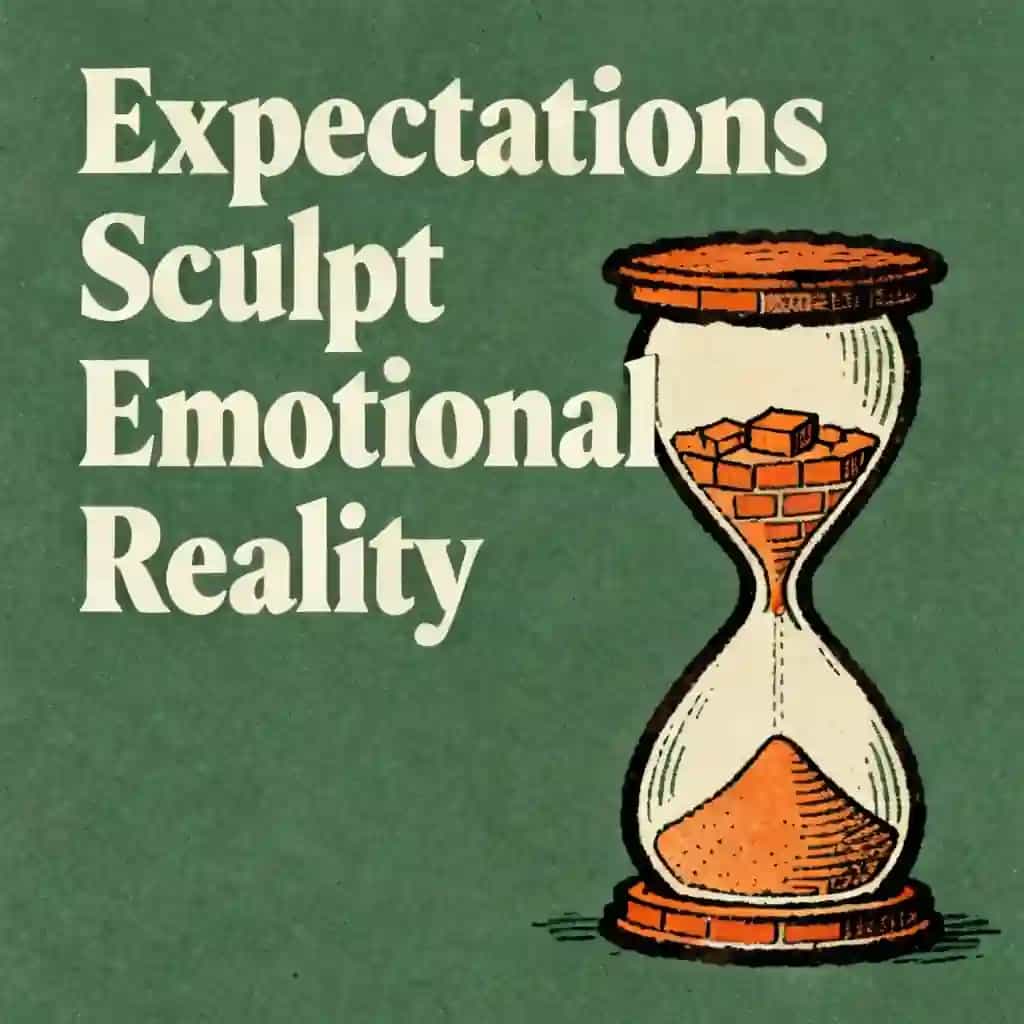
Explore how our reactions to events are shaped not by what happens, but by the gap between reality and our deeply-rooted values and expectations that begin forming in infancy.

The Gap Between Expectation and Realityのベスト引用
Our reactions aren't really about what happens to us, but about the gap between what happens and our personal set of values, assumptions, and expectations. Understanding that your brain is a prediction machine gives you the power to choose how you want to act in that moment between stimulus and response.

このオーディオレッスンはBeFreedコミュニティメンバーが作成しました
Why do people act the way they do?

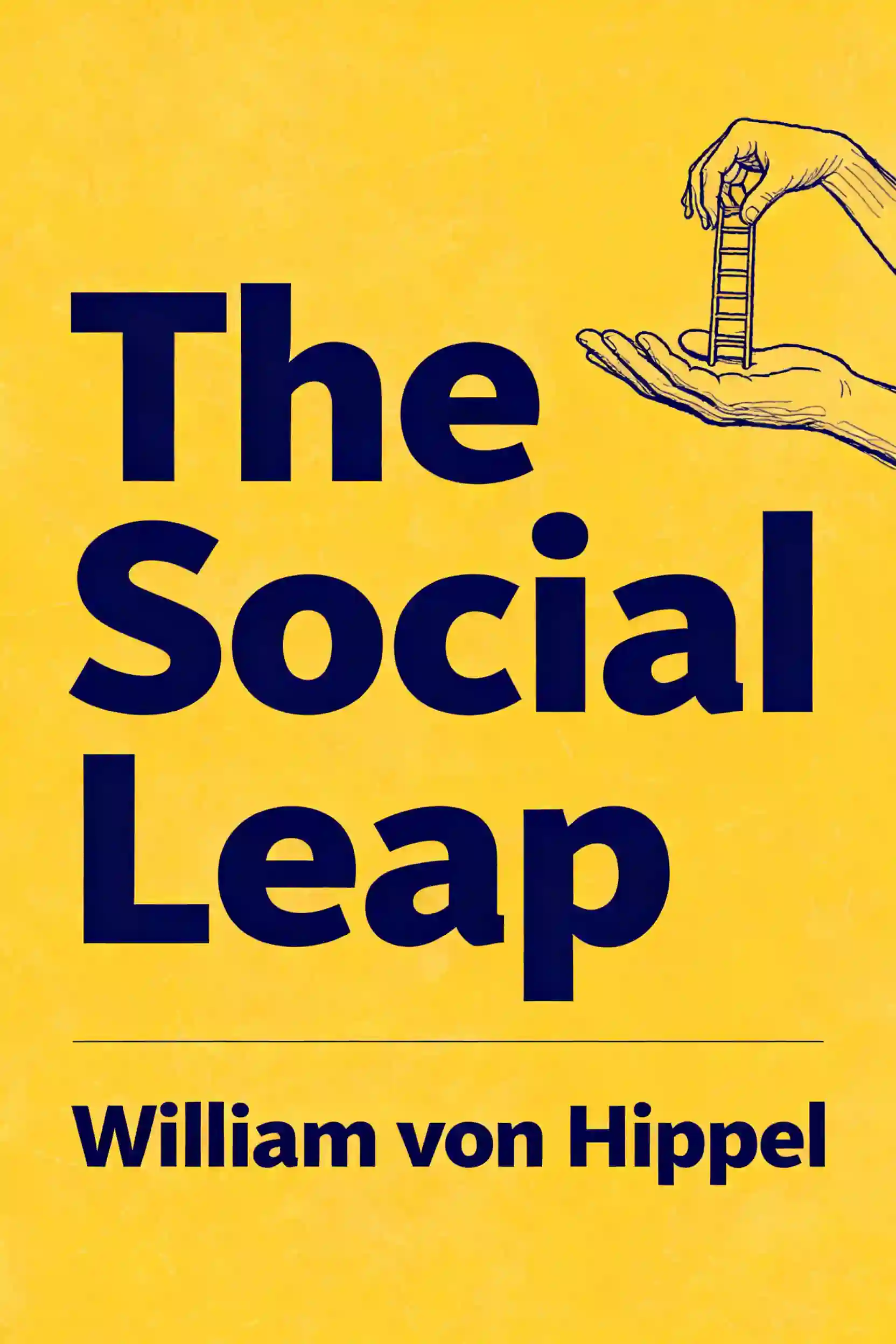
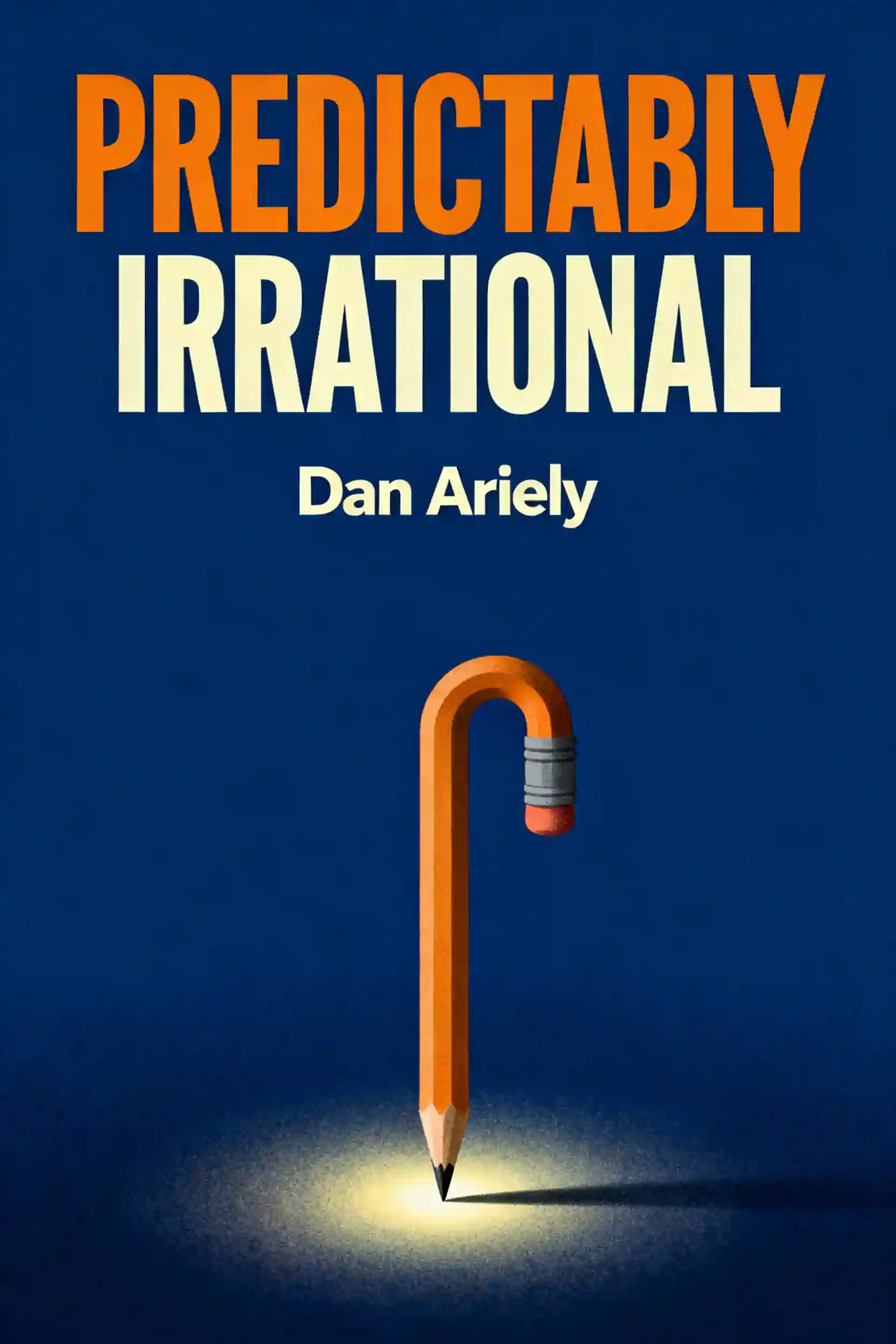
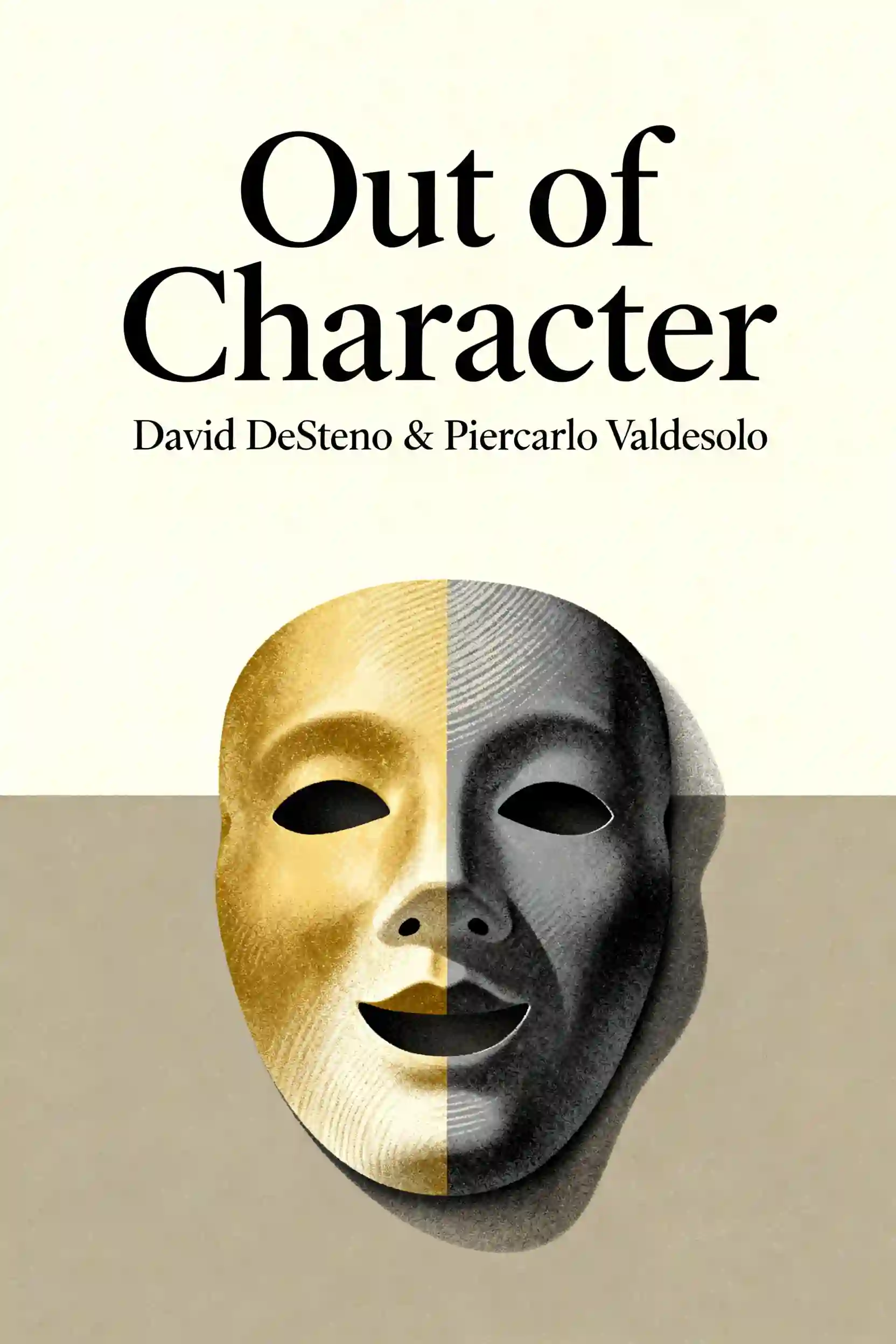
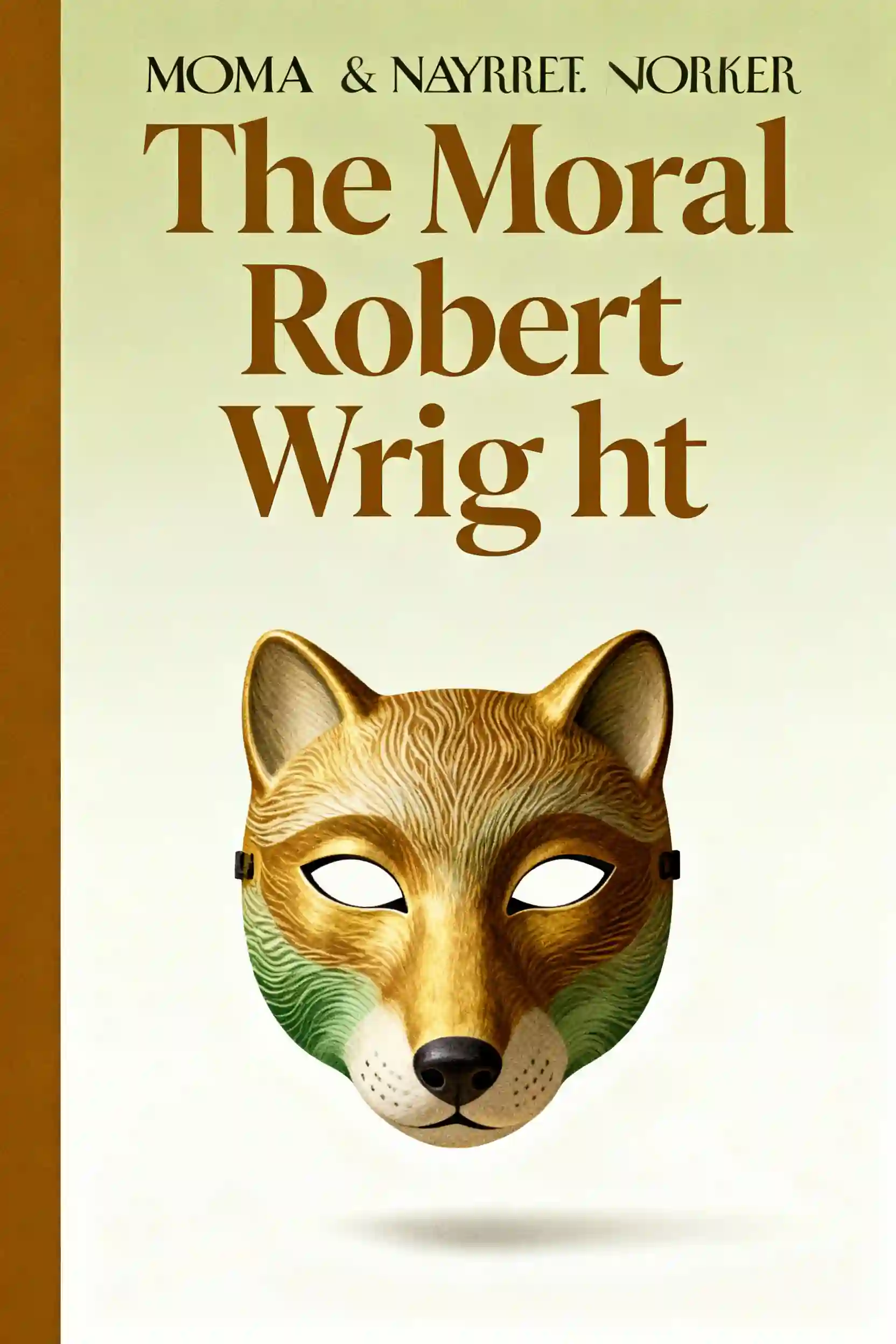
もっと発見

Bridge the Gap: Toddlers to Teens
Modern parents often feel pulled between the intense emotional needs of toddlers and the withdrawal of teenagers. This plan provides the self-regulation tools and age-specific communication strategies needed to lead a multi-age household with confidence and connection.

The Psychology of Hidden Motives
Understanding the gap between public persona and private intent is a critical skill for navigating complex social and professional landscapes. This plan is ideal for leaders, negotiators, and analysts who need to sharpen their intuition and master the science of behavioral prediction.
Bridge the Intention-Action Gap
Many high-achievers struggle not with a lack of ambition, but with the psychological friction that prevents execution. This plan is designed for professionals and students who want to stop procrastinating and start automating their productivity through science-backed behavioral strategies.

The Project of Becoming You
This learning plan is designed for individuals feeling disconnected from their daily lives or pressured by societal standards. It provides a structured framework for anyone seeking to bridge the gap between their current reality and their most authentic self.

Understanding human mind
This learning plan bridges the gap between biological neuroscience and practical psychology to reveal how our brains construct reality. It is ideal for curious minds, professionals, and students seeking to master their cognitive processes and understand the hidden drivers of human behavior.

The Architect of Your Own Reality
This plan is essential for individuals feeling trapped by societal expectations or seeking deeper purpose in an indifferent world. It provides the tools to transition from passive existence to active, conscious self-creation through existentialist principles.

The Limits of Reason
This plan is essential for anyone looking to understand the cognitive architecture that defines our reality. It is ideal for students of philosophy, science, and history who want to bridge the gap between raw information and meaningful insight.

Gatsby's Ghost: Moving Beyond the Past
This plan is essential for individuals who feel stuck in past versions of themselves or struggle with superficial connections. It is designed for those seeking to transition from performative success to authentic influence and meaningful relationships.
"Instead of endless scrolling, I just hit play on BeFreed. It saves me so much time."


"I never knew where to start with nonfiction—BeFreed’s book lists turned into podcasts gave me a clear path."


"Perfect balance between learning and entertainment. Finished ‘Thinking, Fast and Slow’ on my commute this week."
"Crazy how much I learned while walking the dog. BeFreed = small habits → big gains."
"Reading used to feel like a chore. Now it’s just part of my lifestyle."

"Feels effortless compared to reading. I’ve finished 6 books this month already."
"BeFreed turned my guilty doomscrolling into something that feels productive and inspiring."

"BeFreed turned my commute into learning time. 20-min podcasts are perfect for finishing books I never had time for."
"BeFreed replaced my podcast queue. Imagine Spotify for books — that’s it. 🙌"

"It is great for me to learn something from the book without reading it."
"The themed book list podcasts help me connect ideas across authors—like a guided audio journey."
"Makes me feel smarter every time before going to work"
"Instead of endless scrolling, I just hit play on BeFreed. It saves me so much time."
"I never knew where to start with nonfiction—BeFreed’s book lists turned into podcasts gave me a clear path."
"Perfect balance between learning and entertainment. Finished ‘Thinking, Fast and Slow’ on my commute this week."
"Crazy how much I learned while walking the dog. BeFreed = small habits → big gains."
"Reading used to feel like a chore. Now it’s just part of my lifestyle."
"Feels effortless compared to reading. I’ve finished 6 books this month already."
"BeFreed turned my guilty doomscrolling into something that feels productive and inspiring."
"BeFreed turned my commute into learning time. 20-min podcasts are perfect for finishing books I never had time for."
"BeFreed replaced my podcast queue. Imagine Spotify for books — that’s it. 🙌"
"It is great for me to learn something from the book without reading it."
"The themed book list podcasts help me connect ideas across authors—like a guided audio journey."
"Makes me feel smarter every time before going to work"
"Instead of endless scrolling, I just hit play on BeFreed. It saves me so much time."
"I never knew where to start with nonfiction—BeFreed’s book lists turned into podcasts gave me a clear path."
"Perfect balance between learning and entertainment. Finished ‘Thinking, Fast and Slow’ on my commute this week."
"Crazy how much I learned while walking the dog. BeFreed = small habits → big gains."
"Reading used to feel like a chore. Now it’s just part of my lifestyle."
"Feels effortless compared to reading. I’ve finished 6 books this month already."
"BeFreed turned my guilty doomscrolling into something that feels productive and inspiring."
"BeFreed turned my commute into learning time. 20-min podcasts are perfect for finishing books I never had time for."
"BeFreed replaced my podcast queue. Imagine Spotify for books — that’s it. 🙌"
"It is great for me to learn something from the book without reading it."
"The themed book list podcasts help me connect ideas across authors—like a guided audio journey."
"Makes me feel smarter every time before going to work"
"Instead of endless scrolling, I just hit play on BeFreed. It saves me so much time."
"I never knew where to start with nonfiction—BeFreed’s book lists turned into podcasts gave me a clear path."
"Perfect balance between learning and entertainment. Finished ‘Thinking, Fast and Slow’ on my commute this week."
"Crazy how much I learned while walking the dog. BeFreed = small habits → big gains."
"Reading used to feel like a chore. Now it’s just part of my lifestyle."
"Feels effortless compared to reading. I’ve finished 6 books this month already."
"BeFreed turned my guilty doomscrolling into something that feels productive and inspiring."
"BeFreed turned my commute into learning time. 20-min podcasts are perfect for finishing books I never had time for."
"BeFreed replaced my podcast queue. Imagine Spotify for books — that’s it. 🙌"
"It is great for me to learn something from the book without reading it."
"The themed book list podcasts help me connect ideas across authors—like a guided audio journey."
"Makes me feel smarter every time before going to work"