Lena: Miles, as we wrap up our exploration today, I'm struck by something bigger than just individual influence techniques. It seems like when we influence others ethically, we're actually modeling a way of being that could transform how people interact with each other.
Miles: That's such a profound insight, Lena. Every time we choose curiosity over pressure, transparency over manipulation, or genuine care over strategic positioning, we're not just achieving a short-term goal—we're demonstrating that there's a better way to navigate human relationships.
Lena: Right, it's like we're teaching people that they can trust others to have their best interests at heart, which probably makes them more open to positive influence in the future.
Miles: Exactly! And research on social modeling shows that people learn more from what we do than what we say. When someone experiences ethical influence—where they feel respected, heard, and genuinely cared for—they're more likely to influence others the same way.
Lena: So ethical influence is contagious in the best possible way. But I'm also thinking about the personal impact. How does it change us when we commit to influencing others with integrity?
Miles: That's where it gets really interesting. Studies on moral behavior show that acting with integrity actually strengthens our capacity for integrity. It's like a muscle that gets stronger with use. Plus, when you build influence through authentic relationships and genuine value creation, you sleep better at night.
Lena: There's something beautiful about that—the methods that feel right are also the ones that create the most sustainable results. But Miles, what about people who are currently using more manipulative approaches? Is it possible to change course without losing effectiveness?
Miles: Absolutely, though there might be a transition period. Some relationships built on manipulation might not survive the shift to authenticity, but that's actually a good thing. You'll end up with fewer but stronger, more genuine connections that serve you better long-term.
Lena: So it's like clearing out relationships that were based on false premises to make room for real ones. That sounds both scary and liberating.
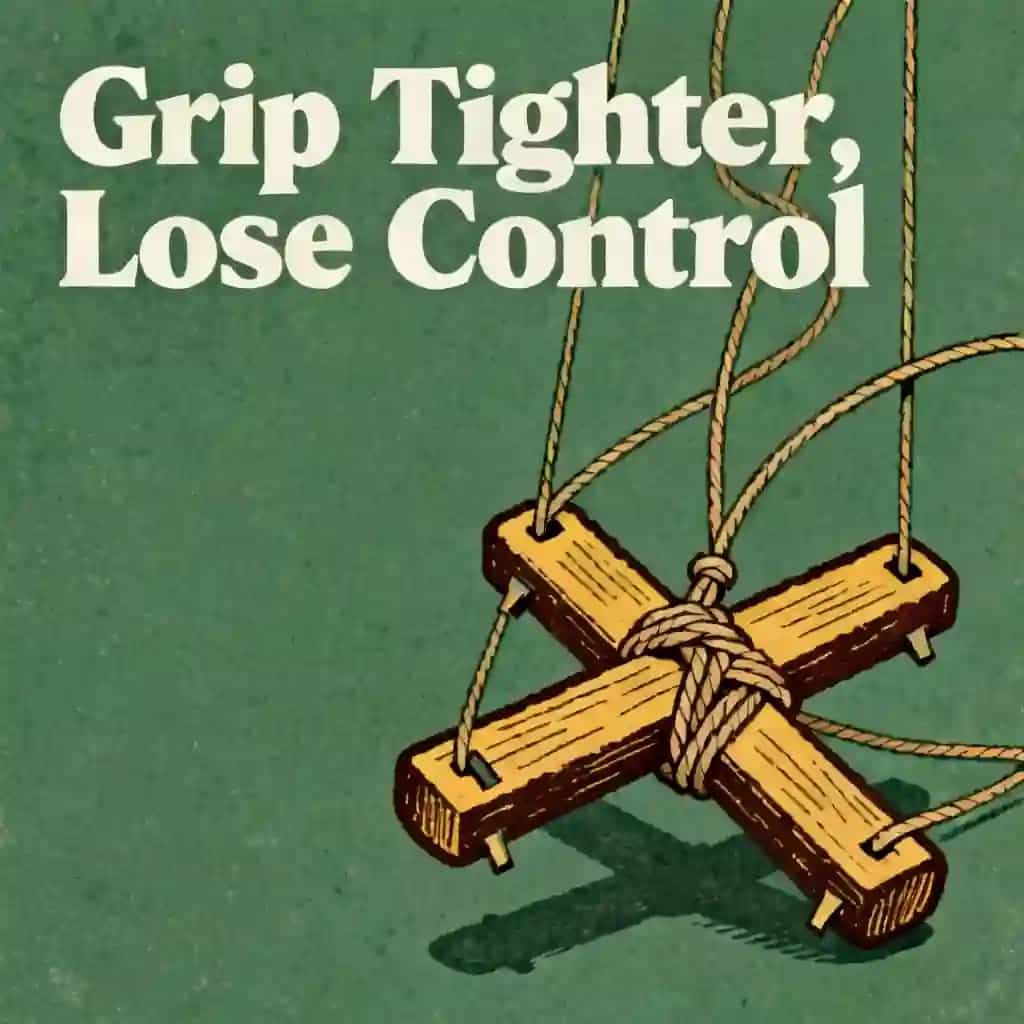
Miles: It really is both. But here's what people often discover—when you stop trying to control outcomes and start focusing on serving others genuinely, you often get better outcomes than you were trying to force. It's like the difference between pushing a rope and pulling it.
Lena: That's such a perfect metaphor. And it brings us back to where we started—true influence isn't about control at all. It's about connection, service, and mutual respect.
Miles: Beautifully said, Lena. For everyone listening, remember that every interaction is an opportunity to practice this approach. Start small, be patient with yourself as you develop these skills, and trust that doing right by others is ultimately the most effective strategy of all.
Lena: Thank you so much for this fascinating conversation, Miles. To our listeners, we'd love to hear how you're applying these ideas in your own relationships and leadership. What's working? What's challenging? Your experiences help all of us learn and grow together.
Miles: Absolutely. Keep questioning, keep growing, and remember—the goal isn't to become someone who can control others, but to become someone others trust to have their best interests at heart. That's where real influence lives.





















![[influence-the-psychology-of-persuasion-by-phd-robert-b-cialdini:c0000] Influence p1-1](/_next/image?url=https%3A%2F%2Fd1y2du6z1jfm9e.cloudfront.net%2Fassets%2Fpodcast%2Fyellow.png&w=1024&q=50)