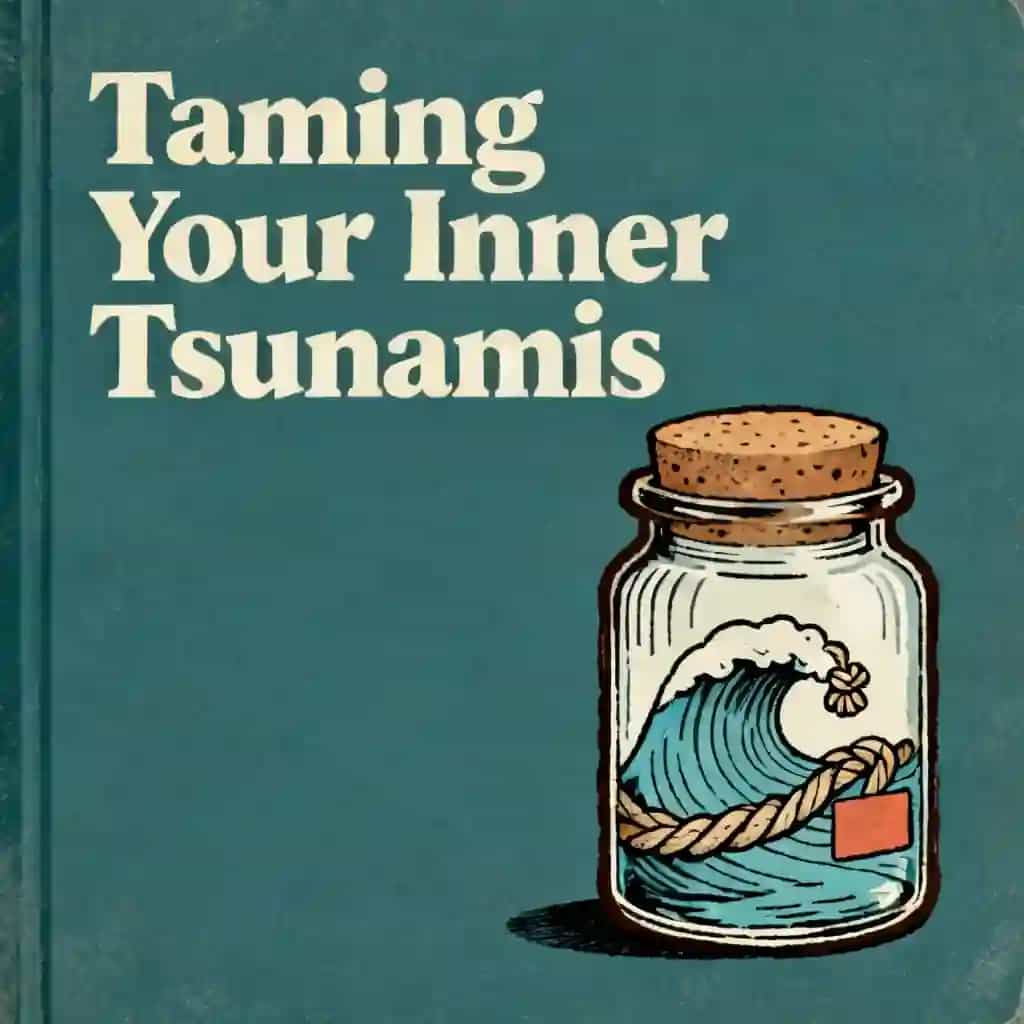
Taming the Anger Beast
Discover how to recognize anger triggers and transform your responses before they hijack your life. Learn practical techniques to manage this normal emotion in healthier ways that protect your relationships and health.

Taming the Anger Beastのベスト引用
Anger itself isn't actually the problem; it's often just a signal that something feels unfair or threatening. The goal is to understand the message behind the emotion and express it in healthier ways before it hijacks our lives.

このオーディオレッスンはBeFreedコミュニティメンバーが作成しました
How to control anger?

もっと発見

Anger management
Anger management
Uncontrolled anger can damage health and relationships, yet traditional advice often fails to address its root causes. This plan is ideal for anyone seeking to transition from reactive outbursts to mindful, constructive communication and emotional stability.

Over come anger
Over come anger
Uncontrolled anger can damage relationships, impair decision-making, and negatively impact physical health. This learning plan provides practical strategies for anyone seeking to understand their anger triggers, develop emotional regulation skills, and create lasting change through mindfulness practices.
Control anger, be wise threat
Control anger, be wise threat
In today's high-pressure world, uncontrolled anger can damage relationships, careers, and health. This learning plan equips you with evidence-based techniques to understand anger triggers, regulate emotional responses, and transform threatening situations into opportunities for wise action.

Stop feeling angry so much
Stop feeling angry so much
Frequent anger can damage relationships, harm your health, and leave you feeling out of control. This plan is designed for anyone who finds themselves overreacting to daily frustrations, struggling with a short temper, or wanting to break free from explosive emotional patterns that no longer serve them.

Connect with and understand my true emotions
Connect with and understand my true emotions
Many people struggle to recognize, understand, and healthily express their emotions, leading to stress, relationship difficulties, and diminished wellbeing. This learning plan provides practical tools for developing emotional awareness, intelligence, and self-compassion—essential skills for anyone seeking greater emotional balance, authentic self-connection, and psychological freedom.

Manage my emotional responses
Manage my emotional responses
Emotional regulation is a foundational life skill that impacts every aspect of personal and professional success, from relationship quality to decision-making under pressure. This learning plan is ideal for anyone who feels controlled by their emotions, struggles with impulsive reactions, or wants to build deeper self-awareness and resilience in navigating life's challenges.
Manage irritability cycles before panic hits
Manage irritability cycles before panic hits
This plan is essential for individuals who experience sudden emotional escalations and want to regain control before reaching a point of crisis. It is ideal for those seeking practical, somatic-based strategies to stabilize their nervous system and stop the cycle of irritability.
Manage Toxic People & Set Firm Boundaries
Manage Toxic People & Set Firm Boundaries
This plan is essential for anyone feeling drained by manipulative relationships or struggling to maintain personal limits. It provides practical tools for professionals and individuals to regain control through assertive communication and emotional healing.
"Instead of endless scrolling, I just hit play on BeFreed. It saves me so much time."


"I never knew where to start with nonfiction—BeFreed’s book lists turned into podcasts gave me a clear path."


"Perfect balance between learning and entertainment. Finished ‘Thinking, Fast and Slow’ on my commute this week."
"Crazy how much I learned while walking the dog. BeFreed = small habits → big gains."
"Reading used to feel like a chore. Now it’s just part of my lifestyle."

"Feels effortless compared to reading. I’ve finished 6 books this month already."
"BeFreed turned my guilty doomscrolling into something that feels productive and inspiring."

"BeFreed turned my commute into learning time. 20-min podcasts are perfect for finishing books I never had time for."
"BeFreed replaced my podcast queue. Imagine Spotify for books — that’s it. 🙌"

"It is great for me to learn something from the book without reading it."
"The themed book list podcasts help me connect ideas across authors—like a guided audio journey."
"Makes me feel smarter every time before going to work"
"Instead of endless scrolling, I just hit play on BeFreed. It saves me so much time."
"I never knew where to start with nonfiction—BeFreed’s book lists turned into podcasts gave me a clear path."
"Perfect balance between learning and entertainment. Finished ‘Thinking, Fast and Slow’ on my commute this week."
"Crazy how much I learned while walking the dog. BeFreed = small habits → big gains."
"Reading used to feel like a chore. Now it’s just part of my lifestyle."
"Feels effortless compared to reading. I’ve finished 6 books this month already."
"BeFreed turned my guilty doomscrolling into something that feels productive and inspiring."
"BeFreed turned my commute into learning time. 20-min podcasts are perfect for finishing books I never had time for."
"BeFreed replaced my podcast queue. Imagine Spotify for books — that’s it. 🙌"
"It is great for me to learn something from the book without reading it."
"The themed book list podcasts help me connect ideas across authors—like a guided audio journey."
"Makes me feel smarter every time before going to work"
"Instead of endless scrolling, I just hit play on BeFreed. It saves me so much time."
"I never knew where to start with nonfiction—BeFreed’s book lists turned into podcasts gave me a clear path."
"Perfect balance between learning and entertainment. Finished ‘Thinking, Fast and Slow’ on my commute this week."
"Crazy how much I learned while walking the dog. BeFreed = small habits → big gains."
"Reading used to feel like a chore. Now it’s just part of my lifestyle."
"Feels effortless compared to reading. I’ve finished 6 books this month already."
"BeFreed turned my guilty doomscrolling into something that feels productive and inspiring."
"BeFreed turned my commute into learning time. 20-min podcasts are perfect for finishing books I never had time for."
"BeFreed replaced my podcast queue. Imagine Spotify for books — that’s it. 🙌"
"It is great for me to learn something from the book without reading it."
"The themed book list podcasts help me connect ideas across authors—like a guided audio journey."
"Makes me feel smarter every time before going to work"
"Instead of endless scrolling, I just hit play on BeFreed. It saves me so much time."
"I never knew where to start with nonfiction—BeFreed’s book lists turned into podcasts gave me a clear path."
"Perfect balance between learning and entertainment. Finished ‘Thinking, Fast and Slow’ on my commute this week."
"Crazy how much I learned while walking the dog. BeFreed = small habits → big gains."
"Reading used to feel like a chore. Now it’s just part of my lifestyle."
"Feels effortless compared to reading. I’ve finished 6 books this month already."
"BeFreed turned my guilty doomscrolling into something that feels productive and inspiring."
"BeFreed turned my commute into learning time. 20-min podcasts are perfect for finishing books I never had time for."
"BeFreed replaced my podcast queue. Imagine Spotify for books — that’s it. 🙌"
"It is great for me to learn something from the book without reading it."
"The themed book list podcasts help me connect ideas across authors—like a guided audio journey."
"Makes me feel smarter every time before going to work"