Public speaking skills and overcoming stage fright
Struggling with glossophobia? Learn why your brain treats a stage like a predator and how to use neuroscience to turn nervous energy into career growth.

Public speaking skills and overcoming stage frightのベスト引用
In an era where AI can generate a perfect script in seconds, the ability to deliver a message with raw, authentic human emotion has become the ultimate professional differentiator.
Generated by Jiaying
How can I improve my public speaking skills and overcome stage fright?






よくある質問
This phenomenon is a neurological response to perceived social risk. When you stand before an audience, your brain's fear center, the amygdala, may perceive the situation as a threat to your survival. This triggers a fight-or-flight response that redirects resources away from your prefrontal cortex—the area responsible for rational thought and language—to prioritize survival functions. Essentially, your brain becomes too busy trying to "save your life" to manage your working memory or your slides.
One of the most effective physiological overrides is the 4-4-8 breathing technique. By inhaling for four seconds, holding for four, and exhaling for a full eight seconds, you trigger the vagus nerve. This prolonged exhalation acts as a biological "stop" button for the fight-or-flight response, physically forcing your heart rate to slow down and signaling to your brain that you are safe. Additionally, practicing "anxiety reappraisal" by telling yourself "I am excited" can help rebrand the physiological jitters as positive energy rather than panic.
The educator mindset is a mental shift from self-focus to service. Anxiety often stems from self-monitoring questions like "How do I look?" or "What if I fail?" By reframing your role as an educator delivering a gift of knowledge, you shift brain activity away from the amygdala and toward the logical planning centers. When you focus entirely on what the audience needs to learn, your brain activates empathy networks that naturally suppress the self-conscious circuits responsible for performance anxiety.
The first thirty seconds are the "danger zone" where adrenaline spikes are highest and working memory is most likely to fail. Memorizing this opening word-for-word creates a "muscle memory bridge" that carries you through the initial rush of nerves until your system settles. It is not recommended to script the entire talk, as that can increase anxiety if you lose your place; instead, mastering the start allows you to establish control and transition into a more natural, conversational flow.
Practicing in front of a mirror is often ineffective because it forces you to focus on your own reflection, which increases self-consciousness rather than focusing on the act of communication. Modern experts suggest recording yourself on a phone or using virtual simulations instead. This allows you to practice the "performance task" of speaking out loud—which the brain processes differently than silent reading—and lets you observe your delivery objectively without the distraction of immediate self-monitoring.
"Instead of endless scrolling, I just hit play on BeFreed. It saves me so much time."


"I never knew where to start with nonfiction—BeFreed’s book lists turned into podcasts gave me a clear path."


"Perfect balance between learning and entertainment. Finished ‘Thinking, Fast and Slow’ on my commute this week."
"Crazy how much I learned while walking the dog. BeFreed = small habits → big gains."
"Reading used to feel like a chore. Now it’s just part of my lifestyle."

"Feels effortless compared to reading. I’ve finished 6 books this month already."
"BeFreed turned my guilty doomscrolling into something that feels productive and inspiring."

"BeFreed turned my commute into learning time. 20-min podcasts are perfect for finishing books I never had time for."
"BeFreed replaced my podcast queue. Imagine Spotify for books — that’s it. 🙌"

"It is great for me to learn something from the book without reading it."
"The themed book list podcasts help me connect ideas across authors—like a guided audio journey."
"Makes me feel smarter every time before going to work"
"Instead of endless scrolling, I just hit play on BeFreed. It saves me so much time."
"I never knew where to start with nonfiction—BeFreed’s book lists turned into podcasts gave me a clear path."
"Perfect balance between learning and entertainment. Finished ‘Thinking, Fast and Slow’ on my commute this week."
"Crazy how much I learned while walking the dog. BeFreed = small habits → big gains."
"Reading used to feel like a chore. Now it’s just part of my lifestyle."
"Feels effortless compared to reading. I’ve finished 6 books this month already."
"BeFreed turned my guilty doomscrolling into something that feels productive and inspiring."
"BeFreed turned my commute into learning time. 20-min podcasts are perfect for finishing books I never had time for."
"BeFreed replaced my podcast queue. Imagine Spotify for books — that’s it. 🙌"
"It is great for me to learn something from the book without reading it."
"The themed book list podcasts help me connect ideas across authors—like a guided audio journey."
"Makes me feel smarter every time before going to work"
"Instead of endless scrolling, I just hit play on BeFreed. It saves me so much time."
"I never knew where to start with nonfiction—BeFreed’s book lists turned into podcasts gave me a clear path."
"Perfect balance between learning and entertainment. Finished ‘Thinking, Fast and Slow’ on my commute this week."
"Crazy how much I learned while walking the dog. BeFreed = small habits → big gains."
"Reading used to feel like a chore. Now it’s just part of my lifestyle."
"Feels effortless compared to reading. I’ve finished 6 books this month already."
"BeFreed turned my guilty doomscrolling into something that feels productive and inspiring."
"BeFreed turned my commute into learning time. 20-min podcasts are perfect for finishing books I never had time for."
"BeFreed replaced my podcast queue. Imagine Spotify for books — that’s it. 🙌"
"It is great for me to learn something from the book without reading it."
"The themed book list podcasts help me connect ideas across authors—like a guided audio journey."
"Makes me feel smarter every time before going to work"
"Instead of endless scrolling, I just hit play on BeFreed. It saves me so much time."
"I never knew where to start with nonfiction—BeFreed’s book lists turned into podcasts gave me a clear path."
"Perfect balance between learning and entertainment. Finished ‘Thinking, Fast and Slow’ on my commute this week."
"Crazy how much I learned while walking the dog. BeFreed = small habits → big gains."
"Reading used to feel like a chore. Now it’s just part of my lifestyle."
"Feels effortless compared to reading. I’ve finished 6 books this month already."
"BeFreed turned my guilty doomscrolling into something that feels productive and inspiring."
"BeFreed turned my commute into learning time. 20-min podcasts are perfect for finishing books I never had time for."
"BeFreed replaced my podcast queue. Imagine Spotify for books — that’s it. 🙌"
"It is great for me to learn something from the book without reading it."
"The themed book list podcasts help me connect ideas across authors—like a guided audio journey."
"Makes me feel smarter every time before going to work"


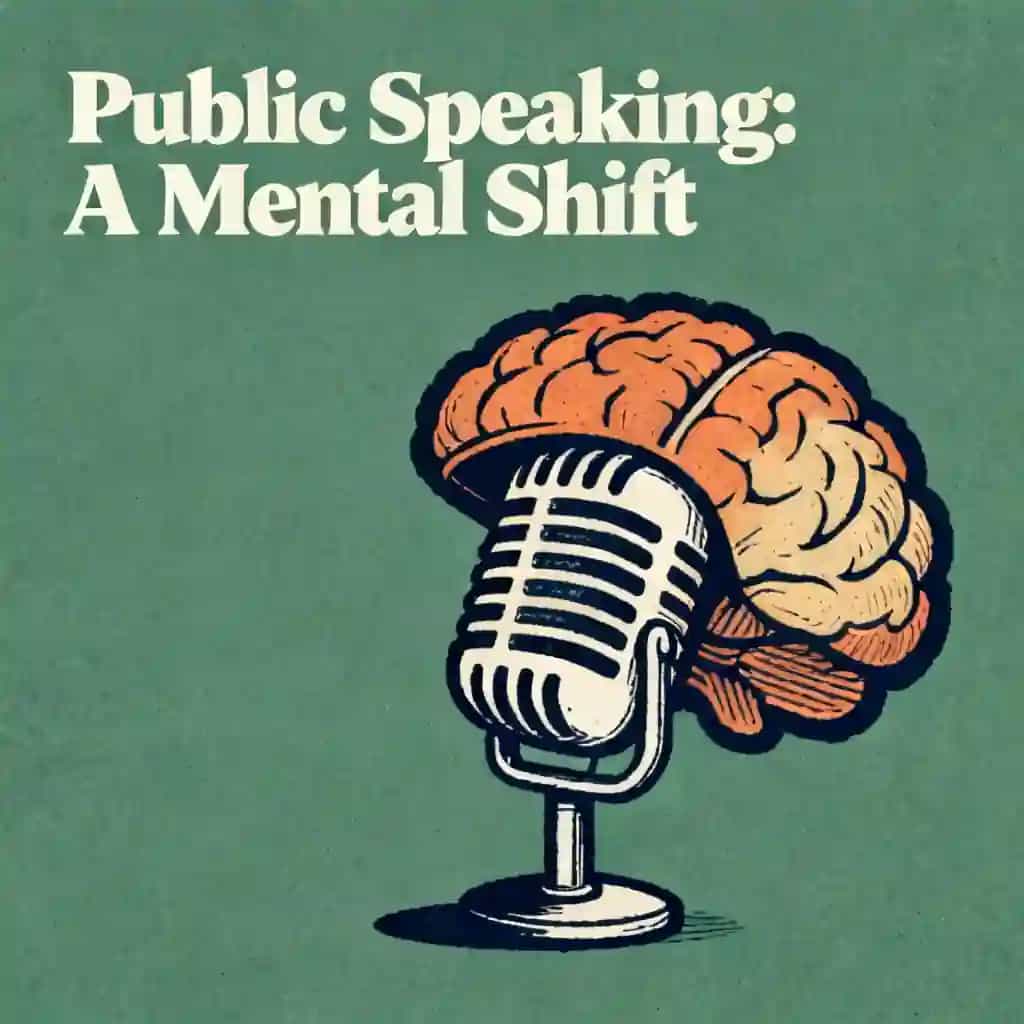
![How to Build Confidence in Public Speaking: Step-by-Step [2026]](/_next/image?url=https%3A%2F%2Fd1y2du6z1jfm9e.cloudfront.net%2Fassets%2Fpodcast%2Fgreen.png&w=1024&q=50)