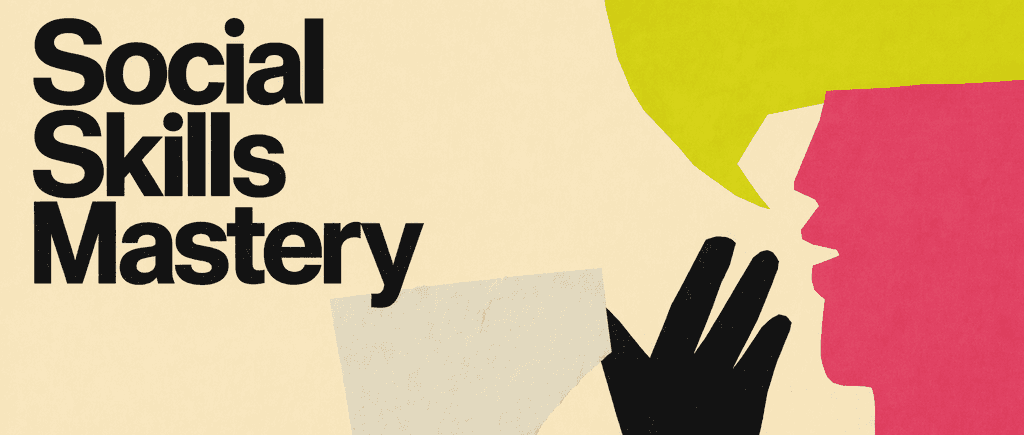
Mastering the Art of Social Storytelling
Learn how to transform mundane facts into 'social gold' using the PAR framework and a curated story toolbox. Discover how to hook any audience and avoid the common pitfalls that kill conversation.

Mastering the Art of Social Storytellingのベスト引用
People are 22 times more likely to remember information when it’s wrapped in a story rather than just plain data. It’s not about the magnitude of the event—it’s about the change.
Generated by Filipp A
How to be a great storyteller for friends and meeting new people.

よくある質問
Research indicates that people are 22 times more likely to remember information when it is delivered as a story rather than plain data. This is because storytelling simultaneously activates both the emotional and logical centers of the brain. When a listener hears sensory and emotional details, "neural coupling" occurs, causing the listener’s brain activity to mirror the storyteller’s, creating a deep mental connection.
You do not need "shark attack" moments or epic adventures to tell a great story; you only need to find "the change." A story is essentially a transition where you move from one state to another, such as starting out nervous and ending up confident. To find these moments, look for "Problem, Action, Result" (PAR) sequences in your daily life, such as a small mistake you made or a minor conflict you resolved.
The PAR framework stands for Problem, Action, and Result. It serves as the skeleton of an engaging story to prevent rambling. First, you establish the "Problem" (the tension or conflict), then describe the "Action" (what you specifically did to handle it), and finally share the "Result" (the resolution or the lesson learned). This structure demonstrates that you are an action-oriented person and makes even simple errands sound compelling.
The most effective way to start is to "drop the listener straight into the action" within the first ten seconds. Avoid generic openings like "So, this one time..." and instead use a "hook" or "lede" that features a vivid, specific detail or a bold statement. By starting the story later than you think—jumping right into the tension—you create a knowledge gap that sparks the listener's curiosity.
The script identifies several "sins" of storytelling, most notably including too much "fluff" or unnecessary details that don't move the plot forward. Other pitfalls include "reporting" facts instead of "reliving" them with sensory details, being overly negative or judgmental about others, and telling "hero-only" stories. To maintain connection, it is vital to show vulnerability and ensure your body language and tone match the emotional intensity of the story.
"Instead of endless scrolling, I just hit play on BeFreed. It saves me so much time."


"I never knew where to start with nonfiction—BeFreed’s book lists turned into podcasts gave me a clear path."


"Perfect balance between learning and entertainment. Finished ‘Thinking, Fast and Slow’ on my commute this week."
"Crazy how much I learned while walking the dog. BeFreed = small habits → big gains."
"Reading used to feel like a chore. Now it’s just part of my lifestyle."

"Feels effortless compared to reading. I’ve finished 6 books this month already."
"BeFreed turned my guilty doomscrolling into something that feels productive and inspiring."

"BeFreed turned my commute into learning time. 20-min podcasts are perfect for finishing books I never had time for."
"BeFreed replaced my podcast queue. Imagine Spotify for books — that’s it. 🙌"

"It is great for me to learn something from the book without reading it."
"The themed book list podcasts help me connect ideas across authors—like a guided audio journey."
"Makes me feel smarter every time before going to work"
"Instead of endless scrolling, I just hit play on BeFreed. It saves me so much time."
"I never knew where to start with nonfiction—BeFreed’s book lists turned into podcasts gave me a clear path."
"Perfect balance between learning and entertainment. Finished ‘Thinking, Fast and Slow’ on my commute this week."
"Crazy how much I learned while walking the dog. BeFreed = small habits → big gains."
"Reading used to feel like a chore. Now it’s just part of my lifestyle."
"Feels effortless compared to reading. I’ve finished 6 books this month already."
"BeFreed turned my guilty doomscrolling into something that feels productive and inspiring."
"BeFreed turned my commute into learning time. 20-min podcasts are perfect for finishing books I never had time for."
"BeFreed replaced my podcast queue. Imagine Spotify for books — that’s it. 🙌"
"It is great for me to learn something from the book without reading it."
"The themed book list podcasts help me connect ideas across authors—like a guided audio journey."
"Makes me feel smarter every time before going to work"
"Instead of endless scrolling, I just hit play on BeFreed. It saves me so much time."
"I never knew where to start with nonfiction—BeFreed’s book lists turned into podcasts gave me a clear path."
"Perfect balance between learning and entertainment. Finished ‘Thinking, Fast and Slow’ on my commute this week."
"Crazy how much I learned while walking the dog. BeFreed = small habits → big gains."
"Reading used to feel like a chore. Now it’s just part of my lifestyle."
"Feels effortless compared to reading. I’ve finished 6 books this month already."
"BeFreed turned my guilty doomscrolling into something that feels productive and inspiring."
"BeFreed turned my commute into learning time. 20-min podcasts are perfect for finishing books I never had time for."
"BeFreed replaced my podcast queue. Imagine Spotify for books — that’s it. 🙌"
"It is great for me to learn something from the book without reading it."
"The themed book list podcasts help me connect ideas across authors—like a guided audio journey."
"Makes me feel smarter every time before going to work"
"Instead of endless scrolling, I just hit play on BeFreed. It saves me so much time."
"I never knew where to start with nonfiction—BeFreed’s book lists turned into podcasts gave me a clear path."
"Perfect balance between learning and entertainment. Finished ‘Thinking, Fast and Slow’ on my commute this week."
"Crazy how much I learned while walking the dog. BeFreed = small habits → big gains."
"Reading used to feel like a chore. Now it’s just part of my lifestyle."
"Feels effortless compared to reading. I’ve finished 6 books this month already."
"BeFreed turned my guilty doomscrolling into something that feels productive and inspiring."
"BeFreed turned my commute into learning time. 20-min podcasts are perfect for finishing books I never had time for."
"BeFreed replaced my podcast queue. Imagine Spotify for books — that’s it. 🙌"
"It is great for me to learn something from the book without reading it."
"The themed book list podcasts help me connect ideas across authors—like a guided audio journey."
"Makes me feel smarter every time before going to work"