BeFreed
    Categories>Education>General Knowledge Trivia: Testing What You Know

    General Knowledge Trivia: Testing What You Know

    31分
    |
    |
    2026年3月31日
    • Education
    • Technology
    • History & Society

    Think you know your pop culture and history? Test your memory on everything from science to cinema and see how much common knowledge you actually recall.

    General Knowledge Trivia: Testing What You Know
    0:00 / 0:00
    聴き方を選ぶ

    1つのエピソード。いろいろな聴き方。

    General Knowledge Trivia: Testing What You Knowの同じアイデアを、あなたに合う声・深さ・ペースで。いつでも切り替えられます。

    文字起こしとチャプター

    チャプター 1

    Testing Your Common Knowledge Boundaries

    Lena: Miles, if I asked you what color the "black box" on an airplane is, what would you say?

    Miles: Well, the name kind of gives it away, doesn't it? You’d assume it’s black.

    Lena: You’d think so, right? But it’s actually bright orange. It’s one of those facts that feels like a trick, but it makes total sense once you realize they need to find it in a wreck. It’s interesting how much "common knowledge" we carry around that might be slightly off—or just waiting to be tested.

    Miles: Exactly. Whether it's knowing that a group of lions is a pride or remembering that the first iPhone launched back in 2007, these bits of trivia are like the glue of our pop culture.

    Lena: I love that. Today, we’re diving into a massive mix of general knowledge and pop culture, from "Jeopardy!" level challenges to the absolute basics. Let's explore how much you actually remember when the pressure is on.

    チャプター 2

    Navigating the Spectrum of Global Geography

    Lena: It’s funny how we feel so confident about where things are until someone puts a map in front of us without the labels—don't you think? Like, if I asked you right now to name the largest continent in the world, would you hesitate?

    Miles: Most people might jump to Africa because it looks so massive on certain map projections—but the data is pretty clear. It’s Asia. By a long shot, actually.

    Lena: Right, and that’s a perfect example of a foundational fact. But let’s narrow the focus. If we moved from the largest continent to the smallest country, where does your mind go?

    Miles: You’re talking about the Vatican City. It’s essentially a city-state entirely encircled by Rome. It’s fascinating because it’s a sovereign entity that’s smaller than many city parks in other parts of the world.

    Lena: Exactly. It’s that contrast—the sheer scale of Asia versus the tiny footprint of the Vatican—that makes geography trivia so engaging. But let’s test the "middle ground" of memory. We know Paris is the capital of France—that’s a layup—but what about Australia?

    Miles: Ah, the classic trap. People always want to say Sydney or Melbourne because those are the cultural hubs we see in movies. But it’s actually Canberra. It was essentially built as a compromise between the two bigger rivals.

    Lena: It’s the "compromise capital"—I love that. Now, let’s push into the natural world. We often hear about the Nile and the Amazon competing for the title of the longest river. Based on the most common trivia standards, which one takes the crown?

    Miles: The Nile is generally cited as the longest—winding through northeastern Africa. The Amazon usually takes the title for the largest by water volume, which is a different kind of "big" entirely.

    Lena: That’s a crucial distinction. It’s about how you define the metric—length versus volume. And speaking of metrics, what about height? Mount Everest is the one everyone knows—the tallest mountain above sea level—but do you remember which continent it calls home?

    Miles: That brings us back to our first answer—Asia. It sits right on the border of Nepal and China. It’s the ultimate geographical "final boss."

    Lena: It really is. But let’s look at the water. If you’re standing on the east coast of the United States, looking out at the horizon—which ocean are you actually staring at?

    Miles: You’re looking at the Atlantic. If you want the Pacific, you’ve got to head all the way to California or Oregon. It’s a simple fact, but it defines so much of the climate and history of those regions.

    Lena: It does. And if we go even further north—past the Atlantic—we hit the smallest ocean in the world. Do you recall which one that is?

    Miles: That would be the Arctic Ocean. It’s the cold, northern cap of the planet. It’s much smaller than the Pacific—which, for the record, is the largest ocean on Earth—covering more than sixty million square miles.

    Lena: The Pacific is just staggeringly large. It’s bigger than all the landmasses on Earth put together. When you think about it that way, geography isn't just about names on a map—it’s about understanding the literal proportions of our home.

    Miles: It’s about perspective. Like knowing that the Sahara Desert is in Africa, but the largest desert in the world is actually the Antarctic Desert because "desert" is defined by lack of precipitation, not by heat.

    Lena: That’s such a great pivot. It challenges the "sandy" image we all have of deserts. It turns out the coldest place on Earth is also the driest. Why do you think our brains gravitate toward the "hot and sandy" definition so much more easily?

    Miles: Probably because of pop culture and the way we’re taught as kids. We see camels in the Sahara—which, by the way, is often called the "Ship of the Desert"—and that image sticks. We don’t often see pictures of the Antarctic and think "desert," even though scientifically, it’s the most extreme one we have.

    このエピソードで学びを深める

    このエピソードのアイデアを、BeFreedのガイド付き学習体験でさらに深めましょう。

    チャプター 3

    Decoding the Language of Science and Nature

    Lena: If we shift from the scale of the planet to the building blocks of life itself—things get even more interesting. For instance, we all know we need to breathe to stay alive—but what is the specific gas our bodies are actually looking for?

    Miles: Oxygen, definitely. But here’s the kicker—did you know that oxygen isn’t even the most abundant gas in the air we’re breathing right now?

    Lena: That’s a common misconception. Most people would guess oxygen or maybe carbon dioxide because we talk about them so much. But what’s the real answer?

    Miles: It’s actually Nitrogen. It makes up about seventy-eight percent of the Earth’s atmosphere. Oxygen is only about twenty-one percent. We’re essentially swimming in a sea of Nitrogen.

    Lena: That’s mind-blowing when you think about it. We’re so focused on the twenty-one percent that keeps us going that we ignore the majority. And what about plants? They have the opposite "diet," right?

    Miles: Exactly. They take in Carbon Dioxide and release Oxygen. It’s this perfect, symmetrical relationship that keeps the whole system in balance. Without that exchange, we’re in trouble.

    Lena: It’s a literal life-support system. Now, let’s go smaller—down to the elements. If you saw the letter "O" on a periodic table, you’d know that’s Oxygen. But what about "U"?

    Miles: That’s Uranium. It’s a heavy, naturally occurring radioactive element. It’s one of those symbols that feels intuitive once you hear it, but in the heat of a trivia round, people sometimes blank on it.

    Lena: And "Fe"? That’s one of my favorites because it doesn't match the English word at all.

    Miles: Iron. It comes from the Latin ferrum. Trivia is full of those Latin roots. Like the chemical symbol for water—H2O. Two hydrogen atoms, one oxygen. It’s probably the most famous formula in the world.

    Lena: It’s the universal language of science. But let’s look at the human body for a second. We start as babies with around three hundred bones, but by the time we’re adults, that number actually goes down. Do you remember what the final count is?

    Miles: Two hundred and six. The bones fuse together as we grow. It’s like the body is streamlining its own architecture over time.

    Lena: Streamlining—I like that. And what about our pearly whites? If you’re an adult wolf—not a human—how many teeth are you working with?

    Miles: Forty-two. It’s quite a bit more than the thirty-two humans usually have. It’s a specialized toolset for a predator.

    Lena: It’s all about adaptation. Like the "King of the Jungle"—the lion. Even though, ironically, they don’t really live in jungles, do they?

    Miles: No, they’re more about the savannas and grasslands. But the "King of the Jungle" title is too iconic to go away. It’s like calling the eagle the "King of Birds." It’s about the status we give them in our stories.

    Lena: And some animals have names for their groups that sound like they came straight out of a fairy tale. Like butterflies. Do you know what you call a group of them?

    Miles: A kaleidoscope. Isn’t that perfect? It describes the visual experience of seeing them all move at once. It’s much more poetic than just calling it a "flock."

    Lena: It really is. Compare that to a group of ducks—which is often called a "brace." Or a group of bees—a "swarm." The language we use for nature is so specific.

    Miles: It’s about observation. People spent centuries watching these animals and coming up with terms that fit their behavior. Like calling a camel the "Ship of the Desert." It’s not just a nickname—it’s a description of how they function in an environment where nothing else can.

    Lena: It makes me wonder—if we had to come up with a new name for a "blue whale" today, would we stick with that? It’s the largest animal to ever live on Earth. It’s bigger than even the biggest dinosaurs were.

    Miles: It’s hard to wrap your head around that scale. An animal so big its tongue weighs as much as an elephant. It’s the ultimate heavyweight champion of the natural world.

    Lena: And yet, it lives entirely in the water. Just like the dolphin—which a lot of kids might mistake for a fish at first, but we know it’s a mammal.

    Miles: Right. It breathes air, gives birth to live young—it’s just a mammal that decided the ocean was a better place to be. It’s those "wait, really?" moments in science that make trivia so much fun. It challenges our basic categorizations.

    チャプター 4

    The Architectural and Cultural Soul of the UK

    Lena: You know, Miles, we’ve talked about the whole world, but the UK has its own very specific flavor of trivia that often trips people up—especially if they aren't from there. Like, if I asked you for the capital of Scotland, what’s the first city that pops into your head?

    Miles: A lot of people go straight to Glasgow because it’s the biggest—but the correct answer is Edinburgh. It’s got that incredible castle overlooking the city—very distinct.

    Lena: It’s such a historic vibe. And speaking of history, the UK just saw the end of an era not too long ago. Who holds the record for the longest-reigning British monarch?

    Miles: That would be Queen Elizabeth II. She was on the throne for over seventy years. When you think about the sheer amount of change she saw—from the post-war era all the way into the digital age—it’s staggering.

    Lena: It really is. She was the constant. And speaking of constants in London—everyone knows Big Ben. But here’s the trivia "gotcha"—is Big Ben the name of the tower itself?

    Miles: Nope. Big Ben is actually the name of the great bell inside the clock. The tower itself is officially called the Elizabeth Tower—renamed in 2012 to honor the Queen’s Diamond Jubilee.

    Lena: See, that’s the kind of detail that wins you the point in the final round. And that tower is part of a much larger complex—the Houses of Parliament. It’s where the political heart of the country beats.

    Miles: Right along the River Thames. It’s the artery of London. If you follow that river, you’ll see the London Eye—that massive Ferris wheel that’s become such a landmark.

    Lena: It’s funny how a "temporary" structure for the millennium celebrations became a permanent part of the skyline. It’s like the Eiffel Tower of London in that sense.

    Miles: Totally. And if you head north out of London—into the "Steel City"—where are you going?

    Miles: You’re heading to Sheffield. That’s a great bit of industrial trivia. Every city has its "thing." Liverpool has the Beatles, obviously.

    Lena: You can’t mention Liverpool without them. But what about the natural side of the UK? If you wanted to climb the highest mountain in the whole country, where would you be standing?

    Miles: You’d be in Scotland, climbing Ben Nevis. It’s about 4,400 feet up. Not Everest, but in the UK, it’s the peak.

    Lena: And while you’re in Scotland, you might as well look for a certain legendary creature. Where does the Loch Ness Monster supposedly live?

    Miles: In Loch Ness—appropriately enough. It’s one of those myths that has fueled the tourism industry for decades. Whether or not "Nessie" is real, the trivia is permanent.

    Lena: It’s part of the folklore. Just like the national animal of Scotland. This is one of my favorite facts because it’s so unexpected. It’s not a lion or an eagle...

    Miles: It’s a Unicorn. I love that. It says so much about the Scottish spirit—choosing a mythical creature known for being untameable and proud.

    Lena: It’s brilliant. And if we look at symbols for the rest of the UK—England has the Rose, Wales has the Leek or the Daffodil, and Northern Ireland has the Shamrock.

    Miles: And Scotland has the Thistle. It’s a prickly choice, but it fits.

    Lena: It really does. Now, let’s talk about food. If someone offers you "Haggis," what are you about to eat?

    Miles: You’re having the national dish of Scotland. It’s savory—made of sheep’s pluck—heart, liver, and lungs—minced with onion, oatmeal, and spices. It’s traditionally encased in the animal's stomach.

    Lena: It’s definitely an adventurous choice for some! But in the UK, it’s a classic. Just like "Fish and Chips" or a "Shepherd’s Pie."

    Miles: Food and sport—the two pillars. We know cricket originated in England, and it’s still such a huge part of the summer culture there.

    Lena: And don't forget the 2012 Summer Olympics. That was a huge moment for London. It really put the city’s modern identity on display for the world.

    Miles: It did. From the opening ceremony to the venues like the Olympic Park. It showed that the UK can balance that ancient history—like Stonehenge over in Salisbury—with a totally modern, global presence.

    Lena: Stonehenge is such a mystery. We still don’t fully know how they moved those stones or exactly why. It’s the ultimate "expert subject" for a historian.

    Miles: It really is. Whether you’re talking about the ancient stones or the world-class universities like Cambridge—which, of course, is home to Cambridge University—the UK is just dense with trivia.

    このエピソードで学びを深める

    このエピソードのアイデアを、BeFreedのガイド付き学習体験でさらに深めましょう。

    チャプター 5

    A Century of Blockbusters and Screen Icons

    Lena: Let’s pivot to something a bit more modern—the world of movies. It’s amazing how a single film can define an entire year. If I said the year 1912, what’s the first movie that comes to mind?

    Miles: Well, the Titanic sank in 1912—so naturally, the 1997 movie Titanic is what everyone remembers. It was a cultural juggernaut.

    Lena: It really was. But the event itself—the sinking of the ship—is the core of so much trivia. Like, do you remember who starred as the lead in that film?

    Miles: Leonardo DiCaprio and Kate Winslet. It launched them into a different stratosphere of fame.

    Lena: It did. But let’s go back to 1981. A different kind of hero emerged that year. An archaeologist with a fedora and a whip?

    Miles: Indiana Jones. Raiders of the Lost Ark. Harrison Ford just owned that role. It’s one of those characters that is so tied to the actor, it’s hard to imagine anyone else.

    Lena: Totally. And speaking of iconic roles—who played the Terminator? The man who gave us the line "I'll be back"?

    Miles: Arnold Schwarzenegger. That line is probably one of the most quoted in history. It first appeared in the 1984 film, and then he brought it back for Terminator 2: Judgment Day.

    Lena: It’s a classic. And what about the "Italian Stallion"? The man who wrote and starred in Rocky?

    Miles: Sylvester Stallone. That movie is the ultimate underdog story. It’s a 1970s classic that basically created its own genre of sports movies.

    Lena: It did. And if we move into the 90s—there’s a movie called The Firm. Do you remember the A-list star who played the young lawyer caught up in a dangerous conspiracy?

    Miles: That was Tom Cruise. He was on a roll in the 90s. He also starred in Mission: Impossible, which started a franchise that is still going strong decades later.

    Lena: He’s the king of the modern blockbuster. But let’s look at some of the directors who make the magic happen. Who gave us Jurassic Park and Saving Private Ryan?

    Miles: Steven Spielberg. He has this way of jumping between pure wonder—like E.T.—and intense, grounded drama. Saving Private Ryan, which starred Tom Hanks and Matt Damon, really changed how war was depicted on screen.

    Lena: It was so visceral. And speaking of Tom Hanks—he’s another one of those actors who seems to be in everything. He even voiced a famous cowboy toy, didn't he?

    Miles: Woody in Toy Story. That was a huge milestone—the first fully computer-animated feature film. It changed the industry forever.

    Lena: It really did. Now, let’s go a bit darker. Who directed the 1974 masterpiece Chinatown?

    Miles: That was Roman Polanski, starring Jack Nicholson. It’s one of the greatest noir films ever made. Nicholson’s performance as J.J. Gittes is legendary.

    Lena: It is. And what about the man who gave us The Godfather and The Godfather Part II?

    Miles: Francis Ford Coppola. Those films are often cited as the greatest of all time. He also directed Tetro later in his career, in 2009.

    Lena: He’s a titan. But let’s talk about some of the women who owned the screen. Who starred in Stepmom in 1998?

    Miles: Julia Roberts and Susan Sarandon. Julia Roberts was the "Pretty Woman" of the 90s—she had this incredible string of hits, including Charlie Wilson’s War in 2007.

    Lena: And what about the actress who became a teen icon in Mean Girls and Freaky Friday?

    Miles: Lindsay Lohan. She was everywhere in the early 2000s. Those movies are still endlessly quotable today.

    Lena: "On Wednesdays, we wear pink!"—it’s classic. And speaking of the early 2000s—who played the iconic Tony Stark in the first Iron Man?

    Miles: Robert Downey Jr. That 2008 movie didn't just relaunch his career—it launched the entire Marvel Cinematic Universe.

    Lena: It’s hard to overstate how much that changed the landscape of movies. From superhero booms to animated classics like Finding Nemo or Shrek—which starred Mike Myers as the voice of the ogre.

    Miles: Shrek was brilliant because it worked for kids but had all these pop culture references for adults. It subverted the whole fairy tale genre.

    Lena: It did. And let’s not forget the "Master of Suspense"—Alfred Hitchcock. Or modern visionaries like Christopher Nolan, who gave us Interstellar and the mind-bending Tenet in 2020.

    Miles: Nolan is all about those big, complex ideas. Whether it’s time travel or space exploration, he pushes the boundaries of what a blockbuster can be.

    Lena: He really does. Movie trivia is so rich because it’s not just about the facts—it’s about the stories that stay with us. Like the famous line "There's no place like home"—do you remember which movie popularized that?

    Miles: The Wizard of Oz. A 1939 classic that still feels magical today. It’s the ultimate proof that a great story is timeless.
    チャプター 6

    The Digital Revolution and the Y2K Aesthetic

    Lena: Miles, do you remember the sound of a dial-up modem? That screeching, hissing noise that meant you were finally connecting to the "World Wide Web"?

    Miles: Oh, I can hear it now. It was the sound of patience! You’d wait minutes just to see a single image load. It’s a far cry from the high-speed fiber we have today.

    Lena: It really is. But that era—the late 90s and early 2000s—was such a massive turning point. It was the transition from the analog world to the digital one. Do you remember the Y2K scare?

    Miles: People were genuinely worried that computers wouldn't be able to handle the date change to the year 2000. There were fears that power grids would fail, planes would fall out of the sky—the whole "millennium bug."

    Lena: And then... midnight struck, and basically nothing happened. But the aesthetic of that era stuck around. The shiny fabrics, the "tech-optimism," the obsession with the future.

    Miles: And the gadgets! Do you remember the first iPod? It launched in 2001 and completely revolutionized how we listened to music. No more carrying around a bulky Discman or a bunch of CDs.

    Lena: "A thousand songs in your pocket." That was the pitch. And it worked. Then came the iPhone in 2007, which basically combined a phone, an iPod, and an internet communicator into one.

    Miles: It changed everything. But before we had smartphones, we had flip phones. The Motorola Razr was the ultimate status symbol. It was so thin, so sleek.

    Lena: And you could "snap" it shut to end a call—so satisfying! But communication wasn't just about calls. Do you remember AIM?

    Miles: AOL Instant Messenger. The "Away Message" was the original social media post. You’d put up a cryptic song lyric or a quote to let people know how you were feeling.

    Lena: It was the birth of our digital social lives. And speaking of social media—everyone thinks of Facebook now, but do you remember what came before it?

    Miles: MySpace! Where you could customize your profile with HTML, pick your "Top 8" friends—which caused so much drama—and have a song automatically play when someone visited your page.

    Lena: It was so much work! But it was our first taste of building a "personal brand" online. And then Facebook launched in 2004, originally just for college students.

    Miles: It’s wild to think how quickly it grew from a campus site to a global platform. And YouTube followed in 2005, which democratized video. Anyone could be a creator.

    Lena: We went from "viral" being a medical term to being a cultural one. Do you remember some of those early memes? The "Dancing Baby" or "Numa Numa"?

    Miles: Or "Chocolate Rain"! Tay Zonday’s deep voice was everywhere. It was the "Wild West" of the internet.

    Lena: It really was. And gaming was evolving just as fast. The PlayStation 2 launched in 2000 and became the best-selling console of all time. It even played DVDs, which was a huge selling point.

    Miles: Then Microsoft entered the fray with the Xbox in 2001, and we got Halo. That changed online gaming forever.

    Lena: And Nintendo gave us the GameCube and then the Wii in 2006, which brought motion controls to everyone. Grandma was suddenly playing digital bowling!

    Miles: It was about making tech accessible. Just like the Nintendo DS with its dual screens and touch controls.

    Lena: It’s a fascinating legacy. We’re living in the world that the 2000s built. From the rise of reality TV—like Survivor in 2000 or American Idol in 2002—to the way we shop and share our lives.

    Miles: Reality TV really changed the definition of celebrity. People like Paris Hilton became famous for "being famous." It was a shift in the cultural landscape.

    Lena: And it all traces back to that digital revolution. We went from "Bling Bling"—remember that phrase?—to "Google it." Our language, our fashion—the low-rise jeans and the trucker hats—it’s all part of that Y2K story.

    Miles: It’s a decade that feels both very recent and like a lifetime ago. But the trivia it left behind is some of the most fun to revisit.

    このエピソードで学びを深める

    このエピソードのアイデアを、BeFreedのガイド付き学習体験でさらに深めましょう。

    チャプター 7

    A Journey Through Time and Empires

    Lena: Miles, if I asked you who the first emperor of China was, would you know the name?

    Miles: That would be Qin Shi Huang. He’s the one who started the Great Wall and was buried with the Terracotta Army. Talk about a legacy!

    Lena: Absolutely. History trivia is so often about those big, singular figures. Like Julius Caesar and the Roman Empire. He’s such a central figure that his name literally became the word for "emperor" in several other languages.

    Miles: Right—Czar, Kaiser... it all goes back to him. But let’s look at the "hidden" history too. Like the Inca Empire. They didn't have a writing system like we do, but they had "quipu." Do you remember what those were?

    Miles: They were knotted strings used for record-keeping. It’s incredible how sophisticated their administration was without a single written word. They even built Machu Picchu, which is still one of the wonders of the world.

    Lena: It’s a testament to human ingenuity. And speaking of wonders—do you remember what stood in Babylon?

    Miles: The Hanging Gardens. One of the Seven Wonders of the Ancient World. It’s one of the few on the list that we still aren't 100% sure actually existed in the way they were described.

    Lena: It’s that mix of myth and fact that makes history so compelling. Like the "Black Death" in the middle ages. We know now it was the bubonic plague—but do you remember how it was spread?

    Miles: Fleas on rats. It wiped out a huge portion of the population in Europe and Asia. It led to massive labor shortages, which actually changed the entire economic structure of the time.

    Lena: It’s the "butterfly effect" of history. A disease leads to a shift in power. Just like the invention of the printing press by Johannes Gutenberg in the 15th century.

    Miles: That changed everything. Suddenly, knowledge wasn't just for the elite. Books became cheap, ideas spread, and it fueled the Renaissance and the Reformation.

    Lena: It was the internet of its day. And speaking of spreading knowledge—do you remember who discovered electricity using a kite experiment?

    Miles: Benjamin Franklin. One of the most famous stories in American history. He was a true polymath—inventor, diplomat, writer.

    Lena: And he was part of the era that gave us the US Constitution, which starts with those famous three words...

    Miles: "We the People." It’s a foundational document that has influenced democracies all over the world.

    Lena: But history isn't just about politics. It’s about exploration too. Who was the first explorer to circumnavigate the globe?

    Miles: Well, Ferdinand Magellan gets the credit, though he actually died during the trip. His expedition was the first to complete the journey.

    Lena: And what about the "Maid of Orléans"? A young woman who led the French army to victory?

    Miles: Joan of Arc. A peasant girl who became a saint. Her story is one of the most incredible in all of history.

    Lena: It really is. Now, let’s fast forward a bit. 1912—we mentioned the Titanic earlier. But what about the 1940s? The end of World War II in 1945 was a massive global reset.

    Miles: It led to the Cold War and the division of Europe by the "Iron Curtain." The Berlin Wall, which went up in 1961, became the ultimate symbol of that divide.

    Lena: Until it came down in 1989. I remember seeing the footage—people literally chipping away at it with hammers. It felt like the end of an era.

    Miles: It was. And the 20th century gave us so many of those moments. The moon landing in 1969—the Apollo program. "One small step for man, one giant leap for mankind."

    Lena: Neil Armstrong’s words. It’s amazing to think that only about 66 years passed between the first flight by the Wright Brothers and humans walking on the moon.

    Miles: The pace of change is staggering. From the Industrial Revolution and the steam engine to the digital age we’re in now. History isn't just the past—it’s the story of how we got here.

    Lena: And trivia is the way we keep those stories alive. Whether it’s knowing that the Phoenicians created the first alphabet or remembering the significance of the Treaty of Versailles.

    Miles: It’s about connecting the dots. Like seeing how the Silk Road connected Asia and Europe centuries ago, or how the French Revolution in 1789 reshaped the idea of citizenship.

    Lena: Every fact is a piece of the puzzle. And the more pieces you have, the clearer the picture becomes.

    チャプター 8

    Mastering the Game of Trivia

    Lena: So, Miles, we’ve covered a lot of ground today. If someone wanted to go from being a casual fan to a real "trivia whizz," what’s your best advice?

    Miles: I think the first thing is to realize that trivia isn't about being a genius—it’s about being curious. It’s about noticing the details. When you’re watching a movie or reading an article, ask yourself: "What’s the one fact here that would make a great question?"

    Lena: I love that. It’s like training your brain to spot the "trivia gold." And what about the actual game? When you’re at a pub night and the pressure is on?

    Miles: Trust your gut! Often, the first answer that pops into your head is the right one. Your brain has all this "latent knowledge" tucked away, and when you overthink it, you start to doubt yourself.

    Lena: "Second-guessing is the enemy of the point." That should be a motto. But what about the team dynamic?

    Miles: Diversity is key. You don't want a team of four people who all know everything about 80s movies but nothing about geography. You want the person who knows sports, the person who knows science, the one who follows pop culture, and the one who remembers random history facts.

    Lena: It’s like building a superhero team. Everyone has their specialty. And what about those "Hard Quiz" moments? When the host is roasting you?

    Miles: You’ve got to have a thick skin! Hosting a trivia night—like Tom Gleeson does—is as much about the entertainment as it is about the questions. It’s about the banter, the energy of the room.

    Lena: And as a player, you can’t let the "banter" distract you from the buzzer. Speed matters, especially in those lightning rounds.

    Miles: It really does. But the most important thing is to have fun with it. Trivia is a social game. It’s about the "aha!" moments when your teammate pulls an answer out of nowhere, or the friendly debate over whether a tomato is a fruit or a vegetable.

    Lena: (It’s a fruit, by the way!) But you’re right—it’s the shared experience. And for the people listening who want to host their own night?

    Miles: Preparation is everything. Write clear, fair questions. Mix up the difficulty—you want everyone to get some right, but you also want a few "brain-melters" to separate the top teams.

    Lena: And check your facts! There’s nothing that kills the vibe faster than a wrong answer on the host’s sheet.

    Miles: Absolutely. Use reliable sources. And don't be afraid to use themes—people love a "Friends" night or a "90s Music" round. It builds a specific kind of excitement.

    Lena: It’s about creating a "vibe." Whether it’s in a busy pub or just around the dinner table with family.

    Miles: Exactly. And remember that trivia is everywhere. It’s in the currency code of your holiday destination—like the Euro or the Yen. It’s in the national sport of Japan—Sumo Wrestling. It’s in the color of a "black box."

    Lena: It’s the "glue" we talked about earlier. It connects us to the world and to each other.

    Miles: So keep asking questions. Keep being curious. Because you never know when that one random fact about the "King of Birds" or the "Steel City" is going to win you the game.

    このエピソードで学びを深める

    このエピソードのアイデアを、BeFreedのガイド付き学習体験でさらに深めましょう。

    チャプター 9

    Reflecting on the Power of Knowledge

    Lena: As we wrap things up today, I’m struck by how much we’ve touched on. From the smallest prime number—which is two, by the way—to the largest desert in the world.

    Miles: It’s a lot to take in! But it’s all connected. The history, the science, the pop culture—it’s the tapestry of our collective human experience.

    Lena: It really is. And I hope everyone listening feels a little more "trivia-ready" than they did at the start. Whether you’re prepping for a big quiz night or just want to have some fun facts ready for your next conversation.

    Miles: Knowledge is a superpower. It gives you a deeper understanding of the world around you. Even the "silly" facts—like knowing a group of butterflies is a kaleidoscope—add a bit of color to life.

    Lena: They really do. So, as we close out, I have one final thought-provoking question for everyone. Think about all the "facts" you take for granted... how many of them have you actually checked lately?

    Miles: That’s a great challenge. Don't just accept "common knowledge"—dive in and find out the why behind it. You might be surprised at what you find.

    Lena: Thank you all so much for joining us on this journey through the world of trivia. It’s been a blast.

    Miles: Absolutely. It’s been a pleasure exploring these topics with you, Lena. And to everyone listening—keep learning, keep questioning, and keep having fun with what you know.

    Lena: Take a moment today to reflect on one new thing you learned. Maybe it’s the name of a mountain or the symbol for an element. Whatever it is, hold onto it. You never know when it might come in handy!

    Miles: Cheers to that. Thanks for listening, everyone.

    ★★★★★

    General Knowledge Trivia: Testing What You Knowを最後まで学びました

    “23日間、毎日使い続けています。今では日課の一部です。”

    jayallen

    General Knowledge Trivia: Testing What You Knowのベスト引用

    “

    Trivia isn't about being a genius—it’s about being curious and noticing the details. It’s the glue of our pop culture that connects us to the world and to each other.

    ”
    F

    Generated by Freedee_182AAD9C

    質問を入力

    General knowledge and pop culture trivia questions.

    ホストの声
    Lenaplay
    Milesplay
    知識ソース
    Science of Living
    StrengthsFinder 2.0
    Noah Webster's first edition of an American dictionary of the English language
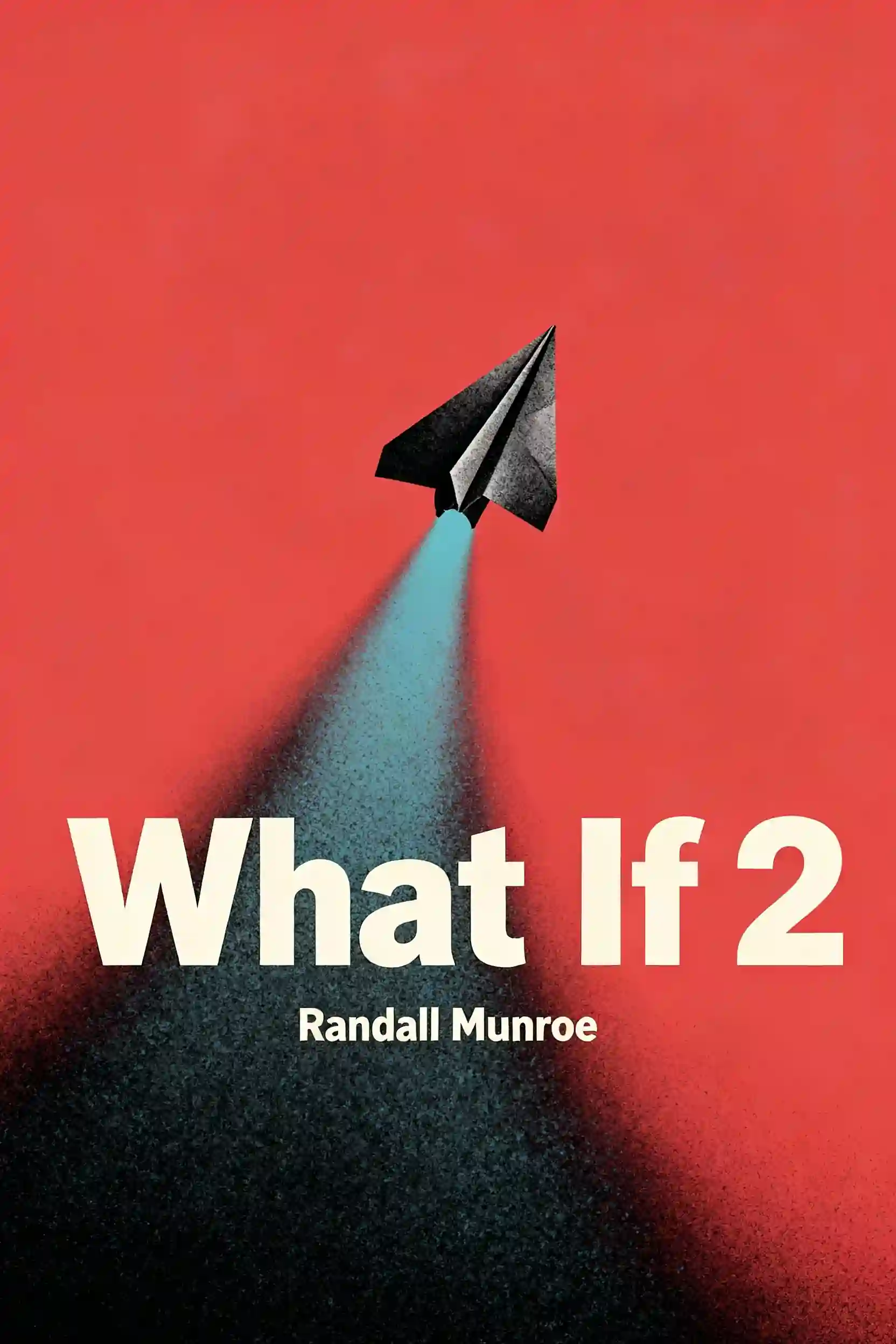
    What if? 2
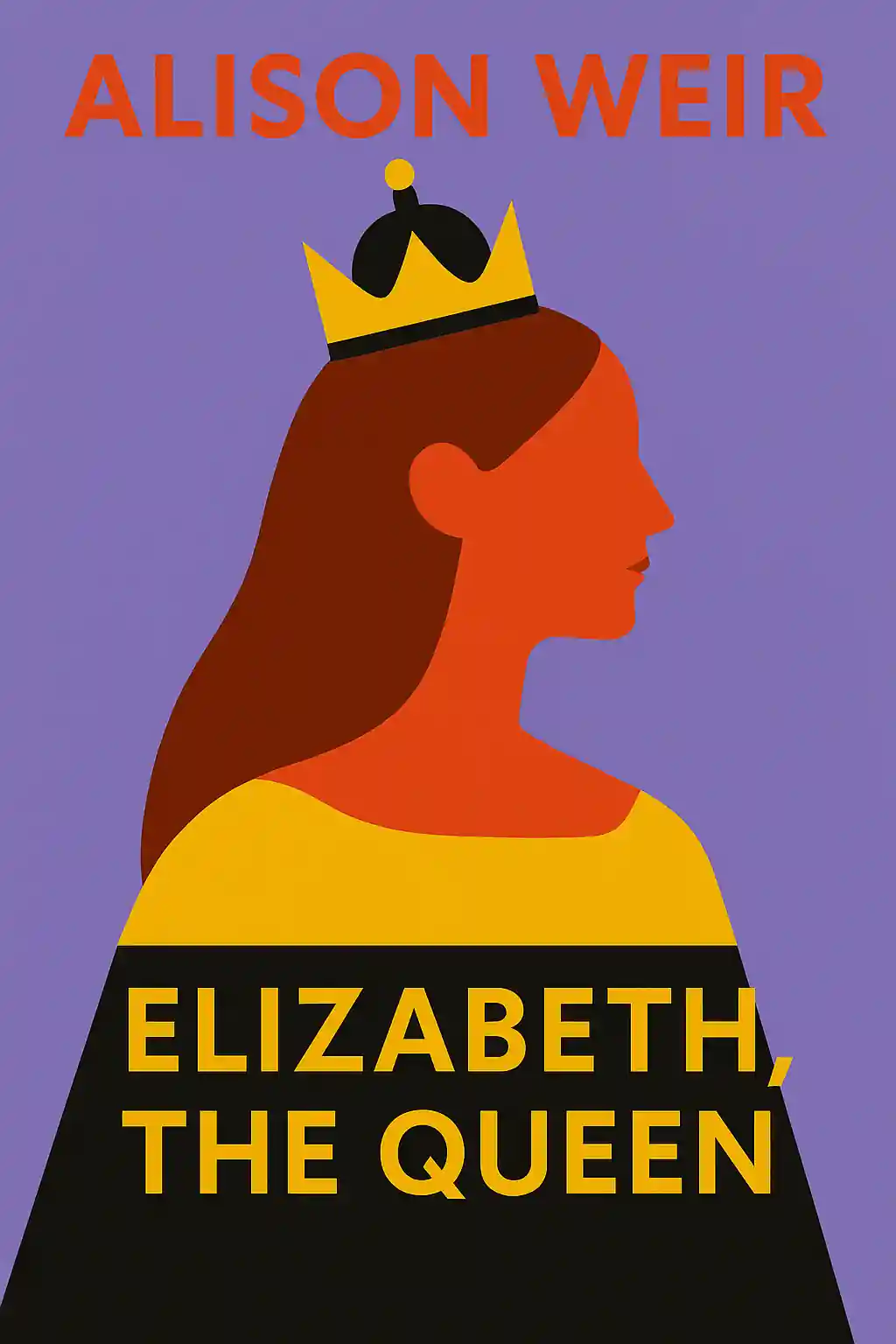
    The Lady Elizabeth
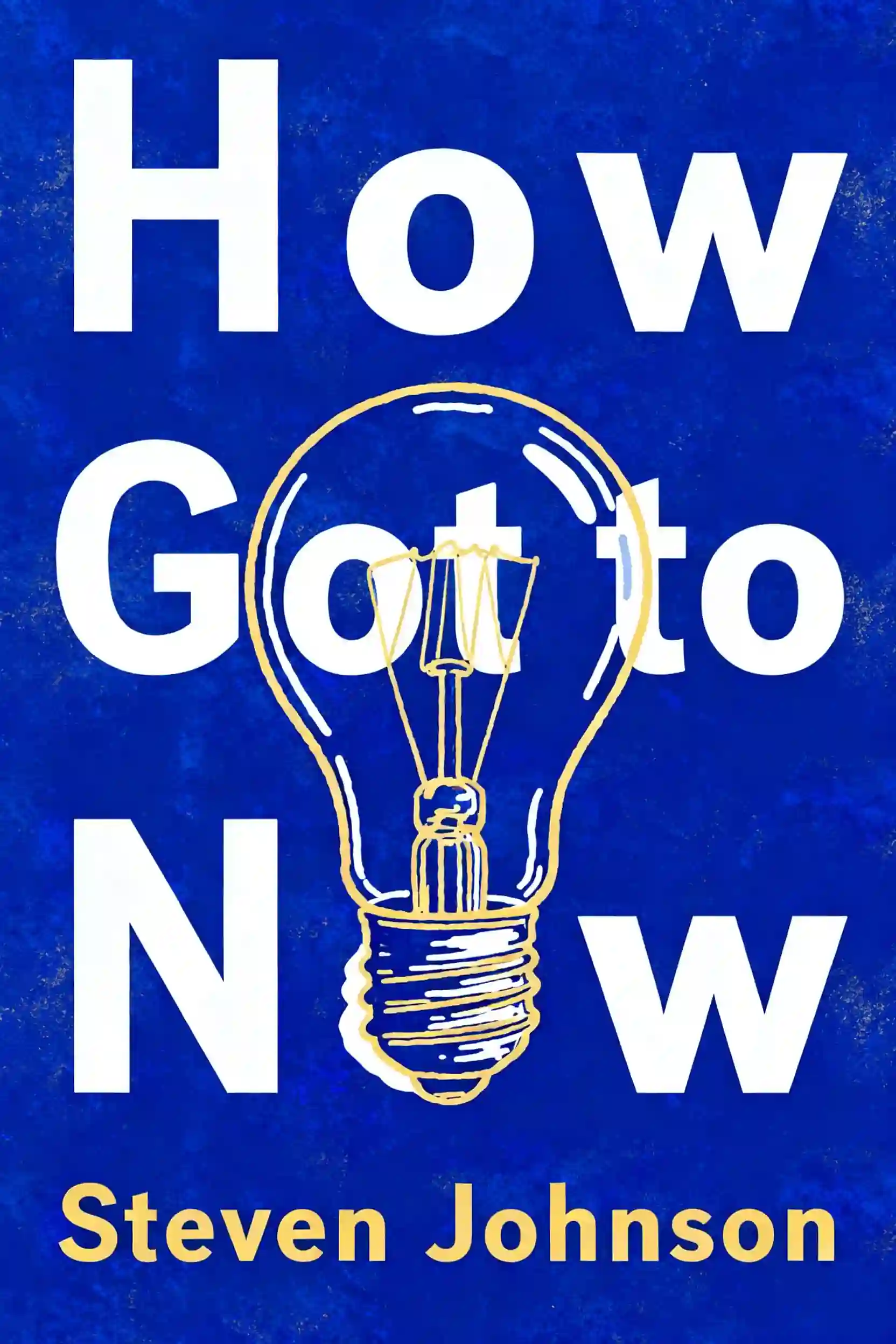
    How We Got to Now

    よくある質問

    Despite its name, the flight data recorder is painted bright orange to ensure it is highly visible. This specific color choice is a functional design decision intended to help search and rescue teams locate the device more easily among the debris of a wreck.

    While many people immediately think of the Sahara, the Antarctic Desert is technically the largest desert on Earth. This is because the scientific definition of a desert is based on a lack of precipitation rather than heat, making the cold and dry Antarctic the most extreme example of this environment.

    A common misconception is that oxygen or carbon dioxide makes up the bulk of our air, but nitrogen is actually the most abundant gas. It accounts for approximately seventy-eight percent of the atmosphere, while oxygen makes up about twenty-one percent.

    Humans are born with approximately three hundred bones, but as we grow into adulthood, that number drops to two hundred and six. This occurs because many smaller bones fuse together over time to create a more streamlined and sturdy skeletal architecture.

    In popular culture, people often refer to the famous clock tower in London as Big Ben, but that is technically incorrect. Big Ben is the name of the great bell located inside the clock, while the structure itself was officially renamed the Elizabeth Tower in 2012 to honor Queen Elizabeth II’s Diamond Jubilee.

    コロンビア大学卒業生が開発 | サンフランシスコ発

    BeFreedは好奇心旺盛な仲間が集うグローバルコミュニティ

    4.7

    平均評価

    7,840件以上のアプリ評価

    BeFreedコミュニティ

    正直、まだアプリを使いこなせていませんが、この数日使っただけで本当に感動しました… BeFreed は、今まで使ったどの学習アプリともレベルが違います。夢中になれるうえに集中力も実際に上がるので、スマホをだらだら見てしまう人にぴったりです!

    @ladyInfinity

    ちょうど 23 日前に BeFreed を購入して、それから毎日欠かさず使っています。仕事の流れと学習習慣に完全に溶け込みました。

    @jayallen

    正直なところ、このアプリは期待をすべて超えてきました。どんなテーマでも音声を生成してもらえて、その結果には驚かされます。私の専門は心理療法で、多分野にまたがる領域ですが、それでも回答はとても正確です。

    @Raguipa

    何よりありがたいのは、スマホをだらだら見る時間が減ったことです。探す時間が減って、吸収する時間が増えました。オーディオブック、ポッドキャスト、学習プランの組み合わせが素晴らしいです。

    @colonyofcreatorsNGO

    私は 24 年間、PhotoReading 加速学習のインストラクターをしています… 本と読書と学びが私の専門ですが、BeFreed は情報を消化しやすい形で届ける革新的なアプローチを見事に実現しています。

    @BeFreed user

    ただの本の要約アプリではありません。「ファン」スタイルを使ってみたら、従来のやり方よりずっと良い要約で、アイデアもつかみやすいです。これだけでも十分元が取れます。

    @austinakon

    このアプリが大好きです。数日使っただけで、聞くのが止まらなくなりました。始め方として最高です。

    @jcrules328

    本当に気に入っています。約 1 か月試していますが、まさに掘り出し物だと感じます。BeFreed で自分だけのテーマを作れるのが便利で、声も素晴らしく、ナレーションの選択肢は無限です。

    @DanielCZ

    正直、まだアプリを使いこなせていませんが、この数日使っただけで本当に感動しました… BeFreed は、今まで使ったどの学習アプリともレベルが違います。夢中になれるうえに集中力も実際に上がるので、スマホをだらだら見てしまう人にぴったりです!

    @ladyInfinity

    ちょうど 23 日前に BeFreed を購入して、それから毎日欠かさず使っています。仕事の流れと学習習慣に完全に溶け込みました。

    @jayallen

    正直なところ、このアプリは期待をすべて超えてきました。どんなテーマでも音声を生成してもらえて、その結果には驚かされます。私の専門は心理療法で、多分野にまたがる領域ですが、それでも回答はとても正確です。

    @Raguipa

    何よりありがたいのは、スマホをだらだら見る時間が減ったことです。探す時間が減って、吸収する時間が増えました。オーディオブック、ポッドキャスト、学習プランの組み合わせが素晴らしいです。

    @colonyofcreatorsNGO

    私は 24 年間、PhotoReading 加速学習のインストラクターをしています… 本と読書と学びが私の専門ですが、BeFreed は情報を消化しやすい形で届ける革新的なアプローチを見事に実現しています。

    @BeFreed user

    ただの本の要約アプリではありません。「ファン」スタイルを使ってみたら、従来のやり方よりずっと良い要約で、アイデアもつかみやすいです。これだけでも十分元が取れます。

    @austinakon

    このアプリが大好きです。数日使っただけで、聞くのが止まらなくなりました。始め方として最高です。

    @jcrules328

    本当に気に入っています。約 1 か月試していますが、まさに掘り出し物だと感じます。BeFreed で自分だけのテーマを作れるのが便利で、声も素晴らしく、ナレーションの選択肢は無限です。

    @DanielCZ

    役立つ情報やアイデアを 8〜15 分のポッドキャスト風音声にぎゅっとまとめて聞けるのが最高です。ポッドキャストは余計な話が多くて苦手でしたが、これは無駄を全部そぎ落としてくれます。

    @BeFreed user

    博士課程の仕上げの段階で、なじみのない資料を大量に読む必要があります… BeFreed ならプロンプトを入力するだけで、アプリが資料を探して音声ポッドキャストを作ってくれます。BeFreed のほうが NotebookLM よりも流れがスムーズだと感じます。

    @Brad

    朝食を作りながら、散歩しながら、通勤しながら聞くものを YouTube でよく探していましたが、BeFreed は広告も余計な話もなしで、もっと的を絞った聞き方をさせてくれます!

    @BeFreed user

    このプラットフォームの一番の魅力は、その万能さです。扱えないテーマは文字どおりひとつもありません。何を投げても応えてくれます… 制限がまったくないのに約束をきちんと果たしてくれる学習ツールには、なかなか出会えません。

    @jayallen

    BeFreed は素晴らしいです。使いやすいデザインのおかげで、操作に迷う時間が減り、学ぶ時間が増えました。オーディオブック、ポッドキャスト、学習プランの組み合わせは天才的で、毎日の習慣がすっかり変わりました。

    @BeFreed user

    最初はイタリア語でポッドキャストを作る方法を理解するのに少し時間がかかりましたが、わかった瞬間、最高でした!どんなテーマでも説明してもらえて、しかもとても賢く、うまく話してくれます!

    @matteo77

    BeFreed は毎日使うオーディオブックアプリになりました… 一番気に入っているのは、自分のテキストを入れると、外出先でも聞ける音声にしてくれるところです。

    @kotanzu1

    役立つ情報やアイデアを 8〜15 分のポッドキャスト風音声にぎゅっとまとめて聞けるのが最高です。ポッドキャストは余計な話が多くて苦手でしたが、これは無駄を全部そぎ落としてくれます。

    @BeFreed user

    博士課程の仕上げの段階で、なじみのない資料を大量に読む必要があります… BeFreed ならプロンプトを入力するだけで、アプリが資料を探して音声ポッドキャストを作ってくれます。BeFreed のほうが NotebookLM よりも流れがスムーズだと感じます。

    @Brad

    朝食を作りながら、散歩しながら、通勤しながら聞くものを YouTube でよく探していましたが、BeFreed は広告も余計な話もなしで、もっと的を絞った聞き方をさせてくれます!

    @BeFreed user

    このプラットフォームの一番の魅力は、その万能さです。扱えないテーマは文字どおりひとつもありません。何を投げても応えてくれます… 制限がまったくないのに約束をきちんと果たしてくれる学習ツールには、なかなか出会えません。

    @jayallen

    BeFreed は素晴らしいです。使いやすいデザインのおかげで、操作に迷う時間が減り、学ぶ時間が増えました。オーディオブック、ポッドキャスト、学習プランの組み合わせは天才的で、毎日の習慣がすっかり変わりました。

    @BeFreed user

    最初はイタリア語でポッドキャストを作る方法を理解するのに少し時間がかかりましたが、わかった瞬間、最高でした!どんなテーマでも説明してもらえて、しかもとても賢く、うまく話してくれます!

    @matteo77

    BeFreed は毎日使うオーディオブックアプリになりました… 一番気に入っているのは、自分のテキストを入れると、外出先でも聞ける音声にしてくれるところです。

    @kotanzu1

    BeFreedがウェブ上でどのように話題になっているかをもっと見る
    129.7K19.5K
    55.2K19.2K
    154.2K10827355
    48.1K2.5K
    81.2K6.6K
    82.3K1.8K
    今すぐ学習の旅を始めよう
    BeFreedアプリ
    BeFreed

    なんでも、あなた向けに学ぶ

    DiscordLinkedIn
    注目の書籍要約
    Crucial ConversationsThe Perfect MarriageInto the WildNever Split the DifferenceAttachedGood to GreatSay Nothing
    人気のカテゴリ
    Self HelpCommunication SkillRelationshipMindfulnessPhilosophyInspirationProductivity
    著名人の読書リスト
    Elon MuskCharlie KirkBill GatesSteve JobsAndrew HubermanJoe RoganJordan Peterson
    受賞作品コレクション
    Pulitzer PrizeNational Book AwardGoodreads Choice AwardsNobel Prize in LiteratureNew York TimesCaldecott MedalNebula Award
    注目のトピック
    ManagementAmerican HistoryWarTradingStoicismAnxietySex
    年別ベストブック
    2025 Best Non Fiction Books2024 Best Non Fiction Books2023 Best Non Fiction Books
    注目の著者
    Chimamanda Ngozi AdichieGeorge OrwellO. J. SimpsonBarbara O'NeillWinston ChurchillCharlie Kirk
    BeFreed vs 他のアプリ
    BeFreed vs. Other Book Summary AppsBeFreed vs. ElevenReaderBeFreed vs. ReadwiseBeFreed vs. Anki
    学習ツール
    Knowledge VisualizerAI Podcast Generator
    情報
    会社概要arrow
    料金arrow
    よくある質問arrow
    ブログarrow
    採用情報arrow
    パートナーシップarrow
    アンバサダープログラムarrow
    ディレクトリarrow
    BeFreed
    Try now
    © 2026 BeFreed
    利用規約プライバシーポリシー
    BeFreed

    なんでも、あなた向けに学ぶ

    DiscordLinkedIn
    注目の書籍要約
    Crucial ConversationsThe Perfect MarriageInto the WildNever Split the DifferenceAttachedGood to GreatSay Nothing
    人気のカテゴリ
    Self HelpCommunication SkillRelationshipMindfulnessPhilosophyInspirationProductivity
    著名人の読書リスト
    Elon MuskCharlie KirkBill GatesSteve JobsAndrew HubermanJoe RoganJordan Peterson
    受賞作品コレクション
    Pulitzer PrizeNational Book AwardGoodreads Choice AwardsNobel Prize in LiteratureNew York TimesCaldecott MedalNebula Award
    注目のトピック
    ManagementAmerican HistoryWarTradingStoicismAnxietySex
    年別ベストブック
    2025 Best Non Fiction Books2024 Best Non Fiction Books2023 Best Non Fiction Books
    学習ツール
    Knowledge VisualizerAI Podcast Generator
    注目の著者
    Chimamanda Ngozi AdichieGeorge OrwellO. J. SimpsonBarbara O'NeillWinston ChurchillCharlie Kirk
    BeFreed vs 他のアプリ
    BeFreed vs. Other Book Summary AppsBeFreed vs. ElevenReaderBeFreed vs. ReadwiseBeFreed vs. Anki
    情報
    会社概要arrow
    料金arrow
    よくある質問arrow
    ブログarrow
    採用情報arrow
    パートナーシップarrow
    アンバサダープログラムarrow
    ディレクトリarrow
    BeFreed
    Try now
    © 2026 BeFreed
    利用規約プライバシーポリシー

    関連コンテンツ

    General knowledge trivia and hidden facts の書籍表紙
    Science of LivingRésumé - Strengths Finder 2. 0 de Tom RathWhat if? 2The Lady Elizabeth
    23 sources
    General knowledge trivia and hidden facts
    Think you know your facts? We dive into surprising trivia from pink hippo milk to pop culture hits to test how much you really know about the world.
    28 min
    General knowledge and why we remember trivia の書籍表紙
    What if? 2Science of LivingRésumé - Strengths Finder 2. 0 de Tom RathThrone of the Fallen
    30 sources
    General knowledge and why we remember trivia
    Why do we remember random facts but forget important ones? Explore how pop culture and trivia shape our memory and help us understand the world.
    37 min
    Pop culture trivia questions for your next game night の書籍表紙
    Scandals of classic HollywoodThe Lady ElizabethNoah Webster's first edition of an American dictionary of the English languageRésumé - Strengths Finder 2. 0 de Tom Rath
    25 sources
    Pop culture trivia questions for your next game night
    Struggling to host a fun trivia night? Learn why niche questions fail and get a list of general knowledge facts that keep the competition friendly.
    33 min
    Pop culture trivia and why we remember it の書籍表紙
    Scandals of classic HollywoodNoah Webster's first edition of an American dictionary of the English languageThe professor and the madmanWhat if? 2
    28 sources
    Pop culture trivia and why we remember it
    Do you actually know the classics, or just the marketing? Discover how our brains store random trivia and why we remember some stories better than others.
    27 min
    Pop culture trivia and why we care about it の書籍表紙
    Noah Webster's first edition of an American dictionary of the English languageThe professor and the madmanScandals of classic HollywoodHow to Pass Exams
    29 sources
    Pop culture trivia and why we care about it
    Why do we remember random movie facts but forget important dates? Explore the science of trivia and how to bridge the gap between fan and expert.
    25 min
    Trivia questions that challenge what you know の書籍表紙
    Résumé - Strengths Finder 2. 0 de Tom RathWhat if? 2The Lady ElizabethScience of Living
    15 sources
    Trivia questions that challenge what you know
    Think you know the world's largest desert? We test your general knowledge with surprising facts and trivia that prove the world is rarely what it seems.
    34 min
    Pop culture trivia and the secrets to winning の書籍表紙
    Scandals of classic HollywoodElizabeth TaylorThe Beatles AnthologyNoah Webster's first edition of an American dictionary of the English language
    29 sources
    Pop culture trivia and the secrets to winning
    Struggling to remember those obscure facts during trivia night? Learn how iconic pop culture moments can become your secret weapon to winning.
    29 min
    General knowledge is more than just searching facts の書籍表紙
    A short history of nearly everythingSapiensNoah Webster's first edition of an American dictionary of the English languageThe well-educated mind
    27 sources
    General knowledge is more than just searching facts
    Is your brain a library or just a search engine? Learn how to turn random trivia into a deep worldview and build a mind that connects the dots.
    35 min

    Recommended Learning Plans

    Master global & US trivia
    学習プラン

    Master global & US trivia

    This learning plan is perfect for trivia enthusiasts, quiz competitors, educators, and curious minds who want to develop encyclopedic knowledge of world and U.S. history. Whether you're preparing for trivia nights, enriching your general knowledge, or simply fascinated by how geography, politics, and culture interconnect globally, this comprehensive curriculum will transform you into a well-rounded trivia master with deep contextual understanding.

    4 h 51 m•4 セクション
    General Knowledge for University Admissions
    学習プラン

    General Knowledge for University Admissions

    This multidisciplinary curriculum is designed for students preparing for rigorous university entrance exams that demand a broad cultural foundation. It bridges the gap between history, law, literature, and art, providing the essential analytical tools needed for academic success.
    3 h•4 セクション
    The Science of Test Mastery
    学習プラン

    The Science of Test Mastery

    This learning plan is essential for students and professionals facing high-stakes technical or academic examinations. It provides a comprehensive framework that bridges cognitive science with practical test-taking strategies to ensure peak performance under pressure.

    35 m•5 セクション
    General intelligence
    学習プラン

    General intelligence

    Intelligence isn't fixed—it's a set of skills you can systematically develop and optimize. This learning plan is ideal for professionals, students, and lifelong learners who want to enhance their cognitive abilities, think more clearly, and learn more effectively using science-backed methods rather than myths or pseudoscience.

    5 h 13 m•4 セクション
    Knowledge of American History
    学習プラン

    Knowledge of American History

    This comprehensive learning plan provides essential context for understanding America's current political, social, and cultural landscape by examining the historical forces that shaped it. It's ideal for students, educators, professionals working in policy or civic engagement, and anyone seeking to become a more informed citizen or to understand the roots of contemporary American debates. The curriculum connects past to present, revealing how foundational decisions and unresolved tensions continue to influence national identity and democratic institutions.

    4 h 44 m•4 セクション
    Memory, Focus, and Habit Architecture
    学習プラン

    Memory, Focus, and Habit Architecture

    In an era of information overload, the ability to process, retain, and automate knowledge is a critical competitive advantage. This plan is designed for professionals and students who need to master complex subjects quickly while building sustainable systems for long-term productivity.

    1 h 45 m•4 セクション
    Why Your Memory Lies
    学習プラン

    Why Your Memory Lies

    This learning plan is essential for anyone interested in psychology, law, or personal development who wants to understand why our brains often misremember facts. It provides a scientific foundation for those looking to improve their decision-making and interpersonal communication by acknowledging the limits of human recall.

    1 h 45 m•4 セクション
    Social Recall and Name Mastery
    学習プラン

    Social Recall and Name Mastery

    In a world of constant networking, the ability to remember names and personal details is a superpower for building trust and influence. This plan is designed for professionals, leaders, and social connectors who want to eliminate the embarrassment of forgotten names and forge more meaningful connections.

    2 h•4 セクション