Miles: So, if we were to give a listener a "playbook" for their final weeks of prep, where should they start? To me, the first step is always a pre—assessment. You have to know where your "weak spots" are. Are you great at reading but struggle with the ECR writing? Or is it the other way around?
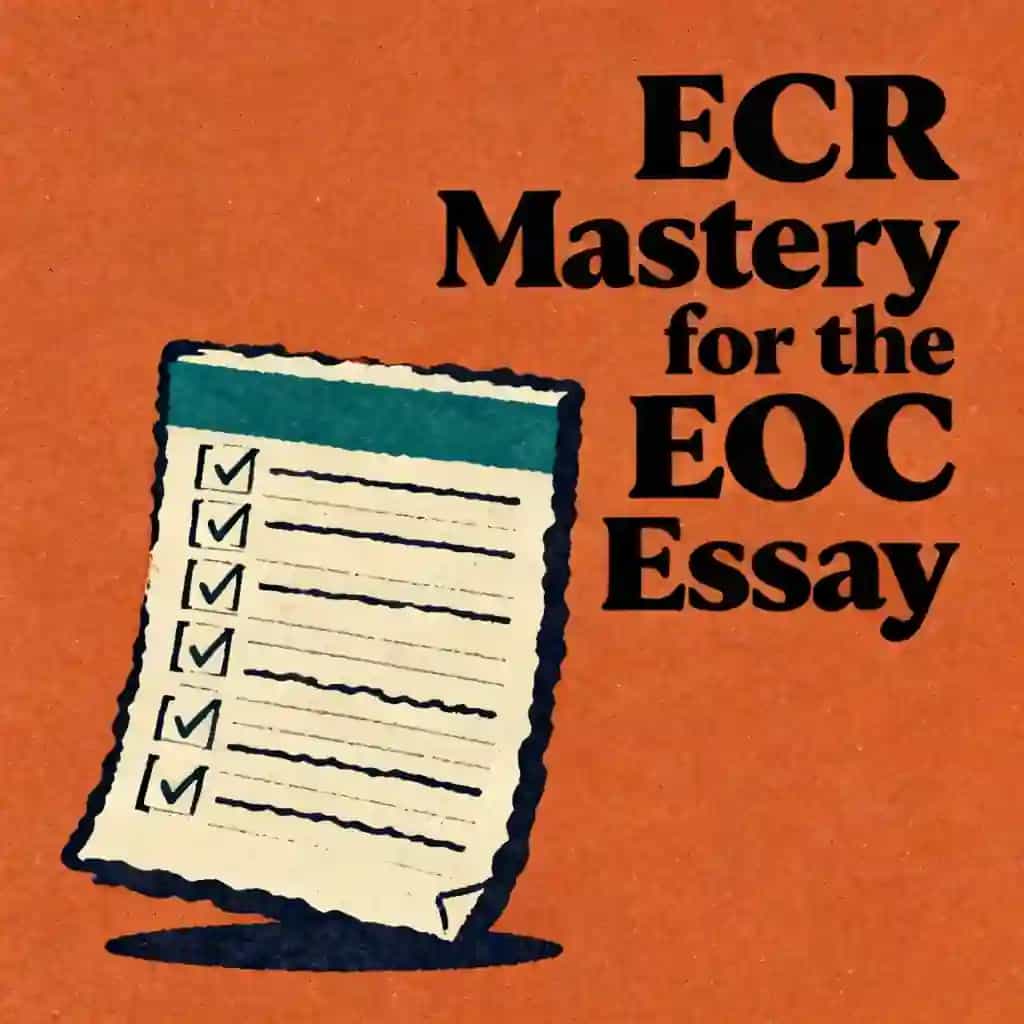
Lena: Definitely. Once you know that, you can target your practice. Use flashcards for those high—frequency TEKS concepts—things like "theme," "tone," and "author's purpose." And please, for the love of all things English, practice writing those RACE responses. It is a mechanical skill. The more you do it, the more it becomes second nature.
Miles: And do not forget the "T—chart" strategy for persuasive writing. Before you start an essay, draw a quick T—chart. Put the "pro" arguments on one side and the "con" arguments on the other. Even if you personally feel one way, you might find that the other side has better evidence you can actually write about. The goal is to pick the side you can prove most effectively, not necessarily the one you believe in your heart.
Lena: That is such a smart move. And for the reading passages, practice the "one—line summary." After you read a paragraph, try to sum it up in just one sentence. If you can’t, you didn't really understand it, and you need to go back. It is a great way to make sure you are staying engaged and not just "glazing over" the words.
Miles: Another big one—use the tools! If the digital test gives you a highlighter or a notepad, use it. Mark those key details. And if you are taking a practice test, try to simulate the real environment. No phone, no music, just you and the questions. It helps you learn how to manage that five—hour clock.
Lena: And if you hit a wall, remember the "Flag and Move" rule. If a question is taking more than a couple of minutes, mark it, make your best guess, and move on. You can always come back to it at the end if you have time. Don't let one hard question tank your confidence for the rest of the section.
Miles: Exactly. It is about momentum. Keep moving, keep finding evidence, and trust the process. You have been learning these skills all year—this test is just your chance to show it off.