BeFreed
    Categories>Career & Business>Customer Communication Strategies for Small Business Growth

    Customer Communication Strategies for Small Business Growth

    18分
    |
    |
    2026年4月10日
    BusinessCommunication skillEntrepreneurship

    Learn effective customer communication strategies for small businesses. Master feedback, complaint resolution, and experience tactics to drive loyalty and growth.

    Customer Communication Strategies for Small Business Growth

    Customer Communication Strategies for Small Business Growthのベスト引用

    “

    McKinsey found that 70% of buying experiences are based entirely on how the customer feels they’re being treated. It’s not even about the product at that point; it’s the interaction.

    ”

    このオーディオレッスンはBeFreedコミュニティメンバーが作成しました

    質問を入力

    This subtopic will provide small business owners with strategies for effective customer communication, including how to gather feedback, respond to complaints, and create a positive customer experience that drives loyalty and retention.

    ホストの声
    Jacksonplay
    Niaplay
    学習スタイル
    ファン
    知識ソース
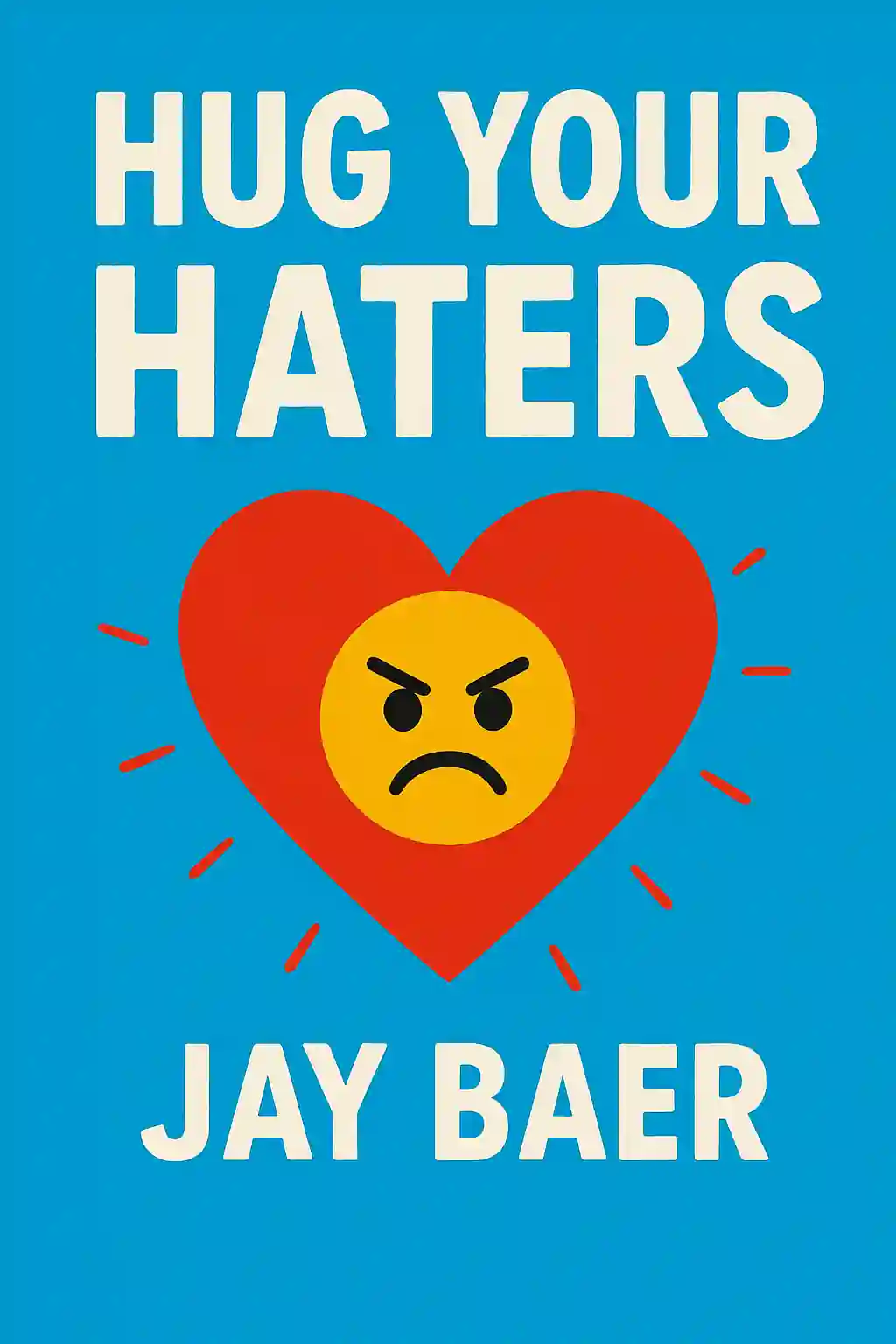
    Hug your haters
    Never Lose a Customer Again
    What Customers Crave
    Marketing Above the Noise
    Hug Your Customers
    Customer Winback

    よくある質問

    もっと発見

    Learn about small business marketing

    Learn about small business marketing

    学習プラン

    Learn about small business marketing

    This plan is essential for small business owners looking to move beyond guesswork and into data-driven growth. It provides a comprehensive roadmap for entrepreneurs who need to master digital tools and storytelling to compete effectively.

    2 h 53 m•4 セクション
    Become a better communicator for sales

    Become a better communicator for sales

    学習プラン

    Become a better communicator for sales

    Effective communication is the cornerstone of high-performance sales, bridging the gap between product features and customer needs. This plan is ideal for sales professionals and entrepreneurs looking to evolve from transactional sellers into trusted strategic advisors.

    2 h 14 m•4 セクション
    Master small talk & handling objections

    Master small talk & handling objections

    学習プラン

    Master small talk & handling objections

    Effective communication is the foundation of professional success and meaningful relationships, yet most people struggle with initiating conversations, reading social cues, and handling resistance. This learning path is essential for professionals in sales, leadership, client-facing roles, or anyone looking to advance their career through stronger interpersonal skills and persuasive communication abilities.

    2 h 19 m•4 セクション
    Improve leadership & communication for growth

    Improve leadership & communication for growth

    学習プラン

    Improve leadership & communication for growth

    Effective leadership communication is the cornerstone of organizational success, yet many leaders struggle to inspire teams and drive growth through their communication. This learning plan helps emerging and established leaders develop the communication skills needed to build trust, empower teams, and scale their leadership impact.

    2 h 49 m•4 セクション
    Master App Growth via Consumer Psychology

    Master App Growth via Consumer Psychology

    学習プラン

    Master App Growth via Consumer Psychology

    This plan bridges the gap between behavioral science and mobile product strategy to drive sustainable business results. It is ideal for product managers, growth marketers, and app designers looking to master the psychological mechanics that turn casual users into loyal advocates.

    2 h 25 m•4 セクション
    Growth: Relationships, Business & Psychology

    Growth: Relationships, Business & Psychology

    学習プラン

    Growth: Relationships, Business & Psychology

    This plan bridges the gap between interpersonal dynamics and commercial success by integrating psychological insights with business strategy. It is designed for aspiring leaders and entrepreneurs who want to scale their ventures while maintaining deep personal development and team cohesion.

    2 h 35 m•4 セクション
    Create & sell viral US consumer products

    Create & sell viral US consumer products

    学習プラン

    Create & sell viral US consumer products

    This learning plan is essential for entrepreneurs and product managers looking to break through the noise of the competitive U.S. consumer market. It combines behavioral psychology, growth strategy, and revenue science to help you build products that don't just sell, but spread organically and create lasting market impact.

    2 h 4 m•4 セクション
    Lead through better comms

    Lead through better comms

    学習プラン

    Lead through better comms

    Effective communication is the cornerstone of exceptional leadership, yet many leaders struggle to inspire, influence, and navigate difficult conversations. This learning plan is designed for managers, directors, and emerging executives who want to elevate their leadership impact through strategic communication skills that build trust, drive alignment, and create lasting organizational change.

    2 h 3 m•4 セクション

    コロンビア大学卒業生がサンフランシスコで開発

    BeFreedは1,000,000の好奇心旺盛な仲間が集うグローバルコミュニティ
    BeFreedがウェブ上でどのように話題になっているかをもっと見る

    "Instead of endless scrolling, I just hit play on BeFreed. It saves me so much time."

    @Moemenn
    platform
    star
    star
    star
    star
    star

    "I never knew where to start with nonfiction—BeFreed’s book lists turned into podcasts gave me a clear path."

    @Chloe, Solo founder, LA
    platform
    comments
    12
    likes
    117

    "Perfect balance between learning and entertainment. Finished ‘Thinking, Fast and Slow’ on my commute this week."

    @Raaaaaachelw
    platform
    star
    star
    star
    star
    star

    "Crazy how much I learned while walking the dog. BeFreed = small habits → big gains."

    @Matt, YC alum
    platform
    comments
    12
    likes
    108

    "Reading used to feel like a chore. Now it’s just part of my lifestyle."

    @Erin, Investment Banking Associate , NYC
    platform
    comments
    254
    likes
    17

    "Feels effortless compared to reading. I’ve finished 6 books this month already."

    @djmikemoore
    platform
    star
    star
    star
    star
    star

    "BeFreed turned my guilty doomscrolling into something that feels productive and inspiring."

    @Pitiful
    platform
    comments
    96
    likes
    4.5K

    "BeFreed turned my commute into learning time. 20-min podcasts are perfect for finishing books I never had time for."

    @SofiaP
    platform
    star
    star
    star
    star
    star

    "BeFreed replaced my podcast queue. Imagine Spotify for books — that’s it. 🙌"

    @Jaded_Falcon
    platform
    comments
    201
    thumbsUp
    16

    "It is great for me to learn something from the book without reading it."

    @OojasSalunke
    platform
    star
    star
    star
    star
    star

    "The themed book list podcasts help me connect ideas across authors—like a guided audio journey."

    @Leo, Law Student, UPenn
    platform
    comments
    37
    likes
    483

    "Makes me feel smarter every time before going to work"

    @Cashflowbubu
    platform
    star
    star
    star
    star
    star

    コロンビア大学卒業生がサンフランシスコで開発

    BeFreedは1,000,000の好奇心旺盛な仲間が集うグローバルコミュニティ
    BeFreedがウェブ上でどのように話題になっているかをもっと見る

    "Instead of endless scrolling, I just hit play on BeFreed. It saves me so much time."

    @Moemenn
    platform
    star
    star
    star
    star
    star

    "I never knew where to start with nonfiction—BeFreed’s book lists turned into podcasts gave me a clear path."

    @Chloe, Solo founder, LA
    platform
    comments
    12
    likes
    117

    "Perfect balance between learning and entertainment. Finished ‘Thinking, Fast and Slow’ on my commute this week."

    @Raaaaaachelw
    platform
    star
    star
    star
    star
    star

    "Crazy how much I learned while walking the dog. BeFreed = small habits → big gains."

    @Matt, YC alum
    platform
    comments
    12
    likes
    108

    "Reading used to feel like a chore. Now it’s just part of my lifestyle."

    @Erin, Investment Banking Associate , NYC
    platform
    comments
    254
    likes
    17

    "Feels effortless compared to reading. I’ve finished 6 books this month already."

    @djmikemoore
    platform
    star
    star
    star
    star
    star

    "BeFreed turned my guilty doomscrolling into something that feels productive and inspiring."

    @Pitiful
    platform
    comments
    96
    likes
    4.5K

    "BeFreed turned my commute into learning time. 20-min podcasts are perfect for finishing books I never had time for."

    @SofiaP
    platform
    star
    star
    star
    star
    star

    "BeFreed replaced my podcast queue. Imagine Spotify for books — that’s it. 🙌"

    @Jaded_Falcon
    platform
    comments
    201
    thumbsUp
    16

    "It is great for me to learn something from the book without reading it."

    @OojasSalunke
    platform
    star
    star
    star
    star
    star

    "The themed book list podcasts help me connect ideas across authors—like a guided audio journey."

    @Leo, Law Student, UPenn
    platform
    comments
    37
    likes
    483

    "Makes me feel smarter every time before going to work"

    @Cashflowbubu
    platform
    star
    star
    star
    star
    star

    "Instead of endless scrolling, I just hit play on BeFreed. It saves me so much time."

    @Moemenn
    platform
    star
    star
    star
    star
    star

    "I never knew where to start with nonfiction—BeFreed’s book lists turned into podcasts gave me a clear path."

    @Chloe, Solo founder, LA
    platform
    comments
    12
    likes
    117

    "Perfect balance between learning and entertainment. Finished ‘Thinking, Fast and Slow’ on my commute this week."

    @Raaaaaachelw
    platform
    star
    star
    star
    star
    star

    "Crazy how much I learned while walking the dog. BeFreed = small habits → big gains."

    @Matt, YC alum
    platform
    comments
    12
    likes
    108

    "Reading used to feel like a chore. Now it’s just part of my lifestyle."

    @Erin, Investment Banking Associate , NYC
    platform
    comments
    254
    likes
    17

    "Feels effortless compared to reading. I’ve finished 6 books this month already."

    @djmikemoore
    platform
    star
    star
    star
    star
    star

    "BeFreed turned my guilty doomscrolling into something that feels productive and inspiring."

    @Pitiful
    platform
    comments
    96
    likes
    4.5K

    "BeFreed turned my commute into learning time. 20-min podcasts are perfect for finishing books I never had time for."

    @SofiaP
    platform
    star
    star
    star
    star
    star

    "BeFreed replaced my podcast queue. Imagine Spotify for books — that’s it. 🙌"

    @Jaded_Falcon
    platform
    comments
    201
    thumbsUp
    16

    "It is great for me to learn something from the book without reading it."

    @OojasSalunke
    platform
    star
    star
    star
    star
    star

    "The themed book list podcasts help me connect ideas across authors—like a guided audio journey."

    @Leo, Law Student, UPenn
    platform
    comments
    37
    likes
    483

    "Makes me feel smarter every time before going to work"

    @Cashflowbubu
    platform
    star
    star
    star
    star
    star

    "Instead of endless scrolling, I just hit play on BeFreed. It saves me so much time."

    @Moemenn
    platform
    star
    star
    star
    star
    star

    "I never knew where to start with nonfiction—BeFreed’s book lists turned into podcasts gave me a clear path."

    @Chloe, Solo founder, LA
    platform
    comments
    12
    likes
    117

    "Perfect balance between learning and entertainment. Finished ‘Thinking, Fast and Slow’ on my commute this week."

    @Raaaaaachelw
    platform
    star
    star
    star
    star
    star

    "Crazy how much I learned while walking the dog. BeFreed = small habits → big gains."

    @Matt, YC alum
    platform
    comments
    12
    likes
    108

    "Reading used to feel like a chore. Now it’s just part of my lifestyle."

    @Erin, Investment Banking Associate , NYC
    platform
    comments
    254
    likes
    17

    "Feels effortless compared to reading. I’ve finished 6 books this month already."

    @djmikemoore
    platform
    star
    star
    star
    star
    star

    "BeFreed turned my guilty doomscrolling into something that feels productive and inspiring."

    @Pitiful
    platform
    comments
    96
    likes
    4.5K

    "BeFreed turned my commute into learning time. 20-min podcasts are perfect for finishing books I never had time for."

    @SofiaP
    platform
    star
    star
    star
    star
    star

    "BeFreed replaced my podcast queue. Imagine Spotify for books — that’s it. 🙌"

    @Jaded_Falcon
    platform
    comments
    201
    thumbsUp
    16

    "It is great for me to learn something from the book without reading it."

    @OojasSalunke
    platform
    star
    star
    star
    star
    star

    "The themed book list podcasts help me connect ideas across authors—like a guided audio journey."

    @Leo, Law Student, UPenn
    platform
    comments
    37
    likes
    483

    "Makes me feel smarter every time before going to work"

    @Cashflowbubu
    platform
    star
    star
    star
    star
    star
    1.5K Ratings4.7
    今すぐ学習の旅を始めよう
    BeFreed App
    BeFreed

    なんでも、あなた向けに学ぶ

    DiscordLinkedIn
    注目の書籍要約
    Crucial ConversationsThe Perfect MarriageInto the WildNever Split the DifferenceAttachedGood to GreatSay Nothing
    人気のカテゴリ
    Self HelpCommunication SkillRelationshipMindfulnessPhilosophyInspirationProductivity
    著名人の読書リスト
    Elon MuskCharlie KirkBill GatesSteve JobsAndrew HubermanJoe RoganJordan Peterson
    受賞作品コレクション
    Pulitzer PrizeNational Book AwardGoodreads Choice AwardsNobel Prize in LiteratureNew York TimesCaldecott MedalNebula Award
    注目のトピック
    ManagementAmerican HistoryWarTradingStoicismAnxietySex
    年別ベストブック
    2025 Best Non Fiction Books2024 Best Non Fiction Books2023 Best Non Fiction Books
    注目の著者
    Chimamanda Ngozi AdichieGeorge OrwellO. J. SimpsonBarbara O'NeillWinston ChurchillCharlie Kirk
    BeFreed vs 他のアプリ
    BeFreed vs. Other Book Summary AppsBeFreed vs. ElevenReaderBeFreed vs. ReadwiseBeFreed vs. Anki
    学習ツール
    Knowledge VisualizerAI Podcast Generator
    情報
    会社概要arrow
    料金arrow
    よくある質問arrow
    ブログarrow
    採用情報arrow
    パートナーシップarrow
    アンバサダープログラムarrow
    ディレクトリarrow
    BeFreed
    Try now
    © 2026 BeFreed
    利用規約プライバシーポリシー
    BeFreed

    なんでも、あなた向けに学ぶ

    DiscordLinkedIn
    注目の書籍要約
    Crucial ConversationsThe Perfect MarriageInto the WildNever Split the DifferenceAttachedGood to GreatSay Nothing
    人気のカテゴリ
    Self HelpCommunication SkillRelationshipMindfulnessPhilosophyInspirationProductivity
    著名人の読書リスト
    Elon MuskCharlie KirkBill GatesSteve JobsAndrew HubermanJoe RoganJordan Peterson
    受賞作品コレクション
    Pulitzer PrizeNational Book AwardGoodreads Choice AwardsNobel Prize in LiteratureNew York TimesCaldecott MedalNebula Award
    注目のトピック
    ManagementAmerican HistoryWarTradingStoicismAnxietySex
    年別ベストブック
    2025 Best Non Fiction Books2024 Best Non Fiction Books2023 Best Non Fiction Books
    学習ツール
    Knowledge VisualizerAI Podcast Generator
    注目の著者
    Chimamanda Ngozi AdichieGeorge OrwellO. J. SimpsonBarbara O'NeillWinston ChurchillCharlie Kirk
    BeFreed vs 他のアプリ
    BeFreed vs. Other Book Summary AppsBeFreed vs. ElevenReaderBeFreed vs. ReadwiseBeFreed vs. Anki
    情報
    会社概要arrow
    料金arrow
    よくある質問arrow
    ブログarrow
    採用情報arrow
    パートナーシップarrow
    アンバサダープログラムarrow
    ディレクトリarrow
    BeFreed
    Try now
    © 2026 BeFreed
    利用規約プライバシーポリシー

    重要なポイント

    1

    The Small Business Connection Advantage

    0:00

    Jackson: Hey Nia, I was just thinking about how big corporations spend millions trying to mimic the warmth of a local shop. They use "personalization scripts" and consultants, but customers still end up feeling like just another ticket number.

    0:14

    Nia: It’s so true. And the irony is that as a small business owner, you already have the ultimate "moat." You can respond faster and actually remember names. But here’s the kicker: McKinsey found that 70% of buying experiences are based entirely on how the customer *feels* they’re being treated.

    0:34

    Jackson: 70%? That’s massive. It’s not even about the product at that point; it’s the interaction.

    0:39

    Nia: Exactly. Plus, it costs up to seven times more to snag a new customer than to keep one you already have. Today, we’re moving past the theory and building a practical playbook for communication. Let’s dive into the four pillars of service that turn a one-time buyer into a lifelong advocate.

    2

    The Feedback Loop Strategy — Turning Insight into Action

    0:55

    Jackson: So Nia, we established that keeping customers is way more affordable than finding new ones. But how do we actually know what they’re thinking? I mean—it’s one thing to say "listen to them," but it’s another thing to build a system for it.

    1:09

    Nia: You’re hitting on the core of everything. It’s called a customer feedback loop. Think of it like a closed circuit—if the loop stays open, the energy—or in this case, the customer data—just leaks out. To close it, you have to do four things: Collect, Analyze, Act, and then—this is the part most people forget—Communicate back.

    1:30

    Jackson: Okay, let’s break that down. Imagine I’m that small business owner you mentioned earlier—maybe I sell those handmade coffee mugs online. If I want to start "Collecting," do I just blast out a fifty-question survey and hope for the best?

    1:43

    Nia: Please don’t! That’s a fast track to the "trash" folder. Start small. Strategic collection is about asking the right thing at the right time. For the mug business, maybe it’s a one-question survey in the order confirmation email asking, "How easy was the checkout process on a scale of one to five?"

    2:00

    Jackson: One question. I like that. It’s low friction. But then what? I see the stars rolling in—some fours, some twos. Now I have to "Analyze"?

    0:39

    Nia: Exactly. You look for the trends. If 40% of your customers are giving that checkout process a three or lower and leaving comments about "confusing shipping," you’ve found your "Act" step. You simplify that shipping page immediately.

    2:22

    Jackson: And that’s where most people stop, right? They fix the problem and move on to the next fire.

    2:26

    Nia: Right! But the "Communicate" step is the magic. Send an email to the people who gave you that feedback and say, "Hey, we heard you. We simplified our shipping options to make things faster for you." It shows them that their voice actually has power. It turns a transaction into a partnership.

    2:41

    Jackson: It reminds me of what I read in one of our sources—customers are basically your best advisors. They’re giving you free market research! Why wouldn't you use it?

    2:51

    Nia: And it doesn't have to be just emails. You can monitor social media mentions or check review sites like Google and Yelp. The goal is to catch that unprompted, genuine feedback where it’s actually happening.

    3:03

    Jackson: I suppose the timing matters too. If I wait three months to ask how the mug was, they’ve probably forgotten the experience.

    3:12

    Nia: Absolutely. Transactional feedback—like how the purchase went—should happen immediately. Relationship feedback—how they feel about your brand overall—can happen every six to twelve months. You just want to avoid "survey fatigue." Only ask when you genuinely plan to act on what they tell you.

    3:29

    Jackson: That makes total sense. It’s about respect. If I’m giving you my time to provide feedback, I want to see that it wasn't just shouted into a void. It builds that emotional connection we talked about—that sense of being seen.

    3

    The Complaint Goldmine — Tracing Problems to their Root

    3:43

    Jackson: Now, let’s talk about the stuff no one likes—the complaints. Every time a notification pops up with a "1-star" or a "disappointed" subject line, it feels like a punch in the gut for a small business owner.

    3:56

    Nia: I get it. When you’ve built something with your own hands and heart, criticism feels personal. But here’s a perspective shift—treat every complaint like the most honest market research you’ll ever get. And the best part? It arrives for free.

    4:10

    Jackson: Free research—that’s a glass-half-full way of looking at it! But most of us just want to fix the immediate problem and move on, right? The customer is mad, we give them a refund, we apologize, and we think, "Phew, glad that’s over."

    4:24

    Nia: And that is exactly where the cycle of failure begins. If you just manage the fallout but never address the cause, you’re going to be sending that same apology email three months from now to a different customer. You’re getting better at apologizing, but you’re not getting better at business.

    4:39

    Jackson: So, how do we stop the cycle? Do we need a fancy system?

    4:44

    Nia: Not at all. You just need a simple Complaint Log—a shared spreadsheet is plenty. You record the date, the type of complaint—is it a product defect, a service delivery failure, or a customer service issue?—and a brief description. But the real "quality improvement" happens in two specific fields: the Root Cause and the Action Taken.

    5:04

    Jackson: Root cause—that sounds like something an engineer would say. How does a local bakery or a florist find a "root cause"?

    5:12

    Nia: You use the "Five Whys." It’s so simple. A customer gets a damaged product. Why? It arrived broken in the box. Why? The packaging failed during transit. Why? It wasn't tested for the weight of that specific item. Why? There was no packaging test step in the production process.

    5:29

    Jackson: Ah, I see! So the root cause isn't "the delivery guy was rough." The root cause is a missing step in your own process.

    5:38

    Nia: Exactly! If you just blame the carrier, you change nothing. If you add a "packaging test" step to your checklist, you’ve fixed the problem forever.

    5:47

    Jackson: That’s the difference between a "people problem" and a "process problem." Most of the time, we blame people when we should be fixing the system.

    5:55

    Nia: Spot on. And it works for service too. If a project is late because someone forgot a hand-off, don't just tell them to "work harder." Create a hand-off protocol. Put it in writing. When the fix is built into the workflow, it doesn't depend on anyone’s memory. It exists outside of them.

    6:13

    Jackson: I love that. It takes the emotion out of it. Instead of "you messed up," it’s "the system broke, let’s fix the gears." It makes the whole team feel more empowered because they have a roadmap to follow.

    4

    The Reputation Engine — Managing Reviews in 2026

    6:26

    Jackson: Speaking of public complaints—online reviews. Nia, I saw a stat that 98% of consumers read online reviews for local businesses now. It’s basically our modern-day word-of-mouth, but on steroids.

    6:39

    Nia: It really is. And in 2026, the stakes are even higher because Google’s algorithms are looking at your review "velocity"—how fast you're getting new ones—and your "diversity"—which platforms they’re on. It’s not just about having a high score anymore.

    6:54

    Jackson: It’s funny, because a perfect 5.0 score almost feels suspicious to me now. Like, is this business too good to be true?

    7:02

    Nia: You’re not alone! Research shows that a 5.0 rating can actually be a red flag. People want to see a 4.2 or a 4.5—they want to see that you’re real and, more importantly, they want to see how you handle it when things go wrong. 82% of shoppers actually seek out negative reviews first!

    7:20

    Jackson: That’s wild. So, the negative review is actually a stage for me to perform for future customers?

    7:26

    Nia: Precisely. You aren't just replying to the unhappy person; you're writing for the thousands of people who will read that exchange later. That’s why you have to use a framework—like the HEART framework: Hear, Empathize, Apologize, Respond with a solution, and Take it offline.

    7:42

    Jackson: HEART—I can remember that. But what about the "Take it offline" part? Why is that so critical?

    7:48

    Nia: Because a public back-and-forth never looks good. It gets messy. You want to show the world you’re responsive, then move the details to a phone call or email. It protects the customer’s privacy and stops the "keyboard warriors" from making a scene.

    8:02

    Jackson: And we have to be fast, right? I imagine waiting a week to reply makes it look like you don't care.

    8:08

    Nia: Ideally, you want to respond within 24 to 48 hours. But don't just use a generic "we value your feedback" template. People can spot a bot from a mile away in 2026. Reference specific details from their review so they know a human actually read it.

    8:23

    Jackson: What about the fake ones? The ones from competitors or people who were never even customers? Those are infuriating.

    8:30

    Nia: They are. If you have no record of them, state that politely. "Hi, we’ve searched our records and can’t find an order matching this description. We’d love to verify this and make it right—please contact us." It signals to other readers that this might not be a valid complaint without you sounding defensive.

    8:45

    Jackson: It’s like being a detective and a diplomat at the same time. But if 94% of consumers say a negative review has convinced them to avoid a business, we really can’t afford to let those comments sit there unanswered.

    0:39

    Nia: Exactly. Every unanswered complaint is a leak in your sales funnel. But if you handle it well—if you show you’re accountable—you can actually turn a 1-star review into a 5-star update. About 15 to 30% of people will actually change their rating if you resolve the issue personally and then make a "gentle ask."

    5

    Scaling with a Human Touch — CRM and AI for SMBs

    9:17

    Jackson: Okay, so we’ve talked about feedback loops and managing reviews—but if I’m a small business owner, I’m already wearing ten different hats. How am I supposed to track all this without losing my mind?

    9:28

    Nia: This is where you stop trying to do everything manually and start using a CRM—a Customer Relationship Management system. For a long time, these were only for big corporations, but now there are "Starter Suites" specifically for SMBs. It’s basically a central brain for your business.

    9:44

    Jackson: A central brain—I like the sound of that. So instead of sticky notes and "I think I remember that customer," everything is in one spot?

    9:52

    Nia: Everything. When a customer calls, your team can see their purchase history, their previous complaints, and even their feedback scores. It means the customer never has to repeat themselves. "Oh, I see you had a shipping issue with your last mug order—is this new one for the same address?" That’s instant trust.

    10:08

    Jackson: And what about AI? I hear so much about AI agents and automation. Is that actually useful for a small team, or is it just more tech to manage?

    10:19

    Nia: It’s incredibly useful if you use it for the "heavy lifting." AI can read through hundreds of survey responses and tell you the general "sentiment"—is the mood positive, negative, or neutral? It can tag feedback automatically into categories like "billing" or "website speed," so you don't have to sort them yourself.

    10:36

    Jackson: So it’s like having a digital assistant who sifts through the noise to find the signals?

    0:39

    Nia: Exactly. And automation can handle the timing. You can set up your CRM to automatically send that one-question survey 24 hours after a delivery. You don't have to remember to do it; the system just runs in the background while you focus on the craft.

    10:54

    Jackson: I guess the danger is becoming *too* automated, right? Like those annoying chatbots that just keep looping you in circles.

    11:02

    Nia: That’s a real risk! You have to balance speed with personalization. Use AI to draft a response, sure, but have a human review it before it goes out. The goal is to scale your efficiency, not to replace the human connection that makes your small business special.

    11:17

    Jackson: Right. Customers come to a small business *because* they want to feel like they’re dealing with people. If they wanted a cold, automated experience, they’d go to a global giant.

    7:26

    Nia: Precisely. Use the tech to free up your time so you can have the "high-value" interactions—the personal phone calls to your VIPs or the deep-dive problem-solving for a frustrated client. Let the machine handle the "When did my order ship?" questions so you can handle the "How can we make this perfect?" conversations.

    11:45

    Jackson: It’s about leveraging the tech to actually be *more* human, not less. That’s a powerful way to look at it.

    6

    The Retention Playbook — From One-Time Buyers to Advocates

    11:53

    Jackson: We’ve spent a lot of time on fixing problems, but let's talk about the happy path—Retention Marketing. How do we keep the people who already love us coming back for more?

    12:03

    Nia: This is where the real profit is made. Remember, increasing retention by just 5% can boost your profits by 25% or even 95%! Why? Because repeat customers spend more—about 67% more than first-timers. They already trust you, so the "friction" to buy is gone.

    12:20

    Jackson: So what’s the first play in the playbook?

    12:22

    Nia: Personalization. And I don't just mean "Hi [First Name]" in an email. I mean using the data you’ve collected to send relevant offers. If a customer bought a specific type of coffee mug, send them a tip on how to keep it from staining or let them know when a matching saucer is back in stock.

    12:37

    Jackson: It’s like being a personal shopper for them. What about loyalty programs? Does every small business need a punch card?

    12:44

    Nia: They don't have to be complex! A simple "buy nine, get the tenth free" is great because it’s easy to understand. But you can also do "tiered" programs. Give your best customers "VIP" status—early access to new products, or a special anniversary gift. It makes them feel like they’re part of an exclusive club.

    13:03

    Jackson: I’ve seen some brands do "Surprise and Delight" campaigns too—like an unexpected thank-you note or a small bonus in the package.

    13:11

    Nia: Those are huge! Handwritten notes, in particular, are so rare now that they have a massive impact. It signals that you actually care about the transaction beyond just the dollars. It turns a customer into a "Zombie Loyalist"—someone who will defend your brand to the death and refer everyone they know.

    13:28

    Jackson: "Zombie Loyalist"—that’s a great term. And referrals are basically free marketing, right?

    13:35

    Nia: The best kind! Word-of-mouth builds credibility faster than any paid ad ever could. When a friend says, "You have to check out this shop, they really looked after me," the trust is already transferred.

    13:46

    Jackson: I also noticed some businesses are using "Win-Back" campaigns. What’s the strategy there?

    13:52

    Nia: That’s for the customers who have drifted away—maybe they haven't bought in 90 days. Instead of just letting them go, you send a targeted nudge. "We miss you—here’s 15% off your next order to welcome you back." It’s much cheaper to reactivate a past customer than to find a brand new one.

    14:07

    Jackson: It all comes back to that central idea—the relationship is the asset. If you treat every customer like a long-term partner instead of a one-off sale, the growth takes care of itself.

    7

    The Practical Playbook — Your Monday Morning To-Do List

    14:20

    Jackson: We’ve covered a lot of ground today, Nia. If someone is listening and feeling a bit overwhelmed—maybe they’re thinking, "I have to set up a CRM, respond to reviews, and build a loyalty program all at once"—where should they actually start?

    14:35

    Nia: Take a deep breath! You don't have to do it all by Monday morning. Let's build a simple, three-step "Quick Win" plan. Step one: Claim and optimize your Google Business Profile. It’s free, and it’s where most of your customers are looking. Make sure your hours are right and you have a couple of fresh photos.

    14:51

    Jackson: Simple enough. What’s step two?

    14:53

    Nia: Respond to your five most recent reviews—even the good ones! A simple "Thanks so much, glad you liked the mug!" goes a long way. If there’s a negative one, use that HEART framework we talked about. Show the world you’re listening.

    15:04

    Jackson: Okay, I can do that in twenty minutes. And step three?

    15:09

    Nia: Implement one simple feedback trigger. Just one. Maybe it’s a post-purchase email or a QR code on your receipts that asks, "How did we do today?" The goal isn't to get a thousand responses; it's to start the habit of collecting data.

    15:22

    Jackson: I like the QR code idea. It’s so easy for the customer—they just scan it on their way out.

    0:39

    Nia: Exactly. And once you have that data, set aside fifteen minutes at the end of every month for a "Pattern Review." Look at your feedback and your complaints. Are people saying the same thing? If three people complain about the website being slow, that’s your project for next month.

    15:42

    Jackson: It’s about building a "system that learns." You aren't just working *in* the business; you’re working *on* the business.

    15:51

    Nia: That’s the key. As you grow, you can add the CRM and the AI tools to handle the volume. But the foundation is always the same: Listen, Act, and Communicate. If you do those three things consistently, you’ll build a reputation that no big corporation can touch.

    16:08

    Jackson: And remember, negative feedback is a gift. It’s the "Check Engine" light for your business. Don't ignore it—use it to stay on the road and keep moving forward.

    16:19

    Nia: Perfectly said. Small businesses have the unique power to be agile and personal. Don't trade that away for cold efficiency. Use technology to support your humanity, not replace it.

    8

    Reflections on a Customer-Centric Future

    16:32

    Jackson: It’s interesting to think that in a world full of high-tech and "big data," the ultimate competitive advantage for a small business is something as old-school as a genuine conversation.

    16:44

    Nia: Isn't that fascinating? We’ve come full circle. We have all these incredible tools now—CRMs, AI agents, automated workflows—but their only purpose is to help us get back to that feeling of the local shopkeeper who knew your name and your favorite order.

    16:59

    Jackson: It’s about using the new tools to protect the old values. I think for everyone listening, the big takeaway is that communication isn't just about "talking"—it’s about creating a loop where the customer feels heard and the business actually improves.

    11:17

    Nia: Right. It’s about accountability. When a business says, "We heard you, and we changed this for you," they aren't just fixing a process; they’re building a bond. That’s how you create those "Zombie Loyalists" who will stay with you for years.

    17:30

    Jackson: So, to our listeners—take a look at your own business through the eyes of your customers today. Where is the friction? Where could a simple "thank you" or a "we fixed it" make a difference? You have the tools, you have the frameworks—now it’s just about taking that first small step.

    0:39

    Nia: Exactly. Start small, stay consistent, and remember that every customer interaction is an opportunity to strengthen your brand. Your reputation is your most valuable asset—nurture it every day.

    18:00

    Jackson: Thanks for walking us through this, Nia. It’s been a really practical look at how to turn communication into a growth engine.

    18:06

    Nia: It’s been a blast. I hope everyone feels empowered to go out and "hug their haters" and delight their fans.

    18:12

    Jackson: To everyone listening, thank you for joining us for this deep dive into customer communication. We hope you found these strategies as actionable and exciting as we did. Take a moment today to reflect on one thing you can implement in your own business to close that feedback loop. Happy building!

    関連コンテンツ

    podcast cover
    source 1source 2source 310 steps to start your business | U.S. Small Business Administration
    6 sources
    Customer-First Business: Modern Growth Strategies
    Lena and Blythe explore how successful businesses today prioritize customers over products, combining Seth Godin's marketing wisdom with practical SBA guidance and digital transformation strategies for sustainable growth.
    11 min
    podcast cover
    Email Marketing DemystifiedDuct Tape MarketingTractionNew Rules of Marketing and PR
    28 sources
    Email marketing tips to grow your small business
    Stop letting algorithms bury your content. Learn how to build an organic list and use automation to turn every dollar spent into a $36 return.
    23 min
    podcast cover
    source 1source 2source 3source 4
    6 sources
    The Mom Test: Customer Conversations That Actually Matter
    Stop collecting compliments and start gathering real insights. Learn why traditional customer feedback fails and discover the three rules that transform how you validate ideas through genuine conversations about behavior, not opinions.
    20 min
    podcast cover
    Managing online reputationTrust AgentsLikeable social media500 Social Media Marketing Tips : Essential Advice, Hints and Strategy for Business
    30 sources
    Customer reviews are for your hidden audience
    Most businesses treat reviews as a chore, but they're actually free advertising. Learn how to turn feedback into a competitive advantage and boost revenue.
    23 min
    book cover
    Hug your haters
    Jay Baer
    Transform customer complaints into opportunities by embracing criticism and providing exceptional service to build loyalty and grow your business.
    10 min
    podcast cover
    The 22 immutable laws of brandingBrandingBuilding strong brandsHow to Launch a Brand : Your Step-by-Step Guide to Crafting a Brand
    24 sources
    Building a brand identity that actually grows revenue
    Most businesses have a logo but lack a true brand. Learn how to align your voice and visuals to build trust and increase revenue through consistency.
    21 min
    book cover
    Customer Winback
    Jill Griffin & Michael W. Lowenstein
    Proven strategies to recapture lost customers, boost loyalty, and increase profits through targeted win-back campaigns and retention techniques.
    9 min
    book cover
    Never Lose a Customer Again
    Joey Coleman
    Transform one-time buyers into lifelong customers with a proven eight-phase methodology for exceptional customer experiences and increased profits.
    9 min