BeFreed
    Categories>Personal Development>Building Self-Confidence and Regaining Independence and Respect

    Building Self-Confidence and Regaining Independence and Respect

    34分
    |
    |
    2026年4月9日
    Personal DevelopmentPsychologySelf Help

    Learn how to rebuild self-confidence, regain independence, and foster self-respect. Explore practical steps for personal growth and emotional self-reliance.

    Building Self-Confidence and Regaining Independence and Respect

    Building Self-Confidence and Regaining Independence and Respectのベスト引用

    “

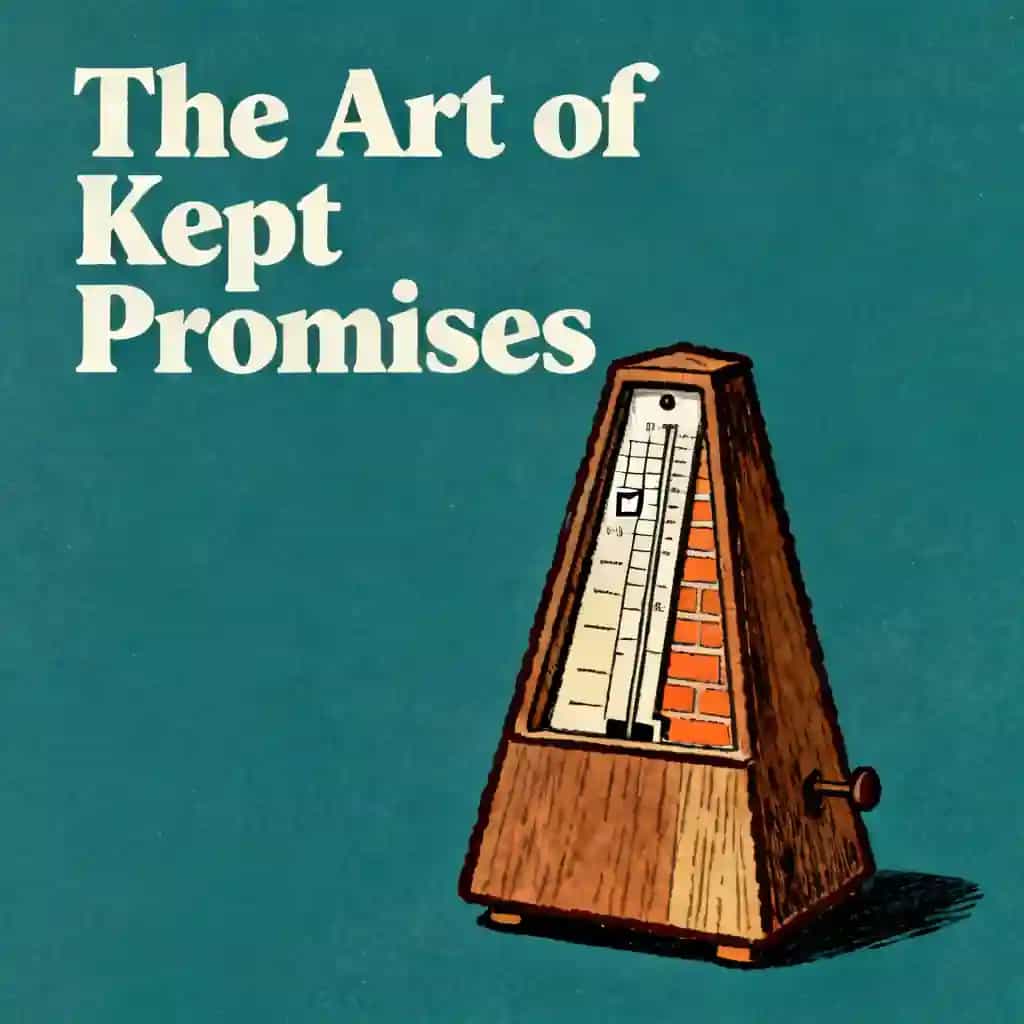
    Self-respect isn't this big, dramatic speech or a Pinterest quote. It’s actually built 'brick by boring brick' through the tiny promises you keep to yourself when no one is watching.

    ”

    このオーディオレッスンはBeFreedコミュニティメンバーが作成しました

    質問を入力

    Self confidence, respect building back up independence

    ホストの声
    Lenaplay
    Milesplay
    学習スタイル
    ディープ
    知識ソース
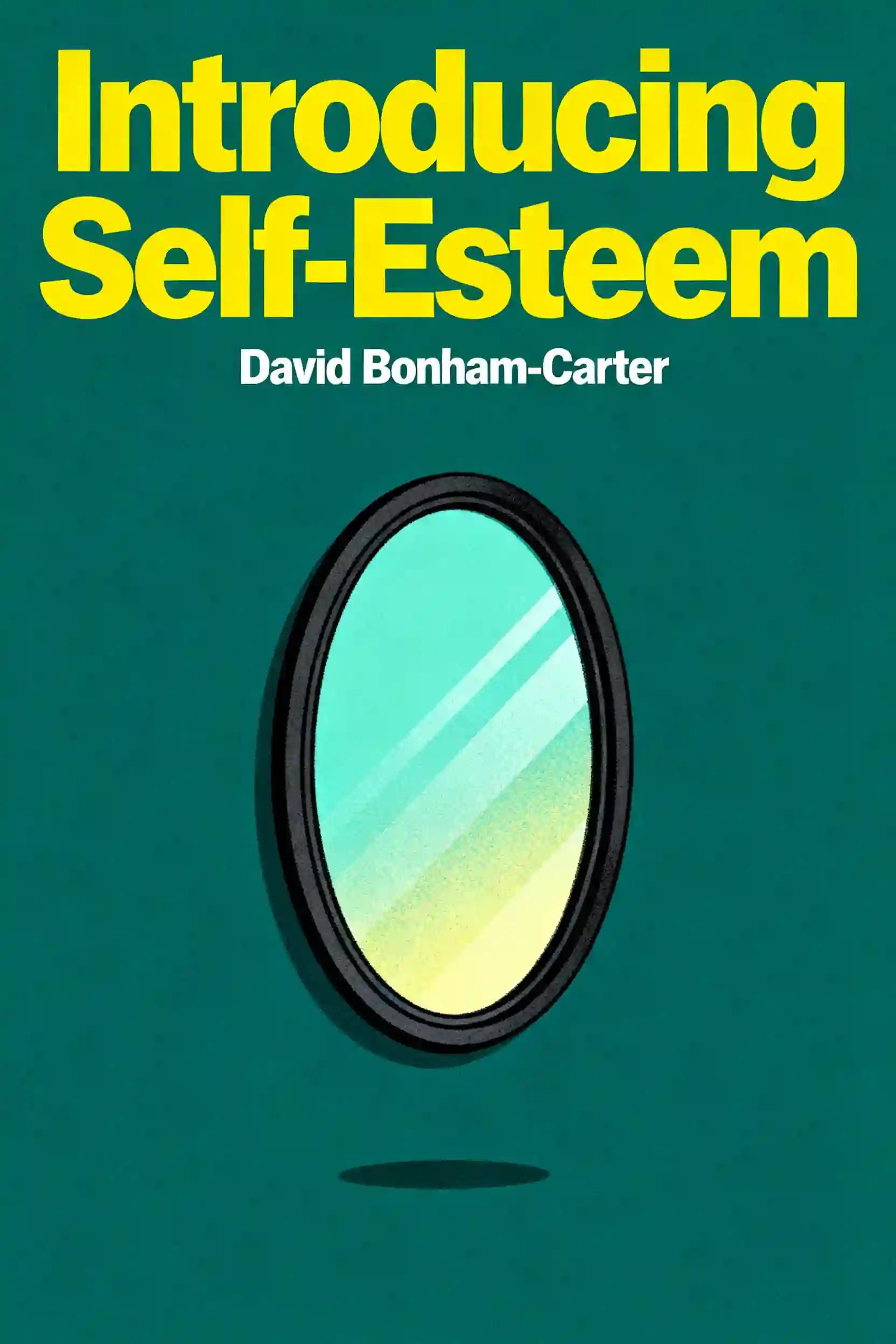
    Introducing Selfesteem A Practical Guide
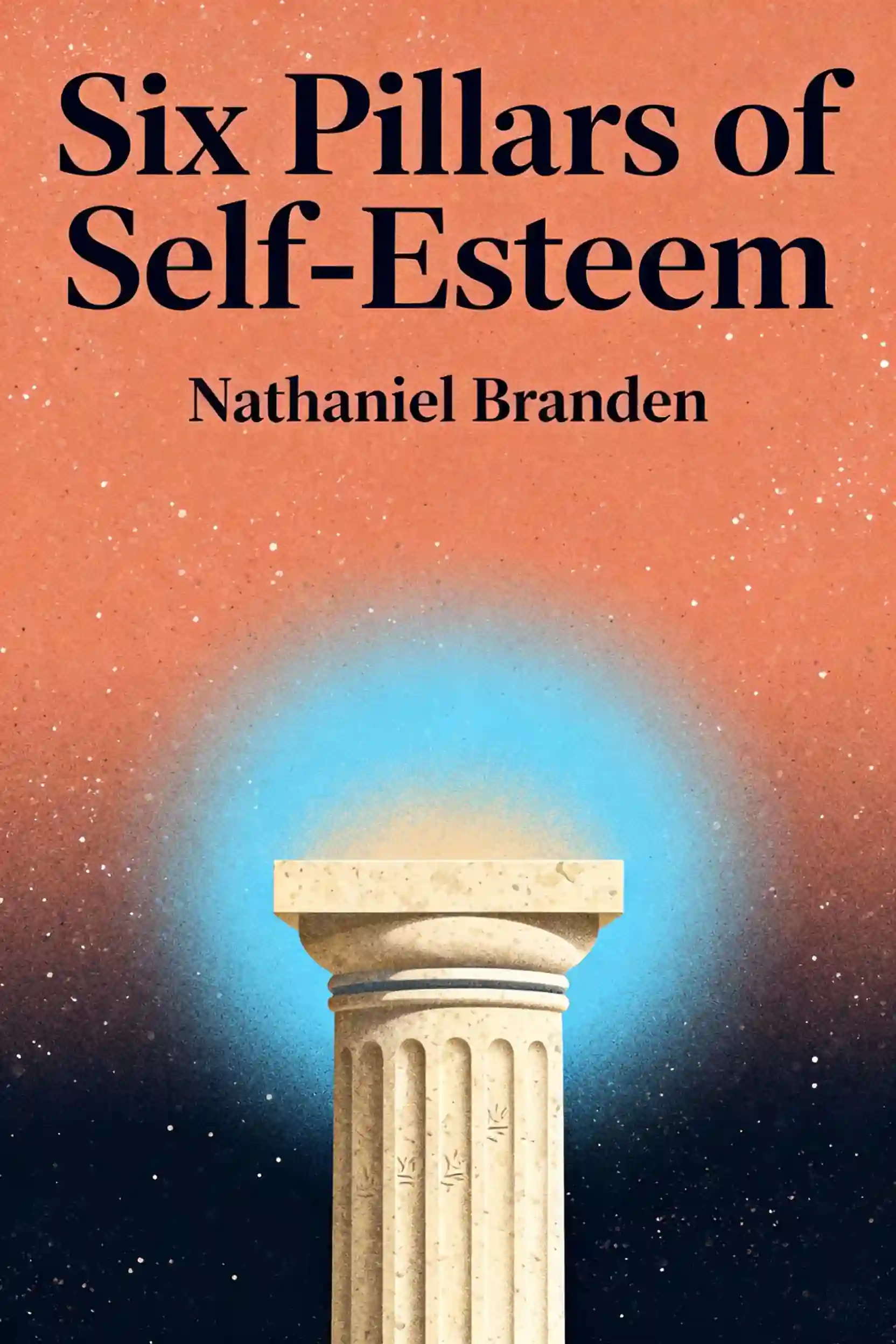
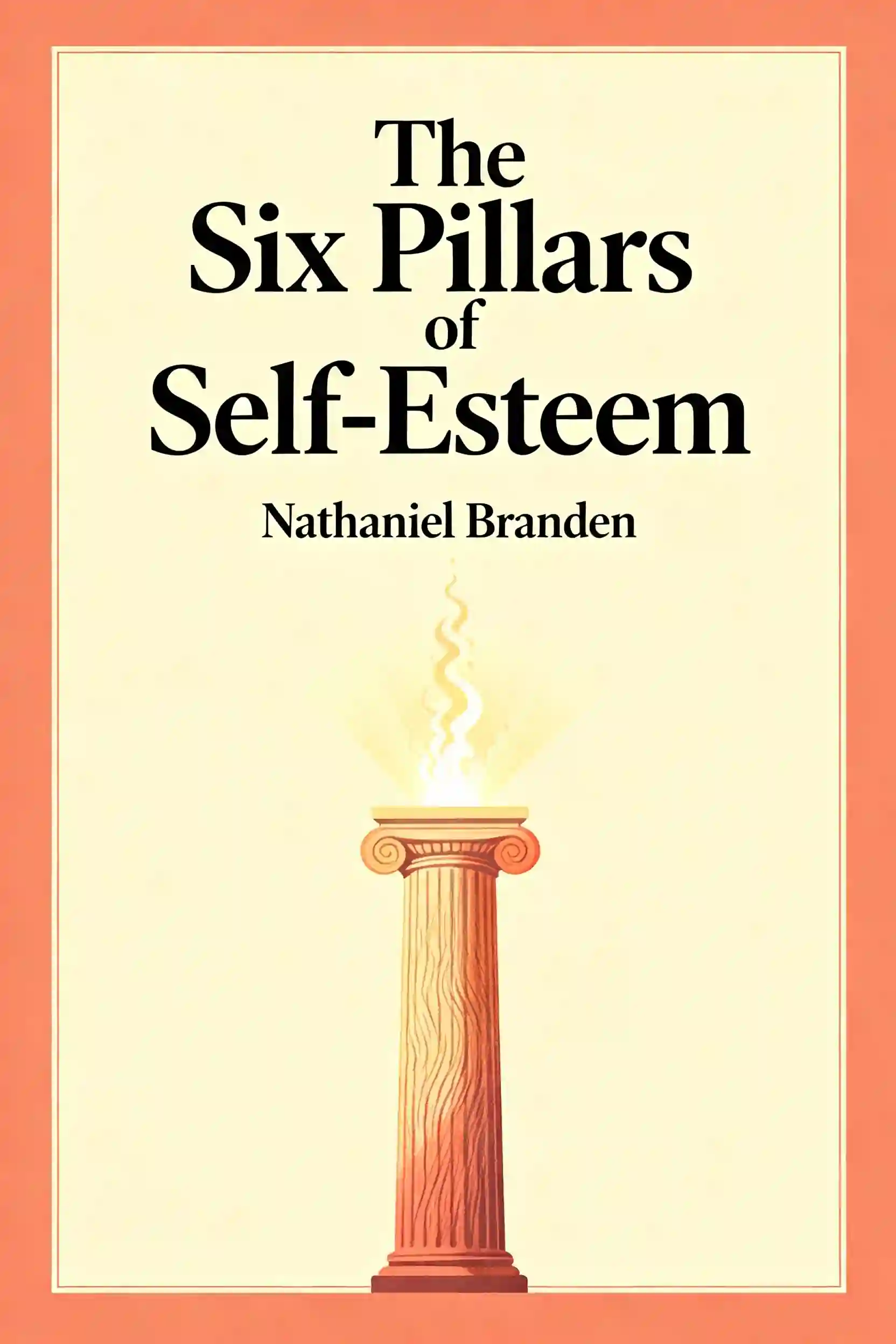
    The Six Pillars of Self-Esteem
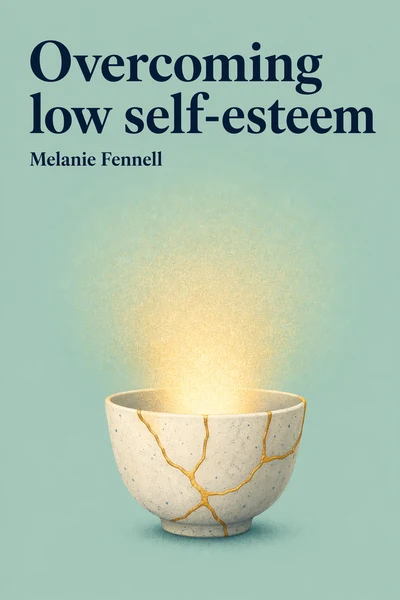
    Overcoming low self-esteem
    The Six Pillars of Self-Esteem
    It's On Me
    When I say no, I feel guilty

    よくある質問

    もっと発見

    Build self-discipline and self-respect

    Build self-discipline and self-respect

    学習プラン

    Build self-discipline and self-respect

    This plan is essential for individuals struggling with consistency or low self-esteem who want to align their actions with their values. It provides a roadmap for anyone looking to transition from external validation to a life driven by internal standards and disciplined habits.

    2 h 18 m•4 セクション
    Self respect confidence love

    Self respect confidence love

    学習プラン

    Self respect confidence love

    This plan is designed for individuals seeking to break free from self-doubt and people-pleasing behaviors. It provides a holistic framework for anyone wanting to build a foundation of self-respect that translates into more meaningful and secure personal relationships.

    2 h 10 m•4 セクション
    About self respect

    About self respect

    学習プラン

    About self respect

    This plan is essential for individuals struggling with people-pleasing or low self-esteem who want to reclaim their personal agency. It provides a psychological roadmap to transition from seeking external approval to cultivating a resilient, value-driven sense of self.

    1 h 52 m•4 セクション
    Rebuild self-trust after stress & low worth

    Rebuild self-trust after stress & low worth

    学習プラン

    Rebuild self-trust after stress & low worth

    This learning plan is designed for individuals who have experienced prolonged periods of stress, anxiety, or self-doubt that have eroded their confidence and ability to trust themselves. It's especially valuable for those who struggle with an overly critical inner voice, people-pleasing tendencies, or who constantly seek external validation to feel worthy.

    2 h 35 m•4 セクション
    Learn to love myself

    Learn to love myself

    学習プラン

    Learn to love myself

    In a world driven by external validation, developing a resilient internal support system is essential for mental well-being. This plan is designed for anyone struggling with burnout, perfectionism, or a loud inner critic who wants to build a sustainable foundation of self-worth.

    3 h 5 m•5 セクション
    Stop seeking validation; own my values.

    Stop seeking validation; own my values.

    学習プラン

    Stop seeking validation; own my values.

    In a world driven by social comparison, many professionals struggle with people-pleasing that leads to burnout and a loss of identity. This plan is designed for individuals looking to reclaim their agency, establish healthy boundaries, and lead with authentic confidence.

    3 h 3 m•4 セクション
    Stop People Pleasing & Set Boundaries

    Stop People Pleasing & Set Boundaries

    学習プラン

    Stop People Pleasing & Set Boundaries

    Many individuals struggle with burnout and resentment because they prioritize others' needs over their own. This plan is ideal for anyone looking to reclaim their time and build self-respect through clear communication and firm boundaries.

    3 h 23 m•4 セクション
    Build confidence, reduce anxiety & clinginess

    Build confidence, reduce anxiety & clinginess

    学習プラン

    Build confidence, reduce anxiety & clinginess

    This learning plan is designed for individuals who struggle with anxious attachment, emotional dependency, or persistent self-doubt that affects their relationships and wellbeing. It's particularly valuable for those who recognize they seek constant reassurance from others, fear abandonment, or feel their confidence depends too heavily on external validation. By addressing both the psychological roots and practical skills needed for change, this plan offers a pathway to genuine self-assurance and healthier connections.

    2 h 9 m•4 セクション

    コロンビア大学卒業生がサンフランシスコで開発

    BeFreedは1,000,000の好奇心旺盛な仲間が集うグローバルコミュニティ
    BeFreedがウェブ上でどのように話題になっているかをもっと見る

    "Instead of endless scrolling, I just hit play on BeFreed. It saves me so much time."

    @Moemenn
    platform
    star
    star
    star
    star
    star

    "I never knew where to start with nonfiction—BeFreed’s book lists turned into podcasts gave me a clear path."

    @Chloe, Solo founder, LA
    platform
    comments
    12
    likes
    117

    "Perfect balance between learning and entertainment. Finished ‘Thinking, Fast and Slow’ on my commute this week."

    @Raaaaaachelw
    platform
    star
    star
    star
    star
    star

    "Crazy how much I learned while walking the dog. BeFreed = small habits → big gains."

    @Matt, YC alum
    platform
    comments
    12
    likes
    108

    "Reading used to feel like a chore. Now it’s just part of my lifestyle."

    @Erin, Investment Banking Associate , NYC
    platform
    comments
    254
    likes
    17

    "Feels effortless compared to reading. I’ve finished 6 books this month already."

    @djmikemoore
    platform
    star
    star
    star
    star
    star

    "BeFreed turned my guilty doomscrolling into something that feels productive and inspiring."

    @Pitiful
    platform
    comments
    96
    likes
    4.5K

    "BeFreed turned my commute into learning time. 20-min podcasts are perfect for finishing books I never had time for."

    @SofiaP
    platform
    star
    star
    star
    star
    star

    "BeFreed replaced my podcast queue. Imagine Spotify for books — that’s it. 🙌"

    @Jaded_Falcon
    platform
    comments
    201
    thumbsUp
    16

    "It is great for me to learn something from the book without reading it."

    @OojasSalunke
    platform
    star
    star
    star
    star
    star

    "The themed book list podcasts help me connect ideas across authors—like a guided audio journey."

    @Leo, Law Student, UPenn
    platform
    comments
    37
    likes
    483

    "Makes me feel smarter every time before going to work"

    @Cashflowbubu
    platform
    star
    star
    star
    star
    star

    コロンビア大学卒業生がサンフランシスコで開発

    BeFreedは1,000,000の好奇心旺盛な仲間が集うグローバルコミュニティ
    BeFreedがウェブ上でどのように話題になっているかをもっと見る

    "Instead of endless scrolling, I just hit play on BeFreed. It saves me so much time."

    @Moemenn
    platform
    star
    star
    star
    star
    star

    "I never knew where to start with nonfiction—BeFreed’s book lists turned into podcasts gave me a clear path."

    @Chloe, Solo founder, LA
    platform
    comments
    12
    likes
    117

    "Perfect balance between learning and entertainment. Finished ‘Thinking, Fast and Slow’ on my commute this week."

    @Raaaaaachelw
    platform
    star
    star
    star
    star
    star

    "Crazy how much I learned while walking the dog. BeFreed = small habits → big gains."

    @Matt, YC alum
    platform
    comments
    12
    likes
    108

    "Reading used to feel like a chore. Now it’s just part of my lifestyle."

    @Erin, Investment Banking Associate , NYC
    platform
    comments
    254
    likes
    17

    "Feels effortless compared to reading. I’ve finished 6 books this month already."

    @djmikemoore
    platform
    star
    star
    star
    star
    star

    "BeFreed turned my guilty doomscrolling into something that feels productive and inspiring."

    @Pitiful
    platform
    comments
    96
    likes
    4.5K

    "BeFreed turned my commute into learning time. 20-min podcasts are perfect for finishing books I never had time for."

    @SofiaP
    platform
    star
    star
    star
    star
    star

    "BeFreed replaced my podcast queue. Imagine Spotify for books — that’s it. 🙌"

    @Jaded_Falcon
    platform
    comments
    201
    thumbsUp
    16

    "It is great for me to learn something from the book without reading it."

    @OojasSalunke
    platform
    star
    star
    star
    star
    star

    "The themed book list podcasts help me connect ideas across authors—like a guided audio journey."

    @Leo, Law Student, UPenn
    platform
    comments
    37
    likes
    483

    "Makes me feel smarter every time before going to work"

    @Cashflowbubu
    platform
    star
    star
    star
    star
    star

    "Instead of endless scrolling, I just hit play on BeFreed. It saves me so much time."

    @Moemenn
    platform
    star
    star
    star
    star
    star

    "I never knew where to start with nonfiction—BeFreed’s book lists turned into podcasts gave me a clear path."

    @Chloe, Solo founder, LA
    platform
    comments
    12
    likes
    117

    "Perfect balance between learning and entertainment. Finished ‘Thinking, Fast and Slow’ on my commute this week."

    @Raaaaaachelw
    platform
    star
    star
    star
    star
    star

    "Crazy how much I learned while walking the dog. BeFreed = small habits → big gains."

    @Matt, YC alum
    platform
    comments
    12
    likes
    108

    "Reading used to feel like a chore. Now it’s just part of my lifestyle."

    @Erin, Investment Banking Associate , NYC
    platform
    comments
    254
    likes
    17

    "Feels effortless compared to reading. I’ve finished 6 books this month already."

    @djmikemoore
    platform
    star
    star
    star
    star
    star

    "BeFreed turned my guilty doomscrolling into something that feels productive and inspiring."

    @Pitiful
    platform
    comments
    96
    likes
    4.5K

    "BeFreed turned my commute into learning time. 20-min podcasts are perfect for finishing books I never had time for."

    @SofiaP
    platform
    star
    star
    star
    star
    star

    "BeFreed replaced my podcast queue. Imagine Spotify for books — that’s it. 🙌"

    @Jaded_Falcon
    platform
    comments
    201
    thumbsUp
    16

    "It is great for me to learn something from the book without reading it."

    @OojasSalunke
    platform
    star
    star
    star
    star
    star

    "The themed book list podcasts help me connect ideas across authors—like a guided audio journey."

    @Leo, Law Student, UPenn
    platform
    comments
    37
    likes
    483

    "Makes me feel smarter every time before going to work"

    @Cashflowbubu
    platform
    star
    star
    star
    star
    star

    "Instead of endless scrolling, I just hit play on BeFreed. It saves me so much time."

    @Moemenn
    platform
    star
    star
    star
    star
    star

    "I never knew where to start with nonfiction—BeFreed’s book lists turned into podcasts gave me a clear path."

    @Chloe, Solo founder, LA
    platform
    comments
    12
    likes
    117

    "Perfect balance between learning and entertainment. Finished ‘Thinking, Fast and Slow’ on my commute this week."

    @Raaaaaachelw
    platform
    star
    star
    star
    star
    star

    "Crazy how much I learned while walking the dog. BeFreed = small habits → big gains."

    @Matt, YC alum
    platform
    comments
    12
    likes
    108

    "Reading used to feel like a chore. Now it’s just part of my lifestyle."

    @Erin, Investment Banking Associate , NYC
    platform
    comments
    254
    likes
    17

    "Feels effortless compared to reading. I’ve finished 6 books this month already."

    @djmikemoore
    platform
    star
    star
    star
    star
    star

    "BeFreed turned my guilty doomscrolling into something that feels productive and inspiring."

    @Pitiful
    platform
    comments
    96
    likes
    4.5K

    "BeFreed turned my commute into learning time. 20-min podcasts are perfect for finishing books I never had time for."

    @SofiaP
    platform
    star
    star
    star
    star
    star

    "BeFreed replaced my podcast queue. Imagine Spotify for books — that’s it. 🙌"

    @Jaded_Falcon
    platform
    comments
    201
    thumbsUp
    16

    "It is great for me to learn something from the book without reading it."

    @OojasSalunke
    platform
    star
    star
    star
    star
    star

    "The themed book list podcasts help me connect ideas across authors—like a guided audio journey."

    @Leo, Law Student, UPenn
    platform
    comments
    37
    likes
    483

    "Makes me feel smarter every time before going to work"
    @Cashflowbubu
    platform
    star
    star
    star
    star
    star
    1.5K Ratings4.7
    今すぐ学習の旅を始めよう
    BeFreed App
    BeFreed

    なんでも、あなた向けに学ぶ

    DiscordLinkedIn
    注目の書籍要約
    Crucial ConversationsThe Perfect MarriageInto the WildNever Split the DifferenceAttachedGood to GreatSay Nothing
    人気のカテゴリ
    Self HelpCommunication SkillRelationshipMindfulnessPhilosophyInspirationProductivity
    著名人の読書リスト
    Elon MuskCharlie KirkBill GatesSteve JobsAndrew HubermanJoe RoganJordan Peterson
    受賞作品コレクション
    Pulitzer PrizeNational Book AwardGoodreads Choice AwardsNobel Prize in LiteratureNew York TimesCaldecott MedalNebula Award
    注目のトピック
    ManagementAmerican HistoryWarTradingStoicismAnxietySex
    年別ベストブック
    2025 Best Non Fiction Books2024 Best Non Fiction Books2023 Best Non Fiction Books
    注目の著者
    Chimamanda Ngozi AdichieGeorge OrwellO. J. SimpsonBarbara O'NeillWinston ChurchillCharlie Kirk
    BeFreed vs 他のアプリ
    BeFreed vs. Other Book Summary AppsBeFreed vs. ElevenReaderBeFreed vs. ReadwiseBeFreed vs. Anki
    学習ツール
    Knowledge VisualizerAI Podcast Generator
    情報
    会社概要arrow
    料金arrow
    よくある質問arrow
    ブログarrow
    採用情報arrow
    パートナーシップarrow
    アンバサダープログラムarrow
    ディレクトリarrow
    BeFreed
    Try now
    © 2026 BeFreed
    利用規約プライバシーポリシー
    BeFreed

    なんでも、あなた向けに学ぶ

    DiscordLinkedIn
    注目の書籍要約
    Crucial ConversationsThe Perfect MarriageInto the WildNever Split the DifferenceAttachedGood to GreatSay Nothing
    人気のカテゴリ
    Self HelpCommunication SkillRelationshipMindfulnessPhilosophyInspirationProductivity
    著名人の読書リスト
    Elon MuskCharlie KirkBill GatesSteve JobsAndrew HubermanJoe RoganJordan Peterson
    受賞作品コレクション
    Pulitzer PrizeNational Book AwardGoodreads Choice AwardsNobel Prize in LiteratureNew York TimesCaldecott MedalNebula Award
    注目のトピック
    ManagementAmerican HistoryWarTradingStoicismAnxietySex
    年別ベストブック
    2025 Best Non Fiction Books2024 Best Non Fiction Books2023 Best Non Fiction Books
    学習ツール
    Knowledge VisualizerAI Podcast Generator
    注目の著者
    Chimamanda Ngozi AdichieGeorge OrwellO. J. SimpsonBarbara O'NeillWinston ChurchillCharlie Kirk
    BeFreed vs 他のアプリ
    BeFreed vs. Other Book Summary AppsBeFreed vs. ElevenReaderBeFreed vs. ReadwiseBeFreed vs. Anki
    情報
    会社概要arrow
    料金arrow
    よくある質問arrow
    ブログarrow
    採用情報arrow
    パートナーシップarrow
    アンバサダープログラムarrow
    ディレクトリarrow
    BeFreed
    Try now
    © 2026 BeFreed
    利用規約プライバシーポリシー

    重要なポイント

    1

    Stop Romanticizing Your Tolerance

    0:00

    Lena: You know, Miles, I was thinking about how often we use the word "loyalty" to describe staying in situations that actually make us feel small. We tell ourselves we’re being patient or "the chill girl," but what if that’s just self-abandonment with a nicer name?

    0:15

    Miles: That is such a powerful reframe, Lena. It’s relatable because we’ve all been there—calling crumbs a meal just because it’s something. But here’s the counterintuitive part: self-respect isn't this big, dramatic speech or a Pinterest quote. It’s actually built "brick by boring brick" through the tiny promises you keep to yourself when no one is watching.

    0:36

    Lena: Right, like it’s a muscle you’ve got to train. It’s fascinating that research shows keeping those small commitments actually strengthens your "self-regulatory muscles" so you can resist negative impulses later.

    0:48

    Miles: Exactly. It’s about becoming harder to disrespect by starting with how you treat yourself. So, let’s dive into how we can stop romanticizing our tolerance and start building that internal trust.

    2

    The Inner Plumbing of Your Sociometer

    1:00

    Lena: It is so interesting that you mentioned self-respect as this "brick by boring brick" process, Miles. It makes it feel much less intimidating—like I do not have to wake up tomorrow as a completely different, bulletproof version of myself. But I keep coming back to that feeling of being a "fraud" that you hear people talk about—even the high achievers. Why is it that someone can have all this external success but still feel like their identity is a house of cards?

    1:28

    Miles: That is the million-dollar question, right? And the answer lies in understanding what self-esteem actually is. We often think of it as this private "truth meter" that tells us how much we are worth in some objective sense. But research, specifically sociometer theory, suggests it is actually more like a social instrument panel. It evolved to track how accepted or rejected we are by the group. Think of it as a thermometer—it rises when the social environment feels warm and drops when things turn cold.

    1:59

    Lena: So, it is not actually measuring *us*—it is measuring our *perception* of how others see us? That is a total mind-shift. It means that "low self-esteem" is not a permanent diagnosis or a flaw in our character. It is just feedback.

    2:14

    Miles: Precisely. It is a second-order signal. And because it is a signal, we can work with the plumbing. If the signal is telling you that you are insecure or unvalued, it might be because you are looking at the wrong gauges. One of the biggest distortions we face today—and this is something that really erodes our independence—is constant upward comparison. We are not just comparing ourselves to our neighbors anymore; we are comparing our "behind-the-scenes" footage to everyone else’s "highlight reel" on social media.

    2:43

    Lena: Oh, that is so true. It is like our sociometer is calibrated to a fantasy instead of reality. If my reference group is the top one percent of everyone on the planet, of course my "belonging monitor" is going to be flashing red all the time.

    0:48

    Miles: Exactly. And that is where the "fraud" feeling comes from. You are achieving things, but you are benchmarking those achievements against curated outliers. To fix the plumbing, we have to widen the frame. We need to include the "messy middle" of human life and compare whole lives, not just single dimensions. Most people who seem to be winning decisively in one area—like their career—are often floundering in another, like their relationships or health.

    3:24

    Lena: That makes so much sense. So, instead of trying to "think" our way into feeling better, we need to look at who we are actually comparing ourselves to. It is about level-setting our expectations so they are grounded in reality.

    3:37

    Miles: Right. And once you realize that self-esteem is a social signal, you start to see that you have agency over it. You do not have to wait for the world to tell you that you are enough. You can start sending your own signals of competence and mastery. In fact, that is the only comparison that actually compounds over time—you versus who you were yesterday.

    3:57

    Lena: I love that. It takes the power back from the "group" and puts it back in your own hands. It is like saying, "I am going to stop checking everyone else’s gauge and start focusing on my own progress."

    4:10

    Miles: That is the foundation of independence. It is moving from a place where you are constantly scanning for external approval to a place where you are building evidence of your own ability to handle things. When you see yourself as capable through actual experiences of mastery—no matter how small—it changes the signal. And interestingly, when your internal signal changes, others tend to respond to that new frequency, too.

    3

    The Subtle Art of Self-Betrayal

    4:35

    Lena: You know, Miles, we just talked about how self-esteem is this social signal, but I want to dig into what actually damages that signal. You mentioned earlier that self-respect is built through small promises, but I suspect it is also destroyed in these tiny, almost invisible ways. It is not always a big "event" that breaks us, is it?

    4:57

    Miles: You have hit on something really profound there, Lena. Self-respect often erodes through what I call "micro-betrayals"—those moments where you stay in a situation that harms your peace, or you say "yes" when every fiber of your being is screaming "no." It is the act of silencing your own truth just to keep the peace or to avoid a conflict.

    5:18

    Lena: It is like we are training ourselves to believe that our own needs do not matter. I was reading that this often starts way back in childhood, especially if we grew up in environments where love felt conditional—like we had to earn it through achievement or people-pleasing. We learn to abandon ourselves to gain approval.

    5:36

    Miles: That self-abandonment is the ultimate root of low self-confidence. If you spent your whole life trying to become the person your parents, or your boss, or your partner wanted, you eventually reach a point where you do not even know who you are. Your identity becomes tied to being "the helper" or "the reliable one," and you draw a blank when someone asks what *you* actually want.

    5:59

    Lena: And then the guilt kicks in, right? As soon as you even *think* about prioritizing yourself, that inner critic starts whispering that you are being "selfish." But the sources suggest that this is not selfishness—it is just conditioning. It is the brain trying to keep you safe in the familiar role of the "peacekeeper."

    0:48

    Miles: Exactly. And that inner critic is often just an internalized version of someone else’s voice—a critical parent, a harsh teacher, or even a culture that tells you that you are never "enough" of whatever the current standard is. Once that voice moves inside your head, you carry that criticism everywhere. You do not even need anyone else to tear you down because you are already doing it to yourself.

    6:43

    Lena: It is exhausting, isn't it? Replaying every social interaction, looking for mistakes, assuming people do not really like you. It is like being in a relationship with a bully, except the bully is you.

    6:55

    Miles: It really is. And it shows up in such sneaky ways—like over-apologizing for things that are not your fault, or taking on other people's emotional burdens as if they are your responsibility. That is a hallmark of codependency—feeling like you have to fix everyone’s problems just to feel okay about yourself.

    7:14

    Lena: So, how do we start recognizing these patterns of self-betrayal? Because if they are "micro," they are probably happening dozens of times a day without us even noticing.

    7:26

    Miles: The first step is awareness. It is noticing that "ping" of resentment. Resentment is almost always a sign that a boundary has been crossed—usually one of your own making. It is that feeling of, "I didn't want to do this, but I felt like I had to." When you catch that feeling, you have to pause and ask: "Am I doing this because it is right for me, or because I am chasing approval?"

    7:49

    Lena: That is a tough question to answer honestly. Approval is like emotional currency, especially if you grew up without a steady supply of it. It feels "safe."

    7:59

    Miles: It does feel safe, but it is a "brittle" kind of safety. It depends entirely on external factors. Real self-respect, on the other hand, is firm when things are good and gentle when things are bad. It comes from living in alignment with your own internal code, not someone else’s. If you only feel worthy after a "big win," your self-worth is a house of cards. But if it is built on the integrity of your daily actions—like speaking kindly to yourself even when you mess up—it becomes much harder to shake.

    8:28

    Lena: So, the goal is to stop being "nice" at the expense of being "real." We have to stop romanticizing our ability to tolerate poor treatment and start seeing that tolerance as a form of self-betrayal.

    0:48

    Miles: Exactly. Building independence means learning to live from your own truth instead of from fear, guilt, or obligation. It is about realizing that you are not here to be what everyone else needs. You are here to be you. And that starts with refusing to be bullied by your own mind.

    4

    Scaling the Confidence Ladder

    9:03

    Lena: I love the idea of refusing to be bullied by your own mind, Miles. But for someone who’s been in that cycle of self-doubt for a long time, "just being yourself" can feel like such a huge, abstract leap. It’s like standing at the bottom of a mountain and being told to just "get to the top." How do we actually start the climb?

    9:22

    Miles: You’re right, Lena. Big leaps are usually where we fail because they’re too overwhelming. The real secret to rebuilding confidence, especially after a setback, is what we call the "Confidence Ladder." It’s based on the idea that confidence doesn’t come from *thinking*—it comes from *evidence*. Your brain updates its self-concept based on what you actually *do*.

    9:44

    Lena: So, I shouldn't wait to *feel* confident before I take action? Because I think that’s the trap most of us fall into. We think, "I'll go to that networking event when I feel more sure of myself," or "I'll start that project when I'm not so afraid of failing."

    9:57

    Miles: That is exactly backward. Confidence is a muscle, and you don’t build a muscle by reading about exercise—you build it by lifting weights, even when they feel heavy. The Confidence Ladder is about picking a rung that fits your current situation and just showing up. Rung one is literally just showing up—even if it's only for ten minutes.

    10:18

    Lena: I like that. It lowers the bar. So, instead of "I have to be the life of the party," it's "I just have to walk through the door and stay for one conversation."

    0:48

    Miles: Exactly. And then Rung Two is doing a "small version" of the task—maybe 10 or 20 percent of what the full load would be. Rung Three is repeating that small version consistently. Consistency is actually more important than intensity when you're rebuilding self-trust. If you keep a small promise to yourself three times a week, your brain starts to believe that you are reliable.

    10:49

    Lena: That reminds me of the "80 percent rule" I was reading about for recovery. It says when you're returning to a routine after a setback—whether it's a mental health struggle or a professional failure—you should aim to return at 80 percent of what you *think* you can do. It’s about preventing that "backlash" where you go too hard, crash, and then feel like a failure all over again.

    11:09

    Miles: That is such a crucial point. We often try to make "heroic comebacks" because we feel "behind" or panicked about lost time. But sustainable re-entry always beats a heroic spike that leads to collapse. If you notice your sleep worsening or your irritability spiking, that’s not a sign of failure—it’s a smart correction signal from your nervous system saying, "Hey, we're moving too fast. Let's slow down."

    11:33

    Lena: It’s so interesting how our nervous system values safety over growth when it’s been through a trauma or a major setback. It becomes "threat-scanning" and vigilant. So, the Confidence Ladder is basically a way of proving to our nervous system that we are safe enough to start growing again.

    2:14

    Miles: Precisely. You’re collecting proof that you can handle small challenges. And as you repeat those small wins, they accumulate into something sturdier than a "mood." It becomes a history of doing hard things. This is also where "coaching language" comes in. Instead of telling yourself, "I should be over this by now," you say, "This is a rebuilding phase. Smaller steps count."

    12:15

    Lena: It’s like being a kind coach to yourself instead of a drill sergeant. I think we often assume that being harsh with ourselves is the only way to get results, but the research on self-compassion says the opposite. Treating yourself with kindness actually makes you more resilient and more likely to try again after a mistake.

    12:33

    Miles: Absolutely. Self-compassion is unconditional, whereas self-esteem often depends on success. If your worth is tied to your last achievement, it’s going to collapse the moment you fail. But if you have self-compassion, you can say, "I made a mistake, and I feel bad about it. That’s a normal human experience. What can I learn?" That allows you to keep climbing the ladder instead of falling off it.

    12:59

    Lena: So, the goal is not to be "fearless," but to "do it scared." To take those tiny, repeatable actions that build a track record of competence.

    3:37

    Miles: Right. Confidence doesn't mean you never doubt yourself—it just means the doubt doesn't define you anymore. You have the evidence in your pocket to prove that you can survive the discomfort and come out the other side. Each rung you climb is another piece of proof that you are stronger than your fear.

    5

    Cleaning the Lenses of Your Mind

    13:27

    Lena: We've been talking a lot about action and building evidence, Miles, but I want to touch on the "thinking" part of the equation too. Even when we start taking steps on that Confidence Ladder, sometimes our brain is still shouting those old, negative stories at us. I was reading about "cognitive restructuring"—it sounds a bit technical, but the analogy of "cleaning the lenses of a dirty pair of glasses" really stuck with me.

    13:51

    Miles: It’s a great analogy, Lena. Cognitive restructuring is a core part of CBT—Cognitive Behavioral Therapy—and it’s essentially the process of identifying those automatic negative thoughts and checking if they’re actually true. Because here’s the thing: just because you think something doesn’t make it a fact. Our brains develop habits of negative thinking that color everything we see.

    14:14

    Lena: Like those "thinking errors" or "cognitive distortions"? I’ve definitely caught myself doing "all-or-nothing thinking"—like if I’m not perfect at something, I’m a total failure. Or "catastrophizing," where one small mistake at work means I’m definitely going to get fired and end up homeless.

    0:48

    Miles: Exactly. Those are classic distortions. There’s also "mind reading," where you assume you know what others are thinking—and it’s always something negative about you—or "labeling," where instead of saying "I made a mistake," you say "I *am* a mistake." These thoughts feel incredibly true in the moment, but they’re usually just mental habits that twist the truth.

    14:50

    Lena: So, how do we actually "clean the lenses"? How do we stop these thoughts from running the show?

    14:57

    Miles: Think of yourself as a detective investigating your own mind. You don't just accept the first witness's story—you look for evidence. One of the most powerful tools is the "ABCDE method." A is the Activating Event—what happened? B is the Belief—what did you tell yourself? C is the Consequence—how did you feel? But then you get to the most important parts: D for Disputation—challenging the belief—and E for the Effective new approach.

    15:26

    Lena: Okay, let's walk through an example of that. Say I send an email with a typo to a client. The "Activating Event" is the typo. The "Belief" is "I'm so unprofessional, they're going to think I'm incompetent." The "Consequence" is that I feel anxious and I'm too distracted to finish my other work.

    3:37

    Miles: Right. Now, as the detective, you move to "Disputation." You ask: "Is it true that one typo makes me incompetent? What is the evidence against that?" Well, the evidence is that you've successfully handled dozens of projects for this client. You're human, and everyone makes typos. Has a client ever fired you over a typo before? Probably not.

    16:02

    Lena: And then the "Effective new approach" would be something like, "I made a small mistake because I was rushing. It happens. I'll double-check next time, but it doesn't define my worth as a professional."

    0:48

    Miles: Exactly. And notice that the new thought isn't some "toxic positivity" like "I am the world's greatest writer." It’s just fair, balanced, and realistic. If the replacement thought isn’t realistic, your brain won't buy it. It has to be something you can actually believe.

    16:30

    Lena: It’s like we’re training our brains to find a middle ground. I also love the "Socratic questioning" technique. Asking yourself, "What would I tell a friend who was thinking this?" We are usually so much kinder to others than we are to ourselves.

    16:45

    Miles: That is so true. We would never tell a friend they’re a "loser" for making a mistake, yet we say it to ourselves without a second thought. Shifting that perspective helps us see the distortion for what it is. Another great one is "de-catastrophizing"—asking, "What is the absolute worst that could happen?" and then following that thought all the way through. Usually, you realize that even the worst-case scenario is something you could manage and survive.

    17:09

    Lena: It takes the "boogeyman" power away from the fear. It’s interesting that research shows practicing these skills can actually change how your brain works. You’re literally rewiring your neural pathways to be less self-critical and more self-enhancing.

    17:25

    Miles: It’s a skill, Lena. It takes practice. Your brain has been thinking this way for years, so you can't expect it to change overnight. But every time you notice a negative thought, name the distortion, and challenge it with evidence, you're "cleaning the lenses." Eventually, you start to see yourself and the world with much more clarity and less judgment.

    6

    The Invisible Lines of Self-Respect

    17:46

    Lena: We've talked about cleaning our mental lenses and building confidence through action, Miles, but there's another piece of this puzzle that feels really central to independence: boundaries. I was reading that boundaries are "self-respect in action." But for a lot of us, the very idea of setting a boundary feels terrifying—like we're building a wall that's going to push everyone away.

    18:08

    Miles: That is a very common fear, Lena. But the reality is the opposite. Boundaries aren't walls—they’re more like "flexible membranes." They define where *you* end and another person begins. They’re the invisible lines that communicate your needs, your values, and what is acceptable behavior in your life. Without them, you don't actually have a self to be independent *with*.

    18:31

    Lena: That’s a powerful way to put it. "You don't have a self to be independent with." I think many of us struggle with this because we confuse "being nice" with "having no boundaries." We say "yes" to everything because we’re afraid of conflict or rejection, but then we end up feeling overwhelmed, resentful, and honestly, a bit lost.

    0:48

    Miles: Exactly. And that resentment is the big red flag. If you find yourself consistently "bending over backward" for others while neglecting your own needs, that’s codependency. You’re relying on their approval for your self-worth. Every time you say "yes" when you mean "no," you’re sending a message to yourself that your own needs don't matter. You’re essentially abandoning yourself.

    19:15

    Lena: And that self-abandonment is what erodes self-esteem at the deepest level. So, how do we start setting these boundaries if we’ve never done it before? It feels like such a huge risk to suddenly start saying "no" to people who are used to us always saying "yes."

    19:32

    Miles: You start small. You don't have to overhaul your entire life in a day. You can start by setting "quiet boundaries"—like taking a little longer to text back, or saying "no" to one minor commitment that you usually only agree to out of guilt. The key is to notice the discomfort that follows—the guilt, the anxiety—and just sit with it. Realize that the world didn't end just because you prioritized your own time.

    19:59

    Lena: It’s like building that "self-trust muscle" again. I was reading that there are actually different types of boundaries—it’s not just about saying "no" to a request. There are emotional boundaries, physical boundaries, even time and material boundaries.

    3:37

    Miles: Right. Emotional boundaries are about protecting your inner "emotional landscape"—not taking on everyone else's moods as your own responsibility. Time boundaries are about protecting your schedule and energy so you don't burn out. And intellectual boundaries are about respecting your own thoughts and ideas, even if they don't align with the "group think."

    20:34

    Lena: It’s interesting that the people who protest the most when you start setting boundaries are often the ones who benefited the most from you having none. That’s a hard pill to swallow, but it’s a really important indicator of who is actually supportive of your growth.

    11:09

    Miles: That is such a crucial point. Healthy relationships *require* boundaries. They thrive on mutual respect, not on one person's constant sacrifice. When you set a boundary, you're teaching people how to treat you. You're also teaching yourself that your peace and your well-being are non-negotiable.

    21:08

    Lena: It’s about moving from "people-pleasing" to "self-honoring." And it doesn't have to be aggressive. You can be firm and kind at the same time. Using clear, direct communication like, "I can't take that on right now," or "I need some space this evening," without over-explaining or apologizing.

    0:48

    Miles: Exactly. Apologizing for a boundary is like saying your needs are a mistake. They’re not. They’re the framework that allows you to show up as your authentic self. As you start honoring those boundaries, you’ll notice that your relationships either get healthier or they naturally create some distance—and either way, you’re becoming your own person. You’re stepping into a more grounded, confident version of yourself that doesn't need external validation to feel whole.

    7

    Resilience is a System, Not a Slogan

    21:51

    Lena: You know, Miles, we often hear this idea that resilience is about "being tough" or "bouncing back" like nothing happened. But the more we look into the research, it seems like resilience is actually much more "boring" than that. It’s not about some heroic inner strength—it’s about the systems and habits we put in place.

    22:11

    Miles: You've hit on a really important distinction, Lena. Resilience isn't a personality trait you're born with—it's what allows you to adapt without breaking. And for most of us, that comes from what I call the "Base Layer" of stability. If your foundation is shaky—if you're not sleeping, not eating well, or constantly overstimulated by doomscrolling and chaos—everything feels ten times harder.

    22:35

    Lena: It’s like trying to build a house on sand. If the "Base Layer" is unstable, all the "mindset work" in the world isn't going to stick. I love the "Base Layer Checklist" from the sources—things like sleep support, consistent meals, and reduced overstimulation. They seem so simple, but they’re actually signals to your nervous system that you are safe.

    0:48

    Miles: Exactly. After a setback, your brain is often in "threat-scanning" mode. It values safety over growth. By stabilizing those basic habits, you're giving your system enough "all-clear" signals that it can start adapting again. And resilience also comes from "Support Mapping"—knowing who you can turn to for different kinds of help. You need practical support, emotional support, and sometimes professional support.

    23:21

    Lena: And it's not just about who you have *now*, but also about the breadth of your identity. I was fascinated by the idea that if your identity is only one thing—like your job or your role as a parent—a setback in that one area can lead to a total collapse. But if you have a "wider identity" with different interests and roles, you have more to lean on when one part of your life gets hit.

    23:46

    Miles: That is a huge factor in long-term resilience. It’s about not putting all your "identity eggs" in one basket. Another key part is the "Recovery Rhythm"—building in small "downshifts" throughout your day. It could be just ten minutes of quiet, or a walk outside. These little breaks prevent the "load" from piling up until you hit a wall.

    24:06

    Lena: It’s like letting the steam out of a pressure cooker before it explodes. I think we often wait until we're totally burnt out before we think about recovery, but resilience is about making recovery a daily habit.

    3:37

    Miles: Right. And it also means recognizing that recovery is nonlinear. We expect to feel better in a straight line, but it’s actually more like waves—you have good days, then a "setback day" that feels like failure, then gradual momentum again. Knowing that those "one step back" days are a normal part of the process is what keeps you from giving up.

    24:39

    Lena: It takes the shame out of the struggle. It’s not a failure of character; it’s just the nervous system recalibrating. I also love the idea of "Meaning and Identity Breadth." When we can find meaning in the setback—not in a "toxic positivity" way, but by looking at what it revealed about our strengths—that’s where real growth happens.

    12:33

    Miles: Absolutely. Many people discover parts of their resilience or creativity only when they’re forced to. Those discoveries become new "bricks" in their self-concept. Resilience is ultimately about having the systems in place to handle the "curveballs" life throws at you, so that even when you get knocked down, you have the tools and the support to start rebuilding, one steady step at a time.

    8

    Integrity is the Heart of Self-Respect

    25:26

    Lena: We've covered so much ground today, Miles—from the social signals of self-esteem to the practical "Confidence Ladder" and the importance of boundaries. But I want to circle back to something you mentioned at the very beginning: that self-respect is built on integrity. It feels like the "anchor" for everything else we've discussed.

    25:47

    Miles: It really is, Lena. If self-esteem is about how you *feel* about yourself, self-respect is about how you *treat* yourself. And that comes down to "appraisal self-respect"—the belief that you deserve dignity because you treat yourself with consistent integrity. It’s about doing what is right for you, even when no one else is watching.

    26:07

    Lena: That’s a beautiful definition. "The quiet dignity of honoring your worth every day." I was reading about how acting in line with your own moral code—even in small, routine ways—significantly increases your state of self-respect. It’s not about big, public "wins"; it’s about those private moments of staying true to your values.

    0:48

    Miles: Exactly. Research shows that behaveing with integrity bolsters your self-esteem over time because it strengthens your "self-efficacy"—your belief in your own ability to meet your commitments. Every time you follow through on a small promise—like finishing that book or showing up for a workout—you’re teaching yourself that you can rely on yourself. You’re building an internal "lifeline" of trust.

    26:51

    Lena: And that trust is what makes you "harder to disrespect." If you respect yourself, you naturally set higher standards for how you allow others to treat you. It’s like you’re setting the "tone" for your entire social world. I love the "Personal Standards" list we saw—things like keeping your word, being rigorously honest, and letting go of the need to "keep up appearances."

    27:13

    Miles: Those standards are the "bricks" of self-respect. And notice how many of them are about *internal* alignment rather than *external* validation. Choosing "transparency over making the right impression" or "admitting when you're wrong without being defensive." These aren't easy things to do, but they are the things that make you feel "at home in your own skin."

    27:33

    Lena: It’s about moving away from "ingratiating" yourself with others and moving toward "being loved for who you are." That feels like the ultimate goal of independence—to be able to say, "This is who I am, with all my gifts and my limits," and to be okay with that.

    27:49

    Miles: That is the "heart of self-respect." It’s not about perfection; it’s about alignment. It’s about being "reliably kind" to yourself and taking consistent, small actions that reflect your inherent worth. When you live with that kind of integrity, the "internal noise" of comparison and self-judgment starts to quiet down. You become less reactive and more centered.

    28:10

    Lena: And that inner stability is what allows you to handle the setbacks without losing your sense of self. It’s like having an "anchor" that holds even when the storm is raging around you. You stop "chasing worthiness" and you start "embodying it."

    28:25

    Miles: Well said, Lena. Self-respect is a lifelong practice. It’s not a destination you reach and then you’re done. It’s a daily commitment to yourself—to your values, to your boundaries, and to your truth. And as you build that foundation of integrity, you’ll find that the independence and confidence you’ve been looking for are already right there, inside of you.

    9

    Your Practical Playbook for Rebuilding

    28:49

    Lena: Miles, we’ve talked about some big, life-changing concepts today. But I know for our listeners, the question is always: "Where do I start *today*?" If someone is feeling like their confidence is at zero and they really want to reclaim their independence, what’s the first step?

    29:09

    Miles: The most important thing to remember is to start small. Don't try to climb the whole mountain at once. Your first step is to pick one "Base Layer" habit and stabilize it for seven days. Whether it's getting to bed at a consistent time, drinking enough water, or turning off your notifications for an hour—just pick one. That’s your first "brick" of self-trust.

    3:57

    Lena: I love that. It’s manageable. And then, once you’ve got that one habit, what’s next on the "Confidence Ladder"?

    29:38

    Miles: Pick one small "rung." If you've been avoiding a social situation or a difficult task, just "show up" for it—briefly. Do a 10 percent version of it. And then—this is the key—repeat it three times this week. Track it in a notebook. Every time you check that box, you're sending a signal to your brain that you are a person who keeps their promises.

    29:59

    Lena: And what about that "inner critic" that’s inevitably going to start shouting? How do we handle that in the moment?

    30:06

    Miles: Use the "detective thinking" we talked about. When a negative thought pops up—like "I'm going to fail"—ask yourself: "Is this a fact, or just a feeling? What is the evidence for and against this?" Try to find a balanced, realistic thought to replace it. And if you’re struggling to be kind to yourself, imagine what you would tell a friend in the same situation.

    30:28

    Lena: That’s so powerful. I think another big one is the "80 percent rule" for re-entry. If you're starting a new routine or heading back to work after a setback, don't aim for 100 percent right away. Aim for 80 percent consistency. It prevents that "all-or-nothing" crash that can be so damaging to our self-esteem.

    0:48

    Miles: Exactly. And don't forget the power of boundaries. This week, try to say "no" to one thing that you’d normally agree to out of guilt. It will feel uncomfortable—embrace that discomfort! It’s the feeling of your "independence muscle" growing. Notice that the world didn't end and that you survived the awkwardness.

    31:08

    Lena: And finally, I think we should mention "Support Mapping." Don't try to do this all alone. Reach out to one supportive person and tell them what you're working on. It doesn't have to be a big, dramatic confession—just a simple, honest conversation. Sometimes having someone else "see" your growth makes it feel more real.

    12:33

    Miles: Absolutely. Rebuilding is a process of "Evidence + Time + Steadier Steps." If you find yourself stuck in a pattern of self-sabotage or the anxiety feels overwhelming, that’s when seeking professional help is a sign of strength, not weakness. A therapist can help you navigate those deeper "core beliefs" and give you tailored tools for your specific journey.

    31:51

    Lena: So, to everyone listening: pick your one habit, climb your one rung, and be gentle with yourself as you go. You're not "fixing" yourself; you're just returning to the person you were always meant to be before the world told you that you weren't enough.

    32:08

    Miles: That is the ultimate win, Lena. It’s not about becoming someone "new"—it’s about giving yourself permission to exist exactly as you are, without shrinking or performing. And every small, consistent step you take today is a "brick" in that new foundation of self-respect.

    10

    Closing Reflections: The Journey Home to Yourself

    32:26

    Lena: As we wrap up today's conversation, Miles, I'm struck by how much of this journey is really about "coming home to yourself." We spend so much energy looking outward—for approval, for validation, for a sign that we're "doing it right"—when the real work is happening in those quiet, private moments of self-integrity.

    32:47

    Miles: You've hit the nail on the head, Lena. Rebuilding your self-confidence and independence isn't a one-time decision; it's a lifelong practice. It’s about choosing yourself, day after day, even when it’s uncomfortable. It’s about realizing that your worth is not a "score" you have to earn—it’s an inherent truth of your existence.

    3:57

    Lena: I love that. "Your worth is not a score." It’s so easy to forget that in a world that’s constantly trying to measure us. I hope our listeners can take away that one idea: that they are enough, not because of what they achieve, but simply because they are here.

    0:48

    Miles: Exactly. And as you go forward, remember that setbacks are not failures—they're just part of the "nonlinear" curve of growth. They’re opportunities to learn more about your strengths and to refine your systems. Every time you handle a difficult moment with a little more self-compassion and a little less self-criticism, you're winning.

    33:45

    Lena: It’s the "joy of transparency" over the "shaky status of the ego." When we stop pretending and start being real, we create space for authentic connection—both with ourselves and with others.

    33:58

    Miles: That is where true peace and stability come from. So, I’d encourage everyone listening to take a moment today to reflect: what is one small promise you can make—and keep—to yourself? How can you show yourself a little more kindness in your thoughts? Those are the steps that lead to a life that feels truly yours.

    34:18

    Lena: Thank you so much for joining us for this deep dive into self-confidence and independence. It’s been such a powerful exploration. We hope you feel a little more equipped to start building your own foundation, brick by boring brick.

    34:32

    Miles: It’s been a pleasure. Remember, you don't have to have it all figured out today. Just keep moving forward, one steady step at a time. Your future self will thank you for it.

    34:42

    Lena: Take care of yourselves, everyone. And thank you for listening.

    関連コンテンツ

    podcast cover
    Qbq! the Question Behind the QuestionHow to Be the Love You SeekLove Unfu*kedThe Codependency Recovery Plan
    25 sources
    Trust Yourself First
    Discover how breaking promises to yourself erodes self-trust and learn practical steps to build accountability, whether it's drinking less or waking up earlier—creating a stronger relationship with yourself.
    12 min
    podcast cover
    Taming Your GremlinIntroducing Self-EsteemSilence Your Inner Critic: Mastering Self-Doubt with ScienceCoach Yourself Confident
    27 sources
    Reclaiming Your Inner Reliability
    Discover why self-doubt is a learned protection mechanism and learn practical, neuroscience-backed strategies to silence your inner critic and rebuild self-trust.
    39 min
    podcast cover
    Overcoming low self-esteemIntroducing Selfesteem A Practical GuideThe Six Pillars of Self-EsteemHow to Be Yourself
    25 sources
    Building confidence through small daily actions
    Waiting to feel confident before acting is a trap. Learn how to use neuroscience and simple habits to train your brain and build lasting self-assurance.
    31 min
    podcast cover
    Codependent Relationship Recovery PlanLiberated LoveFacing Codependence [ABRIDGED]True to You
    19 sources
    Building self-trust and staying grounded in relationships
    Stop spiraling when your partner pulls away. Learn to decode your triggers and move from seeking reassurance to finding safety within yourself.
    34 min
    podcast cover
    Love More, Fight LessFight RightThe Seven Principles for Making Marriage WorkThe Mastery of Love
    25 sources
    Small Wins, Big Love: Rebuilding Your Relationship
    Discover how micro-connections and a shift from blame to partnership can heal your marriage. Learn science-backed strategies to navigate conflict and rebuild trust through small, intentional daily actions.
    32 min
    podcast cover
    Raising Securely Attached KidsRaising an Emotionally Intelligent ChildParenting MapThe Six Pillars of Self-Esteem
    24 sources
    Building Confidence for Your Family and Relationship
    Struggling to feel 'enough' for your partner and kids? Learn how self-love reframes your inner critic and strengthens your bonds through small wins.
    28 min
    book cover
    The Courage to be Disliked
    Ichiro Kishimi
    Break free from past traumas and societal expectations to find true personal happiness.
    9 min
    book cover
    Reinventing Your Life
    Jeffrey E. Young & Janet S. Klosko
    Break free from self-defeating patterns and create a more fulfilling life using cognitive therapy techniques and practical strategies.
    9 min