BeFreed
    Categories>Finance & Economics>Beyond Snowball: Alternative Debt Payoff Strategies

    Beyond Snowball: Alternative Debt Payoff Strategies

    24分
    |
    |
    2025年11月24日
    Finance & EconomicsSelf-Growth

    Discover practical debt elimination methods beyond the popular snowball approach, including avalanche strategies, consolidation options, and psychology-based techniques that actually work in real life.

    Beyond Snowball: Alternative Debt Payoff Strategies
    聴き方を選ぶ

    1つのエピソード。いろいろな聴き方。

    Beyond Snowball: Alternative Debt Payoff Strategiesの同じアイデアを、あなたに合う声・深さ・ペースで。いつでも切り替えられます。

    文字起こしとチャプター

    チャプター 1

    Opening & Welcome

    Nia: Hey everyone, welcome back to your personalized podcast from BeFreed! I'm Nia, and I'm here with my co-host Eli, and we are absolutely thrilled to dive into something that's been on so many of our listeners' minds lately.

    Eli: That's right, Nia! And today we're tackling a question that goes way beyond the typical "just use the snowball method" advice. We're exploring practical, alternative strategies for paying off debt that actually work in the real world-because let's be honest, one size definitely doesn't fit all when it comes to financial freedom.

    Nia: Exactly! And what I love about today's conversation is that we've pulled insights from some incredible sources that really understand the psychology and practical realities behind debt payoff. We're not just talking numbers here-we're talking about real strategies that account for how we actually think and feel about money.

    チャプター 2

    Topic Introduction & Source Material Setup

    Eli: You know, Nia, what really struck me as we prepared for today is how much wisdom we found across these different approaches. I was just reading about this in Clare Seal's "Real Life Money," and she talks about something so powerful-how debt isn't just a numbers problem, it's deeply psychological.

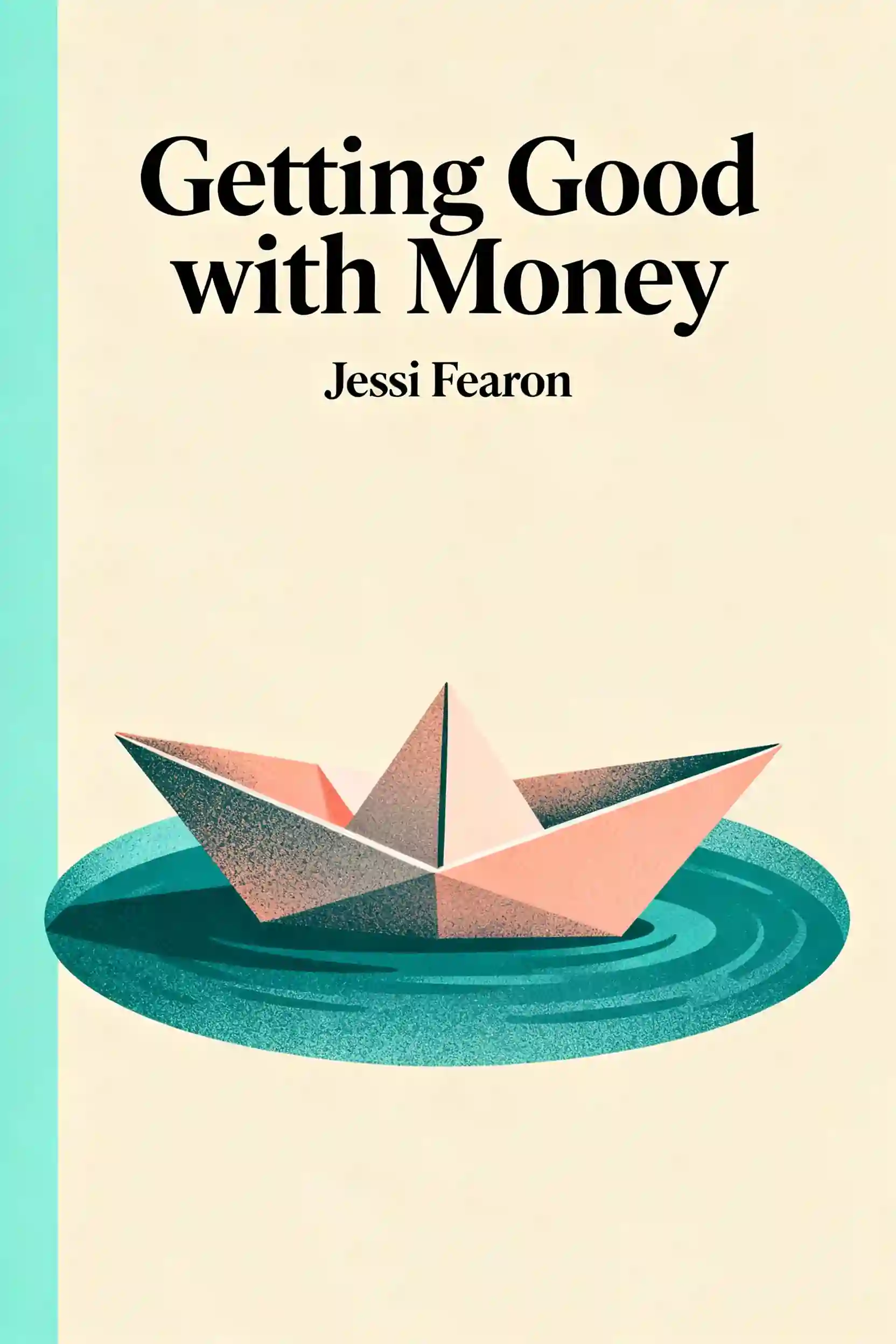
    Nia: Oh, absolutely! And that connects beautifully with what Jessi Fearon discusses in "Getting Good with Money." She emphasizes that before you can tackle any debt strategy, you really need to understand your money mindset. It's like trying to navigate without knowing where you're starting from, right?

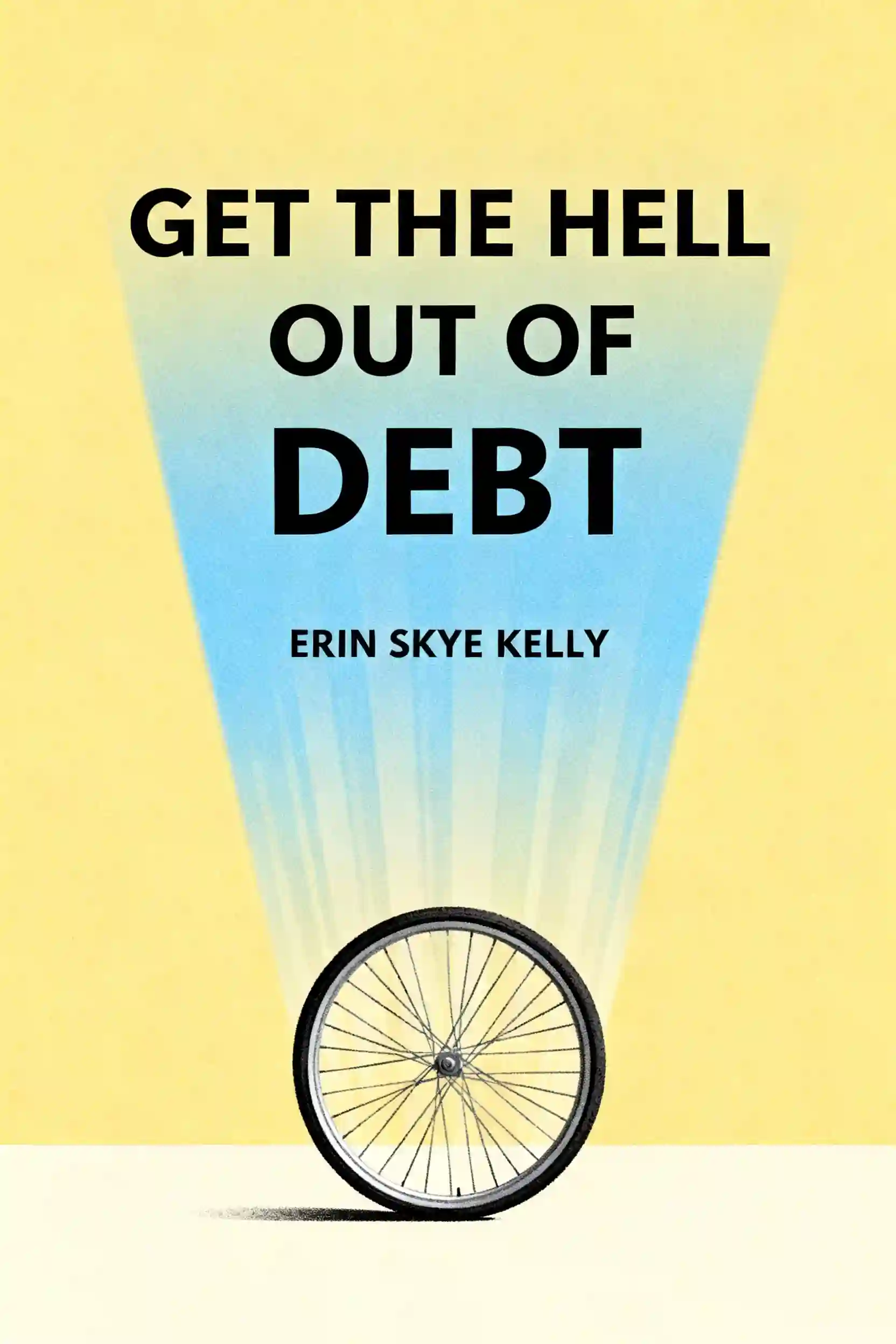
    Eli: Right! And then you have Erin Skye Kelly in "Get the Hell Out of Debt" who brings this refreshing perspective that debt gets paid off with love, not just discipline. That completely reframes how we approach the whole process.

    Nia: I love that! It's so much more compassionate than the usual "just buckle down and suffer through it" mentality. And what's fascinating is how all these sources, plus the comprehensive strategies from Experian and NerdWallet, show us that there are actually multiple paths to the same destination.

    Eli: Exactly! So for everyone listening who's thinking, "I've heard about the snowball method a million times, but what else is out there?"-we've got you covered. We're going to explore debt avalanche strategies, consolidation approaches, psychological techniques, and some really innovative ways to think about debt payoff that might just be the game-changer you've been looking for.

    このエピソードで学びを深める

    このエピソードのアイデアを、BeFreedのガイド付き学習体験でさらに深めましょう。

    チャプター 3

    The Debt Avalanche: Mathematics Meets Psychology

    Nia: Alright, let's jump into what might be the most mathematically sound alternative to the snowball method-the debt avalanche approach. Eli, can you walk us through how this actually works?

    Eli: Absolutely! So while the snowball method focuses on your smallest balances first, the avalanche method is all about targeting your highest interest rates. You make minimum payments on everything, but then you throw every extra penny at whatever debt is costing you the most in interest charges.

    Nia: That makes so much sense from a pure numbers perspective. You're essentially stopping the bleeding where it's worst, right?

    Eli: Exactly! And according to the research from Experian, this approach can actually save you significant money over the long run. Think about it-if you have a credit card charging 22% interest and a student loan at 4%, mathematically speaking, every dollar you put toward that credit card saves you way more than putting it toward the student loan.

    Nia: But here's what I find interesting, and this connects to what Clare Seal discusses in "Real Life Money"-the avalanche method requires a different kind of psychological stamina. You might not see those quick wins that keep people motivated.

    Eli: That's such an important point! Seal really emphasizes how our emotions play a huge role in financial success. The avalanche method is fantastic if you're motivated by knowing you're making the most efficient mathematical choice, but it can be challenging if you need those early victories to stay on track.

    Nia: Right! And I think this is where understanding your own psychology becomes crucial. Some people are energized by optimization and efficiency-they get excited knowing they're saving the most money possible. Others need to see accounts disappearing to stay motivated.

    Eli: Absolutely! And here's a practical tip that I found really helpful-you can actually modify the avalanche approach to work better psychologically. Instead of strictly following interest rates, you might target the highest rate debt that you can realistically pay off within a few months. That way, you get both mathematical efficiency and psychological wins.

    Nia: Oh, that's brilliant! It's like creating a hybrid approach. And you know what else I love about the avalanche method? It naturally teaches you to think about the true cost of debt. When you're actively targeting that 24% APR credit card, you really start to understand how expensive that debt actually is.

    Eli: Exactly! It creates this awareness that can help prevent future debt accumulation. Once you viscerally understand that a $1,000 balance at 24% interest costs you $240 per year just in interest, you start making very different spending decisions.

    チャプター 4

    Debt Consolidation: Simplifying the Complex

    Nia: Now let's talk about something that can be a total game-changer for the right person-debt consolidation. This is one of those strategies that can feel almost magical when it works, but it's important to understand when it makes sense.

    Eli: Oh, I love talking about consolidation because it addresses something that I think gets overlooked a lot-the mental load of managing multiple debts. When you're juggling five different credit cards, each with different due dates, minimum payments, and interest rates, that's a lot of cognitive overhead.

    Nia: Yes! And that mental exhaustion can actually lead to mistakes that cost you money-missing payments, paying less than you intended, or just feeling so overwhelmed that you avoid dealing with it altogether.

    Eli: Exactly! So consolidation can work in several ways. The most common approaches are balance transfer credit cards, personal loans, or for homeowners, potentially using home equity. Each has its own advantages and considerations.

    Nia: Let's start with balance transfer cards because I think these are really misunderstood. When they work well, they can be incredible tools.

    Eli: Absolutely! Picture this scenario-you have $8,000 spread across three credit cards, all charging between 18% and 24% interest. You qualify for a balance transfer card with 0% APR for 18 months. Suddenly, every payment you make goes directly to principal instead of being eaten up by interest.

    Nia: That's powerful! But-and this is a big but-it only works if you have the discipline to actually pay off that balance during the promotional period and avoid running up new debt on the cards you just cleared.

    Eli: Right! And this connects back to what Erin Skye Kelly talks about in "Get the Hell Out of Debt" regarding financial boundaries. She emphasizes that consolidation without addressing the underlying spending behaviors is just rearranging deck chairs on the Titanic.

    Nia: Such a perfect analogy! And I think this is where personal loans for debt consolidation can sometimes be better for certain personalities. With a personal loan, you get a fixed payment, a fixed term, and the temptation to reuse the credit is removed because the cards are paid off.

    Eli: Exactly! Plus, personal loans often have lower interest rates than credit cards, especially if you have decent credit. The Experian research shows that people with good credit scores-generally 670 and above-can often get personal loan rates that are significantly lower than typical credit card APRs.

    Nia: And here's something I find really practical about the personal loan approach-it creates what I call "forced discipline." You have a set payment, a clear end date, and you can't just make minimum payments forever like you might with credit cards.

    Eli: That's such a great point! It transforms your debt from this nebulous, ongoing burden into a concrete project with a finish line. And psychologically, that can be incredibly motivating.

    Nia: Now, we should definitely talk about home equity options because they come up a lot, but they require serious consideration. Using your home to pay off unsecured debt can be risky.

    Eli: Absolutely. While home equity loans and HELOCs often offer the lowest interest rates, you're essentially converting unsecured debt into secured debt. If something goes wrong financially, you could potentially lose your home.

    Nia: Right, and as the sources point out, this strategy only makes sense if you're absolutely committed to not accumulating new debt and you have a solid plan for repayment. It's not a decision to make lightly.

    このエピソードで学びを深める

    このエピソードのアイデアを、BeFreedのガイド付き学習体験でさらに深めましょう。

    チャプター 5

    The Psychology of Debt: Beyond Numbers

    Nia: You know what I think is one of the most overlooked aspects of debt payoff? The psychological and emotional components. Clare Seal really opened my eyes to this in "Real Life Money" when she talks about the shame spiral that keeps people trapped.

    Eli: Oh, this is so important! Seal's insight about the difference between guilt and shame is profound. Guilt says "I did something bad," but shame says "I am bad." And when you're operating from a place of shame, it's almost impossible to make good financial decisions.

    Nia: Exactly! And shame thrives in secrecy, right? So people hide their debt struggles, even from family members who could potentially help. It becomes this isolating experience that makes everything harder.

    Eli: And here's what I find fascinating-Seal points out that nearly half of people with problem debt experience mental health issues, while almost a fifth of those with mental health conditions struggle with financial problems. It's this vicious cycle where money worries worsen mental health, which then impairs decision-making.

    Nia: That really reframes debt payoff as not just a financial project, but as a mental health intervention. And I think this is where some of the alternative strategies we're discussing today become so valuable-they account for these psychological realities.

    Eli: Absolutely! And Erin Skye Kelly's approach in "Get the Hell Out of Debt" is revolutionary in this regard. She says debt gets paid off with love, and sometimes that love shows up as discipline, but it's rooted in self-respect and desire for a better future.

    Nia: I love that framing! It's so much more sustainable than trying to hate or shame yourself out of debt. And it connects to something else Kelly emphasizes-the importance of celebration throughout the process.

    Eli: Yes! She talks about how every time you pay off a debt, no matter how small, you need to celebrate. Do a happy dance, treat yourself to something budget-friendly, or just take a moment to feel proud. These celebrations aren't frivolous-they're psychological fuel for the journey.

    Nia: And you know what else I appreciate about this psychological approach? It acknowledges that setbacks are normal and human. Clare Seal talks about how financial progress is rarely linear-you'll have plateaus, setbacks, and occasional leaps forward.

    Eli: Right! Instead of viewing a slip-up as evidence that you're "bad with money," you can see it as information about what strategies need adjustment. It's so much more compassionate and ultimately more effective.

    Nia: And this psychological awareness can actually inform your choice of debt payoff strategy. If you know you're someone who gets discouraged easily, maybe the avalanche method isn't right for you, even if it's mathematically optimal. The best strategy is the one you'll actually stick with.

    チャプター 6

    Budgeting as a Debt Elimination Tool

    Eli: Now, let's talk about something that's absolutely foundational to any debt payoff strategy but often gets treated as separate-budgeting. And I don't mean just any budgeting, but budgeting specifically designed to accelerate debt elimination.

    Nia: Oh, this is where things get really practical! And what I love is how the different sources approach budgeting not as restriction, but as intentional money management. Jessi Fearon puts it perfectly in "Getting Good with Money"-budgeting isn't about depriving yourself, it's about prioritizing what's truly important to you.

    Eli: Exactly! And Erin Skye Kelly has this concept she calls the "Love List" that I think is brilliant for debt payoff. Instead of starting with what you need to cut, you start by identifying what you truly love and value. Then you align your spending with those values.

    Nia: That's such a different approach! Because when you're clear about what matters most to you, it becomes easier to say no to expenses that don't align with those priorities. It's not deprivation-it's conscious choice.

    Eli: Right! And here's a practical strategy that combines budgeting with debt payoff-the "redirect and attack" method. You track every expense for a month, identify spending that doesn't align with your values, and redirect that money straight to debt payments.

    Nia: I love that! And you know what's interesting? The sources consistently mention that even small redirections can make a big difference. Maybe it's $30 a month from subscription services you forgot about, or $50 from eating out less frequently. These might seem small, but they add up.

    Eli: Absolutely! And here's something from the NerdWallet research that I found eye-opening-they emphasize finding ways to lower your existing bills as part of your debt strategy. This isn't about cutting out everything fun; it's about negotiating better rates on things you're already paying for.

    Nia: Yes! Like calling your cell phone provider, insurance company, or even credit card companies to see if they can offer better rates. These conversations can free up money that goes directly to debt payments without changing your lifestyle at all.

    Eli: And there's this compound effect that happens. When you negotiate your car insurance down by $40 a month and put that toward debt, you're not just saving $480 a year-you're also reducing the interest you'll pay on that debt over time. It multiplies the impact.

    Nia: That's such a great point! And I think this is where technology can really help. There are apps that can track all your subscriptions, help you compare insurance rates, or even negotiate bills automatically. It removes some of the friction from this process.

    Eli: Exactly! And speaking of technology, zero-based budgeting apps can be game-changers for debt payoff. With zero-based budgeting, every dollar has a job before the month begins, so you're intentionally allocating money to debt payments rather than hoping there's something left over.

    Nia: I love zero-based budgeting for debt payoff because it makes the process proactive instead of reactive. You're not wondering where your money went-you're directing where it goes.

    このエピソードで学びを深める

    このエピソードのアイデアを、BeFreedのガイド付き学習体験でさらに深めましょう。

    チャプター 7

    The Power of Increased Income

    Nia: Now let's talk about something that can dramatically accelerate any debt payoff strategy-increasing your income. This is often overlooked because people think debt payoff is only about cutting expenses, but income increases can be incredibly powerful.

    Eli: Oh, absolutely! And what I love about focusing on income is that it doesn't require you to feel deprived. Instead of cutting your budget to the bone, you're expanding your resources. It's a much more abundant mindset.

    Nia: Exactly! And the NerdWallet research really emphasizes this-even short-term income increases can boost your debt repayment plan significantly. It could be a part-time job, freelance work, or selling items you no longer need.

    Eli: Right! And here's something practical-the "debt sprint" approach. Maybe you can't sustain a side hustle long-term, but you could do it intensively for six months to knock out a specific debt. It's like a focused burst of effort rather than a permanent lifestyle change.

    Nia: I love that concept! And it connects to what Jessi Fearon talks about in "Getting Good with Money"-sometimes the best financial strategies are temporary intensifications rather than permanent restrictions.

    Eli: Exactly! And there are so many ways to increase income temporarily. You could drive for rideshare companies, do freelance work in your area of expertise, pet-sit, house-sit, or sell services like tutoring or consulting.

    Nia: And here's something that often gets overlooked-negotiating your current salary. People focus on side hustles but forget that their primary income might have room for growth. Even a small raise can make a huge difference in debt payoff timelines.

    Eli: That's such a good point! A $2,000 annual raise might not seem life-changing, but if you put that entire amount toward debt, it could shorten your payoff timeline by months or even years, depending on your situation.

    Nia: And you know what's interesting? The psychological impact of earning extra money specifically for debt payoff can be really motivating. There's something powerful about seeing your efforts directly translate into debt reduction.

    Eli: Absolutely! It creates this positive feedback loop where you see progress, which motivates you to continue the extra effort, which creates more progress. It's the opposite of the shame spiral we talked about earlier.

    Nia: And here's a practical tip-if you do pursue additional income for debt payoff, set up automatic transfers so that money goes directly to debt payments before you have a chance to spend it. It removes the temptation and makes the process automatic.

    チャプター 8

    Strategic Debt Settlement and Management Programs

    Eli: Now let's talk about some options that are more intensive but can be incredibly helpful for people in really challenging situations-debt settlement and debt management programs. These aren't right for everyone, but they can be lifelines for the right circumstances.

    Nia: This is such important territory to cover because I think these options are often misunderstood. They're not "get out of jail free" cards, but they can be legitimate strategies when traditional payoff methods aren't feasible.

    Eli: Exactly! Let's start with debt management plans through nonprofit credit counseling agencies. These programs can be really helpful because they often negotiate reduced interest rates with your creditors and create a structured repayment plan.

    Nia: What I appreciate about debt management plans is that they address both the practical and psychological aspects. You get professional guidance, reduced rates, and the simplicity of making one payment instead of juggling multiple creditors.

    Eli: Right! And according to the sources, these programs typically span three to five years, which gives you a clear timeline and endpoint. Plus, the nonprofit structure means they're focused on helping you succeed rather than maximizing profits.

    Nia: But it's important to understand the trade-offs, right? You typically have to close the credit card accounts included in the plan, which can affect your credit utilization and credit score in the short term.

    Eli: Absolutely. But here's the thing-if you're already struggling with debt, your credit is probably already impacted. And making consistent, on-time payments through a debt management plan can actually help demonstrate responsible behavior over time.

    Nia: That's a great point. Sometimes taking a short-term hit to your credit score is worth it for the long-term benefits of getting out of debt systematically.

    Eli: Now, debt settlement is a different animal entirely. This involves negotiating with creditors to accept less than the full amount owed, typically in exchange for a lump-sum payment or structured payout.

    Nia: And this is really for people who are in severe financial hardship and unable to manage their debts through conventional methods. It's not something you pursue lightly because it can significantly impact your credit report for up to seven years.

    Eli: Exactly. And there are tax implications too-the IRS may consider forgiven debt as taxable income, depending on your situation. So it's crucial to understand all the consequences before pursuing this route.

    Nia: But for someone who's truly unable to pay their debts and considering bankruptcy, settlement might be a preferable alternative. It can reduce what you owe while avoiding some of the more severe consequences of bankruptcy.

    Eli: Right! And you can actually negotiate settlements yourself by contacting creditors directly, or you can work with a company that specializes in debt settlement. Just be sure to research any company thoroughly and understand their fee structure.

    Nia: And here's something important-whether you're considering debt management or settlement, it's often worth speaking with a nonprofit credit counselor first. They can help you understand all your options and determine what might work best for your specific situation.

    このエピソードで学びを深める

    このエピソードのアイデアを、BeFreedのガイド付き学習体験でさらに深めましょう。

    チャプター 9

    Practical Applications & Listener Takeaways

    Nia: Alright, let's bring all of this together into some concrete, actionable strategies that our listeners can actually implement. Because we've covered a lot of ground, and I want to make sure everyone has clear next steps.

    Eli: Perfect! So first things first-assessment. Before choosing any strategy, you need to get intimate with your numbers. List out every debt with its balance, interest rate, and minimum payment. This gives you the foundation for any approach you choose.

    Nia: And while you're doing that assessment, really think about your own psychology. Are you motivated by quick wins, or can you stay motivated knowing you're making the most mathematically efficient choice? There's no right answer-just what works for you.

    Eli: Exactly! And here's a practical framework: If your total unsecured debt equals 50% or more of your gross income, or if paying it off within five years isn't feasible with your current income, that's when you might want to explore debt management or settlement options.

    Nia: But for most people, the key is choosing between avalanche, a modified avalanche, or exploring consolidation options. And remember, you can always start with one approach and adjust if it's not working for you.

    Eli: Right! And regardless of which payoff strategy you choose, here are some universal tactics that can accelerate any approach: negotiate your existing bills to free up more money for debt payments, consider temporary income increases through side work, and set up automatic payments so you don't have to rely on willpower alone.

    Nia: And don't forget the psychological strategies! Celebrate your wins, track your progress visually, and remember that setbacks are normal parts of the process, not evidence that you're failing.

    Eli: Absolutely! And here's something practical that applies to any strategy-the "redirect audit." For one month, track every expense and identify money that could be redirected to debt payments without significantly impacting your quality of life.

    Nia: I love that! And speaking of quality of life, remember what Jessi Fearon emphasizes-this process should align with your values, not work against them. If a strategy makes you miserable, it's probably not sustainable.

    Eli: And for our listeners who are feeling overwhelmed by debt, remember Clare Seal's insight-debt is something you have, not something you are. It's a solvable problem, not a character flaw.

    Nia: Such an important distinction! And if you're dealing with shame around debt, consider having those difficult conversations with trusted people in your life. Often, the support and practical ideas that come from opening up can be game-changing.

    Eli: Absolutely! And here's a final practical tip-whatever strategy you choose, give it at least three months before evaluating whether it's working. Change takes time, and you want to give your chosen approach a real chance to show results.

    チャプター 10

    Wrap-up & Closing Reflection

    Nia: So as we wrap things up, I'm really struck by how much wisdom we've uncovered today. We started with the question of alternatives to the snowball method, but what we've really explored is a whole toolkit of approaches that honor both the mathematical and psychological realities of debt payoff.

    Eli: Absolutely! And what I love most is how these strategies aren't mutually exclusive. You might use consolidation to simplify your debts, then apply an avalanche approach to pay them off, while using psychological techniques to stay motivated and budgeting strategies to maximize your payments.

    Nia: Exactly! It's like having a personalized debt elimination system rather than trying to force yourself into someone else's one-size-fits-all approach. And I think that's so empowering for our listeners-you get to choose the combination that works for your unique situation.

    Eli: And remember, the "best" strategy is always the one you'll actually stick with consistently. A mathematically imperfect plan that you follow is infinitely better than a perfect plan that you abandon after two months.

    Nia: Such a crucial point! And as we've learned from all these sources, debt payoff is as much about mindset and psychology as it is about numbers. When you approach it with self-compassion and realistic expectations, you're much more likely to succeed.

    Eli: Right! And I hope our listeners feel inspired by the variety of options available. Whether it's the mathematical efficiency of the avalanche method, the simplicity of consolidation, the professional support of debt management programs, or the psychological techniques we've discussed-there really is a path forward for everyone.

    Nia: And don't forget that this journey, while challenging, is also incredibly empowering. Every payment you make, every strategy you implement, every small win along the way-it's all building toward financial freedom and the peace of mind that comes with it.

    Eli: Absolutely! And as Erin Skye Kelly reminds us, this process is ultimately about love-love for yourself and your future. When you approach debt payoff from that place, it transforms from something you're enduring to something you're actively choosing for your own wellbeing.

    Nia: I couldn't agree more. And for everyone listening, remember that your financial journey is uniquely yours. Take what resonates from today's conversation, adapt it to your situation, and don't be afraid to adjust your approach as you learn and grow.

    Eli: And on that note, we want to encourage you to stay curious, keep those questions coming, and remember that every step forward, no matter how small, is progress worth celebrating. You've got this, and we're cheering you on every step of the way!

    Nia: Until next time, keep moving toward the financial freedom you deserve. Thanks for joining us today!

    ★★★★★

    Beyond Snowball: Alternative Debt Payoff Strategiesを最後まで学びました

    “23日間、毎日使い続けています。今では日課の一部です。”

    jayallen

    Beyond Snowball: Alternative Debt Payoff Strategiesのベスト引用

    “

    Debt isn't just a numbers problem, it's deeply psychological. The best strategy is the one you'll actually stick with, because a mathematically imperfect plan that you follow is infinitely better than a perfect plan that you abandon.

    ”
    F

    Generated by Freedee_9DF842B1

    質問を入力

    Practical tips for paying off debt that’s not the snowball method

    ホストの声
    Niaplay
    Eliplay
    知識ソース
    7 Common Debt Reduction Strategies: What to Know
    link
    https://www.westernsouthern.com/personal-finance/debt-reduction-strategies
    What's the Best Way to Pay Off Debt? - Experian
    link
    https://www.experian.com/blogs/ask-experian/what-is-best-way-to-pay-off-debt/
    Get the Hell Out of Debt
    Pay Off Debt: Strategies and Tips
    link
    https://www.nerdwallet.com/article/finance/pay-off-debt
    Real Life Money
    Getting Good with Money

    コロンビア大学卒業生が開発 | サンフランシスコ発

    BeFreedは好奇心旺盛な仲間が集うグローバルコミュニティ

    4.7

    平均評価

    7,840件以上のアプリ評価

    BeFreedコミュニティ

    正直、まだアプリを使いこなせていませんが、この数日使っただけで本当に感動しました… BeFreed は、今まで使ったどの学習アプリともレベルが違います。夢中になれるうえに集中力も実際に上がるので、スマホをだらだら見てしまう人にぴったりです!

    @ladyInfinity

    ちょうど 23 日前に BeFreed を購入して、それから毎日欠かさず使っています。仕事の流れと学習習慣に完全に溶け込みました。

    @jayallen

    正直なところ、このアプリは期待をすべて超えてきました。どんなテーマでも音声を生成してもらえて、その結果には驚かされます。私の専門は心理療法で、多分野にまたがる領域ですが、それでも回答はとても正確です。

    @Raguipa

    何よりありがたいのは、スマホをだらだら見る時間が減ったことです。探す時間が減って、吸収する時間が増えました。オーディオブック、ポッドキャスト、学習プランの組み合わせが素晴らしいです。

    @colonyofcreatorsNGO

    私は 24 年間、PhotoReading 加速学習のインストラクターをしています… 本と読書と学びが私の専門ですが、BeFreed は情報を消化しやすい形で届ける革新的なアプローチを見事に実現しています。

    @BeFreed user

    ただの本の要約アプリではありません。「ファン」スタイルを使ってみたら、従来のやり方よりずっと良い要約で、アイデアもつかみやすいです。これだけでも十分元が取れます。

    @austinakon

    このアプリが大好きです。数日使っただけで、聞くのが止まらなくなりました。始め方として最高です。

    @jcrules328

    本当に気に入っています。約 1 か月試していますが、まさに掘り出し物だと感じます。BeFreed で自分だけのテーマを作れるのが便利で、声も素晴らしく、ナレーションの選択肢は無限です。

    @DanielCZ

    正直、まだアプリを使いこなせていませんが、この数日使っただけで本当に感動しました… BeFreed は、今まで使ったどの学習アプリともレベルが違います。夢中になれるうえに集中力も実際に上がるので、スマホをだらだら見てしまう人にぴったりです!

    @ladyInfinity

    ちょうど 23 日前に BeFreed を購入して、それから毎日欠かさず使っています。仕事の流れと学習習慣に完全に溶け込みました。

    @jayallen

    正直なところ、このアプリは期待をすべて超えてきました。どんなテーマでも音声を生成してもらえて、その結果には驚かされます。私の専門は心理療法で、多分野にまたがる領域ですが、それでも回答はとても正確です。

    @Raguipa

    何よりありがたいのは、スマホをだらだら見る時間が減ったことです。探す時間が減って、吸収する時間が増えました。オーディオブック、ポッドキャスト、学習プランの組み合わせが素晴らしいです。

    @colonyofcreatorsNGO

    私は 24 年間、PhotoReading 加速学習のインストラクターをしています… 本と読書と学びが私の専門ですが、BeFreed は情報を消化しやすい形で届ける革新的なアプローチを見事に実現しています。

    @BeFreed user

    ただの本の要約アプリではありません。「ファン」スタイルを使ってみたら、従来のやり方よりずっと良い要約で、アイデアもつかみやすいです。これだけでも十分元が取れます。

    @austinakon

    このアプリが大好きです。数日使っただけで、聞くのが止まらなくなりました。始め方として最高です。

    @jcrules328

    本当に気に入っています。約 1 か月試していますが、まさに掘り出し物だと感じます。BeFreed で自分だけのテーマを作れるのが便利で、声も素晴らしく、ナレーションの選択肢は無限です。

    @DanielCZ

    役立つ情報やアイデアを 8〜15 分のポッドキャスト風音声にぎゅっとまとめて聞けるのが最高です。ポッドキャストは余計な話が多くて苦手でしたが、これは無駄を全部そぎ落としてくれます。

    @BeFreed user

    博士課程の仕上げの段階で、なじみのない資料を大量に読む必要があります… BeFreed ならプロンプトを入力するだけで、アプリが資料を探して音声ポッドキャストを作ってくれます。BeFreed のほうが NotebookLM よりも流れがスムーズだと感じます。

    @Brad

    朝食を作りながら、散歩しながら、通勤しながら聞くものを YouTube でよく探していましたが、BeFreed は広告も余計な話もなしで、もっと的を絞った聞き方をさせてくれます!

    @BeFreed user

    このプラットフォームの一番の魅力は、その万能さです。扱えないテーマは文字どおりひとつもありません。何を投げても応えてくれます… 制限がまったくないのに約束をきちんと果たしてくれる学習ツールには、なかなか出会えません。

    @jayallen

    BeFreed は素晴らしいです。使いやすいデザインのおかげで、操作に迷う時間が減り、学ぶ時間が増えました。オーディオブック、ポッドキャスト、学習プランの組み合わせは天才的で、毎日の習慣がすっかり変わりました。

    @BeFreed user

    最初はイタリア語でポッドキャストを作る方法を理解するのに少し時間がかかりましたが、わかった瞬間、最高でした!どんなテーマでも説明してもらえて、しかもとても賢く、うまく話してくれます!

    @matteo77

    BeFreed は毎日使うオーディオブックアプリになりました… 一番気に入っているのは、自分のテキストを入れると、外出先でも聞ける音声にしてくれるところです。

    @kotanzu1

    役立つ情報やアイデアを 8〜15 分のポッドキャスト風音声にぎゅっとまとめて聞けるのが最高です。ポッドキャストは余計な話が多くて苦手でしたが、これは無駄を全部そぎ落としてくれます。

    @BeFreed user

    博士課程の仕上げの段階で、なじみのない資料を大量に読む必要があります… BeFreed ならプロンプトを入力するだけで、アプリが資料を探して音声ポッドキャストを作ってくれます。BeFreed のほうが NotebookLM よりも流れがスムーズだと感じます。

    @Brad

    朝食を作りながら、散歩しながら、通勤しながら聞くものを YouTube でよく探していましたが、BeFreed は広告も余計な話もなしで、もっと的を絞った聞き方をさせてくれます!

    @BeFreed user

    このプラットフォームの一番の魅力は、その万能さです。扱えないテーマは文字どおりひとつもありません。何を投げても応えてくれます… 制限がまったくないのに約束をきちんと果たしてくれる学習ツールには、なかなか出会えません。

    @jayallen

    BeFreed は素晴らしいです。使いやすいデザインのおかげで、操作に迷う時間が減り、学ぶ時間が増えました。オーディオブック、ポッドキャスト、学習プランの組み合わせは天才的で、毎日の習慣がすっかり変わりました。

    @BeFreed user

    最初はイタリア語でポッドキャストを作る方法を理解するのに少し時間がかかりましたが、わかった瞬間、最高でした!どんなテーマでも説明してもらえて、しかもとても賢く、うまく話してくれます!

    @matteo77

    BeFreed は毎日使うオーディオブックアプリになりました… 一番気に入っているのは、自分のテキストを入れると、外出先でも聞ける音声にしてくれるところです。

    @kotanzu1

    BeFreedがウェブ上でどのように話題になっているかをもっと見る
    129.7K19.5K
    55.2K19.2K
    154.2K10827355
    48.1K2.5K
    81.2K6.6K
    82.3K1.8K
    今すぐ学習の旅を始めよう
    BeFreedアプリ
    BeFreed

    なんでも、あなた向けに学ぶ

    DiscordLinkedIn
    注目の書籍要約
    Crucial ConversationsThe Perfect MarriageInto the WildNever Split the DifferenceAttachedGood to GreatSay Nothing
    人気のカテゴリ
    Self HelpCommunication SkillRelationshipMindfulnessPhilosophyInspirationProductivity
    著名人の読書リスト
    Elon MuskCharlie KirkBill GatesSteve JobsAndrew HubermanJoe RoganJordan Peterson
    受賞作品コレクション
    Pulitzer PrizeNational Book AwardGoodreads Choice AwardsNobel Prize in LiteratureNew York TimesCaldecott MedalNebula Award
    注目のトピック
    ManagementAmerican HistoryWarTradingStoicismAnxietySex
    年別ベストブック
    2025 Best Non Fiction Books2024 Best Non Fiction Books2023 Best Non Fiction Books
    注目の著者
    Chimamanda Ngozi AdichieGeorge OrwellO. J. SimpsonBarbara O'NeillWinston ChurchillCharlie Kirk
    BeFreed vs 他のアプリ
    BeFreed vs. Other Book Summary AppsBeFreed vs. ElevenReaderBeFreed vs. ReadwiseBeFreed vs. Anki
    学習ツール
    Knowledge VisualizerAI Podcast Generator
    情報
    会社概要arrow
    料金arrow
    よくある質問arrow
    ブログarrow
    採用情報arrow
    パートナーシップarrow
    アンバサダープログラムarrow
    ディレクトリarrow
    BeFreed
    Try now
    © 2026 BeFreed
    利用規約プライバシーポリシー
    BeFreed

    なんでも、あなた向けに学ぶ

    DiscordLinkedIn
    注目の書籍要約
    Crucial ConversationsThe Perfect MarriageInto the WildNever Split the DifferenceAttachedGood to GreatSay Nothing
    人気のカテゴリ
    Self HelpCommunication SkillRelationshipMindfulnessPhilosophyInspirationProductivity
    著名人の読書リスト
    Elon MuskCharlie KirkBill GatesSteve JobsAndrew HubermanJoe RoganJordan Peterson
    受賞作品コレクション
    Pulitzer PrizeNational Book AwardGoodreads Choice AwardsNobel Prize in LiteratureNew York TimesCaldecott MedalNebula Award
    注目のトピック
    ManagementAmerican HistoryWarTradingStoicismAnxietySex
    年別ベストブック
    2025 Best Non Fiction Books2024 Best Non Fiction Books2023 Best Non Fiction Books
    学習ツール
    Knowledge VisualizerAI Podcast Generator
    注目の著者
    Chimamanda Ngozi AdichieGeorge OrwellO. J. SimpsonBarbara O'NeillWinston ChurchillCharlie Kirk
    BeFreed vs 他のアプリ
    BeFreed vs. Other Book Summary AppsBeFreed vs. ElevenReaderBeFreed vs. ReadwiseBeFreed vs. Anki
    情報
    会社概要arrow
    料金arrow
    よくある質問arrow
    ブログarrow
    採用情報arrow
    パートナーシップarrow
    アンバサダープログラムarrow
    ディレクトリarrow
    BeFreed
    Try now
    © 2026 BeFreed
    利用規約プライバシーポリシー

    関連コンテンツ

    Debt-Free Strategies: Reclaiming Your Financial Future の書籍表紙
    The Debt Payoff Playbook: Strategies to Crush Your Debt in 2026 — The Money MuseThe Psychology of Debt: A Behavioral Finance Guide to Understanding and Reframing Debt | Villaire FinancialThe Psychology of Debt: Why It's Hard to Pay Off | DebtPayoffToolsStudent Loans and Credit Card Debt: Which Should You Pay Off First?
    5 sources
    Debt-Free Strategies: Reclaiming Your Financial Future
    Modern debt is designed to keep you stuck. Learn how to use the Snowball and Avalanche methods to dismantle your balances and find lasting peace.
    1006 min
    How to pay off debt fast by changing your strategy の書籍表紙
    The Total Money MakeoverGet the Hell Out of DebtHow to Pay Off Debt Fast in 2026: A Practical Step-by-Step Plan - SurplusDebt Avalanche vs Snowball Explained: Pros and Cons
    7 sources
    How to pay off debt fast by changing your strategy
    Struggling with debt feels like a math problem, but it's actually about behavior. Learn how to build a cash buffer and find surplus income to break free.
    19 min
    Budgeting Through Debt: Your Financial Reset の書籍表紙
    The Total Money MakeoverReal Life MoneyDave Ramsey's Complete Guide To MoneyMillionaire Mission
    23 sources
    Budgeting Through Debt: Your Financial Reset
    Learn practical strategies to build a budget that tackles debt while growing savings. We'll break down proven methods like debt snowball and avalanche to help you make progress on all financial fronts.
    45 min
    Debt Management: Strategic Tool or Financial Enemy? の書籍表紙
    source 1source 2source 3source 4
    6 sources
    Debt Management: Strategic Tool or Financial Enemy?
    Explore the counterintuitive world of debt through insights from Warren Buffett, Dave Ramsey, and economic experts. Discover when debt destroys wealth and when it strategically builds it.
    9 min
    Paying off debt when you feel stuck の書籍表紙
    The Total Money MakeoverReal Life MoneyGet the Hell Out of DebtMillennial Money Makeover
    28 sources
    Paying off debt when you feel stuck
    High interest rates make debt feel like a treadmill. Learn how to choose between momentum and math to build a plan that actually fits your life.
    13 min
    Breaking Free from Lifelong Debt Cycles の書籍表紙
    source 1source 2source 3How To Break Free From A Cycle Of Debt - Forbes
    6 sources
    Breaking Free from Lifelong Debt Cycles
    Practical strategies and psychological insights for escaping chronic debt patterns that have persisted throughout adult life. Covers debt consolidation, spending triggers, and building sustainable financial habits.
    14 min
    Breaking the Psychology of Debt Cycles の書籍表紙
    source 1source 2source 3The Psychology of Credit Card Debt: How to Break the Cycle
    6 sources
    Breaking the Psychology of Debt Cycles
    Discover the hidden emotional and psychological triggers that keep you trapped in debt, and learn science-backed strategies to rewire your relationship with money for lasting financial freedom.
    24 min
    Get the Hell Out of Debt の書籍表紙
    Get the Hell Out of Debt
    Erin Skye Kelly
    A no-nonsense guide empowering women to break free from debt and transform their financial lives through mindset shifts and practical strategies.
    30 min

    Recommended Learning Plans

    Debt Elimination and Liquidity Building
    学習プラン

    Debt Elimination and Liquidity Building

    This plan is essential for anyone feeling trapped by high-interest debt and living paycheck to paycheck. It provides a structured roadmap to move from financial fragility to lasting liquidity and security.

    30 m•3 セクション
    The Boring Path to Wealth
    学習プラン

    The Boring Path to Wealth

    This plan is essential for anyone overwhelmed by financial complexity who wants a reliable, low-stress strategy for growth. It is designed for individuals seeking to transition from reactive spending to proactive, automated wealth building.

    1 h 30 m•3 セクション
    From Zero Savings to Keys in Hand
    学習プラン

    From Zero Savings to Keys in Hand

    This plan is designed for aspiring homeowners who need a roadmap to bridge the gap between financial instability and property ownership. It provides a strategic approach to balancing mortgage readiness with long-term debt management, making it essential for first-time buyers.

    1 h 30 m•3 セクション
    From Paycheck to Prosperity
    学習プラン

    From Paycheck to Prosperity

    Financial stress often stems from a lack of systems rather than a lack of income. This plan is ideal for professionals and individuals looking to break the cycle of monthly drain by building a sustainable, habit-based foundation for wealth.

    2 h•4 セクション
    i want to achieve financial freedom
    学習プラン

    i want to achieve financial freedom

    This learning plan is designed for individuals feeling stuck in the paycheck-to-paycheck cycle who want a clear roadmap to independence. It provides a comprehensive bridge from basic debt management to advanced wealth preservation and income diversification.

    5 h 1 m•4 セクション
    How to be more frugal
    学習プラン

    How to be more frugal

    This learning plan is essential for anyone feeling trapped by financial stress, living paycheck to paycheck, or wanting to take control of their financial future. It's particularly valuable for young professionals, families looking to reduce debt, or anyone seeking financial independence and the freedom that comes with intentional, frugal living. By combining mindset shifts with actionable strategies, this plan offers a comprehensive path from financial anxiety to empowered abundance.

    4 h 48 m•4 セクション
    Stop impulse spending and save money simply.
    学習プラン

    Stop impulse spending and save money simply.

    This plan is essential for anyone struggling with paycheck-to-paycheck living or habitual impulse shopping. It combines psychological insights with automated systems to help modern consumers regain financial control and build wealth effortlessly.

    3 h 21 m•4 セクション
    Master Personal Finance From Scratch
    学習プラン

    Master Personal Finance From Scratch

    This comprehensive plan is designed for individuals seeking to transition from financial uncertainty to total independence. It provides a structured roadmap for anyone looking to master everything from basic literacy and debt management to sophisticated investment strategies.

    5 h 20 m•4 セクション