BeFreed
    Categories>Debt Management: Strategic Tool or Financial Enemy?

    Debt Management: Strategic Tool or Financial Enemy?

    9分
    |
    |
    2026年1月1日

    Explore the counterintuitive world of debt through insights from Warren Buffett, Dave Ramsey, and economic experts. Discover when debt destroys wealth and when it strategically builds it.

    Debt Management: Strategic Tool or Financial Enemy?
    聴き方を選ぶ

    1つのエピソード。いろいろな聴き方。

    Debt Management: Strategic Tool or Financial Enemy?の同じアイデアを、あなたに合う声・深さ・ペースで。いつでも切り替えられます。

    文字起こしとチャプター

    チャプター 1

    Welcome and Setting the Stage

    Lena: Hey everyone, welcome back to another personalized episode from BeFreed! I'm Lena, and I'm genuinely excited about today's conversation because we're diving deep into something that affects all of us-debt management. And I've got my co-host Eli here, who's practically buzzing with insights from some incredible books we've been exploring.

    Eli: Oh, Lena, I am absolutely buzzing! You know what's fascinating? We've got this collection of perspectives on debt that completely flips conventional wisdom on its head. I mean, we're talking about everything from using debt strategically to build wealth, to understanding how government debt actually works-it's mind-blowing stuff!

    Lena: Right? And what I love is that we're not just going to give listeners one perspective. We've got insights from financial experts, economists, even someone who was right in the middle of Greece's debt crisis. This is going to be eye-opening.

    チャプター 2

    The Debt Paradox That Changes Everything

    Eli: So Lena, let's start with something that's going to sound completely counterintuitive to most of our listeners. What if I told you that Warren Buffett-arguably the most successful investor of all time-said "If you're smart, you don't need leverage; if you're dumb, you shouldn't be using it," but then his own company uses billions in debt despite having mountains of cash?

    Lena: Wait, that sounds like total hypocrisy! How does that even make sense?

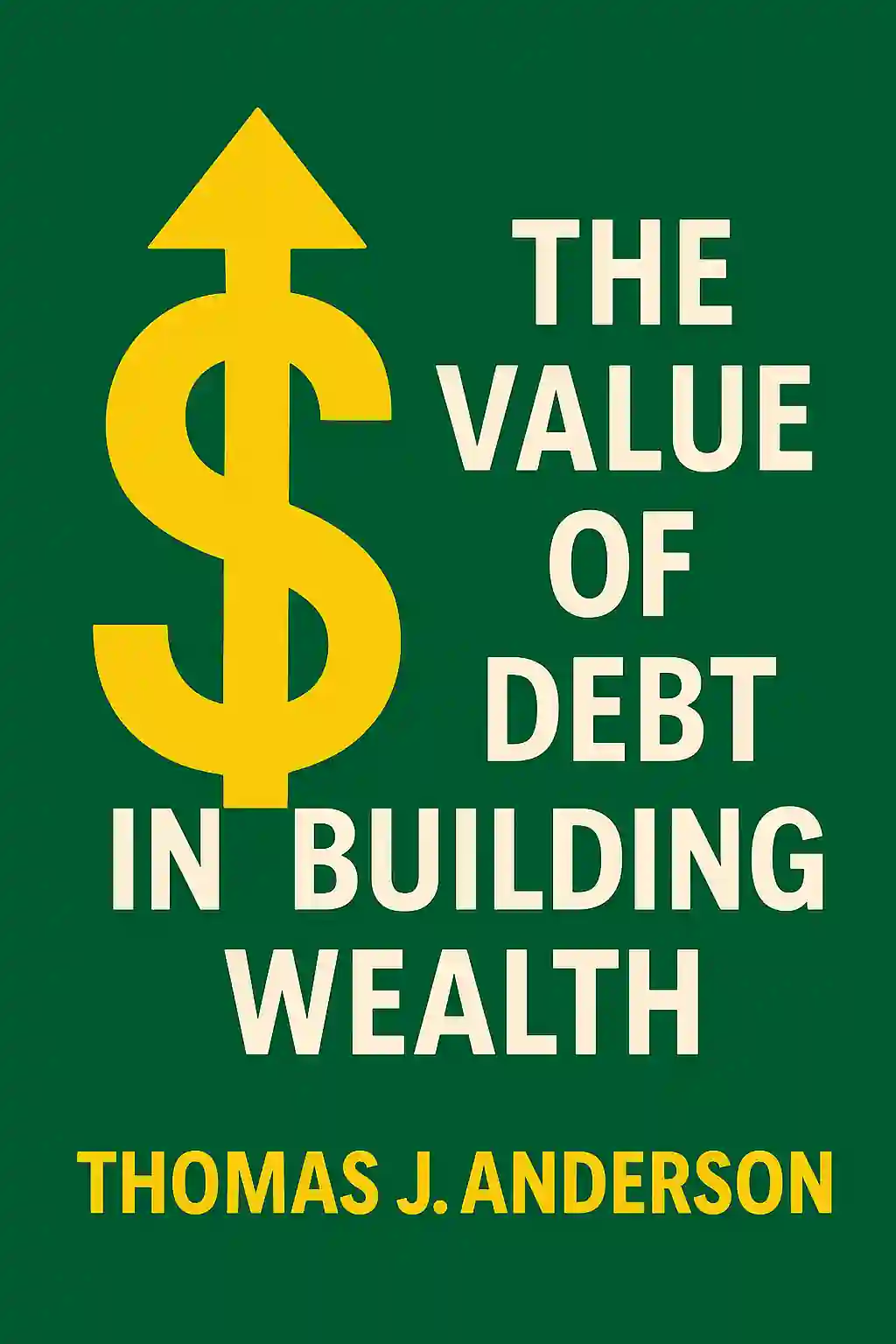
    Eli: That's exactly what I thought! But here's the thing-it reveals something profound about how the wealthy actually think about debt. In "The Value of Debt in Building Wealth," we learn that there are actually three types of debt, and understanding the difference can literally transform your financial future. There's oppressive debt-like credit cards charging 18-25%-that makes you continually poorer.

    Lena: Okay, that one's obvious. Nobody wants to pay 25% interest on anything.
    Eli: Exactly! But then there's working debt-mortgages, student loans, business loans with moderate rates between 2-8%. And here's where it gets interesting-there's something called enriching debt, which is debt you maintain strategically even when you could pay it off.

    Lena: Hold on, you're telling me I should keep debt I could eliminate? That goes against everything I've been taught about personal finance!

    このエピソードで学びを深める

    このエピソードのアイデアを、BeFreedのガイド付き学習体験でさらに深めましょう。

    チャプター 3

    The Mathematics of Strategic Debt

    Eli: I know it sounds crazy, but let me give you a real example that'll blow your mind. Imagine you inherit a million dollars. Most people would say buy a $500,000 house outright and invest the remaining $500,000. At a 6% return, that generates $30,000 annually, right?

    Lena: That sounds pretty good to me!

    Eli: But what if instead you put 20% down-$100,000-get a $400,000 mortgage at 3%, and now you can invest $900,000? That generates $54,000 annually, minus about $18,000 in mortgage payments, giving you $36,000 net income. That's $6,000 more per year with the exact same net worth!

    Lena: Wait, so you're making more money by taking on debt? That's... that actually makes mathematical sense, but it feels so wrong psychologically.

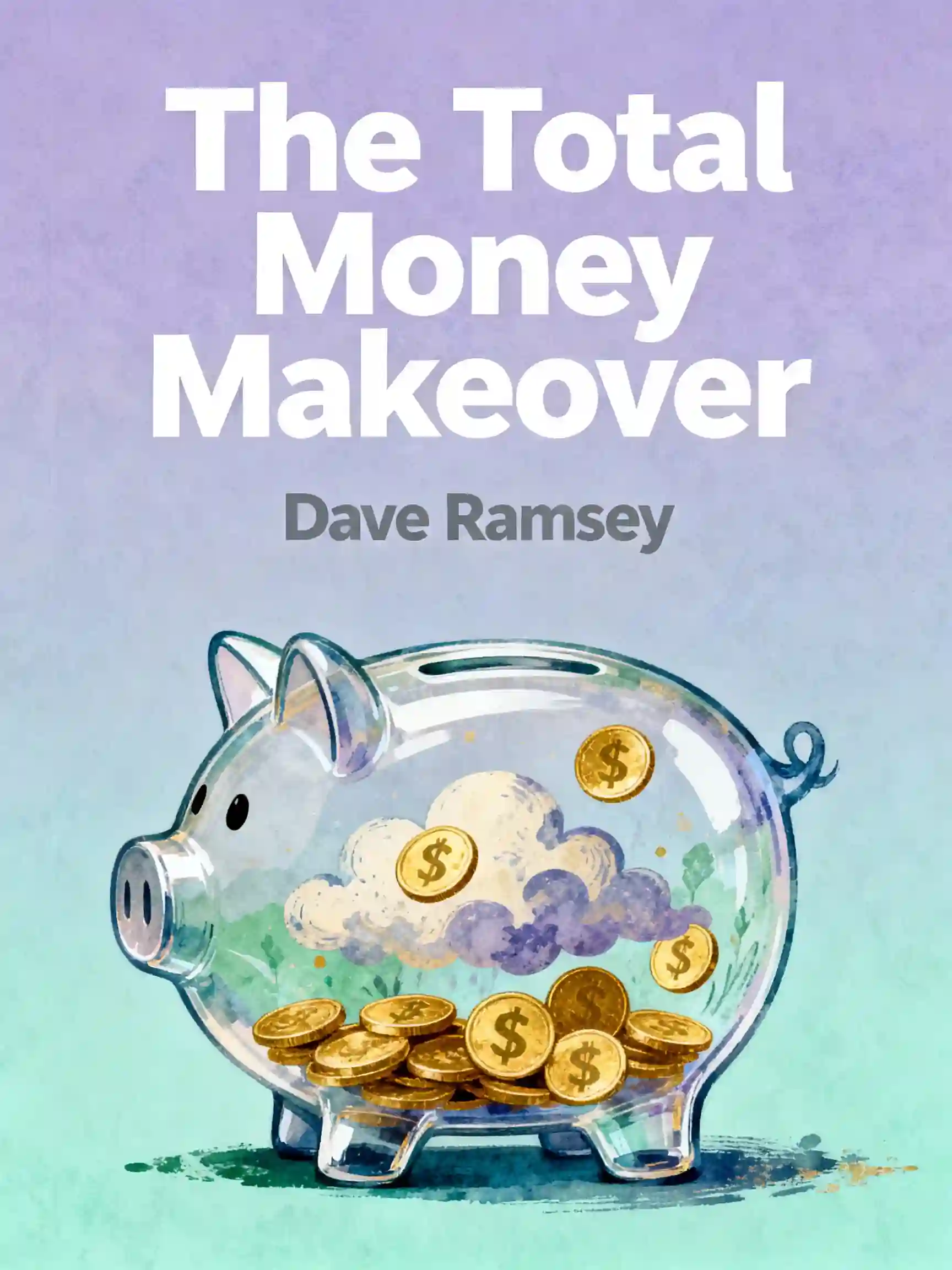
    Eli: And that's the key insight! Personal finance is 80% behavior and only 20% math, as Dave Ramsey points out in "The Total Money Makeover." But here's what's fascinating-Ramsey and the strategic debt approach aren't necessarily contradicting each other. They're addressing different situations and different psychological profiles.

    チャプター 4

    When Debt Becomes Your Enemy

    Lena: Okay, so help me understand this. When should I be terrified of debt, and when should I consider it a tool?

    Eli: Great question! Ramsey's approach is brilliant for people drowning in consumer debt. If you're living paycheck to paycheck with $15,000 in credit card debt-which is the average American household-you need to attack that aggressively. The debt snowball method he describes focuses on psychology over math.

    Lena: How does that work exactly?

    Eli: You list all debts from smallest to largest, ignore interest rates, and attack the smallest debt first while making minimums on everything else. Why? Because quick victories create momentum. It's not about the math-it's about changing behavior and building confidence.

    Lena: So it's like... psychological warfare against your own spending habits?

    Eli: Exactly! And Ramsey's seen this work for millions of people. But here's where it gets interesting-once you're debt-free and have that emergency fund, the strategic debt approach from "The Value of Debt" becomes relevant. It's about different phases of your financial journey.

    このエピソードで学びを深める

    このエピソードのアイデアを、BeFreedのガイド付き学習体験でさらに深めましょう。

    チャプター 5

    The Government Debt Revelation

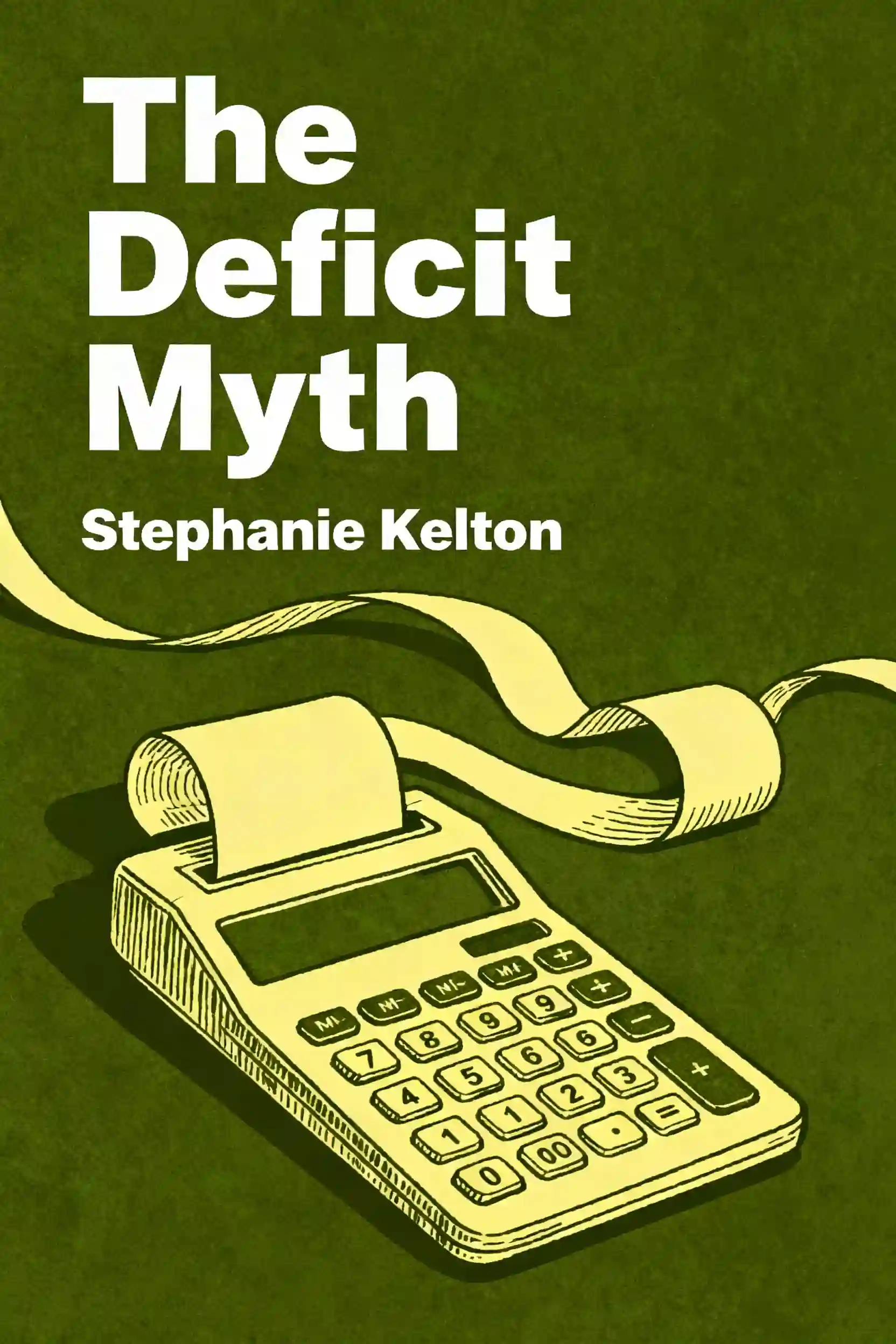
    Eli: Now, Lena, let's talk about something that's going to completely change how you think about debt on a national level. In "The Deficit Myth," we learn that everything we think we know about government debt is wrong.

    Lena: Oh boy, here we go. Are you about to tell me that government debt doesn't matter?

    Eli: Not exactly-but the constraints are completely different than what politicians tell us. Here's the mind-bender: when politicians compare government budgets to household finances, they're either ignorant or misleading. Families must earn or borrow dollars before spending. The federal government creates dollars.

    Lena: Wait, what? But where do dollars come from then?

    Eli: That's the thing-dollars come exclusively from the US government. The Treasury mints coins, the Federal Reserve creates reserves. You can earn, inherit, or steal dollars, but you cannot legally create them. The government can and does, constantly. This completely changes the game.

    Lena: So when people worry about "mortgaging our children's future" with government debt...?

    Eli: They're fundamentally misunderstanding how money works. The real constraint isn't debt-it's inflation. It's not about running out of money, it's about spending more than the economy can produce, which drives up prices.

    チャプター 6

    The Human Cost of Austerity

    Lena: This is making me think about what happened in Greece. I remember all those protests and the economic collapse. Was that related to these debt dynamics?

    Eli: Oh, Lena, that's such an important connection! Yanis Varoufakis, in "Adults in the Room," gives us this incredible inside look at what happened. Greece had surrendered its currency sovereignty by joining the euro, so it became a currency user rather than issuer-more like a household than a sovereign nation.

    Lena: And that made all the difference?

    Eli: Absolutely! Greece faced a genuine debt crisis because it couldn't create euros. Meanwhile, during similar deficit periods, US and UK borrowing costs actually fell because markets understand currency-issuing nations can always meet obligations in their own currency.

    Lena: So the austerity measures that devastated Greece...?

    Eli: Were partly based on flawed economics. By 2015, Greece had lost 28% of national income, unemployment hit 27%, and youth unemployment reached 65%. Varoufakis shows how this wasn't just economic policy-it was about financial power overriding democratic decisions.

    このエピソードで学びを深める

    このエピソードのアイデアを、BeFreedのガイド付き学習体験でさらに深めましょう。

    チャプター 7

    Building Wealth Across Life Phases

    Lena: Okay, so bringing this back to personal finance-how do I know which approach to debt is right for me right now?

    Eli: This is where the L.I.F.E. framework from "The Value of Debt" becomes incredibly useful. It recognizes that your relationship with debt should evolve through different life phases. In the Launch phase-when your net worth is less than 50% of annual income-you focus on eliminating oppressive debt and building that emergency fund.

    Lena: That sounds like where most young people start.

    Eli: Exactly! But as you move into Independence and Freedom phases, the strategy shifts. Instead of aggressively paying down low-interest debt like mortgages, you might be better off investing that money. The math shows that maintaining a mortgage while investing can leave you with over $500,000 more wealth by retirement.

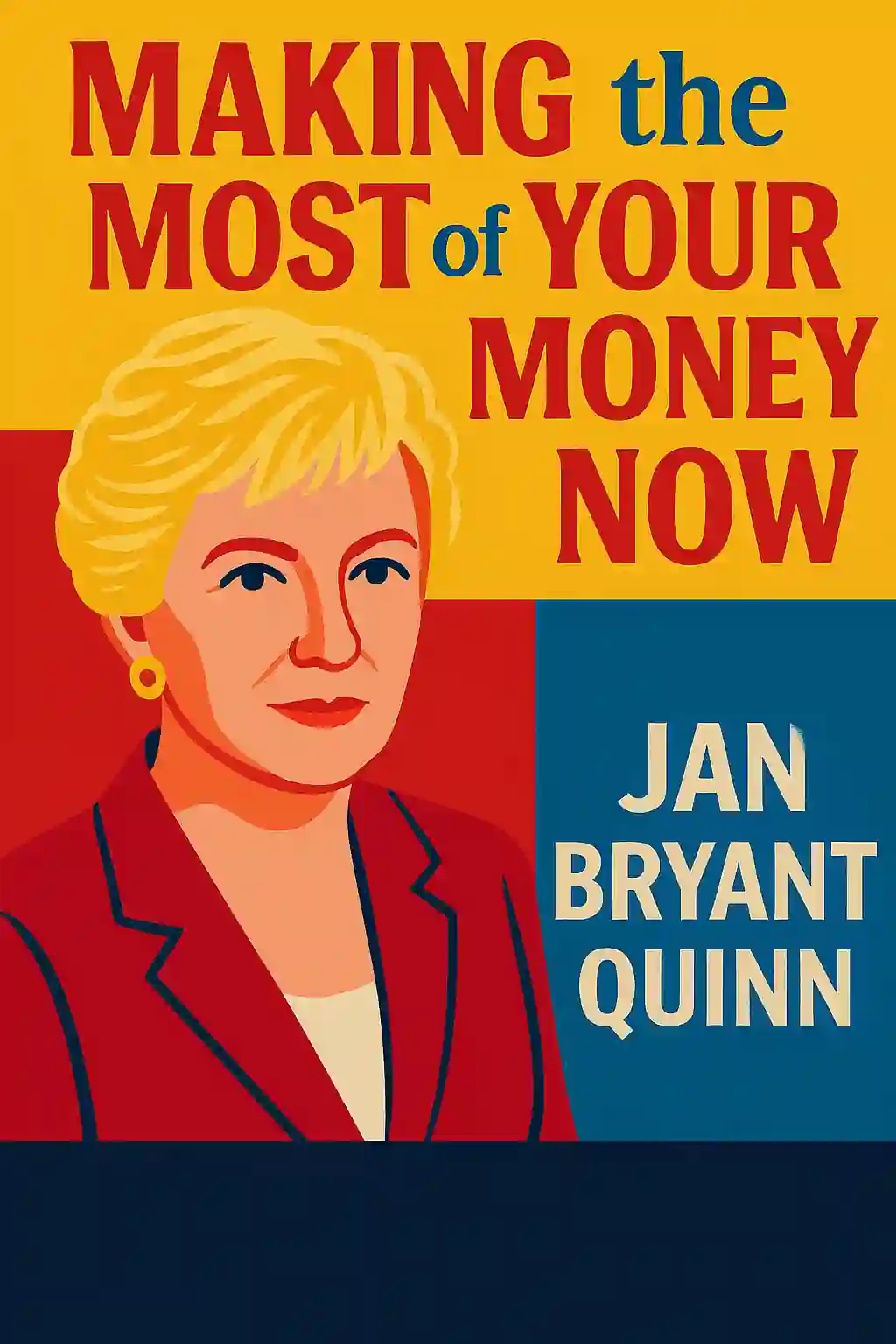
    Lena: But doesn't that require incredible discipline? I mean, Jane Bryant Quinn in "Making the Most of Your Money Now" emphasizes the importance of understanding your own psychology with money.

    Eli: You've hit the nail on the head! Quinn's approach is all about knowing yourself first. Are you a spender or a saver? Can you handle the psychological pressure of maintaining debt while investing? If not, Ramsey's debt-free approach might be better for your peace of mind.

    チャプター 8

    The Golden Ratio of Financial Success

    Lena: Is there some kind of natural balance we should be aiming for?

    Eli: It's fascinating you ask that! The strategic debt approach actually mirrors patterns found in nature-the golden ratio and Fibonacci sequences. In the final Equilibrium phase, debt naturally settles around 23.8% of assets while retirement savings represent about 62%-proportions that mirror these natural patterns.

    Lena: That's incredible! So there's actually a mathematical harmony to healthy finances?

    Eli: Right! And it shows why both approaches can work. Ramsey's method gets you to stability and peace of mind. The strategic approach can maximize mathematical returns. The key is knowing which phase you're in and what your psychological makeup can handle.

    Lena: So for our listeners, the takeaway isn't that one approach is universally right or wrong?

    Eli: Exactly! It's about understanding that debt can be a tool, but only when you have the knowledge, discipline, and emotional stability to wield it properly. If you're struggling with consumer debt, focus on elimination first. Once you're stable, then you can consider strategic leverage.

    このエピソードで学びを深める

    このエピソードのアイデアを、BeFreedのガイド付き学習体験でさらに深めましょう。

    チャプター 9

    Wrapping Up Our Debt Journey

    Lena: So as we wrap this up, what's the most important thing you want our listeners to remember about debt management?

    Eli: I think it's this-debt isn't inherently good or evil. It's a tool, and like any tool, it can build or destroy depending on how you use it. The wealthy understand this instinctively, which is why they maintain mortgages they could pay off while aggressively eliminating high-interest debt.

    Lena: And the government debt insights really put personal debt in perspective, don't they?

    Eli: Absolutely! Understanding how money actually works-that government deficits create private savings rather than depleting them-helps us think more clearly about our own financial decisions. We're not operating in a world of scarcity where every dollar spent is a dollar lost forever.

    Lena: For everyone listening, I hope this conversation has challenged some assumptions and given you new frameworks for thinking about debt. Whether you choose Ramsey's debt-free path or explore strategic leverage, the key is making informed decisions that align with your goals and psychology.

    Eli: And remember, these aren't just academic concepts-they're tools for building the life you want. Stay curious, keep questioning conventional wisdom, and don't be afraid to think differently about money.

    Lena: And on that note, keep those questions coming, and we'll see you next time as we continue exploring the fascinating world of personal finance!

    ★★★★★

    Debt Management: Strategic Tool or Financial Enemy?を最後まで学びました

    “23日間、毎日使い続けています。今では日課の一部です。”

    jayallen

    Debt Management: Strategic Tool or Financial Enemy?のベスト引用

    “

    Debt isn't inherently good or evil; it's a tool that can build or destroy depending on how you use it. The key is understanding that personal finance is 80% behavior and only 20% math, requiring you to align your strategy with your own psychological profile.

    ”
    F

    Generated by Freedee_9ACB0EB9

    質問を入力

    La gestion de la dette

    ホストの声
    Lenaplay
    Eliplay
    知識ソース
    Value of Debt in Building Wealth
    Austerity
    The Deficit Myth
    Adults in the Room
    The Total Money Makeover
    Making the most of your money now

    コロンビア大学卒業生が開発 | サンフランシスコ発

    BeFreedは好奇心旺盛な仲間が集うグローバルコミュニティ

    4.7

    平均評価

    7,840件以上のアプリ評価

    BeFreedコミュニティ

    正直、まだアプリを使いこなせていませんが、この数日使っただけで本当に感動しました… BeFreed は、今まで使ったどの学習アプリともレベルが違います。夢中になれるうえに集中力も実際に上がるので、スマホをだらだら見てしまう人にぴったりです!

    @ladyInfinity

    ちょうど 23 日前に BeFreed を購入して、それから毎日欠かさず使っています。仕事の流れと学習習慣に完全に溶け込みました。

    @jayallen

    正直なところ、このアプリは期待をすべて超えてきました。どんなテーマでも音声を生成してもらえて、その結果には驚かされます。私の専門は心理療法で、多分野にまたがる領域ですが、それでも回答はとても正確です。

    @Raguipa

    何よりありがたいのは、スマホをだらだら見る時間が減ったことです。探す時間が減って、吸収する時間が増えました。オーディオブック、ポッドキャスト、学習プランの組み合わせが素晴らしいです。

    @colonyofcreatorsNGO

    私は 24 年間、PhotoReading 加速学習のインストラクターをしています… 本と読書と学びが私の専門ですが、BeFreed は情報を消化しやすい形で届ける革新的なアプローチを見事に実現しています。

    @BeFreed user

    ただの本の要約アプリではありません。「ファン」スタイルを使ってみたら、従来のやり方よりずっと良い要約で、アイデアもつかみやすいです。これだけでも十分元が取れます。

    @austinakon

    このアプリが大好きです。数日使っただけで、聞くのが止まらなくなりました。始め方として最高です。

    @jcrules328

    本当に気に入っています。約 1 か月試していますが、まさに掘り出し物だと感じます。BeFreed で自分だけのテーマを作れるのが便利で、声も素晴らしく、ナレーションの選択肢は無限です。

    @DanielCZ

    正直、まだアプリを使いこなせていませんが、この数日使っただけで本当に感動しました… BeFreed は、今まで使ったどの学習アプリともレベルが違います。夢中になれるうえに集中力も実際に上がるので、スマホをだらだら見てしまう人にぴったりです!

    @ladyInfinity

    ちょうど 23 日前に BeFreed を購入して、それから毎日欠かさず使っています。仕事の流れと学習習慣に完全に溶け込みました。

    @jayallen

    正直なところ、このアプリは期待をすべて超えてきました。どんなテーマでも音声を生成してもらえて、その結果には驚かされます。私の専門は心理療法で、多分野にまたがる領域ですが、それでも回答はとても正確です。

    @Raguipa

    何よりありがたいのは、スマホをだらだら見る時間が減ったことです。探す時間が減って、吸収する時間が増えました。オーディオブック、ポッドキャスト、学習プランの組み合わせが素晴らしいです。

    @colonyofcreatorsNGO

    私は 24 年間、PhotoReading 加速学習のインストラクターをしています… 本と読書と学びが私の専門ですが、BeFreed は情報を消化しやすい形で届ける革新的なアプローチを見事に実現しています。

    @BeFreed user

    ただの本の要約アプリではありません。「ファン」スタイルを使ってみたら、従来のやり方よりずっと良い要約で、アイデアもつかみやすいです。これだけでも十分元が取れます。

    @austinakon

    このアプリが大好きです。数日使っただけで、聞くのが止まらなくなりました。始め方として最高です。

    @jcrules328

    本当に気に入っています。約 1 か月試していますが、まさに掘り出し物だと感じます。BeFreed で自分だけのテーマを作れるのが便利で、声も素晴らしく、ナレーションの選択肢は無限です。

    @DanielCZ

    役立つ情報やアイデアを 8〜15 分のポッドキャスト風音声にぎゅっとまとめて聞けるのが最高です。ポッドキャストは余計な話が多くて苦手でしたが、これは無駄を全部そぎ落としてくれます。

    @BeFreed user

    博士課程の仕上げの段階で、なじみのない資料を大量に読む必要があります… BeFreed ならプロンプトを入力するだけで、アプリが資料を探して音声ポッドキャストを作ってくれます。BeFreed のほうが NotebookLM よりも流れがスムーズだと感じます。

    @Brad

    朝食を作りながら、散歩しながら、通勤しながら聞くものを YouTube でよく探していましたが、BeFreed は広告も余計な話もなしで、もっと的を絞った聞き方をさせてくれます!

    @BeFreed user

    このプラットフォームの一番の魅力は、その万能さです。扱えないテーマは文字どおりひとつもありません。何を投げても応えてくれます… 制限がまったくないのに約束をきちんと果たしてくれる学習ツールには、なかなか出会えません。

    @jayallen

    BeFreed は素晴らしいです。使いやすいデザインのおかげで、操作に迷う時間が減り、学ぶ時間が増えました。オーディオブック、ポッドキャスト、学習プランの組み合わせは天才的で、毎日の習慣がすっかり変わりました。

    @BeFreed user

    最初はイタリア語でポッドキャストを作る方法を理解するのに少し時間がかかりましたが、わかった瞬間、最高でした!どんなテーマでも説明してもらえて、しかもとても賢く、うまく話してくれます!

    @matteo77

    BeFreed は毎日使うオーディオブックアプリになりました… 一番気に入っているのは、自分のテキストを入れると、外出先でも聞ける音声にしてくれるところです。

    @kotanzu1

    役立つ情報やアイデアを 8〜15 分のポッドキャスト風音声にぎゅっとまとめて聞けるのが最高です。ポッドキャストは余計な話が多くて苦手でしたが、これは無駄を全部そぎ落としてくれます。

    @BeFreed user

    博士課程の仕上げの段階で、なじみのない資料を大量に読む必要があります… BeFreed ならプロンプトを入力するだけで、アプリが資料を探して音声ポッドキャストを作ってくれます。BeFreed のほうが NotebookLM よりも流れがスムーズだと感じます。

    @Brad

    朝食を作りながら、散歩しながら、通勤しながら聞くものを YouTube でよく探していましたが、BeFreed は広告も余計な話もなしで、もっと的を絞った聞き方をさせてくれます!

    @BeFreed user

    このプラットフォームの一番の魅力は、その万能さです。扱えないテーマは文字どおりひとつもありません。何を投げても応えてくれます… 制限がまったくないのに約束をきちんと果たしてくれる学習ツールには、なかなか出会えません。

    @jayallen

    BeFreed は素晴らしいです。使いやすいデザインのおかげで、操作に迷う時間が減り、学ぶ時間が増えました。オーディオブック、ポッドキャスト、学習プランの組み合わせは天才的で、毎日の習慣がすっかり変わりました。

    @BeFreed user

    最初はイタリア語でポッドキャストを作る方法を理解するのに少し時間がかかりましたが、わかった瞬間、最高でした!どんなテーマでも説明してもらえて、しかもとても賢く、うまく話してくれます!

    @matteo77

    BeFreed は毎日使うオーディオブックアプリになりました… 一番気に入っているのは、自分のテキストを入れると、外出先でも聞ける音声にしてくれるところです。

    @kotanzu1

    BeFreedがウェブ上でどのように話題になっているかをもっと見る
    129.7K19.5K
    55.2K19.2K
    154.2K10827355
    48.1K2.5K
    81.2K6.6K
    82.3K1.8K
    今すぐ学習の旅を始めよう
    BeFreedアプリ
    BeFreed

    なんでも、あなた向けに学ぶ

    DiscordLinkedIn
    注目の書籍要約
    Crucial ConversationsThe Perfect MarriageInto the WildNever Split the DifferenceAttachedGood to GreatSay Nothing
    人気のカテゴリ
    Self HelpCommunication SkillRelationshipMindfulnessPhilosophyInspirationProductivity
    著名人の読書リスト
    Elon MuskCharlie KirkBill GatesSteve JobsAndrew HubermanJoe RoganJordan Peterson
    受賞作品コレクション
    Pulitzer PrizeNational Book AwardGoodreads Choice AwardsNobel Prize in LiteratureNew York TimesCaldecott MedalNebula Award
    注目のトピック
    ManagementAmerican HistoryWarTradingStoicismAnxietySex
    年別ベストブック
    2025 Best Non Fiction Books2024 Best Non Fiction Books2023 Best Non Fiction Books
    注目の著者
    Chimamanda Ngozi AdichieGeorge OrwellO. J. SimpsonBarbara O'NeillWinston ChurchillCharlie Kirk
    BeFreed vs 他のアプリ
    BeFreed vs. Other Book Summary AppsBeFreed vs. ElevenReaderBeFreed vs. ReadwiseBeFreed vs. Anki
    学習ツール
    Knowledge VisualizerAI Podcast Generator
    情報
    会社概要arrow
    料金arrow
    よくある質問arrow
    ブログarrow
    採用情報arrow
    パートナーシップarrow
    アンバサダープログラムarrow
    ディレクトリarrow
    BeFreed
    Try now
    © 2026 BeFreed
    利用規約プライバシーポリシー
    BeFreed

    なんでも、あなた向けに学ぶ

    DiscordLinkedIn
    注目の書籍要約
    Crucial ConversationsThe Perfect MarriageInto the WildNever Split the DifferenceAttachedGood to GreatSay Nothing
    人気のカテゴリ
    Self HelpCommunication SkillRelationshipMindfulnessPhilosophyInspirationProductivity
    著名人の読書リスト
    Elon MuskCharlie KirkBill GatesSteve JobsAndrew HubermanJoe RoganJordan Peterson
    受賞作品コレクション
    Pulitzer PrizeNational Book AwardGoodreads Choice AwardsNobel Prize in LiteratureNew York TimesCaldecott MedalNebula Award
    注目のトピック
    ManagementAmerican HistoryWarTradingStoicismAnxietySex
    年別ベストブック
    2025 Best Non Fiction Books2024 Best Non Fiction Books2023 Best Non Fiction Books
    学習ツール
    Knowledge VisualizerAI Podcast Generator
    注目の著者
    Chimamanda Ngozi AdichieGeorge OrwellO. J. SimpsonBarbara O'NeillWinston ChurchillCharlie Kirk
    BeFreed vs 他のアプリ
    BeFreed vs. Other Book Summary AppsBeFreed vs. ElevenReaderBeFreed vs. ReadwiseBeFreed vs. Anki
    情報
    会社概要arrow
    料金arrow
    よくある質問arrow
    ブログarrow
    採用情報arrow
    パートナーシップarrow
    アンバサダープログラムarrow
    ディレクトリarrow
    BeFreed
    Try now
    © 2026 BeFreed
    利用規約プライバシーポリシー

    関連コンテンツ

    Debt-Free Strategies: Reclaiming Your Financial Future の書籍表紙
    The Debt Payoff Playbook: Strategies to Crush Your Debt in 2026 — The Money MuseThe Psychology of Debt: A Behavioral Finance Guide to Understanding and Reframing Debt | Villaire FinancialThe Psychology of Debt: Why It's Hard to Pay Off | DebtPayoffToolsStudent Loans and Credit Card Debt: Which Should You Pay Off First?
    5 sources
    Debt-Free Strategies: Reclaiming Your Financial Future
    Modern debt is designed to keep you stuck. Learn how to use the Snowball and Avalanche methods to dismantle your balances and find lasting peace.
    1006 min
    Budgeting Through Debt: Your Financial Reset の書籍表紙
    The Total Money MakeoverReal Life MoneyDave Ramsey's Complete Guide To MoneyMillionaire Mission
    23 sources
    Budgeting Through Debt: Your Financial Reset
    Learn practical strategies to build a budget that tackles debt while growing savings. We'll break down proven methods like debt snowball and avalanche to help you make progress on all financial fronts.
    45 min
    How to pay off debt fast by changing your strategy の書籍表紙
    The Total Money MakeoverGet the Hell Out of DebtHow to Pay Off Debt Fast in 2026: A Practical Step-by-Step Plan - SurplusDebt Avalanche vs Snowball Explained: Pros and Cons
    7 sources
    How to pay off debt fast by changing your strategy
    Struggling with debt feels like a math problem, but it's actually about behavior. Learn how to build a cash buffer and find surplus income to break free.
    19 min
    Beyond Snowball: Alternative Debt Payoff Strategies の書籍表紙
    7 Common Debt Reduction Strategies: What to KnowWhat's the Best Way to Pay Off Debt? - Experiansource 3Pay Off Debt: Strategies and Tips
    6 sources
    Beyond Snowball: Alternative Debt Payoff Strategies
    Discover practical debt elimination methods beyond the popular snowball approach, including avalanche strategies, consolidation options, and psychology-based techniques that actually work in real life.
    24 min
    Master Your Money: From Debt to Financial Freedom の書籍表紙
    source 1source 2source 3
    6 sources
    Master Your Money: From Debt to Financial Freedom
    Transform your relationship with money through proven strategies from top financial experts. Learn why personal finance is 80% behavior, discover the psychology behind spending, and get practical steps to build wealth regardless of your starting point.
    16 min
    Value of Debt in Building Wealth の書籍表紙
    Value of Debt in Building Wealth
    Thomas J. Anderson
    Challenges conventional wisdom on debt, offering strategies to leverage borrowing for long-term financial growth and security.
    27 min
    The Wealth-Building Ladder の書籍表紙
    12 Proven Wealth Strategies That Actually Work in 20262026 Financial Success Roadmap: The Ultimate Guide to Wealth (GIR)16 Habits That Transformed 177 Ordinary People Into Self-Made Millionaires - SavingAdvice.com BlogThe FIRE Roadmap: Retire Early by the Numbers (2026 Edition) | We Are Calculator | We Are Calculator
    5 sources
    The Wealth-Building Ladder
    Stop losing money to high-interest debt and learn the math of real wealth. Discover how to build a stable foundation and make your money work for you.
    30 min
    Breaking the Psychology of Debt Cycles の書籍表紙
    source 1source 2source 3The Psychology of Credit Card Debt: How to Break the Cycle
    6 sources
    Breaking the Psychology of Debt Cycles
    Discover the hidden emotional and psychological triggers that keep you trapped in debt, and learn science-backed strategies to rewire your relationship with money for lasting financial freedom.
    24 min

    Recommended Learning Plans

    Debt Elimination and Liquidity Building
    学習プラン

    Debt Elimination and Liquidity Building

    This plan is essential for anyone feeling trapped by high-interest debt and living paycheck to paycheck. It provides a structured roadmap to move from financial fragility to lasting liquidity and security.

    30 m•3 セクション
    Manage money better
    学習プラン

    Manage money better

    Financial stress affects millions of people who lack the foundational knowledge to manage money effectively. This learning plan is ideal for anyone feeling overwhelmed by debt, struggling to save consistently, or uncertain about how to build wealth for the future. Whether you're just starting your financial journey or looking to optimize your existing finances, these modules provide a clear path from basic money management to advanced wealth-building strategies.

    4 h 51 m•4 セクション
    Money management
    学習プラン

    Money management

    Financial literacy is essential for achieving stability and building wealth in today's complex economy. This learning plan provides a comprehensive roadmap for anyone looking to take control of their finances, eliminate debt, and develop strategies for long-term financial independence.

    5 h 19 m•4 セクション
    The Boring Path to Wealth
    学習プラン

    The Boring Path to Wealth

    This plan is essential for anyone overwhelmed by financial complexity who wants a reliable, low-stress strategy for growth. It is designed for individuals seeking to transition from reactive spending to proactive, automated wealth building.

    1 h 30 m•3 セクション
    The Strategic Wealth Architect
    学習プラン

    The Strategic Wealth Architect

    This plan is essential for investors and leaders who want to bridge the gap between human psychology and financial success. It benefits those seeking to master market heuristics and systematic growth to achieve long-term wealth.

    2 h•4 セクション
    Strategic Financial Decision Making
    学習プラン

    Strategic Financial Decision Making

    In today's volatile economy, traditional accounting is no longer enough to ensure long-term success. This plan is designed for senior leaders and aspiring executives who need to bridge the gap between financial market logic and internal resource management to maximize firm value.

    1 h•2 セクション
    Overspending
    学習プラン

    Overspending

    Overspending affects millions who struggle to balance immediate desires with long-term financial health. This learning plan helps anyone caught in spend-regret cycles by addressing the psychological roots of money behaviors while providing practical systems for lasting financial control.

    3 h 57 m•4 セクション
    The Wealth Engine Strategy
    学習プラン

    The Wealth Engine Strategy

    This strategy is essential for entrepreneurs and business owners who want to transform their company into a high-value asset while securing personal financial independence. It bridges the gap between daily operations and long-term wealth creation through sophisticated capital management.

    1 h 45 m•4 セクション