How to Better Connect and Improve Intimacy with Your Wife
Discover practical advice on how to improve intimacy and sexual health in your marriage. Learn to build a deeper connection and better sex life with your wife.

How to Better Connect and Improve Intimacy with Your Wifeのベスト引用
Better sex isn't a technique you master—it’s a relationship you nurture. It’s about removing the brakes, understanding her rhythm, and being a teammate.

このオーディオレッスンはBeFreedコミュニティメンバーが作成しました
How to better fuck my wife



よくある質問
Improving sexual health in a marriage starts with open communication and prioritizing mutual satisfaction. Focus on building emotional safety and physical comfort to enhance your connection. By addressing both the emotional and physical aspects of your relationship, you can create a more fulfilling and vibrant sex life with your wife. Consistent effort and understanding are key to long-term marital intimacy.
To have better sex with your wife, focus on the quality of your overall marital connection rather than just the physical act. Spend time engaging in meaningful conversation, showing non-sexual affection, and understanding her specific needs and desires. When both partners feel valued and heard, physical intimacy often becomes more natural and enjoyable, leading to a stronger bond and a more satisfying experience for both of you.
Emotional connection is the foundation of lasting marital intimacy and sexual health. When you work on improving your relationship through trust and vulnerability, it often leads to a more passionate physical life. Relationship advice frequently highlights that feeling emotionally secure allows couples to explore their desires more freely. Prioritizing your partner's emotional well-being is a direct path to enhancing your physical relationship and overall happiness together.
もっと発見

Improve sexual connection with partner
This learning plan is designed for couples or individuals looking to revitalize their relationship by moving beyond surface-level interactions. It is ideal for those who want to bridge the gap between emotional closeness and physical desire through evidence-based communication and sexual intelligence.
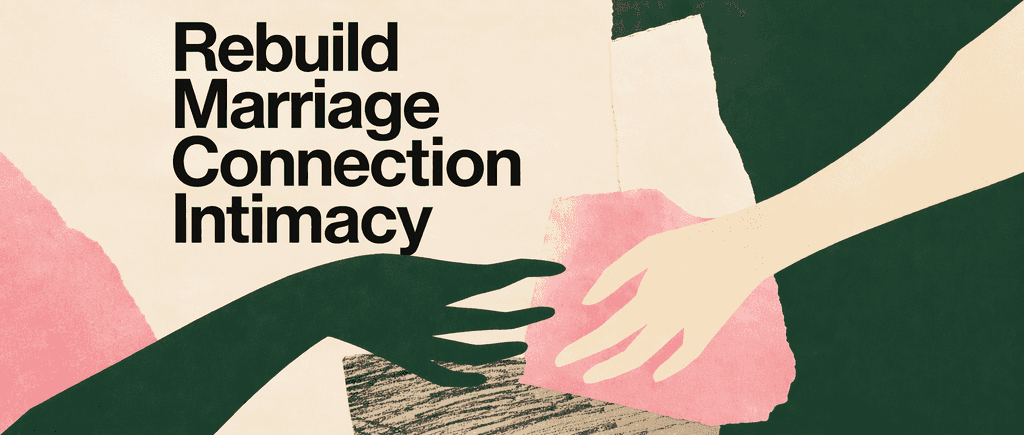
Rebuild marriage connection and intimacy
This plan is designed for couples seeking to move beyond surface-level interactions and rediscover their spark. It provides a science-backed framework for partners who want to replace repetitive conflict with genuine emotional security and lasting intimacy.

Restore intimacy and affection in marriage
This plan is essential for couples feeling disconnected or stuck in cycles of conflict. It offers a science-based roadmap for those ready to move past surface-level interactions toward a deeply secure and passionate partnership.
Improve Sex Life
Sexual satisfaction is a cornerstone of overall well-being and relationship health, yet many people struggle with communication barriers, misconceptions, or loss of passion over time. This learning plan benefits individuals and couples seeking to deepen intimacy, overcome sexual challenges, or simply enhance an already fulfilling sex life through evidence-based techniques and mindful practices.

Reignite Desire in Long-Term Love
Long-term relationships often struggle to maintain passion as domestic life takes over. This plan is designed for couples seeking to bridge the gap between stability and desire by integrating novelty and erotic intelligence into their daily lives.

Bridge the Gap in Your Relationship
Many couples struggle because they react to physiological stress rather than the actual issue at hand. This plan is ideal for partners looking to break toxic argument cycles by understanding the biological and emotional mechanics of conflict.

Grow Together: The Science of Lasting Connection
This plan is essential for couples or individuals looking to move beyond surface-level romance toward a resilient, science-based partnership. It is ideal for those seeking practical habits to navigate conflict and build lasting emotional intimacy.

The Mechanics of Intimate Connection
Understanding the psychological and physiological drivers of attraction is essential for long-term relationship success. This plan is designed for individuals and couples seeking to move beyond surface-level interactions by mastering the underlying mechanics of human connection.
"Instead of endless scrolling, I just hit play on BeFreed. It saves me so much time."


"I never knew where to start with nonfiction—BeFreed’s book lists turned into podcasts gave me a clear path."


"Perfect balance between learning and entertainment. Finished ‘Thinking, Fast and Slow’ on my commute this week."
"Crazy how much I learned while walking the dog. BeFreed = small habits → big gains."
"Reading used to feel like a chore. Now it’s just part of my lifestyle."

"Feels effortless compared to reading. I’ve finished 6 books this month already."
"BeFreed turned my guilty doomscrolling into something that feels productive and inspiring."

"BeFreed turned my commute into learning time. 20-min podcasts are perfect for finishing books I never had time for."
"BeFreed replaced my podcast queue. Imagine Spotify for books — that’s it. 🙌"

"It is great for me to learn something from the book without reading it."
"The themed book list podcasts help me connect ideas across authors—like a guided audio journey."
"Makes me feel smarter every time before going to work"
"Instead of endless scrolling, I just hit play on BeFreed. It saves me so much time."
"I never knew where to start with nonfiction—BeFreed’s book lists turned into podcasts gave me a clear path."
"Perfect balance between learning and entertainment. Finished ‘Thinking, Fast and Slow’ on my commute this week."
"Crazy how much I learned while walking the dog. BeFreed = small habits → big gains."
"Reading used to feel like a chore. Now it’s just part of my lifestyle."
"Feels effortless compared to reading. I’ve finished 6 books this month already."
"BeFreed turned my guilty doomscrolling into something that feels productive and inspiring."
"BeFreed turned my commute into learning time. 20-min podcasts are perfect for finishing books I never had time for."
"BeFreed replaced my podcast queue. Imagine Spotify for books — that’s it. 🙌"
"It is great for me to learn something from the book without reading it."
"The themed book list podcasts help me connect ideas across authors—like a guided audio journey."
"Makes me feel smarter every time before going to work"
"Instead of endless scrolling, I just hit play on BeFreed. It saves me so much time."
"I never knew where to start with nonfiction—BeFreed’s book lists turned into podcasts gave me a clear path."
"Perfect balance between learning and entertainment. Finished ‘Thinking, Fast and Slow’ on my commute this week."
"Crazy how much I learned while walking the dog. BeFreed = small habits → big gains."
"Reading used to feel like a chore. Now it’s just part of my lifestyle."
"Feels effortless compared to reading. I’ve finished 6 books this month already."
"BeFreed turned my guilty doomscrolling into something that feels productive and inspiring."
"BeFreed turned my commute into learning time. 20-min podcasts are perfect for finishing books I never had time for."
"BeFreed replaced my podcast queue. Imagine Spotify for books — that’s it. 🙌"
"It is great for me to learn something from the book without reading it."
"The themed book list podcasts help me connect ideas across authors—like a guided audio journey."
"Makes me feel smarter every time before going to work"
"Instead of endless scrolling, I just hit play on BeFreed. It saves me so much time."
"I never knew where to start with nonfiction—BeFreed’s book lists turned into podcasts gave me a clear path."
"Perfect balance between learning and entertainment. Finished ‘Thinking, Fast and Slow’ on my commute this week."
"Crazy how much I learned while walking the dog. BeFreed = small habits → big gains."
"Reading used to feel like a chore. Now it’s just part of my lifestyle."
"Feels effortless compared to reading. I’ve finished 6 books this month already."
"BeFreed turned my guilty doomscrolling into something that feels productive and inspiring."
"BeFreed turned my commute into learning time. 20-min podcasts are perfect for finishing books I never had time for."
"BeFreed replaced my podcast queue. Imagine Spotify for books — that’s it. 🙌"
"It is great for me to learn something from the book without reading it."
"The themed book list podcasts help me connect ideas across authors—like a guided audio journey."
"Makes me feel smarter every time before going to work"