正直、まだアプリを使いこなせていませんが、この数日使っただけで本当に感動しました… BeFreed は、今まで使ったどの学習アプリともレベルが違います。夢中になれるうえに集中力も実際に上がるので、スマホをだらだら見てしまう人にぴったりです!
@ladyInfinity
We’re having less sex than ever, but treating it like a chore kills the spark. Learn how mindful intimacy and curiosity can improve your health and bond.

It’s a shift from 'doing sex to each other' to 'exploring pleasure with each other.' Specificity is the antidote to anxiety; if the foundation of emotional safety is solid, the rest follows much more naturally.
How to have the best sex


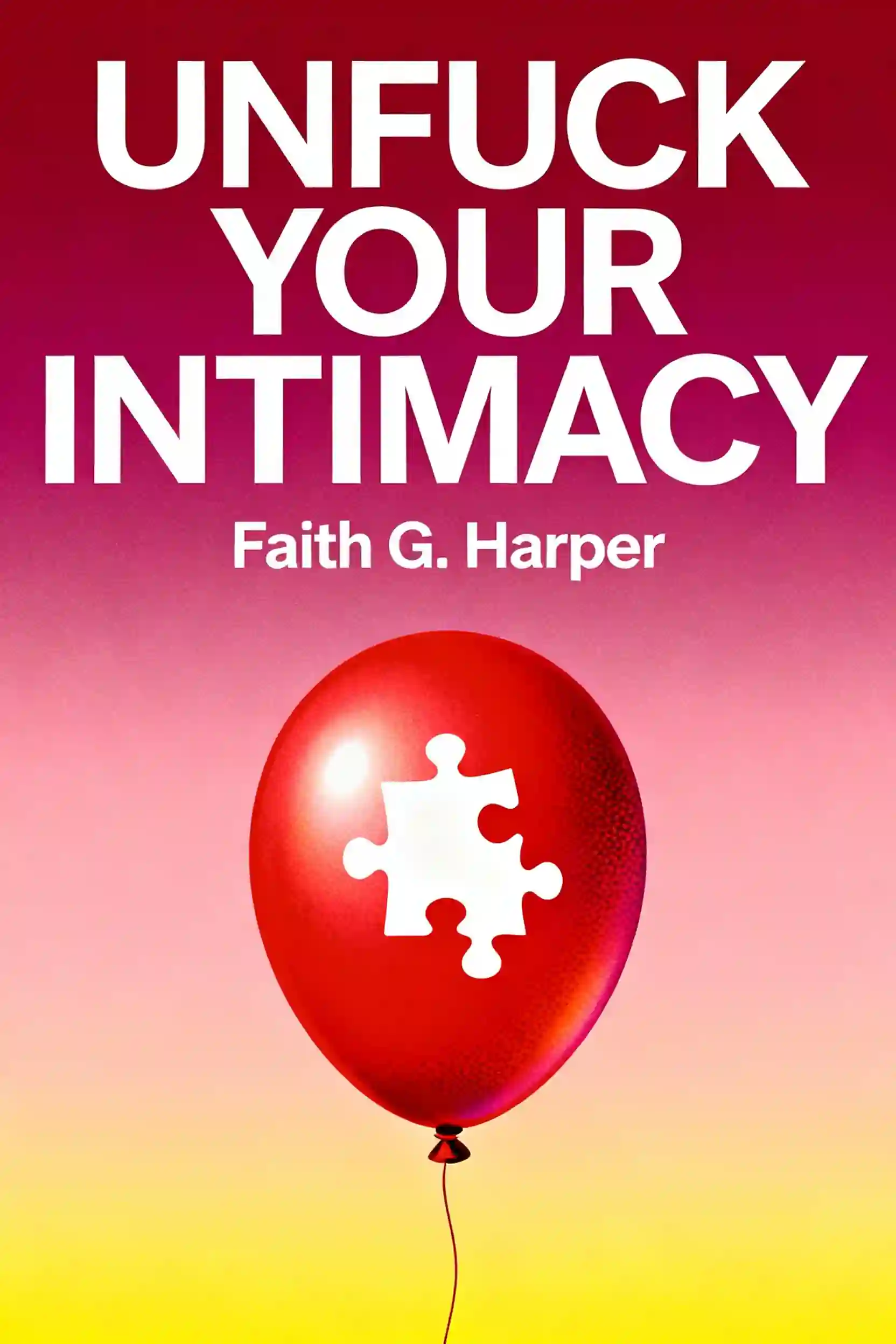
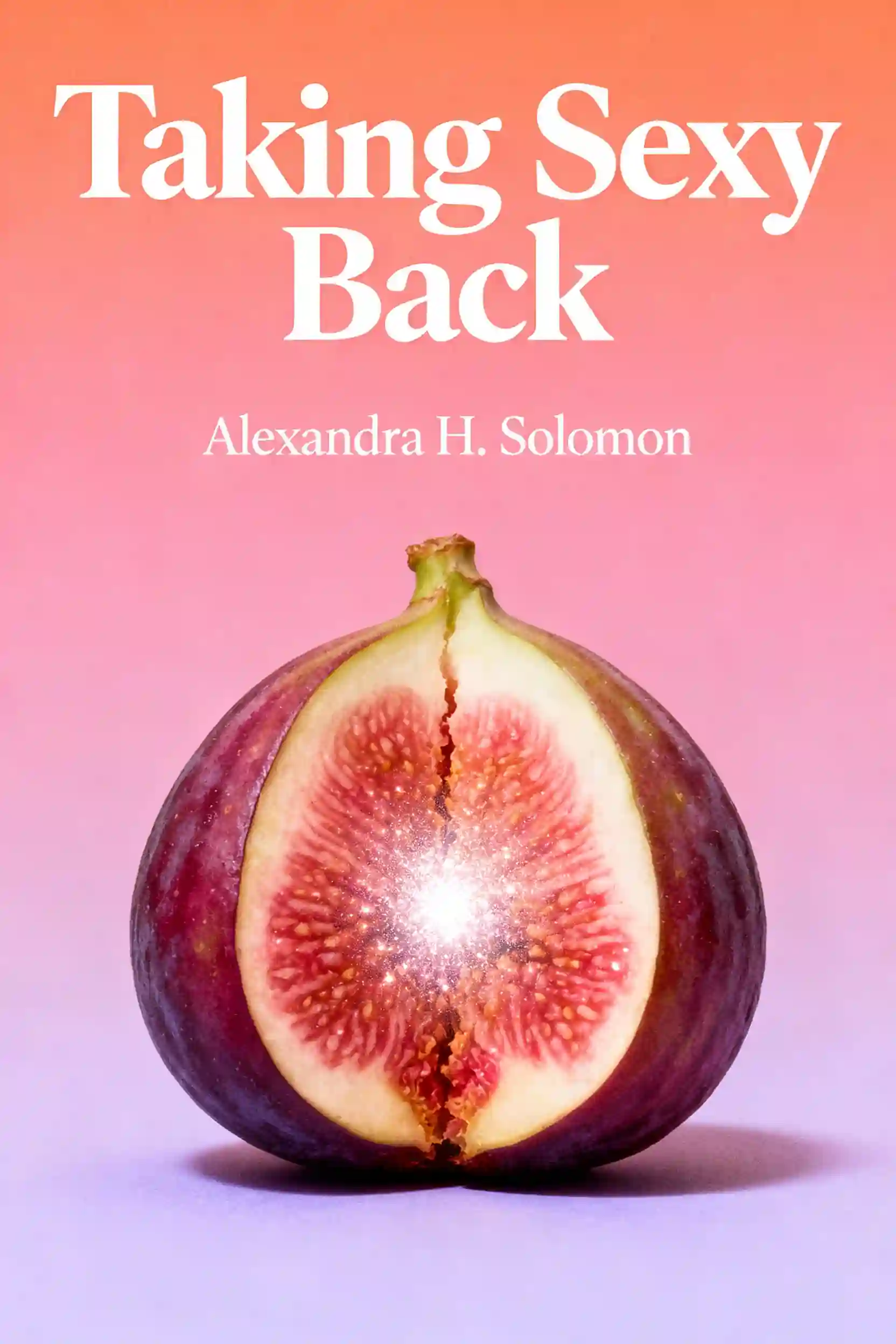


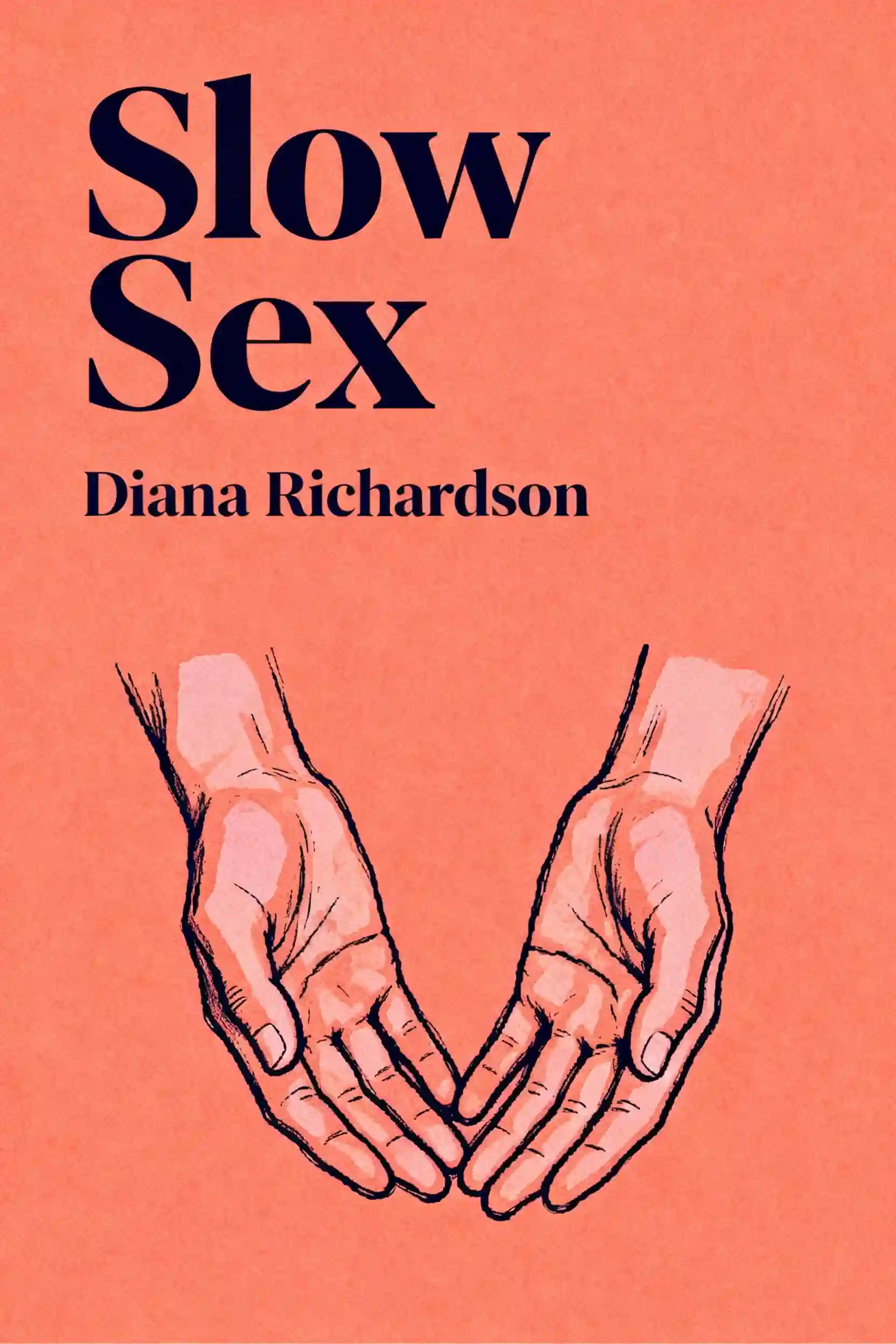
The Sex Menu is a structured communication tool designed to help partners explore their desires without the immediate pressure of performance. Couples sit down and categorize various activities into three lists: "What I Love," "What I’m Curious About," and "My Boundaries." This method helps bridge the "knowledge gap," as research suggests many partners are unaware of a significant portion of what pleases or displeases their significant other. By putting these items on paper, it removes the awkwardness of verbal requests and creates a safe "Curiosity Zone" for shared discovery.
The script highlights a major disparity where 85% to 95% of men report regular orgasms compared to only about 64% of women. This is attributed to a traditional "Sexual Script" that views penetration as the main event and foreplay as merely an opening act. However, since over 80% of women require clitoral stimulation to reach orgasm, experts suggest moving away from a "penis-centered finish line." Adopting frameworks like "Slow Sex" or "Sensate Focus" helps shift the goal from a synchronized finish to mutual pleasure and exploration.
Shame acts as a "heavy blanket" that smothers desire, often leading to defensive behaviors like withdrawal, avoidance, or even starting unrelated arguments to avoid physical closeness. To break this cycle, couples are encouraged to practice "empathic curiosity" by tracking non-verbal cues and asking gentle questions when a partner pulls away. While processing shame can be a difficult and non-linear passage, resolving these feelings often leads to the greatest gains in sexual intimacy and emotional experience.
Sexual resilience is the ability to handle "off" nights or awkward sexual encounters without letting them derail the relationship or define it as a failure. Instead of viewing a disappointing experience as a sign that they have become "just roommates," resilient couples use humor to extinguish shame and engage in "repair conversations" later on. By normalizing technical difficulties and maintaining a high ratio of positive daily interactions, couples create an emotional safety buffer that allows them to stay connected even when things don't go perfectly.
The script suggests a three-step "Personal Intimacy Playbook" for immediate action. First, perform an "Appreciation Audit" by telling your partner three specific things you appreciated about them that day. Second, engage in a "Six-Second Hug" to allow your nervous systems to sync and release oxytocin. Finally, use a "Micro-Permission" move, which involves a soft startup to a low-stakes conversation about desire, such as asking what one thing they would currently put in their "Love it" category.
コロンビア大学卒業生が開発 | サンフランシスコ発
平均評価
7,840件以上のアプリ評価
BeFreedコミュニティ
正直、まだアプリを使いこなせていませんが、この数日使っただけで本当に感動しました… BeFreed は、今まで使ったどの学習アプリともレベルが違います。夢中になれるうえに集中力も実際に上がるので、スマホをだらだら見てしまう人にぴったりです!
@ladyInfinity
ちょうど 23 日前に BeFreed を購入して、それから毎日欠かさず使っています。仕事の流れと学習習慣に完全に溶け込みました。
@jayallen
正直なところ、このアプリは期待をすべて超えてきました。どんなテーマでも音声を生成してもらえて、その結果には驚かされます。私の専門は心理療法で、多分野にまたがる領域ですが、それでも回答はとても正確です。
@Raguipa
何よりありがたいのは、スマホをだらだら見る時間が減ったことです。探す時間が減って、吸収する時間が増えました。オーディオブック、ポッドキャスト、学習プランの組み合わせが素晴らしいです。
@colonyofcreatorsNGO
私は 24 年間、PhotoReading 加速学習のインストラクターをしています… 本と読書と学びが私の専門ですが、BeFreed は情報を消化しやすい形で届ける革新的なアプローチを見事に実現しています。
@BeFreed user
ただの本の要約アプリではありません。「ファン」スタイルを使ってみたら、従来のやり方よりずっと良い要約で、アイデアもつかみやすいです。これだけでも十分元が取れます。
@austinakon
このアプリが大好きです。数日使っただけで、聞くのが止まらなくなりました。始め方として最高です。
@jcrules328
本当に気に入っています。約 1 か月試していますが、まさに掘り出し物だと感じます。BeFreed で自分だけのテーマを作れるのが便利で、声も素晴らしく、ナレーションの選択肢は無限です。
@DanielCZ
役立つ情報やアイデアを 8〜15 分のポッドキャスト風音声にぎゅっとまとめて聞けるのが最高です。ポッドキャストは余計な話が多くて苦手でしたが、これは無駄を全部そぎ落としてくれます。
@BeFreed user
博士課程の仕上げの段階で、なじみのない資料を大量に読む必要があります… BeFreed ならプロンプトを入力するだけで、アプリが資料を探して音声ポッドキャストを作ってくれます。BeFreed のほうが NotebookLM よりも流れがスムーズだと感じます。
@Brad
朝食を作りながら、散歩しながら、通勤しながら聞くものを YouTube でよく探していましたが、BeFreed は広告も余計な話もなしで、もっと的を絞った聞き方をさせてくれます!
@BeFreed user
このプラットフォームの一番の魅力は、その万能さです。扱えないテーマは文字どおりひとつもありません。何を投げても応えてくれます… 制限がまったくないのに約束をきちんと果たしてくれる学習ツールには、なかなか出会えません。
@jayallen
BeFreed は素晴らしいです。使いやすいデザインのおかげで、操作に迷う時間が減り、学ぶ時間が増えました。オーディオブック、ポッドキャスト、学習プランの組み合わせは天才的で、毎日の習慣がすっかり変わりました。
@BeFreed user
最初はイタリア語でポッドキャストを作る方法を理解するのに少し時間がかかりましたが、わかった瞬間、最高でした!どんなテーマでも説明してもらえて、しかもとても賢く、うまく話してくれます!
@matteo77
BeFreed は毎日使うオーディオブックアプリになりました… 一番気に入っているのは、自分のテキストを入れると、外出先でも聞ける音声にしてくれるところです。
@kotanzu1


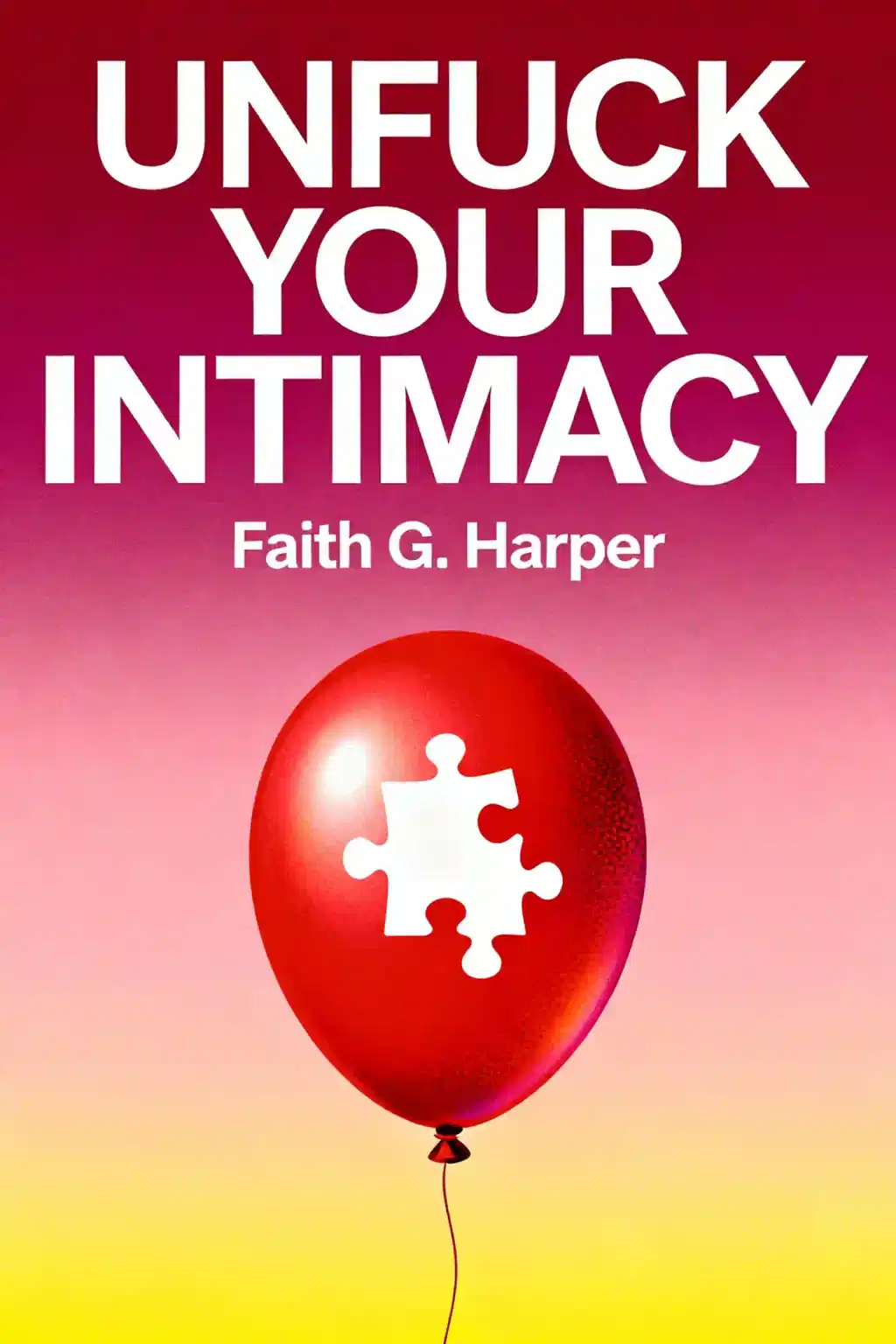
Sexual satisfaction is a cornerstone of overall well-being and relationship health, yet many people struggle with communication barriers, misconceptions, or loss of passion over time. This learning plan benefits individuals and couples seeking to deepen intimacy, overcome sexual challenges, or simply enhance an already fulfilling sex life through evidence-based techniques and mindful practices.

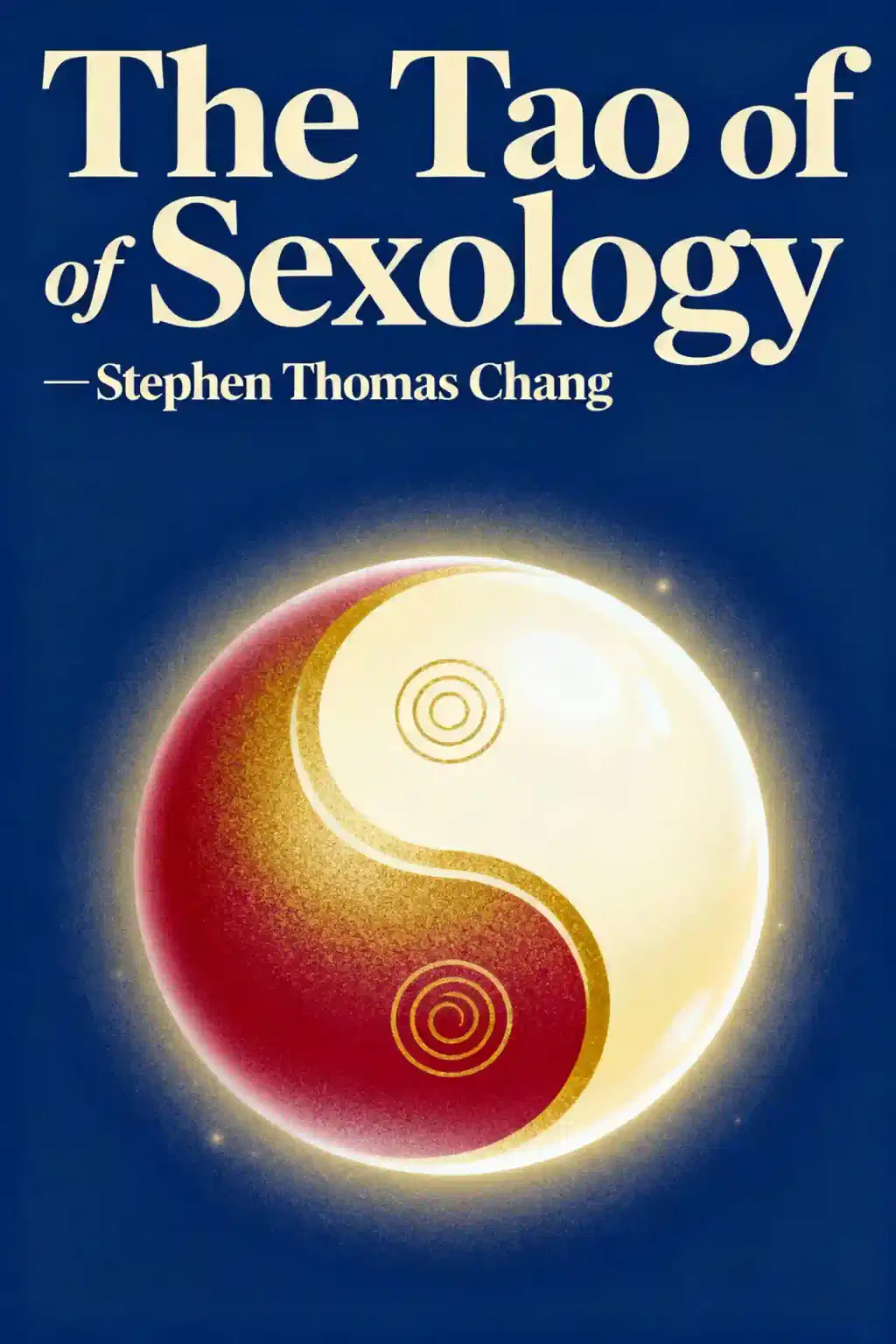
Sexual satisfaction is a crucial component of relationship health and personal well-being, yet many people never receive comprehensive education beyond basic mechanics. This learning plan addresses the physical, emotional, and psychological dimensions of sexuality, making it valuable for individuals and couples at any stage—whether exploring intimacy for the first time, reigniting passion in long-term relationships, or seeking deeper connection and fulfillment.

This learning plan is designed for couples or individuals looking to revitalize their relationship by moving beyond surface-level interactions. It is ideal for those who want to bridge the gap between emotional closeness and physical desire through evidence-based communication and sexual intelligence.

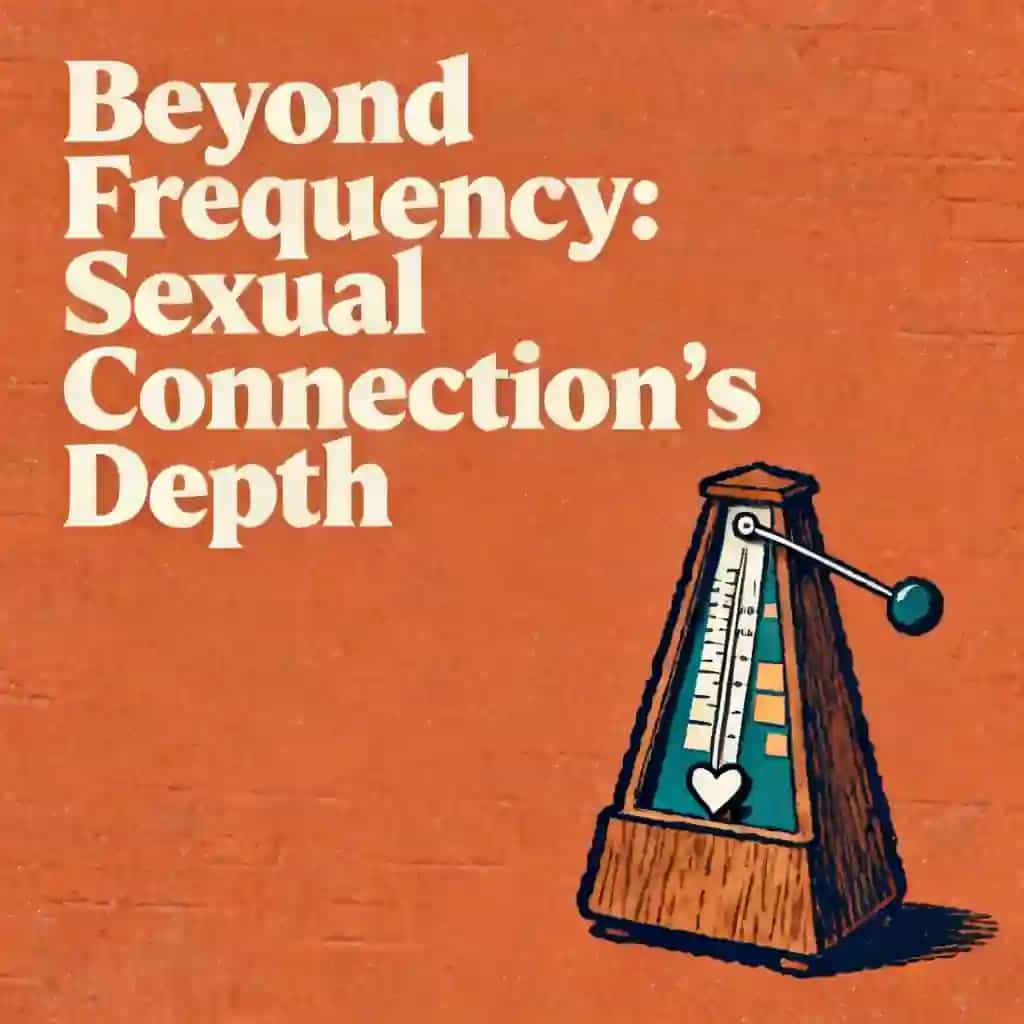
Modern relationships often struggle to transition from the honeymoon phase into a lasting bond. This plan is designed for individuals or couples seeking to move past surface-level attraction by mastering the practical skills of emotional connection and conflict repair.

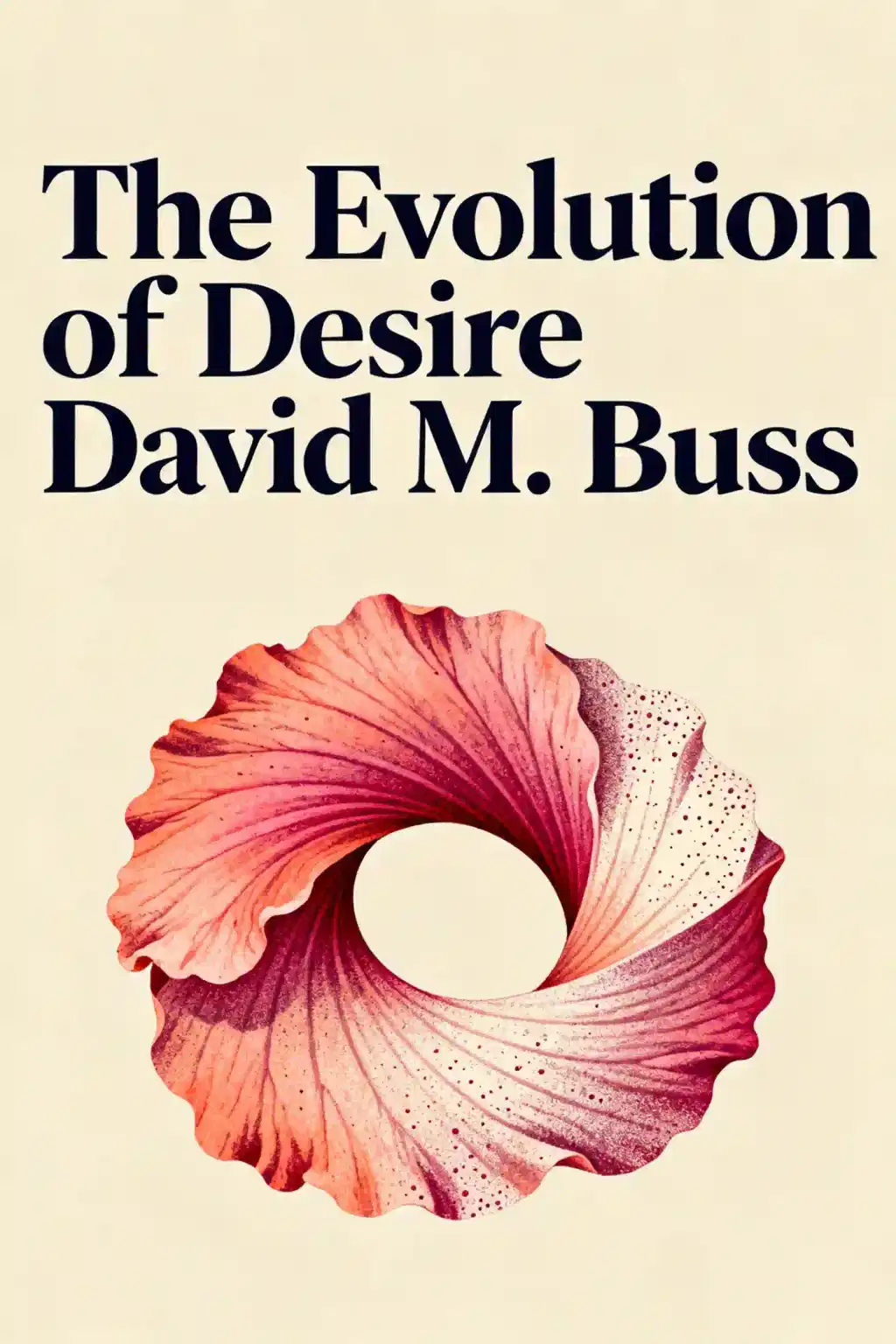
In an era of superficial connections, understanding the science of attraction is essential for building lasting intimacy. This plan is ideal for individuals seeking to move beyond physical appearance and master the psychological and physiological art of deep human bonding.

Understanding the psychological architecture of our bonds is essential for moving beyond surface-level conflict. This plan is designed for individuals and couples seeking to replace destructive patterns with evidence-based dynamics for a more resilient and authentic connection.

Understanding the science and philosophy of intimacy is essential for anyone seeking to build more resilient, meaningful relationships. This plan is ideal for individuals looking to move beyond surface-level dating advice and master the psychological foundations of lasting human connection.

After years together, couples often fall into a routine of logistical co-parenting or household management, losing their emotional spark. This plan is designed for long-term partners who want to move beyond surface-level talk and rediscover the deep intimacy of being truly understood.