正直、まだアプリを使いこなせていませんが、この数日使っただけで本当に感動しました… BeFreed は、今まで使ったどの学習アプリともレベルが違います。夢中になれるうえに集中力も実際に上がるので、スマホをだらだら見てしまう人にぴったりです!
@ladyInfinity
Discover how to transform from practitioner to teacher in the booming wellness industry. Learn the essential steps to deepen your practice, overcome imposter syndrome, and create impactful meditation experiences for others.

Becoming a meditation teacher isn't just about mastering techniques; it's about transforming yourself first and developing the 'trained presence' to hold space for others. You can only take others as far as you have gone yourself.
Teach me how to be a meditation teacher


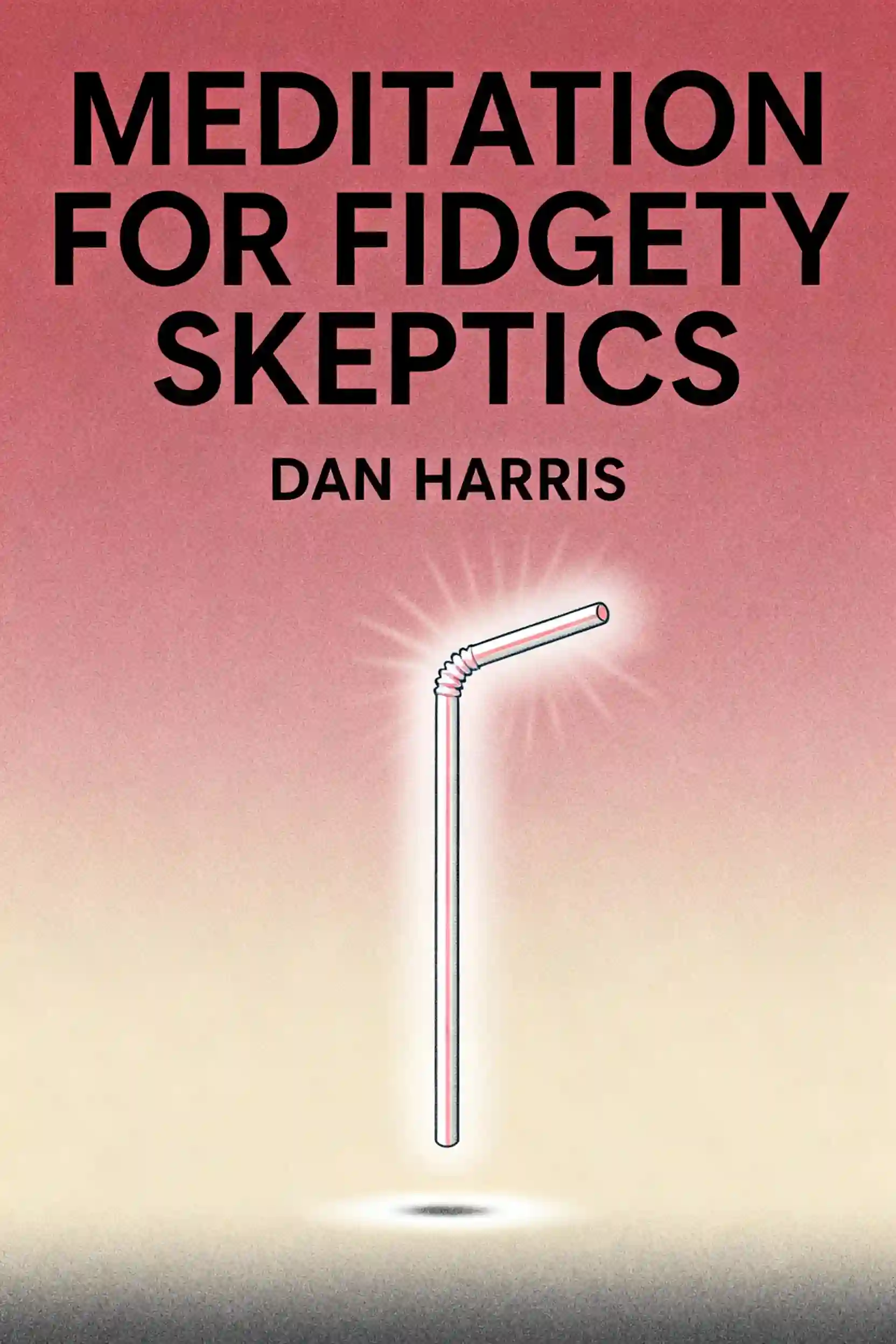
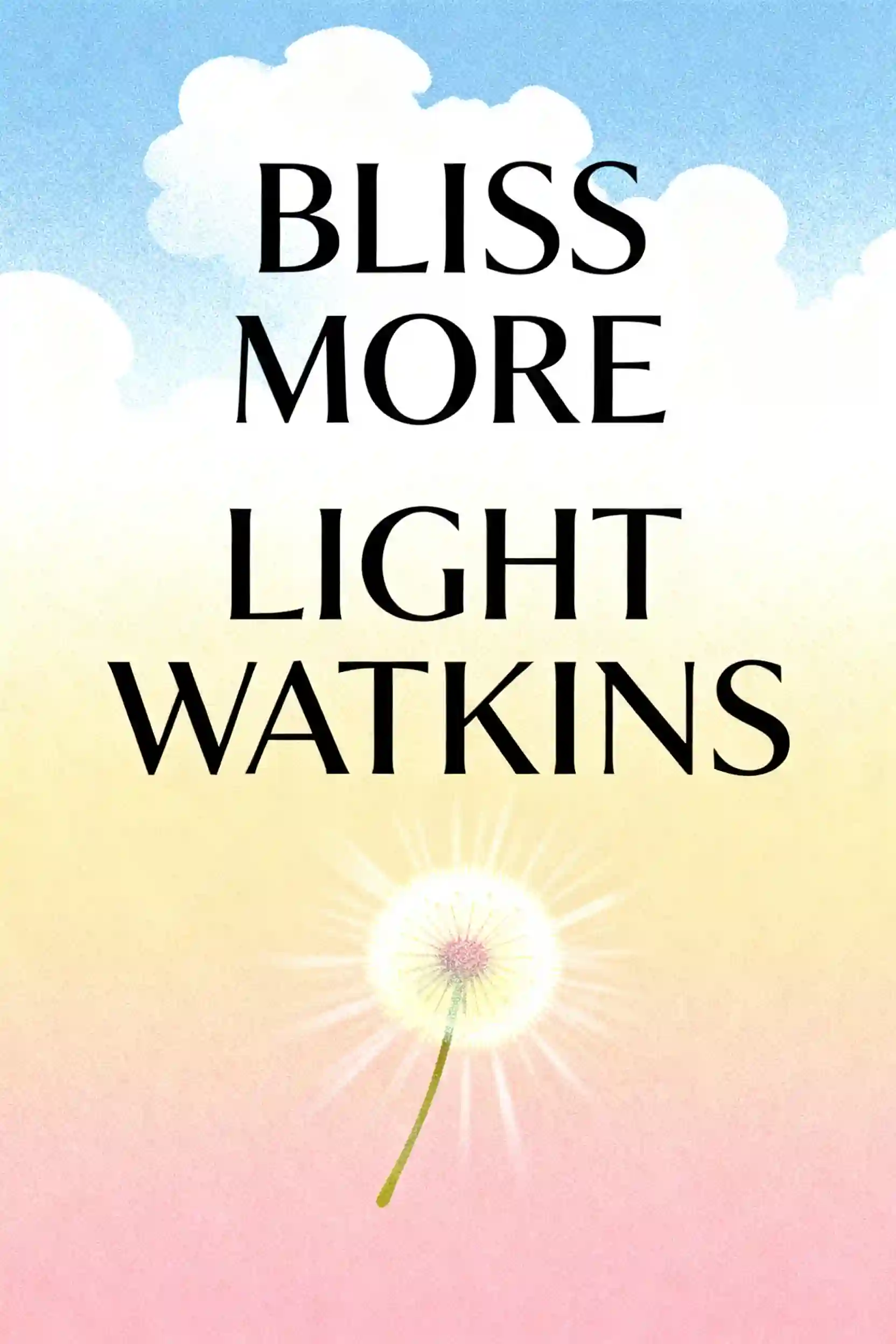
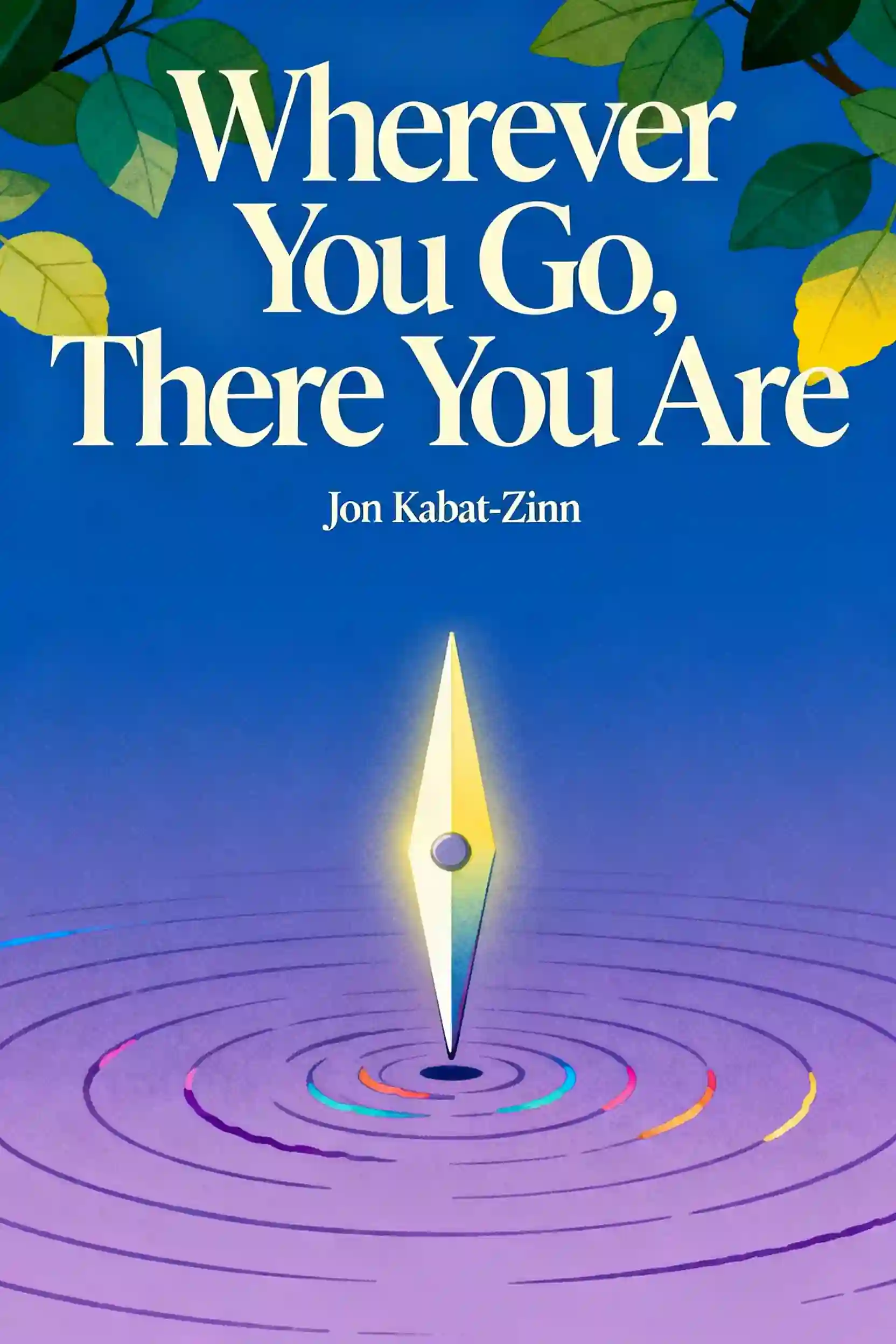
コロンビア大学卒業生が開発 | サンフランシスコ発
平均評価
7,840件以上のアプリ評価
BeFreedコミュニティ
正直、まだアプリを使いこなせていませんが、この数日使っただけで本当に感動しました… BeFreed は、今まで使ったどの学習アプリともレベルが違います。夢中になれるうえに集中力も実際に上がるので、スマホをだらだら見てしまう人にぴったりです!
@ladyInfinity
ちょうど 23 日前に BeFreed を購入して、それから毎日欠かさず使っています。仕事の流れと学習習慣に完全に溶け込みました。
@jayallen
正直なところ、このアプリは期待をすべて超えてきました。どんなテーマでも音声を生成してもらえて、その結果には驚かされます。私の専門は心理療法で、多分野にまたがる領域ですが、それでも回答はとても正確です。
@Raguipa
何よりありがたいのは、スマホをだらだら見る時間が減ったことです。探す時間が減って、吸収する時間が増えました。オーディオブック、ポッドキャスト、学習プランの組み合わせが素晴らしいです。
@colonyofcreatorsNGO
私は 24 年間、PhotoReading 加速学習のインストラクターをしています… 本と読書と学びが私の専門ですが、BeFreed は情報を消化しやすい形で届ける革新的なアプローチを見事に実現しています。
@BeFreed user
ただの本の要約アプリではありません。「ファン」スタイルを使ってみたら、従来のやり方よりずっと良い要約で、アイデアもつかみやすいです。これだけでも十分元が取れます。
@austinakon
このアプリが大好きです。数日使っただけで、聞くのが止まらなくなりました。始め方として最高です。
@jcrules328
本当に気に入っています。約 1 か月試していますが、まさに掘り出し物だと感じます。BeFreed で自分だけのテーマを作れるのが便利で、声も素晴らしく、ナレーションの選択肢は無限です。
@DanielCZ
役立つ情報やアイデアを 8〜15 分のポッドキャスト風音声にぎゅっとまとめて聞けるのが最高です。ポッドキャストは余計な話が多くて苦手でしたが、これは無駄を全部そぎ落としてくれます。
@BeFreed user
博士課程の仕上げの段階で、なじみのない資料を大量に読む必要があります… BeFreed ならプロンプトを入力するだけで、アプリが資料を探して音声ポッドキャストを作ってくれます。BeFreed のほうが NotebookLM よりも流れがスムーズだと感じます。
@Brad
朝食を作りながら、散歩しながら、通勤しながら聞くものを YouTube でよく探していましたが、BeFreed は広告も余計な話もなしで、もっと的を絞った聞き方をさせてくれます!
@BeFreed user
このプラットフォームの一番の魅力は、その万能さです。扱えないテーマは文字どおりひとつもありません。何を投げても応えてくれます… 制限がまったくないのに約束をきちんと果たしてくれる学習ツールには、なかなか出会えません。
@jayallen
BeFreed は素晴らしいです。使いやすいデザインのおかげで、操作に迷う時間が減り、学ぶ時間が増えました。オーディオブック、ポッドキャスト、学習プランの組み合わせは天才的で、毎日の習慣がすっかり変わりました。
@BeFreed user
最初はイタリア語でポッドキャストを作る方法を理解するのに少し時間がかかりましたが、わかった瞬間、最高でした!どんなテーマでも説明してもらえて、しかもとても賢く、うまく話してくれます!
@matteo77
BeFreed は毎日使うオーディオブックアプリになりました… 一番気に入っているのは、自分のテキストを入れると、外出先でも聞ける音声にしてくれるところです。
@kotanzu1




Meditation is one of the most powerful tools for managing stress, improving focus, and cultivating lasting peace in our fast-paced world. This learning plan is ideal for anyone seeking to reduce anxiety, enhance self-awareness, or explore deeper spiritual dimensions of life, whether you're a complete beginner or looking to enrich an existing practice.

This learning plan bridges the gap between scientific neurological benefits and deep spiritual growth, making it ideal for both beginners and seasoned practitioners. It is designed for individuals seeking a comprehensive path from basic stress management to advanced states of conscious awareness.

This plan is essential for anyone seeking to reduce stress and improve mental clarity in a fast-paced world. It benefits both beginners and experienced practitioners looking to deepen their emotional intelligence and daily consistency.

This plan is designed for practitioners who want to move beyond guided audio and build a self-sustaining meditation practice. It is ideal for anyone seeking to master their nervous system and achieve mental clarity using only their internal biological tools.

In an era of constant distraction, mastering one's internal state is essential for true mental freedom. This plan is designed for seekers looking to move beyond surface-level mindfulness into deep spiritual transformation and ego transcendence.

In an era of constant distraction and burnout, this plan provides a structured path to mental clarity and emotional regulation. It is ideal for professionals and individuals seeking to transform their stress response into a state of focused, compassionate presence.

This learning plan bridges ancient spiritual wisdom with modern professional demands, offering a roadmap for ethical and mindful career development. It is ideal for leaders and professionals seeking to transform workplace stress into a path of personal and collective growth.

In an era of constant distraction, mastering inner observation is essential for mental clarity and emotional resilience. This plan is designed for seekers and professionals who want to bridge the gap between ancient philosophy and modern mindfulness to achieve lasting peace.