BeFreed
    Categories>Leadership & Corp Culture>How to Be a Boss People Actually Want to Follow

    How to Be a Boss People Actually Want to Follow

    32分
    |
    |
    2026年3月31日
    Leadership & Corp CultureCareer & BusinessSelf-Growth

    Moving from contributor to leader is a difficult shift. Learn how to build trust, handle hard conversations, and create a culture where teams thrive.

    How to Be a Boss People Actually Want to Follow
    聴き方を選ぶ

    1つのエピソード。いろいろな聴き方。

    How to Be a Boss People Actually Want to Followの同じアイデアを、あなたに合う声・深さ・ペースで。いつでも切り替えられます。

    文字起こしとチャプター

    チャプター 1

    Beyond the Title: Leading With Purpose

    Lena: You know, Miles, I was thinking about that moment when you finally get the "boss" title. You expect this surge of confidence, but instead, it’s often just... pressure. It’s like you’re suddenly in the arena, and the account is whispering, "Be serious," while you’re trying to figure out how to actually lead.

    Miles: Exactly. And the wild thing is that so many people get promoted for their technical skills or tenure without ever getting formal leadership training. We're taught how to do the work, but not how to be the shield for a team. It’s a huge internal shift from owning your own wins to absorbing the team's failures.

    Lena: Right, it’s not just about "sounding smart" in meetings. It’s interesting how research shows that a third of feedback interventions actually make performance worse if they aren't handled correctly.

    Miles: That’s a sobering thought for anyone wanting to "boss up." So, let’s explore how to build that foundation of trust and clarity.

    チャプター 2

    The Mirror of Management: Cultivating Self-Awareness

    Lena: It’s so easy to get caught up in the external parts of being a boss—the meetings, the strategy, the delegating—but I was struck by how much the source materials emphasize that it actually starts internally. It’s almost like you can’t lead a team until you’ve learned how to lead yourself, right?

    Miles: You’ve hit the nail on the head, Lena. There’s this fascinating study involving over eight thousand leader reflections that really underlines this. It suggests that leadership isn’t this static thing you’re born with—it’s a developmental process. And the very first step in that process is self-awareness. It’s about looking in the mirror and being honest about your own reactions, your biases, and even your "personal stories," as one of the articles calls them.

    Lena: "Personal stories"—that’s such an evocative phrase. It makes me think about how we all carry these invisible scripts into a room. Like, if I have a story that "conflict is dangerous," I’m going to lead very differently than if my story is "conflict is where the best ideas happen."

    Miles: Exactly. And if you aren’t aware of that script, you’re just reacting. You’re not leading. One of the senior leaders interviewed in the research shared a really raw moment about experiencing a microaggression during a presentation. The funder called her "young lady" in a dismissive way. She recognized it immediately, but her division chair, who was in the room, completely missed it.

    Lena: Wow. That’s a perfect example of why self-reflection is so critical. If that leader hadn't done the work to understand her own value and recognize those dynamics, she might have just absorbed that hit and let it affect her confidence. But because she was self-aware, she could name it, process it, and eventually use it to help others.

    Miles: Right, and it’s not just about the big, dramatic moments. It’s about the "internal regulation" that happens every single day. One of the CEO guides mentions that before you even walk into a tough conversation, you have to ask yourself: "What am I responsible for naming? What do I need to regulate in myself so I don't ask the other person to carry my emotions for me?"

    Lena: That’s such a compassionate way to look at it. It’s essentially saying, "Don't make your team responsible for your stress or your need to be liked." But Miles, how does someone actually do this? Is it just a lot of thinking, or are there specific tools?

    Miles: It’s both. The sources mention things like hiring a professional coach to help uncover those blind spots—someone who can give you that objective feedback you might not get from your team. There’s also the idea of joining a "community of practice" or a peer support network. It’s about having a safe space where you can say, "I made a mistake," or "I don't know how to handle this," without it feeling like a failure of leadership.

    Lena: I love the idea of "meetings with myself." One leader mentioned she actually schedules time every week to review her own goals, analyze how she’s doing, and intentionally incorporate feedback from her team. It’s like she’s treating her own growth as a project that needs a roadmap.

    Miles: It really is a project. And it requires a "growth mindset"—the belief that these leadership skills are like muscles. You have to train them. You don't just "arrive" as a great boss. You’re constantly refining your approach based on what you learn from your challenges.

    Lena: It’s a shift from "I need to be perfect" to "I need to be aware." And that awareness is what creates the "steadiness" that teams crave. They don't need a boss who has all the answers; they need a boss who is internally grounded enough to handle the uncertainty with them.

    Miles: Absolutely. And that steadiness—that internal regulation—is the foundation for everything else we’re going to talk about. Because if you’re reactive, you can’t build trust. If you’re defensive, you can’t foster psychological safety. It all starts with that quiet work you do when no one else is watching.

    このエピソードで学びを深める

    このエピソードのアイデアを、BeFreedのガイド付き学習体験でさらに深めましょう。

    チャプター 3

    The Shield and the Spotlight: Redefining Responsibility

    Lena: You mentioned earlier that being a boss is like being a "shield." I’ve been sitting with that, Miles. It’s a very different image than the typical "person at the front of the pack" or the "person holding the megaphone." It implies a lot of... well, weight.

    Miles: It does. It’s one of the most profound shifts in the transition to management. One of the engineering leaders in our sources put it so clearly: when the team succeeds, that success belongs to them. You’re in the back, letting them take the spotlight. But when there’s a failure? That failure is yours. You step in front and own it.

    Lena: That feels almost counter-intuitive to how we’re taught to climb the career ladder. Usually, you get ahead by claiming your wins, right? But now, you’re essentially saying your job is to give the wins away and keep the losses.

    Miles: It’s a complete 180-degree turn. And if you’re not prepared for it, it can be incredibly jarring. Think about a 10 PM security alert or a major client crisis. A "shield" doesn't just forward that email to the team and say, "Fix this." A shield decides whether the team even needs to be woken up, or if they can handle it themselves to protect the team's rest and trust.

    Lena: It’s about absorbing ambiguity, isn't it? I read that a big part of the job is sitting in those high-level meetings where leadership changes the priority for the third time in a month, and instead of going back to your team and venting about the confusion, you process it. You find the clarity. You walk back and say, "Here’s our path forward," even if you’re still feeling the ripples of that ambiguity yourself.

    Miles: Precisely. You’re the filter. You’re taking the chaos from above and turning it into actionable, calm direction for the people below you. And it’s not about being a hero. It’s about realizing that your team’s productivity and mental health depend on that clarity.

    Lena: There’s also this idea of "safe failure" that comes up in the research. If you’re a shield, you’re creating a space where your team feels safe enough to experiment. They know that if something goes sideways, you’re not going to throw them under the bus to save your own reputation.

    Miles: That’s the core of psychological safety. And it actually leads to better results. When a leader models that "failure is a learning opportunity," the team stops hiding mistakes. They start solving them. There’s a great line from one of the leaders about wanting "everyone to win, everyone to shine." That’s only possible when the leader is comfortable being the person who holds the door open, rather than the person trying to be the first one through it.

    Lena: It’s funny—being a boss almost sounds like being a parent or a coach in that way. Your primary job is making other people better. It’s like watching someone else drive your car while you’re in the passenger seat, trying not to grab the wheel every time they take a turn a little differently than you would.

    Miles: That is such a vivid image, Lena. And it’s a struggle! Especially for people who were "star players" before they became managers. You’re used to being the one who builds, who ships, who fixes the bug. Stepping back and letting someone else do it—maybe even letting them struggle a bit so they can grow—that takes immense restraint.

    Lena: But that’s where the real impact is, isn't it? The source material says your greatest accomplishment isn't the code you wrote or the sales you closed; it’s the people you developed who can now do those things better than you. You’re replacing yourself.

    Miles: Exactly. You’re building capacity. An organization can only scale as far as the number of leaders it has developed. If you’re the only one who can solve the problems, the team is limited by your own bandwidth. But if you’re a shield and a coach, you’re creating a whole team of problem-solvers.

    Lena: It’s a heavy role, but it sounds like the rewards are much deeper than just hitting a target. It’s about the "ripple effect" you create across the organization by how you handle that convergence of power and consequence.

    Miles: It really is. And it’s why that "one-on-one test" is so important. If the idea of sitting across from someone and figuring out what they need to succeed sounds energizing to you, then you’re probably wired for this. If it sounds exhausting, that’s a signal you shouldn't ignore.

    チャプター 4

    The Ninety-Day Blueprint: Building the Infrastructure of Trust

    Lena: So, let's say someone hears all this and says, "Yes, I want to be the shield. I want to build people." They get the role. What now? Because those first ninety days seem to be where everything is won or lost.

    Miles: You’re right. There’s a reason there are so many "30-60-90 day plans" in the sources. Habits form quickly, and trust is built—or broken—very early on. The biggest mistake people make? Arriving with a "fixer" mentality. They want to prove they’re the smartest person in the room by changing everything on Day One.

    Lena: And that just alienates everyone, doesn't it? It’s like walking into someone’s house and rearranging the furniture before you’ve even been invited for tea.

    Miles: Perfect analogy. The first thirty days should be about one thing: the "Listening Tour." You’re a sponge. You’re meeting with every direct report, every stakeholder, every peer. And you’re asking open-ended questions like, "What’s working well that I should protect?" and "What’s the biggest obstacle slowing you down?"

    Lena: I love that question—"What should I know that nobody will volunteer?" It’s such a clever way to get past the surface-level stuff. It signals that you’re looking for the truth, not just the polished version of it.

    Miles: It really does. And the key is to not solve the problems in those meetings. Your only job in month one is to collect data and build a "stakeholder map"—who depends on your team, and who does your team depend on? You’re trying to understand the system, not just the people.

    Lena: Then, in month two, the focus shifts to "Operating Rhythm." This is where you start building the systems that make leadership predictable. Things like a consistent weekly cadence for one-on-ones, team standups, and retrospectives.

    Miles: Consistency is the currency of trust. If you’re cancelling one-on-ones because you’re "too busy," you’re sending a message that your team isn't a priority. But if you establish a rhythm that people can count on, you create stability. And this is also the month where you have to be brave enough to deliver your first feedback.

    Lena: That feels like a big hurdle for a new boss. You want to be liked!

    Miles: Exactly, but "nice" isn't the same as "effective." In fact, one study found that new managers who reach a high frequency of feedback within sixty days have an 85% retention rate after a year. If you wait too long to name the hard stuff, it just calcifies. You have to establish that "this is a place where we have honest conversations."

    Lena: And then, by month three, you’re finally ready to "Lead and Deliver." You’ve listened, you’ve built the systems, and now you’re setting measurable goals. Not just "improve quality," but "reduce response time by 24 hours." You’re showing what your leadership actually produces.

    Miles: And you’re tackling that "systemic issue" you identified back in month one. You’ve earned the credibility to propose a real solution because the team knows you’ve taken the time to understand the root cause. It’s about moving from "activity" to "impact."

    Lena: It’s interesting how the sources emphasize that this isn't just for the manager—it’s a "CEO’s playbook." The higher-ups have a role in this too. They need to protect the new manager’s time so they aren't just doing their old job plus managing.

    Miles: That’s a huge point. If a new manager is still carrying a full workload as an individual contributor, the "listening and building" work just won't happen. They’ll default to what’s comfortable, which is usually doing the technical work themselves.

    Lena: Which brings us back to the "Year One" failure. It’s often a "quiet" failure where the team slowly stops trusting the manager because they’re never actually managing.

    Miles: Right. A structured plan prevents that. It gives you a roadmap so you don't have to improvise. It’s about creating clarity, trust, and a system that yields results—not through your own hands, but through the hands of the team you’ve spent ninety days understanding and supporting.

    このエピソードで学びを深める

    このエピソードのアイデアを、BeFreedのガイド付き学習体験でさらに深めましょう。

    チャプター 5

    The Safety Net: Fostering a Culture of Psychological Safety

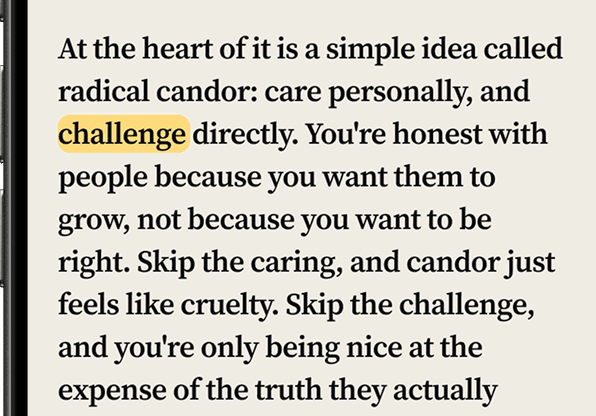
    Lena: We’ve touched on this a few times, Miles, but I want to dive deeper into "psychological safety." It’s such a buzzword, but the research—especially Google’s "Project Aristotle"—says it’s actually the number one predictor of team success. It’s not about being "nice," is it?

    Miles: Not at all. That’s a common misconception. Psychological safety is "the shared belief that the team is safe for interpersonal risk-taking." It means I can ask a "stupid" question, I can admit I made a mistake, or I can challenge your idea without fearing that you’ll punish me or think less of me.

    Lena: It’s the difference between a team that hides errors until they become disasters and a team that surfaces them early so they can be fixed. One of the articles even calls it "mumbo jumbo" from the perspective of a skeptic, but then points out that it’s actually a "practical foundation for high-performing teams."

    Miles: It really is. Think about it—if I’m spending 20% of my brainpower worrying about how I’m being perceived or trying to cover my tracks, that’s 20% of my brainpower not going toward solving the problem. Psychological safety unlocks that full cognitive capacity.

    Lena: So, as a boss, how do you actually create this? You can’t just stand in a meeting and say, "Okay everyone, feel safe now!"

    Miles: (Laughs) Right, that usually has the opposite effect. It’s built through tiny, consistent behaviors. One of the most powerful things a leader can do is "model vulnerability." Share your own lessons learned. Admit when you’re struggling with a decision. When the boss says, "I don't know the answer to this, what do you all think?" it gives everyone else permission to be human too.

    Lena: I love the "if-then" plans mentioned in the leadership guide. Instead of just saying "I’ll be more open," a leader might commit to: "If someone challenges my idea in a meeting, I will ask a clarifying question before I defend my position."

    Miles: That’s such a great tactical move. It creates a mental link between a high-stress situation and a calm, productive response. Another one is "amplification." If a junior team member makes a great point that gets ignored, you step in and say, "I want to go back to what Sarah just said, I think there’s a real insight there." You’re using your positional power to make others "feel seen."

    Lena: And it’s about how you handle the "messy" stuff, too. The research suggests that leaders need to "normalize discussion of problems and mistakes." Instead of asking "Who messed this up?" you ask "What can we learn from how this happened?"

    Miles: Exactly. It’s shifting from a "blame culture" to a "learning culture." One of the senior leaders interviewed said she uses a "five-minute summary" every Friday where team members share what they’re working on, what they need help with, and their "win for the week." It’s a low-pressure way to keep communication flowing and surface blockers before they become crises.

    Lena: There’s also this idea of "making the implicit, explicit." A lot of anxiety comes from not knowing the "unwritten rules." A great boss clarifies things like: "How do we handle disagreements?" or "What are our expectations for response times?" When the rules are clear, people don't have to waste energy guessing.

    Miles: And don't forget about "preventing social undermining." That’s a big one. As a boss, you have to be the one who calls out dismissiveness or subtle exclusion. If someone rolls their eyes when a colleague is speaking, you have to address it. You’re protecting the collaborative environment.

    Lena: It sounds like a lot of "relational work." It’s not just about the task; it’s about the dynamic between the people doing the task.

    Miles: Precisely. The research shows that 70% of team engagement comes from the manager. Not the perks, not the strategy—the manager. And that engagement is built on a foundation of trust. It starts with the leader trusting the team, which then allows the team members to trust each other.

    Lena: It’s a ripple effect. When you create that safety net, you’re not just making people feel better; you’re creating a culture where innovation can actually happen because people aren't afraid to take the risks that lead to it.

    チャプター 6

    The Art of the Hand-off: Mastering Effective Delegation

    Miles: We’ve talked about building trust, but there’s a very specific "trust in action" skill that almost every new boss struggles with: delegation.

    Lena: Oh, the "I’ll just do it myself" trap. It’s so tempting, Miles. Especially when you know you can do it faster and, let’s be honest, exactly the way you want it.
    Miles: It’s the ultimate short-term gain for a long-term loss. Research shows that only about 30% of managers believe they delegate well. But get this—CEOs who are "excellent delegators" generate 33% higher revenue growth than those who aren't. It’s literally a force-multiplier for the business.

    Lena: 33% higher revenue? That’s a massive difference. So why is it so hard? Is it just the fear of losing control?

    Miles: That’s a big part of it. There’s also this "dopamine rush" we get from crossing things off our own to-do lists. Doing the work feels productive. Managing the work can feel... ambiguous. But as a leader, you have to shift your definition of "value." Your value is no longer your own output; it’s the output you enable in others.

    Lena: So how do we do it right? Because I’ve definitely experienced "abdication," where a boss just dumps a task on me and vanishes. That’s not delegation, right?

    Miles: No, that’s just throwing someone into the deep end without a life jacket. Effective delegation is a process. It starts with identifying the right tasks. You should delegate anything that someone else can do 70 to 80% as well as you can—especially if it’s a "repetitive, time-consuming" task that’s keeping you from big-picture thinking.

    Lena: And then you have to match the task to the right person. It shouldn't just be whoever is least busy. It should be someone whose "skills and development goals" align with the task. If I want to grow in project management, delegate a project to me! It becomes a "stretch assignment," not just a chore.

    Lena: Okay, so I’ve picked the task and the person. Now comes the communication part. "Make the implicit, explicit," right?

    Miles: Exactly. You have to define the "desired outcome," not just the steps. Paint a picture of what success looks like. Explain the "why"—how does this fit into the company’s mission? And then—this is the part people miss—define the "boundaries and authority."

    Lena: Right! Like, "You can make decisions up to this budget," or "You have the authority to call the client, but loop me in if they ask for a scope change." Without those guardrails, the person is either going to be too scared to act or they’re going to overstep.

    Miles: And then comes the "support and autonomy" phase. This is where you have to resist the urge to "grab the wheel." You set up check-in points—milestones—so you can monitor progress without hovering. You’re there as a coach, not a micromanager.

    Lena: I love the idea of "coaching on request." If the person comes to you with a problem, you don't just give them the answer. You ask, "What are your thoughts on how to handle it?" You’re helping them build their own "decision-making muscle."

    Miles: That’s how you avoid "reverse delegation," where the team just pushes all the hard problems back up to you. You want them to own the outcome. And when they succeed? You give them the "public credit." You make sure everyone knows they were the ones who landed that project.

    Lena: It’s a shift from being the "hero" to being the "orchestrator." You’re not the one playing all the instruments; you’re the one making sure the whole orchestra sounds beautiful.

    Miles: And when you get it right, you’re not just offloading work. You’re building a team that is more confident, more innovative, and more capable. You’re creating that "ripple effect" we talked about. Because a leader who fails to delegate, fails to multiply.

    このエピソードで学びを深める

    このエピソードのアイデアを、BeFreedのガイド付き学習体験でさらに深めましょう。

    チャプター 7

    The Conversation is the Role: Navigating the Hard Stuff

    Miles: We’ve talked about the "shield" and the "safety net," but eventually, as a boss, you have to face the fire. You have to have those "tough conversations"—the underperformance talks, the conflict resolution, the delivering of bad news.

    Lena: Those are the moments that keep people awake at 3 AM. It’s where that "power dynamic" we mentioned earlier feels the most real. You realize your words can literally change someone’s career trajectory.

    Miles: It’s a huge responsibility. And the sources are very clear: at the executive level, tough conversations are not "disruptions" to your role. They are your role. One CEO guide says that "internal regulation" is more important than the actual language you use. If you’re walked into a room feeling defensive or angry or desperate to be liked, the conversation is already failing.

    Lena: "Internal steadiness before external clarity." I keep coming back to that. It means you have to metabolize your own reactions first. If I’m frustrated because a team member missed a deadline, I have to process that frustration before I talk to them, so I’m not asking them to carry my emotion.

    Miles: Precisely. You have to clarify your intent. Am I here to punish them, or am I here to solve a problem for the team? And then, you lead with "facts, not feelings." Instead of saying "You’re being lazy," you say "I noticed the report was three days late, and we missed our window with the client." Objective data is much harder to get defensive about.

    Lena: And then comes the "active listening" part. A lot of bosses think their job is to just deliver the message and leave. But you have to listen more than you speak. You might find out the "late report" was actually due to a "recurring bottleneck" in another department that you didn't even know about.

    Miles: Right! The conversation becomes an "intelligence-gathering mission." You’re trying to find the root cause. Is it a skill gap? Is it burnout? Is it a "mismatched incentive"? When you listen, you can collaborate on a solution rather than just issuing a directive.

    Lena: I love the idea of "staying firm on standards, but flexible on solutions." You’re not lowering the bar—the report still needs to be on time—but you’re inviting them to help figure out how to get there. It gives them a sense of "accountability without destabilization."

    Miles: And you have to be brave enough to have the conversation early. One of the biggest red flags for a new manager is "avoiding difficult conversations." Problems don't go away when you ignore them; they just grow. Addressing an issue directly—with care and specificity—is actually the kindest thing you can do for an employee.

    Lena: It’s about "coherence," isn't it? When your words, your tone, and your follow-through all align, people might not like the news, but they trust you. They know where they stand. And that "predictable leadership" is what creates a healthy culture over time.

    Miles: It also sets the tone for the whole team. If they see you handling conflict with "clarity and compassion," they’ll start doing the same. You’re modeling how to disagree "without being disagreeable." You’re showing them that truth-telling is a "protected company value."

    Lena: It’s cumulative work. Each hard conversation you handle well builds a "residue of trust" that carries into the next one. You become known as a leader who is "steady, clear, and fair," even when the decisions are tough.

    Miles: And that’s the mark of a "modern leader." They don't gatekeep; they mentor. They don't use force; they use "presence." They realize that trust is built "one difficult, well-held conversation at a time."

    チャプター 8

    Beyond the Ladder: Exploring Alternative Paths to Growth

    Lena: You know, Miles, we’ve been talking a lot about how to be a great boss, but one of the most provocative points in the source material is that "management isn't the only way to grow." And for some people, it might actually be the wrong way.

    Miles: That is such a vital point to bring up. We live in a world where the "Reddit advice" is always "Go be a manager" if you want more money or more impact. But as one engineering leader pointed out, the skills that make you a great engineer—or a great salesperson, or a great designer—have "almost zero overlap" with the skills that make you a great manager.

    Lena: It’s two different callings, isn't it? If you get your energy from "building the thing," you might find that "building the team that builds the thing" feels like you’re just watching someone else have all the fun.

    Miles: Exactly. It can feel like you’re "pulling out your fingernails" if you’re forced into a role where your whole day is one-on-ones and stakeholder alignment, but your heart is still in the "craft." And the tragedy is that many organizations only have one ladder. If you want to go up, you have to manage.

    Lena: But that’s changing, right? I read about these "dual career ladders" where senior "Individual Contributors" can have the same compensation and influence as a VP, but without the people management responsibilities.

    Miles: Yes! Paths like "Solutions Architecture," where you’re designing complex systems at a high level. Or "Technical Program Management," where you’re managing the work—the dependencies, the risks—but not the people. Or "Product Ownership," where you’re the bridge between the business and the technical team.

    Lena: Those all sound like incredible ways to scale your impact without having to worry about someone's career development or "absorbing their failures" in the same way.

    Miles: Precisely. And it’s a question of "what gives you energy?" If watching someone else succeed—someone you coached—gives you a bigger thrill than shipping a project yourself, then management is your path. But if that sounds "exhausting," you need to be honest with yourself.

    Lena: I love the advice to "ask the question" before handing someone the management ladder. Instead of assuming they want to be a boss, ask: "What kind of impact do you want to have? Do you want to build the thing, or do you want to build the team?"

    Miles: It’s about "clarity vs. promotion." Getting a new title isn't a promotion if it takes you away from the work you love and puts you in a role you’re not wired for. Some of the "worst managers" were people who just defaulted into it because they felt they had to.

    Lena: And their teams feel that "flatness" immediately. They can tell their boss would rather be doing anything else than sitting in a one-on-one.

    Miles: Right. So, to our listeners who are thinking about "bossing up"—take a moment to reflect. Is this a "trade" you’re willing to make? Are you ready to trade your "keyboard" for a "shield"? Are you ready to trade "owning your wins" for "developing others"?

    Lena: There’s no wrong answer. Both paths are essential. A great organization needs "craft experts" just as much as it needs "people leaders." The goal is to find the path where you can have the most impact while still feeling energized by the work.

    Miles: It’s about "choosing it" with clear eyes. The best managers are the ones who chose the role because they wanted the responsibility of leadership, not just the status of the title.

    このエピソードで学びを深める

    このエピソードのアイデアを、BeFreedのガイド付き学習体験でさらに深めましょう。

    チャプター 9

    The Modern Leader’s Playbook: Practical Takeaways

    Lena: Okay Miles, we’ve covered a lot of ground—from the "ninety-day blueprint" to the "art of delegation" to the "internal work" of self-awareness. Let’s distill this into some actionable steps for our listeners. If someone is stepping into a leadership role tomorrow, what are the top things they should hold onto?

    Miles: First and foremost: "Start by listening." Don't issue directives. Don't try to be the hero. Spend your first thirty days on that "Listening Tour." Ask those open-ended questions. Your goal is to build a "stakeholder map" and understand the "operating reality" of your team before you try to change a single thing.

    Lena: Second: "Establish a predictable rhythm." Build your "operating system" early. Set those weekly one-on-ones and don't cancel them. Consistency builds trust. People need to know they have a dedicated space to bring you their blockers and their ideas.

    Miles: Third: "Master the art of the hand-off." Don't just dump tasks. Define the "desired outcome," provide the "context," and set clear "boundaries of authority." Then, and this is the hard part, step back. Be the coach, not the micromanager. Your job is to build their "decision-making muscle."

    Lena: Fourth: "Prioritize psychological safety." Model vulnerability. Admit when you don't know the answer. When mistakes happen, focus on "learning, not blame." Create a culture where "candor is expected" and people feel safe to take the risks that lead to innovation.

    Miles: Fifth: "Own the hard conversations." Don't avoid them. Use "internal regulation" to stay steady. Lead with "facts, not feelings." And remember that a difficult conversation, handled with clarity and compassion, is one of the most "trust-building" things you can do as a leader.

    Lena: And sixth: "Keep learning." Leadership isn't a destination; it’s a "continuous development" process. Pursue formal training, find a mentor, join a "community of practice." Be as committed to your own growth as you are to the growth of your team.

    Miles: I’d also add: "Measure what matters." Don't just look at "satisfaction scores." Look at "behavior change." Are you actually delegating more? Is your team surfacing problems earlier? Are they taking more initiative? Track those leading indicators of a healthy team culture.

    Lena: And finally, "care for yourself." Being a shield is heavy work. Research shows that managers are 43% more likely to feel work interfering with their personal happiness. You can’t be a great leader if you’re burnt out. Find your own "support network" and be honest about your own "workplace experience."

    Miles: That’s a powerful list, Lena. It moves management from a "task" to a "practice." It’s about building a system that produces results through people, while also creating an environment where those people can truly thrive.

    Lena: It’s not an easy path, but for the right person, it’s incredibly rewarding. It’s about moving from "owning your output" to "creating a ripple effect" across your whole organization.

    Miles: Exactly. And it all starts with that first "one-on-one," that first "listening tour," and that first decision to be a "shield" for your team.

    チャプター 10

    Legacy of Leadership: Closing Reflections

    Lena: As we bring this to a close, Miles, I’m struck by how "human" all of this is. We often talk about business as if it’s this cold machine of strategy and metrics, but everything we’ve discussed—trust, safety, empathy, growth—it’s all about the connection between people.

    Miles: You’re right. At the end of the day, being a boss isn't about the title on your business card. It’s about the "ripple effect" you leave behind. Your legacy isn't the projects you completed; it’s the leaders you developed and the culture you helped create.

    Lena: I love that idea—"the team changed because I changed." It’s a reminder that we have so much more influence than we realize, not through "authority," but through "modeling." If we want a culture of honesty, we have to be honest. If we want a culture of learning, we have to be learners.

    Miles: It’s about "steadiness, clarity, and fairness." Those are the qualities that people remember. They might forget the details of a specific project, but they’ll never forget how you made them feel when things were falling apart, or how you supported them when they were ready to take a risk.

    Lena: So, for everyone listening, I hope you take a moment to reflect on your own "leadership approach." Whether you’re a new boss or a seasoned executive, ask yourself: "Am I being the shield my team needs? Am I creating a space where they can shine?"

    Miles: And if you’re not there yet, that’s okay. Remember that "modern leaders are made, not born." It’s a series of small, intentional choices every single day. Start with one "if-then" plan. Start with one "listening tour" question. The shift from "doer" to "leader" happens one conversation at a time.

    Lena: It’s a journey of "self-awareness and growth." And it’s one that has the potential to be the most rewarding work of your career. Thank you so much for joining us for this deep dive into what it really means to be the boss.

    Miles: It’s been a pleasure exploring this with you, Lena. I hope our listeners feel a bit more equipped—and maybe a bit more inspired—to step into that "arena" with clarity and compassion.

    Lena: We encourage you to take one idea from today—maybe it’s the "five-minute summary" or the "listening tour"—and try applying it this week. See what happens when you shift your focus from the "work" to the "people doing the work."

    Miles: Exactly. The results might just surprise you. Thank you for listening, and we wish you all the best on your leadership journey.

    ★★★★★

    How to Be a Boss People Actually Want to Followを最後まで学びました

    “23日間、毎日使い続けています。今では日課の一部です。”

    jayallen

    How to Be a Boss People Actually Want to Followのベスト引用

    “

    Your value is no longer your own output; it’s the output you enable in others. It’s a shift from being the hero to being the orchestrator.

    ”
    L

    Generated by Lupac

    質問を入力

    How to be a boss

    ホストの声
    Lenaplay
    Milesplay
    知識ソース
    Wait, I'm the Boss?!?
    Everyone Deserves a Great Manager
    Welcome to Management
    First-Time Manager
    Elevate Your Team
    The Power of Presence

    よくある質問

    Being a shield represents a fundamental shift in responsibility where a manager protects their team’s focus, rest, and psychological well-being. Instead of simply passing pressure or chaos from upper management down to the team, a shield processes that ambiguity and turns it into calm, actionable direction. This role also requires a "complete 180-degree turn" in how credit is handled: a leader stays in the background to let the team own the wins, but steps to the front to personally own and absorb the failures.

    Psychological safety is the shared belief that a team is safe for interpersonal risk-taking, such as asking "stupid" questions or admitting mistakes without fear of punishment. When this safety exists, team members don't waste cognitive energy worrying about how they are perceived or trying to cover their tracks, which unlocks their full brainpower for problem-solving. Research like Google’s "Project Aristotle" shows that this foundation allows teams to surface errors early and innovate more effectively because they are not paralyzed by a "blame culture."

    The first 90 days should be structured into three distinct phases to build a foundation of trust. The first 30 days are a "Listening Tour" focused on gathering data and asking open-ended questions rather than trying to "fix" things immediately. The second month focuses on establishing an "Operating Rhythm," such as consistent one-on-one meetings, to create a predictable environment. By the third month, the manager moves into "Lead and Deliver," where they set measurable goals and begin tackling systemic issues identified during the initial listening phase.

    No, the script emphasizes that management is a specific calling that requires a different skill set than technical "craft" expertise. For those who prefer "building the thing" over "building the team," alternative paths like dual career ladders allow for growth into roles such as Solutions Architecture or Technical Program Management. These paths offer high compensation and influence without the people-management responsibilities, preventing the "quiet failure" that occurs when a talented individual contributor is forced into a management role they find exhausting.

    Effective delegation is a process of building a team's "decision-making muscle" rather than just offloading tasks. It begins by identifying tasks that others can do 70 to 80% as well as the manager and matching those tasks to an employee's specific development goals. A leader must define the desired outcome and clear boundaries of authority—explaining what decisions the employee can make independently—while resisting the urge to "grab the wheel." Ultimately, the manager acts as a coach who provides support at milestones and gives the employee full public credit for the success.

    コロンビア大学卒業生が開発 | サンフランシスコ発

    BeFreedは好奇心旺盛な仲間が集うグローバルコミュニティ

    4.7

    平均評価

    7,840件以上のアプリ評価

    BeFreedコミュニティ

    正直、まだアプリを使いこなせていませんが、この数日使っただけで本当に感動しました… BeFreed は、今まで使ったどの学習アプリともレベルが違います。夢中になれるうえに集中力も実際に上がるので、スマホをだらだら見てしまう人にぴったりです!

    @ladyInfinity

    ちょうど 23 日前に BeFreed を購入して、それから毎日欠かさず使っています。仕事の流れと学習習慣に完全に溶け込みました。

    @jayallen

    正直なところ、このアプリは期待をすべて超えてきました。どんなテーマでも音声を生成してもらえて、その結果には驚かされます。私の専門は心理療法で、多分野にまたがる領域ですが、それでも回答はとても正確です。

    @Raguipa

    何よりありがたいのは、スマホをだらだら見る時間が減ったことです。探す時間が減って、吸収する時間が増えました。オーディオブック、ポッドキャスト、学習プランの組み合わせが素晴らしいです。

    @colonyofcreatorsNGO

    私は 24 年間、PhotoReading 加速学習のインストラクターをしています… 本と読書と学びが私の専門ですが、BeFreed は情報を消化しやすい形で届ける革新的なアプローチを見事に実現しています。

    @BeFreed user

    ただの本の要約アプリではありません。「ファン」スタイルを使ってみたら、従来のやり方よりずっと良い要約で、アイデアもつかみやすいです。これだけでも十分元が取れます。

    @austinakon

    このアプリが大好きです。数日使っただけで、聞くのが止まらなくなりました。始め方として最高です。

    @jcrules328

    本当に気に入っています。約 1 か月試していますが、まさに掘り出し物だと感じます。BeFreed で自分だけのテーマを作れるのが便利で、声も素晴らしく、ナレーションの選択肢は無限です。

    @DanielCZ

    正直、まだアプリを使いこなせていませんが、この数日使っただけで本当に感動しました… BeFreed は、今まで使ったどの学習アプリともレベルが違います。夢中になれるうえに集中力も実際に上がるので、スマホをだらだら見てしまう人にぴったりです!

    @ladyInfinity

    ちょうど 23 日前に BeFreed を購入して、それから毎日欠かさず使っています。仕事の流れと学習習慣に完全に溶け込みました。

    @jayallen

    正直なところ、このアプリは期待をすべて超えてきました。どんなテーマでも音声を生成してもらえて、その結果には驚かされます。私の専門は心理療法で、多分野にまたがる領域ですが、それでも回答はとても正確です。

    @Raguipa

    何よりありがたいのは、スマホをだらだら見る時間が減ったことです。探す時間が減って、吸収する時間が増えました。オーディオブック、ポッドキャスト、学習プランの組み合わせが素晴らしいです。

    @colonyofcreatorsNGO

    私は 24 年間、PhotoReading 加速学習のインストラクターをしています… 本と読書と学びが私の専門ですが、BeFreed は情報を消化しやすい形で届ける革新的なアプローチを見事に実現しています。

    @BeFreed user

    ただの本の要約アプリではありません。「ファン」スタイルを使ってみたら、従来のやり方よりずっと良い要約で、アイデアもつかみやすいです。これだけでも十分元が取れます。

    @austinakon

    このアプリが大好きです。数日使っただけで、聞くのが止まらなくなりました。始め方として最高です。

    @jcrules328

    本当に気に入っています。約 1 か月試していますが、まさに掘り出し物だと感じます。BeFreed で自分だけのテーマを作れるのが便利で、声も素晴らしく、ナレーションの選択肢は無限です。

    @DanielCZ

    役立つ情報やアイデアを 8〜15 分のポッドキャスト風音声にぎゅっとまとめて聞けるのが最高です。ポッドキャストは余計な話が多くて苦手でしたが、これは無駄を全部そぎ落としてくれます。

    @BeFreed user

    博士課程の仕上げの段階で、なじみのない資料を大量に読む必要があります… BeFreed ならプロンプトを入力するだけで、アプリが資料を探して音声ポッドキャストを作ってくれます。BeFreed のほうが NotebookLM よりも流れがスムーズだと感じます。

    @Brad

    朝食を作りながら、散歩しながら、通勤しながら聞くものを YouTube でよく探していましたが、BeFreed は広告も余計な話もなしで、もっと的を絞った聞き方をさせてくれます!

    @BeFreed user

    このプラットフォームの一番の魅力は、その万能さです。扱えないテーマは文字どおりひとつもありません。何を投げても応えてくれます… 制限がまったくないのに約束をきちんと果たしてくれる学習ツールには、なかなか出会えません。

    @jayallen

    BeFreed は素晴らしいです。使いやすいデザインのおかげで、操作に迷う時間が減り、学ぶ時間が増えました。オーディオブック、ポッドキャスト、学習プランの組み合わせは天才的で、毎日の習慣がすっかり変わりました。

    @BeFreed user

    最初はイタリア語でポッドキャストを作る方法を理解するのに少し時間がかかりましたが、わかった瞬間、最高でした!どんなテーマでも説明してもらえて、しかもとても賢く、うまく話してくれます!

    @matteo77

    BeFreed は毎日使うオーディオブックアプリになりました… 一番気に入っているのは、自分のテキストを入れると、外出先でも聞ける音声にしてくれるところです。

    @kotanzu1

    役立つ情報やアイデアを 8〜15 分のポッドキャスト風音声にぎゅっとまとめて聞けるのが最高です。ポッドキャストは余計な話が多くて苦手でしたが、これは無駄を全部そぎ落としてくれます。

    @BeFreed user

    博士課程の仕上げの段階で、なじみのない資料を大量に読む必要があります… BeFreed ならプロンプトを入力するだけで、アプリが資料を探して音声ポッドキャストを作ってくれます。BeFreed のほうが NotebookLM よりも流れがスムーズだと感じます。

    @Brad

    朝食を作りながら、散歩しながら、通勤しながら聞くものを YouTube でよく探していましたが、BeFreed は広告も余計な話もなしで、もっと的を絞った聞き方をさせてくれます!

    @BeFreed user

    このプラットフォームの一番の魅力は、その万能さです。扱えないテーマは文字どおりひとつもありません。何を投げても応えてくれます… 制限がまったくないのに約束をきちんと果たしてくれる学習ツールには、なかなか出会えません。

    @jayallen

    BeFreed は素晴らしいです。使いやすいデザインのおかげで、操作に迷う時間が減り、学ぶ時間が増えました。オーディオブック、ポッドキャスト、学習プランの組み合わせは天才的で、毎日の習慣がすっかり変わりました。

    @BeFreed user

    最初はイタリア語でポッドキャストを作る方法を理解するのに少し時間がかかりましたが、わかった瞬間、最高でした!どんなテーマでも説明してもらえて、しかもとても賢く、うまく話してくれます!

    @matteo77

    BeFreed は毎日使うオーディオブックアプリになりました… 一番気に入っているのは、自分のテキストを入れると、外出先でも聞ける音声にしてくれるところです。

    @kotanzu1

    BeFreedがウェブ上でどのように話題になっているかをもっと見る
    129.7K19.5K
    55.2K19.2K
    154.2K10827355
    48.1K2.5K
    81.2K6.6K
    82.3K1.8K
    今すぐ学習の旅を始めよう
    BeFreedアプリ
    BeFreed

    なんでも、あなた向けに学ぶ

    DiscordLinkedIn
    注目の書籍要約
    Crucial ConversationsThe Perfect MarriageInto the WildNever Split the DifferenceAttachedGood to GreatSay Nothing
    人気のカテゴリ
    Self HelpCommunication SkillRelationshipMindfulnessPhilosophyInspirationProductivity
    著名人の読書リスト
    Elon MuskCharlie KirkBill GatesSteve JobsAndrew HubermanJoe RoganJordan Peterson
    受賞作品コレクション
    Pulitzer PrizeNational Book AwardGoodreads Choice AwardsNobel Prize in LiteratureNew York TimesCaldecott MedalNebula Award
    注目のトピック
    ManagementAmerican HistoryWarTradingStoicismAnxietySex
    年別ベストブック
    2025 Best Non Fiction Books2024 Best Non Fiction Books2023 Best Non Fiction Books
    注目の著者
    Chimamanda Ngozi AdichieGeorge OrwellO. J. SimpsonBarbara O'NeillWinston ChurchillCharlie Kirk
    BeFreed vs 他のアプリ
    BeFreed vs. Other Book Summary AppsBeFreed vs. ElevenReaderBeFreed vs. ReadwiseBeFreed vs. Anki
    学習ツール
    Knowledge VisualizerAI Podcast Generator
    情報
    会社概要arrow
    料金arrow
    よくある質問arrow
    ブログarrow
    採用情報arrow
    パートナーシップarrow
    アンバサダープログラムarrow
    ディレクトリarrow
    BeFreed
    Try now
    © 2026 BeFreed
    利用規約プライバシーポリシー
    BeFreed

    なんでも、あなた向けに学ぶ

    DiscordLinkedIn
    注目の書籍要約
    Crucial ConversationsThe Perfect MarriageInto the WildNever Split the DifferenceAttachedGood to GreatSay Nothing
    人気のカテゴリ
    Self HelpCommunication SkillRelationshipMindfulnessPhilosophyInspirationProductivity
    著名人の読書リスト
    Elon MuskCharlie KirkBill GatesSteve JobsAndrew HubermanJoe RoganJordan Peterson
    受賞作品コレクション
    Pulitzer PrizeNational Book AwardGoodreads Choice AwardsNobel Prize in LiteratureNew York TimesCaldecott MedalNebula Award
    注目のトピック
    ManagementAmerican HistoryWarTradingStoicismAnxietySex
    年別ベストブック
    2025 Best Non Fiction Books2024 Best Non Fiction Books2023 Best Non Fiction Books
    学習ツール
    Knowledge VisualizerAI Podcast Generator
    注目の著者
    Chimamanda Ngozi AdichieGeorge OrwellO. J. SimpsonBarbara O'NeillWinston ChurchillCharlie Kirk
    BeFreed vs 他のアプリ
    BeFreed vs. Other Book Summary AppsBeFreed vs. ElevenReaderBeFreed vs. ReadwiseBeFreed vs. Anki
    情報
    会社概要arrow
    料金arrow
    よくある質問arrow
    ブログarrow
    採用情報arrow
    パートナーシップarrow
    アンバサダープログラムarrow
    ディレクトリarrow
    BeFreed
    Try now
    © 2026 BeFreed
    利用規約プライバシーポリシー

    この学習プランの一部

    Become a Manager People Respect
    学習プラン

    Become a Manager People Respect

    4 h 18 m•4 エピソード

    関連コンテンツ

    From Peer to Manager の書籍表紙
    "Managing Former Peers: The Hardest Conversation You Haven't Had Yet"How to Transition from Peer to Manager Without Losing Trust"When to Escalate vs Handle It Yourself"Imposter Syndrome as a New Manager: How to Handle It
    5 sources
    From Peer to Manager
    Moving from teammate to leader is a stressful shift. Learn how to navigate changing social dynamics and own your new authority with confidence.
    10 min
    From Star Player to Great Leader の書籍表紙
    Welcome to ManagementEveryone Deserves a Great ManagerAll InScaling People
    23 sources
    From Star Player to Great Leader
    Discover the essential soft skills and mindset shifts needed to transition from a top performer to a respected manager who empowers their team.
    22 min
    The Manager’s Playbook: From Accidental Boss to Strategic Leader の書籍表紙
    The 4 Stages of Psychological SafetyLeaders Eat LastThe Fearless OrganizationThe Energy of Belonging
    25 sources
    The Manager’s Playbook: From Accidental Boss to Strategic Leader
    Learn how to bridge the leadership gap and boost team engagement with a practical framework for building trust, psychological safety, and lasting influence.
    30 min
    Modern Leadership: From Execution to Influence の書籍表紙
    Leader LabPrimal Leadership10 Must-Have Traits for Leaders for Staying Relevant in the Business World of 202614 Essential Leadership Skills Every Leader Needs In 2026
    6 sources
    Modern Leadership: From Execution to Influence
    Struggling to move from doing the work to leading the team? Learn how to build trust and master the shift from peer to leader in an adaptive market.
    29 min
    Feedback and Authority: From Peer to Boss の書籍表紙
    "Managing Former Peers: The Conversation You've Been Avoiding"A Tricky Leadership Transition: How to Lead People Who Used to Be Your PeersHow to Transition from Peer to Manager Without Losing TrustManaging Former Peers: Rebuild Authority Without Losing Trust
    7 sources
    Feedback and Authority: From Peer to Boss
    Managing former peers is a relational earthquake. Learn how to deliver critical feedback and own your authority without losing the trust of your team.
    537 min
    Leadership: Born or Built? の書籍表紙
    [85c94be0-f60e-4b85-8238-5ca1548041da:c0000] Can Leadership Be Learned or Are You Born With It? | Psychology Today p1-1
    1 source
    Leadership: Born or Built?
    Transitioning from top performer to manager is a jarring shift. Learn why leadership is a craft you can master through self-reflection and training.
    701 min
    How to lead without the title の書籍表紙
    How to Lead When You're Not in ChargeThe 360 Degree LeaderHow To Lead Without A Title (5 Ways To Get Started)How to Lead Effectively When You Lack Authority
    7 sources
    How to lead without the title
    Stuck waiting for a promotion to take charge? Learn how to build influence and lead through connection before you ever get the official authority.
    1104 min
    10 Strategies to Lead Better and Boost Engagement の書籍表紙
    Scaling PeopleWinning WellThe Way of the ShepherdElevate Your Team
    24 sources
    10 Strategies to Lead Better and Boost Engagement
    Managers drive 70% of team engagement, yet many feel they're just treading water. Learn how to shift from a busy boss to an effective coach.
    32 min

    Recommended Learning Plans

    Become a Manager People Respect
    学習プラン

    Become a Manager People Respect

    Transitioning into management requires a fundamental shift in mindset from personal output to team empowerment. This plan is designed for new or aspiring managers who want to build a foundation of trust, master coaching techniques, and develop the cultural influence necessary to lead respected teams.

    4 h 18 m•4 セクション
    From Peer to Boss
    学習プラン

    From Peer to Boss

    Transitioning from a teammate to a manager is one of the most challenging career shifts, requiring a total recalibration of social and professional dynamics. This plan is essential for new supervisors who need to establish authority without damaging trust or alienating former colleagues.

    1 h 12 m•3 セクション
    The First 90 Days: From Peer to Leader
    学習プラン

    The First 90 Days: From Peer to Leader

    Transitioning from a teammate to a manager is one of the most challenging career shifts. This plan provides a structured roadmap for new leaders to establish authority while maintaining trust and delivering measurable results.

    2 h•4 セクション
    From Hands-on Hero to Team Compass
    学習プラン

    From Hands-on Hero to Team Compass

    This plan is designed for new managers and high-performing individual contributors struggling to let go of technical tasks. It provides the essential framework for scaling your impact by mastering delegation and trust-based leadership.

    1 h 30 m•3 セクション
    The First-Time Manager's Respect Roadmap
    学習プラン

    The First-Time Manager's Respect Roadmap

    Transitioning from individual contributor to leader is a high-stakes shift that requires a new social and professional toolkit. This roadmap is essential for new managers who need to establish authority without losing the trust of their former peers.

    2 h 30 m•5 セクション
    Lead the Team You Inherit
    学習プラン

    Lead the Team You Inherit

    Taking over an existing team requires a delicate balance of observation and action to avoid alienating established talent. This plan is essential for new managers or executives who need to transition into a leadership role smoothly while maintaining team morale and productivity.

    2 h•4 セクション
    Be a respected person
    学習プラン

    Be a respected person

    In today’s interconnected world, personal character and emotional intelligence are the ultimate currencies for professional and personal success. This plan is ideal for aspiring leaders and professionals who want to transition from being merely liked to being deeply respected and influential.

    6 h 29 m•4 セクション
    Lead Better: Manager Skills
    学習プラン

    Lead Better: Manager Skills

    This learning plan provides a complete leadership development journey for managers at all levels, from those making their first transition into management to executives scaling organizations. It addresses the most critical leadership challenges—building credibility, developing people, driving change, and multiplying impact—with practical frameworks that deliver immediate results while building long-term strategic capabilities.

    4 h 23 m•4 セクション