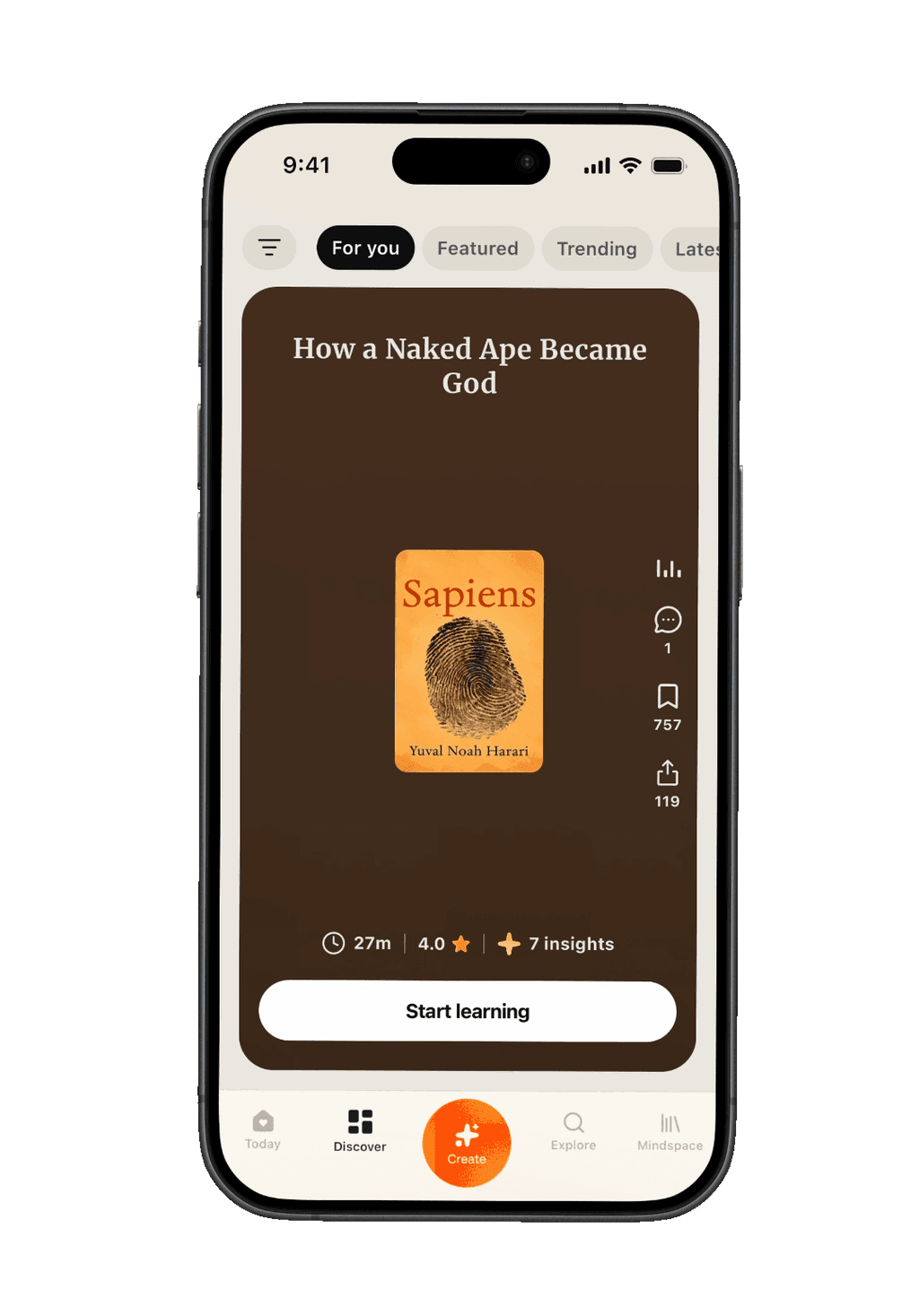
正直、まだアプリを使いこなせていませんが、この数日使っただけで本当に感動しました… BeFreed は、今まで使ったどの学習アプリともレベルが違います。夢中になれるうえに集中力も実際に上がるので、スマホをだらだら見てしまう人にぴったりです!
@ladyInfinity

Unlock your dreams by writing them down. In "Write It Down, Make It Happen," Klauser's transformative technique has inspired thousands to manifest goals through the simple act of putting pen to paper. What invisible barrier between thought and reality might you break with just a notebook?
Henriette Anne Klauser, PhD, is the bestselling author of Write It Down, Make It Happen: Knowing What You Want And Getting It and a pioneering advocate for the transformative power of writing.
A self-help expert with a PhD in English and Linguistics, she blends psychological insight with practical techniques to help readers harness writing as a tool for goal-setting, healing, and personal growth. Klauser’s work, including Writing on Both Sides of the Brain and Put Your Heart on Paper, emphasizes writing’s role in fostering clarity, connection, and catharsis.
As president of Writing Resources, she has led corporate seminars and workshops, helping individuals and organizations unlock creativity through structured writing practices. Her books, translated into multiple languages, have guided readers worldwide to manifest aspirations and navigate life’s challenges.
Write It Down, Make It Happen remains a cornerstone in the self-help genre, celebrated for its actionable strategies and real-world success stories.
Write It Down, Make It Happen by Henriette Anne Klauser, Ph.D., teaches how writing goals activates psychological mechanisms like the Reticular Activating System (RAS) to help manifest desires. Through real-life examples—like selling property by documenting price targets—it combines brain science with actionable steps, emphasizing specificity in writing and addressing subconscious fears to align focus with opportunities.
This book suits anyone seeking practical goal-setting strategies, from career changers to personal development enthusiasts. It’s ideal for those overwhelmed by vague aspirations, as Klauser’s exercises help clarify intentions. Writers and journaling advocates will also benefit from its therapeutic writing techniques to overcome mental blocks.
Yes—backed by neuroscience and success stories, the book offers actionable frameworks beyond basic journaling. Readers gain tools like "fast writing" to uncover hidden fears and methods to tie goals to meaningful causes, making it valuable for both skeptics and believers in manifestation.
Klauser explains the RAS filters sensory input to prioritize goal-related cues. Writing specifics (e.g., “$500,000 house by 2026”) trains this brain network to spotlight relevant opportunities, like noticing real estate listings or networking contacts. This mirrors studies showing written goals increase achievement likelihood by 42%.
Set a timer for 5-10 minutes and write stream-of-consciousness about a goal. This bypasses inner critics, surfacing hidden doubts (e.g., fear of rejection). Acknowledging these on paper helps dismantle mental barriers, creating space for proactive steps.
Yes. Documenting fears (e.g., “I’ll fail and look foolish”) externalizes subconscious saboteurs. Klauser cites authors who overcame publication rejections by reframing fears into problem-solving steps. This aligns with cognitive behavioral therapy principles.
Both emphasize intention-setting, but Klauser prioritizes action over mysticism. While The Secret focuses on universal energy, Klauser uses RAS neuroscience and step-by-step writing exercises, making it more practical for skeptics.
Cases include a couple selling their ranch at an exact written price and Jim Carrey manifesting a $10M check years before earning it. These stories illustrate how specificity and emotional commitment amplify results.
Some argue it oversimplifies success by underemphasizing persistent effort. However, Klauser clarifies writing is a first step, not a magic solution—consistent action remains crucial, as shown in her “small goals first” approach.
Both emphasize writing’s transformative power, but Write It Down focuses on goal manifestation, while Writing on Both Sides tackles creative problem-solving. Together, they offer complementary tools for personal and professional growth.
Start with achievable objectives (e.g., weekly savings targets) to build momentum. Success with smaller tasks boosts confidence for larger goals, like career shifts. Klauser ties this to philanthropy—linking personal goals to broader causes sustains motivation.
Documenting desired roles, skills, and salaries primes the RAS to spot relevant trainings or job postings. One case study details a teacher transitioning to corporate training by writing daily about transferable skills, leading to unsolicited offers.
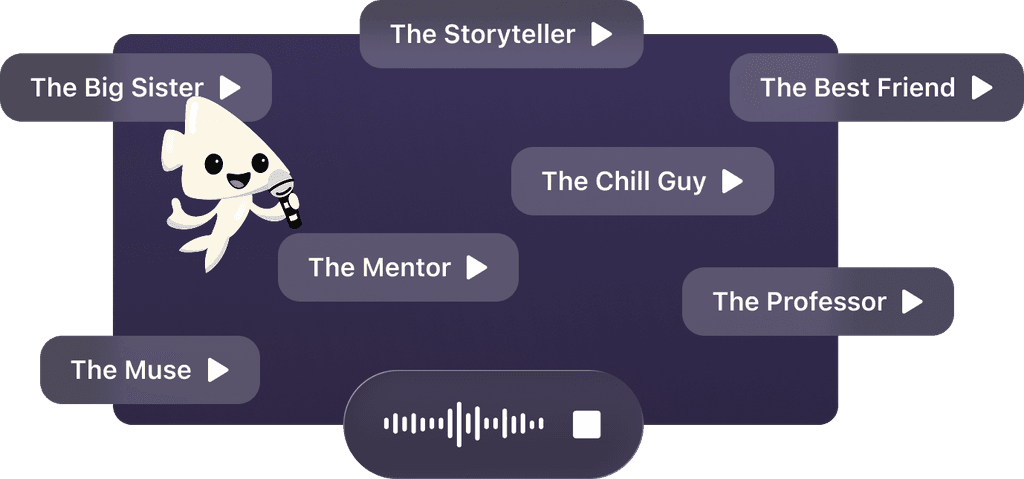
著者の声を通じて本を感じる
キーアイデアを瞬時にキャプチャして素早く学習
Vague goals lead to vague results.
Writing is not a magic wand.
Writing down your goals is the first step to making them a reality.
Your dreams are waiting for you to claim them.
ざっと読むか、深く掘り下げるか。
 パーソナライズモード
何でも質問し、学習スタイルを選び、自分に本当に響くインサイトを一緒に作れます。
Write It down, Make It Happenの要約をPDFまたはEPUBで無料でダウンロード。印刷やオフラインでいつでもお読みいただけます。
コロンビア大学卒業生が開発 | サンフランシスコ発
平均評価
7,840件以上のアプリ評価
BeFreedコミュニティ
正直、まだアプリを使いこなせていませんが、この数日使っただけで本当に感動しました… BeFreed は、今まで使ったどの学習アプリともレベルが違います。夢中になれるうえに集中力も実際に上がるので、スマホをだらだら見てしまう人にぴったりです!
@ladyInfinity
ちょうど 23 日前に BeFreed を購入して、それから毎日欠かさず使っています。仕事の流れと学習習慣に完全に溶け込みました。
@jayallen
正直なところ、このアプリは期待をすべて超えてきました。どんなテーマでも音声を生成してもらえて、その結果には驚かされます。私の専門は心理療法で、多分野にまたがる領域ですが、それでも回答はとても正確です。
@Raguipa
何よりありがたいのは、スマホをだらだら見る時間が減ったことです。探す時間が減って、吸収する時間が増えました。オーディオブック、ポッドキャスト、学習プランの組み合わせが素晴らしいです。
@colonyofcreatorsNGO
私は 24 年間、PhotoReading 加速学習のインストラクターをしています… 本と読書と学びが私の専門ですが、BeFreed は情報を消化しやすい形で届ける革新的なアプローチを見事に実現しています。
@BeFreed user
ただの本の要約アプリではありません。「ファン」スタイルを使ってみたら、従来のやり方よりずっと良い要約で、アイデアもつかみやすいです。これだけでも十分元が取れます。
@austinakon
このアプリが大好きです。数日使っただけで、聞くのが止まらなくなりました。始め方として最高です。
@jcrules328
本当に気に入っています。約 1 か月試していますが、まさに掘り出し物だと感じます。BeFreed で自分だけのテーマを作れるのが便利で、声も素晴らしく、ナレーションの選択肢は無限です。
@DanielCZ
役立つ情報やアイデアを 8〜15 分のポッドキャスト風音声にぎゅっとまとめて聞けるのが最高です。ポッドキャストは余計な話が多くて苦手でしたが、これは無駄を全部そぎ落としてくれます。
@BeFreed user
博士課程の仕上げの段階で、なじみのない資料を大量に読む必要があります… BeFreed ならプロンプトを入力するだけで、アプリが資料を探して音声ポッドキャストを作ってくれます。BeFreed のほうが NotebookLM よりも流れがスムーズだと感じます。
@Brad
朝食を作りながら、散歩しながら、通勤しながら聞くものを YouTube でよく探していましたが、BeFreed は広告も余計な話もなしで、もっと的を絞った聞き方をさせてくれます!
@BeFreed user
このプラットフォームの一番の魅力は、その万能さです。扱えないテーマは文字どおりひとつもありません。何を投げても応えてくれます… 制限がまったくないのに約束をきちんと果たしてくれる学習ツールには、なかなか出会えません。
@jayallen
BeFreed は素晴らしいです。使いやすいデザインのおかげで、操作に迷う時間が減り、学ぶ時間が増えました。オーディオブック、ポッドキャスト、学習プランの組み合わせは天才的で、毎日の習慣がすっかり変わりました。
@BeFreed user
最初はイタリア語でポッドキャストを作る方法を理解するのに少し時間がかかりましたが、わかった瞬間、最高でした!どんなテーマでも説明してもらえて、しかもとても賢く、うまく話してくれます!
@matteo77
BeFreed は毎日使うオーディオブックアプリになりました… 一番気に入っているのは、自分のテキストを入れると、外出先でも聞ける音声にしてくれるところです。
@kotanzu1




Have you ever had a dream that seemed too big, too impossible to achieve? I'm Henriette Anne Klauser, and I'm here to tell you that no dream is out of reach when you harness the power of writing. In my years of research and personal experience, I've discovered a simple yet profound truth: writing down your goals is the first step to making them a reality. In this book, we'll explore how the act of writing can transform your aspirations from mere thoughts into tangible outcomes. You'll learn why this method works, how to implement it effectively, and hear inspiring stories of ordinary people who have used this technique to achieve extraordinary things.
Let's start with a fundamental question: What happens when you write down your goals? It's more than just putting pen to paper. When you write, you're sending a clear message to your brain and the universe about what you want to achieve. Think about it this way: have you ever bought a new car and suddenly started seeing that same model everywhere? That's your Reticular Activating System (RAS) at work. By writing down your goals, you're essentially programming your RAS to notice opportunities and resources that align with your aspirations. But it's not just about noticing opportunities; it's about creating them. When you write down a goal, you're making a commitment. You're saying, "This is important to me, and I'm going to make it happen." This commitment sets in motion a series of events and decisions that lead you closer to your goal. I remember a story of a woman who dreamed of owning a bookstore. She wrote down her goal and began to notice vacant storefronts she'd never paid attention to before. She started conversations with local business owners and eventually found the perfect location. Her written goal had become a beacon, guiding her actions and decisions.
Now, I know what you might be thinking. "But Henriette, I've tried writing down my goals before, and nothing happened." Here's the thing: writing is not a magic wand. It's a tool, and like any tool, its effectiveness depends on how you use it. One of the most powerful ways to use writing is to overcome obstacles. When you face a challenge or feel stuck, writing can help you gain clarity and find solutions. I call this "writing through resistance." Let me share a technique I've found particularly effective. When you're facing a roadblock, write down your fears and concerns. Then, for each fear, write down the opposite – a positive outcome or solution. This exercise helps shift your mindset from problem-focused to solution-oriented. I once worked with a client who was terrified of public speaking but needed to give a presentation for work. We used this technique, and she wrote, "I'm afraid I'll freeze up and forget everything." Then she wrote the opposite: "I'll be well-prepared and speak confidently." This simple act of writing helped her visualize success and approach her presentation with a more positive mindset.
One of the key principles I want you to remember is the power of specificity. Vague goals lead to vague results. The more specific you are in writing down your goals, the more likely you are to achieve them. Instead of writing, "I want to be healthier," try something like, "I will walk for 30 minutes every day and eat five servings of vegetables." This level of detail gives your brain clear instructions on what to focus on and how to measure success. I once met a man who wanted to travel more. When he first wrote down his goal, it was simply "travel more." But when we worked together to make it more specific, he wrote, "I will take a two-week trip to Italy next summer, visiting Rome, Florence, and Venice." Within a year, he was standing in front of the Colosseum, his dream realized. Remember, your written goals are not set in stone. They can evolve as you grow and your circumstances change. The important thing is to keep writing, keep refining, and keep moving forward.
Now that we understand the power of writing down our goals, let's talk about how to turn those written dreams into actionable plans. This is where many people stumble. They have a beautifully written goal but no idea how to achieve it. The key is to break down your big goal into smaller, manageable steps. I like to use what I call the "stepping stone" method. Imagine your goal is on the other side of a river. The stepping stones are the small actions you need to take to get there. Let's say your goal is to write a novel. Your stepping stones might include: 1. Write for 30 minutes every day 2. Outline the plot by the end of the month 3. Complete the first draft in six months 4. Find a writing group for feedback 5. Revise the manuscript 6. Research literary agents Write down each of these steps. As you complete them, cross them off. This visual representation of your progress can be incredibly motivating. I remember working with an aspiring entrepreneur who wanted to start her own business. We broke down her goal into small, actionable steps. Each time she completed a step and crossed it off her list, she felt a sense of accomplishment that propelled her forward. Today, she runs a successful online boutique.
As we near the end of our journey together, I want to talk about the power of visualization. Writing down your goals is the first step, but to truly make them happen, you need to see them in your mind's eye. After you've written down your goal, take a few moments to close your eyes and visualize it as if it's already happened. What does it look like? How does it feel? Engage all your senses in this visualization. I once worked with an athlete who was training for a marathon. Not only did she write down her goal time, but she also visualized herself crossing the finish line, seeing the time on the clock, feeling the medal around her neck, hearing the cheers of the crowd. This vivid visualization, combined with her written goal and training plan, helped her achieve her personal best on race day.
As we conclude our exploration of the power of writing down your goals, I want to leave you with this thought: your dreams are waiting for you to claim them. By writing them down, you're taking the first step on an incredible journey of self-discovery and achievement. Remember, the act of writing is powerful, but it's just the beginning. Use the techniques we've discussed – be specific, break down your goals, visualize your success – and combine them with consistent action. Your written words are the seeds; your actions are the sunlight and water that will help them grow. So, what are you waiting for? Grab a pen and paper, or open a new document on your computer. Write down your dreams, your goals, your aspirations. Be bold, be specific, be honest with yourself. And then, armed with the power of the written word, go out and make it happen. Your journey begins now. Write it down, make it happen.

Write Like You Mean It
This plan is essential for creators struggling with writer's block or inefficient workflows. It benefits aspiring writers and content marketers looking to combine psychological breakthroughs with modern AI tools to scale their output.

Low-Friction Journaling for Busy Lives
This plan is designed for high-achievers who struggle to maintain a consistent writing practice amidst a chaotic schedule. It transforms journaling from a daunting chore into a strategic tool for emotional regulation and long-term self-reflection.

Write to be Read
In an era of digital noise, the ability to capture and hold attention is a critical professional asset. This plan is designed for writers and creators who want to bridge the gap between creative output and measurable business impact.

Self-help books for motivation and success
This plan is essential for individuals feeling stuck or overwhelmed by their ambitions, offering a roadmap to bridge the gap between dreaming and doing. It is ideal for aspiring leaders and high achievers who want to master the psychology of success and build sustainable systems for growth.

Break the Helplessness Cycle
This plan is essential for anyone feeling stuck in a cycle of inaction or overwhelmed by the belief that their efforts don't matter. It is particularly beneficial for professionals and students struggling with procrastination who want to rebuild their sense of personal mastery.

The Neuroscience of Manifestation
This plan bridges the gap between self-help and science, offering a biological perspective on achieving goals. It is ideal for high-performers and skeptics alike who want to leverage brain science to increase their personal agency and effectiveness.

Stop Overthinking and Start Doing
This plan is designed for chronic procrastinators and perfectionists who feel paralyzed by analysis. It provides a practical framework to bridge the gap between intention and action by addressing both neurological barriers and emotional triggers.

Break the Freeze: From Perfectionism to Action
This plan is designed for high-achievers and creatives who find themselves stuck in cycles of overthinking and perfectionism. It provides the psychological insights and practical tools necessary to transition from mental paralysis to consistent, confident execution.