『変える意志』の要約の概要
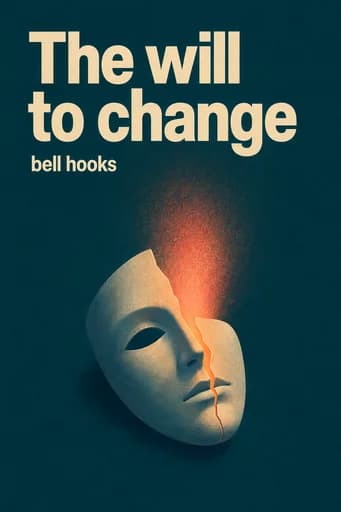
ベル・フックスの傑作である本作は、家父長制がいかに男性を傷つけているかを解剖し、真実の愛へと至る革命的な道を提示しています。2020年の人種正義運動の中で再評価され、4.38という高評価を得ているこの社会現象的な一冊は、有害な男性性に異を唱えると同時に、問いかけます。「もし男性の解放こそが、すべての人の自由への鍵だとしたら?」
変える意志の要約をダウンロード
変える意志の要約をPDFまたはEPUBで無料でダウンロード。印刷やオフラインでいつでもお読みいただけます。
ベル・フックスの傑作である本作は、家父長制がいかに男性を傷つけているかを解剖し、真実の愛へと至る革命的な道を提示しています。2020年の人種正義運動の中で再評価され、4.38という高評価を得ているこの社会現象的な一冊は、有害な男性性に異を唱えると同時に、問いかけます。「もし男性の解放こそが、すべての人の自由への鍵だとしたら?」
変える意志の要約をPDFまたはEPUBで無料でダウンロード。印刷やオフラインでいつでもお読みいただけます。
コロンビア大学卒業生が開発 | サンフランシスコ発
平均評価
7,840件以上のアプリ評価
BeFreedコミュニティ
正直、まだアプリを使いこなせていませんが、この数日使っただけで本当に感動しました… BeFreed は、今まで使ったどの学習アプリともレベルが違います。夢中になれるうえに集中力も実際に上がるので、スマホをだらだら見てしまう人にぴったりです!
@ladyInfinity
ちょうど 23 日前に BeFreed を購入して、それから毎日欠かさず使っています。仕事の流れと学習習慣に完全に溶け込みました。
@jayallen
正直なところ、このアプリは期待をすべて超えてきました。どんなテーマでも音声を生成してもらえて、その結果には驚かされます。私の専門は心理療法で、多分野にまたがる領域ですが、それでも回答はとても正確です。
@Raguipa
何よりありがたいのは、スマホをだらだら見る時間が減ったことです。探す時間が減って、吸収する時間が増えました。オーディオブック、ポッドキャスト、学習プランの組み合わせが素晴らしいです。
@colonyofcreatorsNGO
私は 24 年間、PhotoReading 加速学習のインストラクターをしています… 本と読書と学びが私の専門ですが、BeFreed は情報を消化しやすい形で届ける革新的なアプローチを見事に実現しています。
@BeFreed user
ただの本の要約アプリではありません。「ファン」スタイルを使ってみたら、従来のやり方よりずっと良い要約で、アイデアもつかみやすいです。これだけでも十分元が取れます。
@austinakon
このアプリが大好きです。数日使っただけで、聞くのが止まらなくなりました。始め方として最高です。
@jcrules328
本当に気に入っています。約 1 か月試していますが、まさに掘り出し物だと感じます。BeFreed で自分だけのテーマを作れるのが便利で、声も素晴らしく、ナレーションの選択肢は無限です。
@DanielCZ
役立つ情報やアイデアを 8〜15 分のポッドキャスト風音声にぎゅっとまとめて聞けるのが最高です。ポッドキャストは余計な話が多くて苦手でしたが、これは無駄を全部そぎ落としてくれます。
@BeFreed user
博士課程の仕上げの段階で、なじみのない資料を大量に読む必要があります… BeFreed ならプロンプトを入力するだけで、アプリが資料を探して音声ポッドキャストを作ってくれます。BeFreed のほうが NotebookLM よりも流れがスムーズだと感じます。
@Brad
朝食を作りながら、散歩しながら、通勤しながら聞くものを YouTube でよく探していましたが、BeFreed は広告も余計な話もなしで、もっと的を絞った聞き方をさせてくれます!
@BeFreed user
このプラットフォームの一番の魅力は、その万能さです。扱えないテーマは文字どおりひとつもありません。何を投げても応えてくれます… 制限がまったくないのに約束をきちんと果たしてくれる学習ツールには、なかなか出会えません。
@jayallen
BeFreed は素晴らしいです。使いやすいデザインのおかげで、操作に迷う時間が減り、学ぶ時間が増えました。オーディオブック、ポッドキャスト、学習プランの組み合わせは天才的で、毎日の習慣がすっかり変わりました。
@BeFreed user
最初はイタリア語でポッドキャストを作る方法を理解するのに少し時間がかかりましたが、わかった瞬間、最高でした!どんなテーマでも説明してもらえて、しかもとても賢く、うまく話してくれます!
@matteo77
BeFreed は毎日使うオーディオブックアプリになりました… 一番気に入っているのは、自分のテキストを入れると、外出先でも聞ける音声にしてくれるところです。
@kotanzu1




変える意志の同じアイデアを、あなたに合う声・深さ・ペースで学べます。いつでも切り替えられます。
Bell hooks' "The Will to Change" has become a cultural touchstone since its publication, with figures from Laverne Cox to Dax Shepard citing it as transformative to their understanding of gender and power. The book's enduring relevance stems from its radical proposition: patriarchy damages men as profoundly as it harms women. While many feminist texts examine how sexism oppresses women, hooks takes a different approach, arguing that the emotional mutilation required of boys to become "real men" creates a crisis of masculinity that affects all aspects of society. As mass shootings, online radicalization, and mental health crises among men continue to make headlines, hooks' compassionate analysis offers a path forward that neither demonizes men nor excuses harmful behavior. Instead, she invites us to imagine what might happen if men were allowed-even encouraged-to reclaim their full humanity.
Before feminist movement emerged, boys were taught they would find fulfillment through work. Today, they hear that money offers fulfillment, with work being just one path to acquiring it. This shift occurred as capitalism transformed the nature of work itself. Few men today can expect lifetime employment with a single company, with periods of unemployment becoming common across all social classes. Rather than reimagining the patriarchal script that ties male identity to providing, men are offered various addictions to make unsatisfying work bearable. Pornography soothes men performing tedious, dehumanizing jobs where their physical well-being is constantly at risk. The reality is that most male workers, like their female counterparts, work in exploitative circumstances that systematically undermine their self-esteem. Antifeminist sentiment often claims men were content in their provider roles until feminist workplace equality created male discontent. Yet studies conducted before feminist movement showed males already expressing grave dissatisfaction about work. Susan Faludi's research documents how older men felt changes in work valuation and female competition robbed them of provider pride, creating what she termed a "masculinity crisis." The early nineties' recession intensified male unemployment, further undermining the breadwinner role. Even employed men lived in constant fear of layoffs, their footholds as providers frighteningly unsteady. Though many men believe providing financially measures their manhood, their behavior often contradicts this belief. Men who make money yet refuse alimony or child support, or who squander paychecks on individual pleasures, challenge patriarchal claims that men eagerly provide. Barbara Ehrenreich highlighted that many men aren't eager providers at all-the "playboy" concept emerged precisely from men's longing to escape this role. Men who give meager portions of their wages maintain the provider illusion while women's income becomes backup allowing patriarchal men to squander money on personal vices. Today's male worker struggles to provide even for himself, let alone a family, intensifying fears of failure. Men making substantial money typically work extremely long hours, spending little time with loved ones-a circumstance shared with lower-earning men working similar hours. Work obstructs love because those long hours drain energy, leaving little time for emotional labor. This fundamental conflict between work time and love time remains largely unexamined. Patriarchal culture assumes men should sacrifice meaningful connections to get jobs done, without examining men's feelings about losing time with children, partners, and self-development.
『変える意志』の要約の一語一語が音声に合わせてリアルタイムでハイライトされ、自然に読み進められます。
Patriarchy demands that males engage in psychic self-mutilation, killing off emotional parts of themselves. Having cut away the parts that could feel a wide range of emotional responses, men become disconnected, unable to give more emotionally or even understand what's being asked of them. Women seeking intimacy often find their expressions of longing belittled or met with emotional withdrawal and abuse. Men cannot express their pain in patriarchal culture, learning this lesson in early childhood. Despite feminist movement's successes, the socialization of boys into patriarchal masculine identity hasn't been radically altered. There's little literature offering guidance to men seeking to create progressive identities, unlike the abundant resources for women questioning sexist female roles. To heal, men must learn to feel again and break their silence. Often when men try to speak their pain to women, they're refused a hearing because many women have bought into the patriarchal masculine mystique. Without an organized feminist men's movement advocating for men's emotional awareness, countless men try expressing feelings only to be shut down by both women and other men. Heterosexual men typically only share with sexual partners, often in brief moments around sex. Many men spend lifetimes avoiding vulnerability and therefore never experience true intimacy. We've all colluded with patriarchy by faking intimacy with men, pretending closeness we don't feel. The more patriarchal a man is, the more disconnected he must be from feeling, making genuine connection impossible. Terrence Real suggests most men don't understand intimacy, seeing relationships as either controlling or being controlled. Their fear of intimacy is actually fear of subjugation, often triggered by experiences with maternal sadism where manipulative women exploited boys' emotional vulnerability. Before men can be intimate with others, they must become intimate with themselves by learning to feel. Since emotional pain is what most males have numbed out, the journey back to feeling often comes through suffering. Male rage frequently covers this vulnerability, and shame about emotional vulnerability is what closed-down men seek to hide. Learning intimacy is a relational skill teaching the value of self-knowledge. Gary Zukav and Linda Francis define intimacy as shifting from pursuing external power to authentic power-aligning personality with soul. Men trapped in patriarchal masculinity struggle to believe their souls matter. Any man choosing compassion heals his spirit and moves away from domination.
Healing the masculinity crisis requires acknowledging that patriarchal culture demands men be divided souls. Most men have surrendered their wholeness, and the quest for integrity is the heroic journey needed to prepare their hearts to give and receive love. Boys learn early to wear masks, hiding core feelings that don't conform to patriarchal masculinity. Rewarded for self-betrayal, they develop false selves when taught their true feelings are unacceptable. This splitting creates hopelessness-the sense that one can't be loved as oneself. While feminist movement created space for girls to develop identities beyond sexist definitions, boys haven't received similar freedom. The resulting compartmentalization in male psyches breeds mental illness, diminishing their capacity to live fully, experience joy, or truly love. Emotionally wounding boys is socially acceptable in patriarchal culture. Boys are forced out of wholeness and taught to bury their deepest selves, mistrust closeness, and despise vulnerability-essentially engaging in self-inflicted soul murder. This wound can only heal through practicing integrity, which means becoming whole, unbroken, and undivided. Patriarchy encourages men to surrender integrity through compartmentalization, which feels comfortable but prevents wholeness. Without integrity, men develop low self-esteem from constant lying and dissimulation to perform the sexist male role. The stress of maintaining a false self erodes male self-esteem. Much male depression stems from inability to be whole-the memory of losing one's true self coupled with rage at a world that demanded this surrender. This unidentified suffering leads many to addiction, particularly workaholism, which society rewards rather than recognizes as harmful. Work becomes where men detach from feelings, a self-induced trance keeping painful emotions at bay. When addictions stop working, depression often follows. Men's depression often masks an inability to grieve. Unlike women who are allowed emotional space to cry throughout life, men are taught to suppress sorrow. Male rage frequently hides profound sorrow and unprocessed grief. Without rituals for mourning, men struggle to process emotional transitions. To grow psychologically and spiritually, men need to mourn their old selves to create space for transformation. Patriarchy teaches fathers to see sons as adversaries, but healthy father figures know when to let go and affirm their sons' autonomy. Caring fathers with integrity shield their sons' tender hearts from patriarchy's assaults. When men practice integrity, they learn flexibility, negotiation, and embracing change-accepting responsibility that sets them free. Unlike wounded men who remain emotionally distant, men of integrity affirm themselves and others, finding joy in service and caretaking.
Growing up, hooks knew her father as the strong, silent provider and protector-the stranger in their house whose life remained shrouded in mystery. They searched for glimpses of him in old photographs, trying to know this quintessential patriarch raised for war. To write about men and love requires speaking of war. Civilization falsely claims it cannot survive men's loving because men who love cannot kill on command. Yet if men were natural-born killers, patriarchal socialization wouldn't be needed to make them warriors. The warrior's way profoundly wounds men's spirits, threatening all life on Earth. As Shepherd Bliss confesses, military trauma damages us, and we must mature beyond the warrior archetype toward peacemaking. Though war originally included both genders, patriarchy assigned predator status exclusively to males, making men predators and women prey. We cannot speak of love between women and men without ending war-making thinking. Resistance must go beyond opposing war to resist everything war-like in modern society. As Thich Nhat Hanh explains, resistance means opposing being invaded and destroyed by the system, seeking healing to see clearly. Communities of resistance should be places where people can recover wholeness. Relationships and partnerships must become vital communities of resistance, since most families in dominator cultures aren't safe places. Our struggles to end domination must begin at home, where we experience power to create life-transforming change. We must reimagine family as resistance, seeing boyhood not as indoctrination into violent manhood but as a time for boys to glory in connection and intimacy. Following Thomas Moore's wisdom, we should end disparagement of boyhood's immaturities and delight in beauty, encouraging boys wherever we find them. Creating a culture where boys can love requires seeing family's primary function as giving love. When families are functional rather than dominator-based, boys can develop games celebrating life rather than causing pain, exploring individual differences without domination. Men must set examples by daring to heal and do relational recovery work. Regardless of sexual preference, men in self-recovery often begin by returning to boyhood memories, evaluating what they learned about masculinity and when they suppressed their true feelings. Progressive gay men who've resisted patriarchal thinking have been at the forefront of emotional awareness. Men are on the path to love when they choose emotional awareness, which Zukav and Francis describe as "a natural expression of orientation toward the most noble, fulfilling part of yourselves-your soul."
Every day in America, men are violent. Patriarchal psychology insists there's a biological connection between having a penis and the will to do violence, despite documented evidence of cultures where men aren't violent and where rape and murder rarely occur. Daily, men turn away from violence but don't document how they navigate patriarchal masculinity without succumbing to its violent demands. As women gain the right to be "patriarchal men in drag," they too engage in similar acts of violence, revealing that violence isn't linked to biology but to expectations about power in dominator culture. Radical feminist Andrea Dworkin has consistently named the widespread scope of male violence against women, citing UN reports that call violence against women "the world's most pervasive form of human rights abuse" and Justice Department statistics showing one in twelve women will be stalked in her lifetime. Beyond physical assault lies the widespread emotional abuse that has become an accepted norm in male-female relationships. Terrence Real reveals our "conspiracy of silence" about what relationships with men are really like-our collective cultural collusion with patriarchy. The fundamental secret is that "girls, women-and also young boys-all share this in common. None may speak the truth about men." Even men who were rebellious and anti-patriarchal in youth often unconsciously reenact their fathers' dominator models as they mature into the work world. No man who does not actively choose to work to change and challenge patriarchy escapes its impact. The most passive, kind, quiet man can come to violence if the seeds of patriarchal thinking have been embedded in his psyche. This explains the Dr. Jekyll and Mr. Hyde behavior women describe in alternately caring then abusive men. Research on college men revealed many saw nothing wrong with forcing a woman sexually under certain circumstances. Terrence Real calls boys' early indoctrination into patriarchal thinking "normal traumatization"-the way we "turn boys into men" through injury, severing them from expressiveness, feelings, and sensitivity. This disconnection is masculinity itself. Teaching men that love and abuse cannot coexist is a primary goal for groups working to end male violence. Kay Leigh Hagan shares a transformative moment when a male friend told her "in a loving relationship, abuse is unacceptable. You should not have to tolerate any abuse to be loved." This wisdom changed her understanding of love and power forever. Most women aren't so fortunate. Many explain away male violence by insisting on gender differences that normalize abuse. Heterosexual women often feel they cannot escape being victimized at some point by emotional or physical abuse from male partners. This collective female acceptance makes challenging male violence difficult.
『変える意志』の要約の一語一語が音声に合わせてリアルタイムでハイライトされ、自然に読み進められます。
Most men and women aren't having fulfilling sex. Despite the common belief that men seek sex while women seek love, men actually approach sex hoping it will provide emotional satisfaction and connection. When sex fails to deliver these goods, rather than abandoning their obsession, men intensify their longing. Sexist socialization teaches men that their heart's desire should be sex and more sex. Many believed sexual liberation meant women would become sexually predatory like men, promising connection without commitment. These attitudes fuel our cultural obsession with sex. While public discussions about sex are acceptable and commonplace, conversations about love remain taboo. We're bombarded with sexual content in media, yet serious discussions of love are rare. Most people believe we're biologically hardwired for sex but not for love, and that relationships without sex are impossible, though the reverse isn't true. Despite feminist movement's success in challenging female inequality in work, education, and religion, sexist thinking about sexual relations persists. The dangerous belief that "men gotta have it" underlies our culture's acceptance of male sexual violence, including prison rape, date rape, and child abuse. This assumption explains why many still believe rape victims "asked for it" and why celebrities accused of child abuse often remain cultural icons. Children today learn about sex primarily through mass media, absorbing patriarchal scripts about sexuality. They're taught that sexual relations always involve dominance and submission, with males naturally dominating females or weaker males. The message that sexually deprived men will "go mad" without release creates what feminist thinkers call "rape culture." Males learn early that a primary reward for patriarchal obedience is the right to sexually dominate others. This logic shapes both peer abuse and adult sexual violence. In patriarchal culture, struggles for power often manifest most destructively in intimate relationships. Men who wouldn't express rage toward bosses unleash fury when intimates ask them to change their behavior. For the patriarchal male, addictive sexuality isn't about connection but about constantly reaffirming selfhood through sexual release. No amount of sexual activity satisfies the craving because it's not truly about sex but about something deeper. Sex becomes self-solacing rather than connecting-a way to release pain that men have no other outlet to express. The stronger their feelings of inadequacy and fear of rejection, the stronger their obsession with sex becomes. Patriarchal violence is a mental illness, finding its most disordered expression in men's sexual lives. The inherent positive sexuality of males has been twisted into violence-a patriarchal crime perpetuated against the male body that most men lack the strength to report. Men know this truth but have been taught not to speak it.
Mass media continually indoctrinates boys and men into patriarchal thinking and practice. Feminist theory had little impact on males because it was primarily expressed in books they weren't reading. While some male authors wrote critiques of destructive masculinity in the late sixties and early seventies, these works never impacted male consciousness the way feminist books affected women. Television shows directed at children perpetuated sexist myths. The Incredible Hulk, popular among boys across class and racial backgrounds, taught that brutal physical force was a viable response to crisis. When asked what they would do with the Hulk's power, young male viewers said they would "smash their mommies." The Hulk represented the ultimate patriarchal man-a rational white scientist who transforms into a colored beast when angry, then returns to his normal self with no memory of his violent actions. Unable to form sustained emotional bonds, he embodies disconnection and disassociation while linking sexism and racism. Paul Hoch argues in "White Hero, Black Beast" that Western masculinity is constructed through racial domination-the "white hero" achieves manhood by defeating the "dark beast." Recent films rely on racialized narratives that valorize patriarchal white masculinity. By portraying the threatening male-rapist, terrorist, murderer-as a dark other, white male patriarchs deflect attention from their own misogyny and violence. Patriarchal white males use mass media to portray violent woman-hating men as aberrant and abnormal. The PBS documentary about the Hillside Strangler exemplifies this: a handsome, hardworking "all-American white boy" who murdered women was presented as an "unlikely suspect." Even after his arrest, professionals sought to classify him as insane rather than confront his calculated misogyny. When he stated "A woman is nothing to me. I can kill her in a minute," his hatred was blamed on his mother rather than patriarchy. Recent films like Good Will Hunting and Monster's Ball expose patriarchy's damage while offering limited paths forward. In Good Will Hunting, Will struggles to reclaim emotional connections after being schooled in masculine stoicism. Monster's Ball depicts three generations of white men trapped in patriarchal conditioning, where the grandson who resists-being antiracist and emotionally available-commits suicide. These films portray patriarchy's evils without offering viable alternatives, suggesting that truly challenging the system leads to destruction. Enlightened men must claim mass media as the space for their public voice to create a progressive culture teaching men how to connect and love.
Feminism is automatically viewed as the enemy by most men, risking being seen as man-hating. While patriarchal culture promotes fear and hatred of females, most men haven't consciously chosen patriarchy as their governing ideology. Despite small rebellions against it, men haven't embraced feminism as a movement to end patriarchy. Though a minority of early feminists were antimale, visionary feminist thinkers recognized that patriarchy itself was the problem, not men. Yet this nuanced view never received media attention, perpetuating the myth that feminists hate men. While feminist thinkers recognized how patriarchy hurts men, there's never been ongoing effort to address male pain. Many feminist women express concern for men under patriarchy but are unwilling to invest energy in educating them. Without a collective, affirming call for boys and men to join feminist movement for their own liberation, reformist feminists focused on gaining equal access to power rather than freeing masses of women or less powerful men from sexism. We lack accessible feminist writing addressing men, boyhood, or guiding boys toward non-sexist identity construction. Children's literature and education remain dominated by patriarchal perspectives, with gender equality viewed merely as giving girls the same privileges as boys, not granting boys traditionally feminine rights like choosing non-aggressive play or wearing costumes of either gender. Men disappointed with female-led feminism turned to the men's movement, which positively emphasized emotional connection between men but negatively promoted separation from women as necessary for self-actualization-echoing old patriarchal messages in new packaging. Robert Bly's movement claimed feminism had emasculated men, offering the "Wild Man" myth that reinforced cliches about "real masculinity" rather than fostering new relationships between genders. Men need new models for self-assertion not requiring an enemy "other" for definition. Rejecting patriarchal masculinity means defining maleness as a state of being rather than performance. Male being must stand for the essential core goodness of the self. Rather than calling for "an end to manhood," which suggests inherent evil in maleness, we must reclaim masculinity from patriarchal domination. There is a creative, life-enhancing place for the masculine in nondominator culture. To offer men liberation from patriarchy, we must replace the dominator model with a partnership model that recognizes interdependency as our natural state. In this model, selfhood remains core to identity regardless of gender. Feminist masculinity centers around inherent goodness that's relationally oriented, assuming males are born with the will to connect rather than aggress. It defines strength as responsibility for self and others rather than "power over." This strength belongs to all genders. Feminist masculinity commits to equality and mutuality, privileging nonviolence over violence, peace over war, life over death.
Feminism offered a vision of relationships rooted in mutuality without domination, but this promise can only be fulfilled when patriarchal thinking ceases to dominate. We must look directly at males and speak the truth: the time has come for a revolution of values. We cannot turn away from boys and men while wondering why the politics of war shapes both national policy and intimate relationships. As feminist visibility diminishes, many females embrace patriarchy for salvation, assuming the patriarchal mask themselves. This perverse vision of gender equality merely offers women "equal access to the house of the dead" where love cannot exist. The male journey to love will never be simple in patriarchal culture. Like women who have navigated difficult terrain to find love, men need consciousness raising, support groups, therapy, and education. We ask men to change without creating a culture to affirm and assist them. As Terrence Real notes, "When we lose our way, help from those who know and love us is essential." Women who have been both helped and hurt by men can recognize "Good Men" who listen more than talk, self-reflect, educate themselves about women's reality, avoid using women for vicarious emotional expression, and challenge other men's misogyny. These men understand that male privilege prevents them from becoming whole, authentic human beings. When men love, it changes their sexuality. Patriarchal conditioning promises men that sexuality will fulfill their needs for pleasure, vitality and connection, but simultaneously teaches them to repress sensuality and numb feelings. This contradiction leaves men forever yearning, forever lacking. As Paul Bearman explains, "All of these human needs are then promised to us by way of sex and sexuality.... But in no way can sex completely fulfill these needs." Men must embrace passion-whose Latin root patior means "to suffer"-moving through pain to reclaim their complete humanity. Unlike addictive patriarchal sexuality, passion rooted in life-affirming eros deepens emotional connection. In loving sexual intimacy, partners aren't interchangeable but unique individuals who care for each other, using physical intimacy to deepen emotional bonds. Individual men pursue emotional recovery daily without patriarchal cultural support, especially poor and working-class men. Working-class men who find recovery often struggle to reenter patriarchal culture, with partners sometimes viewing emotional expression as weakness. In a non-patriarchal world, unemployment could become time for self-actualization and healing, including literacy programs for struggling men. When patriarchy no longer dominates, men could view work as part of life rather than their entire existence. Men in pain are calling out. The work of male relational recovery cannot be done alone. A culture of healing that empowers males to change is emerging. We need to stand by them with open hearts as they exercise the will to change.
“23日間、毎日使い続けています。今では日課の一部です。”
jayallen


The Will to Power and Self-Mastery
This plan is essential for individuals seeking to break free from societal conditioning and reclaim their personal narrative. It is designed for those who want to master their internal impulses and transform their lives through the lens of existential philosophy and self-determination.

The Female Eunuch: Reclaiming Vitality
This plan is essential for anyone seeking to understand the radical roots of modern feminism and the social construction of gender. It is ideal for students of sociology, gender studies, or readers looking to reclaim their personal autonomy from societal expectations.

The High-Value Woman's Blueprint
This blueprint is essential for women seeking to reclaim their autonomy from manipulative dynamics and internal self-doubt. It provides a comprehensive toolkit for anyone ready to transition from being reactive to becoming an emotionally unshakeable, assertive leader of their own life.

The Grit of Change
This plan offers a deep dive into the volatile eras that reshaped the modern world, focusing on the friction between progress and human rights. It is essential for students of history, sociology, or activism who want to understand how collective action drives societal evolution.

Black Love & Romance: A Man's Mastery Guide
This guide is essential for Black men seeking to navigate modern romance while honoring their cultural heritage and personal growth. It provides a roadmap for moving beyond casual dating toward building stable, legacy-focused partnerships that strengthen the community.
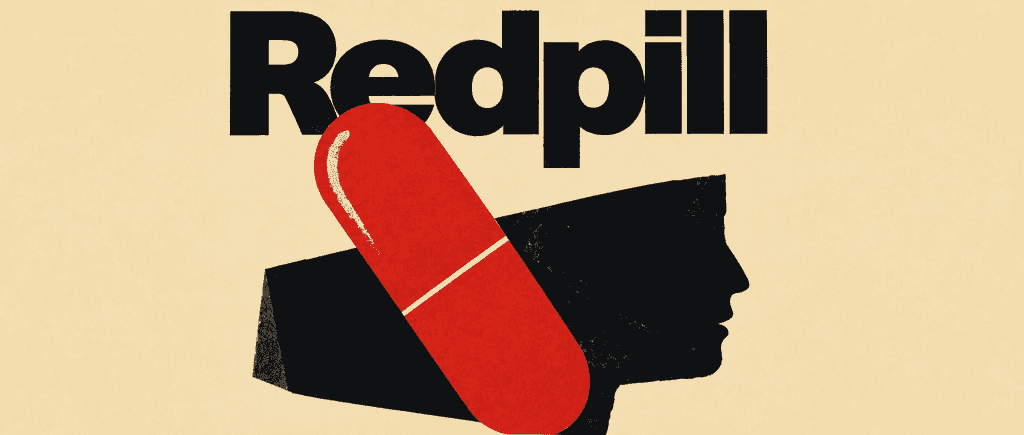
Redpill
This plan is essential for men seeking to understand the underlying biological and psychological drivers of attraction and social hierarchy. It is designed for individuals who want to move beyond surface-level dating advice to achieve genuine personal mastery and healthier, more informed relationship dynamics.

The Unshakable Man: Domestic Resilience
This plan is designed for men navigating high-conflict home environments or challenging domestic dynamics. It provides the essential psychological tools to stop reactive cycles and reclaim personal stability.

David deida way of the superior man
This plan is essential for men seeking to transcend mediocre living by balancing strength with sensitivity. It is ideal for those wanting to master their relationships and find a deep, mission-driven direction in life.