第1章
The Three Virtues That Transform Ordinary Teams Into Champions
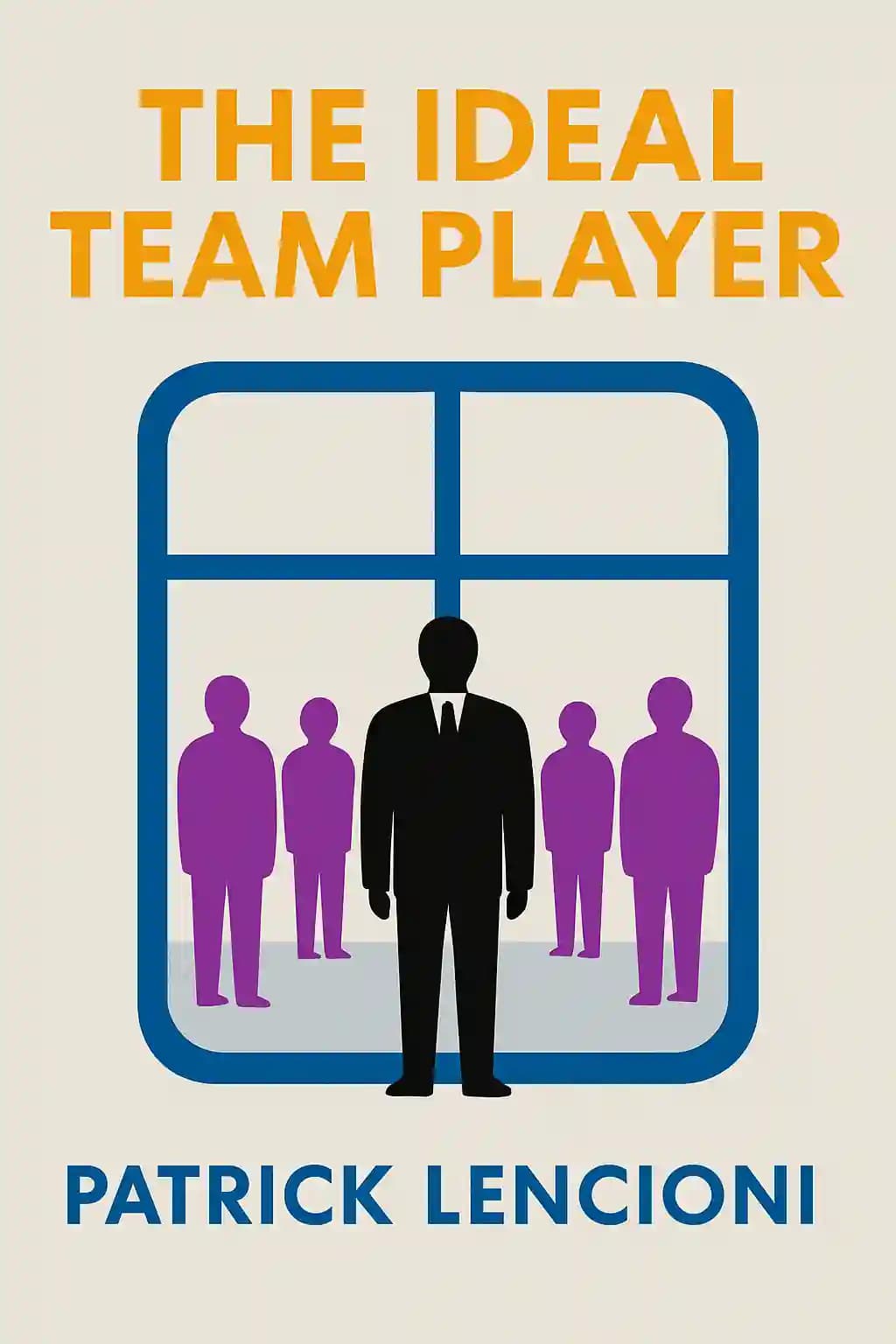
When Patrick Lencioni's "The Ideal Team Player" hit shelves in 2016, it quickly joined the ranks of essential business literature. The book has sold over a million copies worldwide and consistently appears on leadership reading lists at companies like Microsoft, Google, and Amazon. What makes this work particularly compelling is its accessibility-Lencioni presents profound insights through a business fable that resonates with readers at all organizational levels. The Wall Street Journal praised it as "a leadership fable that is as compelling and enthralling as it is realistic, relevant and practical." Perhaps most telling is that Lencioni practices what he preaches-his own consulting firm, The Table Group, has maintained remarkably low turnover by implementing the very principles outlined in the book. In a business world increasingly dependent on effective collaboration, Lencioni offers a refreshingly simple yet powerful framework for building truly exceptional teams.
第2章
The Virtues That Define Great Team Players
At the heart of Lencioni's framework lies a deceptively simple idea: the ideal team player embodies three essential virtues-humble, hungry, and smart. While these terms might seem familiar, Lencioni imbues them with specific, actionable meanings that transform them from abstract concepts into practical tools for team development.
Humility forms the foundation and proves the most crucial of the three virtues. Humble team members lack excessive ego or concerns about status, consistently putting collective success ahead of personal acclaim. They quickly acknowledge others' contributions, readily admit mistakes, and willingly do work that might be considered "beneath them." For example, a humble executive might be found helping to set up chairs before a meeting or staying late to help junior staff complete a project. Humility isn't about lacking confidence or ambition-it's about maintaining a realistic assessment of one's strengths and weaknesses while prioritizing team achievement over individual recognition.
Hunger represents a relentless desire to work hard and do whatever is necessary for the team's success. Hungry people are self-motivated, diligent, and proactive, consistently seeking more responsibility and new challenges. They don't need constant direction or supervision because they're intrinsically driven to contribute beyond their formal responsibilities. This might manifest as volunteering for additional projects, actively seeking feedback for improvement, or identifying and solving problems before they're asked. Hungry team members typically arrive early, stay late when needed, and constantly think about how to improve processes and outcomes.
Smart, in this context, isn't about intellectual capacity but rather interpersonal awareness-what we might call emotional intelligence or people smarts. Smart team players understand group dynamics, read social cues effectively, and navigate complex interpersonal situations with sensitivity. They know when to speak up and when to listen, how to disagree respectfully, and how to adapt their communication style to different personalities. For instance, a smart team player might notice a colleague's discomfort during a meeting and find a way to draw them into the conversation constructively.
What makes these virtues so powerful is their interdependence and synergy. Someone who is humble but not hungry might be pleasant but ineffective, becoming the agreeable but underperforming team member. A person who is hungry but not humble can drive results while destroying morale, becoming the toxic achiever. Someone smart without humility might charm their way through situations without genuine contribution, becoming the skilled politician rather than a true team player. The magic happens when all three virtues converge in one person, creating what Lencioni calls the ideal team player.
The beauty of this framework lies in its universality and practical applicability. These qualities matter regardless of industry, role, or organizational level. Whether you're leading a Fortune 500 company, managing a restaurant, or coaching a sports team, these virtues consistently predict who will enhance team performance rather than undermine it. Organizations can use this framework in hiring, development, and team composition decisions.
What's particularly compelling is how these virtues create a virtuous cycle within teams. Humble team members naturally build trust and psychological safety. Hungry individuals inspire others through their example and raise the team's overall performance standards. Smart colleagues facilitate smoother interactions and help maintain positive team dynamics. Together, they create an environment where true teamwork can flourish and teams can achieve their highest potential.
第3章
The Costly Impact of Missing Virtues
What happens when team members lack one or more of these essential virtues? The consequences can be devastating to team dynamics and organizational performance.
Consider the person who lacks humility-the "skillful politician." These individuals often rise through organizational ranks because they're hungry for achievement and smart enough to navigate social situations. But their ego-driven approach eventually creates toxicity. They take credit for successes while deflecting blame for failures. They undermine colleagues they perceive as threats. They create an environment of competition rather than collaboration.
I once consulted with a technology company where a brilliant but arrogant executive had created exactly this dynamic. Team meetings became political battlegrounds rather than problem-solving sessions. Information was hoarded rather than shared. The company's performance suffered not from lack of talent but from the absence of true teamwork.
Equally problematic is the "lovable slacker"-humble and interpersonally smart but lacking hunger. These pleasant team members never cause drama but consistently underdeliver. Their colleagues like them personally but grow resentful of carrying their workload. Organizations often tolerate these individuals far too long because they're likable, even as their lack of drive drags down team performance.
Perhaps most damaging is the "accidental mess-maker"-humble and hungry but lacking interpersonal intelligence. These well-intentioned team members work incredibly hard and genuinely want to contribute, but they create interpersonal havoc through their social blindness. They inadvertently offend colleagues, miss important social cues, and create tension they don't even recognize.
The financial impact of these missing virtues is staggering. Studies consistently show that team dysfunction accounts for billions in lost productivity annually. A Gallup study found that actively disengaged employees-often the result of poor teamwork-cost U.S. businesses up to $550 billion yearly in lost productivity.
What's particularly insidious is how these problems compound over time. Teams lacking ideal team players don't just perform poorly-they drive away other talented individuals who seek healthier environments. This creates a downward spiral where dysfunction becomes self-reinforcing.
第4章
The Valley Builders Story: Teamwork Under Pressure
Lencioni illustrates his concepts through the story of Valley Builders, a successful construction company facing unprecedented challenges. When Jeff Shanley leaves his high-tech career to take over his uncle's construction business, he inherits not just a company but a crisis: his uncle's sudden health problems coincide with landing two major projects that will require rapid hiring.
This scenario creates the perfect laboratory for exploring team dynamics under pressure. Jeff quickly realizes that Valley Builders' success hinges not just on finding enough people but on finding the right people-true team players who can work effectively together under demanding circumstances.
The story brilliantly illustrates how traditional hiring approaches often fail to identify the qualities that truly matter for team success. Valley Builders had been asking standard interview questions about teamwork without clearly defining what makes someone a good team player. Candidates could easily provide the "right" answers without necessarily possessing the underlying virtues.
Through trial and error, Jeff and his leadership team develop practical methods for identifying humble, hungry, smart candidates. They learn to look beyond resumes and rehearsed interview responses to assess candidates' true character. They discover that unconventional interview settings-like running errands together-often reveal more than formal office meetings.
Perhaps most importantly, they realize that compromising on these virtues, even when facing urgent staffing needs, ultimately creates more problems than it solves. When they mistakenly consider hiring Ted, a seemingly qualified candidate who subtly lacks humility, they narrowly avoid a potentially disastrous leadership appointment.
The Valley Builders story resonates because it reflects challenges familiar to any organization. How do you maintain cultural standards while growing rapidly? How do you assess character traits that candidates are incentivized to fake? How do you balance immediate staffing needs against long-term team health?
What makes the story particularly compelling is watching Jeff and his team learn to trust their instincts about people. When something feels off about a candidate despite impressive credentials, they've learned to investigate further rather than ignore their concerns. This intuitive dimension of team building-the ability to sense when someone will enhance or detract from team dynamics-is something many leaders neglect at their peril.
第5章
Identifying the Ideal Team Player in Hiring
The most critical application of Lencioni's model comes during the hiring process. Getting the right people on the team from the beginning prevents countless problems down the road. But identifying humble, hungry, smart candidates requires more sophisticated approaches than standard interviews.
Traditional hiring methods often fail because they focus primarily on technical skills and experience while treating character and teamwork as secondary considerations. Moreover, most candidates have rehearsed answers to standard teamwork questions ("Tell me about a time you worked on a successful team..."). These polished responses reveal little about how someone will actually behave when facing team challenges.
Lencioni suggests several unconventional but effective approaches. Group interviews allow multiple team members to observe how candidates interact, not just what they say. Taking candidates to lunch or running errands together reveals behavior in less formal settings. Asking candidates to perform actual work-even briefly-demonstrates their approach to tasks and collaboration.
The questions themselves matter tremendously. Instead of asking directly about humility (which few would admit lacking), ask what their previous colleagues would say were their biggest weaknesses. Watch whether they credit team members when describing past successes or use "I" exclusively. For hunger, probe beyond standard work ethic questions to discover what they've done beyond job requirements or how they've responded when projects demanded extraordinary effort.
Perhaps most revealing is how candidates treat people perceived as "less important" during the interview process. Do they show the same respect to receptionists and assistants as they do to senior leaders? Nancy, the project manager in the Valley Builders story, couldn't remember the receptionist's name despite spending hours with her-a subtle but telling indicator of her interpersonal limitations.
Reference checks, while increasingly restricted by corporate policies, remain invaluable when approached creatively. Rather than asking for general assessments, seek specific behavioral examples: "Can you describe a time when Sarah put the team's needs above her own?" Position yourself as trying to ensure a good fit rather than investigating problems, which helps references speak more freely.
What's particularly valuable about Lencioni's approach is its focus on patterns rather than isolated incidents. Everyone occasionally has moments of ego, laziness, or social awkwardness. The ideal team player consistently demonstrates humility, hunger, and smarts across different situations and relationships.
第6章
Developing Team Players from Within
What about existing team members who lack one or more virtues? Can humility, hunger, and smarts be developed, or are they fixed personality traits?
Lencioni takes a nuanced approach to this question. These virtues can indeed be developed, but only if the individual genuinely wants to improve. The development process begins with honest assessment-helping team members recognize where they stand regarding each virtue without shame or judgment.
For humility development, understanding the root causes of ego-driven behavior-often insecurity stemming from childhood experiences or career setbacks-creates context without excuses. Progress comes through deliberate practice of humble behaviors: complimenting others genuinely, admitting mistakes promptly, and showing interest in colleagues' perspectives. As individuals experience the positive feedback and psychological freedom that comes with humility, they often find it easier to continue these behaviors.
Developing hunger presents unique challenges because, unlike the other virtues, some employees genuinely prefer being less hungry-they've made a conscious lifestyle choice to limit work's place in their lives. The key is determining which employees want to change versus those who fundamentally prefer a different work-life balance, then supporting the former while helping the latter find more suitable roles.
For those wanting to develop greater hunger, connecting them emotionally to the organization's mission proves essential. Abstract corporate goals rarely inspire extra effort, but understanding how one's work impacts real people often ignites passion. Setting clear behavioral expectations beyond minimum requirements, providing immediate feedback rather than waiting for reviews, and celebrating small improvements publicly all help nurture growing hunger.
Developing "smarts" about people requires recognizing that those lacking interpersonal intelligence typically have good intentions-they simply don't realize how their words and actions affect others. This awareness prevents teammates from resenting them or withholding needed feedback. Improvement comes through immediate, kind correction: "Hey Bob, this is the part where you should thank her" or "I'm telling you this because I know you want to know..."
What makes this development approach particularly effective is its peer-based nature. When team members openly discuss their self-identified weaknesses related to these virtues, they create an environment where colleagues become each other's best coaches. This builds trust rather than undermining it, as teammates reveal their own development areas and support each other's growth.
第7章
Creating a Culture of Ideal Team Players
Individual development matters tremendously, but lasting change requires embedding these virtues into organizational culture. Leaders committed to building a teamwork culture must intentionally reinforce humble, hungry, smart behaviors throughout their organization, making these qualities an integral part of daily operations and decision-making processes.
This begins with explicit communication about these values to everyone-employees, vendors, partners, and customers. Successful organizations aren't embarrassed to be clear about their cultural expectations, even if competitors find it simplistic. They incorporate these values into mission statements, onboarding materials, and regular communications. For example, some companies include specific behavioral examples in job descriptions, such as "demonstrates willingness to admit mistakes" (humility) or "actively seeks additional responsibilities" (hunger). This transparency helps attract people who fit the culture while deterring those who don't.
Leaders must constantly watch for displays of the three virtues and publicly celebrate them. We often neglect to praise behaviors we consider fundamental, failing to realize that acknowledgment reinforces behaviors not just for the individual but for everyone witnessing it. A simple comment like "that's a fantastic example of hunger" during a meeting can have more impact than elaborate compensation systems. Some organizations have implemented regular "virtue spotting" sessions where teams share examples of colleagues demonstrating these qualities.
Equally important is addressing violations of these virtues immediately-particularly the smaller infractions that are harder for employees to recognize. This might include subtle displays of arrogance in meetings, passive resistance to new responsibilities, or inadvertent dismissiveness toward colleagues. Great cultures become appropriately intolerant of behaviors that undermine teamwork, with teammates eventually addressing any lack of humility, hunger, or people smarts themselves rather than waiting for leaders to intervene.
Valley Builders demonstrated this cultural transformation over time. Initially, they struggled with defining and identifying team players, relying on vague notions like "not being a jackass." As they implemented the humble, hungry, smart framework, it permeated everything from interviews to performance reviews to daily interactions. They developed specific interview questions to assess each virtue, incorporated the framework into their performance evaluation criteria, and trained managers to provide feedback using this language. A year later, they had significantly reduced turnover by 40%, improved client satisfaction scores by 35%, and created what Bobby colorfully called "almost a jackass-free zone."
What's particularly powerful about this cultural approach is how it becomes self-reinforcing. As more ideal team players join the organization, they naturally attract and develop others like them through mentoring, peer feedback, and leading by example. Conversely, those lacking these virtues either adapt to the culture or eventually leave, finding the environment uncomfortable. This creates a virtuous cycle where teamwork continuously improves, leading to enhanced collaboration, increased innovation, and stronger business results. Organizations that successfully implement this framework often report not only improved internal dynamics but also stronger relationships with clients and partners who appreciate working with humble, hungry, and emotionally intelligent teams.
第8章
Beyond the Workplace: The Virtues in Life
While Lencioni focuses primarily on workplace applications, these virtues extend far beyond professional settings. Humility, hunger, and interpersonal intelligence make for more effective and inspiring spouses, parents, friends, and community members-people who naturally draw others to them and serve others better. These qualities create deeper connections and more meaningful relationships across all aspects of life.
Among these virtues, humility stands alone as perhaps the greatest, representing the antithesis of pride. Throughout history, truly humble individuals have attracted people from all walks of life through a countercultural approach to human relationships. From religious figures like Mother Teresa to great leaders like Nelson Mandela, those who put others before themselves have created the most lasting positive impact. Their legacy often stems not from what they achieved, but from how they achieved it - through selfless service and genuine concern for others.
Consider how these virtues manifest in personal relationships. Humble partners listen genuinely rather than waiting to speak, acknowledging their own mistakes and prioritizing their spouse's needs. Hungry parents invest energy in their children's development rather than seeking the path of least resistance, attending school events, helping with homework, and actively participating in their children's interests. Interpersonally smart friends notice when others are struggling and respond appropriately without being asked, whether through a timely phone call, a thoughtful gesture, or simply being present during difficult times.
Communities filled with humble, hungry, smart individuals naturally solve problems more effectively. Rather than jockeying for credit or avoiding responsibility, they focus on collective well-being. They work diligently toward shared goals while maintaining the social awareness to collaborate effectively. This might manifest in neighborhood initiatives, local volunteer efforts, or community improvement projects where people contribute their time and skills without seeking recognition.
What's particularly striking is how these virtues create a positive feedback loop in all areas of life. Those who practice humility in the workplace often find it easier to be humble at home, creating more harmonious family relationships. Those who demonstrate interpersonal intelligence with friends naturally bring those skills to work, improving team dynamics. The hungry approach to community service often translates to professional diligence, creating a cycle of continuous improvement and growth.
In our increasingly divided society, these virtues offer a path toward healthier relationships and communities. Imagine political discourse characterized by genuine humility rather than ego-driven positioning, where leaders acknowledge uncertainties and listen to opposing viewpoints. Consider how hungry community members might address local challenges without waiting for others to take initiative, organizing food drives, mentoring programs, or environmental cleanup efforts. Think about how greater interpersonal intelligence might help bridge cultural and ideological divides, fostering understanding and empathy across different backgrounds and beliefs.
These virtues, when practiced consistently, create a ripple effect that extends far beyond individual interactions, building stronger families, more resilient communities, and a more connected society. They represent not just professional tools, but essential life skills that enhance every relationship and interaction we experience.
第9章
The Simplicity and Power of the Model
What makes Lencioni's framework so compelling is its elegant simplicity combined with profound insight. In a business world often characterized by complex frameworks and ever-changing management theories, the humble, hungry, smart model offers refreshing clarity. Unlike other organizational models that require extensive training or complex implementation strategies, this framework distills effective teamwork into three essential virtues that resonate across all levels of an organization.
Anyone can understand and apply these concepts immediately. There's no need for elaborate training programs or specialized vocabulary. A new hire can grasp these principles as readily as a seasoned executive. For example, when evaluating potential team members, managers can quickly assess candidates through the lens of these three virtues, asking simple but revealing questions: Does this person share credit with others? Do they consistently seek new challenges? Can they read and adapt to different personalities?
Yet this simplicity shouldn't be mistaken for superficiality. The model addresses fundamental human dynamics that have challenged organizations throughout history. It tackles ego, motivation, and social intelligence-elements that determine team success or failure regardless of industry, era, or organizational structure. Consider how many promising projects have failed not due to lack of expertise, but because of unchecked egos, lack of drive, or inability to work effectively with others.
The framework's power comes from its focus on character rather than just competence. While technical skills matter tremendously, they ultimately prove insufficient without the character virtues that enable effective teamwork. A brilliant software engineer who can't collaborate with others, a talented sales executive who puts personal glory above team goals, or a skilled manager who lacks empathy - these scenarios illustrate how technical excellence alone doesn't guarantee organizational success.
Perhaps most importantly, the model offers hope through its developmental approach. These virtues can be developed with self-awareness and deliberate practice. Teams can transform their dynamics by focusing on these fundamental qualities. For instance, organizations can create mentoring programs specifically designed to nurture these virtues, implement feedback systems that reinforce humble behavior, and design team exercises that strengthen collaborative capabilities.
In a world increasingly dependent on collaboration to solve complex problems, Lencioni's framework provides a clear path forward. By identifying, developing, and celebrating humble, hungry, smart team players, we create environments where people thrive together rather than succeed alone. Organizations that embrace this model often report improved communication, faster decision-making, and stronger team cohesion. Real-world success stories range from small startups to global corporations where implementing these principles has led to measurable improvements in team performance, employee satisfaction, and business outcomes.
The model's universal applicability makes it particularly valuable in today's diverse, global workplace. Whether in a traditional office setting, remote team, or cross-cultural organization, these three virtues transcend geographical and cultural boundaries, providing a common language for building effective teams and nurturing collaborative success.