Direct to Consumer Playbook: Winning Strategies from the World's Leading D2C Brands

『Direct to Consumer Playbook』の概要
The ultimate DTC brand blueprint from Mike Stevens, who built and sold Peppersmith. Dissects success stories like Huel and Casper while revealing counterintuitive strategies that transformed e-commerce. Why are sustainability-focused brands winning? The playbook industry insiders don't want you to read.
- Mike Stevens’ DTC Flywheel turns customers into brand advocates through loyalty loops
- Build customer-centric funnels that prioritize lifetime value over one-time transactions
- Leverage first-party data to create hyper-personalized shopping experiences at scale
- Replace traditional advertising with organic social proof and user-generated content
- Implement subscription models that solve recurring pain points for modern consumers
- Design products that enable viral sharing through inherent remarkability factors
- Master omnichannel storytelling by aligning packaging, UX, and post-purchase communication
- Transform customer service into profit centers through strategic upselling opportunities
- Audit supply chains for sustainability stories that drive emotional purchasing decisions
- Balance acquisition costs with retention math using Stevens’ 70/30 rule
- Embed community-building mechanics into product ecosystems to fuel organic growth
- Optimize checkout flows using psychological principles from The DTC Playbook
『Direct to Consumer Playbook』の著者について
Mike Stevens, author of The Direct-to-Consumer Playbook, is a seasoned consultant and thought leader in modern research and consumer analytics. The book, a comprehensive guide to DTC strategies, draws on Stevens’ 25+ years of experience leading teams at Vision Critical and Kantar, where he specialized in bridging technology with consumer insights.
As founder of Insight Platforms—a leading directory for research and analytics tools—he has shaped industry standards for data-driven marketing. Stevens also advises businesses through his consultancy, What Next Strategy & Planning, helping organizations adopt cutting-edge methodologies to decode consumer behavior.
Known for blending practical frameworks with strategic foresight, Stevens’ work emphasizes actionable solutions for maximizing direct consumer relationships. His expertise is further amplified through speaking engagements and industry events focused on evolving research technologies. A pioneer in integrating analytics with business growth, Stevens has influenced marketing strategies across sectors, from Fortune 500 companies to agile startups. The Direct-to-Consumer Playbook distills his decades of hands-on experience into a roadmap for building scalable, insight-led brands.
『Direct to Consumer Playbook』に関するよくある質問
What is The Direct-to-Consumer Playbook by Mike Stevens about?
The Direct-to-Consumer Playbook provides a roadmap for building successful DTC brands, featuring strategies from industry pioneers like Huel, Casper, and Bloom & Wild. It covers branding, community engagement, data-driven marketing, and overcoming challenges like rising ad costs and logistics.
Who should read The Direct-to-Consumer Playbook?
Entrepreneurs, marketing professionals, and business leaders aiming to scale DTC operations will benefit most. The book is especially valuable for startups seeking actionable advice from established brands and those transitioning to multichannel sales.
Is The Direct-to-Consumer Playbook worth reading?
Yes—the book is praised for its practical, real-world examples and clear frameworks. Shortlisted for the 2023 Business Book Awards, it distills lessons from brands that mastered DTC hurdles like customer retention and margin optimization.
What key strategies does Mike Stevens emphasize?
- Community-building: Foster loyalty through engaged audiences.
- Data utilization: Track metrics to refine marketing and product development.
- Multichannel expansion: Balance DTC with wholesale or retail partnerships.
How does the book address common DTC challenges?
Stevens analyzes pitfalls like customer acquisition costs and logistical complexity, offering solutions such as subscription models, localized fulfillment, and AI-driven personalization.
Which brands are featured as case studies?
The book includes Huel (meal replacements), Casper (mattresses), Bloom & Wild (flowers), and Snag (tights), highlighting their journeys from launch to scale.
Why is branding critical in DTC success?
Stevens argues that a “bulletproof brand” builds emotional connections, differentiating companies in crowded markets. Examples include Who Gives a Crap’s eco-friendly messaging and Lick’s design-forward paint solutions.
How does data inform DTC strategies in the book?
The playbook advocates for granular tracking of customer behavior, A/B testing ad creatives, and using predictive analytics to forecast inventory needs.
How does this book compare to other DTC guides?
Unlike theoretical guides, Stevens focuses on firsthand founder interviews and tactical playbooks, making it a practical resource for immediate implementation.
What are the top takeaways from The Direct-to-Consumer Playbook?
- Prioritize customer lifetime value over short-term sales.
- Build adaptable supply chains for market shifts.
- Use storytelling to enhance brand recall.
Why is this book relevant for 2025’s DTC landscape?
With e-commerce evolving rapidly, Stevens’ emphasis on agility, omnichannel integration, and ethical branding aligns with trends like AI personalization and sustainability demands.
What qualifies Mike Stevens to write about DTC?
Stevens co-founded Peppersmith (a successful DTC confectionery brand) and advises startups, providing firsthand experience in scaling and exiting a DTC business.
著者の声を通じて本を感じる
知識を魅力的で例が豊富な洞察に変換
キーアイデアを瞬時にキャプチャして素早く学習
楽しく魅力的な方法で本を楽しむ
『Direct to Consumer Playbook』の登場人物
- Mike StevensAuthor and expert on Direct-to-Consumer strategy
- Anthony FletcherLeader at graze.com focused on data-driven growth
- Julian HearnFounder of Huel who challenged the food industry
- Oliver BridgeFounder of Cornerstone, a men's grooming brand
『Direct to Consumer Playbook』の主要テーマ
- direct-to-consumer strategy
- outsider innovation
- data-driven marketing
- subscription business models
- retail disruption
『Direct to Consumer Playbook』の名言
Industry veterans dismissed their subscription snack box concept as 'bonkers'.
Do you want to quickly acquire customers... Or be more conservative?
Being unburdened by industry conventions allows DTC founders to identify problems.
This data-driven approach transforms every aspect of the business.
あなたに合った学び方を探す
 クイックサマリーモード
『Direct to Consumer Playbook』の要約を9分で読む・聴く
『Direct to Consumer Playbook』の核心的なアイデアを分かりやすいポイントに分解し、革新的なチームがどのように創造、協力、成長するかを理解します。

 エンタメモード
『Direct to Consumer Playbook』のレッスンを23分のストーリーで
鮮やかなストーリーテリングを通じて『Direct to Consumer Playbook』を体験し、イノベーションのレッスンを記憶に残り、応用できる瞬間に変えます。
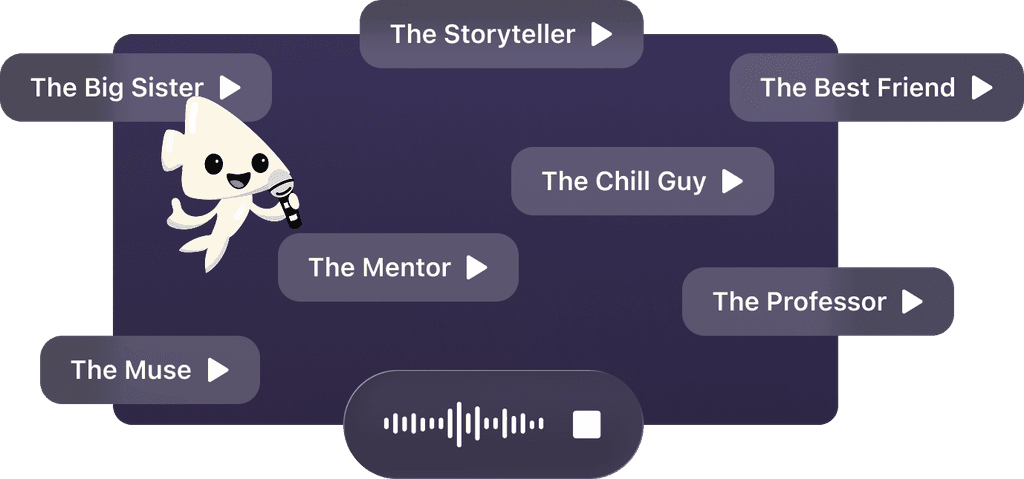
 パーソナライズモード
Direct to Consumer Playbookを自分の学習スタイルで体験
何でも質問し、学習スタイルを選び、自分に本当に響くインサイトを一緒に作れます。
"Instead of endless scrolling, I just hit play on BeFreed. It saves me so much time."


"I never knew where to start with nonfiction—BeFreed’s book lists turned into podcasts gave me a clear path."


"Perfect balance between learning and entertainment. Finished ‘Thinking, Fast and Slow’ on my commute this week."
"Crazy how much I learned while walking the dog. BeFreed = small habits → big gains."
"Reading used to feel like a chore. Now it’s just part of my lifestyle."

"Feels effortless compared to reading. I’ve finished 6 books this month already."
"BeFreed turned my guilty doomscrolling into something that feels productive and inspiring."

"BeFreed turned my commute into learning time. 20-min podcasts are perfect for finishing books I never had time for."
"BeFreed replaced my podcast queue. Imagine Spotify for books — that’s it. 🙌"

"It is great for me to learn something from the book without reading it."
"The themed book list podcasts help me connect ideas across authors—like a guided audio journey."
"Makes me feel smarter every time before going to work"
"Instead of endless scrolling, I just hit play on BeFreed. It saves me so much time."
"I never knew where to start with nonfiction—BeFreed’s book lists turned into podcasts gave me a clear path."
"Perfect balance between learning and entertainment. Finished ‘Thinking, Fast and Slow’ on my commute this week."
"Crazy how much I learned while walking the dog. BeFreed = small habits → big gains."
"Reading used to feel like a chore. Now it’s just part of my lifestyle."
"Feels effortless compared to reading. I’ve finished 6 books this month already."
"BeFreed turned my guilty doomscrolling into something that feels productive and inspiring."
"BeFreed turned my commute into learning time. 20-min podcasts are perfect for finishing books I never had time for."
"BeFreed replaced my podcast queue. Imagine Spotify for books — that’s it. 🙌"
"It is great for me to learn something from the book without reading it."
"The themed book list podcasts help me connect ideas across authors—like a guided audio journey."
"Makes me feel smarter every time before going to work"
"Instead of endless scrolling, I just hit play on BeFreed. It saves me so much time."
"I never knew where to start with nonfiction—BeFreed’s book lists turned into podcasts gave me a clear path."
"Perfect balance between learning and entertainment. Finished ‘Thinking, Fast and Slow’ on my commute this week."
"Crazy how much I learned while walking the dog. BeFreed = small habits → big gains."
"Reading used to feel like a chore. Now it’s just part of my lifestyle."
"Feels effortless compared to reading. I’ve finished 6 books this month already."
"BeFreed turned my guilty doomscrolling into something that feels productive and inspiring."
"BeFreed turned my commute into learning time. 20-min podcasts are perfect for finishing books I never had time for."
"BeFreed replaced my podcast queue. Imagine Spotify for books — that’s it. 🙌"
"It is great for me to learn something from the book without reading it."
"The themed book list podcasts help me connect ideas across authors—like a guided audio journey."
"Makes me feel smarter every time before going to work"
"Instead of endless scrolling, I just hit play on BeFreed. It saves me so much time."
"I never knew where to start with nonfiction—BeFreed’s book lists turned into podcasts gave me a clear path."
"Perfect balance between learning and entertainment. Finished ‘Thinking, Fast and Slow’ on my commute this week."
"Crazy how much I learned while walking the dog. BeFreed = small habits → big gains."
"Reading used to feel like a chore. Now it’s just part of my lifestyle."
"Feels effortless compared to reading. I’ve finished 6 books this month already."
"BeFreed turned my guilty doomscrolling into something that feels productive and inspiring."
"BeFreed turned my commute into learning time. 20-min podcasts are perfect for finishing books I never had time for."
"BeFreed replaced my podcast queue. Imagine Spotify for books — that’s it. 🙌"
"It is great for me to learn something from the book without reading it."
"The themed book list podcasts help me connect ideas across authors—like a guided audio journey."
"Makes me feel smarter every time before going to work"

Direct to Consumer Playbookの要約をダウンロード
Direct to Consumer Playbookの要約をPDFまたはEPUBで無料でダウンロード。印刷やオフラインでいつでもお読みいただけます。