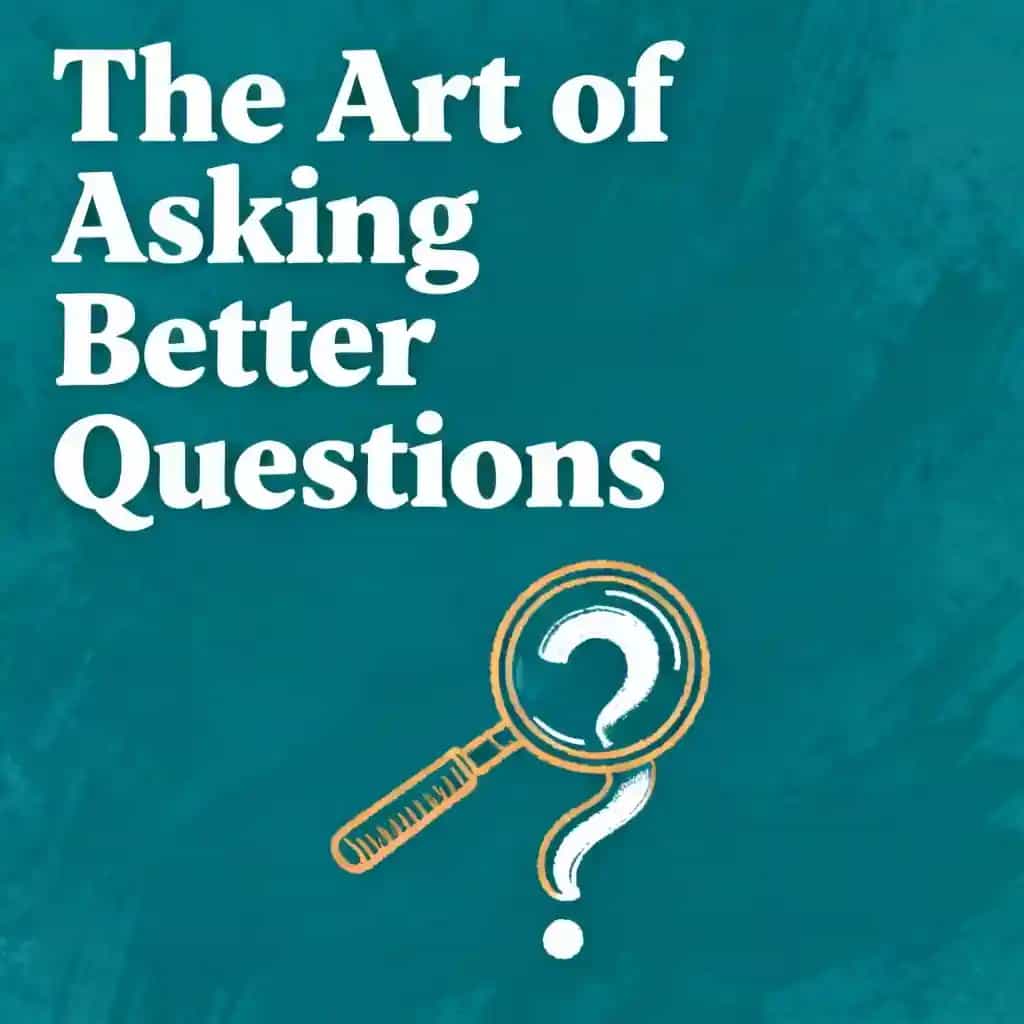
In "The Art of Asking," musician Amanda Palmer explores vulnerability as strength. With a foreword by Brene Brown and praised by Tim Ferriss, this revolutionary manifesto challenges our fear of seeking help. What if asking isn't weakness, but the key to authentic connection?
Amanda Palmer, musician, performance artist, and New York Times bestselling author of The Art of Asking: How I Learned to Stop Worrying and Let People Help, merges memoir and manifesto to explore trust, vulnerability, and human connection.
A classically trained pianist and co-founder of the cult band The Dresden Dolls, Palmer’s career spans genre-defying music, theatrical street performance, and radical audience engagement. Her 2013 TED Talk, The Art of Asking, has garnered over 20 million views, crystallizing her philosophy of creative reciprocity.
Palmer’s 2012 Kickstarter campaign for Theatre Is Evil raised $1.2 million from 25,000 backers—a record at the time—showcasing her pioneering approach to crowdfunding and fan collaboration. She expanded her exploration of artistic exchange in The Bedroom Tour (2020) and through her acclaimed Patreon-supported projects.
Born in New York City in 1976, Palmer’s work is rooted in bridging art, commerce, and community, with The Art of Asking translated into 15 languages and endorsed by thought leaders like Brené Brown.
The Art of Asking explores the transformative power of vulnerability and human connection through Amanda Palmer’s experiences as a musician, crowdfunding pioneer, and performance artist. It challenges societal stigmas around asking for help, framing it as a collaborative act that fosters trust and community. The book blends memoir, philosophy, and practical insights to advocate for embracing interdependence in art, relationships, and life.
Artists, creatives, and anyone struggling with self-reliance or fear of vulnerability will find value in Palmer’s insights. It’s also relevant for entrepreneurs exploring crowdfunding, individuals seeking deeper personal connections, and readers interested in redefining societal norms around giving and receiving.
Key themes include:
Palmer argues that asking is a collaborative invitation rooted in mutual respect, while begging implies desperation or one-sided demand. She emphasizes that true asking allows the recipient to freely choose “yes” or “no,” creating space for meaningful exchange. Critics note this distinction risks oversimplifying systemic inequality.
Palmer’s $1.2 million Kickstarter campaign (2012) serves as a case study for her philosophy. She frames crowdfunding as a modern extension of street performance—a way to directly engage audiences, share creative risks, and build financial trust without intermediaries.
Palmer acknowledges internet backlash she faced but often frames critics as “haters,” a binary perspective some readers find limiting. The book encourages embracing rejection as part of the asking process but offers fewer tools for constructive criticism integration.
Palmer highlights social media’s dual role: it enables direct artist-audience relationships but risks commodifying vulnerability. The book advocates for intentional online engagement that prioritizes depth over metrics—a prescient take given 2025’s AI-driven content saturation.
Some argue Palmer’s privilege as a well-connected artist skews her perspective on asking, underestimating systemic barriers faced by marginalized creators. Others note repetitive anecdotes and a lack of structural solutions beyond individual mindset shifts.
As AI and automation reshape human interaction, Palmer’s emphasis on empathy, creativity, and direct connection offers a counterbalance. The book resonates in industries grappling with remote work’s isolation and the gig economy’s transactional pressures.
著者の声を通じて本を感じる
知識を魅力的で例が豊富な洞察に変換
キーアイデアを瞬時にキャプチャして素早く学習
楽しく魅力的な方法で本を楽しむ
Asking for help with dignity is the most powerful superpower of all.
I maintained my character, trusting in the protective instinct of the crowd.
We'd both spent our lives as outsiders, and rather than gaining entrance to the exclusive club, we wanted to smash the door down completely.
The signing ritual dispelled my fear of audiences.
The music is the flower.
『Art of Asking』の核心的なアイデアを分かりやすいポイントに分解し、革新的なチームがどのように創造、協力、成長するかを理解します。
『Art of Asking』を素早い記憶のヒントに凝縮し、率直さ、チームワーク、創造的な回復力の主要原則を強調します。

鮮やかなストーリーテリングを通じて『Art of Asking』を体験し、イノベーションのレッスンを記憶に残り、応用できる瞬間に変えます。
何でも質問し、声を選び、本当にあなたに響く洞察を一緒に作り出しましょう。

"Instead of endless scrolling, I just hit play on BeFreed. It saves me so much time."
"I never knew where to start with nonfiction—BeFreed’s book lists turned into podcasts gave me a clear path."
"Perfect balance between learning and entertainment. Finished ‘Thinking, Fast and Slow’ on my commute this week."
"Crazy how much I learned while walking the dog. BeFreed = small habits → big gains."
"Reading used to feel like a chore. Now it’s just part of my lifestyle."
"Feels effortless compared to reading. I’ve finished 6 books this month already."
"BeFreed turned my guilty doomscrolling into something that feels productive and inspiring."
"BeFreed turned my commute into learning time. 20-min podcasts are perfect for finishing books I never had time for."
"BeFreed replaced my podcast queue. Imagine Spotify for books — that’s it. 🙌"
"It is great for me to learn something from the book without reading it."
"The themed book list podcasts help me connect ideas across authors—like a guided audio journey."
"Makes me feel smarter every time before going to work"

Art of Askingの要約をPDFまたはEPUBで無料でダウンロード。印刷やオフラインでいつでもお読みいただけます。
A woman stands motionless on a milk crate in Harvard Square, painted entirely white, dressed as an eight-foot bride. People pass by, some dropping dollars into her hat. When they do, she comes alive-just for them-handing over a flower and locking eyes in a moment of pure recognition. This wasn't begging. It was something far more radical: an exchange built entirely on trust and presence. No words, no explanations, just "I see you. Thank you." What makes this image so striking isn't the spectacle-it's the vulnerability. Standing exposed on a pedestal, this street performer discovered something unexpected: people protect what they witness. When someone stole her hat, bystanders chased them down. When a man tried to pull her off her perch, strangers intervened. The crowd became her safety net, not because she demanded it, but because she trusted them first. This simple act of offering flowers for donations became a masterclass in human connection-and the foundation for a philosophy that would eventually challenge how we think about art, money, and asking for help.