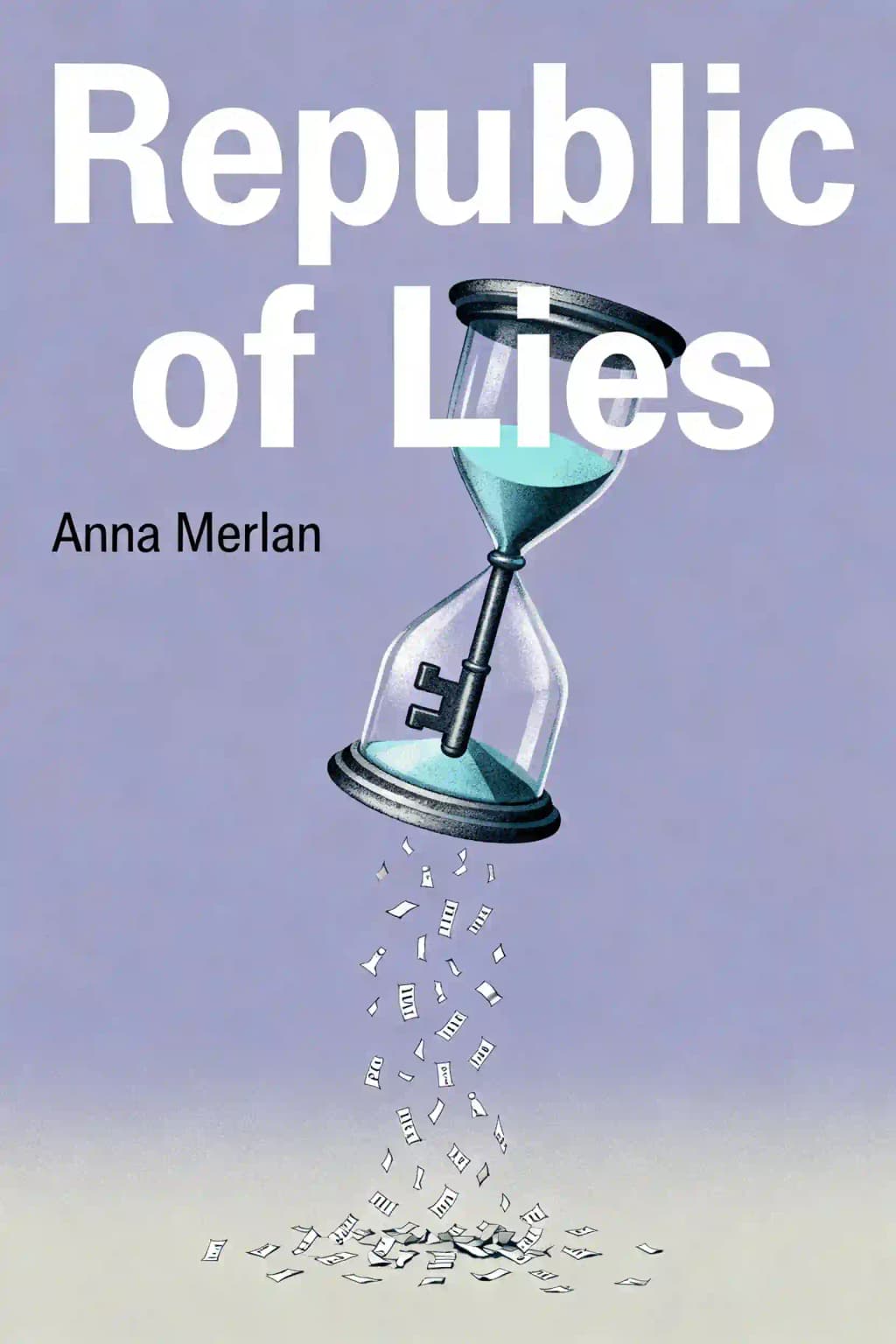
In "Republic of Lies," Anna Merlan investigates how fringe conspiracy theories captured mainstream America. Praised as "necessary" and "jaw-dropping," this timely expose reveals how social media transformed paranoia into power. What happens when distrust becomes our default - and who profits from the chaos?
著者の声を通じて本を感じる
知識を魅力的で例が豊富な洞察に変換
キーアイデアを瞬時にキャプチャして素早く学習
楽しく魅力的な方法で本を楽しむ
America has always been fertile ground for conspiracy theories. Like a national pastime, they flourish during periods of rapid social change, offering explanations for unwelcome realities and reflecting our collective anxieties. About 60% of American adults believe in at least one conspiracy theory-your uncle who questions the moon landing isn't alone. But why are we so susceptible? Conspiracy theories function much like religion, framing events in terms of good versus evil, offering both villains to blame and paths to redemption. They thrive in our current environment of political disenfranchisement, limited social mobility, and deepening inequalities-conditions typically associated with authoritarian regimes. The psychology is fascinating. Research suggests some people have stronger innate predispositions toward conspiracy thinking. We tend to believe theories that reinforce our existing worldviews, engaging in "motivated reasoning" where partisan goals trump accuracy. If you believe one conspiracy theory, you're likely to believe others-even contradictory ones. What's changed is how social media has made conspiracism more intimate and dangerous, enabling targeted harassment of individuals like school shooting survivors. Early American conspiracy theories focused on "alien subversion" by outside groups (Jews, Catholics, Freemasons), but the 20th century shifted focus to the government itself as the conspirator. This suspicion wasn't entirely unfounded. Real government conspiracies-from COINTELPRO's harassment of civil rights groups to MKUltra's drug experiments on unwitting civilians-have destabilized public trust in official narratives.
『Republic of Lies』の核心的なアイデアを分かりやすいポイントに分解し、革新的なチームがどのように創造、協力、成長するかを理解します。
『Republic of Lies』を素早い記憶のヒントに凝縮し、率直さ、チームワーク、創造的な回復力の主要原則を強調します。

鮮やかなストーリーテリングを通じて『Republic of Lies』を体験し、イノベーションのレッスンを記憶に残り、応用できる瞬間に変えます。
何でも質問し、声を選び、本当にあなたに響く洞察を一緒に作り出しましょう。

"Instead of endless scrolling, I just hit play on BeFreed. It saves me so much time."
"I never knew where to start with nonfiction—BeFreed’s book lists turned into podcasts gave me a clear path."
"Perfect balance between learning and entertainment. Finished ‘Thinking, Fast and Slow’ on my commute this week."
"Crazy how much I learned while walking the dog. BeFreed = small habits → big gains."
"Reading used to feel like a chore. Now it’s just part of my lifestyle."
"Feels effortless compared to reading. I’ve finished 6 books this month already."
"BeFreed turned my guilty doomscrolling into something that feels productive and inspiring."
"BeFreed turned my commute into learning time. 20-min podcasts are perfect for finishing books I never had time for."
"BeFreed replaced my podcast queue. Imagine Spotify for books — that’s it. 🙌"
"It is great for me to learn something from the book without reading it."
"The themed book list podcasts help me connect ideas across authors—like a guided audio journey."
"Makes me feel smarter every time before going to work"

Republic of Liesの要約をPDFまたはEPUBで無料でダウンロード。印刷やオフラインでいつでもお読みいただけます。