第1章
When Workplace Respect Becomes Revolutionary
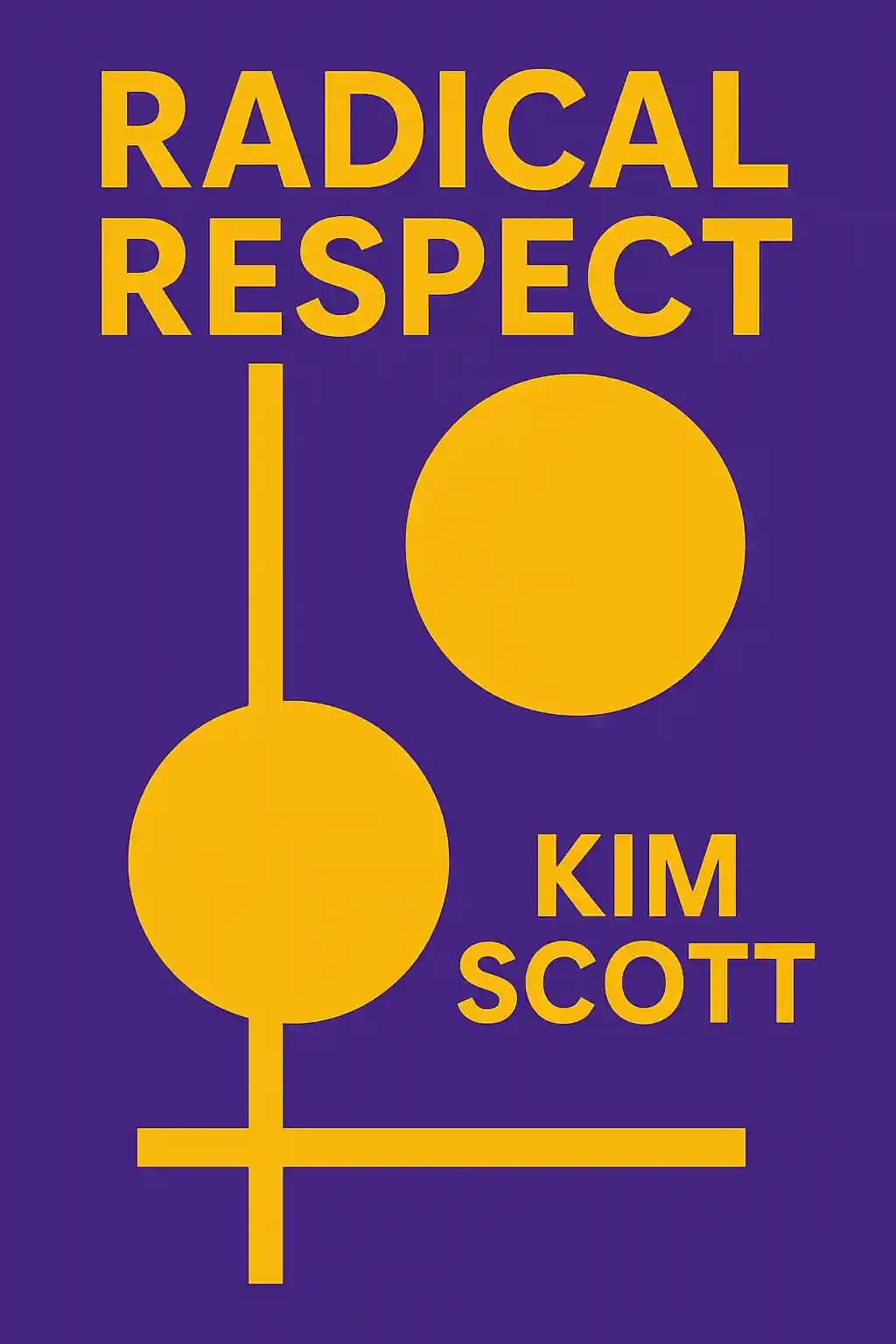
Imagine a workplace where everyone brings their authentic selves to work each day, where collaboration trumps coercion, and where your individuality is celebrated rather than suppressed. This isn't some utopian fantasy-it's the vision Kim Scott presents in "Radical Respect," the highly anticipated follow-up to her bestselling "Radical Candor." The book has become required reading in Silicon Valley boardrooms and was featured on Barack Obama's 2023 summer reading list. Scott, a former executive at Google and Apple who advised companies like Twitter and Dropbox, doesn't just theorize-she provides a practical framework for creating workplaces where everyone can thrive. After her first book received critical feedback about overlooking how bias affects workplace dynamics, Scott embarked on a journey to understand how power, prejudice, and systemic inequities undermine the trust needed for honest feedback and strong professional relationships. The result is a revolutionary approach to workplace respect that's changing how leaders think about organizational culture.
第2章
The Foundation: What Makes Respect Radical?
Radical Respect operates on a fundamental yet surprisingly rare principle: that respect-genuine regard for others' feelings, wishes, rights, and traditions-is every human's birthright rather than something earned through achievements. This isn't about politeness or formality; it's about creating environments where people can collaborate effectively even amid disagreement.
The framework rests on two core pillars. First, optimizing for collaboration rather than coercion. This means actively combating behaviors like ego-driven decision-making, bullying, and harassment while designing management systems that place appropriate checks on leaders' power. The modern consensus recognizes that coercion, even from visionary leaders, neither maximizes people's potential nor generates necessary innovation. Though the impulse to control others exists in all of us, carefully designed systems can mitigate its damage.
Second, honoring individuality rather than demanding conformity. People simply can't perform at their best while pretending to be someone they're not. Yet organizations often unconsciously discourage authenticity by seeking "culture fit" rather than "culture add," excluding valuable contributors and preventing organizational evolution. Successful collaboration requires diversity of thought and experience-different perspectives allow team members to notice what others miss and challenge each other constructively.
What makes this approach radical is how fundamental yet rare it is in practice. Unconscious biases drive expectations of conformity, which management systems then codify into hiring, promotion, and firing practices. At our worst, we seek dominance rather than collaboration, with power structures escalating bullying into harassment and violence. These failings affect all organizations regardless of political leaning, but they aren't inevitable. Combating them requires both intentional system design by leaders and individual action from everyone.
第3章
Breaking Down Workplace Toxicity
Breaking down vague concepts like "toxic" workplaces into specific components makes problems more solvable. Scott offers a "toxonomy" that distinguishes between bias, prejudice, and bullying-and shows how power transforms them into discrimination, harassment, and physical violations.
Microaggressions stem from three different sources requiring different responses: bias ("not meaning it"-unconscious conclusions reflecting stereotypes), prejudice ("meaning it"-consciously held beliefs rationalizing flawed assumptions), and bullying ("being mean"-using status to harm or dominate others).
Consider the "Mr. Safety Pin" story: A man proudly wearing a safety pin (signaling allyship with marginalized groups) made insensitive comments about staff at a restaurant. When no one addressed his remarks, everyone lost-the staff who would be complained about, the speaker who didn't live according to his beliefs, and even Mr. Safety Pin who would likely repeat his mistake elsewhere.
To address these issues effectively, Scott offers two frameworks: one to identify and respond to bias, prejudice, and bullying, and another to navigate power dynamics that create discrimination, harassment, or violations. The first framework helps calibrate responses based on the nature of the problem:
For bias ("not meaning it"), respond with an "I" statement that offers your perspective without accusation, like "I don't think you meant that the way it sounded to me."
For prejudice ("meaning it"), use an "it" statement that establishes clear boundaries through policies or laws, such as "It is against our policy to make comments about people's bodies."
For bullying ("being mean"), employ a "you" statement or question that shifts the dynamic, like "What's going on for you here?" or "You need to stop now."
We all play multiple roles-leader, observer, person harmed, or person causing harm-sometimes simultaneously. How our responses land depends on our position, with different degrees of freedom available to us based on our role.
第4章
Leadership's Crucial Role in Building Respect
Creating an environment where everyone loves their work and working together is the chief joy of leadership. This enables teams to achieve astounding results collectively while individuals do their best work. Leaders don't have to choose between collective results and individual fulfillment-they're interdependent. The strength of the team is the individual, and the strength of the individual is the team.
Leaders must prevent bias, prejudice, and bullying from destroying team respect. When these problems inevitably occur, respond in ways that make them less likely to happen again. Creating a fair, equitable environment isn't a distraction from "getting shit done"-it's essential to it. As Bill Walsh explained in "The Score Takes Care of Itself," good teamwork and accountability go hand in hand.
To disrupt bias, don't try to educate your team about all biases at once. Instead, focus on biases relevant to the actual people in your team. Create a culture where people can educate each other about specific biases through three key elements: a shared vocabulary for pointing out bias (like "bias alert" or "I don't think you meant that the way it sounded"), a shared norm for responding to having bias pointed out (like "Thank you, I'll try not to say it again"), and a shared commitment to build stamina for this ongoing work.
When confronting prejudice-consciously held beliefs based on inaccurate stereotypes-leaders must first manage their own emotional reactions. While people can believe what they want, they cannot impose those beliefs on others in ways that create a hostile work environment. Rather than banning specific words or ideas, create space for conversation about where the boundaries lie.
Bullying creates a culture of fear that undermines team morale and success while rewarding bullies with disproportionate resources, airtime, or credit. Leaders must intervene because bullying hurts innovation and efficiency. Leaders have three levers to address bullying: conversation, compensation, and career consequences. Start with clear feedback in a private conversation, explaining the impact on the team and outlining potential consequences if behavior continues. Never reward bullying behavior with raises or bonuses-compensation reflects what leaders value, and "behavior rewarded is behavior requested." When bullying continues despite feedback, leaders must follow through with the promised consequences.
One insidious form of bullying is "bloviating BS"-when someone monopolizes meeting time with unfounded confidence despite not being the most informed person present. This behavior harms team performance, as research shows teams succeed when everyone participates rather than when dominated by one voice. Studies from Carnegie Mellon and Google's Project Aristotle confirm that equal participation predicts team success better than having individual "superstars."
第5章
The Power of Upstanders in Creating Change
Upstanders are essential to creating workplace justice, providing support to those experiencing bias while giving clear feedback to those causing harm. They create virtuous cycles by leading through example. Upstanders have several advantages: strength in numbers (one or two speaking up can change the entire tenor of a meeting), detachment (third-party observations are often better received), solidarity across differences (people with different backgrounds can support each other), shared identity (feedback from someone with similar attributes may be better received), and the ability to share the emotional labor of confronting workplace injustice.
When confronting bias as an upstander, the approach matters tremendously. Rather than attacking someone's character with accusations of being sexist or racist, simple statements like "I don't think you meant that the way it sounded" can be surprisingly effective. The story of Aileen Lee demonstrates how an upstander's intervention-her colleague suggesting they switch seats when executives were ignoring her-not only included her in the conversation but helped the team win the deal. Confronting bias constructively can improve working relationships rather than harm them.
Upstanders can prevent people from imposing their prejudices on others without necessarily changing their beliefs. In a baby shower example, a simple statement about efficiency could have prevented Adriana from being burdened with organizing the event just because she was a woman. Similarly, when Kim was asked to use a bucket instead of a bathroom due to gender-based restrictions, her colleague David's intervention-"It is not acceptable to ask Kim to pee in a bucket"-provided an alternative solution that distributed the inconvenience more fairly.
Bullying aims to isolate targets, making them vulnerable. When upstanders intervene, showing solidarity, the bullying immediately fails in its goal. Right To Be, a nonprofit organization, offers five intervention strategies for upstanders: direct, distract, delegate, delay, and document. The direct approach involves challenging the bully in the moment. Distraction creates a diversion, like the famous "Snack Man" who stepped between a harasser and woman in the subway while casually eating chips. Delegation means getting help from someone better positioned to intervene. Delay involves checking in with the person later. Documentation provides valuable evidence and reality checks for those experiencing bullying.
Beware of self-righteous shaming-counterproductive vengeance, not repair. Reverend Jamie Washington advises "calling in" rather than "calling out," inviting people to consider different perspectives instead of trying to convict, convert, or convince. When upstanders intervene effectively, everyone benefits-fairness wins, people harmed are supported, upstanders enable colleagues to do their best work, people who cause harm can learn and change, leaders get help preventing problems, and ultimately, results improve.
第6章
Navigating Harm with Agency and Strength
When you're harmed by bias, prejudice, or bullying, you have every right to choose your battles. The goal is to make an intentional choice about how or whether to respond to maintain your sense of freedom and agency. As Viktor Frankl wrote, you can always choose your attitude in any circumstances. There's a profound difference between choosing silence and being silenced.
When experiencing bias, you may choose to help the person notice their mistake or not-it's your prerogative. If disrupting bias, use "I" statements to invite understanding rather than assert moral authority. Even clumsy responses work better than silence. For example, "I don't think you meant that the way it sounded..." Speaking up offers seven benefits: affirming yourself, preventing internalization of bias, helping others who face similar bias, encouraging others to point out biases, improving relationships, doing the biased person a favor by helping them avoid future mistakes, and improving team results.
Responding to prejudice requires different tactics than addressing unconscious bias. When someone consciously believes stereotypes are true, anger makes it harder to respond effectively-especially for those facing bias against showing emotion. Using "it" statements can establish boundaries: "It is disrespectful/illegal/against policy to..." These statements don't necessarily change beliefs but prevent others from imposing their prejudices on you.
When someone bullies you, their goal is to upset or knock you off balance. "I" statements only confirm they've succeeded, while ignoring the behavior doesn't work either. Instead, use "you" statements or questions like "What's going on for you here?" or "You need to stop talking to me that way." This shifts the dynamic by putting the bully on the defensive rather than offensive.
When facing bias, prejudice, or bullying, trust your instincts even when uncertain about what just happened. Sometimes we pretend to be confused as a self-preservation mechanism, repressing awareness of threats we feel powerless to address. The silence and rage cycle occurs when we default to silence, feel powerless, and grow increasingly angry as offenses repeat.
To build support systems against bias, prejudice and bullying, practice "positive target identification" by focusing energy on supportive allies rather than detractors. Solicit genuine feedback that helps you grow professionally. Allow for "clumsy curiosity" by distinguishing between genuine interest and hostility. Use humor strategically to build solidarity and provide insight. Finally, resist the temptation of "turnabout," as fighting bias with bias only reinforces the attitudes we're trying to eliminate-echoing Michelle Obama's "when they go low, we go high."
第7章
Making Amends and Moving Forward
When you've harmed someone, Rabbi Danya Ruttenberg draws on Maimonides' wisdom for making things right: don't apologize prematurely, acknowledge your mistake precisely and publicly, accept consequences, make amends, and only then apologize-but only if you commit to changing your behavior. Remember the five A's and a C: be Aware (educate yourself), Acknowledge your mistake publicly, Accept consequences, make Amends, Apologize, and Change for good.
To overcome unconscious bias, find trusted "bias busters" who'll identify your biases, question "false coherence" when your brain creates harmful stereotypes, recognize how "small" biased comments accumulate for others, manage your defensiveness when receiving feedback, and be persistent-changing ingrained habits takes time and you'll make mistakes.
When confronting prejudice, Robertson Davies warns to "choose what you believe and know why," or risk having questionable beliefs choose you. People with prejudiced beliefs often create false dichotomies and then degrade one side-claiming men are "this," women are "that," and "this" is better. We must challenge our beliefs rigorously.
The author shares a personal bullying story to demonstrate how we all sometimes behave poorly. During a podcast with her colleague Russ Laraway, she incorrectly cited Amy Cuddy's research about power poses affecting hormone levels. When Russ tried to correct her with updated information, she shut him down with "With all due respect, what you don't understand is that you were born doing the power pose," mocking him for being male, tall, and a former marine.
When receiving feedback about bias, prejudice, or bullying, take a deep breath and remember these principles: have a growth mindset, focus on impact not intentions, recognize communication is measured at the listener's ear not the speaker's mouth, avoid telling people they "should" be a certain way, know how to apologize, and know how not to apologize.
第8章
Designing Systems for Justice and Respect
Leaders must design management systems that optimize for collaboration rather than coercion and honor individuality rather than demanding conformity. When managers have unchecked power, bias and prejudice escalate to discrimination, and bullying becomes harassment. Rather than seeking individual scoundrels, we must analyze the systems that enable harmful behavior.
Leaders can mitigate harm caused by unchecked power and unleash each team member's potential through two design principles: checks and balances, and measuring what matters. When managers have unchecked authority over hiring, firing, promotions, assignments, and resources, employees can't safely challenge bias or report harassment. This creates mini-dictators whose unchecked power enables discrimination and harassment while hampering results.
Since bias is often unconscious, leaders must proactively identify and correct how it affects hiring, rewards, mentoring, and firing decisions-approaching it with the same rigor used to investigate profit decreases or launch new products. Measuring diversity isn't about quotas but about checking your work to ensure bias isn't harming decision-making.
When leaders don't consciously design fair management systems, they get systemic injustice and subpar teams through two harmful patterns: Oblivious Exclusion and Brutal Ineffectiveness. Oblivious Exclusion creates a deceptively pleasant workplace atmosphere with false harmony-often literally involving leaders who belong to the same exclusive clubs. While leaders may intend to create efficient meritocracies, they instead build what journalist Kara Swisher calls "mirror-tocracies" that reward only those resembling the leader.
Brutal Ineffectiveness combines management systems that unconsciously reward conformity with those that optimize for coercion rather than collaboration, producing outright bullying and harassment. While sometimes stemming from an evil leader, Brutal Ineffectiveness often results from systems that fail to hold people accountable or even reward bad behavior.
Leaders must apply checks and balances and measure what matters to create fair management systems throughout the employee lifecycle. To create equitable compensation, don't give managers unilateral authority over pay decisions. Instead, develop a fair, transparent system with clear salary ranges based on market research. Examine compensation packages across demographics to identify pay gaps. If certain groups are consistently paid less, determine why-bias may have entered your systems.
Performance management systems often perpetuate bias when people from disadvantaged groups get promoted more slowly than their advantaged peers. This creates a pay gap beyond just salary differences at the same level-it's about who gets to climb the ladder. Leaders must design principled systems, measure what matters in promotion data, and analyze the language used in performance reviews to ensure bias doesn't determine who advances.
While formal systems like compensation and ratings matter for career development, informal mentoring often has an even greater impact-yet employees from marginalized groups are less likely to receive it. Leaders should intentionally examine who they're mentoring by writing down names and ensuring adequate representation of people from systemically disadvantaged groups.
第9章
Creating a Culture of Consent and Safety
The author addresses the challenge of establishing appropriate physical boundaries at work, rejecting absolute "no touching" policies as impractical while emphasizing the importance of consent. She introduces a basic principle: "If you want to touch someone, even just to shake their hand, it's your responsibility to know if they are okay being touched."
Leaders must establish a culture of consent despite potential discomfort. The author recommends overcommunicating consent guidelines, making them visible throughout the workplace, and addressing objections directly. She emphasizes creating safe reporting mechanisms for violations and establishing transparent processes with checks and balances for handling complaints.
For those experiencing unwanted touch, the author empowers them to set boundaries directly, emphasizing that each person is the sole arbiter of acceptable touch for themselves. She recommends using "you" statements like "You need to back off" when initial requests are ignored.
For potential offenders, the author advises defaulting to no touching when uncertain about someone's preferences. She recommends explicitly asking about comfort levels with different greetings and erring on the side of caution.
While workplace romance isn't always problematic-the author met her husband at work-it requires careful management. Leaders should establish explicit policies prohibiting sex or physical intimacy in the workplace and avoid creating environments that tacitly encourage hookups, such as dimly lit rooms with couches and alcohol.
Relationships between people at different power levels in an organization can go badly wrong financially and emotionally. Leaders must prevent abusive romantic relationships from harming team productivity. The author recommends: leading by example; implementing a "no dating in your chain of command" rule where the senior person must leave if violated; prohibiting the most senior leaders from dating anyone in the company; and enforcing these rules even when high-performers are involved.
Sexual assault occurs with alarming frequency in workplaces, with 12% of sexual assaults happening while victims are working. When sexual violations occur within your organization, demonstrate institutional courage by seeking truth and taking action on behalf of those harmed. Be forthright, thorough, and fair in handling reports-even when difficult or costly.
Alcohol dramatically increases the likelihood of workplace sexual misconduct-from unwanted advances to outright violence. The author recommends not allowing alcohol in the workplace at all. Creating a workplace drinking culture invites problems ranging from awkwardness to disaster.
第10章
The Journey to Radical Respect
Radical Respect requires constant vigilance-it's a process, not a destination with no natural stopping point. Like climbing a steep hill daily for the spectacular view, or maintaining a well-built building, workplaces need continuous attention to prevent coercion and conformity from creeping in. Human nature constantly pulls us away from collaboration and toward domination, away from respecting individuality toward demanding conformity.
Creating an exceptional work environment should be joyful, not dreadful. As poet Toi Derricotte wrote, "Joy is an act of resistance." Leaders should resist the urge to control and instead design systems enabling everyone to do their best work and build their best relationships. When speaking truth to power, do it with love, remembering the humanity of the person you're addressing.
When workplace problems seem overwhelming, return to two fundamental principles: honor each colleague's individuality rather than demanding conformity to preconceived notions, and collaborate rather than dominate or coerce. These simple yet profound guidelines are all it takes to create Radical Respect, even when implementation isn't always easy.
The author's early years at Google were the closest to Radical Respect she'd experienced. In that secure environment where she felt on equal footing with colleagues, she did some of her best work. Her team and I increased revenue tenfold while shrinking costs, building an extremely profitable business while having fun and forming lasting relationships.
Google's respectful environment wasn't accidental. SVP Shona Brown had optimized the organizational design for effectiveness and innovation through two key principles: Optimize for Collaboration and Honor Individuality. Managers were stripped of traditional power sources like unilateral hiring, promotion, and salary decisions, which were given to teams instead. Nobody could coerce employees-even executives couldn't force engineers to implement their ideas without persuasion. The hierarchy existed for accountability and coaching, not control.
By now, you should have practical ideas to create workplaces where everyone can do their best work and build meaningful relationships. Whether responding to bias with "I" statements, prejudice with "it" statements, or bullying with "you" statements; or as a leader establishing bias disrupters and clear consequences for harmful behavior. Work doesn't have to be drudgery; we can approach creating respectful workplaces with excitement rather than dread.