第4章
The Power of Knowledge: Miri's Awakening
In the academy's library, Miri discovers a world beyond Mount Eskel through books. She secretly borrows and masters a book of tales, then demonstrates superior reading skills in class. Though Olana praises her, this only deepens the rift with the other girls, especially the competitive Katar. Yet Miri persists, finding that education offers her a form of power she never imagined possible.
Her most significant discovery comes when she reads a Commerce book and learns that linder is extremely valuable - worth one gold coin per block (equivalent to five bushels of wheat or a fine horse). This revelation stuns Miri: the traders have been cheating her village for generations, paying a fraction of linder's true value. This knowledge becomes precious to Miri, a secret she holds close until she can share it with her village.
Alongside her academic discoveries, Miri begins investigating quarry-speech. After a terrifying incident where she's locked in the closet with a rat, Gerti somehow senses her predicament and convinces Olana to free her. This leads Miri to wonder if quarry-speech might work outside the quarry. She experiments with sending messages through the linder floors of the academy, theorizing that it's the stone itself, not the quarry location, that enables this communication.
Miri's intellectual awakening transforms her understanding of herself and her world. She realizes that value comes in many forms beyond physical strength for quarry work. Her growing knowledge gives her confidence and purpose, even as she remains uncertain about her future. Should she aspire to become princess? Return to Mount Eskel with new skills? Or find some other path entirely?
The academy also introduces Miri to Britta, a mysterious lowlander girl living with distant relatives on Mount Eskel. Though initially suspicious, Miri develops a friendship with Britta, who seems oddly out of place yet eager to connect. This relationship will prove significant as the story unfolds, revealing unexpected connections between the mountain and the royal court.
Through her studies, Miri masters not just reading and writing but diplomacy, commerce, and negotiation - skills that will prove vital for both her personal journey and her community's future. Knowledge becomes her pathway to belonging, giving her the confidence to bridge worlds and find her unique place between mountain traditions and lowlander opportunities.
第5章
Finding Voice: Rebellion and Negotiation
After months of harsh treatment, the academy girls seize an opportunity for rebellion during spring holiday. When Olana administers a comprehensive test and declares only Miri and Katar may return home, the girls stage a unified escape. Using quarry-speech through the linder floor, Miri sends a memory of the childhood game "Rabbit and Wolf" to all the mountain girls. Understanding her intent, they flee the academy together, laughing as they run toward home with Olana shouting threats behind them.
Their homecoming becomes a moment of joyous reunion and reconciliation. The village erupts in celebration - parents embracing daughters, music playing, and traditional dances beginning immediately. During this festive time, Miri gathers her courage to share her discovery about linder's true value with the village council. She proposes demanding fair payment from traders and threatening to sell directly in lowland markets if refused. Despite some concerns, the village agrees to her plan, recognizing the potential to transform their economic future.
When the girls must return to the academy, Miri leads them in implementing diplomatic strategies she's learned. They arrange themselves in a straight line before the academy steps while Miri carefully follows the rules of diplomatic negotiations with Olana. First stating the problem, then pointing out wrongs on both sides, and finally proposing specific terms: visits home each rest day, a week off when traders come, and no physical punishments or closet confinements. In exchange, they promise to focus on studies and respect reasonable rules.
Adding leverage to their position, Miri warns that whichever girl becomes princess could report Olana's mistreatment or, conversely, recommend her for comfortable work in Asland if she treats them properly. After tense deliberation, Olana surprisingly applauds their diplomatic efforts and accepts their terms, noting it was "a very good demonstration of Diplomacy."
This successful negotiation marks a turning point for Miri and the other girls. They've learned to use their voices effectively, applying lowlander knowledge to advocate for themselves while maintaining their mountain solidarity. For Miri personally, this victory confirms that her value lies not in physical strength but in her quick mind and courage to speak up - qualities that will soon be tested in life-threatening circumstances.
第6章
Secrets Revealed: Understanding the Past
As Miri's confidence grows through her academy success, she still carries the pain of her father's refusal to let her work in the quarry. During spring holiday, she visits the quarry where her father works, watching the activity with mixed feelings of longing and exclusion. When her sister Marda suffers an accident while stone braking, Miri rushes to help but is angrily ordered out by her father.
As she flees in tears, Doter, an elder quarry worker, stops her and reveals the truth she never knew: her mother died after falling in the quarry while pregnant with Miri. This is why her father has always kept her from quarry work - not from shame at her small size, but from fear of losing her as he lost his wife. "You are your ma alive again," Doter explains, revealing that Miri's very existence is a miracle that her father has been desperately protecting.
This revelation transforms Miri's understanding of her past and her relationship with her father. The next morning, he embraces her with a tearful apology: "I'm sorry, my flower." With this new understanding between them, Miri feels a weight lift from her heart. Summer arrives on Mount Eskel, bringing bright days and a lightness to Miri's spirit now that she understands her father's protection wasn't rejection.
Miri realizes how much her world has expanded since the academy began. Before, she could imagine nothing grander than working in the quarry, but now she knows of "a thousand things she could be." Rather than testing her father's pain by asking to work in the quarry, she resolves to find her own place, treasuring moments like teaching her sister to read.
This period of growth and reconciliation extends beyond Miri's family. The village's newfound wealth from fair trade attracts more traders bringing specialty goods, and their food stores grow plentiful. Miri begins teaching reading to her sister Marda, scratching letters on the quarry wall and bringing books from the academy. When Marda successfully reads an entire page, she confesses she'd feared being "too dull to learn," having internalized the lowlanders' prejudice about mountain people's intelligence.
These revelations about the past - both personal and cultural - help Miri and her community heal old wounds and envision new possibilities for their future. The knowledge they've gained through the academy has given them tools to challenge long-standing inequities and misconceptions, transforming not just their economic prospects but their sense of self-worth and identity.
第7章
The Prince's Choice: Dreams and Reality
As the academy nears its conclusion, excitement builds around the prince's imminent arrival. The girls create their own schedules, practicing for the upcoming ball with a mixture of anticipation and anxiety. Miri feels conflicted about her future, no longer dreaming of being a quarrier but unsure what else she might do. When the royal party arrives in numerous wagons, the girls watch anxiously from their windows.
The ball itself is a sensory feast for Miri - luscious music played on stringed instruments, hundreds of candles, colorful tapestries, and elegantly dressed guests in vibrant attire. As "academy princess," Miri dances first with Prince Steffan, finding him disappointingly stiff and remote. Despite using her Conversation principles to engage him, their interaction feels forced until later, during a private walk, when Miri confronts the prince about his disinterest.
In this more genuine conversation, Steffan admits feeling overwhelmed by meeting so many girls, hoping one would simply "feel right." He eventually confesses he enjoyed talking with Miri more than anyone else, leaving her flattered and confused about her feelings. Her brief dreams of becoming princess begin to seem possible, creating tension with her attachment to Mount Eskel and her growing connection with Peder, her childhood friend who has given her a beautifully carved linder hawk.
The morning after the ball, these dreams are abruptly interrupted when the chief delegate announces that Prince Steffan must return to Asland immediately due to urgent matters. He will revisit later to make his choice, possibly not until spring if snow blocks the pass. The girls are devastated by this delay, especially Miri, whose brief dreams of becoming princess crumble.
As spring approaches, the village holds its first ball. Miri dances with Peder, feeling their old connection return until she mentions the prince, causing Peder to withdraw. She feels torn between Mount Eskel and the possibility of becoming princess. When Prince Steffan finally returns, the girls are summoned to the academy. As they wait nervously, Britta suddenly runs outside in distress, confessing to Miri that she's actually a nobleman's daughter who grew up knowing Prince Steffan - a revelation that will dramatically change the expected outcome of the prince's choice.
This section explores the tension between dreams and reality, between the fantasy of becoming princess and the authentic connections Miri has formed on her mountain. The prince's delayed choice forces her to live in this uncertainty, questioning what she truly wants and where she truly belongs.
第8章
Danger on the Mountain: Courage Under Fire
Just as the prince's return seems to promise resolution, disaster strikes. Bandits attack the academy, taking the girls hostage and demanding the prince's chosen bride for ransom. The bandits' leader, Dan, threatens to kill the girls if they don't cooperate, creating a terrifying situation where Miri must use all her intelligence and courage to save her friends.
In captivity, Miri attempts to use quarry-speech to reach her village, pressing her cheek to the linder floor and trying different memories to establish connection. After days of effort, while thinking of Peder, she feels a faint response and persists until she receives a clear message - Peder has brought the villagers with weapons to rescue them.
Seeing dark shapes through the snowfall outside the window, Miri organizes the girls to escape. They carefully dismantle the window frame without waking the bandits and begin lifting girls through the opening. After sixteen girls escape, a bandit sounds the alarm. The remaining girls flee, with Miri jumping through the window last. As they run through knee-high snow toward the approaching villagers, bandits recapture some girls. Just before reaching safety, Dan grabs Miri from behind, snarling, "You're the troublemaker. I'll see you broken and dead."
A tense standoff ensues between the villagers and remaining bandits. Miri's father drops his weapon when Dan threatens to snap her neck. As negotiations continue, many bandits desert, frightened by the mountain's power. Only Dan and two others remain holding Miri, Esa, and Britta. Backing toward the cliff edge, Dan doesn't realize the danger until it's too late.
In the climactic moment, Miri uses quarry-speech to communicate with Peder, who maneuvers Dan closer to the cliff edge. Seizing her opportunity, Miri stabs Dan's wrist with her linder hawk carving and rolls over the cliff edge to a ledge below. Dan follows and falls, grabbing Miri's ankle. As they dangle precariously, Miri's father throws his mallet, striking Dan, who plummets to his death.
This dangerous encounter tests everything Miri has learned - her courage, her quick thinking, and especially her mastery of quarry-speech. By combining her mountain heritage with her academy education, she saves not just herself but her entire community. The experience bonds the village and academy girls together in shared trauma and triumph, creating a new unity between the mountain traditions and the knowledge gained from the lowlands.
第9章
A Future Reimagined: Miri's Legacy
In the aftermath of the bandit attack, life on Mount Eskel transforms. The villagers return home through deep snow under bright sunshine, with Miri whispering thanks to the mountain that has protected them. Even Olana and Knut integrate into village life, with Olana proving useful at skinning rabbits and Knut becoming friends with village men.
Most significantly, Miri begins teaching reading to an ever-growing group in her home. What starts with Britta and Marda expands to include many village children and even adults. She dreams of creating a village academy where everyone can learn, regardless of age or status. The academy girls continue lessons with Olana in the chapel, but now they choose the subjects, focusing on practical knowledge rather than princess training.
When Prince Steffan returns, he ultimately chooses Britta as his bride - revealing that they had known each other since childhood. Though initially surprised, Miri feels relief rather than disappointment. She realizes her future lies on Mount Eskel, not in the lowland palaces.
Olana surprises Miri by accepting her father's gold coin in trade for six books, then gives her the painting of the lowland house as a parting gift. She confesses it was never real - just motivation for the academy girls. Though shocked, Miri realizes the painting still holds meaning as something beautiful she can give her family without them having to leave their beloved mountain.
After saying farewell to Britta, Steffan, and Knut, Miri walks home carrying her precious books. Peder meets her on the path, taking her bundle and confessing he's glad she wasn't chosen as princess. They discuss their futures - Peder's father has allowed him to carve designs in linder rather than just cutting blocks, while Miri plans to open a village academy with Esa's help. When Peder nervously takes her hand, both their hearts race with the promise of a shared future.
At home, Miri gives the painting to her father and sister. They sit together by Britta's garden, singing in three-part harmony while Miri tends the green plants among the gray mountain rocks where miri flowers - her namesake - bloom from every crack. This beautiful image encapsulates Miri's legacy: bringing new life, knowledge, and possibilities to her beloved mountain home while honoring its traditions and beauty.
Through her journey, Miri has discovered that true value comes not from conforming to others' expectations but from finding one's unique gifts and using them to benefit the community. She has bridged worlds - mountain and lowland, tradition and innovation, past and future - creating a new vision for Mount Eskel where education and fair trade bring prosperity without sacrificing identity. Most importantly, she has found her place - not in the quarry or a palace, but in teaching others and nurturing growth, much like the resilient miri flowers that bloom in the mountain's cracks.
第10章
The Princess Within: Finding True Value
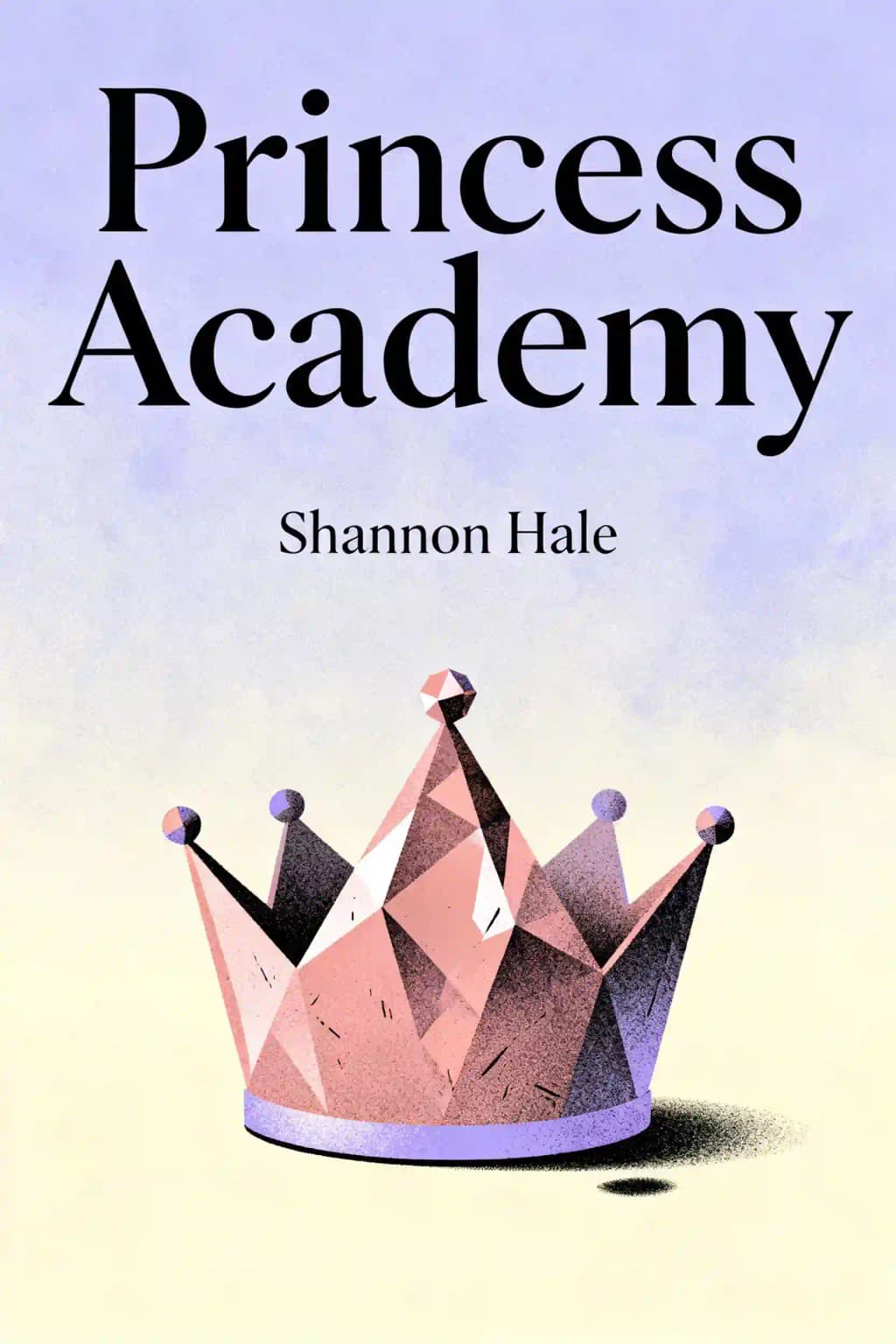
At its heart, "Princess Academy" explores what it truly means to be a princess - not through royal birth or marriage, but through developing qualities of leadership, compassion, and wisdom. Throughout her journey, Miri discovers that these "princess" qualities exist within her regardless of whether she wears a crown.
Initially, the concept of becoming a princess seems absurd to Miri and the other mountain girls. They view themselves as rough, uneducated, and unworthy compared to lowlanders. Yet as they master reading, diplomacy, commerce, and etiquette, they discover their own intelligence and capability. The "princess training" becomes less about winning a prince and more about self-discovery and empowerment.
For Miri specifically, the academy reveals strengths she never recognized in herself. Her quick mind, courage to question authority, and ability to connect with others prove more valuable than physical strength for quarry work. When she successfully negotiates with Olana, leads the escape from bandits, and teaches reading to villagers, she demonstrates true leadership that transforms her community.
The novel subverts fairy tale expectations by revealing that the "true princess" was hidden among them all along - Britta, who came to the mountain specifically to meet Steffan again after growing up with him. Yet this twist doesn't diminish Miri's journey. Instead, it frees her to choose her own path rather than having it chosen for her. When Britta and Steffan leave for the capital, Miri realizes she doesn't envy them. Her princess qualities will serve her people on Mount Eskel, where she can create lasting change through education and fair trade.
Perhaps most powerfully, Miri discovers that value isn't determined by others' assessments but by one's contributions to community. Her father kept her from the quarry not because she lacked value but because she was precious beyond measure. The traders undervalued linder not because it wasn't valuable but because they exploited the villagers' isolation and ignorance. Through education, Miri corrects these misconceptions, helping herself and her community recognize their true worth.
In the end, Miri doesn't need a crown to be a princess. She has found something more meaningful - her voice, her purpose, and her place in the world. Like the miri flowers that bloom in the harshest mountain conditions, she has flourished despite obstacles, bringing beauty and hope to those around her. This is the true princess quality - not being chosen by a prince, but choosing to use one's gifts to serve others and create a better world.