

『On Paper』の概要
Explore how a simple sheet connects empires, revolutions, and art in Basbanes' acclaimed cultural odyssey. From preserving Pentagon Papers to inspiring da Vinci, paper's 2,000-year journey reveals our most intimate human technology - one that shaped history while we barely noticed.
- Cai Lun’s 105 AD paper invention enabled Buddhist scriptures to spread along Silk Road trade routes.
- US dollar bills withstand 8,000 folds due to unique rag paper composition.
- Pentagon Papers leak proved physical documents remain irreplaceable for holding power accountable.
- Japanese origami evolved from ceremonial paper-folding to global stress-reduction art form.
- 9/11 survivors preserved handwritten notes as visceral historical artifacts digital messages couldn’t replace.
- NSA shreds 12,000+ classified pages daily while recycling them into commercial packaging materials.
- Medieval Islamic mathematicians advanced algebra using paper’s portable calculation surfaces.
- Gutenberg’s press required durable linen paper to spread revolutionary ideas across Europe.
- Crane & Company maintains US currency paper secrecy with military-grade security protocols.
- Basbanes argues paper’s tactile permanence counters digital ephemerality in human communication.
- Handmade washi paper production preserves endangered Japanese cultural traditions.
- Author traces paper’s hidden role in hot-air ballooning innovations and espionage tactics.
『On Paper』の著者について
Nicholas A. Basbanes, an award-winning author and cultural historian, is known for exploring the profound impact of paper in his critically acclaimed book, On Paper: The Everything of Its Two-Thousand-Year History.
A former investigative journalist and literary editor of the Worcester Sunday Telegram, Basbanes combines meticulous research with narrative flair to trace paper’s role in shaping civilization, from ancient innovations to modern sustainability debates.
His seminal work, A Gentle Madness: Bibliophiles, Bibliomanes, and the Eternal Passion for Books, established him as a leading voice in bibliophilic literature, followed by explorations of libraries (Patience & Fortitude) and literary legacy (A Splendor of Letters).
A finalist for the National Book Critics Circle Award and recipient of multiple National Endowment for the Humanities grants, Basbanes’ work has been featured in The New York Times, The Washington Post, and Smithsonian. Praised as “a triumph of storytelling” by The Guardian, On Paper was a finalist for the Andrew Carnegie Medal for Excellence in Nonfiction and named a best book of 2013 by seven major publications.
『On Paper』に関するよくある質問
What is On Paper by Nicholas A. Basbanes about?
On Paper chronicles paper's 2,000-year journey from its invention in ancient China to its transformative role in revolutions, scientific breakthroughs, and cultural movements. Basbanes explores how paper enabled the Renaissance printing press, fueled Enlightenment ideas, and shaped modern infrastructure like currency and legal systems. The book also examines paper’s environmental costs and enduring relevance in the digital age.
Who should read On Paper?
History enthusiasts, bibliophiles, and sustainability advocates will find this book compelling. It appeals to readers interested in how everyday materials shape civilization, offering insights into paper’s role in art, politics (e.g., the Pentagon Papers), and technological milestones like the first hot-air balloon. Educators and students studying material culture or media history will also benefit.
Is On Paper worth reading?
Yes—Basbanes combines rigorous research with engaging storytelling, revealing paper’s overlooked impact on human progress. Critics praise its blend of historical depth (e.g., Gutenberg’s press) and contemporary relevance, such as debates about deforestation versus digital alternatives. The Scientific American review cited in the book highlights paper’s unique cognitive benefits.
How did paper influence the Renaissance?
Paper democratized knowledge by enabling mass book production via Gutenberg’s press, spreading works by Shakespeare and Galileo. Basbanes details how affordable paper fueled scientific journals, maps, and bureaucratic records, accelerating Europe’s intellectual rebirth.
What role did paper play in political scandals?
The book links paper to watershed moments like the Dreyfus Affair (1894), where leaked documents exposed injustice, and the 1971 Pentagon Papers, which revealed U.S. government deceit during the Vietnam War. Basbanes argues such scandals underscore paper’s power to challenge authority.
How does Basbanes address paper’s environmental impact?
He traces paper’s ecological toll, from deforestation during the Industrial Revolution to modern recycling efforts at the NSA (where classified documents become pizza boxes). The book balances criticism of past practices with examples of sustainable innovation, like Japanese washi craftsmanship.
What are key quotes from On Paper?
A standout passage describes the Montgolfier brothers lining their 1783 hot-air balloon with paper, calling it “a force in shaping historical events”. Another reflects on 9/11 notes salvaged from rubble, showing paper’s emotional resonance as a “vehicle for human connection”.
How does On Paper compare paper to digital technology?
Basbanes acknowledges digital convenience but cites studies showing people retain information better on paper. He argues paper’s tactile nature—its weight, smell, and durability—ensures its survival despite e-books, as seen in libraries preserving ancient manuscripts.
What critiques exist about On Paper?
Some readers may find its 430-page scope overly detailed, particularly sections on industrial papermaking. However, most praise its comprehensive approach, with BookBrowse noting it “transcends a mere history to become a social chronicle”.
How does the book explore paper in art and culture?
Basbanes highlights Japanese washi paper’s role in calligraphy and origami, contrasting it with Western mass production. He also examines paper’s use in currency, legal contracts, and even hygiene, showing its embeddedness in daily life.
Why is On Paper relevant in the 2020s?
As debates about AI and screen dependency intensify, the book reminds readers that paper underpins democracy (e.g., voting ballots) and creativity. Basbanes’ research into sustainable practices also aligns with modern eco-conscious trends.
How does On Paper reflect Nicholas Basbanes’ expertise?
Drawing on his background in bibliophile culture, Basbanes interweaves archival discoveries (e.g., visits to Chinese paper mills) with analysis of paper’s literary legacy, cementing his reputation as a meticulous historian of material culture.
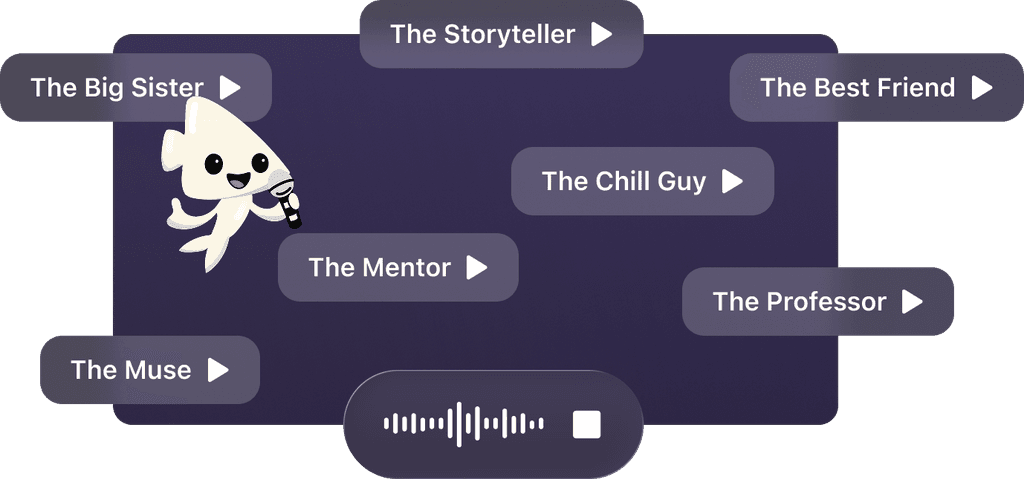
著者の声を通じて本を感じる
知識を魅力的で例が豊富な洞察に変換
キーアイデアを瞬時にキャプチャして素早く学習
楽しく魅力的な方法で本を楽しむ
『On Paper』の登場人物
- Nicholas A. BasbanesAuthor and chronicler of paper's history
- Cai LunChinese official credited with inventing paper
- Ichibei Iwano IXMaster papermaker and Living National Treasure
- Kawakami GozenLegendary goddess who taught papermaking
『On Paper』の主要テーマ
- material culture history
- information technology evolution
- cellulose fiber manufacturing
- cross-cultural knowledge transmission
- traditional craft preservation
『On Paper』の名言
Paper remains what Basbanes calls our most "versatile and indispensable material."
Paper's arrival coincided fortuitously with the introduction of the animal-hair brush.
"This paper will last a thousand years."
"Never be in a hurry-and never skip regular steps."
Paper first entered Europe during the Crusades.
あなたに合った学び方を探す
 クイックサマリーモード
『On Paper』の要約を9分で読む・聴く
『On Paper』の核心的なアイデアを分かりやすいポイントに分解し、革新的なチームがどのように創造、協力、成長するかを理解します。

 エンタメモード
『On Paper』のレッスンを24分のストーリーで
鮮やかなストーリーテリングを通じて『On Paper』を体験し、イノベーションのレッスンを記憶に残り、応用できる瞬間に変えます。
 パーソナライズモード
On Paperを自分の学習スタイルで体験
何でも質問し、学習スタイルを選び、自分に本当に響くインサイトを一緒に作れます。
"Instead of endless scrolling, I just hit play on BeFreed. It saves me so much time."


"I never knew where to start with nonfiction—BeFreed’s book lists turned into podcasts gave me a clear path."


"Perfect balance between learning and entertainment. Finished ‘Thinking, Fast and Slow’ on my commute this week."
"Crazy how much I learned while walking the dog. BeFreed = small habits → big gains."
"Reading used to feel like a chore. Now it’s just part of my lifestyle."

"Feels effortless compared to reading. I’ve finished 6 books this month already."
"BeFreed turned my guilty doomscrolling into something that feels productive and inspiring."

"BeFreed turned my commute into learning time. 20-min podcasts are perfect for finishing books I never had time for."
"BeFreed replaced my podcast queue. Imagine Spotify for books — that’s it. 🙌"

"It is great for me to learn something from the book without reading it."
"The themed book list podcasts help me connect ideas across authors—like a guided audio journey."
"Makes me feel smarter every time before going to work"
"Instead of endless scrolling, I just hit play on BeFreed. It saves me so much time."
"I never knew where to start with nonfiction—BeFreed’s book lists turned into podcasts gave me a clear path."
"Perfect balance between learning and entertainment. Finished ‘Thinking, Fast and Slow’ on my commute this week."
"Crazy how much I learned while walking the dog. BeFreed = small habits → big gains."
"Reading used to feel like a chore. Now it’s just part of my lifestyle."
"Feels effortless compared to reading. I’ve finished 6 books this month already."
"BeFreed turned my guilty doomscrolling into something that feels productive and inspiring."
"BeFreed turned my commute into learning time. 20-min podcasts are perfect for finishing books I never had time for."
"BeFreed replaced my podcast queue. Imagine Spotify for books — that’s it. 🙌"
"It is great for me to learn something from the book without reading it."
"The themed book list podcasts help me connect ideas across authors—like a guided audio journey."
"Makes me feel smarter every time before going to work"
"Instead of endless scrolling, I just hit play on BeFreed. It saves me so much time."
"I never knew where to start with nonfiction—BeFreed’s book lists turned into podcasts gave me a clear path."
"Perfect balance between learning and entertainment. Finished ‘Thinking, Fast and Slow’ on my commute this week."
"Crazy how much I learned while walking the dog. BeFreed = small habits → big gains."
"Reading used to feel like a chore. Now it’s just part of my lifestyle."
"Feels effortless compared to reading. I’ve finished 6 books this month already."
"BeFreed turned my guilty doomscrolling into something that feels productive and inspiring."
"BeFreed turned my commute into learning time. 20-min podcasts are perfect for finishing books I never had time for."
"BeFreed replaced my podcast queue. Imagine Spotify for books — that’s it. 🙌"
"It is great for me to learn something from the book without reading it."
"The themed book list podcasts help me connect ideas across authors—like a guided audio journey."
"Makes me feel smarter every time before going to work"
"Instead of endless scrolling, I just hit play on BeFreed. It saves me so much time."
"I never knew where to start with nonfiction—BeFreed’s book lists turned into podcasts gave me a clear path."
"Perfect balance between learning and entertainment. Finished ‘Thinking, Fast and Slow’ on my commute this week."
"Crazy how much I learned while walking the dog. BeFreed = small habits → big gains."
"Reading used to feel like a chore. Now it’s just part of my lifestyle."
"Feels effortless compared to reading. I’ve finished 6 books this month already."
"BeFreed turned my guilty doomscrolling into something that feels productive and inspiring."
"BeFreed turned my commute into learning time. 20-min podcasts are perfect for finishing books I never had time for."
"BeFreed replaced my podcast queue. Imagine Spotify for books — that’s it. 🙌"
"It is great for me to learn something from the book without reading it."
"The themed book list podcasts help me connect ideas across authors—like a guided audio journey."
"Makes me feel smarter every time before going to work"

On Paperの要約をダウンロード
On Paperの要約をPDFまたはEPUBで無料でダウンロード。印刷やオフラインでいつでもお読みいただけます。


