Nation of Victims: Identity Politics, the Death of Merit, and the Path Back to Excellence

『Nation of Victims』の概要
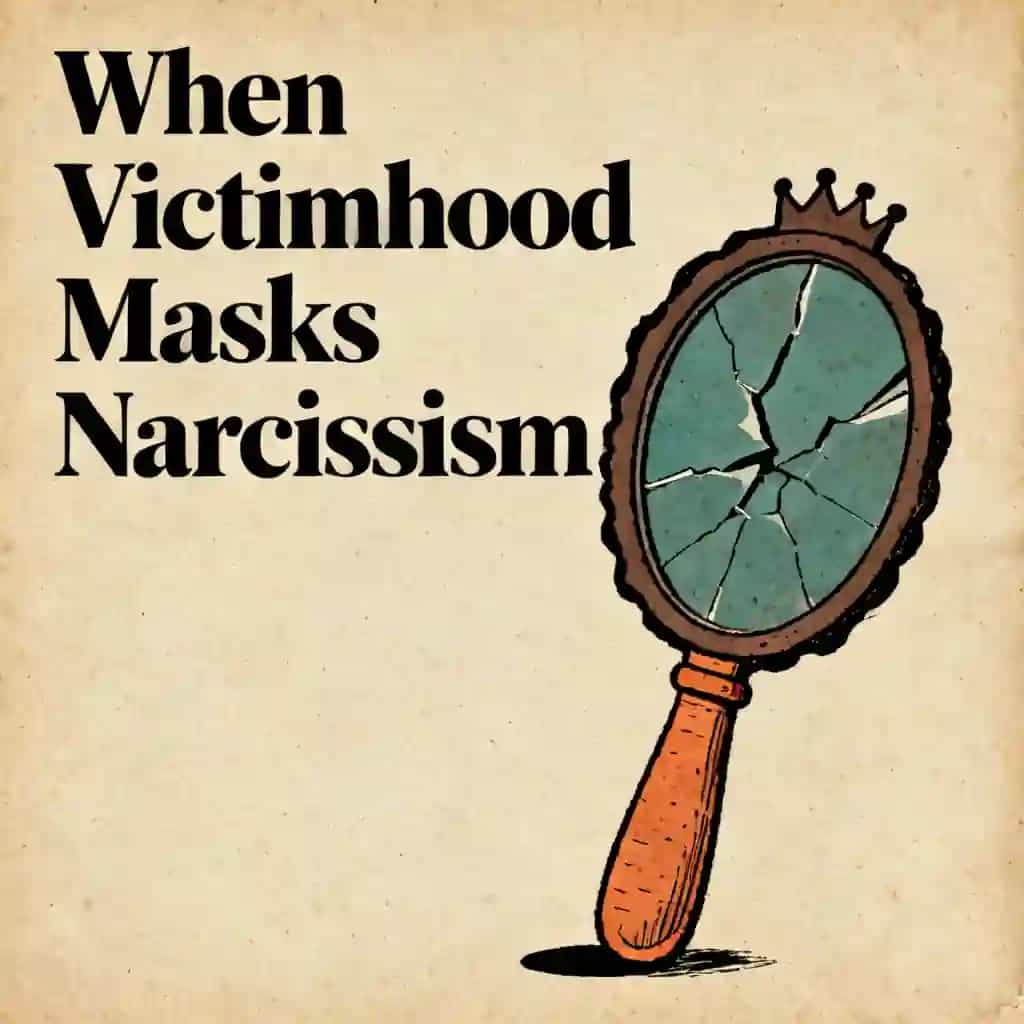
Ramaswamy's NYT bestseller challenges America's victimhood culture, sparing neither left nor right while blending Western philosophy with Eastern theology. This "upper-level course on Modern Society" examines how we've shifted from celebrating underdogs to embracing victimhood. What excellence have we sacrificed along the way?
- America transformed from celebrating underdogs to embracing victim identity nationwide
- Nation of Victims warns victimhood mentality accelerates societal decline and division
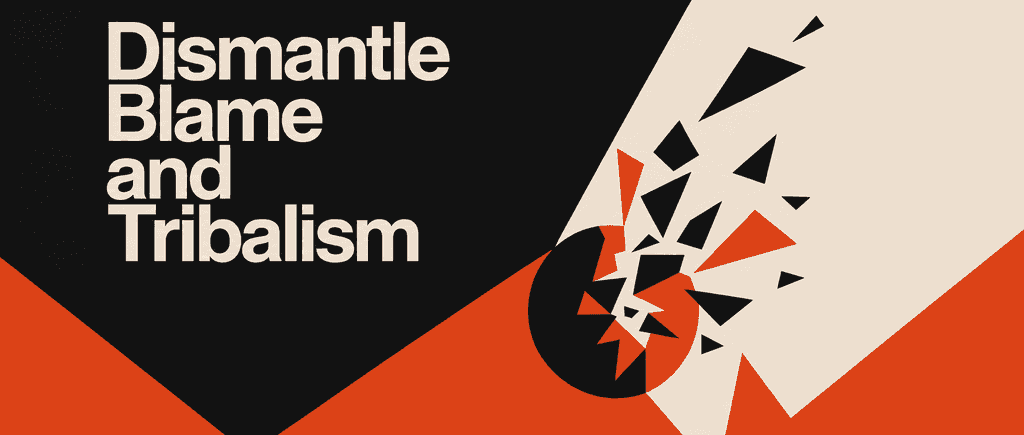
- Ramaswamy critiques how identity politics replaces unity with resentment and blame
- Meritocracy must replace victimhood narratives to restore American excellence and achievement
- Both political parties exploit victimhood for power according to Ramaswamy
- Critical Race Theory teaches victim identity instead of personal responsibility
- Post-Civil War narratives created modern American victimhood culture says the book
- Ancient Rome and Carthage illustrate dangers of prioritizing grievance over excellence
- Personal responsibility defeats victim mentality better than blaming external circumstances
- STEM-focused education reform counters social activism and victimhood in schools
- America needs cultural renaissance celebrating achievement over grievance says Ramaswamy
- High inheritance taxes ensure merit-based success replaces inherited wealth and entitlement
『Nation of Victims』の著者について
Vivek Ramaswamy is the author of Nation of Victims: Identity Politics, the Death of Merit, and the Path Back to Excellence, and a prominent entrepreneur and political commentator known for his bold critiques of American culture and identity politics. Drawing on expertise across history, constitutional law, psychology, and economics, Ramaswamy examines how America transitioned from a nation of underdogs to one that celebrates victimhood, offering a provocative path back to meritocracy and national excellence.
A board member of the Philanthropy Roundtable and advocate for the True Diversity initiative, Ramaswamy has championed individual merit over group identity throughout his career. He ran as a Republican presidential candidate in 2024 and currently serves as Co-Lead of the Department of Government Efficiency. His work has been featured across major media platforms, and he hosts Truths with Vivek Ramaswamy on Fox Nation, where he facilitates open discussions on free speech and cultural issues.
Known for his straight-shooting style, Ramaswamy critiques both conservatives and liberals equally, calling for a cultural renaissance that values resilience, personal responsibility, and American exceptionalism over victimhood narratives.
『Nation of Victims』に関するよくある質問
What is Nation of Victims by Vivek Ramaswamy about?
Nation of Victims: Identity Politics, the Death of Merit, and the Path Back to Excellence examines how America has shifted from a nation of underdogs to a nation of victims. Vivek Ramaswamy argues that victimhood culture has replaced merit-based achievement, leading to societal division and decline. The book explores identity politics, constitutional jurisprudence, Critical Race Theory, and historical parallels, ultimately proposing a cultural renaissance centered on personal responsibility, meritocracy, and individual excellence as the path to national renewal.
Who is Vivek Ramaswamy and why did he write Nation of Victims?
Vivek Ramaswamy is a biotech entrepreneur, author, and former 2024 Republican presidential candidate who founded Roivant Sciences and Strive Asset Management. He wrote Nation of Victims to diagnose what he sees as America's dangerous shift toward victimhood narratives and away from merit-based culture. Ramaswamy believes Americans have adopted victim identities that foster division rather than unity, and he offers this book as a roadmap to help the nation rediscover its commitment to excellence, resilience, and personal responsibility.
Who should read Nation of Victims by Vivek Ramaswamy?
Nation of Victims is ideal for readers concerned about identity politics, cultural divisions, and America's future direction. The book appeals to those interested in meritocracy, personal responsibility, and conservative perspectives on social issues. It's particularly valuable for students, professionals, and citizens seeking to understand debates around Critical Race Theory, ESG investing, and victimhood culture. Anyone curious about bridging political divides or exploring alternatives to grievance-based narratives will find Ramaswamy's arguments thought-provoking and actionable.
Is Nation of Victims by Vivek Ramaswamy worth reading?
Nation of Victims offers a comprehensive critique of victimhood culture with historical depth and philosophical rigor. Vivek Ramaswamy presents a hopeful vision rather than dystopian pessimism, arguing that America remains "the land of opportunity" despite its challenges. The book combines personal anecdotes, constitutional analysis, and historical parallels to support its arguments. While critics may disagree with Ramaswamy's conservative perspective, readers seeking fresh insights into identity politics, merit-based systems, and cultural renewal will find the book intellectually engaging and relevant to contemporary debates.
What is the main argument in Nation of Victims by Vivek Ramaswamy?
The central thesis of Nation of Victims is that America has dangerously transitioned from embracing an underdog mentality to adopting a victim mentality. Vivek Ramaswamy argues that victimhood has become "the fastest path to greater money and influence," creating a culture where blaming others replaces personal accountability. This shift undermines meritocracy and national unity. Ramaswamy contends that both political Left and Right exploit victimhood narratives, citing examples like Stacey Abrams and Donald Trump refusing to concede elections. He believes this victim-centric worldview leads to national decline and division.
How does Nation of Victims define victimhood versus underdog mentality?
In Nation of Victims, Vivek Ramaswamy distinguishes victimhood from the underdog mentality through attitude and agency. The underdog mentality emphasizes resilience, hard work, and belief that effort can overcome adversity—the mindset America's founders embodied because they truly were underdogs. In contrast, victimhood is a cultural construct where individuals blame external factors for their circumstances, leading to powerlessness and dependency. Ramaswamy argues that victims seek to explain their situation through grievance, while underdogs work to change it through determination and merit-based achievement.
What solutions does Vivek Ramaswamy propose in Nation of Victims?
Nation of Victims prescribes three primary solutions to overcome victimhood culture. First, embrace meritocracy by recognizing individuals for achievements rather than victim status. Second, reform education to prioritize STEM fields and critical thinking over social activism. Third, implement high inheritance taxes to prevent entrenched wealth inequality and encourage merit-based success. Ramaswamy envisions a cultural renaissance celebrating individual achievement, personal responsibility, and resilience. He believes Americans must shed false identities rooted in grievance and unite around excellence, transforming from a dying nation into one reborn through shared commitment to merit.
What are the key quotes from Nation of Victims and their meanings?
"We're a nation of victims now" encapsulates Ramaswamy's thesis that American culture has shifted from valuing resilience to embracing victimhood narratives. "Victimhood leads to national decline" warns that adopting a victim mentality undermines societal progress and individual potential, threatening America's future. "The Americans. A strange people with strange ways" critiques contemporary obsession with victimhood, which disconnects society from traditional values of hard work and self-reliance. These quotes collectively illustrate Ramaswamy's concern that victimhood culture replaces achievement-oriented mindsets with blame and grievance.
How does Nation of Victims address identity politics?
Nation of Victims delivers a comprehensive critique of identity politics as fostering division and resentment. Vivek Ramaswamy argues that identity politics encourages individuals to see themselves as victims rather than agents of change, undermining national unity. The book traces how identity narratives shape contemporary views on race and victimhood through historical context. Ramaswamy examines Critical Race Theory's intellectual origins and main texts, using personal anecdotes to illuminate his explanations. He advocates returning to individualism, suggesting identity politics detracts from unifying values by prioritizing group grievances over personal merit and shared citizenship.
What historical examples does Vivek Ramaswamy use in Nation of Victims?
Nation of Victims extensively uses Rome and Carthage to illustrate how victimhood and identity focus lead to decline. Ramaswamy employs the Punic Wars as a metaphor for current U.S.-China tensions, arguing nations should focus on strengths rather than destructive conflicts rooted in grievance. He highlights Carthage's decline as a warning: their obsession with revenge and identity led to downfall. The book also references the Civil War to show how victimhood narratives have evolved throughout American history. These historical parallels demonstrate that neglecting merit for identity politics threatens national survival across civilizations.
What are the criticisms of Nation of Victims by Vivek Ramaswamy?
While Nation of Victims offers substantive cultural critique, potential criticisms include oversimplification of complex social issues. Critics might argue Ramaswamy dismisses legitimate historical grievances and systemic barriers that create genuine disadvantages. His proposal for high inheritance taxes may contradict traditional conservative economic principles, confusing his ideological positioning. Some readers may find his equation of Left and Right victimhood (comparing Stacey Abrams to Donald Trump) false equivalence. Additionally, skeptics might question whether returning to pure meritocracy adequately addresses structural inequalities, or whether Ramaswamy's optimistic vision underestimates entrenched challenges facing American society.
How can Nation of Victims help with understanding American culture?
Nation of Victims provides a framework for understanding contemporary American cultural conflicts through the lens of victimhood versus merit. Vivek Ramaswamy connects individual identity to national identity, arguing personal excellence enhances collective identity. The book helps readers critically assess how cultural narratives shape both personal and national identities, particularly regarding race, politics, and achievement. By examining constitutional jurisprudence, philosophical foundations, and historical precedents, Ramaswamy offers context for current debates around identity politics, social justice, and cultural values. Readers gain tools to evaluate whether societal narratives promote unity and progress or division and decline.
著者の声を通じて本を感じる
知識を魅力的で例が豊富な洞察に変換
キーアイデアを瞬時にキャプチャして素早く学習
楽しく魅力的な方法で本を楽しむ
『Nation of Victims』の登場人物
- Vivek RamaswamyAuthor and first-generation American entrepreneur
- James LongstreetConfederate general cast as a historical villain
- Naomi OsakaTennis star used as an example of modern victimhood
- Jussie SmollettActor who staged a hate crime for status
- Robert E. LeeConfederate General at the center of the Lost Cause
『Nation of Victims』の主要テーマ
- identity politics critique
- victimhood culture
- american meritocracy
- underdog mindset
- national grievance narratives
『Nation of Victims』の名言
Everyone loves a good underdog story.
True underdogs never stop seeing themselves that way.
Modern America rewards victimhood narratives everywhere.
The Civil War was fought over slavery, but the decisive battle was fought over shoes.
The Court effectively nullified the Fourteenth Amendment.
あなたに合った学び方を探す
 クイックサマリーモード
『Nation of Victims』の要約を9分で読む・聴く
『Nation of Victims』の核心的なアイデアを分かりやすいポイントに分解し、革新的なチームがどのように創造、協力、成長するかを理解します。

 エンタメモード
『Nation of Victims』のレッスンを21分のストーリーで
鮮やかなストーリーテリングを通じて『Nation of Victims』を体験し、イノベーションのレッスンを記憶に残り、応用できる瞬間に変えます。
 パーソナライズモード
Nation of Victimsを自分の学習スタイルで体験
何でも質問し、学習スタイルを選び、自分に本当に響くインサイトを一緒に作れます。

"Instead of endless scrolling, I just hit play on BeFreed. It saves me so much time."


"I never knew where to start with nonfiction—BeFreed’s book lists turned into podcasts gave me a clear path."


"Perfect balance between learning and entertainment. Finished ‘Thinking, Fast and Slow’ on my commute this week."
"Crazy how much I learned while walking the dog. BeFreed = small habits → big gains."
"Reading used to feel like a chore. Now it’s just part of my lifestyle."

"Feels effortless compared to reading. I’ve finished 6 books this month already."
"BeFreed turned my guilty doomscrolling into something that feels productive and inspiring."

"BeFreed turned my commute into learning time. 20-min podcasts are perfect for finishing books I never had time for."
"BeFreed replaced my podcast queue. Imagine Spotify for books — that’s it. 🙌"

"It is great for me to learn something from the book without reading it."
"The themed book list podcasts help me connect ideas across authors—like a guided audio journey."
"Makes me feel smarter every time before going to work"
"Instead of endless scrolling, I just hit play on BeFreed. It saves me so much time."
"I never knew where to start with nonfiction—BeFreed’s book lists turned into podcasts gave me a clear path."
"Perfect balance between learning and entertainment. Finished ‘Thinking, Fast and Slow’ on my commute this week."
"Crazy how much I learned while walking the dog. BeFreed = small habits → big gains."
"Reading used to feel like a chore. Now it’s just part of my lifestyle."
"Feels effortless compared to reading. I’ve finished 6 books this month already."
"BeFreed turned my guilty doomscrolling into something that feels productive and inspiring."
"BeFreed turned my commute into learning time. 20-min podcasts are perfect for finishing books I never had time for."
"BeFreed replaced my podcast queue. Imagine Spotify for books — that’s it. 🙌"
"It is great for me to learn something from the book without reading it."
"The themed book list podcasts help me connect ideas across authors—like a guided audio journey."
"Makes me feel smarter every time before going to work"
"Instead of endless scrolling, I just hit play on BeFreed. It saves me so much time."
"I never knew where to start with nonfiction—BeFreed’s book lists turned into podcasts gave me a clear path."
"Perfect balance between learning and entertainment. Finished ‘Thinking, Fast and Slow’ on my commute this week."
"Crazy how much I learned while walking the dog. BeFreed = small habits → big gains."
"Reading used to feel like a chore. Now it’s just part of my lifestyle."
"Feels effortless compared to reading. I’ve finished 6 books this month already."
"BeFreed turned my guilty doomscrolling into something that feels productive and inspiring."
"BeFreed turned my commute into learning time. 20-min podcasts are perfect for finishing books I never had time for."
"BeFreed replaced my podcast queue. Imagine Spotify for books — that’s it. 🙌"
"It is great for me to learn something from the book without reading it."
"The themed book list podcasts help me connect ideas across authors—like a guided audio journey."
"Makes me feel smarter every time before going to work"
"Instead of endless scrolling, I just hit play on BeFreed. It saves me so much time."
"I never knew where to start with nonfiction—BeFreed’s book lists turned into podcasts gave me a clear path."
"Perfect balance between learning and entertainment. Finished ‘Thinking, Fast and Slow’ on my commute this week."
"Crazy how much I learned while walking the dog. BeFreed = small habits → big gains."
"Reading used to feel like a chore. Now it’s just part of my lifestyle."
"Feels effortless compared to reading. I’ve finished 6 books this month already."
"BeFreed turned my guilty doomscrolling into something that feels productive and inspiring."
"BeFreed turned my commute into learning time. 20-min podcasts are perfect for finishing books I never had time for."
"BeFreed replaced my podcast queue. Imagine Spotify for books — that’s it. 🙌"
"It is great for me to learn something from the book without reading it."
"The themed book list podcasts help me connect ideas across authors—like a guided audio journey."
"Makes me feel smarter every time before going to work"

Nation of Victimsの要約をダウンロード
Nation of Victimsの要約をPDFまたはEPUBで無料でダウンロード。印刷やオフラインでいつでもお読みいただけます。