第1章
The Workplace Mental Health Revolution: Why It Matters Now
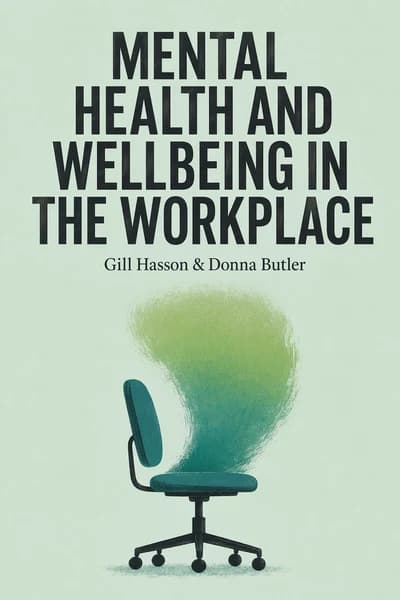
In today's high-pressure work environment, mental health has emerged from the shadows to become a critical business priority. "Mental Health and Wellbeing in the Workplace" by Gill Hasson and Donna Butler arrives at a pivotal moment when the cost of workplace mental health problems has reached a staggering 8 billion annually in the UK alone. This isn't just another corporate wellness manual-it's a comprehensive blueprint for creating psychologically safe workplaces in an era where one in four adults experiences mental health challenges. The book has gained significant traction among forward-thinking organizations like Google and Microsoft, which have implemented its strategies to dramatic effect, reducing absenteeism by up to 45% in some documented cases. What makes this work particularly compelling is its dual perspective: Hasson brings her expertise as an author of over 25 books on personal development, while Butler contributes real-world insights as a psychotherapist leading mental health services within the NHS. Together, they transform complex psychological concepts into practical workplace solutions that have made this book required reading in progressive MBA programs worldwide.
第2章
Understanding Mental Health: Beyond the Medical Model
Mental health isn't simply the absence of mental illness-it's a dynamic state of wellbeing where individuals realize their potential, cope with normal stresses, work productively, and contribute to their communities. This holistic definition from the World Health Organization frames the book's approach to workplace wellness. Mental wellbeing encompasses feeling confident, building relationships, engaging with the world, handling stress, and adapting to change-all critical skills in today's rapidly evolving workplace. These components interact continuously, creating a complex web of factors that influence how we function both personally and professionally.
The book challenges the false dichotomy between physical and mental health, emphasizing their inseparable connection. Poor physical health can trigger mental health problems and vice versa, creating a cyclical relationship that affects workplace performance. As illustrated in the case of Catrice, whose childhood trauma manifested as physical symptoms in adulthood, our bodies often express what our minds cannot process. Similarly, chronic physical conditions like psoriasis, diabetes, or chronic pain can trigger depression and anxiety, highlighting the need for integrated approaches to employee wellbeing. Research shows that individuals with chronic physical conditions are three times more likely to develop mental health issues, while those with mental health challenges often experience compromised immune function and increased inflammation.
Wellbeing is fundamentally subjective-each person has their unique narrative about what influences their mental state. Two individuals with identical diagnoses may experience and describe their conditions entirely differently. For instance, one person with anxiety might find public speaking impossible, while another manages it through coping strategies. Someone with a physical illness might report excellent wellbeing, while an apparently healthy person might struggle mentally. This understanding is crucial for workplace wellness programs, which must be flexible enough to accommodate diverse experiences rather than imposing one-size-fits-all solutions. Successful programs often incorporate multiple pathways to support, from traditional counseling to peer support networks and lifestyle interventions.
Mental health exists on a spectrum that fluctuates throughout our lives, influenced by both internal and external factors. Approximately one in four people report being diagnosed with a mental illness, with another 18% experiencing undiagnosed conditions. While genetic factors play a role, environmental influences-including workplace conditions, organizational culture, job security, and work-life balance-significantly impact mental health. Certain groups face higher risks, including older adults, people with learning disabilities, ethnic minorities, and LGBT individuals, requiring targeted support strategies in diverse workplaces. Studies indicate that workplace stress contributes to approximately 120,000 deaths annually and results in nearly $190 billion in healthcare costs. Organizations that acknowledge these vulnerabilities and implement comprehensive support systems typically see improved productivity, reduced absenteeism, and stronger employee engagement.
The modern workplace must recognize that mental health support isn't just about addressing illness but about creating environments that promote psychological safety, personal growth, and resilience. This includes implementing flexible working arrangements, providing mental health first aid training, and fostering open dialogue about mental health challenges. Companies leading in this area report up to 65% higher employee retention and significantly improved team performance.
第3章
The Hidden Costs of Workplace Mental Health Problems
The workplace plays a pivotal role in shaping mental health outcomes, with profound implications for both individuals and organizations. We spend approximately 3,507 days at work over our lifetime-about a quarter of our adult life-making it a crucial environment for psychological wellbeing. While work can provide purpose, structure, and financial stability, it can also generate significant stress when poorly managed. The 2017 "Thriving at Work" review established a comprehensive framework of standards for UK employers to address workplace mental health, recognizing the substantial human and economic costs of inaction. These standards include developing mental health awareness, encouraging open conversations, and providing clear pathways to support.
Poor working environments exact a heavy toll on employee wellbeing through multiple channels. The 2018 TUC survey revealed stress as the dominant workplace health concern, followed by bullying/harassment and overwork. Common stressors include unrealistic deadlines, excessive workloads, poor management practices, and toxic workplace cultures. Over 20% of employees have called in sick due to stress, with 90% giving different reasons-a clear indication of persistent stigma. Medical certificates rarely identify workplace issues like poor relationships or bullying as the true cause of absence, instead using generic terms like "stress" or "anxiety," masking the real impact of toxic work environments. This underreporting creates a significant barrier to addressing underlying organizational issues.
The financial implications are equally sobering and extend far beyond direct healthcare costs. The 2018/2019 UK Labour Force Survey showed 602,000 people experiencing work-related stress, depression, or anxiety, resulting in an average of 21.2 sick days per person and accounting for 44% of all work-related ill-health cases. Beyond absenteeism, poor mental health leads to presenteeism-employees physically present but mentally disengaged-costing organizations through reduced productivity, increased errors, and diminished innovation. Studies estimate that presenteeism can cost organizations up to 1.5 times more than direct absence costs through decreased performance, missed deadlines, and compromised quality of work.
Dame Carol Black's influential review emphasized that disillusionment leads employees to withdraw their "discretionary effort"-that extra commitment that transforms adequate performance into excellence. This withdrawal manifests in reduced customer service, decreased problem-solving capabilities, and limited organizational citizenship behaviors. When employees feel valued and supported, they reciprocate with increased engagement, loyalty, and creativity. Research shows that organizations with strong mental health support systems experience up to 12% higher productivity and 21% lower turnover rates. This connection between staff wellbeing and business performance creates a compelling case for investing in workplace mental health initiatives, from mental health first aid training to comprehensive employee assistance programs and flexible working policies.
第4章
Creating Mentally Healthy Workplaces: Organizational Strategies
Organizations bear primary responsibility for creating conditions that protect employee wellbeing. The Health and Safety Executive established six Management Standards defining reasonable workplace requirements: manageable demands, appropriate control over work methods, adequate support, positive relationships, clear roles, and employee engagement during organizational changes. When these standards are effectively implemented, employees experience better health and wellbeing.
Leadership commitment dramatically impacts the effectiveness of wellbeing initiatives. The American Psychological Association found that 73% of employees with supportive senior managers said their organization helps develop healthy lifestyles, compared to just 11% without such leadership. Daniella Lang's case study at Brimsdown Primary School demonstrates this principle in action. By creating a wellbeing team, conducting surveys, addressing workload issues, implementing clear policies, and maintaining an open-door approach, staff satisfaction dramatically improved-within six months, 96% felt inspired (up from 20%), 96% felt supported by managers, and stress levels dropped significantly.
Creating an environment where mental health discussions are normalized is essential, as 30% of employees don't feel comfortable discussing stress with managers. Organizations should incorporate wellbeing information during induction, display mental health resources prominently, include wellbeing topics in communications, and invite speakers for awareness events. Managers should regularly check in with staff about workload and stress, establish wellbeing as a standing agenda item in team meetings, and create opportunities for one-on-one conversations.
Transparent communication about organizational direction and changes builds trust and reduces stress. Employees need clear expectations and accessible policies from the start, with information delivered through multiple channels. Organizations should actively seek feedback on communication effectiveness and involve staff in decision-making about their jobs and organizational direction. Livewell Southwest exemplifies this approach with their "Our Voice" staff engagement council, which influences organizational strategy and includes employee representation at board meetings.
Physical work environments significantly affect mental wellbeing. Beyond compliance with health and safety regulations, employers should consider how workspace design impacts psychological comfort. Factors like natural light, noise levels, temperature control, and ergonomic furniture all contribute to employee wellbeing. Creating dedicated spaces for relaxation and social interaction can provide crucial mental breaks during the workday.
第5章
Personal Strategies for Workplace Wellbeing
While organizations must create supportive environments, individuals also bear responsibility for managing their own wellbeing. Resilience-the ability to deal with situations, cope with challenges, and bounce back-is largely within our control through specific practices and mindsets.
Establishing work-life boundaries is fundamental to wellbeing. Set firm cutoff times, plan post-work activities, and implement a closing routine to mentally transition from work mode. Make commutes less stressful through meditation, audiobooks, or active transportation. Studies show active commuters don't feel robbed of leisure time, viewing commuting as beneficial exercise and relaxation. Set clear boundaries with colleagues about your availability-if people expect responses at 8 p.m., they'll continue contacting you then.
Taking proper breaks significantly improves mood and productivity. Laura Archer, who reclaimed her lunch hour after weeks without breaks, discovered 52 different activities to do during lunch. When she stopped taking breaks during a busy period, her mood darkened, energy levels crashed, and her diet suffered as she relied on caffeine, sugar, and alcohol for energy. Simply looking into the distance rather than at a screen gives your brain relief-your shoulders relax and your body releases tension.
Holidays are essential for wellbeing, not optional luxuries. Remember that paid leave isn't a favor from your employer but a legal entitlement-UK employees have 5.6 weeks of annual leave. To ensure you actually take time off, delegate work before leaving, plan breaks throughout the year, and commit yourself by booking accommodation or travel in advance. Don't feel guilty-taking breaks allows you to spend quality time with loved ones, pursue hobbies, or simply rest.
Flexible working arrangements can significantly improve work-life balance. Options include changing from full-time to part-time, adjusting working hours around family responsibilities, compressed hours, flexitime, home working, job sharing, or term-time work. After 26 weeks of continuous employment, UK employees have the legal right to request flexible working through a formal "statutory request." When making your request, consider your employer's needs alongside your own and address potential difficulties with realistic solutions.
During intense work periods, understanding brain function helps manage stress. The amygdala (emotional center) can overwhelm the neocortex (rational thinking center) during stress, preventing clear thinking. To regain control: First, accept the situation rather than wasting energy resenting it. Second, take two minutes to breathe and calm down. Third, prioritize by writing down everything and determining what's truly important. Fourth, create a step-by-step plan to maintain steady progress.
第6章
The Power of Assertiveness in Protecting Mental Health
Being overwhelmed doesn't indicate incompetence-it's often due to organizations operating with insufficient resources or unrealistic expectations. Many workplaces normalize excessive workloads, making employees feel they should handle everything thrown at them. The ability to say no is crucial for managing workplace stress and maintaining long-term career sustainability. While many fear speaking up will upset others or jeopardize their job security, suffering silently only leads to burnout, decreased performance, and potential health issues. Setting boundaries isn't just acceptable-it's necessary for professional survival and growth.
Being assertive starts with clearly understanding what's being asked of you. Before responding, ask clarifying questions about deadlines, scope, and expectations. When declining, respond honestly with one genuine reason rather than multiple excuses. For instance, "I'm currently focused on the quarterly report deadline" is more effective than listing several vague reasons. Acknowledge the other person's position while standing firm: "I understand this project is important, and that's why it deserves someone who can give it proper attention." When negotiating, offer specific alternatives: "I could take this on next month after the current project ends" or "I can handle the data analysis portion, but would need support with the client presentations."
If you're regularly performing duties beyond your job description, document these tasks meticulously for three to four weeks. Note the time spent, impact on your primary responsibilities, and any additional skills required. When meeting with your manager, present this data professionally: "Over the past month, I've spent approximately 15 hours per week on tasks outside my role, including training new team members and managing vendor relationships." Propose concrete solutions: "Could we redistribute some tasks or adjust priorities?" or "Would it be possible to bring in additional support for these extra responsibilities?"
Asking for help is a sign of professional maturity, not weakness. When seeking assistance, be specific about what you need and why it matters to the team's success. Choose the right person based on their expertise and current workload. Make delegation a collaborative process by involving others in planning: "I'd value your input on how we might divide this project based on our strengths." When delegating, provide clear context and expectations while remaining open to different approaches.
Building supportive workplace relationships creates a vital safety net during challenging times. Simple actions create lasting impact-welcome new team members with a personal note, organize lunch-and-learn sessions, or start a workplace book club. One company saw remarkable results when an employee initiated a "Wellness Wednesday" program, combining brief meditation sessions with healthy snacks. Create opportunities for meaningful connection: organize skill-sharing workshops, establish mentoring partnerships, or coordinate volunteer activities. Seek out colleagues who demonstrate resilience and positivity, while diplomatically limiting exposure to those who consistently display negative attitudes or engage in office politics.
Remember that assertiveness is a skill that improves with practice. Start with smaller boundaries and gradually build up to more significant ones as your confidence grows. Document positive outcomes from setting boundaries to reinforce their value.
第7章
Managing Mental Health Conditions at Work
Managing mental health at work requires a three-pronged approach: proactive planning to avoid episodes of ill-health, maintenance strategies to stay well, and risk management planning for crises. Like managing physical conditions, mental health requires understanding your warning signs and triggers, which can manifest differently for each individual.
Proactive planning begins with identifying mental health triggers through systematic observation and documentation. Keeping a thought diary can reveal patterns in your thinking and reactions to events, helping you spot early warning signs before they escalate. Kate discovered through journaling that she often attached negative interpretations to neutral situations, like assuming her manager would criticize her work despite their good relationship. Her diary revealed that these thoughts typically intensified during high-pressure project deadlines or after difficult client interactions. By tracking these thoughts, you can recognize when you're catastrophizing or jumping to conclusions, making it possible to interrupt unhelpful thought patterns before they impact your work performance.
If your mental health condition qualifies as a disability under the Equality Act 2010, employers must provide "reasonable adjustments" to help you work effectively. These adjustments can be wide-ranging and personalized: flexible hours for medical appointments, the ability to take breaks when symptoms become overwhelming, working from home options, or moving to a quieter workspace. Some employees benefit from modified work schedules, such as starting later to accommodate medication side effects or breaking the day into smaller chunks with regular rest periods. The Access to Work scheme can provide additional support, including tailored mental health assistance, coping strategies, and workplace adjustment recommendations. This might include funding for specialized equipment, support workers, or mental health coaching.
Beyond workplace accommodations, developing a robust self-care routine is essential. Mindful breathing exercises can help manage overwhelming feelings during the workday - even short two-minute exercises between meetings can make a difference. Regular physical activity releases endorphins that reduce anxiety and improve mood while giving your brain something besides worries to focus on. This could include morning yoga, lunchtime walks, or active commuting by cycling or walking. Good nutrition and quality sleep are equally important for maintaining mental equilibrium - avoiding excessive caffeine, maintaining regular meal times, and establishing a consistent sleep schedule can significantly impact mental resilience.
A Wellness Action Plan (WAP) helps map out what you need to manage your mental health at work. By completing one, you'll identify workplace triggers (such as tight deadlines or confrontational meetings), self-management strategies (like regular breaks or stress-reduction techniques), and support needed from managers. WAPs reduce anxiety about discussing mental health at work by establishing support systems in advance and creating clear communication channels with supervisors. For those returning to work after a mental health absence, a Mental Health Recovery Plan supports discussions with managers about needed accommodations and implementing a gradual return to full duties. This might include starting with reduced hours, working on less demanding projects initially, or having regular check-ins with supervisors to monitor progress and adjust support as needed.
Maintaining open communication with trusted colleagues can also create a support network at work. This might include identifying a workplace mentor or buddy who understands your situation and can offer support during challenging times. Regular check-ins with your manager about workload and stress levels can prevent problems from escalating and ensure adjustments remain effective as your needs change.
第8章
Supporting Employees Through Mental Health Challenges
Organizations increasingly recognize that supported staff deliver better business outcomes. Yet stigma remains a significant barrier-60% of people report that discrimination can be as damaging as their mental health symptoms themselves, with 54% experiencing this stigma most acutely at work. This creates an urgent need for workplace cultures that normalize open discussions about mental health.
Leadership plays a crucial role in reducing stigma. When senior figures like Deborah Lee, Chief Executive of Gloucestershire NHS Foundation Trust, openly discuss their experiences with burnout and mental health challenges, it signals to others that such conversations are acceptable. As Lee notes, "one of the responsibilities of leaders is not just to lead the organisation you are in, but to recognise you set the tone for leadership more generally."
Conversations about mental health can be challenging for both employees and managers. Employees may worry about disclosing their conditions, while managers may fear saying the wrong thing. However, avoiding these discussions only increases feelings of isolation and shame. With compassion and willingness to learn, these perspectives can be broadened to create supportive workplace environments.
When meeting with staff about mental health concerns, managers should create a supportive environment by choosing a private location, establishing confidentiality limits, avoiding assumptions, and using open questions. Let employees explain their mental health experiences, triggers, impacts on work, and needed accommodations in their own words. Maintain a positive, reassuring tone throughout the conversation, emphasizing your desire to support them.
Organizations should treat mental and physical health absences equally, with clear policies for both. When supporting employees on sick leave, establish regular contact through their preferred communication method, respect confidentiality by agreeing what information can be shared with colleagues, and encourage coworkers to maintain contact to reduce isolation. When preparing for an employee's return, arrange a preliminary meeting to discuss any concerns, explain workplace changes, and connect them with support resources.
Reasonable adjustments are legally required changes that allow employees with mental health conditions to work safely and productively. Often inexpensive and simple to implement, these adjustments might include flexible working hours, permission to take breaks when symptoms become overwhelming, or relocating to quieter work areas. The UK Government's Access to Work scheme provides additional support for those whose mental health affects their work.
第9章
Creating a Sustainable Culture of Wellbeing
Creating truly healthy workplaces requires sustained commitment rather than one-off initiatives. Organizations showing genuine care for employee wellbeing through comprehensive mental health plans not only support existing staff but also attract new talent. Time to Change offers extensive resources for developing such plans with employee input to create lasting cultural change. These resources include toolkits for managers, communication templates, and measurement frameworks to track progress over time. Successful organizations often establish wellbeing committees with representatives from different departments to ensure diverse perspectives inform initiatives.
In-house therapeutic services offer substantial benefits for organizations, providing tailored support for individual employees while helping managers, HR, and occupational health ensure staff wellbeing and productivity. These services might include on-site counselors, regular wellness workshops, and confidential helplines. The Thriving at Work review specifically recommends organizations "Ensure provision of tailored in-house mental health support and signposting to clinical help." Companies implementing such services report reduced absenteeism, improved employee engagement, and better retention rates. Regular evaluation of these services through feedback surveys and usage metrics helps refine their effectiveness.
Major incidents requiring special emergency service interventions can significantly impact organizations, their services, staff, families, and communities. Having a coordinated, systematic response plan is essential for business continuity and supporting staff through both immediate and long-term trauma. Organizations should develop staged plans with clear pathways for containment, support, and contingency measures. These plans should include immediate response protocols, communication strategies, access to trauma counseling, and long-term monitoring of affected staff. Regular drills and updates ensure these plans remain current and effective.
The most effective workplace wellbeing strategies combine organizational and individual approaches. Organizations must create environments where mental health is prioritized, open discussions are encouraged, and appropriate support is readily available. This includes training mental health first aiders, establishing clear reporting procedures for concerns, and creating quiet spaces for decompression. Simultaneously, individuals must take responsibility for their own wellbeing through boundary-setting, self-care practices, and help-seeking when needed. Regular wellbeing check-ins, flexible working arrangements, and personal development plans can support this dual approach.
As we spend a quarter of our adult lives at work, the workplace profoundly shapes our mental wellbeing. By implementing the comprehensive strategies outlined in "Mental Health and Wellbeing in the Workplace," organizations can create environments where employees not only survive but thrive-benefiting individuals, businesses, and society as a whole. Successful implementation requires regular monitoring, adjustment of initiatives based on feedback, and ongoing commitment from leadership. The future of work depends on our collective commitment to making mental health a priority, not just a policy, with measurable goals and accountability at all levels of the organization.