
I Am Malala: The Girl Who Stood up for Education and Was Shot by the Taliban

『I Am Malala』の概要
Shot by the Taliban for demanding education, Malala's memoir sparked a global movement and earned her the Nobel Peace Prize at just 17. Hillary Clinton and Angelina Jolie champion this bestseller that asks: what would you risk for knowledge?
- Girls’ education as non-violent resistance against Taliban oppression
- Father’s activist school fuels intergenerational fight for gender equality
- Malala Fund’s $47M investment targets secondary education gaps globally
- UN “I Am Malala” petition demands outlawing girls’ discrimination
- Swat Valley displacement reveals education’s link to human dignity
- Secret BBC diary exposes Taliban’s school ban brutality
- Nobel Peace Prize speech ties universal schooling to peace
- Pakistan’s first Right to Education Bill born from assassination survival
- Local activists outperform top-down solutions in global education reform
- Boarding school refusal demonstrates activist’s duty-bound courage
- Pashtun culture’s gender norms challenged through father-daughter partnership
- “Books vs bullets” framework defines education as counterterrorism tool
『I Am Malala』の著者について
Malala Yousafzai is the Nobel Peace Prize-winning author of I Am Malala and a global advocate for girls’ education and human rights.
Her memoir blends personal narrative with social commentary, chronicling her survival of a Taliban assassination attempt at 15 and her journey to becoming the youngest Nobel laureate in history.
Born in Pakistan’s Swat Valley, Yousafzai’s activism began at age 11 with anonymous BBC Urdu blogs about life under Taliban rule, later documented in a New York Times film. Co-founder of the Malala Fund, she champions educational access through initiatives supporting Syrian refugees, Nigerian schoolgirls, and global policy reforms.
Educated at Oxford University, Yousafzai’s work has been featured on UN platforms, TED Talks, and major media outlets like TIME. I Am Malala became an international bestseller translated into 40+ languages, solidifying her voice as a defining force in 21st-century social justice movements.
『I Am Malala』に関するよくある質問
What is I Am Malala about?
I Am Malala is Malala Yousafzai’s autobiography detailing her fight for girls’ education in Pakistan under Taliban rule, her survival after an assassination attempt at 15, and her global activism. The book explores her upbringing, her father’s influence as an educator, and the cultural and political struggles in Swat Valley, blending personal resilience with a call for equal education.
Who should read I Am Malala?
This memoir is ideal for educators, activists, students, and readers interested in human rights, gender equality, or modern Pakistani history. It resonates with those inspired by firsthand accounts of courage and offers insights into grassroots activism and the impact of extremism on education.
Is I Am Malala worth reading?
Yes—it’s a critically acclaimed, inspiring memoir that combines personal narrative with global advocacy. Rated 4/5 by readers, it provides a raw look at Taliban oppression, cultural identity, and the power of education, making it essential for understanding modern social justice movements.
What are the main themes in I Am Malala?
Key themes include education as empowerment, resistance against oppression, and family loyalty. The book highlights Malala’s unwavering courage, the Taliban’s ideological conflict with progressive values, and the role of community in fostering resilience.
What are key quotes from I Am Malala?
- “One child, one teacher, one book, one pen can change the world.” (Malala’s 2013 UN speech, emphasizing education’s transformative power).
- “I told myself, Malala, you have already faced death. This is your second life.” (Reflecting on her survival and renewed purpose)
How does I Am Malala address the Taliban’s impact?
The memoir chronicles the Taliban’s rise in Swat Valley, their brutal enforcement of bans on girls’ education, and the violence that displaced thousands. Malala contrasts their extremist ideology with her family’s peaceful resistance and advocacy for secular education.
What criticisms exist about I Am Malala?
Some critics argue the narrative oversimplifies Pakistan’s political complexities or centers Western perspectives. Others note the prominence of Malala’s father, Ziauddin, in shaping her story, raising questions about agency in her activism.
Why is I Am Malala relevant in 2025?
Despite being published over a decade ago, its themes—gender inequality, educational access, and resisting extremism—remain urgent. Malala’s ongoing work through the Malala Fund and global speeches keeps these issues at the forefront of human rights discourse.
How does I Am Malala compare to other activist memoirs?
Unlike Michelle Obama’s Becoming or Ilhan Omar’s This Is What America Looks Like, Malala’s story uniquely intertwines youth activism with survival trauma and international advocacy. It offers a distinctive lens on grassroots change versus political systems.
How can I Am Malala inspire modern activists?
The book provides practical insights into grassroots organizing, leveraging media (e.g., her BBC blog), and maintaining resolve amid threats. Malala’s journey underscores the importance of local leadership and global solidarity in driving social change.
What symbolic elements are in I Am Malala?
The Taliban’s bullet symbolizes both violence against education and Malala’s unbroken spirit. Her school uniform becomes a metaphor for resistance, while her father’s school represents hope and intellectual freedom in oppressive environments.
What are the key takeaways from I Am Malala?
- Education as liberation: Central to combating poverty and extremism.
- Courage in adversity: Standing firm despite personal risk.
- Family as foundation: Ziauddin’s support underscores the role of allies in activism
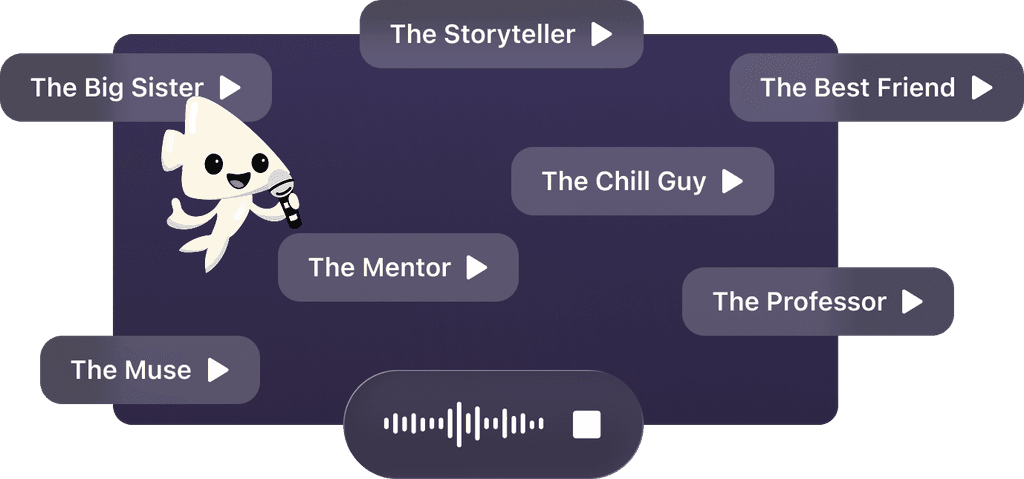
著者の声を通じて本を感じる
知識を魅力的で例が豊富な洞察に変換
キーアイデアを瞬時にキャプチャして素早く学習
楽しく魅力的な方法で本を楽しむ
『I Am Malala』の登場人物
- Malala YousafzaiProtagonist, student activist, and Nobel laureate
- Ziauddin YousafzaiMalala's father and founder of the Khushal School
- Rohul AminMalala's grandfather and a renowned imam
- Malalai of MaiwandAfghan heroine and the namesake of Malala
- Khushal Khan KhattakPashtun warrior-poet and school namesake
『I Am Malala』の主要テーマ
- female education rights
- religious extremism resistance
- pakistani patriarchal society
- father daughter bond
- taliban occupation impact
『I Am Malala』の名言
I come from a country that was created at midnight. When I almost died it was just after midday.
I don't want to be thought of as the 'girl who was shot by the Taliban' but the 'girl who fought for education'.
We realize the importance of our voices only when we are silenced.
When the whole world is silent, even one voice becomes powerful.
My father believed education was the greatest gift.
あなたに合った学び方を探す
 クイックサマリーモード
『I Am Malala』の要約を10分で読む・聴く
『I Am Malala』の核心的なアイデアを分かりやすいポイントに分解し、革新的なチームがどのように創造、協力、成長するかを理解します。

 エンタメモード
『I Am Malala』のレッスンを24分のストーリーで
鮮やかなストーリーテリングを通じて『I Am Malala』を体験し、イノベーションのレッスンを記憶に残り、応用できる瞬間に変えます。
 パーソナライズモード
I Am Malalaを自分の学習スタイルで体験
何でも質問し、学習スタイルを選び、自分に本当に響くインサイトを一緒に作れます。
"Instead of endless scrolling, I just hit play on BeFreed. It saves me so much time."


"I never knew where to start with nonfiction—BeFreed’s book lists turned into podcasts gave me a clear path."


"Perfect balance between learning and entertainment. Finished ‘Thinking, Fast and Slow’ on my commute this week."
"Crazy how much I learned while walking the dog. BeFreed = small habits → big gains."
"Reading used to feel like a chore. Now it’s just part of my lifestyle."

"Feels effortless compared to reading. I’ve finished 6 books this month already."
"BeFreed turned my guilty doomscrolling into something that feels productive and inspiring."

"BeFreed turned my commute into learning time. 20-min podcasts are perfect for finishing books I never had time for."
"BeFreed replaced my podcast queue. Imagine Spotify for books — that’s it. 🙌"

"It is great for me to learn something from the book without reading it."
"The themed book list podcasts help me connect ideas across authors—like a guided audio journey."
"Makes me feel smarter every time before going to work"
"Instead of endless scrolling, I just hit play on BeFreed. It saves me so much time."
"I never knew where to start with nonfiction—BeFreed’s book lists turned into podcasts gave me a clear path."
"Perfect balance between learning and entertainment. Finished ‘Thinking, Fast and Slow’ on my commute this week."
"Crazy how much I learned while walking the dog. BeFreed = small habits → big gains."
"Reading used to feel like a chore. Now it’s just part of my lifestyle."
"Feels effortless compared to reading. I’ve finished 6 books this month already."
"BeFreed turned my guilty doomscrolling into something that feels productive and inspiring."
"BeFreed turned my commute into learning time. 20-min podcasts are perfect for finishing books I never had time for."
"BeFreed replaced my podcast queue. Imagine Spotify for books — that’s it. 🙌"
"It is great for me to learn something from the book without reading it."
"The themed book list podcasts help me connect ideas across authors—like a guided audio journey."
"Makes me feel smarter every time before going to work"
"Instead of endless scrolling, I just hit play on BeFreed. It saves me so much time."
"I never knew where to start with nonfiction—BeFreed’s book lists turned into podcasts gave me a clear path."
"Perfect balance between learning and entertainment. Finished ‘Thinking, Fast and Slow’ on my commute this week."
"Crazy how much I learned while walking the dog. BeFreed = small habits → big gains."
"Reading used to feel like a chore. Now it’s just part of my lifestyle."
"Feels effortless compared to reading. I’ve finished 6 books this month already."
"BeFreed turned my guilty doomscrolling into something that feels productive and inspiring."
"BeFreed turned my commute into learning time. 20-min podcasts are perfect for finishing books I never had time for."
"BeFreed replaced my podcast queue. Imagine Spotify for books — that’s it. 🙌"
"It is great for me to learn something from the book without reading it."
"The themed book list podcasts help me connect ideas across authors—like a guided audio journey."
"Makes me feel smarter every time before going to work"
"Instead of endless scrolling, I just hit play on BeFreed. It saves me so much time."
"I never knew where to start with nonfiction—BeFreed’s book lists turned into podcasts gave me a clear path."
"Perfect balance between learning and entertainment. Finished ‘Thinking, Fast and Slow’ on my commute this week."
"Crazy how much I learned while walking the dog. BeFreed = small habits → big gains."
"Reading used to feel like a chore. Now it’s just part of my lifestyle."
"Feels effortless compared to reading. I’ve finished 6 books this month already."
"BeFreed turned my guilty doomscrolling into something that feels productive and inspiring."
"BeFreed turned my commute into learning time. 20-min podcasts are perfect for finishing books I never had time for."
"BeFreed replaced my podcast queue. Imagine Spotify for books — that’s it. 🙌"
"It is great for me to learn something from the book without reading it."
"The themed book list podcasts help me connect ideas across authors—like a guided audio journey."
"Makes me feel smarter every time before going to work"

I Am Malalaの要約をダウンロード
I Am Malalaの要約をPDFまたはEPUBで無料でダウンロード。印刷やオフラインでいつでもお読みいただけます。


