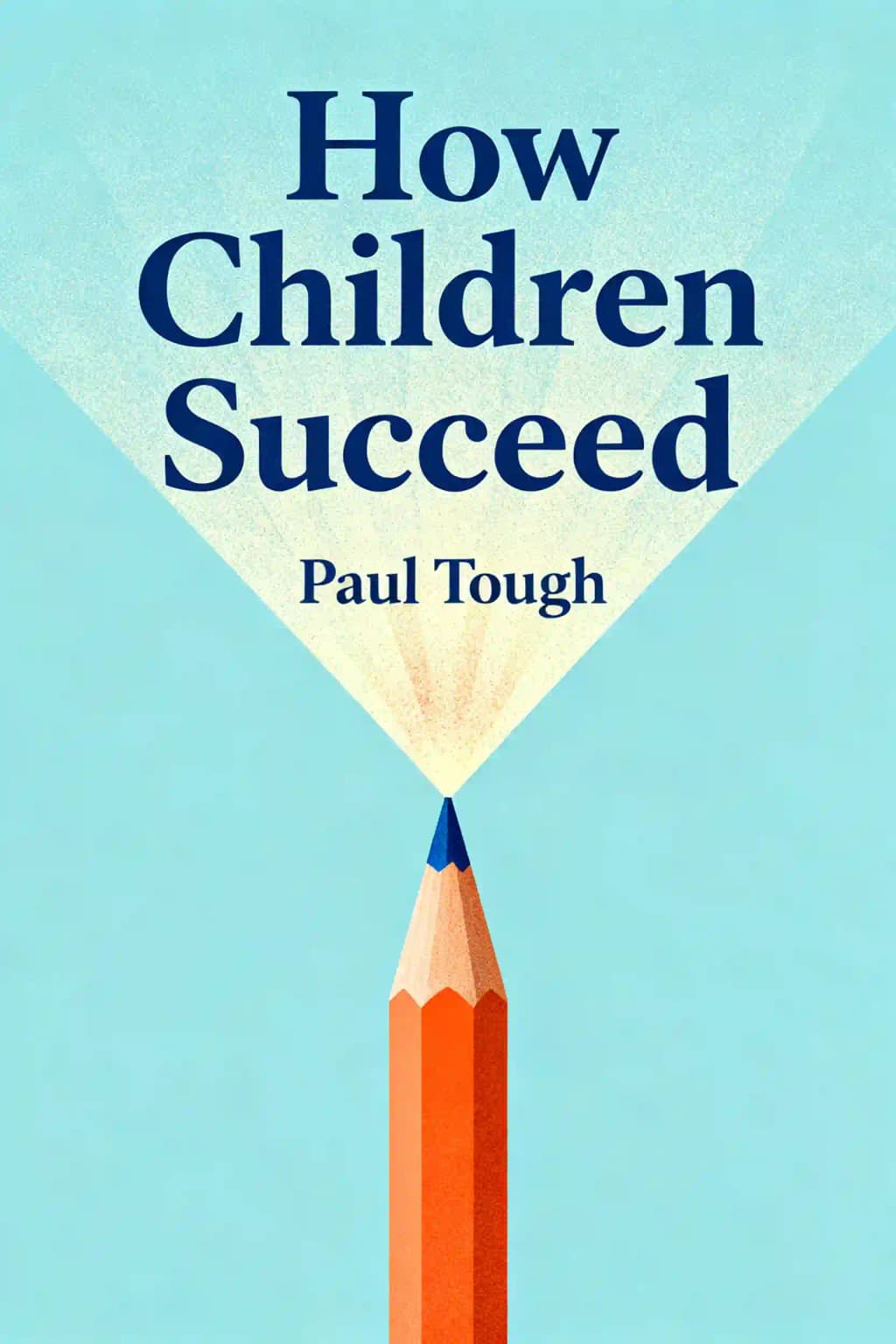
Paul Tough's groundbreaking bestseller challenges conventional wisdom: grit and character - not just IQ - determine success. Translated into 27 languages, it's transformed educational policies worldwide by revealing how adversity shapes resilience. What childhood experience is secretly determining your future?
著者の声を通じて本を感じる
知識を魅力的で例が豊富な洞察に変換
キーアイデアを瞬時にキャプチャして素早く学習
楽しく魅力的な方法で本を楽しむ
Picture a prekindergarten classroom in New Jersey where something extraordinary is happening. No teacher is barking commands. No children are acting out. Instead, four-year-olds are calmly organizing their thoughts, controlling their impulses, and staying focused on tasks - all without traditional discipline. This isn't magic. It's the Tools of the Mind curriculum, designed to develop self-regulation rather than drill ABCs and 123s. When Paul Tough witnessed this scene shortly after his son's birth, it shattered his assumptions about early childhood education. America has spent decades obsessing over the "cognitive hypothesis" - the belief that success depends primarily on measurable intelligence. We've built entire industries around "brain-building" products, shaped education policy around test scores, and convinced ourselves that stuffing information into young minds is the path to prosperity. But what if we've been wrong all along? What if the secret ingredient isn't cognitive horsepower but something far more fundamental - character? Nobel laureate James Heckman stumbled upon a paradox that would revolutionize our understanding of success. In the late 1990s, he examined the GED program, which by 2001 was producing nearly one in five new high school "graduates." The logic seemed airtight: if someone could pass a comprehensive equivalency test, they should be academically equal to traditional graduates. But Heckman's data told a different story - a disturbing one. GED recipients demonstrated cognitive abilities matching high school graduates on standardized tests, yet their life trajectories looked nothing alike. At age twenty-two, only 3 percent of GED holders were enrolled in four-year universities compared to 46 percent of traditional graduates. More troubling still, GED holders showed patterns eerily similar to high school dropouts - comparable unemployment rates, similar incomes, equivalent divorce rates, and parallel substance abuse patterns - despite being demonstrably smarter. The missing element? Psychological traits that enabled persistence: delaying gratification, maintaining focus on long-term goals, following through on commitments, adapting to social environments, and managing stress.
『How Children Succeed』の核心的なアイデアを分かりやすいポイントに分解し、革新的なチームがどのように創造、協力、成長するかを理解します。
『How Children Succeed』を素早い記憶のヒントに凝縮し、率直さ、チームワーク、創造的な回復力の主要原則を強調します。

鮮やかなストーリーテリングを通じて『How Children Succeed』を体験し、イノベーションのレッスンを記憶に残り、応用できる瞬間に変えます。
何でも質問し、声を選び、本当にあなたに響く洞察を一緒に作り出しましょう。

"Instead of endless scrolling, I just hit play on BeFreed. It saves me so much time."
"I never knew where to start with nonfiction—BeFreed’s book lists turned into podcasts gave me a clear path."
"Perfect balance between learning and entertainment. Finished ‘Thinking, Fast and Slow’ on my commute this week."
"Crazy how much I learned while walking the dog. BeFreed = small habits → big gains."
"Reading used to feel like a chore. Now it’s just part of my lifestyle."
"Feels effortless compared to reading. I’ve finished 6 books this month already."
"BeFreed turned my guilty doomscrolling into something that feels productive and inspiring."
"BeFreed turned my commute into learning time. 20-min podcasts are perfect for finishing books I never had time for."
"BeFreed replaced my podcast queue. Imagine Spotify for books — that’s it. 🙌"
"It is great for me to learn something from the book without reading it."
"The themed book list podcasts help me connect ideas across authors—like a guided audio journey."
"Makes me feel smarter every time before going to work"

How Children Succeedの要約をPDFまたはEPUBで無料でダウンロード。印刷やオフラインでいつでもお読みいただけます。