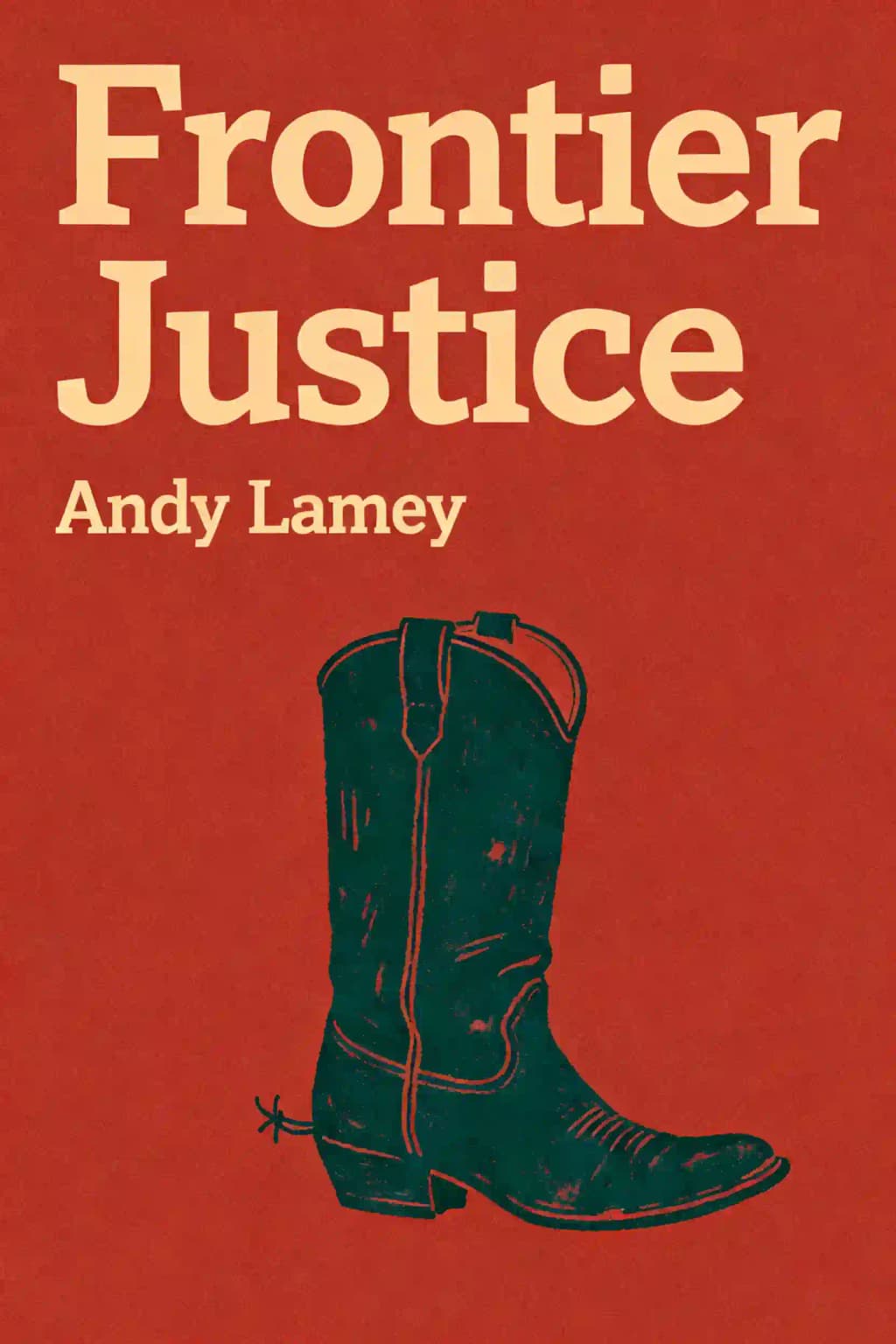
In "Frontier Justice," Andy Lamey exposes the global refugee crisis with heartbreaking clarity. Praised as "compulsively readable" by literary journalist Jeet Heer, this thought-provoking work challenges hypocrisy in refugee politics. What rights do humans deserve beyond borders? The answer might reshape your worldview.
著者の声を通じて本を感じる
知識を魅力的で例が豊富な洞察に変換
キーアイデアを瞬時にキャプチャして素早く学習
楽しく魅力的な方法で本を楽しむ
Picture a house split between two worlds - one half in Nazi Germany, the other in Czechoslovakia. In March 1933, a young Jewish woman and her mother slipped through this architectural loophole, escaping Hitler's tightening grip without passports or permission. That woman was Hannah Arendt, who would later become one of the twentieth century's most influential philosophers. Her harrowing flight wasn't just a personal survival story - it became the foundation for understanding a brutal paradox that still haunts us: we proclaim human rights as universal, yet refugees discover these rights evaporate the moment they cross a border. What happens when the very governments meant to protect human dignity become the ones who decide whose humanity counts? Arendt's journey from Berlin to Paris, then to a muddy internment camp at Gurs, and finally to America revealed a devastating truth: without citizenship, you have no rights at all. France initially seemed like refuge, but as Hitler's shadow spread across Europe, French society turned hostile. Refugees became "undesirables," subject to arbitrary detention and deportation. When war erupted in 1939, Arendt's husband was imprisoned as an "enemy alien," and she soon followed - not for any crime, but simply for existing without papers. Her escape from Gurs led to months sleeping on floors in abandoned buildings, joining thousands of desperate people with nowhere to go. Then came an unexpected moment of grace: walking down a street in Montauban, she spotted her husband in the crowd. Their reunion, against all odds, renewed what she called her "violent courage of life" - the stubborn refusal to surrender hope even when the world offers none. Through extraordinary persistence and luck, Arendt reached New York in 1941. But her experience left an intellectual scar. In her 1951 masterwork, she concluded that refugees discover "the abstract nakedness of being human was their greatest danger." Beautiful declarations about human dignity mean nothing when you're stateless. States protect their citizens - everyone else exists in a legal void.
『Frontier Justice』の核心的なアイデアを分かりやすいポイントに分解し、革新的なチームがどのように創造、協力、成長するかを理解します。
『Frontier Justice』を素早い記憶のヒントに凝縮し、率直さ、チームワーク、創造的な回復力の主要原則を強調します。

鮮やかなストーリーテリングを通じて『Frontier Justice』を体験し、イノベーションのレッスンを記憶に残り、応用できる瞬間に変えます。
何でも質問し、声を選び、本当にあなたに響く洞察を一緒に作り出しましょう。

"Instead of endless scrolling, I just hit play on BeFreed. It saves me so much time."
"I never knew where to start with nonfiction—BeFreed’s book lists turned into podcasts gave me a clear path."
"Perfect balance between learning and entertainment. Finished ‘Thinking, Fast and Slow’ on my commute this week."
"Crazy how much I learned while walking the dog. BeFreed = small habits → big gains."
"Reading used to feel like a chore. Now it’s just part of my lifestyle."
"Feels effortless compared to reading. I’ve finished 6 books this month already."
"BeFreed turned my guilty doomscrolling into something that feels productive and inspiring."
"BeFreed turned my commute into learning time. 20-min podcasts are perfect for finishing books I never had time for."
"BeFreed replaced my podcast queue. Imagine Spotify for books — that’s it. 🙌"
"It is great for me to learn something from the book without reading it."
"The themed book list podcasts help me connect ideas across authors—like a guided audio journey."
"Makes me feel smarter every time before going to work"

Frontier Justiceの要約をPDFまたはEPUBで無料でダウンロード。印刷やオフラインでいつでもお読みいただけます。