Brain Wash: Detecting the Science-Backed Plan for Lifelong Health, Happiness, and High Performance

『Brain Wash』の概要
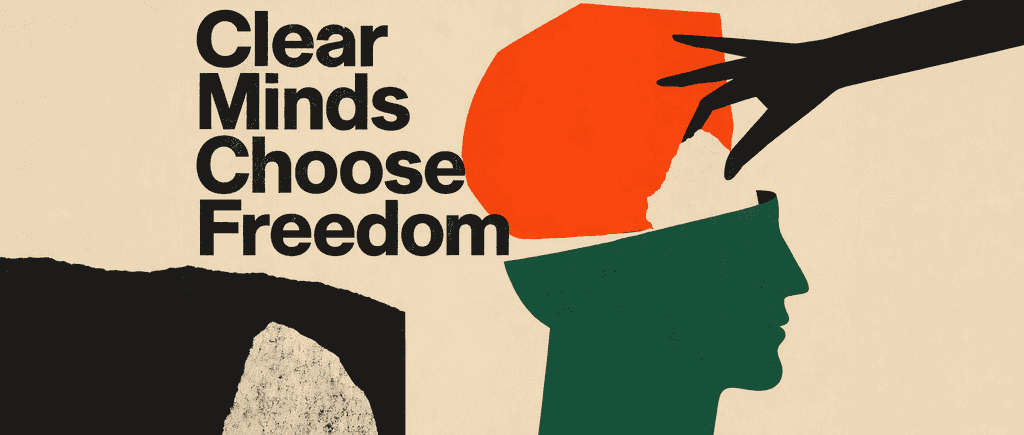
In "Brain Wash," the Perlmutters reveal how modern life hijacks your brain chemistry. This #1 NYT bestseller, endorsed by Deepak Chopra, offers a revolutionary 10-day detox to reclaim your decision-making power. Could your smartphone be sabotaging your happiness more than you realize?
- Disconnection syndrome explains modern loneliness despite hyperconnectivity via social media.
- Strengthen prefrontal cortex function to override amygdala-driven impulsive decisions.
- Hi-tech hijack manipulates attention spans and rewards instant gratification loops.
- Chronic inflammation from ultra-processed diets disrupts brain-gut communication and mood.
- 10-day Brain Wash program resets habits through digital detox and nature immersion.
- Gratitude journaling rewires neural pathways to reduce stress and boost empathy.
- Sleep deprivation fuels amygdala dominance and impairs long-term decision-making.
- Instant gratification economy exploits evolutionary reward systems to drive overconsumption.
- Mindfulness practices restore prefrontal cortex control over emotional reactivity.
- Social media algorithms prioritize engagement over user mental health outcomes.
- Inflammatory diets correlate with anxiety severity by altering gut microbiome diversity.
- David Perlmutter’s meal plan combats brain fog with anti-inflammatory fats and fibers.
『Brain Wash』の著者について
David Perlmutter, MD, is the New York Times bestselling author of Brain-Wash and a prominent figure in neurology and functional medicine. A board-certified neurologist and Fellow of the American College of Nutrition, Perlmutter merges decades of clinical practice with groundbreaking research on brain health, dietary influences, and metabolic wellness.
His work, including prior bestsellers like Grain Brain and Drop Acid, explores the intersection of nutrition, chronic disease, and cognitive function, establishing him as a leading voice in preventive health strategies.
As a frequent medical contributor to The Dr. Oz Show and Men’s Health, and through appearances on CNN, Fox News, and The Today Show, Perlmutter amplifies science-backed insights for mainstream audiences. He serves as a medical advisor to the Institute for Functional Medicine and founded the Perlmutter Health Center, a hub for integrative care later sold in 2015.
Brain-Wash builds on his signature themes of detoxifying modern lifestyles and optimizing neurological resilience, reflected in his earlier works. Translated into 34 languages, Perlmutter’s books have collectively sold over 2 million copies worldwide, cementing his global influence in reshaping public understanding of brain health.
『Brain Wash』に関するよくある質問
What is Brain Wash by David Perlmutter about?
Brain Wash explores how modern culture—including technology, ultra-processed foods, and chronic stress—hijacks brain function, leading to anxiety, poor health, and social disconnection. The book offers a science-backed 10-day bootcamp with dietary guidelines, stress-reduction techniques, and actionable strategies to reset thinking patterns and foster lasting mental and physical wellness.
Who should read Brain Wash?
This book is ideal for individuals struggling with decision fatigue, chronic stress, or unhealthy habits exacerbated by modern lifestyles. It’s also valuable for those interested in neuroscience-based self-improvement, plant-based nutrition, or breaking free from digital addiction.
Is Brain Wash worth reading?
Yes—the book combines rigorous scientific research with practical solutions, including 40 recipes and daily exercises. It’s endorsed by experts like Dr. Mark Hyman and addresses urgent issues like inflammation-driven poor decision-making, making it a actionable guide for improving mental clarity and well-being.
What is the "mental hijacking" concept in Brain Wash?
"Mental hijacking" refers to how modern stimuli (e.g., social media, processed foods) overpower the brain’s prefrontal cortex, triggering impulsive decisions. This disrupts empathy, long-term planning, and health, trapping individuals in cycles of stress and dissatisfaction.
How does Brain Wash compare to Grain Brain?
While Grain Brain focuses on dietary impacts on neurological health, Brain Wash addresses broader lifestyle factors like digital overload and chronic stress. Both emphasize reducing inflammation, but Brain Wash includes a structured 10-day plan to rebuild cognitive resilience.
What is the Brain Wash 10-day bootcamp?
The bootcamp combines anti-inflammatory meals (40 plant-based recipes), mindfulness practices, and digital detox strategies. It aims to reduce stress, improve sleep, and rewire decision-making by prioritizing long-term well-being over instant gratification.
What role does inflammation play in Brain Wash?
Chronic inflammation, driven by poor diet and stress, impairs brain function and decision-making. The book links inflammation to anxiety, depression, and impulsive behavior, advocating dietary changes and lifestyle habits to mitigate its effects.
How does Brain Wash address technology addiction?
The authors argue that excessive screen time activates dopamine-driven reward loops, eroding focus and empathy. Solutions include designated tech-free periods, nature exposure, and mindfulness to restore cognitive balance.
What is "disconnection syndrome" in Brain Wash?
This term describes prioritizing short-term rewards (e.g., social media likes, junk food) over meaningful connections. It exacerbates loneliness and poor health, which the 10-day plan tackles by fostering gratitude and face-to-face interactions.
What critiques exist about Brain Wash?
Some may find its 10-day plan overly ambitious for habit transformation. Critics might argue it oversimplifies systemic drivers of stress, though it balances this with actionable steps tailored to individual accountability.
How does Brain Wash recommend improving relationships?
The book emphasizes empathy-building practices like active listening and shared meals. Reducing screen time and stress fosters clearer communication, while anti-inflammatory diets support emotional stability.
What quote summarizes Brain Wash's message?
Dr. Rudolph Tanzi states, “Brain Wash shows us how our ability to make the best decisions is literally hijacked every day...[it] empowers the reader to regain control.” This highlights the book’s focus on reclaiming autonomy in a manipulative modern world.
著者の声を通じて本を感じる
知識を魅力的で例が豊富な洞察に変換
キーアイデアを瞬時にキャプチャして素早く学習
楽しく魅力的な方法で本を楽しむ
『Brain Wash』の登場人物
- David PerlmutterPhysician and co-author of Brain Wash
- Austin PerlmutterPhysician and co-author of Brain Wash
- Phineas GageRailroad worker used as a neurological case study
『Brain Wash』の主要テーマ
- disconnection syndrome
- prefrontal cortex regulation
- digital addiction
- amygdala hijacking
- lifestyle inflammation
『Brain Wash』の名言
Our brains are being systematically hijacked.
This state isn't just a fantasy; it's our biological birthright.
Each industry profits from keeping us disconnected.
Dopamine doesn't create pleasure itself—it generates wanting.
Stress compounds this problem.
あなたに合った学び方を探す
 クイックサマリーモード
『Brain Wash』の要約を9分で読む・聴く
『Brain Wash』の核心的なアイデアを分かりやすいポイントに分解し、革新的なチームがどのように創造、協力、成長するかを理解します。

 エンタメモード
『Brain Wash』のレッスンを24分のストーリーで
鮮やかなストーリーテリングを通じて『Brain Wash』を体験し、イノベーションのレッスンを記憶に残り、応用できる瞬間に変えます。
 パーソナライズモード
Brain Washを自分の学習スタイルで体験
何でも質問し、学習スタイルを選び、自分に本当に響くインサイトを一緒に作れます。

"Instead of endless scrolling, I just hit play on BeFreed. It saves me so much time."


"I never knew where to start with nonfiction—BeFreed’s book lists turned into podcasts gave me a clear path."


"Perfect balance between learning and entertainment. Finished ‘Thinking, Fast and Slow’ on my commute this week."
"Crazy how much I learned while walking the dog. BeFreed = small habits → big gains."
"Reading used to feel like a chore. Now it’s just part of my lifestyle."

"Feels effortless compared to reading. I’ve finished 6 books this month already."
"BeFreed turned my guilty doomscrolling into something that feels productive and inspiring."

"BeFreed turned my commute into learning time. 20-min podcasts are perfect for finishing books I never had time for."
"BeFreed replaced my podcast queue. Imagine Spotify for books — that’s it. 🙌"

"It is great for me to learn something from the book without reading it."
"The themed book list podcasts help me connect ideas across authors—like a guided audio journey."
"Makes me feel smarter every time before going to work"
"Instead of endless scrolling, I just hit play on BeFreed. It saves me so much time."
"I never knew where to start with nonfiction—BeFreed’s book lists turned into podcasts gave me a clear path."
"Perfect balance between learning and entertainment. Finished ‘Thinking, Fast and Slow’ on my commute this week."
"Crazy how much I learned while walking the dog. BeFreed = small habits → big gains."
"Reading used to feel like a chore. Now it’s just part of my lifestyle."
"Feels effortless compared to reading. I’ve finished 6 books this month already."
"BeFreed turned my guilty doomscrolling into something that feels productive and inspiring."
"BeFreed turned my commute into learning time. 20-min podcasts are perfect for finishing books I never had time for."
"BeFreed replaced my podcast queue. Imagine Spotify for books — that’s it. 🙌"
"It is great for me to learn something from the book without reading it."
"The themed book list podcasts help me connect ideas across authors—like a guided audio journey."
"Makes me feel smarter every time before going to work"
"Instead of endless scrolling, I just hit play on BeFreed. It saves me so much time."
"I never knew where to start with nonfiction—BeFreed’s book lists turned into podcasts gave me a clear path."
"Perfect balance between learning and entertainment. Finished ‘Thinking, Fast and Slow’ on my commute this week."
"Crazy how much I learned while walking the dog. BeFreed = small habits → big gains."
"Reading used to feel like a chore. Now it’s just part of my lifestyle."
"Feels effortless compared to reading. I’ve finished 6 books this month already."
"BeFreed turned my guilty doomscrolling into something that feels productive and inspiring."
"BeFreed turned my commute into learning time. 20-min podcasts are perfect for finishing books I never had time for."
"BeFreed replaced my podcast queue. Imagine Spotify for books — that’s it. 🙌"
"It is great for me to learn something from the book without reading it."
"The themed book list podcasts help me connect ideas across authors—like a guided audio journey."
"Makes me feel smarter every time before going to work"
"Instead of endless scrolling, I just hit play on BeFreed. It saves me so much time."
"I never knew where to start with nonfiction—BeFreed’s book lists turned into podcasts gave me a clear path."
"Perfect balance between learning and entertainment. Finished ‘Thinking, Fast and Slow’ on my commute this week."
"Crazy how much I learned while walking the dog. BeFreed = small habits → big gains."
"Reading used to feel like a chore. Now it’s just part of my lifestyle."
"Feels effortless compared to reading. I’ve finished 6 books this month already."
"BeFreed turned my guilty doomscrolling into something that feels productive and inspiring."
"BeFreed turned my commute into learning time. 20-min podcasts are perfect for finishing books I never had time for."
"BeFreed replaced my podcast queue. Imagine Spotify for books — that’s it. 🙌"
"It is great for me to learn something from the book without reading it."
"The themed book list podcasts help me connect ideas across authors—like a guided audio journey."
"Makes me feel smarter every time before going to work"

Brain Washの要約をダウンロード
Brain Washの要約をPDFまたはEPUBで無料でダウンロード。印刷やオフラインでいつでもお読みいただけます。