書籍
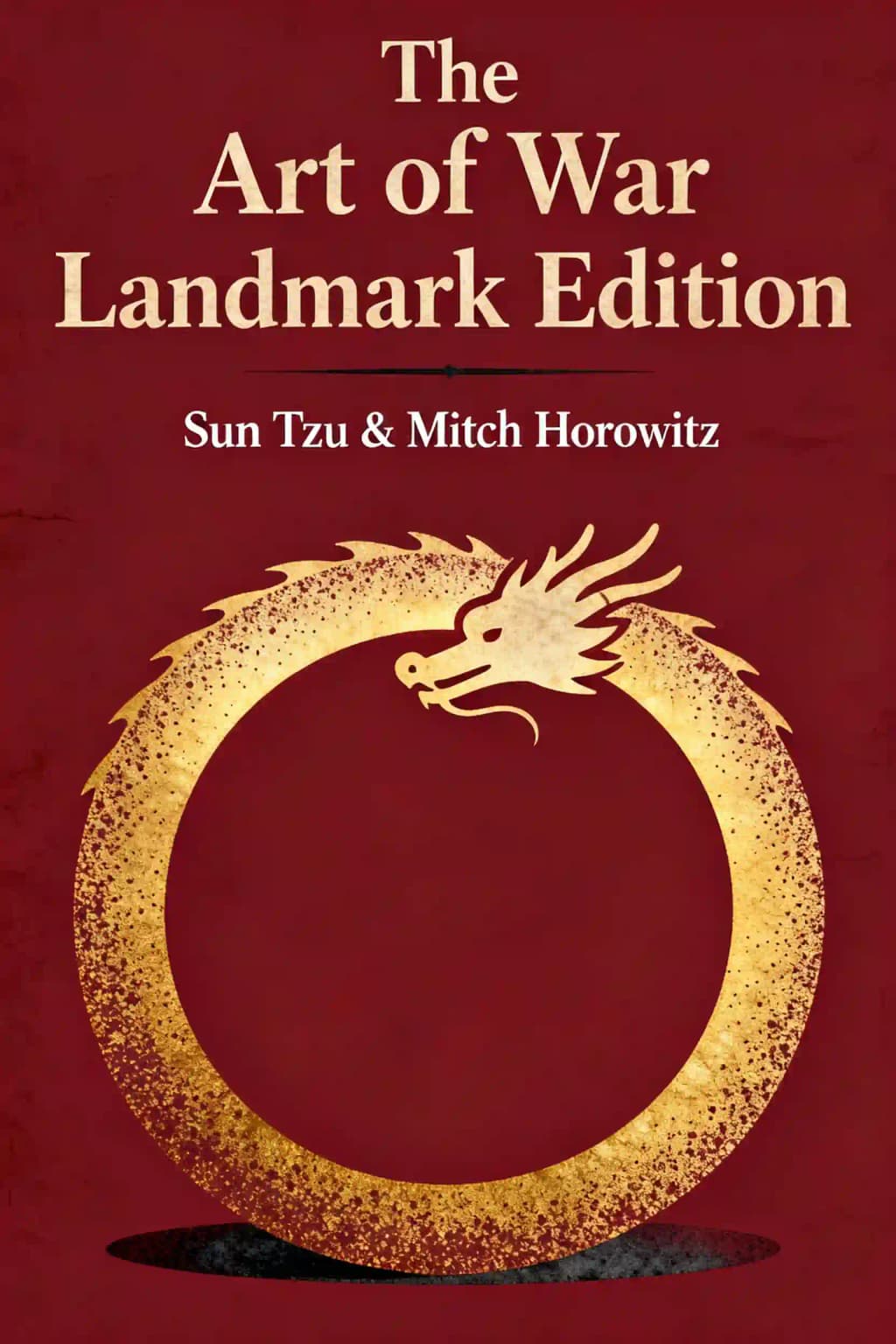
The Art of War
Sun Tzu & Mitch Horowitz
Ancient wisdom on strategy and leadership, annotated for modern relevance in business, politics, and personal life.
Struggling to stay ahead? Learn how Sun Tzu's Art of War applies to modern business. Master these timeless lessons to win without constant conflict.
Sun Tzu's The Art of War is a 2,500-year-old Chinese military treatise comprising 13 chapters on strategy, leadership, and conflict. Written around 500 BCE, its central thesis is that the supreme art of war is to subdue the enemy without fighting. The text has been translated into over 30 languages and has remained one of the Seven Military Classics of China since 1080 CE. Today, its principles guide everyone from military commanders to modern corporate executives.
Mastering these ancient strategies is easier than ever with BeFreed. You can explore multiple editions of this classic text through audio summaries and AI-generated podcasts designed for busy professionals. Check out The Art of War by Sun Tzu & Mitch Horowitz to learn how victory comes without fighting.
Ancient wisdom on strategy and leadership, annotated for modern relevance in business, politics, and personal life.
Sun Tzu was a Chinese general, philosopher, and military strategist who lived during the Eastern Zhou period (c. 544-496 BC). He served as a trusted military advisor to King Helu of Wu. While historians continue to debate the exact details of his historical existence, the text attributed to him changed history's greatest minds. His strategic frameworks have been studied by figures ranging from Mao Zedong and Napoleon to modern business leaders like Jack Welch.
The 13 chapters of The Art of War form a comprehensive, step-by-step guide to military strategy, preparation, and execution.
This chapter focuses on the five fundamental factors of war: politics, weather, terrain, leadership, and doctrine. It emphasizes that victory is determined by careful calculation and planning before the battle even begins.
Sun Tzu explains the economic cost of conflict. He advises that military campaigns should be swift and decisive, as prolonged wars drain a nation's resources and morale.
This section introduces the concept of winning without fighting. It prioritizes capturing an enemy's army intact over destroying it, highlighting the importance of attacking the enemy's strategy and alliances first.
Sun Tzu discusses the importance of securing your own defenses before looking for an opportunity to defeat the enemy. A skilled commander ensures they cannot be defeated while waiting for the opponent to make a fatal mistake.
This chapter focuses on creativity and timing. It explains how to build momentum and direct the collective energy of an army to strike with maximum impact.
Sun Tzu teaches leaders how to exploit the enemy's vulnerabilities. By appearing where the enemy is unprepared and avoiding their strengths, an army can achieve victory with minimal effort.
This section covers the complexities of moving an army into an advantageous position. It highlights the dangers of direct conflict and the necessity of turning disadvantages into advantages.
Leaders must remain flexible and adaptable. This chapter warns against rigid adherence to rules, urging commanders to adjust their tactics based on changing circumstances.
Sun Tzu provides practical advice on navigating different environments and reading the enemy's intentions. It emphasizes observing physical signs to anticipate enemy movements.
This chapter classifies different types of physical environments and how to fight in them. Understanding the terrain is critical for positioning troops and ensuring a strategic advantage.
Sun Tzu outlines nine common stages of a military campaign, from fighting on home soil to fighting in desperate territory. He explains how to manage troop psychology and behavior in each scenario.
This section details the use of weapons and environmental destruction, specifically fire, to disrupt the enemy. It also warns leaders never to act out of anger or spite.
The final chapter emphasizes the absolute necessity of intelligence gathering. Sun Tzu argues that employing spies is essential for knowing the enemy and securing victory with minimal cost.
The core strategic principles of The Art of War revolve around preparation, self-awareness, and minimizing conflict. You can explore these foundational concepts further in the Complete Art of War.

Ancient Chinese military treatise offering timeless strategic wisdom applicable to warfare, business, and life's daily battles.
Winning Without Fighting
The ultimate goal of strategy is to achieve your objectives without engaging in destructive conflict. By dismantling an opponent's plans and isolating them from their allies, you can force a surrender without spending resources.
Know Yourself and Your Enemy
Information is the ultimate weapon. If you understand your own capabilities and weaknesses as well as you understand your competitor's, victory is highly probable. Blind spots in either area lead to defeat.
Deception
All strategy relies on misleading the opponent. By feigning weakness when you are strong, or appearing disorganized when you are disciplined, you force the enemy into making poor decisions based on false assumptions.
Adaptability
Strategy must flow like water, conforming to the shape of the terrain it encounters. Rigid plans fail when conditions change, but adaptable leaders find new paths to victory.
Speed and Preparation
Opportunities in conflict are fleeting. Thorough preparation allows a leader to act with sudden, overwhelming speed when an advantage presents itself.
The Art of War applies directly to modern business by translating military tactics into corporate strategy, market positioning, and team management. In Sun Tzu and the Art of Business, author Mark R. McNeilly translates Sun Tzu's military genius into strategic principles embraced by Fortune 500 giants like Microsoft and FedEx.

Ancient military wisdom applied to modern business strategy, offering competitive insights for executives to outmaneuver rivals and dominate markets.
Businesses use Sun Tzu's principles to capture markets through indirect strategies. Instead of engaging in costly price wars (direct attacks), successful companies target competitor weaknesses and focus their economic force on high-impact areas. Identifying an underserved niche is the corporate equivalent of attacking where the enemy is unprepared.
Sun Tzu states that leadership demands intelligence, courage, and discipline. In a corporate setting, this means building character-driven leadership. A manager must cultivate unity of purpose, ensuring the entire team shares the same vision. Trust and discipline outweigh numerical superiority or massive budgets.
The principle of subduing the enemy without fighting is the bedrock of successful negotiation. By understanding the other party's constraints and leveraging alliances, negotiators can create mutually beneficial outcomes or secure advantageous deals without aggressive confrontation.
The most famous quotes from The Art of War emphasize deception, self-knowledge, and avoiding unnecessary conflict.
"The supreme art of war is to subdue the enemy without fighting."
Conflict drains resources, time, and morale. The most effective leaders achieve their goals through strategy, positioning, and diplomacy, rendering actual combat unnecessary.
"All warfare is based on deception."
Predictability is a vulnerability. By masking your true intentions and capabilities, you prevent competitors from preparing effective countermeasures.
"If you know the enemy and know yourself, you need not fear the result of a hundred battles."
Success requires total objective awareness. You must audit your own strengths and weaknesses as ruthlessly as you analyze your competition.
"In the midst of chaos, there is also opportunity."
Disruption creates openings. When markets shift or crises occur, adaptable leaders find ways to capitalize on the confusion while competitors panic.
"Let your plans be dark and impenetrable as night, and when you move, fall like a thunderbolt."
Keep your strategies confidential during the planning phase. Once you decide to act, execute with overwhelming speed and decisiveness.

BeFreed offers multiple editions of The Art of War as audio summaries and AI-generated podcasts, making it easy to absorb Sun Tzu's strategies on the go. Whether you are leading a team, launching a startup, or negotiating a major deal, these ancient principles remain highly effective today.
To explore how these tactics apply specifically to personal development and dispute resolution, listen to The Art of War-- Spirituality for Conflict by Sun Tzu & Thomas Huynh on BeFreed. Transform your daily commute into a masterclass on timeless strategy.

Apply Sun Tzu's Strategic Thinking
Sun Tzu's 'Art of War' contains timeless strategic principles that transcend military applications and offer powerful insights for modern challenges. This learning plan helps professionals, leaders, and individuals harness these ancient wisdom traditions to gain competitive advantages, make better decisions, and navigate complex situations with greater clarity and purpose.

Art of war sun tzu
This learning plan bridges the gap between ancient Eastern philosophy and modern executive leadership. It is designed for aspiring leaders, entrepreneurs, and strategists who want to master high-level decision-making and competitive psychology.

36 Strategies of Power: A War Manual
This course bridges the gap between ancient wisdom and modern survival, offering a deep dive into the mechanics of influence and tactical superiority. It is essential for leaders, entrepreneurs, and strategists who need to navigate high-stakes environments where psychological insight and political acumen are the primary tools for success.

The Conqueror’s Code: Strategic Leadership
In an era of constant disruption, traditional management is no longer enough to sustain growth. This plan is designed for aspiring executives and entrepreneurs who need to blend bold vision with tactical agility and robust governance to build lasting organizations.

The Roman War Machine
This plan distills the strategic brilliance of ancient Rome into actionable leadership principles. It is designed for ambitious professionals and leaders who want to master high-stakes decision-making and long-term geopolitical influence.

Machiavelli for Modern Leaders
This learning plan bridges historical political philosophy with modern corporate strategy, offering a blueprint for navigating high-stakes environments. It is ideal for newly appointed executives and ambitious managers who need to master power dynamics and decisive crisis management.
Modern Work Politics: Machiavelli & 48 Laws
In high-stakes corporate environments, technical skill alone rarely guarantees advancement. This plan is designed for ambitious professionals who need to master the unspoken rules of influence and power dynamics to secure their seat at the table.

business strategy
This plan is essential for leaders and entrepreneurs who need to move beyond theory into actionable market dominance. It provides a comprehensive roadmap for anyone looking to master competitive analysis, value creation, and the rigors of organizational scaling.