Tughlaq: The Genius, the Madman, and the State
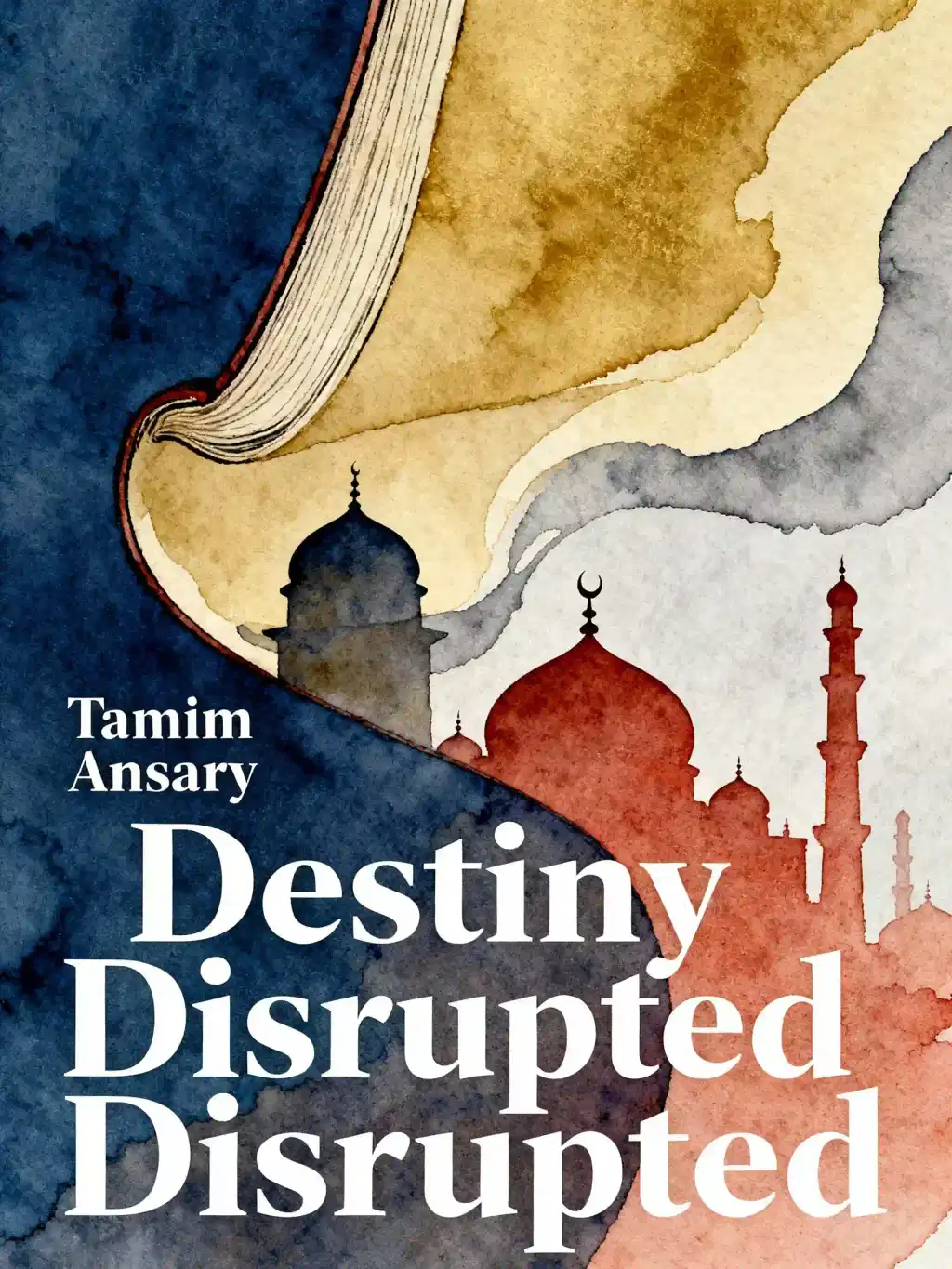
Explore Girish Karnad’s legendary play as we dissect the tragic collision of 14th-century idealism and brutal tyranny. Discover how this historical allegory mirrors the disillusionment of modern power.

Miglior citazione da Tughlaq: The Genius, the Madman, and the State
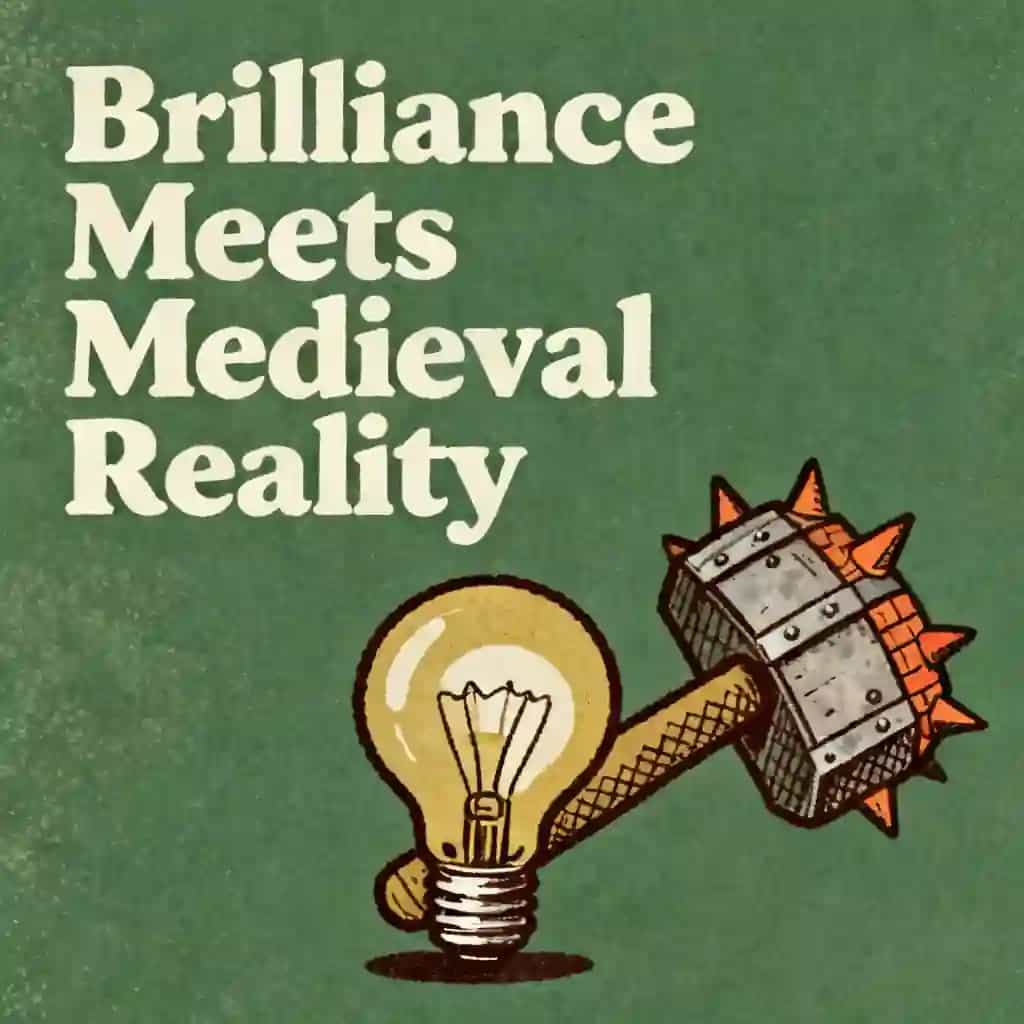
The higher the ideal, the more painful the crash into reality. You can't build a just society if you treat people as abstractions; real leadership requires a connection to the lived reality of the people you are leading.
Generated by ajay charan
Tughlaq drama by garish kanad


Domande frequenti
The Sultan earned this reputation because of the extreme contradictions in his rule and his violent reactions to failure. While he was an intellectual visionary who studied Greek philosophy and promoted religious unity, he was also capable of brutal acts, such as allegedly murdering his father and ordering mass executions. His "madness" is portrayed as a descent into tyranny and impatience when his subjects failed to understand or adopt his rationalist, forward-thinking reforms.
Tughlaq intended the move to Daulatabad to be a symbol of Hindu-Muslim unity and a strategic shift to a more central location. However, it became a catastrophe because he forced the entire population of Delhi to march seven hundred miles, resulting in massive suffering and death. In the play, the fort at Daulatabad shifts from a symbol of a "new future" to a "kitchen of death" and a "hollow python," representing the Sultan’s own dark, paranoid mental state and his isolation from the reality of his people's lives.
The policy failed because it relied on public trust that did not exist. Tughlaq introduced copper and bronze coins intended to have the same value as silver to combat a global silver scarcity. However, he did not account for human nature; citizens hoarded precious metals and flooded the market with counterfeit copper coins. This created economic chaos and forced the Sultan to bankrupt the treasury by exchanging the fake coins for real silver in a desperate attempt to maintain his image of justice.
Chess serves as a metaphor for Tughlaq’s manipulative and cold-blooded approach to governance, where he views his subjects and rivals as "pawns of blood and flesh." While he is a master of political intrigue—such as when he tricks a rival into being killed in his place—he is ultimately "checkmated" by a commoner named Aziz. This irony highlights that Tughlaq’s obsession with strategy and logic blinded him to the lived reality of the people, allowing those he looked down upon to exploit the loopholes in his grand schemes.
This motif represents the corruption of the sacred for political or violent ends. It begins with the rumor that Tughlaq killed his father during prayer and continues when his enemies plot to assassinate him during his devotions. Tughlaq eventually turns a prayer session into a massacre of his conspirators and bans public prayer for five years. This theme illustrates the Sultan’s moral decay and the "unbridgeable gulf" between his spiritual aspirations and his blood-stained methods of maintaining power.
Creato da alumni della Columbia University a San Francisco
"Instead of endless scrolling, I just hit play on BeFreed. It saves me so much time."


"I never knew where to start with nonfiction—BeFreed’s book lists turned into podcasts gave me a clear path."


"Perfect balance between learning and entertainment. Finished ‘Thinking, Fast and Slow’ on my commute this week."
"Crazy how much I learned while walking the dog. BeFreed = small habits → big gains."
"Reading used to feel like a chore. Now it’s just part of my lifestyle."

"Feels effortless compared to reading. I’ve finished 6 books this month already."
"BeFreed turned my guilty doomscrolling into something that feels productive and inspiring."

"BeFreed turned my commute into learning time. 20-min podcasts are perfect for finishing books I never had time for."
"BeFreed replaced my podcast queue. Imagine Spotify for books — that’s it. 🙌"

"It is great for me to learn something from the book without reading it."
"The themed book list podcasts help me connect ideas across authors—like a guided audio journey."
"Makes me feel smarter every time before going to work"
 Ask ChatGPT
 Ask Claude
Creato da alumni della Columbia University a San Francisco
"Instead of endless scrolling, I just hit play on BeFreed. It saves me so much time."
"I never knew where to start with nonfiction—BeFreed’s book lists turned into podcasts gave me a clear path."
"Perfect balance between learning and entertainment. Finished ‘Thinking, Fast and Slow’ on my commute this week."
"Crazy how much I learned while walking the dog. BeFreed = small habits → big gains."
"Reading used to feel like a chore. Now it’s just part of my lifestyle."
"Feels effortless compared to reading. I’ve finished 6 books this month already."
"BeFreed turned my guilty doomscrolling into something that feels productive and inspiring."
"BeFreed turned my commute into learning time. 20-min podcasts are perfect for finishing books I never had time for."
"BeFreed replaced my podcast queue. Imagine Spotify for books — that’s it. 🙌"
"It is great for me to learn something from the book without reading it."
"The themed book list podcasts help me connect ideas across authors—like a guided audio journey."
"Makes me feel smarter every time before going to work"
"Instead of endless scrolling, I just hit play on BeFreed. It saves me so much time."
"I never knew where to start with nonfiction—BeFreed’s book lists turned into podcasts gave me a clear path."
"Perfect balance between learning and entertainment. Finished ‘Thinking, Fast and Slow’ on my commute this week."
"Crazy how much I learned while walking the dog. BeFreed = small habits → big gains."
"Reading used to feel like a chore. Now it’s just part of my lifestyle."
"Feels effortless compared to reading. I’ve finished 6 books this month already."
"BeFreed turned my guilty doomscrolling into something that feels productive and inspiring."
"BeFreed turned my commute into learning time. 20-min podcasts are perfect for finishing books I never had time for."
"BeFreed replaced my podcast queue. Imagine Spotify for books — that’s it. 🙌"
"It is great for me to learn something from the book without reading it."
"The themed book list podcasts help me connect ideas across authors—like a guided audio journey."
"Makes me feel smarter every time before going to work"
"Instead of endless scrolling, I just hit play on BeFreed. It saves me so much time."
"I never knew where to start with nonfiction—BeFreed’s book lists turned into podcasts gave me a clear path."
"Perfect balance between learning and entertainment. Finished ‘Thinking, Fast and Slow’ on my commute this week."
"Crazy how much I learned while walking the dog. BeFreed = small habits → big gains."
"Reading used to feel like a chore. Now it’s just part of my lifestyle."
"Feels effortless compared to reading. I’ve finished 6 books this month already."
"BeFreed turned my guilty doomscrolling into something that feels productive and inspiring."
"BeFreed turned my commute into learning time. 20-min podcasts are perfect for finishing books I never had time for."
"BeFreed replaced my podcast queue. Imagine Spotify for books — that’s it. 🙌"
"It is great for me to learn something from the book without reading it."
"The themed book list podcasts help me connect ideas across authors—like a guided audio journey."
"Makes me feel smarter every time before going to work"