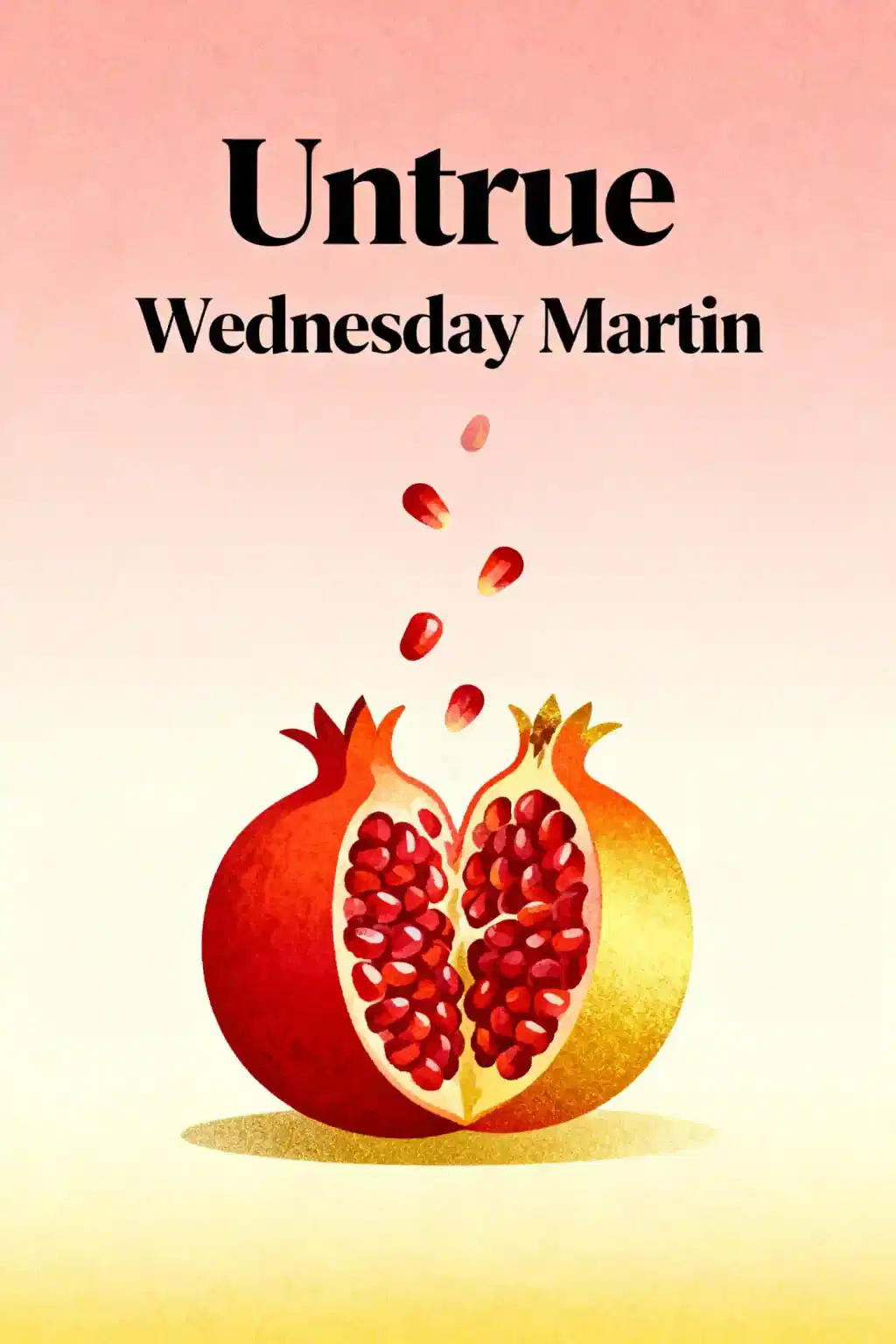
The Secret Science of Infidelity
Explore research showing 25% of marriages experience infidelity, with unfaithful partners using an average of seven different deception strategies simultaneously. From digital evidence removal to introducing affairs as 'friends'.

Miglior citazione da The Secret Science of Infidelity
Infidelity doesn't usually happen overnight; there's typically a long erosion of connection that precedes any betrayal. The most powerful prevention strategy is staying emotionally connected and addressing problems while they're still small.

Questa lezione audio è stata creata da un membro della comunità BeFreed
I would like to research infidelity in marriage. Is there any research on adultery , the ways people initiate it and how not to get caught?

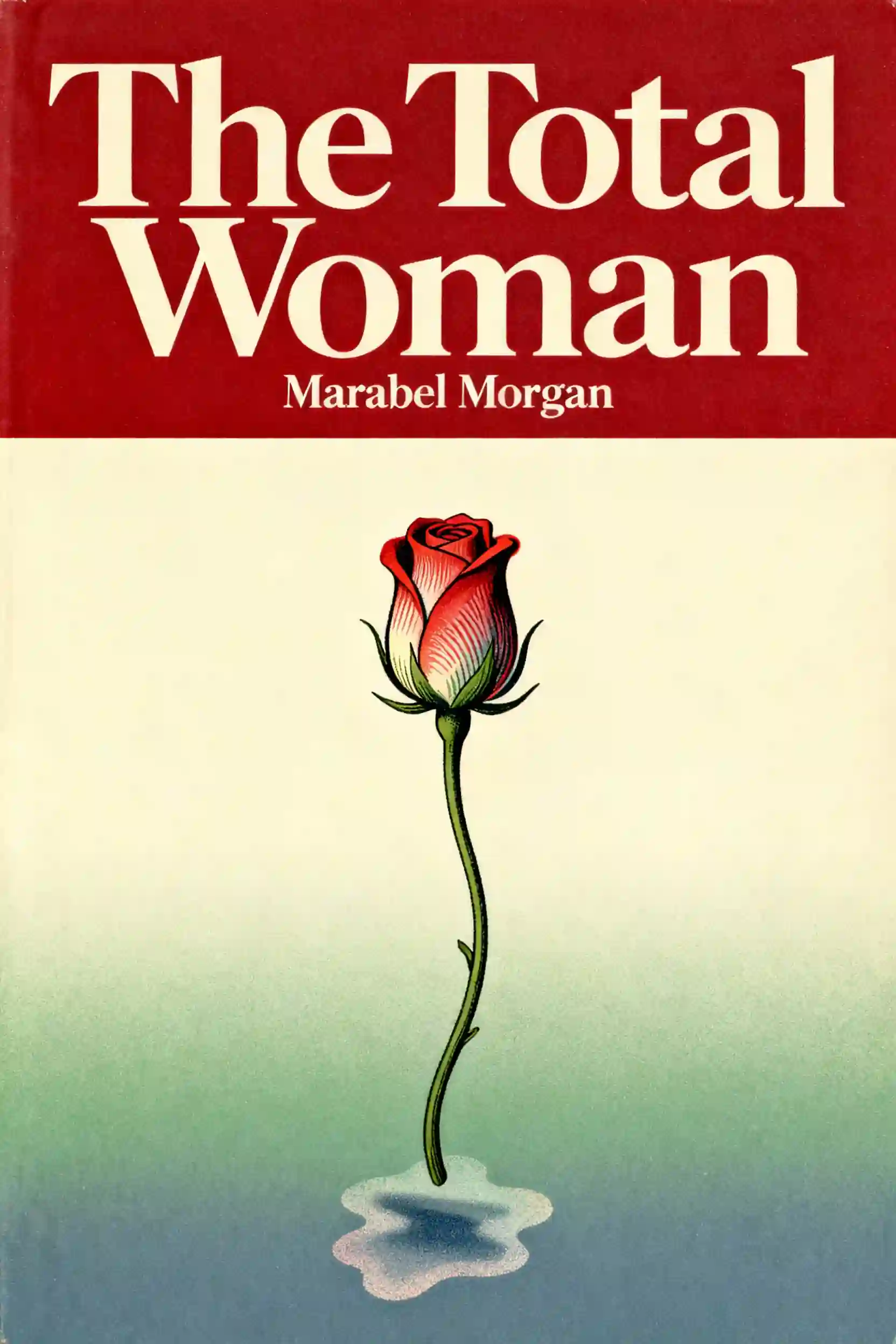
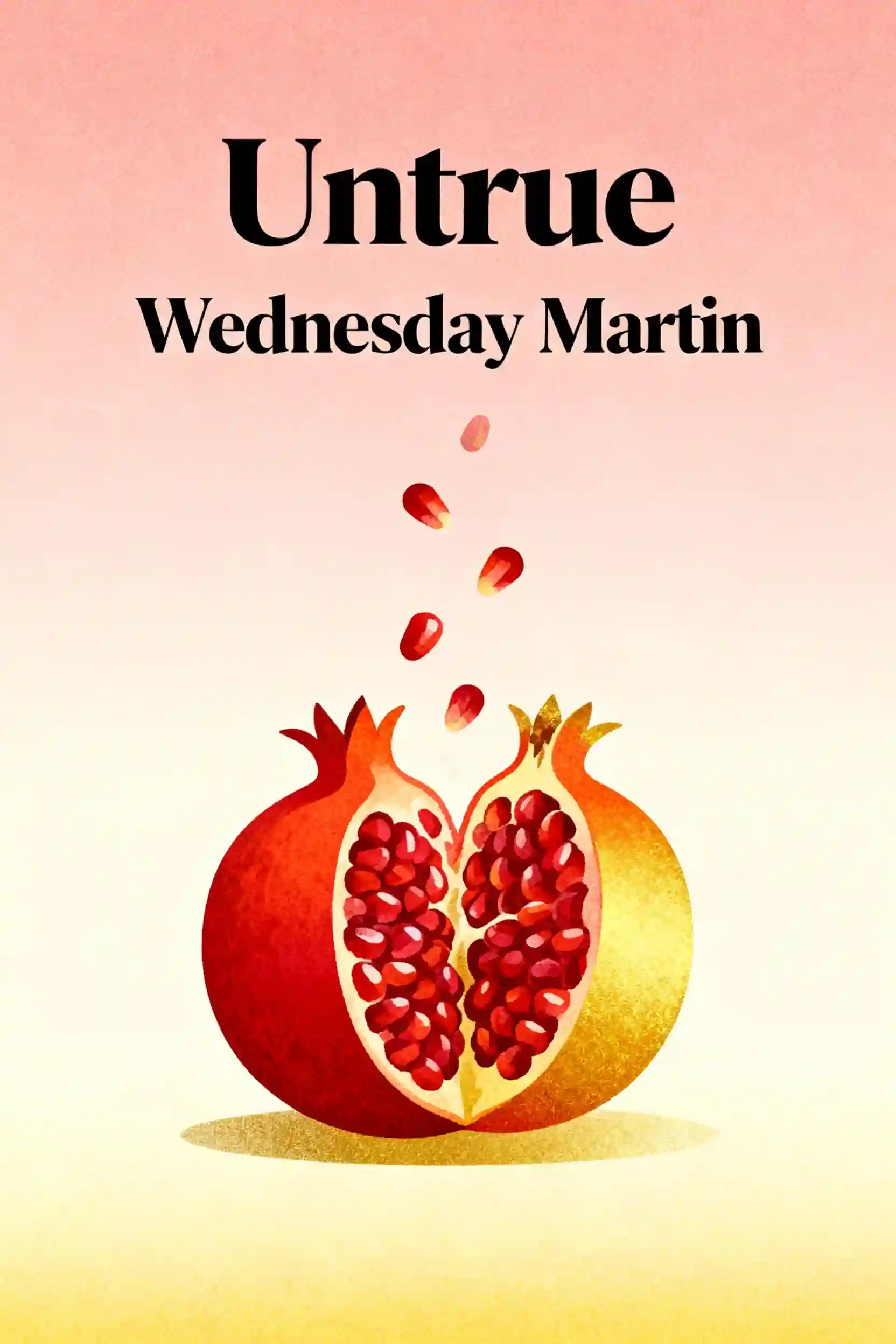
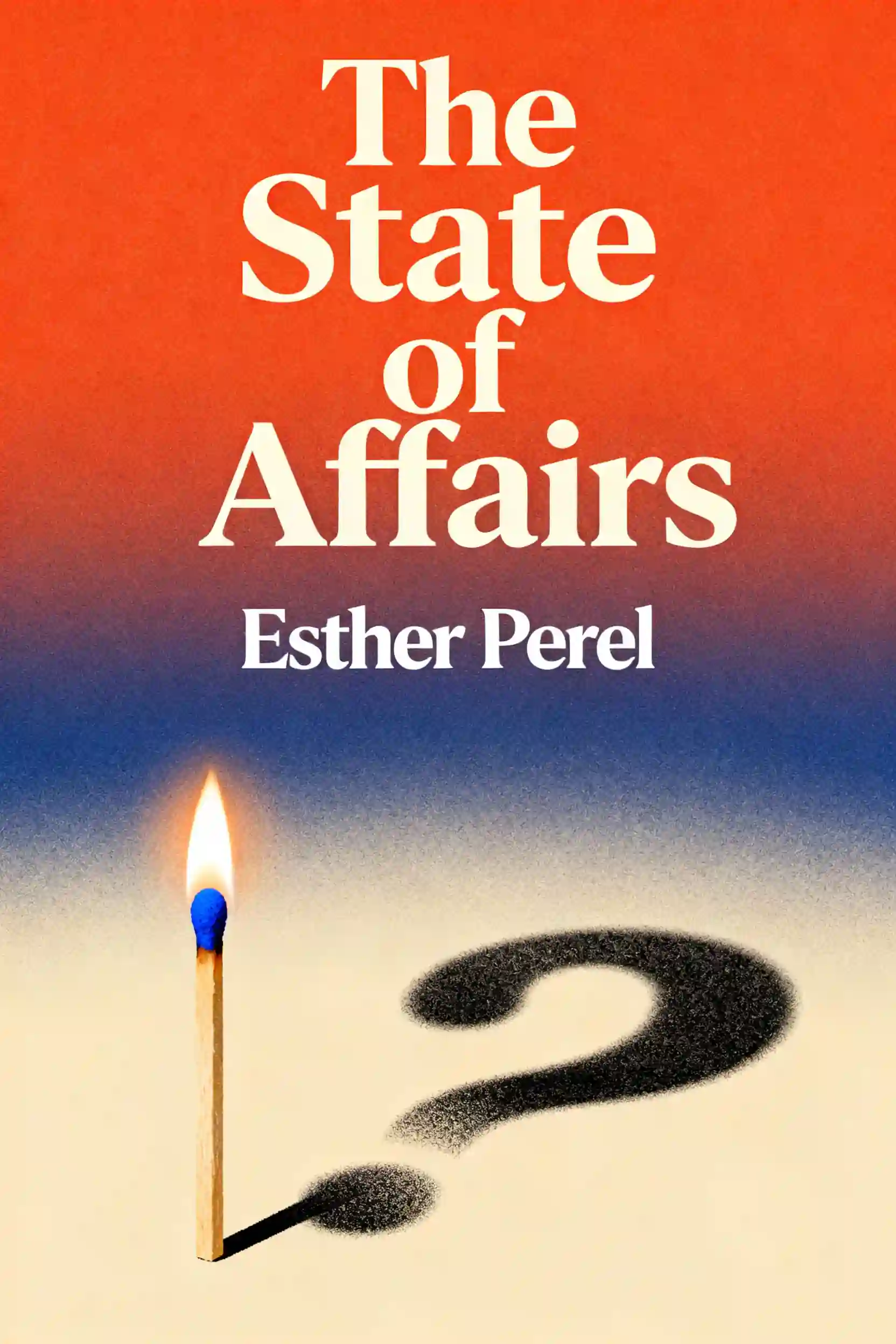
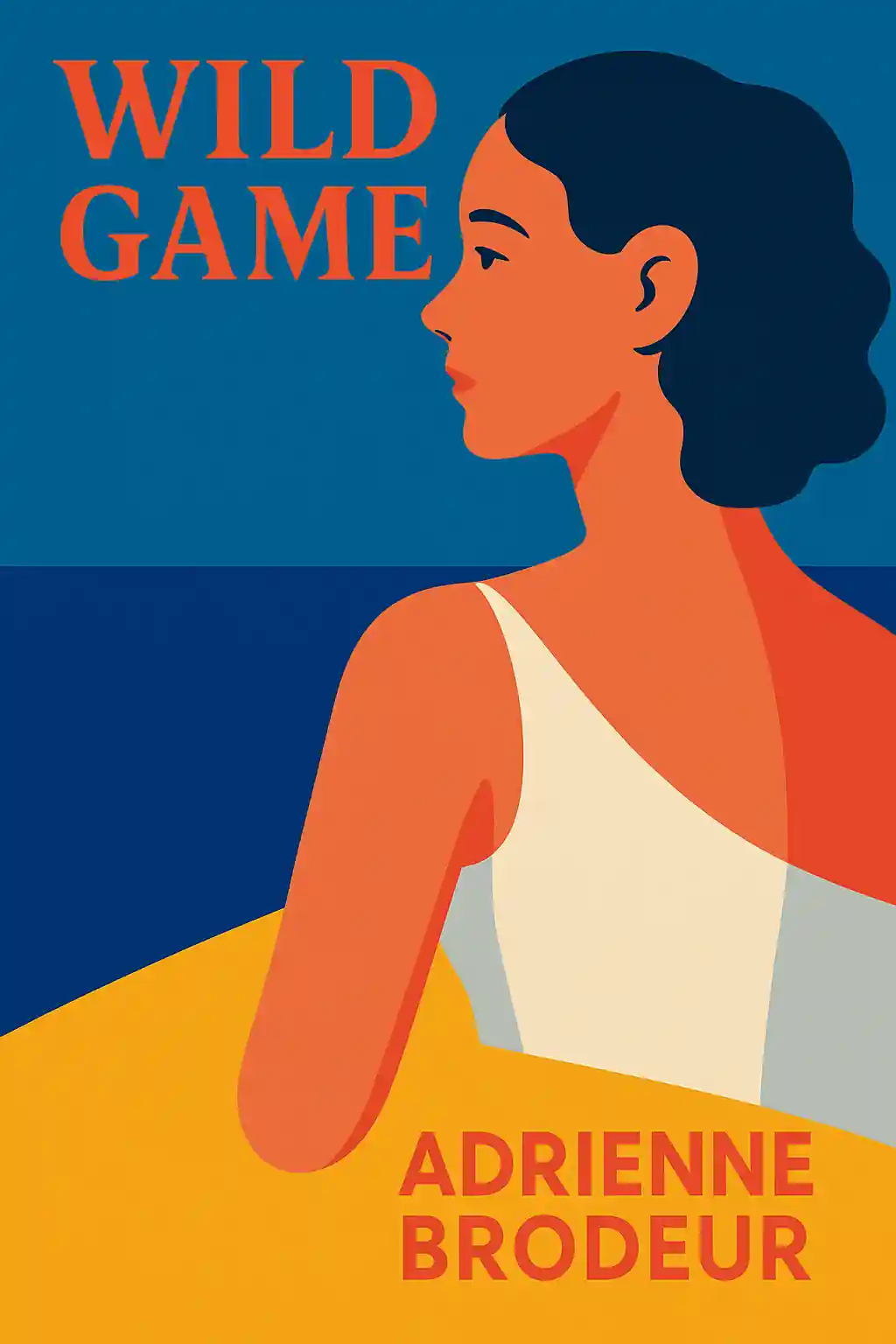
Scopri di più

The Science of Deep Connection
Major life transitions often strain even the strongest relationships, leading to resentment and emotional distance. This plan is ideal for couples or individuals facing significant shifts who want to protect their bond using evidence-based psychological strategies.

The Psychology of Trust and Deception
This learning plan is essential for professionals in high-stakes environments like negotiations, law enforcement, or management where discerning truth is critical. It provides a scientific framework for building authentic connections while developing a sharp eye for the subtle mechanics of human deception.
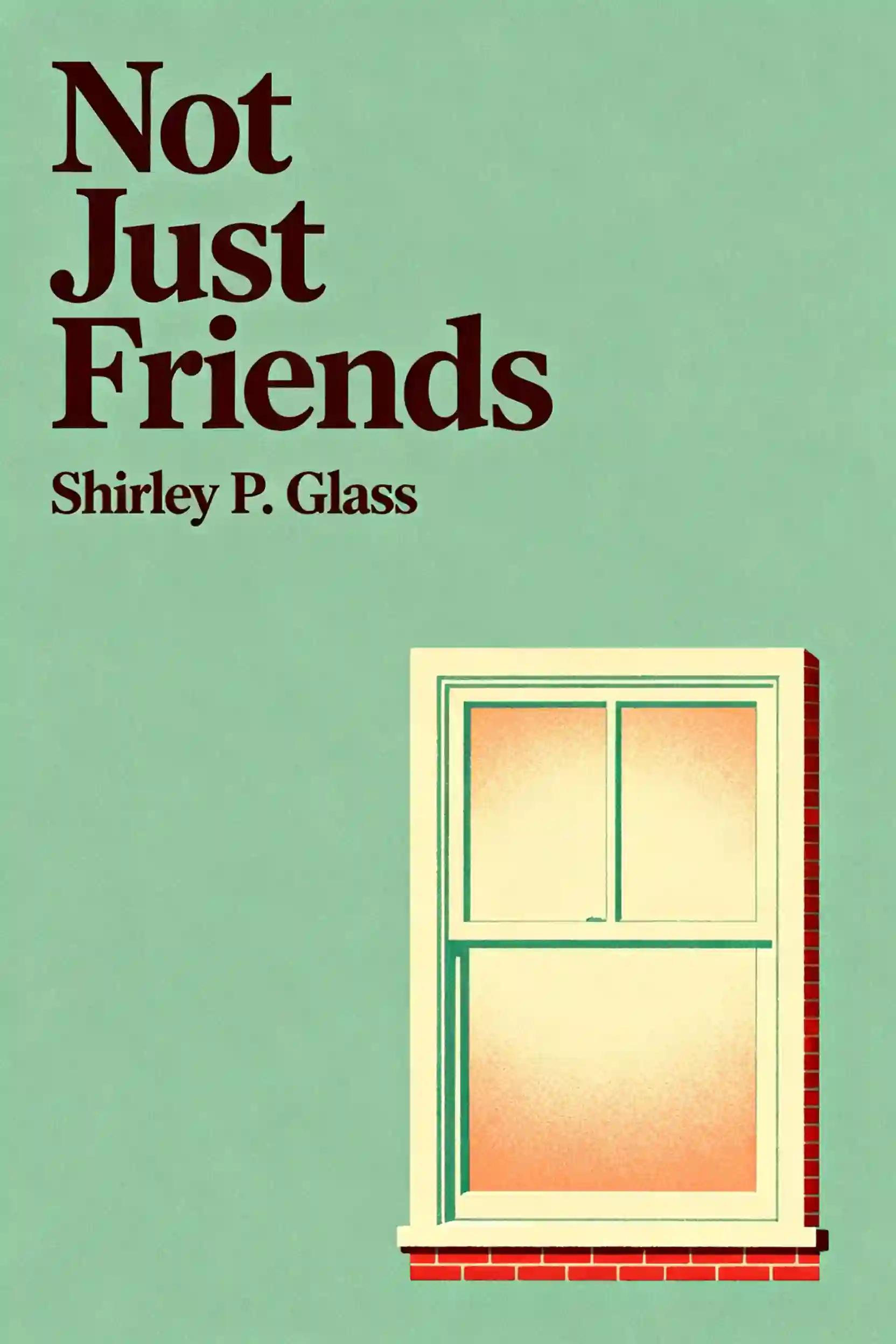
Improve trust: Discuss husband's past history
This plan is designed for couples struggling with the weight of past secrets or history that hinders their current connection. It provides a structured, science-based approach to navigating high-stakes conversations and transforming betrayal into a foundation for a more resilient marriage.

Restore intimacy and affection in marriage
This plan is essential for couples feeling disconnected or stuck in cycles of conflict. It offers a science-based roadmap for those ready to move past surface-level interactions toward a deeply secure and passionate partnership.

Synthesize research on the science of romance
This plan bridges the gap between biological drive and psychological behavior to decode the complexities of human intimacy. It is ideal for researchers, psychology students, or anyone seeking a data-driven understanding of how we form and maintain romantic bonds.

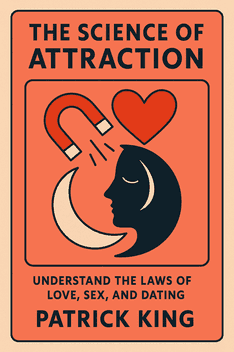
Seduction & infatuation
This learning plan is designed for anyone seeking to understand the science of attraction and develop genuine romantic connection skills. Whether you're navigating modern dating, looking to deepen your understanding of interpersonal dynamics, or wanting to become more confident in expressing romantic interest, this curriculum combines psychological research with practical techniques for building authentic, meaningful connections.

Lying, deception, and compartmentalization
Deception is a fundamental aspect of human psychology that impacts everything from personal relationships to societal structures. This learning plan helps individuals understand the mechanisms behind lying and compartmentalization, providing practical skills for detecting manipulation while exploring the ethical complexities of when deception might be justified or harmful.

Attraction & Relationship Science Course
This course bridges the gap between biological instincts and modern relationship success. It is designed for individuals seeking to move beyond dating guesswork by applying rigorous psychological science to their personal lives.
Creato da alumni della Columbia University a San Francisco
"Instead of endless scrolling, I just hit play on BeFreed. It saves me so much time."


"I never knew where to start with nonfiction—BeFreed’s book lists turned into podcasts gave me a clear path."


"Perfect balance between learning and entertainment. Finished ‘Thinking, Fast and Slow’ on my commute this week."
"Crazy how much I learned while walking the dog. BeFreed = small habits → big gains."
"Reading used to feel like a chore. Now it’s just part of my lifestyle."

"Feels effortless compared to reading. I’ve finished 6 books this month already."
"BeFreed turned my guilty doomscrolling into something that feels productive and inspiring."

"BeFreed turned my commute into learning time. 20-min podcasts are perfect for finishing books I never had time for."
"BeFreed replaced my podcast queue. Imagine Spotify for books — that’s it. 🙌"

"It is great for me to learn something from the book without reading it."
"The themed book list podcasts help me connect ideas across authors—like a guided audio journey."
"Makes me feel smarter every time before going to work"
Creato da alumni della Columbia University a San Francisco
"Instead of endless scrolling, I just hit play on BeFreed. It saves me so much time."
"I never knew where to start with nonfiction—BeFreed’s book lists turned into podcasts gave me a clear path."
"Perfect balance between learning and entertainment. Finished ‘Thinking, Fast and Slow’ on my commute this week."
"Crazy how much I learned while walking the dog. BeFreed = small habits → big gains."
"Reading used to feel like a chore. Now it’s just part of my lifestyle."
"Feels effortless compared to reading. I’ve finished 6 books this month already."
"BeFreed turned my guilty doomscrolling into something that feels productive and inspiring."
"BeFreed turned my commute into learning time. 20-min podcasts are perfect for finishing books I never had time for."
"BeFreed replaced my podcast queue. Imagine Spotify for books — that’s it. 🙌"
"It is great for me to learn something from the book without reading it."
"The themed book list podcasts help me connect ideas across authors—like a guided audio journey."
"Makes me feel smarter every time before going to work"
"Instead of endless scrolling, I just hit play on BeFreed. It saves me so much time."
"I never knew where to start with nonfiction—BeFreed’s book lists turned into podcasts gave me a clear path."
"Perfect balance between learning and entertainment. Finished ‘Thinking, Fast and Slow’ on my commute this week."
"Crazy how much I learned while walking the dog. BeFreed = small habits → big gains."
"Reading used to feel like a chore. Now it’s just part of my lifestyle."
"Feels effortless compared to reading. I’ve finished 6 books this month already."
"BeFreed turned my guilty doomscrolling into something that feels productive and inspiring."
"BeFreed turned my commute into learning time. 20-min podcasts are perfect for finishing books I never had time for."
"BeFreed replaced my podcast queue. Imagine Spotify for books — that’s it. 🙌"
"It is great for me to learn something from the book without reading it."
"The themed book list podcasts help me connect ideas across authors—like a guided audio journey."
"Makes me feel smarter every time before going to work"
"Instead of endless scrolling, I just hit play on BeFreed. It saves me so much time."
"I never knew where to start with nonfiction—BeFreed’s book lists turned into podcasts gave me a clear path."
"Perfect balance between learning and entertainment. Finished ‘Thinking, Fast and Slow’ on my commute this week."
"Crazy how much I learned while walking the dog. BeFreed = small habits → big gains."
"Reading used to feel like a chore. Now it’s just part of my lifestyle."
"Feels effortless compared to reading. I’ve finished 6 books this month already."
"BeFreed turned my guilty doomscrolling into something that feels productive and inspiring."
"BeFreed turned my commute into learning time. 20-min podcasts are perfect for finishing books I never had time for."
"BeFreed replaced my podcast queue. Imagine Spotify for books — that’s it. 🙌"
"It is great for me to learn something from the book without reading it."
"The themed book list podcasts help me connect ideas across authors—like a guided audio journey."
"Makes me feel smarter every time before going to work"