BeFreed
    Categories>Psychology>The Strategic Science of Seduction

    The Strategic Science of Seduction

    41 min
    |
    |
    18 gen 2026
    • Psychology
    • Relationships
    • Communication

    Discover how evolutionary psychology shapes effective flirting tactics across cultures and relationships. Learn the hidden patterns behind attraction and how to strategically signal your intentions.

    The Strategic Science of Seduction
    0:00 / 0:00
    Scegli come viene raccontato

    Un episodio. Tanti modi per ascoltarlo.

    Le stesse idee da The Strategic Science of Seduction. Scegli voce, profondità e ritmo più adatti a te. Puoi cambiare in qualsiasi momento.

    Trascrizione e capitoli

    Capitolo 1

    The Science of Strategic Flirting

    Lena: Hey there, welcome to today's episode! I've been thinking about something lately that I'm really curious about—the art of flirting. It seems like such a universal human behavior, but I wonder if we're all playing by the same rulebook?

    Miles: Oh, flirting is fascinating! And you're right to wonder about that rulebook because it turns out there are some pretty clear patterns. Did you know research shows men and women actually judge different flirtation tactics as effective depending on whether someone's looking for a short-term fling or a long-term relationship?

    Lena: Wait, really? So there's actually science behind what works and what doesn't when it comes to flirting?

    Miles: Absolutely! And it's not just personal preference—it's deeply rooted in evolutionary psychology. For example, studies found that women displaying sexual availability cues are judged more effective when they're flirting for short-term relationships, while men showing generosity and commitment signals are rated more effective for long-term contexts.

    Lena: That's fascinating! I feel like most people think flirting is just about being charming or attractive, but you're saying there's this whole strategic element based on what you're actually looking for.

    Miles: Exactly. And here's where it gets really interesting—these patterns hold true across different cultures. A study comparing Norwegian and American participants found remarkably similar results despite those cultures having different levels of gender equality and sexual liberalism. Let's explore how these flirtation strategies actually work in practice...

    Capitolo 2

    The Hidden Algorithms of Attraction

    Miles: So building on what we just touched on, there's this whole fascinating layer to attraction that most people never think about. It's like we're all running these unconscious programs that determine who we find appealing and why.

    Lena: Unconscious programs? That sounds a bit robotic. What do you mean exactly?

    Miles: Well, think about it this way—when you see someone across a room and feel that instant spark, that's not random. Your brain is rapidly processing dozens of cues and running them through what researchers call "mate value assessment algorithms." It's happening so fast you're not even aware of it.

    Lena: Okay, so what kinds of cues are we talking about? I'm imagining it's more than just "they're cute."

    Miles: Oh, way more complex than that. Take facial symmetry, for instance. Studies show we're unconsciously drawn to symmetrical faces because they signal genetic health and good developmental stability. But here's the kicker—men and women weight these cues differently depending on the context.

    Lena: How so?

    Miles: Women tend to place more emphasis on facial masculinity when they're evaluating men for short-term encounters, but they actually prefer slightly less masculine features for long-term partners. It's like their brains are calculating different trade-offs based on what they're looking for.

    Lena: That's wild. So we're literally using different evaluation criteria without even realizing it?

    Miles: Exactly! And men do this too, just with different variables. Research shows men pay more attention to waist-to-hip ratios and other fertility cues when assessing women for any type of relationship, but they become much more sensitive to signs of sexual availability when they're in a short-term mindset.

    Lena: This is making me think about online dating. Are people trying to game these unconscious systems?

    Miles: You've hit on something huge there. Dating apps have basically turned mate selection into a visual marketplace where people are optimizing their profiles to trigger these attraction algorithms. Women might emphasize certain physical features, while men might showcase resources or status symbols.

    Lena: Right, like all those photos of guys next to expensive cars or holding fish they caught. I always wondered about the fish thing!

    Miles: Ha! The fish photos are actually a perfect example. They're unconsciously signaling provider abilities—"look, I can hunt and bring home food." It taps into these ancient mate selection criteria that are still influencing us today, even though most of us buy our salmon at the grocery store.

    Lena: It's almost like we're stuck between our Stone Age brains and our modern dating world. But if this is all unconscious, how can people actually use this knowledge effectively?

    Miles: That's where it gets really practical. Once you understand these patterns, you can make more strategic choices about how you present yourself. But here's what's crucial—it's not about being deceptive. It's about authentically highlighting the qualities that align with what you're genuinely looking for.

    Lena: So if someone's looking for a serious relationship, they'd want to emphasize different aspects of themselves than if they were just looking for something casual?

    Miles: Absolutely. For long-term attraction, research shows qualities like kindness, emotional stability, and signs of commitment become much more important. But for short-term attraction, physical appeal and signs of genetic fitness take center stage.

    Lena: This is making me rethink every interaction I've ever had. Are we really that predictable?

    Miles: We're predictable in patterns, but not in individual cases. Think of it like weather—meteorologists can tell you it'll probably rain this week, but they can't predict exactly which minute the first drop will fall. Human attraction works similarly. We can identify the general principles, but every person is still unique in how they experience and express attraction.

    Lena: That's actually reassuring. I was starting to worry we were all just biological robots following our programming.

    Miles: Not at all! Understanding these patterns actually gives us more freedom, not less. When you know why you're drawn to certain people or why certain approaches work better in different contexts, you can make more conscious choices about your romantic life.

    Continua con questo episodio

    Porta le idee di questo episodio in un’esperienza di apprendimento guidata su BeFreed.

    Capitolo 3

    The Flirtation Spectrum

    Lena: Okay, so we've established that there are these underlying patterns to attraction. But let's get practical—what does effective flirting actually look like in real life?

    Miles: Great question! So researchers have identified what they call the "flirtation spectrum," and it's way more nuanced than most people realize. It's not just about being flirty or not flirty—there are distinct styles that work better in different situations.

    Lena: Distinct styles? Like what?

    Miles: Well, one fascinating study identified five primary flirting styles. There's the playful style, which is all about having fun and being lighthearted. Then you have the traditional approach, which follows more conventional gender roles. There's also the physical style, which involves touch and close proximity.

    Lena: Those make sense. What are the other two?

    Miles: The sincere style, which focuses on creating genuine emotional connections, and the polite style, which is more reserved and follows social etiquette. Here's what's interesting—people tend to gravitate toward one or two of these styles naturally, but the most successful flirters can adapt their approach based on the situation.

    Lena: So it's like having different tools in your toolkit?

    Miles: Exactly! And the research shows that your choice of style should align with your goals. If you're looking for something casual and fun, the playful style tends to be most effective. But if you want to signal long-term relationship potential, the sincere style usually works better.

    Lena: That makes intuitive sense. But how do you know which style to use with a particular person?

    Miles: That's where reading social cues becomes crucial. Effective flirters are essentially social detectives—they're constantly gathering information about what the other person responds to. Are they laughing at your jokes? That might signal receptiveness to playful flirting. Are they sharing personal details? They might be more open to sincere connection.

    Lena: It sounds like there's a lot of real-time calibration happening.

    Miles: Absolutely. And here's something really interesting from the research—successful flirters don't just focus on their own behavior. They're highly attuned to feedback loops. They notice when something lands well and do more of it, or when something doesn't work and they adjust accordingly.

    Lena: That sounds almost like a conversation between two people's unconscious minds.

    Miles: You're spot on! Researchers call this "behavioral synchrony." When two people are genuinely connecting, they unconsciously start mirroring each other's body language, speech patterns, even breathing rhythms. It's like they're doing this intricate dance together.

    Lena: Okay, but what about the people who seem to be naturally good at this versus those who struggle? Is it just personality, or can these skills be learned?

    Miles: Both, actually. Some people do seem to have a natural intuition for social dynamics, but the research is pretty clear that flirting skills can definitely be developed. It's like learning any other form of communication—the more you understand the principles and practice applying them, the more effective you become.

    Lena: What are some of the key principles that people can actually work on?

    Miles: One of the biggest ones is what researchers call "graduated escalation." Instead of going from zero to intense flirting immediately, effective flirters build rapport gradually. They start with subtle signals and only increase the intensity if they get positive responses.

    Lena: Like testing the waters before diving in?

    Miles: Exactly. Another crucial principle is authenticity within strategy. The most successful flirters aren't putting on an act—they're finding genuine ways to express their personality that align with effective flirtation patterns.

    Lena: That's interesting. So it's not about becoming someone you're not, it's about becoming a better version of who you already are?

    Miles: Beautifully put. And here's something else the research reveals—context matters enormously. The same behavior that's charming at a party might be completely inappropriate in a professional setting. Skilled flirters are masters of contextual awareness.

    Lena: Right, there's a time and place for everything. But this is making me wonder about something—what about the people on the receiving end? How do they typically respond to different flirting styles?

    Miles: That's where individual differences really come into play. Some people are drawn to bold, direct approaches, while others prefer subtle, gradual connection-building. The key is learning to read these preferences quickly and adjust your approach accordingly.

    Capitolo 4

    The Chemistry of Connection

    Lena: I keep thinking about what you mentioned earlier—that behavioral synchrony thing where people start mirroring each other. That sounds like there's some real chemistry happening, literally.

    Miles: You're absolutely right to focus on that! The research on the neurochemistry of attraction is mind-blowing. When people are genuinely connecting, their brains are releasing a cocktail of chemicals that create those feelings we associate with chemistry.

    Lena: Like what kinds of chemicals? I feel like I've heard about dopamine and stuff, but I don't really understand how it works.

    Miles: So dopamine is definitely part of it—that's your brain's reward system kicking in. When you're with someone you're attracted to, dopamine surges create that exciting, almost addictive feeling. But there's also norepinephrine, which creates the racing heart and sweaty palms, and phenylethylamine, which gives you that giddy, euphoric sensation.

    Lena: Okay, so that explains why attraction can feel so intense and almost overwhelming sometimes.

    Miles: Exactly! But here's where it gets really interesting for flirting—certain behaviors can actually trigger these chemical responses. Eye contact, for instance, increases oxytocin production, which creates feelings of bonding and trust.

    Lena: So when someone holds your gaze a little longer than usual, there's actually something biological happening?

    Miles: Absolutely. And touch is even more powerful. Research shows that even brief, appropriate touch—like a light touch on the arm during conversation—can increase oxytocin levels and create a sense of connection. That's why the physical flirting style we talked about can be so effective when used appropriately.

    Lena: This is fascinating, but it's also making me a little uncomfortable. It feels like we're talking about manipulating people's brain chemistry.

    Miles: I totally understand that concern, and it's actually a really important ethical point. The key distinction is between authentic connection and manipulation. When you're genuinely interested in someone and using these insights to communicate that interest more effectively, that's very different from trying to trick someone into feeling something that isn't real.

    Lena: Right, so it's about being a better communicator, not about being deceptive.

    Miles: Exactly. And here's something really important—these chemical responses can't be faked long-term. If there isn't genuine compatibility and mutual interest, the initial chemical high will fade pretty quickly. So these techniques only work when there's real potential for connection.

    Lena: That makes me feel better about it. But let's talk about the practical side—how can people actually use this knowledge in their dating lives?

    Miles: One of the most actionable insights is understanding the role of anticipation in building attraction. Research shows that uncertainty and anticipation actually intensify these chemical responses. That's why playing a little hard to get—not being completely unavailable, but not being completely predictable either—can be so effective.

    Lena: So it's about finding that sweet spot between showing interest and maintaining some mystery?

    Miles: Exactly! And timing matters too. Studies show that people report stronger feelings of attraction when they've had to invest some effort or overcome small obstacles to connect with someone. It's like our brains value things more when we have to work for them a little bit.

    Lena: That reminds me of something I've noticed—sometimes the most intense attractions develop gradually over time, not just instantly.

    Miles: You're picking up on something researchers call "mere exposure effect." The more we see someone in positive contexts, the more attractive they tend to become to us. But there's also this interesting phenomenon where intermittent reinforcement—getting positive responses some of the time but not all the time—creates stronger emotional bonds than constant positive reinforcement.

    Lena: So consistency is good, but perfect predictability might actually be boring?

    Miles: That's a great way to put it. And this applies to flirting too. The most effective flirters create what researchers call "emotional variability"—they're warm and engaging, but they also have moments of being more reserved or challenging. It keeps the other person engaged and invested.

    Lena: This is starting to sound like there's a real art to creating and maintaining attraction over time.

    Miles: Absolutely. And here's something that might surprise you—research shows that shared experiences, especially novel or slightly challenging ones, can dramatically increase feelings of attraction. When people do something new or exciting together, their brains associate those positive emotions with each other.

    Lena: So a first date doing something adventurous might be more effective than dinner and a movie?

    Miles: It certainly can be! Though it depends on the people involved. Some people might find adventure stressful rather than exciting. The key is calibrating to what genuinely excites the specific person you're interested in.

    Continua con questo episodio

    Porta le idee di questo episodio in un’esperienza di apprendimento guidata su BeFreed.

    Capitolo 5

    The Psychology of Pursuit

    Lena: Something that's always puzzled me is the whole chase dynamic. You know, the idea that people want what they can't have. Is there actually science behind that, or is it just a cultural myth?

    Miles: Oh, there's definitely science behind it, but it's more nuanced than the simple "people want what they can't have" narrative. Researchers have identified what they call the "scarcity principle"—we tend to value things more highly when they seem rare or difficult to obtain.

    Lena: So there's truth to playing hard to get?

    Miles: Yes, but with important caveats. The research shows that moderate unavailability can increase attraction, but too much unavailability just leads to people giving up. It's about finding what researchers call the "optimal challenge level."

    Lena: What does that look like in practice?

    Miles: Think of it like a video game. If a game is too easy, you get bored quickly. If it's impossibly difficult, you quit in frustration. But if it's challenging enough to keep you engaged while still being achievable, you become obsessed with playing it.

    Lena: That's actually a brilliant analogy. So effective flirting is like being an engaging video game?

    Miles: In some ways, yes! You want to provide enough positive reinforcement to keep someone interested, but also enough challenge to keep them invested. Research shows this creates what psychologists call "intermittent reinforcement schedules," which are incredibly powerful for maintaining motivation and interest.

    Lena: But doesn't this feel a bit... calculating? Like you're treating relationships like some kind of psychological experiment?

    Miles: I understand that concern, and it's important to remember that these are descriptions of what naturally happens in successful connections, not prescriptions for manipulation. When you think about people you've been most attracted to, they probably had this quality naturally—they were interested but not desperate, available but not completely predictable.

    Lena: That's true. The people I've been most drawn to have had this kind of confident, secure energy where they clearly liked me but didn't seem to need my validation to feel good about themselves.

    Miles: Exactly! And that points to something really important in the research—genuine self-confidence is one of the most attractive qualities across all contexts. But there's a difference between confident and arrogant, and between self-assured and self-absorbed.

    Lena: How do you tell the difference?

    Miles: Confident people are comfortable with themselves but still genuinely curious about others. They can handle rejection without becoming defensive, and they can show interest without becoming clingy. Arrogant people, on the other hand, need constant validation and tend to make everything about themselves.

    Lena: So real confidence is actually about being secure enough to focus on the other person?

    Miles: Beautifully said. And here's something fascinating from the research—people can sense this difference almost immediately. Studies show we make judgments about someone's confidence level within seconds of meeting them, and those judgments heavily influence our attraction.

    Lena: What are the specific behaviors that signal genuine confidence versus insecurity?

    Miles: Body language is huge. Confident people tend to have open postures, make appropriate eye contact, and move with purpose. But it's also about conversational patterns. Confident people ask questions, listen to answers, and build on what others say rather than just waiting for their turn to talk.

    Lena: That makes sense. But what about people who are naturally more introverted or shy? Does that mean they're at a disadvantage?

    Miles: Not at all! The research shows that quiet confidence can be just as attractive as more extroverted confidence. Some people are drawn to the strong, silent type, while others prefer more outgoing personalities. The key is being comfortable with who you are rather than trying to be someone you're not.

    Lena: So it's about authenticity again?

    Miles: Always comes back to authenticity. But here's something interesting—studies show that people become more attractive when they're engaged in activities they're passionate about. It's like their genuine enthusiasm and competence create this magnetic quality.

    Lena: That's why people always say to pursue your interests if you want to meet someone?

    Miles: Exactly. When you're doing something you love, you naturally display confidence, passion, and competence—all highly attractive qualities. Plus, you're more likely to meet people who share your interests and values.

    Capitolo 6

    The Art of Escalation

    Lena: Okay, so we've talked about creating attraction and building connection, but how do you actually move things forward? Like, how do you go from flirting to something more serious without being awkward or presumptuous?

    Miles: That's the million-dollar question, isn't it? Researchers call this "romantic escalation," and there's actually a pretty clear progression that tends to work best. The key is understanding that escalation should be gradual and mutual.

    Lena: Gradual and mutual—what does that mean exactly?

    Miles: Think of it like climbing a ladder together rather than one person dragging the other up. Each step forward should be matched by positive response from the other person before you take the next step. Studies show this creates the strongest foundation for lasting attraction.

    Lena: So what does this ladder look like? What are the typical steps?

    Miles: Well, it usually starts with what researchers call "non-verbal escalation." That's things like increased eye contact, standing or sitting closer, light touches during conversation. These are ways of testing interest without being too direct.

    Lena: And if someone responds positively to those signals?

    Miles: Then you might move to more verbal expressions of interest. This could be compliments that go beyond just being polite, or conversations that become more personal and intimate. The key is paying attention to whether the other person is matching your level of investment.

    Lena: Matching your level of investment—can you explain that more?

    Miles: Sure. If you share something personal and they share something equally personal back, that's good matching. If you compliment them and they compliment you back, that's matching. But if you're always the one initiating deeper conversation or physical contact, that might signal they're not as interested.

    Lena: That makes a lot of sense. It's like you're both contributing equally to building the connection.

    Miles: Exactly. And here's something really important from the research—successful escalation requires what psychologists call "emotional intelligence." You need to be able to read the other person's comfort level and adjust accordingly.

    Lena: What are some signs that someone is comfortable with escalation versus signs they're not?

    Miles: Positive signs include things like maintaining eye contact, leaning in during conversation, initiating touch themselves, asking personal questions, and making time to spend with you. Negative signs might be avoiding eye contact, creating physical distance, giving short answers, or seeming distracted or uncomfortable.

    Lena: Those seem pretty obvious when you list them out, but I imagine they're harder to read in the moment when you're nervous or excited.

    Miles: Absolutely. That's why researchers emphasize the importance of staying present and attuned to the other person rather than getting lost in your own head. It's about being genuinely curious about their experience rather than just focused on your own agenda.

    Lena: Speaking of agendas, how do you handle the transition from casual flirting to expressing more serious interest?

    Miles: That's often the trickiest part, and timing is crucial. Research shows that premature expressions of serious interest can actually decrease attraction, while waiting too long can cause momentum to fizzle out.

    Lena: So how do you find the right timing?

    Miles: One approach that research supports is what's called "graduated disclosure." Instead of jumping straight to "I really like you," you might say something like "I'm really enjoying getting to know you" and see how they respond. If they reciprocate that sentiment, you can gradually express deeper interest.

    Lena: That feels much less scary than putting all your cards on the table at once.

    Miles: Exactly. And it gives both people a chance to process their feelings and respond authentically. Studies show that relationships that develop through this kind of mutual escalation tend to be more stable and satisfying than those that start with one person making grand declarations.

    Lena: What about physical escalation? That seems like an even more delicate area.

    Miles: It is, and the same principles apply—gradual, mutual, and attentive to feedback. Research shows that appropriate touch can significantly increase feelings of attraction and connection, but inappropriate touch can instantly kill any potential relationship.

    Lena: How do you know what's appropriate?

    Miles: Context is everything. What's appropriate depends on your relationship, the setting, and cultural norms. But the general principle is starting with brief, socially acceptable touch—like a hand on the shoulder during conversation—and only progressing if it's welcomed and reciprocated.

    Lena: This all makes sense, but it also sounds like it requires a lot of patience and emotional maturity.

    Miles: It really does. And that might be why some of the most successful long-term relationships start with people who take their time getting to know each other rather than rushing into intense connections.

    Continua con questo episodio

    Porta le idee di questo episodio in un’esperienza di apprendimento guidata su BeFreed.

    Capitolo 7

    The Science of Seduction

    Lena: Alright, let's talk about something that might make some people uncomfortable—seduction. I feel like that word has all these negative connotations, but is there a healthy, ethical way to think about seduction?

    Miles: I'm really glad you brought this up because there's a huge difference between ethical seduction and manipulation. Healthy seduction is really about creating an atmosphere where both people feel comfortable expressing their attraction and desire for each other.

    Lena: So it's more about creating the right conditions than about tricking someone into wanting you?

    Miles: Exactly. Research shows that what people find seductive isn't manipulation—it's feeling seen, desired, and appreciated by someone they're attracted to. It's about creating emotional and physical intimacy in a way that feels natural and consensual.

    Lena: That sounds much more appealing than the stereotypical idea of seduction as this manipulative game.

    Miles: Right. And here's something interesting from the research—effective seduction is actually highly collaborative. It's not one person doing something to another person; it's two people creating an experience together.

    Lena: What does that collaboration look like in practice?

    Miles: Well, studies show that the most satisfying intimate encounters happen when both people feel comfortable expressing their desires and boundaries. This means seduction involves a lot of communication, both verbal and non-verbal.

    Lena: Communication doesn't sound very seductive though. Isn't seduction supposed to be more mysterious and spontaneous?

    Miles: That's a common misconception. Research actually shows that clear communication increases rather than decreases sexual satisfaction and attraction. When people feel safe to express what they want, they're more likely to let themselves be vulnerable and open.

    Lena: That makes sense. I guess mystery and communication aren't mutually exclusive.

    Miles: Exactly! You can maintain mystery about some things while being clear about others. For instance, you might be mysterious about your past relationships while being very clear about your current interest in someone.

    Lena: So what are some of the key elements that research has identified in healthy seduction?

    Miles: One crucial element is what researchers call "emotional presence." This means being fully engaged with the other person, not distracted by your phone or thinking about other things. People find it incredibly seductive when someone gives them complete attention.

    Lena: That's interesting. In our hyperconnected world, undivided attention might actually be rare and therefore more powerful.

    Miles: You've hit on something important there. Studies show that people report feeling more attracted to partners who make them feel like the most important person in the room. It's about quality of attention, not just quantity.

    Lena: What else makes for effective, ethical seduction?

    Miles: Another key element is what psychologists call "emotional attunement"—being sensitive to the other person's emotional state and responding appropriately. If someone seems nervous, a skilled seducer might focus on helping them feel more comfortable rather than pushing forward aggressively.

    Lena: So it's about reading the room and adapting your approach?

    Miles: Absolutely. And here's something that might surprise you—research shows that vulnerability can be incredibly seductive when it's genuine and well-timed. Sharing something real about yourself can create intense intimacy.

    Lena: Vulnerability as seduction? That seems counterintuitive.

    Miles: It does, but think about it—when someone trusts you enough to share something personal, it creates this feeling of being chosen, of being special. And when they're being authentic, it gives you permission to be authentic too.

    Lena: I can see how that would create a deeper connection than just surface-level charm.

    Miles: Exactly. And studies show that these deeper connections are what lead to the most satisfying long-term relationships. Surface-level seduction might create short-term attraction, but authentic connection creates lasting desire.

    Lena: What about the physical aspects of seduction? How does that fit into this framework?

    Miles: Physical seduction follows the same principles—it's about creating experiences that both people enjoy rather than just trying to get what you want. Research shows that the most satisfying physical intimacy happens when both partners feel desired and appreciated.

    Lena: So it's about mutual pleasure rather than conquest?

    Miles: Beautifully put. And here's something interesting—studies show that people who approach physical intimacy with this collaborative mindset report higher levels of satisfaction and are more likely to have partners who want to be intimate with them again.

    Lena: That seems like common sense, but I imagine a lot of people don't think about it that way.

    Miles: Unfortunately, you're right. A lot of cultural messaging around seduction is still stuck in this outdated conquest model. But the research is clear—mutual satisfaction creates much better outcomes for everyone involved.

    Capitolo 8

    Modern Dating Dynamics

    Lena: We've covered a lot of ground on the psychology and science of attraction, but I'm curious about how all this applies to modern dating. I mean, we're living in the age of dating apps and social media. Has technology changed the fundamental rules of attraction?

    Miles: That's such an important question, and the research is still catching up to how rapidly dating has changed. But what's fascinating is that while the medium has changed dramatically, a lot of the underlying psychological principles we've been discussing still apply.

    Lena: Really? So swiping on Tinder is still governed by the same attraction mechanisms as meeting someone at a coffee shop?

    Miles: In many ways, yes. People are still making those rapid mate value assessments we talked about earlier—they're just doing it based on photos and brief text descriptions rather than in-person interactions. The brain's attraction algorithms are still running, just with different inputs.

    Lena: But that seems like it would change things significantly. I mean, you're making judgments based on such limited information.

    Miles: You're absolutely right, and that's created some interesting new dynamics. Research shows that online dating tends to amplify certain attraction factors while minimizing others. Physical appearance becomes much more important in the initial screening phase, while things like personality and chemistry that might develop through conversation get pushed to later stages.

    Lena: So people who might be really attractive in person but aren't photogenic could be at a disadvantage?

    Miles: Exactly. And conversely, people who are great at curating their online presence might get more initial interest than their in-person charisma would generate. It's created this new skill set around digital self-presentation.

    Lena: What does effective digital self-presentation look like from a research perspective?

    Miles: Studies show that the most successful online dating profiles balance authenticity with strategic presentation. People want to see the real you, but they also want to see your best self. It's about highlighting genuine attractive qualities rather than creating a false persona.

    Lena: That sounds like it requires a lot of self-awareness. You need to know what your genuinely attractive qualities are.

    Miles: Absolutely. And here's something interesting—research shows that people often underestimate their own attractiveness, especially in photos. What you think is your worst angle might actually be quite appealing to others.

    Lena: That's oddly comforting. But what about the actual communication part? How has texting and messaging changed flirtation?

    Miles: Digital communication has created both opportunities and challenges for flirtation. On one hand, it allows for more thoughtful, crafted interactions. You can take time to compose the perfect response. But it also removes a lot of the non-verbal cues we rely on to gauge interest and comfort levels.

    Lena: Right, you can't see body language or hear tone of voice through a text message.

    Miles: Exactly. So successful digital flirtation requires developing new skills around creating emotional tone through words alone. Research shows that people who are good at this use techniques like strategic emoji use, playful teasing, and creating anticipation through timing.

    Lena: Timing? You mean like waiting a certain amount of time before responding?

    Miles: Partly, but it's more nuanced than just following arbitrary rules about response times. It's about creating natural rhythms in conversation and building anticipation for the next interaction. Studies show that some unpredictability in response patterns can actually increase interest.

    Lena: But doesn't all this strategic thinking take the spontaneity out of dating?

    Miles: That's a concern a lot of people have, and I think it's valid. There's definitely a risk of over-analyzing every interaction. But the research suggests that understanding these principles can actually make you more spontaneous by giving you confidence in your natural instincts.

    Lena: How so?

    Miles: When you understand why certain approaches work, you can trust your gut more. Instead of second-guessing every message or worrying about saying the wrong thing, you have a framework for understanding what's likely to be well-received.

    Lena: That makes sense. What about social media? How does that factor into modern dating dynamics?

    Miles: Social media has created this interesting phenomenon where people can research potential partners extensively before even meeting them. You can scroll through years of someone's photos and posts, which gives you a lot of information but might also create unrealistic expectations.

    Lena: Yeah, I've definitely been guilty of Instagram-stalking people I was interested in. It's almost like you know them before you actually know them.

    Miles: And that can create this false sense of intimacy that might not match the reality of in-person interaction. Research shows that people often perform differently online than they do in real life, so there can be a disconnect when you finally meet.

    Lena: So how do you navigate that? How do you move from digital connection to real-world chemistry?

    Miles: The key is transitioning to in-person interaction relatively quickly rather than building up elaborate online relationships. Studies show that people who meet sooner after connecting online report higher satisfaction with their dates than those who spend weeks or months just texting.

    Lena: That's interesting. Why do you think that is?

    Miles: Probably because it prevents the buildup of unrealistic expectations and allows real chemistry to develop naturally. When you've been texting someone for months, the pressure for that first date to be perfect can be overwhelming.

    Continua con questo episodio

    Porta le idee di questo episodio in un’esperienza di apprendimento guidata su BeFreed.

    Capitolo 9

    Your Strategic Playbook

    Lena: Alright Miles, we've covered so much fascinating research and theory, but I know our listeners are probably thinking, "This is all great, but how do I actually use this in my dating life?" Can we create a practical playbook based on everything we've discussed?

    Miles: Absolutely! Let's break this down into actionable strategies that people can actually implement. The key is remembering that this isn't about manipulation—it's about becoming more effective at authentic connection.

    Lena: So where should someone start? What's the foundation?

    Miles: The foundation is self-awareness. Before you can effectively attract others, you need to understand your own value proposition. What are your genuine attractive qualities? What are you actually looking for in a partner? Are you seeking short-term fun or long-term connection?

    Lena: That seems obvious, but I bet a lot of people haven't really thought deeply about those questions.

    Miles: You'd be surprised how many people jump into dating without clear self-knowledge. Once you understand yourself, you can make strategic choices about how to present those qualities and where to look for compatible partners.

    Lena: Okay, so step one is self-awareness. What's step two?

    Miles: Step two is developing your contextual intelligence. This means learning to read situations and people effectively. Are you at a professional networking event or a casual party? Is the person you're interested in giving you encouraging signals or polite-but-distant responses?

    Lena: How do you develop that skill?

    Miles: Practice and observation. Start paying attention to social dynamics around you. Notice how people respond to different approaches. Watch what works for others and what doesn't. The research shows that people who are socially observant become much better at calibrating their own behavior.

    Lena: That makes sense. What about specific flirting techniques? What should people actually do?

    Miles: Remember those flirting styles we discussed? The key is identifying which styles come naturally to you and then expanding your repertoire. If you're naturally sincere, practice incorporating some playful elements. If you're naturally playful, work on developing your sincere connection skills.

    Lena: So it's about becoming more well-rounded rather than just sticking to what feels comfortable?

    Miles: Exactly. And here's a specific technique that research shows is highly effective across different contexts: the "curiosity approach." Instead of leading with compliments or trying to impress someone, lead with genuine curiosity about them.

    Lena: What does that look like in practice?

    Miles: Instead of saying "You're beautiful," you might say "I'm curious about something—what's the story behind that interesting necklace you're wearing?" It shows interest while creating an opportunity for genuine conversation.

    Lena: I like that because it feels more natural and less pressure-filled.

    Miles: Right! And it works because it satisfies people's fundamental need to feel seen and understood. When someone shows genuine curiosity about you, it triggers those positive neurochemical responses we discussed.

    Lena: What about escalation? How should people move things forward once they've established initial connection?

    Miles: The key principle is "match and lead." Match the other person's level of investment and interest, then lead slightly forward. If they're sharing personal stories, you share personal stories. If they're comfortable with light touch, you can initiate slightly more touch.

    Lena: But how do you know if you're reading the signals correctly?

    Miles: This is where the feedback loop becomes crucial. Pay attention to how people respond to your escalation attempts. If they reciprocate, you can continue. If they seem uncomfortable or pull back, you adjust accordingly. The research shows that people who are responsive to feedback are much more successful in dating.

    Lena: What about online dating specifically? Any particular strategies there?

    Miles: For online dating, focus on creating profiles that tell a story rather than just listing attributes. Research shows that people are more attracted to narratives than bullet points. Instead of saying "I like hiking," tell a brief story about a memorable hike you took.

    Lena: That's a great tip. What about messaging?

    Miles: When messaging, reference specific details from their profile to show you actually read it, ask open-ended questions that invite conversation, and share something relevant about yourself. The goal is to create a reason for them to respond and continue the conversation.

    Lena: How quickly should you try to meet in person?

    Miles: Research suggests within the first week of active messaging, assuming the conversation is going well. This prevents the buildup of unrealistic expectations and allows real chemistry to develop.

    Lena: What about people who are naturally shy or introverted? How can they apply these strategies?

    Miles: Introverts actually have some natural advantages in dating—they tend to be better listeners and create deeper connections. The key is playing to those strengths while gradually expanding your comfort zone. Start with low-pressure social situations where you can practice these skills.

    Lena: Any final pieces of advice for our listeners who want to put this research into practice?

    Miles: Remember that dating is ultimately about finding someone who appreciates the real you. These strategies should help you present your authentic self more effectively, not create a false persona. And be patient with yourself—developing these skills takes time and practice.

    Lena: And probably most importantly, have fun with it, right?

    Miles: Absolutely! When you're genuinely enjoying the process of meeting new people and forming connections, that positive energy is incredibly attractive. People are drawn to those who seem to be having a good time with life.

    Capitolo 10

    The Future of Human Connection

    Lena: As we wrap up our deep dive into the science of flirting and attraction, I can't help but wonder—where is all of this heading? How might our understanding of human connection continue to evolve?

    Miles: That's such a thought-provoking question, Lena. What's fascinating is that while the fundamental psychological and biological mechanisms of attraction seem pretty stable, the contexts and methods of connection keep evolving rapidly.

    Lena: Right, like we touched on with dating apps and social media. Do you think we're moving toward a world where dating becomes even more algorithmic and data-driven?

    Miles: In some ways, we already are. Dating apps are using increasingly sophisticated algorithms to predict compatibility, and there's emerging research on using things like voice patterns, facial micro-expressions, and even genetic markers to assess potential matches.

    Lena: That sounds both exciting and a little scary. Are we going to lose the magic and mystery of falling in love?

    Miles: I don't think so, and here's why—all the research we've discussed today shows that attraction is incredibly complex and multifaceted. Even if we can predict compatibility better, the actual experience of connection still requires that in-person chemistry and emotional resonance that can't be fully captured by data.

    Lena: That's reassuring. But what about the skills we've been talking about? Do you think future generations will be better or worse at reading social cues and forming connections?

    Miles: That's a really interesting question. On one hand, young people today have access to more information about psychology and relationships than any generation before them. They're growing up with greater awareness of concepts like emotional intelligence and healthy communication.

    Lena: But on the other hand, they're also spending more time interacting through screens than face-to-face.

    Miles: Exactly. And research is starting to show that this might be creating some gaps in non-verbal communication skills. The ability to read micro-expressions, body language, and vocal tonality might be declining in some populations.

    Lena: So there might be an even greater need for the kind of social intelligence we've been discussing?

    Miles: I think so. As digital communication becomes more prevalent, the people who maintain strong in-person connection skills might actually have a significant advantage in dating and relationships.

    Lena: What about cultural changes? Are the patterns of attraction we've discussed universal, or might they shift as society evolves?

    Miles: That's one of the most fascinating areas of ongoing research. While some aspects of attraction seem to be deeply rooted in our evolutionary psychology, others are clearly influenced by cultural norms and social expectations.

    Lena: Can you give me an example?

    Miles: Well, preferences around physical appearance have some universal elements—like symmetry and health indicators—but they also vary significantly across cultures and time periods. What's considered attractive in terms of body type, fashion, or behavior can change quite dramatically.

    Lena: So we might see continued evolution in what people find attractive as our society changes?

    Miles: Absolutely. And we're already seeing this with changing gender roles, greater acceptance of diverse relationship styles, and evolving ideas about masculinity and femininity. These cultural shifts are definitely influencing how people approach dating and relationships.

    Lena: Speaking of diverse relationship styles, how do you think the research applies to people who aren't looking for traditional monogamous relationships?

    Miles: The fundamental principles we've discussed—authenticity, emotional intelligence, effective communication—apply regardless of relationship structure. Whether someone is looking for monogamy, polyamory, or something else entirely, they still need to create genuine connections with compatible people.

    Lena: That makes sense. The skills are transferable even if the goals are different.

    Miles: Exactly. And I think we'll see more research in the coming years that looks at attraction and relationship formation across different relationship styles and orientations.

    Lena: What advice would you give to someone who feels overwhelmed by all this information? Like, how do you apply scientific insights without overthinking every interaction?

    Miles: I think the key is to use this knowledge as a foundation for confidence rather than a script to follow. When you understand why certain approaches work, you can trust your instincts more and worry less about saying or doing the "perfect" thing.

    Lena: So it's about informed intuition rather than calculated strategy?

    Miles: Beautifully put. The goal is to become more skilled at authentic connection, not to become a dating robot who's optimizing every interaction.

    Lena: As we close out, what's the most important takeaway you'd want our listeners to remember from everything we've discussed today?

    Miles: I'd say it's this—attraction and connection are skills that can be developed, but they work best when they're grounded in genuine self-knowledge and authentic interest in others. The science can inform your approach, but it can't replace being a genuinely interesting, kind, and emotionally available person.

    Lena: And probably most importantly, remember that everyone's journey with dating and relationships is unique. What works for one person might not work for another.

    Miles: Absolutely. Use these insights as tools in your toolkit, but always adapt them to your own personality, values, and goals.

    Lena: Well, this has been such a fascinating exploration. Thank you to all our listeners for joining us on this deep dive into the science of attraction and flirting. We'd love to hear your thoughts and experiences—did any of these insights resonate with your own dating experiences? Have you noticed these patterns in your own relationships?

    Miles: And remember, the research in this field is constantly evolving. Stay curious, keep learning about yourself and others, and don't be afraid to experiment with new approaches to connection. The science is there to support you, not constrain you.

    Lena: Until next time, keep connecting authentically and remember—the best relationships start with understanding yourself and genuinely caring about others. Thanks for listening!

    ★★★★★

    Sei arrivato alla fine di The Strategic Science of Seduction

    “Sono passati 23 giorni e l'ho usata ogni giorno. Ora fa parte della mia routine quotidiana.”

    jayallen

    Miglior citazione da The Strategic Science of Seduction

    “

    The science can inform your approach, but it can't replace being a genuinely interesting, kind, and emotionally available person; attraction and connection are skills that can be developed, but they work best when grounded in genuine self-knowledge and authentic interest in others.

    ”
    S

    Generated by Significanttime

    Domanda di input

    Flirting, mate selection, seduction

    Voci dei presentatori
    Lenaplay
    Milesplay
    Fonti di conoscenza
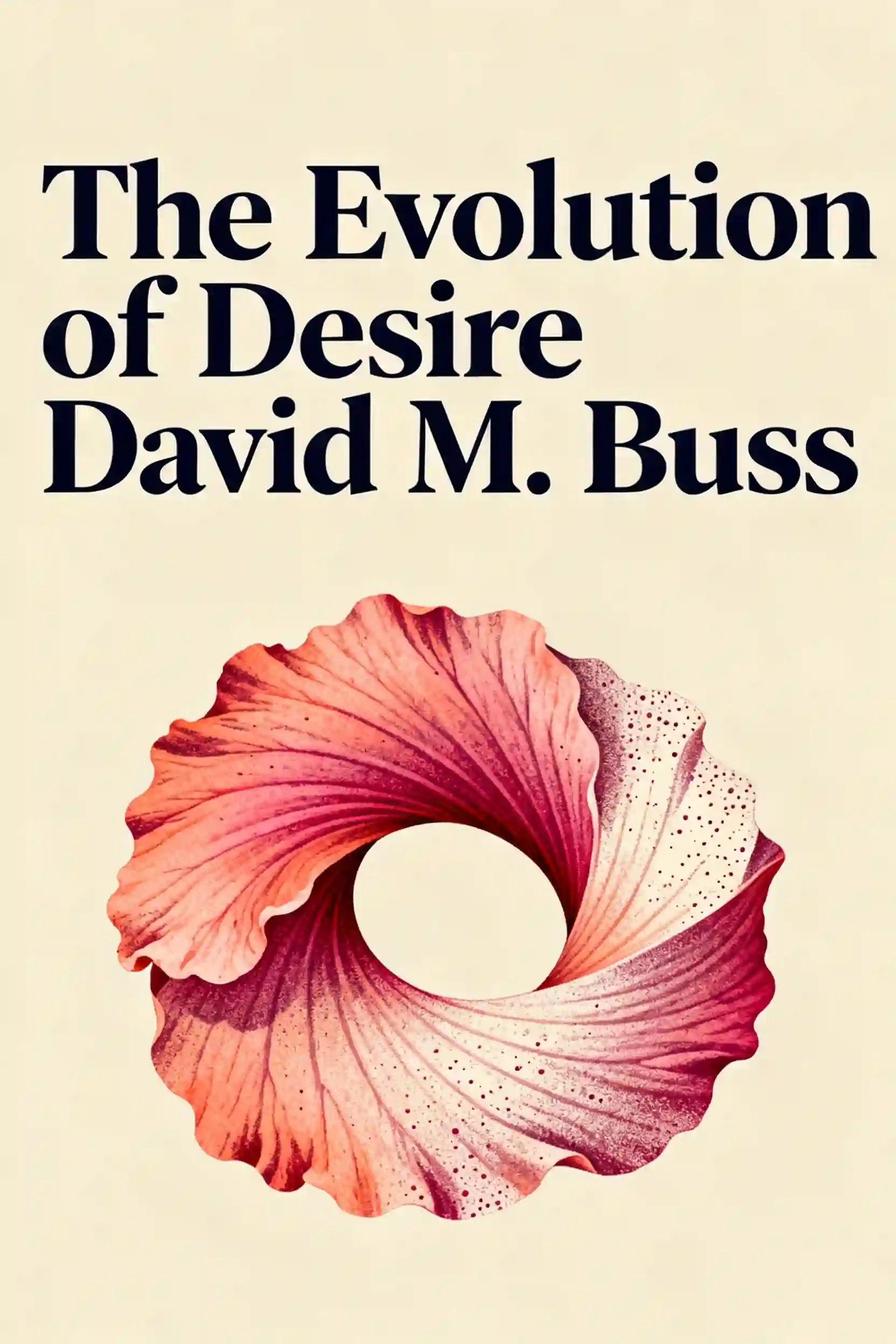
    Evolution of Desire
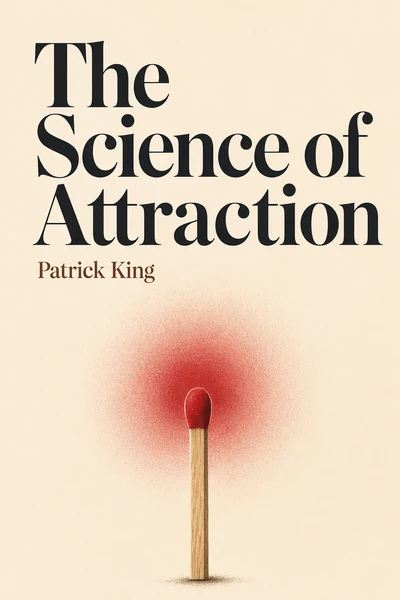
    The Science of Attraction
    Red Queen
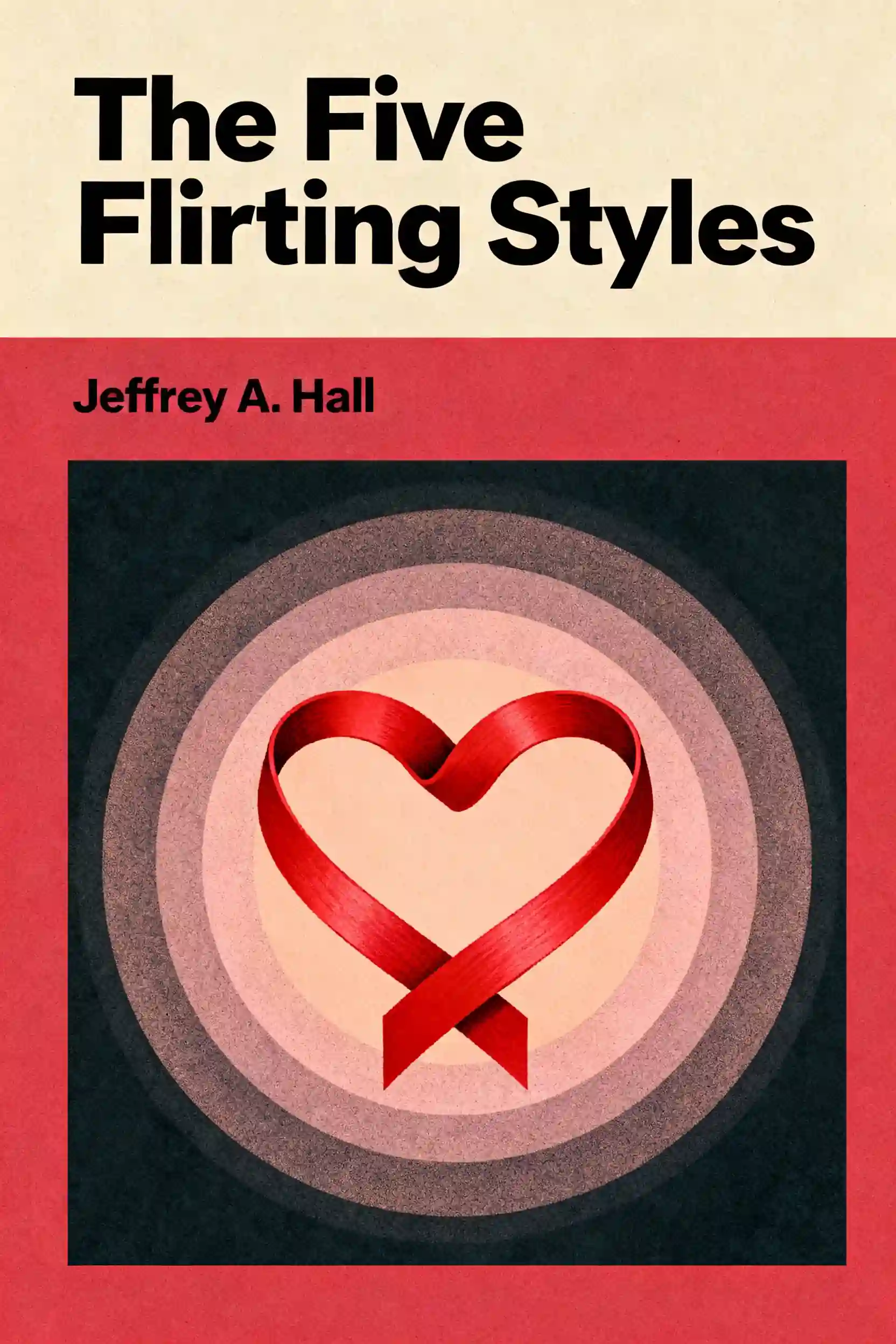
    The five flirting styles
    Othello
    The Art of Seduction

    Creato da alumni della Columbia University | a San Francisco

    BeFreed Riunisce Una Community Globale Di Menti Curiose

    4.7

    valutazione media

    Oltre 7,84 mila valutazioni dell’app

    Community BeFreed

    Sul serio, non ho ancora esplorato l'app fino in fondo, ma dopo questi primi giorni sono davvero colpita… BeFreed è su un altro livello rispetto a qualsiasi altra app di apprendimento che abbia usato. Ti coinvolge tantissimo e migliora davvero la concentrazione: perfetta per chi non riesce a smettere di scrollare!

    @ladyInfinity

    Ho comprato BeFreed esattamente 23 giorni fa e da allora l'ho usata ogni singolo giorno. Si è integrata completamente nel mio flusso di lavoro e nelle mie abitudini di studio.

    @jayallen

    La verità è che l'app ha superato tutte le mie aspettative. Posso chiederle di generare audio su qualunque argomento, qualsiasi esso sia, e il risultato è impressionante. Il mio campo professionale è una specializzazione in psicoterapia, molto multidisciplinare; eppure le risposte sono molto accurate.

    @Raguipa

    Quello che apprezzo di più è quanto abbia ridotto il mio scrolling: passo meno tempo a cercare e più tempo ad assorbire informazioni. La combinazione di audiolibri completi, podcast e piani di apprendimento è brillante.

    @colonyofcreatorsNGO

    Sono istruttore di apprendimento accelerato PhotoReading da 24 anni… libri, lettura e apprendimento sono il mio pane, e BeFreed ha fatto un ottimo lavoro offrendo un approccio innovativo per trasmettere le informazioni in un modo facile da assimilare.

    @BeFreed user

    Non è solo un'app di riassunti di libri: ho usato l'opzione di lettura divertente ed è un riassunto molto migliore, un modo più efficace di afferrare le idee rispetto al metodo tradizionale. Solo questo vale la spesa.

    @austinakon

    Adoro questa app. La uso da diversi giorni e non riesco a smettere di ascoltare. Un ottimo modo per iniziare.

    @jcrules328

    Il programma mi piace davvero; lo sto provando da circa un mese e lo trovo una vera gemma. Funziona così bene perché con BeFreed posso creare i miei argomenti, e la voce è ottima, con una scelta illimitata di narrazioni.

    @DanielCZ

    Sul serio, non ho ancora esplorato l'app fino in fondo, ma dopo questi primi giorni sono davvero colpita… BeFreed è su un altro livello rispetto a qualsiasi altra app di apprendimento che abbia usato. Ti coinvolge tantissimo e migliora davvero la concentrazione: perfetta per chi non riesce a smettere di scrollare!

    @ladyInfinity

    Ho comprato BeFreed esattamente 23 giorni fa e da allora l'ho usata ogni singolo giorno. Si è integrata completamente nel mio flusso di lavoro e nelle mie abitudini di studio.

    @jayallen

    La verità è che l'app ha superato tutte le mie aspettative. Posso chiederle di generare audio su qualunque argomento, qualsiasi esso sia, e il risultato è impressionante. Il mio campo professionale è una specializzazione in psicoterapia, molto multidisciplinare; eppure le risposte sono molto accurate.

    @Raguipa

    Quello che apprezzo di più è quanto abbia ridotto il mio scrolling: passo meno tempo a cercare e più tempo ad assorbire informazioni. La combinazione di audiolibri completi, podcast e piani di apprendimento è brillante.

    @colonyofcreatorsNGO

    Sono istruttore di apprendimento accelerato PhotoReading da 24 anni… libri, lettura e apprendimento sono il mio pane, e BeFreed ha fatto un ottimo lavoro offrendo un approccio innovativo per trasmettere le informazioni in un modo facile da assimilare.

    @BeFreed user

    Non è solo un'app di riassunti di libri: ho usato l'opzione di lettura divertente ed è un riassunto molto migliore, un modo più efficace di afferrare le idee rispetto al metodo tradizionale. Solo questo vale la spesa.

    @austinakon

    Adoro questa app. La uso da diversi giorni e non riesco a smettere di ascoltare. Un ottimo modo per iniziare.

    @jcrules328

    Il programma mi piace davvero; lo sto provando da circa un mese e lo trovo una vera gemma. Funziona così bene perché con BeFreed posso creare i miei argomenti, e la voce è ottima, con una scelta illimitata di narrazioni.

    @DanielCZ

    Adoro poter ricevere informazioni e idee utili e condensate in un audio in stile podcast da 8-15 minuti. Non sono un grande fan dei podcast per via di tutto il riempitivo, ma qui si va dritti al punto.

    @BeFreed user

    Sto finendo il dottorato e devo leggere un sacco di materiale che non conosco… Con BeFreed basta inserire un prompt: l'app trova le fonti per te e genera un podcast audio. Trovo il processo di BeFreed più scorrevole di NotebookLM.

    @Brad

    Cerco spesso su YouTube qualcosa da ascoltare mentre preparo la colazione, cammino o sono in viaggio, e BeFreed offre un approccio ancora più mirato, senza pubblicità e senza riempitivi!

    @BeFreed user

    La cosa in assoluto migliore di questa piattaforma è la versatilità. Non c'è letteralmente nessun argomento fuori portata. Gestisce qualsiasi cosa le proponi… È raro trovare uno strumento di apprendimento senza limiti che mantenga davvero le promesse.

    @jayallen

    BeFreed è fantastica. Il design intuitivo mi fa passare meno tempo a navigare e più tempo a imparare. Il mix di audiolibri, podcast e piani di apprendimento è una combinazione geniale che ha cambiato completamente la mia routine quotidiana.

    @BeFreed user

    All'inizio mi ci è voluto un po' per capire come creare podcast in italiano e poi… boom! È fantastico! Posso chiedergli di spiegarmi qualsiasi argomento e lo fa benissimo, con grande intelligenza!

    @matteo77

    BeFreed è diventata la mia app quotidiana per gli audiolibri… Quello che mi piace di più è che inserisci il tuo testo e ottieni un audio da ascoltare ovunque.

    @kotanzu1

    Adoro poter ricevere informazioni e idee utili e condensate in un audio in stile podcast da 8-15 minuti. Non sono un grande fan dei podcast per via di tutto il riempitivo, ma qui si va dritti al punto.

    @BeFreed user

    Sto finendo il dottorato e devo leggere un sacco di materiale che non conosco… Con BeFreed basta inserire un prompt: l'app trova le fonti per te e genera un podcast audio. Trovo il processo di BeFreed più scorrevole di NotebookLM.

    @Brad

    Cerco spesso su YouTube qualcosa da ascoltare mentre preparo la colazione, cammino o sono in viaggio, e BeFreed offre un approccio ancora più mirato, senza pubblicità e senza riempitivi!

    @BeFreed user

    La cosa in assoluto migliore di questa piattaforma è la versatilità. Non c'è letteralmente nessun argomento fuori portata. Gestisce qualsiasi cosa le proponi… È raro trovare uno strumento di apprendimento senza limiti che mantenga davvero le promesse.

    @jayallen

    BeFreed è fantastica. Il design intuitivo mi fa passare meno tempo a navigare e più tempo a imparare. Il mix di audiolibri, podcast e piani di apprendimento è una combinazione geniale che ha cambiato completamente la mia routine quotidiana.

    @BeFreed user

    All'inizio mi ci è voluto un po' per capire come creare podcast in italiano e poi… boom! È fantastico! Posso chiedergli di spiegarmi qualsiasi argomento e lo fa benissimo, con grande intelligenza!

    @matteo77

    BeFreed è diventata la mia app quotidiana per gli audiolibri… Quello che mi piace di più è che inserisci il tuo testo e ottieni un audio da ascoltare ovunque.

    @kotanzu1

    Scopri di piu su come si parla di BeFreed nel web
    129.7K19.5K
    55.2K19.2K
    154.2K10827355
    48.1K2.5K
    81.2K6.6K
    82.3K1.8K
    Inizia il tuo percorso di apprendimento, ora
    App BeFreed
    BeFreed

    Impara qualsiasi cosa, personalizzato

    DiscordLinkedIn
    Riassunti di libri in evidenza
    Crucial ConversationsThe Perfect MarriageInto the WildNever Split the DifferenceAttachedGood to GreatSay Nothing
    Categorie di tendenza
    Self HelpCommunication SkillRelationshipMindfulnessPhilosophyInspirationProductivity
    Liste di lettura delle celebrita
    Elon MuskCharlie KirkBill GatesSteve JobsAndrew HubermanJoe RoganJordan Peterson
    Collezione premiata
    Pulitzer PrizeNational Book AwardGoodreads Choice AwardsNobel Prize in LiteratureNew York TimesCaldecott MedalNebula Award
    Argomenti in evidenza
    ManagementAmerican HistoryWarTradingStoicismAnxietySex
    Migliori libri per anno
    2025 Best Non Fiction Books2024 Best Non Fiction Books2023 Best Non Fiction Books
    Autori in evidenza
    Chimamanda Ngozi AdichieGeorge OrwellO. J. SimpsonBarbara O'NeillWinston ChurchillCharlie Kirk
    BeFreed vs altre app
    BeFreed vs. Other Book Summary AppsBeFreed vs. ElevenReaderBeFreed vs. ReadwiseBeFreed vs. Anki
    Strumenti di apprendimento
    Knowledge VisualizerAI Podcast Generator
    Informazioni
    Chi siamoarrow
    Prezziarrow
    FAQarrow
    Blogarrow
    Carrierearrow
    Partnershiparrow
    Programma Ambassadorarrow
    Directoryarrow
    BeFreed
    Try now
    © 2026 BeFreed
    Termini di utilizzoInformativa sulla privacy
    BeFreed

    Impara qualsiasi cosa, personalizzato

    DiscordLinkedIn
    Riassunti di libri in evidenza
    Crucial ConversationsThe Perfect MarriageInto the WildNever Split the DifferenceAttachedGood to GreatSay Nothing
    Categorie di tendenza
    Self HelpCommunication SkillRelationshipMindfulnessPhilosophyInspirationProductivity
    Liste di lettura delle celebrita
    Elon MuskCharlie KirkBill GatesSteve JobsAndrew HubermanJoe RoganJordan Peterson
    Collezione premiata
    Pulitzer PrizeNational Book AwardGoodreads Choice AwardsNobel Prize in LiteratureNew York TimesCaldecott MedalNebula Award
    Argomenti in evidenza
    ManagementAmerican HistoryWarTradingStoicismAnxietySex
    Migliori libri per anno
    2025 Best Non Fiction Books2024 Best Non Fiction Books2023 Best Non Fiction Books
    Strumenti di apprendimento
    Knowledge VisualizerAI Podcast Generator
    Autori in evidenza
    Chimamanda Ngozi AdichieGeorge OrwellO. J. SimpsonBarbara O'NeillWinston ChurchillCharlie Kirk
    BeFreed vs altre app
    BeFreed vs. Other Book Summary AppsBeFreed vs. ElevenReaderBeFreed vs. ReadwiseBeFreed vs. Anki
    Informazioni
    Chi siamoarrow
    Prezziarrow
    FAQarrow
    Blogarrow
    Carrierearrow
    Partnershiparrow
    Programma Ambassadorarrow
    Directoryarrow
    BeFreed
    Try now
    © 2026 BeFreed
    Termini di utilizzoInformativa sulla privacy

    Contenuti simili

    Copertina del libro The Science of Seduction
    Conversation CasanovaHow to Become an Alpha MaleThe Science of AttractionThe Mystery Method
    17 sources
    The Science of Seduction
    Discover the ancient evolutionary dance of flirting that exists across all cultures. Learn why we're hardwired for attraction yet surprisingly bad at detecting when someone's interested in us.
    22 min
    Copertina del libro The Science of Subversive Flirting
    Atomic AttractionThe Art of SeductionHow to Become an Alpha MaleConversation Casanova
    24 sources
    The Science of Subversive Flirting
    Move beyond scripted lines and master the biological cues of attraction. Learn how to use body language, strategic gaze, and the psychology of scarcity to build genuine chemistry.
    13 min
    Copertina del libro The Science of Male Attraction and Seduction
    source 1source 2source 3Sex differences in human mate preferences: Evolutionary hypotheses tested in 37 cultures
    6 sources
    The Science of Male Attraction and Seduction
    Deep dive into evolutionary psychology and research revealing what makes men irresistibly attractive to women. From masculine presence to scarcity psychology, explore the scientific principles behind genuine seduction and intimate connection.
    17 min
    Copertina del libro The Science of Flirting
    Conversation CasanovaHow to Become an Alpha MaleThe Game of DesireAtomic Attraction
    21 sources
    The Science of Flirting
    Discover the complex social dance of flirtation, from its evolutionary roots to its five distinct styles. Learn how culture shapes our flirting signals and how to decode this hidden language of attraction.
    36 min
    Copertina del libro The Psychology of Seduction
    The Art of SeductionThe Art of Seduction by Robert Greene: Summary & ReviewChapter 5: The Ethical Compass — Consent, Power, and... | Science of Seduction | DataField.DevConsent and refusal are not the only talking points in sex | Aeon Essays
    7 sources
    The Psychology of Seduction
    Relying on looks alone is a losing game. Learn how to use psychological archetypes and emotional strategy to shift power and spark genuine attraction.
    27 min
    Copertina del libro Seduction as Strategy
    Robert Greene's the Art of Seduction - Business InsiderThe Art of Seduction: The 6 Rules of the Game - Shortform BooksHow To Seduce Any Woman You Want | Robert Greene - YouTubeThe Art of Seduction by Robert Greene: Summary & Review
    6 sources
    Seduction as Strategy
    Stop relying on luck to build attraction. Learn the psychological game of creating mystery and engaging the imagination to move beyond 'winging it'.
    27 min
    Copertina del libro Seduction is Different Than You Think
    The Art of SeductionThe 48 laws of powerInfluence Is Your SuperpowerFlipnosis
    29 sources
    Seduction is Different Than You Think
    Is seduction just manipulation? Discover the biological signals and psychological archetypes that turn attraction into a universal language of connection.
    38 min
    Copertina del libro The Science of Magnetic Attraction and Seduction
    source 1source 2source 3Mating and marketing
    6 sources
    The Science of Magnetic Attraction and Seduction
    Explore the fascinating psychology behind human attraction, seductive influence, and authentic value creation. Discover how neuroscience and behavioral research reveal the hidden patterns that drive connection and desire.
    10 min

    Recommended Learning Plans

    Seduction & infatuation
    PIANO DI APPRENDIMENTO

    Seduction & infatuation

    This learning plan is designed for anyone seeking to understand the science of attraction and develop genuine romantic connection skills. Whether you're navigating modern dating, looking to deepen your understanding of interpersonal dynamics, or wanting to become more confident in expressing romantic interest, this curriculum combines psychological research with practical techniques for building authentic, meaningful connections.

    4 h 48 m•4 Sezioni
    Understand the Science of Attraction
    PIANO DI APPRENDIMENTO

    Understand the Science of Attraction

    This plan bridges the gap between biological research and social intelligence, offering a roadmap to understanding human desire. It is ideal for individuals looking to improve their dating lives, strengthen existing bonds, or master the psychological nuances of interpersonal communication.

    6 h 9 m•4 Sezioni
    Mastering the art of seduction
    PIANO DI APPRENDIMENTO

    Mastering the art of seduction

    This course is designed for individuals seeking to enhance their social intelligence and romantic success by mastering the psychology of human connection. It provides a strategic framework for anyone looking to transform their interpersonal presence from ordinary to irresistibly magnetic.

    4 h 58 m•4 Sezioni
    Intro Attraction Psychology
    PIANO DI APPRENDIMENTO

    Intro Attraction Psychology

    This learning plan combines evolutionary psychology, neuroscience, and behavioral research to demystify human attraction and social dynamics. It's ideal for anyone seeking to improve their dating life, build stronger relationships, or understand the science behind human connection, whether you're re-entering the dating world, struggling with social confidence, or simply curious about the psychological mechanisms that drive romantic attraction.

    5 h 3 m•4 Sezioni
    Attraction & Relationship Science Course
    PIANO DI APPRENDIMENTO

    Attraction & Relationship Science Course

    This course bridges the gap between biological instincts and modern relationship success. It is designed for individuals seeking to move beyond dating guesswork by applying rigorous psychological science to their personal lives.

    6 h 26 m•4 Sezioni
    Science of dating
    PIANO DI APPRENDIMENTO

    Science of dating

    Whether you're navigating modern dating apps, struggling to find meaningful connections, or wanting to deepen existing relationships, understanding the science behind attraction and bonding is transformative. This learning plan combines evolutionary biology, psychology, and practical social skills to help anyone—from dating newcomers to experienced romantics—make more intentional choices and build more fulfilling relationships.

    4 h 35 m•4 Sezioni
    Flirting physiology
    PIANO DI APPRENDIMENTO

    Flirting physiology

    Flirting is a fundamental human social skill that blends biology, psychology, and communication, yet most people never receive formal education in understanding attraction dynamics. This learning plan is ideal for anyone looking to improve their romantic confidence, decode social signals more accurately, or develop more authentic and effective ways to express interest in potential partners. Whether you're re-entering the dating world, want to enhance existing relationship skills, or simply understand the science behind human connection, this evidence-based approach demystifies attraction.

    5 h 4 m•4 Sezioni
    The Psychology of Influence and Attraction
    PIANO DI APPRENDIMENTO

    The Psychology of Influence and Attraction

    This plan is essential for professionals and individuals looking to master the unspoken rules of social hierarchy and attraction. It benefits anyone seeking to enhance their interpersonal influence, from high-stakes negotiators to those looking to improve their romantic intelligence.

    2 h•4 Sezioni