The Science of Release: Learning How to Cry
Explore why your body blocks emotional release and discover practical somatic techniques to break through the 'invisible wall' for a much-needed sob.

Miglior citazione da The Science of Release: Learning How to Cry
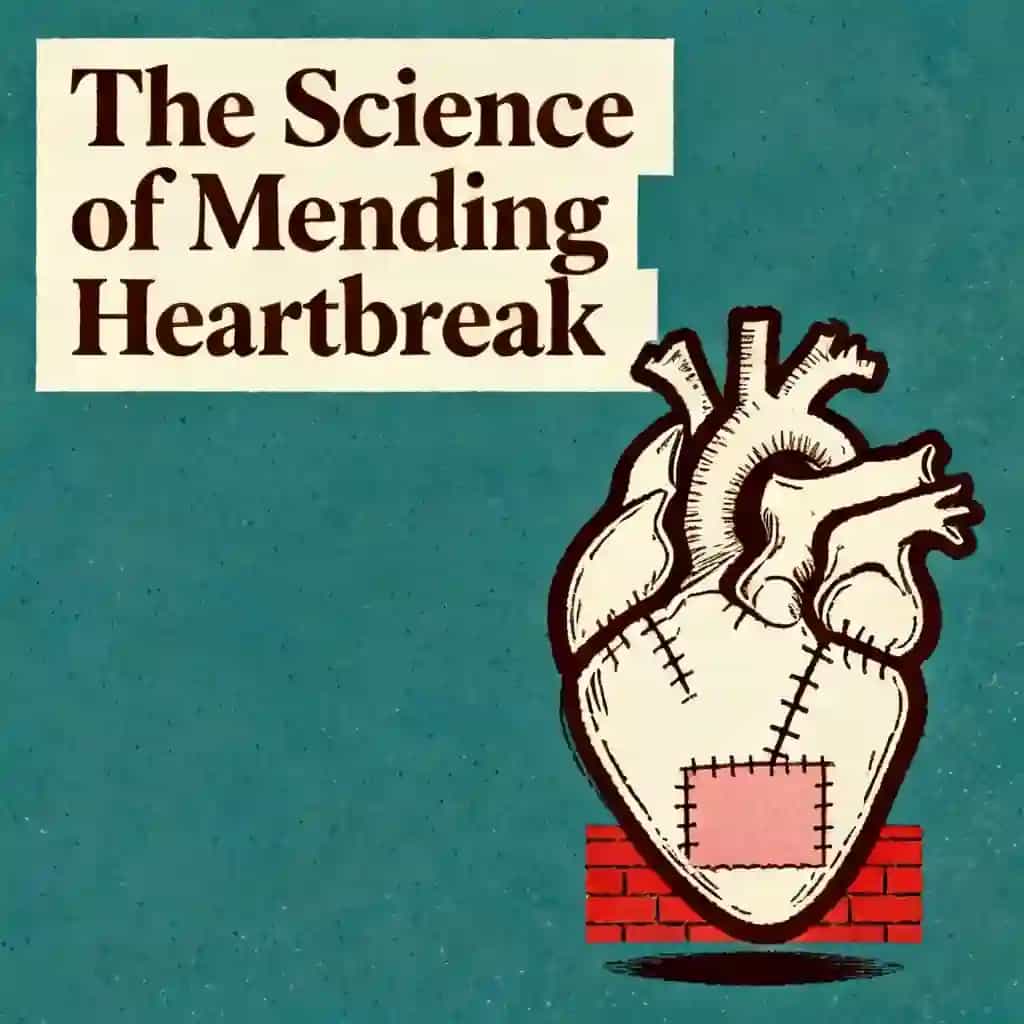
Your body isn't betraying you; it’s protecting you. This 'invisible wall' is a circuit breaker that flips because the emotional current is too high, prioritizing basic survival over emotional expression until you feel safe enough to let it out.
Generated by JB
I want to learn how to cry. After your emotional turmoil all the time, but it never results in me being moved to tears, which is what I think would be helpful.

Domande frequenti
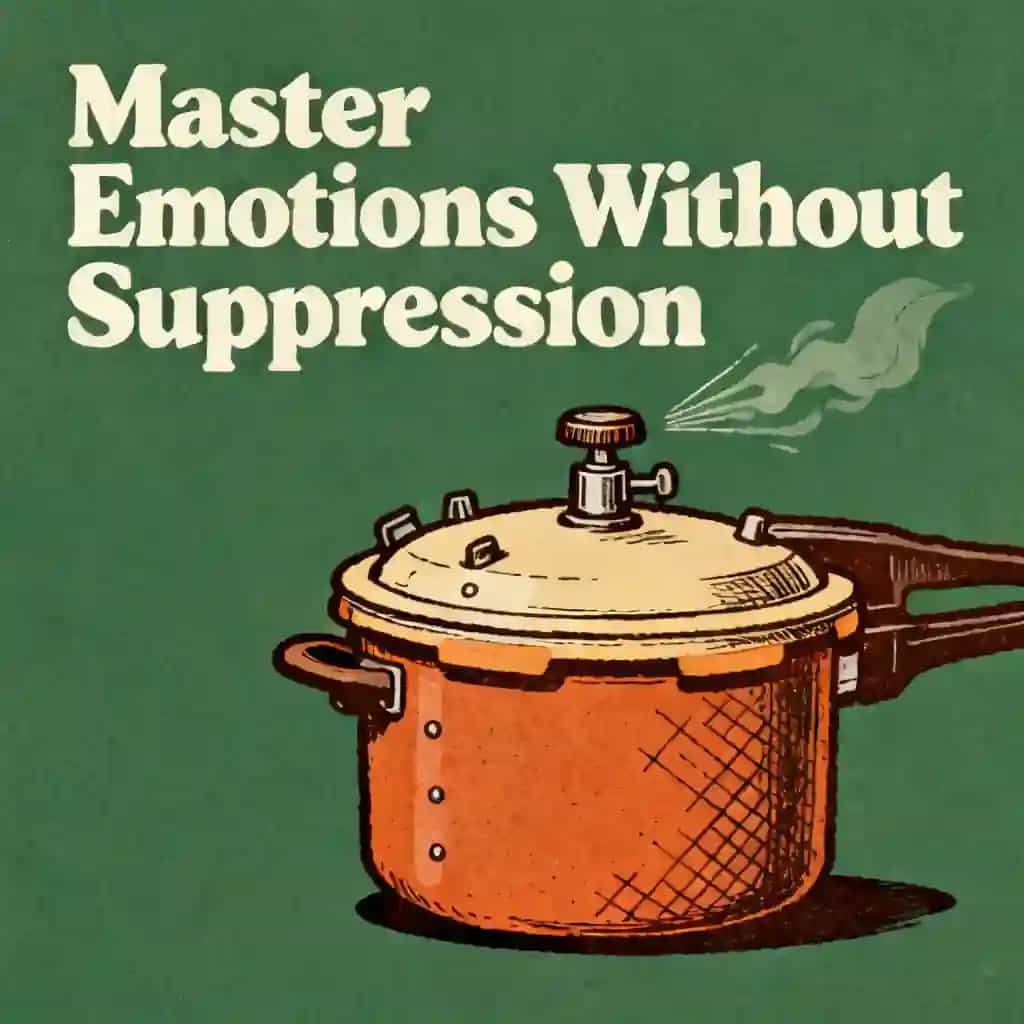
This is often a protective mechanism known as the "freeze" response or "emotional congestion." When your nervous system stays in a high-stress "fight-or-flight" state for too long, it prioritizes basic survival over emotional expression. Crying requires a certain level of safety and relaxation to occur; if your brain perceives you are still in a "battlefield" environment—like a high-pressure job or chronic burnout—it slams on the biological brakes to keep you functioning.
Yes, the inability to cry isn't always purely psychological. Certain medical conditions, such as thyroid disease, hormonal shifts during menopause, or autoimmune disorders like Sjögren’s syndrome, can physically dry out tear production. Additionally, medications like antihistamines or antidepressants (specifically SSRIs and SNRIs) can cause "emotional blunting," which raises the threshold required for tears to flow. Environmental factors like dry climates or high winds can also cause tears to evaporate before you even notice them.
We are not born suppressing tears; we learn to do so through "cultural conditioning" and "family echoes." If you grew up in an environment where crying was punished, labeled as "too sensitive," or seen as a sign of incompetence, your nervous system learned to view tears as a liability. Over time, repeatedly clenching your jaw or swallowing the "lump in your throat" to stay stoic can cause the neural circuits and muscles involved in crying to become "out of practice" or atrophied.
The key is to move from the "story" in your head to the sensations in your body. You can start by "Trigger Mapping" the old rules you were taught about crying to realize they aren't universal truths. Physically, you can use "parasympathetic hacks" like 4-in, 6-out rhythmic breathing to signal safety to your brain. Other techniques include "vocal humming" to release throat tension, "Mirror Practice" to prime the pump with facial expressions, or creating a "safe container" in the shower or under a heavy blanket to lower your biological guard.
Creato da alumni della Columbia University a San Francisco
"Instead of endless scrolling, I just hit play on BeFreed. It saves me so much time."


"I never knew where to start with nonfiction—BeFreed’s book lists turned into podcasts gave me a clear path."


"Perfect balance between learning and entertainment. Finished ‘Thinking, Fast and Slow’ on my commute this week."
"Crazy how much I learned while walking the dog. BeFreed = small habits → big gains."
"Reading used to feel like a chore. Now it’s just part of my lifestyle."

"Feels effortless compared to reading. I’ve finished 6 books this month already."
"BeFreed turned my guilty doomscrolling into something that feels productive and inspiring."

"BeFreed turned my commute into learning time. 20-min podcasts are perfect for finishing books I never had time for."
"BeFreed replaced my podcast queue. Imagine Spotify for books — that’s it. 🙌"

"It is great for me to learn something from the book without reading it."
"The themed book list podcasts help me connect ideas across authors—like a guided audio journey."
"Makes me feel smarter every time before going to work"
 Ask ChatGPT
 Ask Claude
Creato da alumni della Columbia University a San Francisco
"Instead of endless scrolling, I just hit play on BeFreed. It saves me so much time."
"I never knew where to start with nonfiction—BeFreed’s book lists turned into podcasts gave me a clear path."
"Perfect balance between learning and entertainment. Finished ‘Thinking, Fast and Slow’ on my commute this week."
"Crazy how much I learned while walking the dog. BeFreed = small habits → big gains."
"Reading used to feel like a chore. Now it’s just part of my lifestyle."
"Feels effortless compared to reading. I’ve finished 6 books this month already."
"BeFreed turned my guilty doomscrolling into something that feels productive and inspiring."
"BeFreed turned my commute into learning time. 20-min podcasts are perfect for finishing books I never had time for."
"BeFreed replaced my podcast queue. Imagine Spotify for books — that’s it. 🙌"
"It is great for me to learn something from the book without reading it."
"The themed book list podcasts help me connect ideas across authors—like a guided audio journey."
"Makes me feel smarter every time before going to work"
"Instead of endless scrolling, I just hit play on BeFreed. It saves me so much time."
"I never knew where to start with nonfiction—BeFreed’s book lists turned into podcasts gave me a clear path."
"Perfect balance between learning and entertainment. Finished ‘Thinking, Fast and Slow’ on my commute this week."
"Crazy how much I learned while walking the dog. BeFreed = small habits → big gains."
"Reading used to feel like a chore. Now it’s just part of my lifestyle."
"Feels effortless compared to reading. I’ve finished 6 books this month already."
"BeFreed turned my guilty doomscrolling into something that feels productive and inspiring."
"BeFreed turned my commute into learning time. 20-min podcasts are perfect for finishing books I never had time for."
"BeFreed replaced my podcast queue. Imagine Spotify for books — that’s it. 🙌"
"It is great for me to learn something from the book without reading it."
"The themed book list podcasts help me connect ideas across authors—like a guided audio journey."
"Makes me feel smarter every time before going to work"
"Instead of endless scrolling, I just hit play on BeFreed. It saves me so much time."
"I never knew where to start with nonfiction—BeFreed’s book lists turned into podcasts gave me a clear path."
"Perfect balance between learning and entertainment. Finished ‘Thinking, Fast and Slow’ on my commute this week."
"Crazy how much I learned while walking the dog. BeFreed = small habits → big gains."
"Reading used to feel like a chore. Now it’s just part of my lifestyle."
"Feels effortless compared to reading. I’ve finished 6 books this month already."
"BeFreed turned my guilty doomscrolling into something that feels productive and inspiring."
"BeFreed turned my commute into learning time. 20-min podcasts are perfect for finishing books I never had time for."
"BeFreed replaced my podcast queue. Imagine Spotify for books — that’s it. 🙌"
"It is great for me to learn something from the book without reading it."
"The themed book list podcasts help me connect ideas across authors—like a guided audio journey."
"Makes me feel smarter every time before going to work"