The Quiet Magnet: Mastering Introverted Charisma
Stop viewing introversion as a glitch and start using it as your greatest social asset. Learn how to silence overthinking, leverage the power of presence, and build undeniable magnetism through quiet confidence.

Miglior citazione da The Quiet Magnet: Mastering Introverted Charisma
Being the loudest person in the room can actually be less attractive than being the quiet one who really listens. It’s about making your silence a position of power rather than a lack of things to say.
Generated by Stan
become more magnetic as an introvert who overthinks everything

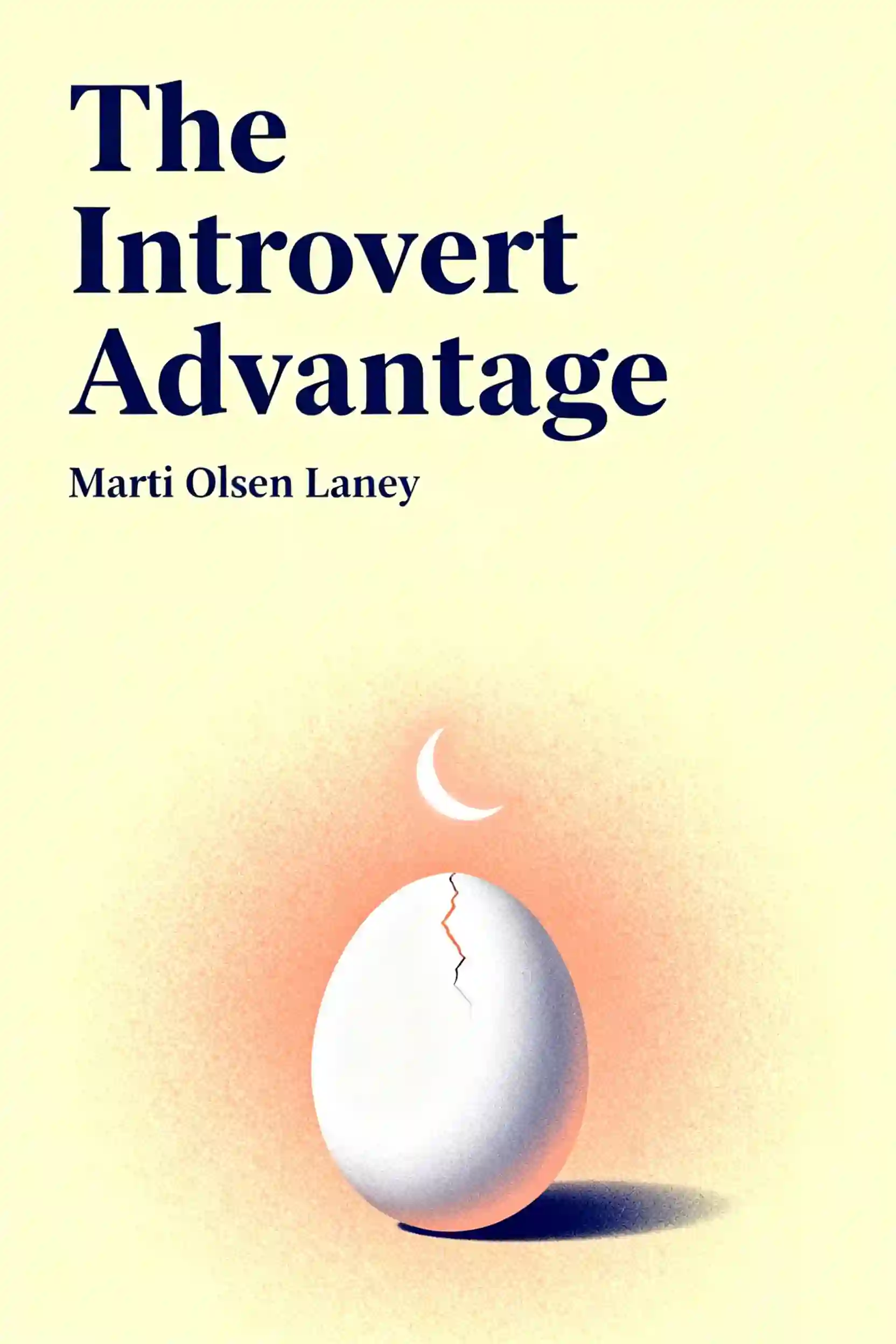
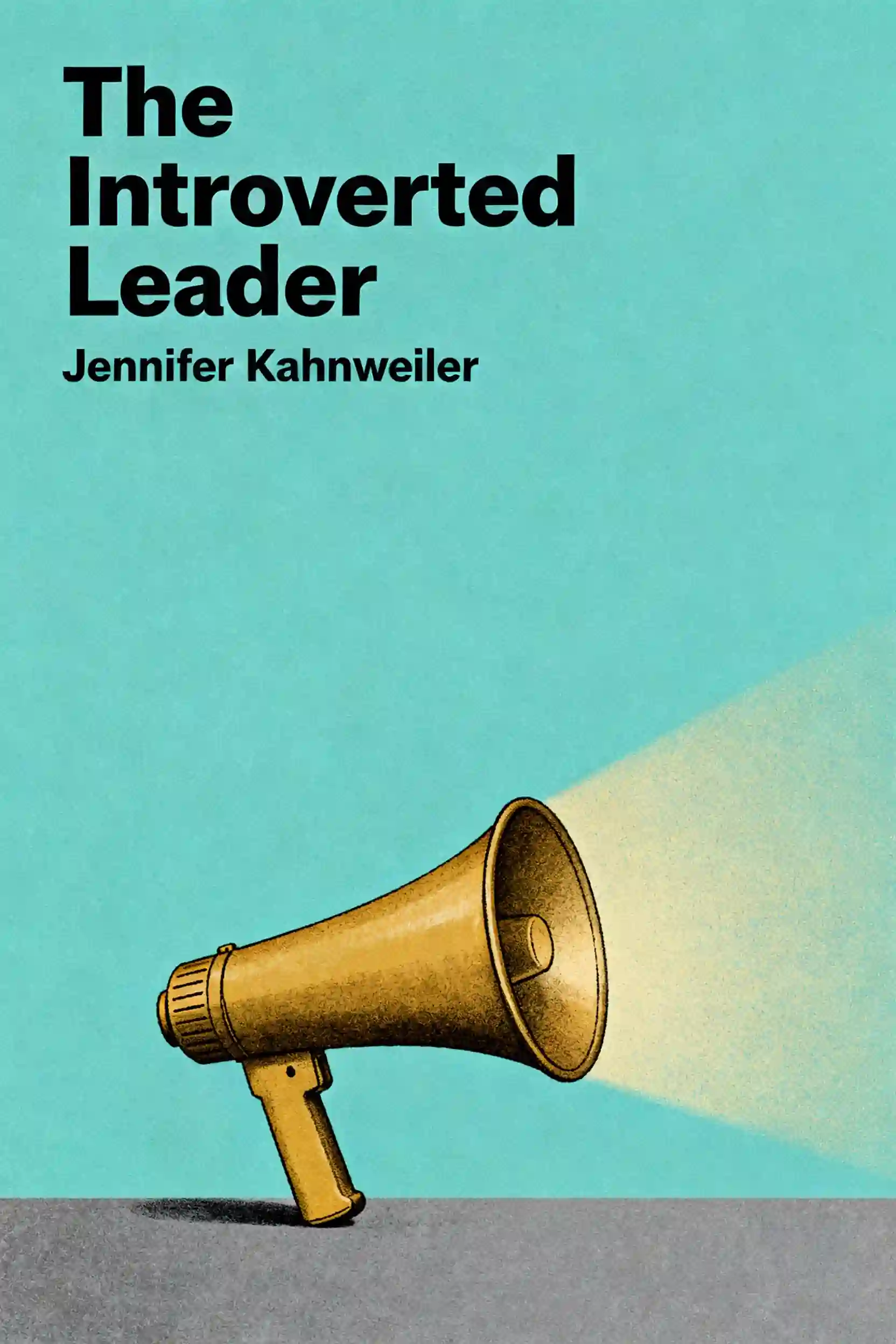
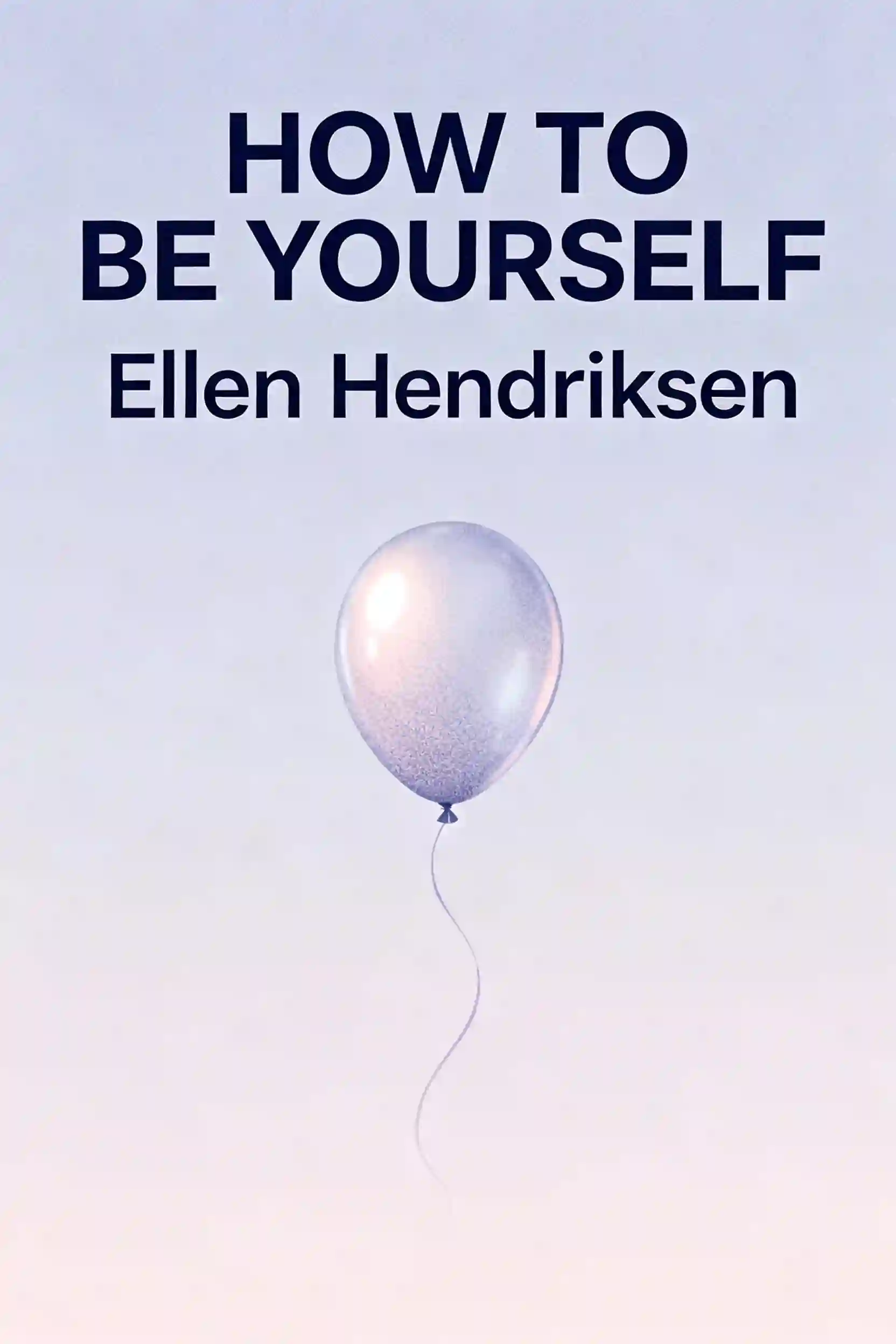
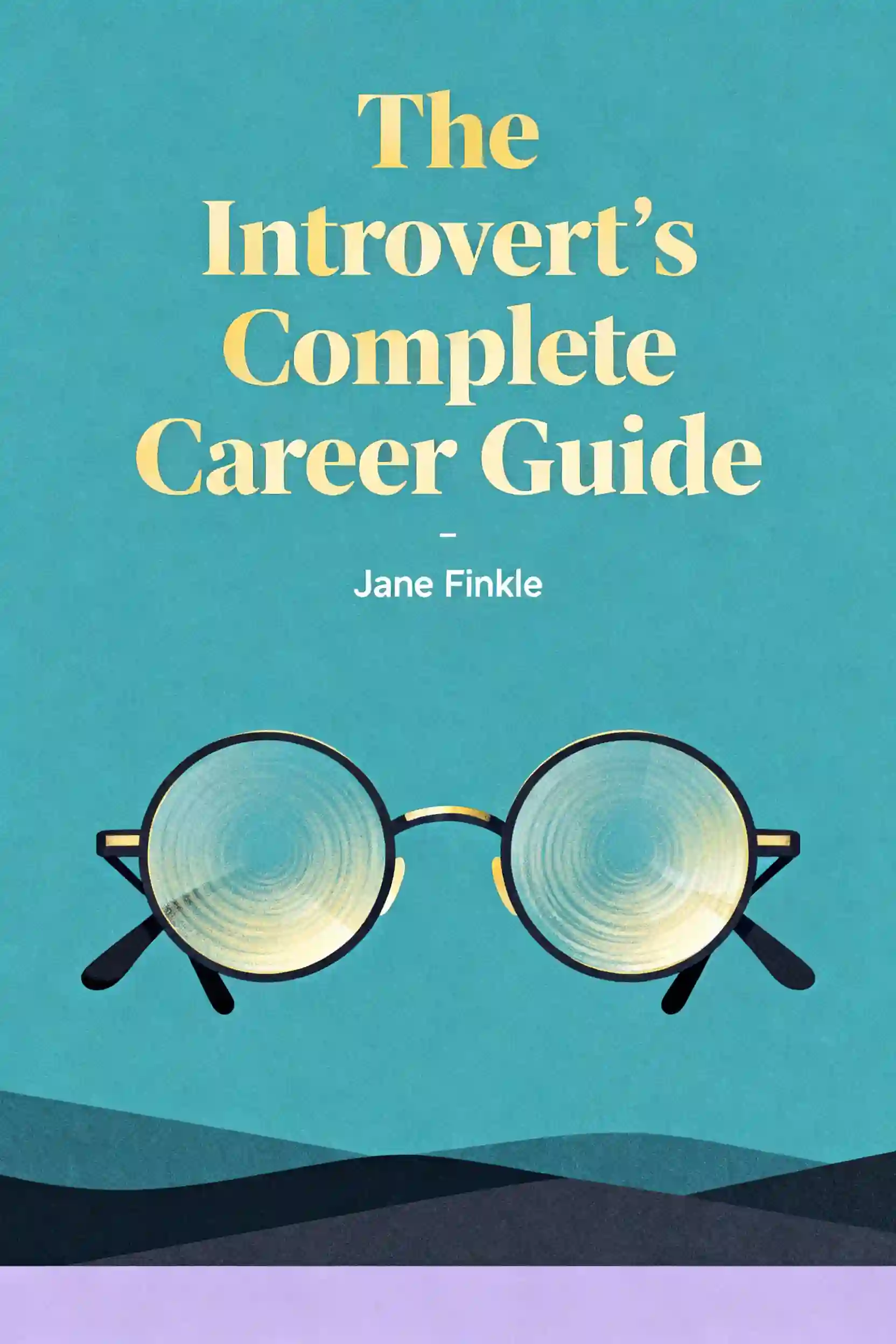
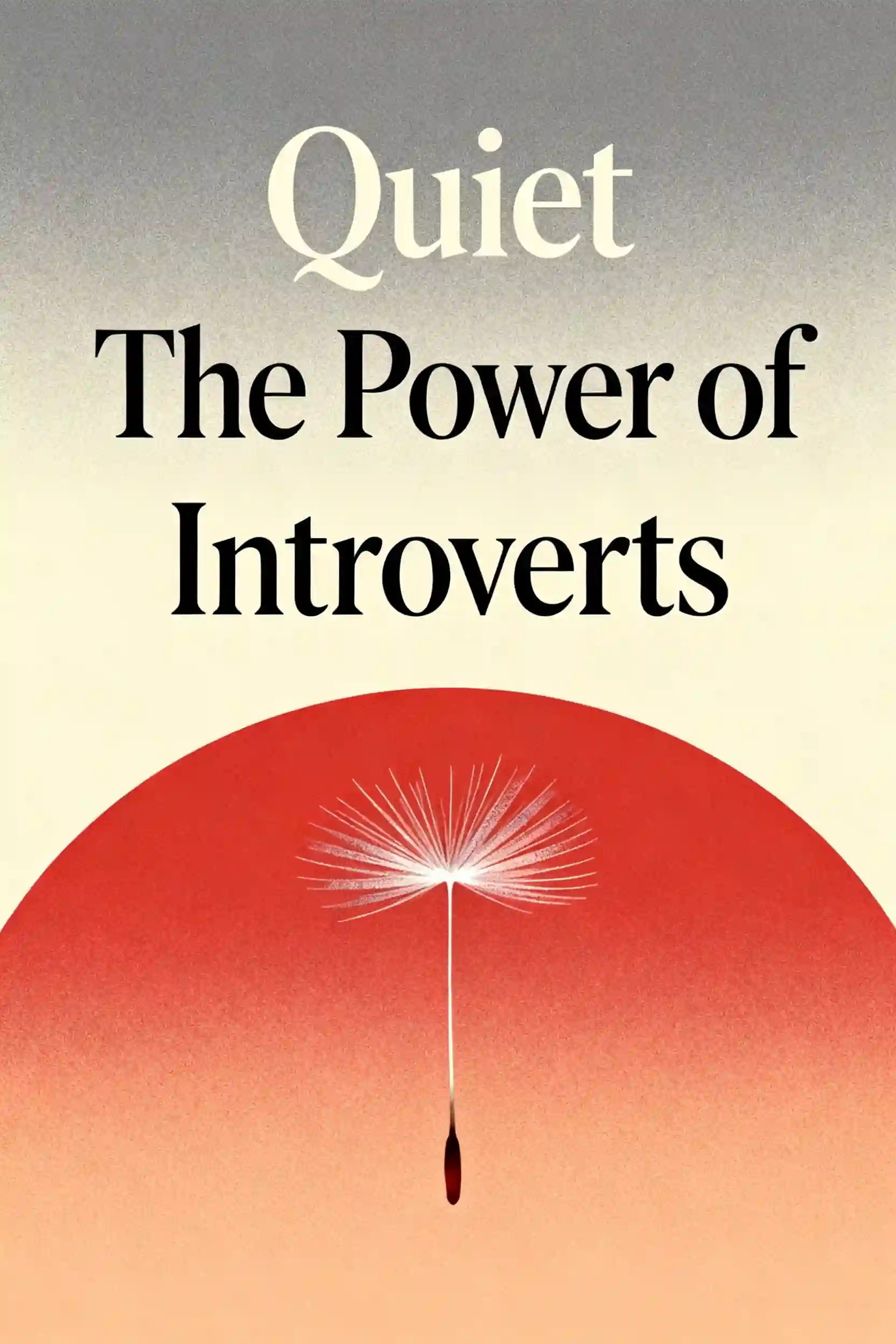
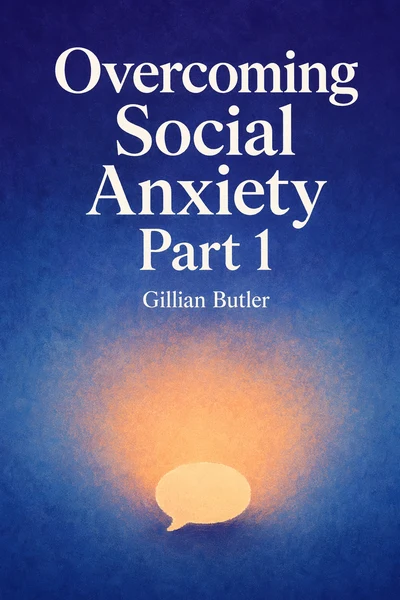
Domande frequenti
Social anxiety is often driven by three specific neural patterns. The Amygdala acts as a hyper-reactive security guard that screams "intruder alert" at neutral social cues. The Medial Prefrontal Cortex, or "The Simulator," runs repetitive mental movies of people judging you. Finally, the Insula acts as "The Amplifier," taking normal physical sensations like a fast heartbeat or sweat and making them feel visible and catastrophic to the entire world.
The script recommends a technique called External Task Concentration to bypass the "Self-Focused Attention Trap." Instead of monitoring your own performance, you should deliberately "eject" your attention into the environment by focusing on external details. This could involve noticing the specific color of someone’s eyes, counting people wearing a certain color, or assigning yourself the task of remembering three specific facts about the person speaking. Because attention is a limited biological resource, focusing externally starves the "Inner Critic" of the energy it needs to run anxious simulations.
Listening Authority is a strategy where an introvert uses their natural tendency toward silence as a position of power rather than a lack of input. By listening deeply and waiting for the "missing piece" of a conversation, you can provide high-value contributions that summarize what others have said before adding your own insight. This makes your words count more and projects a sense of "Inner-Certainty," similar to how legendary introverts like Marlon Brando used pauses to command attention.
You can use biological hacks to trigger the Vagus Nerve, which is the "off-switch" for the body's fight-or-flight response. One method is the "4-2-6" breathing pattern: inhale for four seconds, hold for two, and exhale slowly for six, as the long exhale signals the nervous system to slow the heart rate. For an instant "hard reset," splashing ice-cold water on your face triggers the "Diving Reflex," which immediately redirects blood flow and lowers physical arousal.
An Exposure Ladder is a systematic way to rewire the brain through a process called "Fear Extinction." You start with low-stakes social experiments—like saying hello to a cashier—and stay in the situation until your anxiety drops by half. It is crucial to avoid "Safety Behaviors," such as checking your phone or rehearsing lines, because these crutches prevent the brain from learning that the situation is actually safe. Over time, these "reps" build grounded confidence and prove to the Amygdala that its catastrophic predictions do not come true.
Creato da alumni della Columbia University a San Francisco
"Instead of endless scrolling, I just hit play on BeFreed. It saves me so much time."


"I never knew where to start with nonfiction—BeFreed’s book lists turned into podcasts gave me a clear path."


"Perfect balance between learning and entertainment. Finished ‘Thinking, Fast and Slow’ on my commute this week."
"Crazy how much I learned while walking the dog. BeFreed = small habits → big gains."
"Reading used to feel like a chore. Now it’s just part of my lifestyle."

"Feels effortless compared to reading. I’ve finished 6 books this month already."
"BeFreed turned my guilty doomscrolling into something that feels productive and inspiring."

"BeFreed turned my commute into learning time. 20-min podcasts are perfect for finishing books I never had time for."
"BeFreed replaced my podcast queue. Imagine Spotify for books — that’s it. 🙌"

"It is great for me to learn something from the book without reading it."
"The themed book list podcasts help me connect ideas across authors—like a guided audio journey."
"Makes me feel smarter every time before going to work"
Creato da alumni della Columbia University a San Francisco
"Instead of endless scrolling, I just hit play on BeFreed. It saves me so much time."
"I never knew where to start with nonfiction—BeFreed’s book lists turned into podcasts gave me a clear path."
"Perfect balance between learning and entertainment. Finished ‘Thinking, Fast and Slow’ on my commute this week."
"Crazy how much I learned while walking the dog. BeFreed = small habits → big gains."
"Reading used to feel like a chore. Now it’s just part of my lifestyle."
"Feels effortless compared to reading. I’ve finished 6 books this month already."
"BeFreed turned my guilty doomscrolling into something that feels productive and inspiring."
"BeFreed turned my commute into learning time. 20-min podcasts are perfect for finishing books I never had time for."
"BeFreed replaced my podcast queue. Imagine Spotify for books — that’s it. 🙌"
"It is great for me to learn something from the book without reading it."
"The themed book list podcasts help me connect ideas across authors—like a guided audio journey."
"Makes me feel smarter every time before going to work"
"Instead of endless scrolling, I just hit play on BeFreed. It saves me so much time."
"I never knew where to start with nonfiction—BeFreed’s book lists turned into podcasts gave me a clear path."
"Perfect balance between learning and entertainment. Finished ‘Thinking, Fast and Slow’ on my commute this week."
"Crazy how much I learned while walking the dog. BeFreed = small habits → big gains."
"Reading used to feel like a chore. Now it’s just part of my lifestyle."
"Feels effortless compared to reading. I’ve finished 6 books this month already."
"BeFreed turned my guilty doomscrolling into something that feels productive and inspiring."
"BeFreed turned my commute into learning time. 20-min podcasts are perfect for finishing books I never had time for."
"BeFreed replaced my podcast queue. Imagine Spotify for books — that’s it. 🙌"
"It is great for me to learn something from the book without reading it."
"The themed book list podcasts help me connect ideas across authors—like a guided audio journey."
"Makes me feel smarter every time before going to work"
"Instead of endless scrolling, I just hit play on BeFreed. It saves me so much time."
"I never knew where to start with nonfiction—BeFreed’s book lists turned into podcasts gave me a clear path."
"Perfect balance between learning and entertainment. Finished ‘Thinking, Fast and Slow’ on my commute this week."
"Crazy how much I learned while walking the dog. BeFreed = small habits → big gains."
"Reading used to feel like a chore. Now it’s just part of my lifestyle."
"Feels effortless compared to reading. I’ve finished 6 books this month already."
"BeFreed turned my guilty doomscrolling into something that feels productive and inspiring."
"BeFreed turned my commute into learning time. 20-min podcasts are perfect for finishing books I never had time for."
"BeFreed replaced my podcast queue. Imagine Spotify for books — that’s it. 🙌"
"It is great for me to learn something from the book without reading it."
"The themed book list podcasts help me connect ideas across authors—like a guided audio journey."
"Makes me feel smarter every time before going to work"