The Psychology of Caregiver Abuse
Explores why some paraplegics mistreat caregivers, examining how powerlessness, trauma, and loss of control can manifest as micromanagement and belittlement in care relationships.

Miglior citazione da The Psychology of Caregiver Abuse
The person receiving care is often so focused on their own survival and dignity that they can't see the impact on their caregivers, leading to a tragic irony where they drive away the very people they depend on most.

Questa lezione audio è stata creata da un membro della comunità BeFreed
Psychology behind paraplegics treating their caregivers awfully. Why thy micromanage and belittle their caregivers


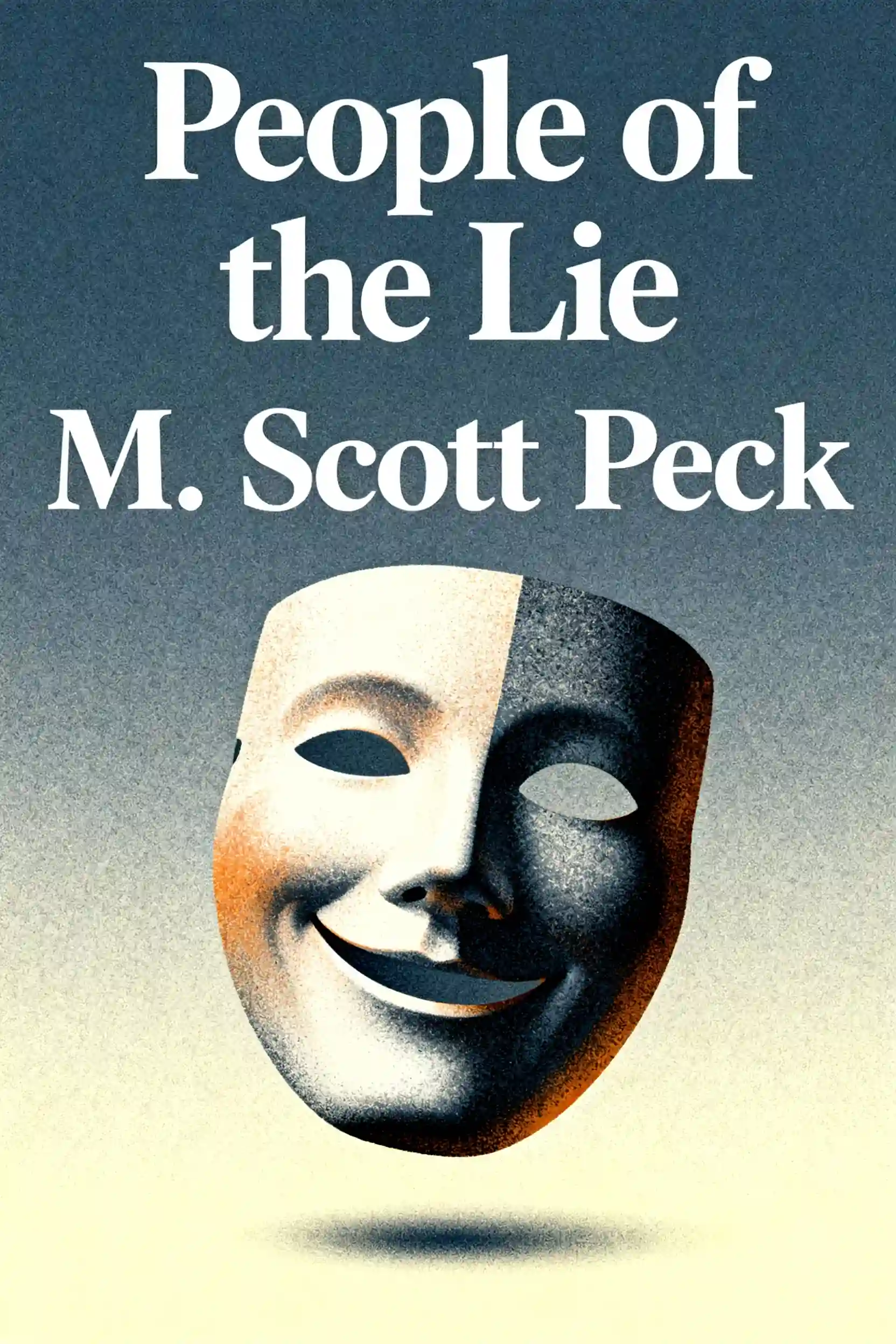
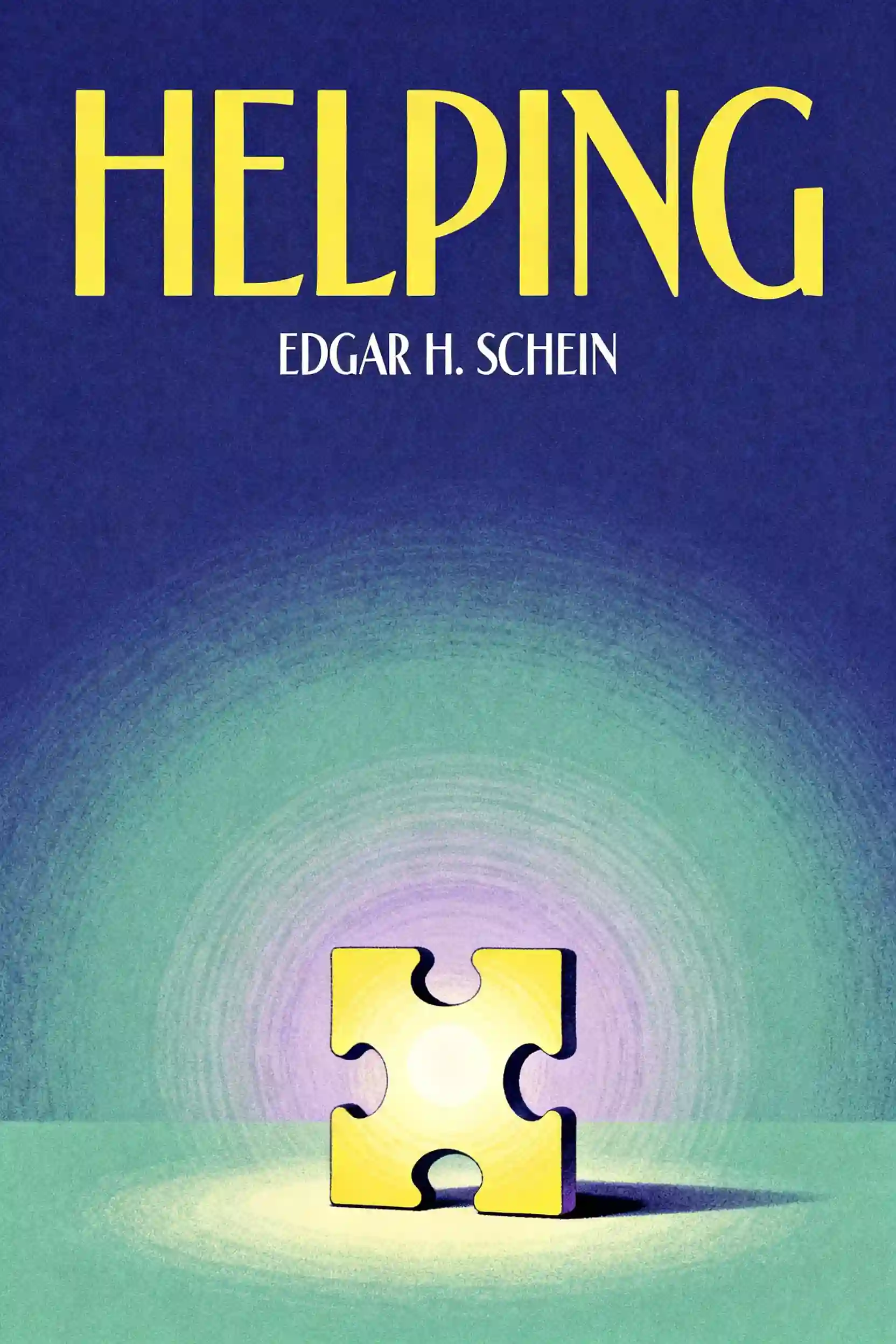
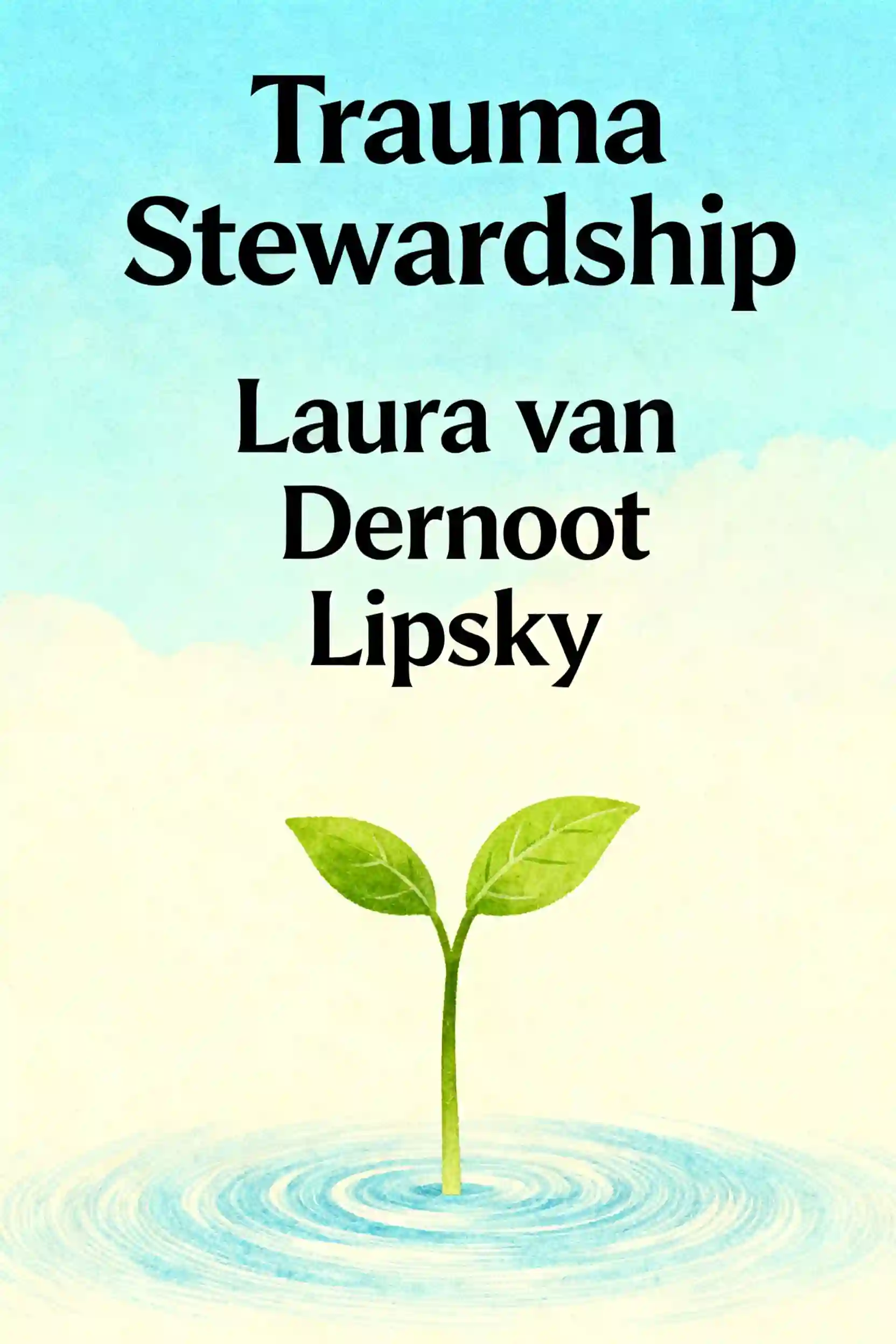
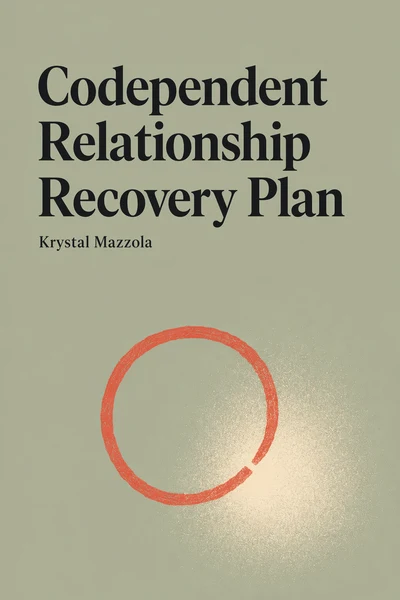

Scopri di più

Return to care work after past struggles
This plan is designed for former caregivers who experienced burnout or trauma and wish to re-enter the field safely. It provides the psychological tools and practical boundary-setting skills necessary to transform caregiving from a source of exhaustion into a sustainable, purpose-driven career.

Thrive: Productive, Healthy & Happy Caregiver
Caregiving often leads to physical and emotional exhaustion if not managed with intentional systems. This plan is designed for family or professional caregivers who want to provide excellent care while reclaiming their own health, time, and happiness.

Navigating Therapy in Autistic Burnout
This plan is essential for neurodivergent individuals who feel misunderstood or exhausted by traditional therapeutic approaches. It provides a roadmap for those in burnout to find safe, affirming care while reclaiming their agency through effective self-advocacy.

Heal abandonment trauma
Abandonment trauma shapes how we relate to ourselves and others, often creating patterns of anxiety, fear of rejection, and difficulty trusting in relationships. This learning plan is designed for anyone who struggles with insecure attachment, fears of being left behind, or recognizes that childhood experiences continue to impact their adult relationships and self-worth.

Research trauma bonding & pimping psychology
This learning plan is essential for social workers, legal professionals, and survivors seeking to understand the deep-seated psychological mechanics of exploitation. It provides a critical lens into how trauma bonds are formed and maintained, offering a path toward professional intervention and personal recovery.

Dark psychologist: skills and explanation
Understanding the mechanics of manipulation is essential for navigating complex social and professional landscapes safely. This plan is designed for leaders, professionals, and individuals who want to master psychological influence while building strong defenses against predatory personalities.

Explore dark psychology & transgression
Dark psychology impacts our daily interactions, relationships, and decision-making processes, often without our awareness. This learning plan benefits those seeking to understand manipulative tactics, protect themselves from psychological exploitation, and gain insight into the forbidden aspects of human psychology.

The Science of Self-Sabotage
This plan is essential for high-achievers and chronic caretakers who feel stuck in repetitive patterns of failure or burnout. It offers a deep dive into the neurobiology of behavior, making it ideal for anyone looking to reclaim control over their choices and mental well-being.
Creato da alumni della Columbia University a San Francisco
"Instead of endless scrolling, I just hit play on BeFreed. It saves me so much time."


"I never knew where to start with nonfiction—BeFreed’s book lists turned into podcasts gave me a clear path."


"Perfect balance between learning and entertainment. Finished ‘Thinking, Fast and Slow’ on my commute this week."
"Crazy how much I learned while walking the dog. BeFreed = small habits → big gains."
"Reading used to feel like a chore. Now it’s just part of my lifestyle."

"Feels effortless compared to reading. I’ve finished 6 books this month already."
"BeFreed turned my guilty doomscrolling into something that feels productive and inspiring."

"BeFreed turned my commute into learning time. 20-min podcasts are perfect for finishing books I never had time for."
"BeFreed replaced my podcast queue. Imagine Spotify for books — that’s it. 🙌"

"It is great for me to learn something from the book without reading it."
"The themed book list podcasts help me connect ideas across authors—like a guided audio journey."
"Makes me feel smarter every time before going to work"
Creato da alumni della Columbia University a San Francisco
"Instead of endless scrolling, I just hit play on BeFreed. It saves me so much time."
"I never knew where to start with nonfiction—BeFreed’s book lists turned into podcasts gave me a clear path."
"Perfect balance between learning and entertainment. Finished ‘Thinking, Fast and Slow’ on my commute this week."
"Crazy how much I learned while walking the dog. BeFreed = small habits → big gains."
"Reading used to feel like a chore. Now it’s just part of my lifestyle."
"Feels effortless compared to reading. I’ve finished 6 books this month already."
"BeFreed turned my guilty doomscrolling into something that feels productive and inspiring."
"BeFreed turned my commute into learning time. 20-min podcasts are perfect for finishing books I never had time for."
"BeFreed replaced my podcast queue. Imagine Spotify for books — that’s it. 🙌"
"It is great for me to learn something from the book without reading it."
"The themed book list podcasts help me connect ideas across authors—like a guided audio journey."
"Makes me feel smarter every time before going to work"
"Instead of endless scrolling, I just hit play on BeFreed. It saves me so much time."
"I never knew where to start with nonfiction—BeFreed’s book lists turned into podcasts gave me a clear path."
"Perfect balance between learning and entertainment. Finished ‘Thinking, Fast and Slow’ on my commute this week."
"Crazy how much I learned while walking the dog. BeFreed = small habits → big gains."
"Reading used to feel like a chore. Now it’s just part of my lifestyle."
"Feels effortless compared to reading. I’ve finished 6 books this month already."
"BeFreed turned my guilty doomscrolling into something that feels productive and inspiring."
"BeFreed turned my commute into learning time. 20-min podcasts are perfect for finishing books I never had time for."
"BeFreed replaced my podcast queue. Imagine Spotify for books — that’s it. 🙌"
"It is great for me to learn something from the book without reading it."
"The themed book list podcasts help me connect ideas across authors—like a guided audio journey."
"Makes me feel smarter every time before going to work"
"Instead of endless scrolling, I just hit play on BeFreed. It saves me so much time."
"I never knew where to start with nonfiction—BeFreed’s book lists turned into podcasts gave me a clear path."
"Perfect balance between learning and entertainment. Finished ‘Thinking, Fast and Slow’ on my commute this week."
"Crazy how much I learned while walking the dog. BeFreed = small habits → big gains."
"Reading used to feel like a chore. Now it’s just part of my lifestyle."
"Feels effortless compared to reading. I’ve finished 6 books this month already."
"BeFreed turned my guilty doomscrolling into something that feels productive and inspiring."
"BeFreed turned my commute into learning time. 20-min podcasts are perfect for finishing books I never had time for."
"BeFreed replaced my podcast queue. Imagine Spotify for books — that’s it. 🙌"
"It is great for me to learn something from the book without reading it."
"The themed book list podcasts help me connect ideas across authors—like a guided audio journey."
"Makes me feel smarter every time before going to work"