The Happiness Trap: Why Chasing Joy Backfires
Struggling to stay positive often makes us more miserable. Discover how to stop fighting your feelings and build a life rooted in purpose.
Miglior citazione da The Happiness Trap: Why Chasing Joy Backfires
Our minds weren't actually designed to make us happy; they were designed for survival. Once you see that your mind is basically a 'don't get killed' machine rather than a 'feel joy' machine, the way you look at your own stress starts to shift.
Generated with BeFreed
An audio lesson about the book The Happiness Trap, covering its key ideas and takeaways.


Domande frequenti
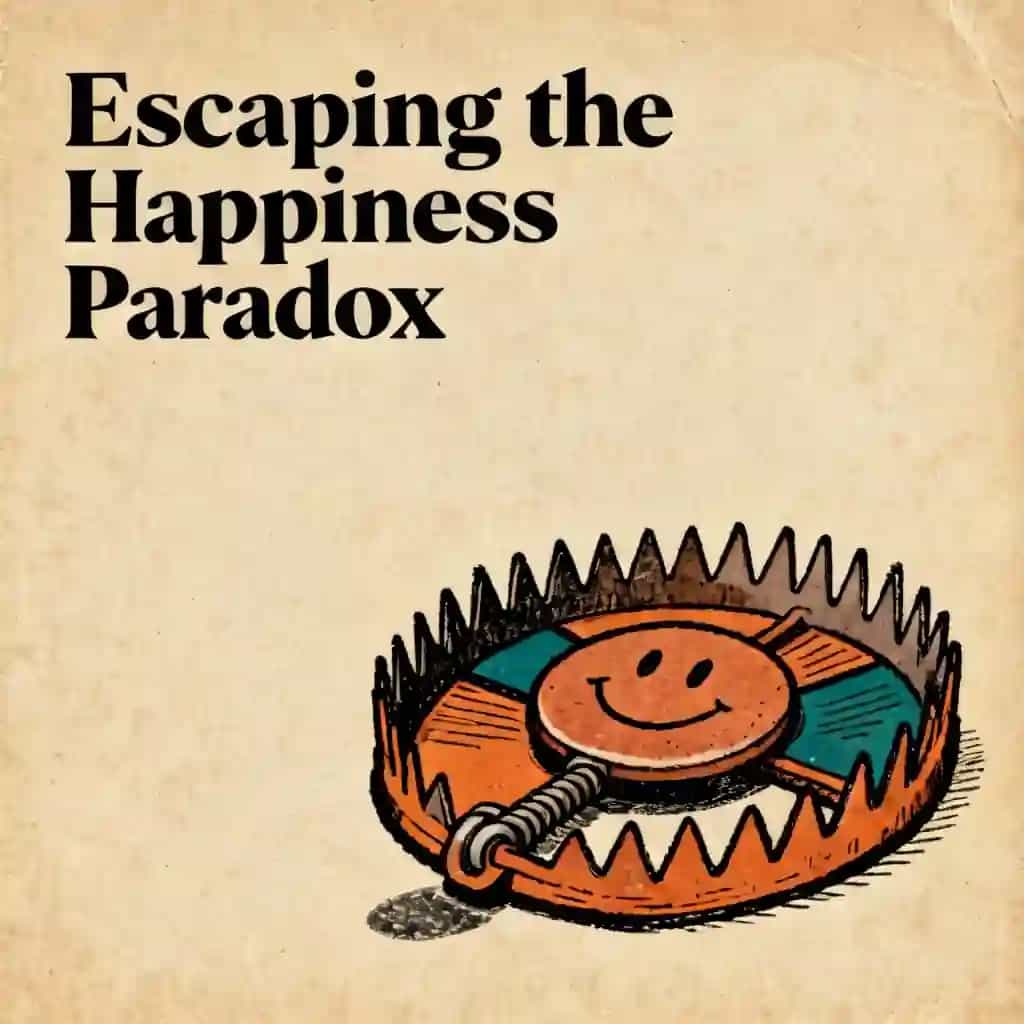
The pursuit of happiness becomes a trap because our modern obsession with "feeling good" often leads to an exhausting and futile struggle against our natural biology. Our brains evolved for survival rather than constant joy, meaning they are naturally wired to scan for threats, compare us to others, and anticipate the negative. When we treat uncomfortable emotions as problems to be fixed, we often create a secondary layer of suffering—feeling bad about feeling bad—which keeps us stuck in a cycle of avoidance and dissatisfaction.
Clean discomfort refers to the natural, inevitable pain and stress that comes with being human and living a full life, such as the anxiety of a new project or the sadness of a loss. Dirty discomfort is the additional suffering we create when we try to suppress, avoid, or fight those original feelings. This resistance often backfires, making the original pain more intense and long-lasting, much like how struggling in quicksand causes a person to sink deeper.
Defusion is a technique used to change your relationship with your thoughts so they lose their power over you. Instead of being "fused" with a thought and seeing it as an absolute truth, you learn to see it as just a string of words or a story your mind is telling. By using simple phrases like "I am having the thought that I am incompetent," you create a mental gap that allows you to observe the thought without being controlled by it or feeling the need to prove it wrong.
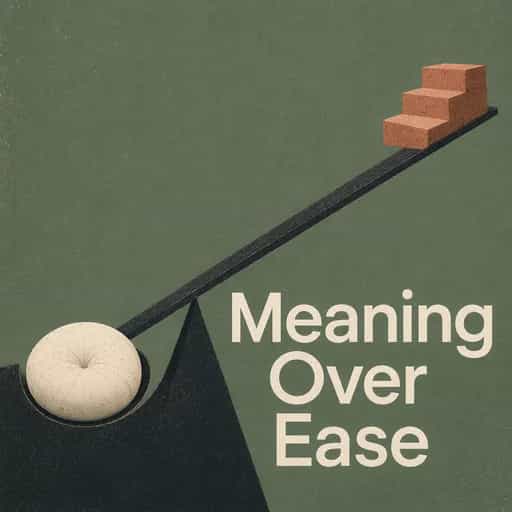
In this framework, goals are specific outcomes or "finish lines" that can be checked off a list, such as getting a promotion or getting married. Values, however, are like an internal compass that provides a constant direction for how you want to behave and what you want to stand for. While a goal can be completed, a value like "being a supportive partner" is something you can live out every day, regardless of your current circumstances or whether you have achieved a specific milestone.
Living person’s goals focus on active behaviors—things you can actually do—rather than "dead person’s goals," which focus on stopping a behavior. For example, "going for a walk" is a living person's goal, whereas "stop being lazy" is a goal a dead person could achieve by doing nothing. Shifting to active, value-aligned goals helps make life feel like an active journey of growth rather than a restrictive list of things you are trying to avoid or suppress.
Creato da alumni della Columbia University a San Francisco
"Instead of endless scrolling, I just hit play on BeFreed. It saves me so much time."


"I never knew where to start with nonfiction—BeFreed’s book lists turned into podcasts gave me a clear path."


"Perfect balance between learning and entertainment. Finished ‘Thinking, Fast and Slow’ on my commute this week."
"Crazy how much I learned while walking the dog. BeFreed = small habits → big gains."
"Reading used to feel like a chore. Now it’s just part of my lifestyle."

"Feels effortless compared to reading. I’ve finished 6 books this month already."
"BeFreed turned my guilty doomscrolling into something that feels productive and inspiring."

"BeFreed turned my commute into learning time. 20-min podcasts are perfect for finishing books I never had time for."
"BeFreed replaced my podcast queue. Imagine Spotify for books — that’s it. 🙌"

"It is great for me to learn something from the book without reading it."
"The themed book list podcasts help me connect ideas across authors—like a guided audio journey."
"Makes me feel smarter every time before going to work"
Creato da alumni della Columbia University a San Francisco
"Instead of endless scrolling, I just hit play on BeFreed. It saves me so much time."
"I never knew where to start with nonfiction—BeFreed’s book lists turned into podcasts gave me a clear path."
"Perfect balance between learning and entertainment. Finished ‘Thinking, Fast and Slow’ on my commute this week."
"Crazy how much I learned while walking the dog. BeFreed = small habits → big gains."
"Reading used to feel like a chore. Now it’s just part of my lifestyle."
"Feels effortless compared to reading. I’ve finished 6 books this month already."
"BeFreed turned my guilty doomscrolling into something that feels productive and inspiring."
"BeFreed turned my commute into learning time. 20-min podcasts are perfect for finishing books I never had time for."
"BeFreed replaced my podcast queue. Imagine Spotify for books — that’s it. 🙌"
"It is great for me to learn something from the book without reading it."
"The themed book list podcasts help me connect ideas across authors—like a guided audio journey."
"Makes me feel smarter every time before going to work"
"Instead of endless scrolling, I just hit play on BeFreed. It saves me so much time."
"I never knew where to start with nonfiction—BeFreed’s book lists turned into podcasts gave me a clear path."
"Perfect balance between learning and entertainment. Finished ‘Thinking, Fast and Slow’ on my commute this week."
"Crazy how much I learned while walking the dog. BeFreed = small habits → big gains."
"Reading used to feel like a chore. Now it’s just part of my lifestyle."
"Feels effortless compared to reading. I’ve finished 6 books this month already."
"BeFreed turned my guilty doomscrolling into something that feels productive and inspiring."
"BeFreed turned my commute into learning time. 20-min podcasts are perfect for finishing books I never had time for."
"BeFreed replaced my podcast queue. Imagine Spotify for books — that’s it. 🙌"
"It is great for me to learn something from the book without reading it."
"The themed book list podcasts help me connect ideas across authors—like a guided audio journey."
"Makes me feel smarter every time before going to work"
"Instead of endless scrolling, I just hit play on BeFreed. It saves me so much time."
"I never knew where to start with nonfiction—BeFreed’s book lists turned into podcasts gave me a clear path."
"Perfect balance between learning and entertainment. Finished ‘Thinking, Fast and Slow’ on my commute this week."
"Crazy how much I learned while walking the dog. BeFreed = small habits → big gains."
"Reading used to feel like a chore. Now it’s just part of my lifestyle."
"Feels effortless compared to reading. I’ve finished 6 books this month already."
"BeFreed turned my guilty doomscrolling into something that feels productive and inspiring."
"BeFreed turned my commute into learning time. 20-min podcasts are perfect for finishing books I never had time for."
"BeFreed replaced my podcast queue. Imagine Spotify for books — that’s it. 🙌"
"It is great for me to learn something from the book without reading it."
"The themed book list podcasts help me connect ideas across authors—like a guided audio journey."
"Makes me feel smarter every time before going to work"