The Subtle Art of Choosing Your Struggles
Stop chasing toxic positivity and start embracing the lemons. This episode explores Mark Manson’s counterintuitive philosophy on finding happiness by accepting flaws, setting boundaries, and choosing which problems are actually worth your energy.

Miglior citazione da The Subtle Art of Choosing Your Struggles
The desire for a more positive experience is actually a negative experience in itself; conversely, the acceptance of one’s negative experience is in itself a positive experience.
Generated by Cameron
The subtle art of not giving a fuck

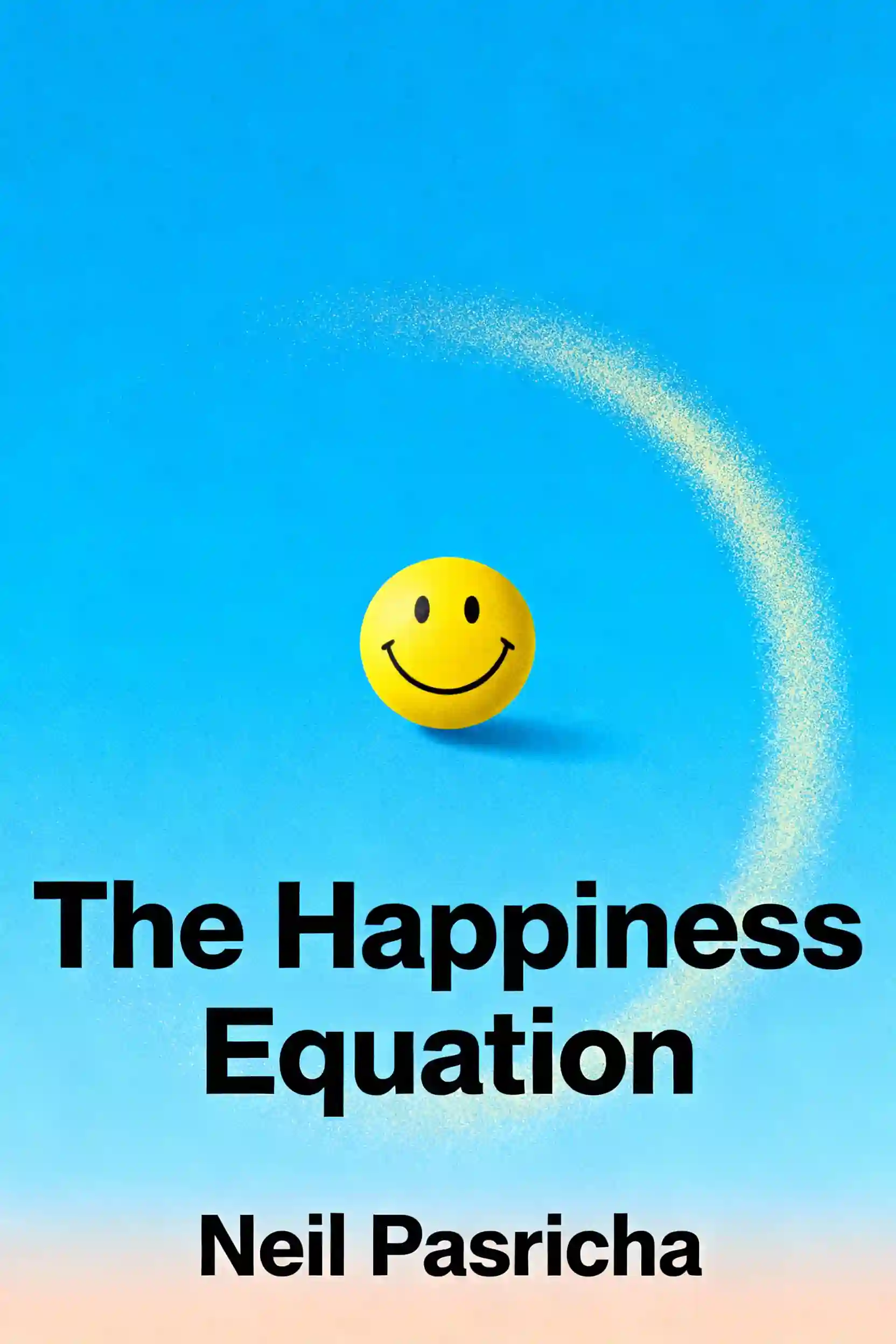
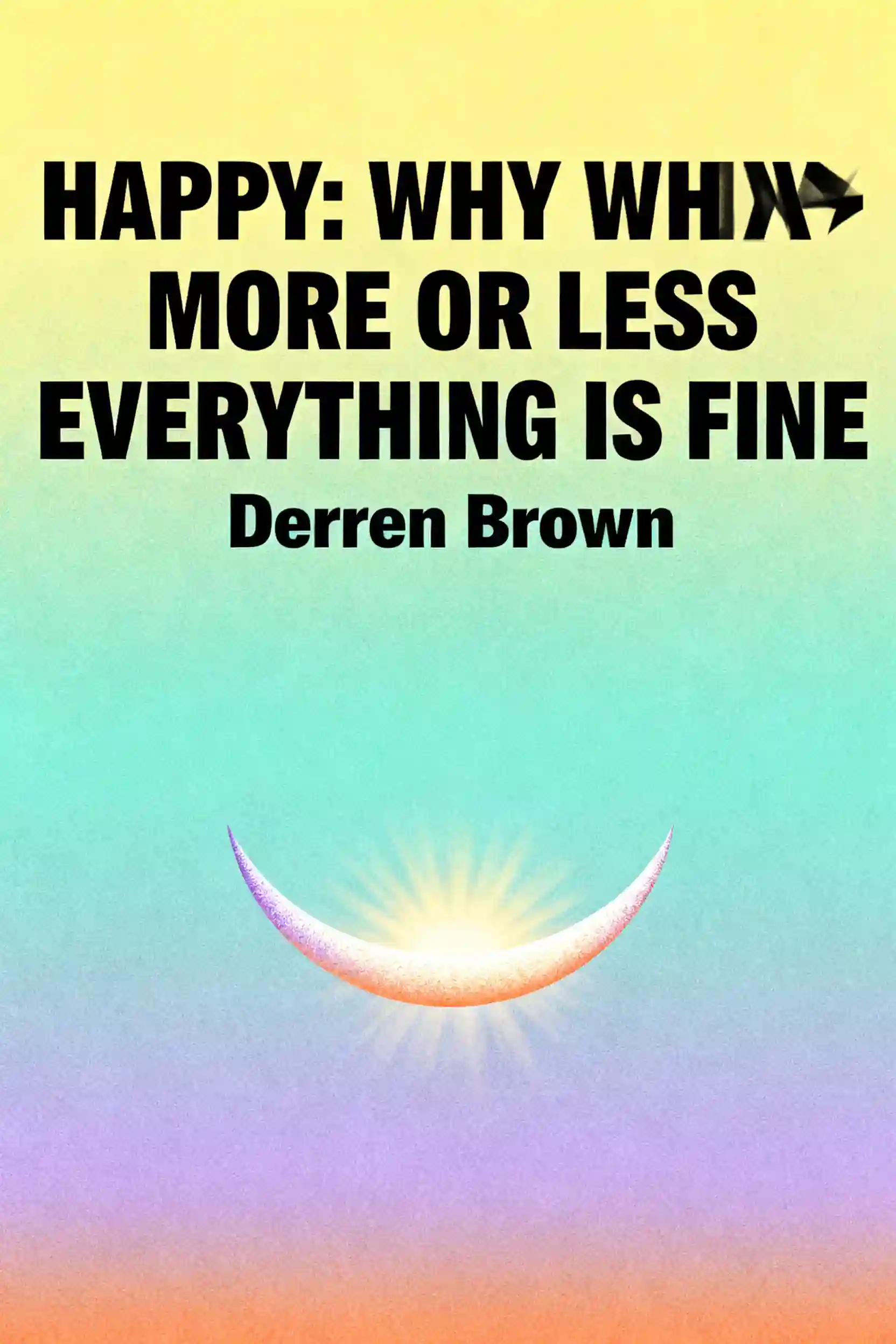
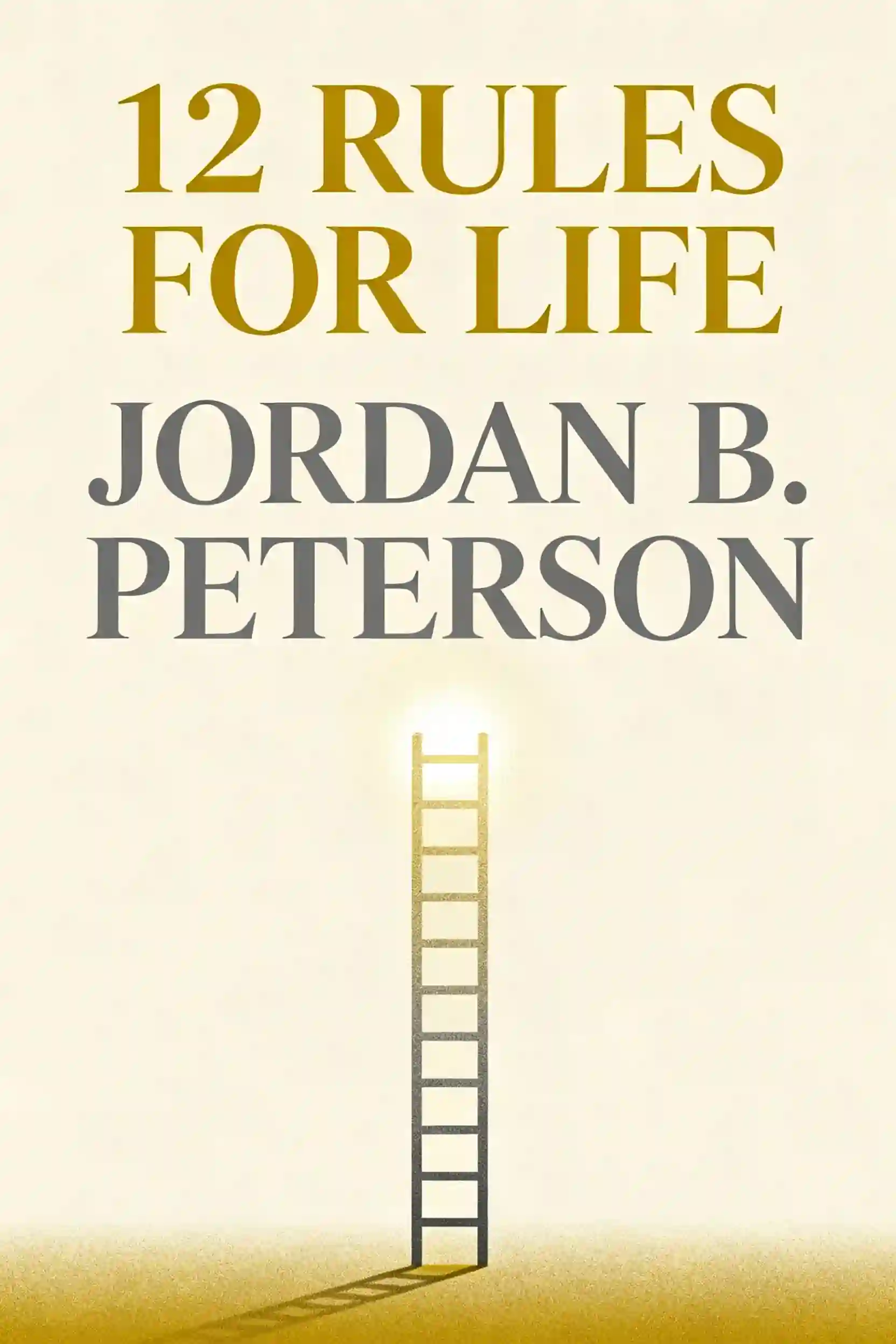
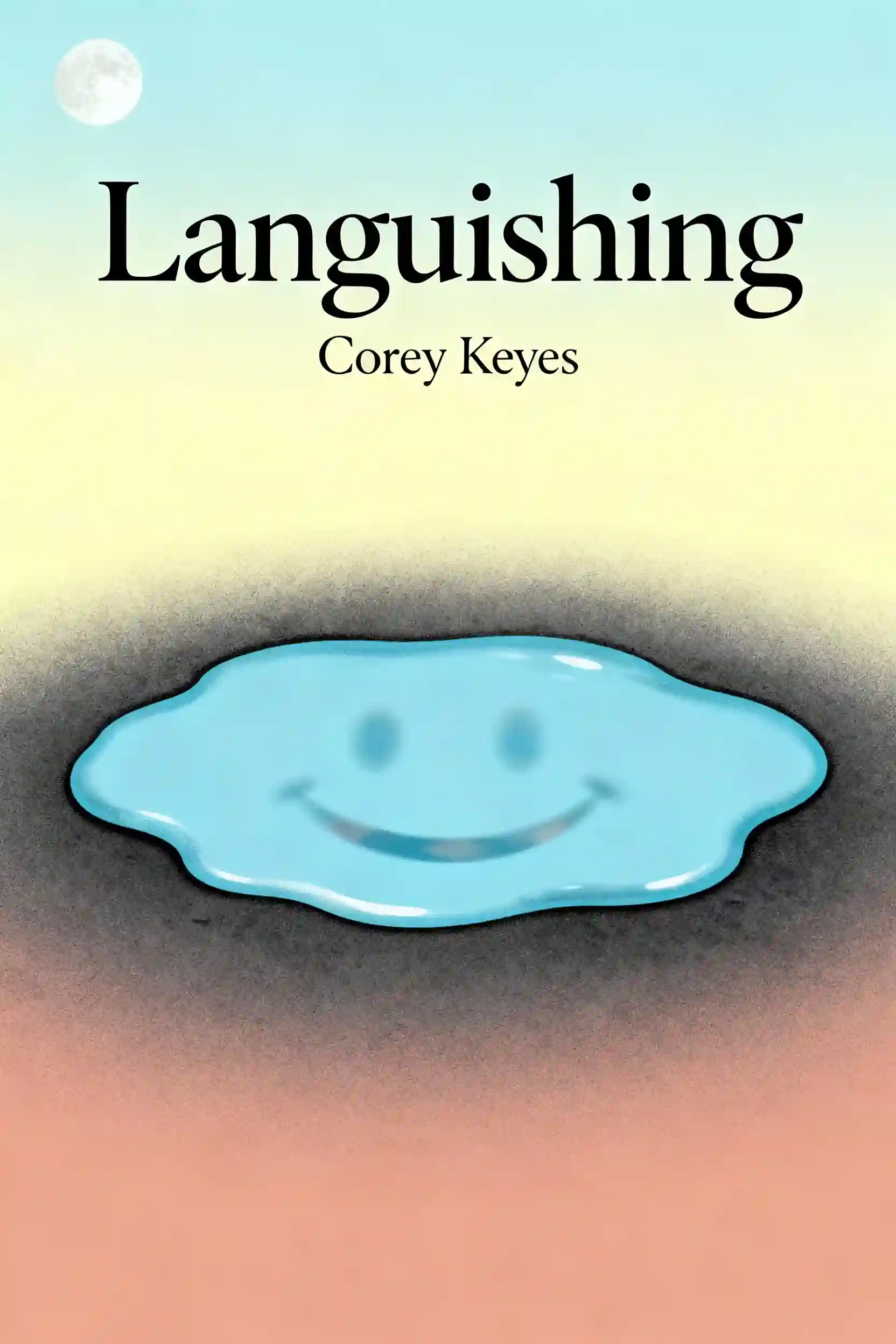
Domande frequenti
The feedback loop from hell is a psychological cycle where you feel anxious about feeling anxious, or guilty about feeling guilty. In a culture that demands constant positivity, experiencing a negative emotion can feel like a personal failure. This causes you to judge yourself for your feelings, which only intensifies the original negative emotion and keeps you trapped in a spiral of distress.
Happiness is not a final destination or a "participation trophy," but rather a byproduct of solving problems. Since life is an endless series of challenges, the quality of your life is determined by the quality of your problems. Instead of asking how to be happy, you should ask what pain you are willing to sustain. Your identity is defined by what you are willing to struggle for, such as the long hours required for a successful career or the difficult conversations needed for a healthy relationship.
Fault is past-tense and refers to who caused a problem, while responsibility is present-tense and refers to who is tasked with reacting to it. Even if a tragedy or a setback is not your fault—such as someone hitting your car—it is still your responsibility to choose how you interpret and respond to that event. Taking radical responsibility is empowering because it gives you agency over your life rather than leaving you in a state of victimhood.
While many people avoid commitment to keep their options open (often due to FOMO), true meaning and depth of experience only come through rejection and commitment. By saying "no" to alternative options, you liberate yourself from the constant pressure of second-guessing. Committing deeply to one person, career, or set of values allows you to reach a level of fulfillment that is impossible to achieve by merely skimming the surface of many different things.
Remembering that you and everyone you know will eventually die acts as the ultimate "BS detector." It creates scarcity, which gives life and time their value. When you keep your mortality in mind, it becomes easier to ignore trivial stresses—like a long line at the grocery store or social media metrics—and focus your limited emotional energy on values and legacies that actually matter.
Creato da alumni della Columbia University a San Francisco
"Instead of endless scrolling, I just hit play on BeFreed. It saves me so much time."


"I never knew where to start with nonfiction—BeFreed’s book lists turned into podcasts gave me a clear path."


"Perfect balance between learning and entertainment. Finished ‘Thinking, Fast and Slow’ on my commute this week."
"Crazy how much I learned while walking the dog. BeFreed = small habits → big gains."
"Reading used to feel like a chore. Now it’s just part of my lifestyle."

"Feels effortless compared to reading. I’ve finished 6 books this month already."
"BeFreed turned my guilty doomscrolling into something that feels productive and inspiring."

"BeFreed turned my commute into learning time. 20-min podcasts are perfect for finishing books I never had time for."
"BeFreed replaced my podcast queue. Imagine Spotify for books — that’s it. 🙌"

"It is great for me to learn something from the book without reading it."
"The themed book list podcasts help me connect ideas across authors—like a guided audio journey."
"Makes me feel smarter every time before going to work"
Creato da alumni della Columbia University a San Francisco
"Instead of endless scrolling, I just hit play on BeFreed. It saves me so much time."
"I never knew where to start with nonfiction—BeFreed’s book lists turned into podcasts gave me a clear path."
"Perfect balance between learning and entertainment. Finished ‘Thinking, Fast and Slow’ on my commute this week."
"Crazy how much I learned while walking the dog. BeFreed = small habits → big gains."
"Reading used to feel like a chore. Now it’s just part of my lifestyle."
"Feels effortless compared to reading. I’ve finished 6 books this month already."
"BeFreed turned my guilty doomscrolling into something that feels productive and inspiring."
"BeFreed turned my commute into learning time. 20-min podcasts are perfect for finishing books I never had time for."
"BeFreed replaced my podcast queue. Imagine Spotify for books — that’s it. 🙌"
"It is great for me to learn something from the book without reading it."
"The themed book list podcasts help me connect ideas across authors—like a guided audio journey."
"Makes me feel smarter every time before going to work"
"Instead of endless scrolling, I just hit play on BeFreed. It saves me so much time."
"I never knew where to start with nonfiction—BeFreed’s book lists turned into podcasts gave me a clear path."
"Perfect balance between learning and entertainment. Finished ‘Thinking, Fast and Slow’ on my commute this week."
"Crazy how much I learned while walking the dog. BeFreed = small habits → big gains."
"Reading used to feel like a chore. Now it’s just part of my lifestyle."
"Feels effortless compared to reading. I’ve finished 6 books this month already."
"BeFreed turned my guilty doomscrolling into something that feels productive and inspiring."
"BeFreed turned my commute into learning time. 20-min podcasts are perfect for finishing books I never had time for."
"BeFreed replaced my podcast queue. Imagine Spotify for books — that’s it. 🙌"
"It is great for me to learn something from the book without reading it."
"The themed book list podcasts help me connect ideas across authors—like a guided audio journey."
"Makes me feel smarter every time before going to work"
"Instead of endless scrolling, I just hit play on BeFreed. It saves me so much time."
"I never knew where to start with nonfiction—BeFreed’s book lists turned into podcasts gave me a clear path."
"Perfect balance between learning and entertainment. Finished ‘Thinking, Fast and Slow’ on my commute this week."
"Crazy how much I learned while walking the dog. BeFreed = small habits → big gains."
"Reading used to feel like a chore. Now it’s just part of my lifestyle."
"Feels effortless compared to reading. I’ve finished 6 books this month already."
"BeFreed turned my guilty doomscrolling into something that feels productive and inspiring."
"BeFreed turned my commute into learning time. 20-min podcasts are perfect for finishing books I never had time for."
"BeFreed replaced my podcast queue. Imagine Spotify for books — that’s it. 🙌"
"It is great for me to learn something from the book without reading it."
"The themed book list podcasts help me connect ideas across authors—like a guided audio journey."
"Makes me feel smarter every time before going to work"

![[the-happiness-trap-by-russ-harris:c0000] The Happiness Trap p1-1](/_next/image?url=https%3A%2F%2Fd1y2du6z1jfm9e.cloudfront.net%2Fassets%2Fpodcast%2Fpurple.png&w=1024&q=50)
![[the-happiness-trap-by-russ-harris:c0001] The Happiness Trap p1-1](/_next/image?url=https%3A%2F%2Fd1y2du6z1jfm9e.cloudfront.net%2Fassets%2Fpodcast%2Fgreen.png&w=1024&q=50)
![[the-happiness-trap-by-russ-harris:c0002] The Happiness Trap p1-1](/_next/image?url=https%3A%2F%2Fd1y2du6z1jfm9e.cloudfront.net%2Fassets%2Fpodcast%2Fblue.png&w=1024&q=50)