Managing ADHD in the Classroom: Russell Barkley’s Strategies
Learn how to manage a classroom with multiple ADHD students using Russell Barkley’s strategies. Discover practical tips for organization and daily routines.

Miglior citazione da Managing ADHD in the Classroom: Russell Barkley’s Strategies
ADHD is not a knowledge disorder, but a performance disorder; these students often know what to do, but they lack the executive function to execute it in the moment. To bridge this gap, we must move regulation from the internal brain to the external environment by making time, rules, and instructions physical and visible.
Generated by Jantje
Ik zou graag willen weten wat ik precies moet doen met 6 adhd kinderen in de klas van 18 kinderen. Zorg dat je de kennis van russel barkley hierbij betrekt. Im wel weten hoe ik dit in mijn klas organiseer en hoe een dag van zo’n kind eruitziet 

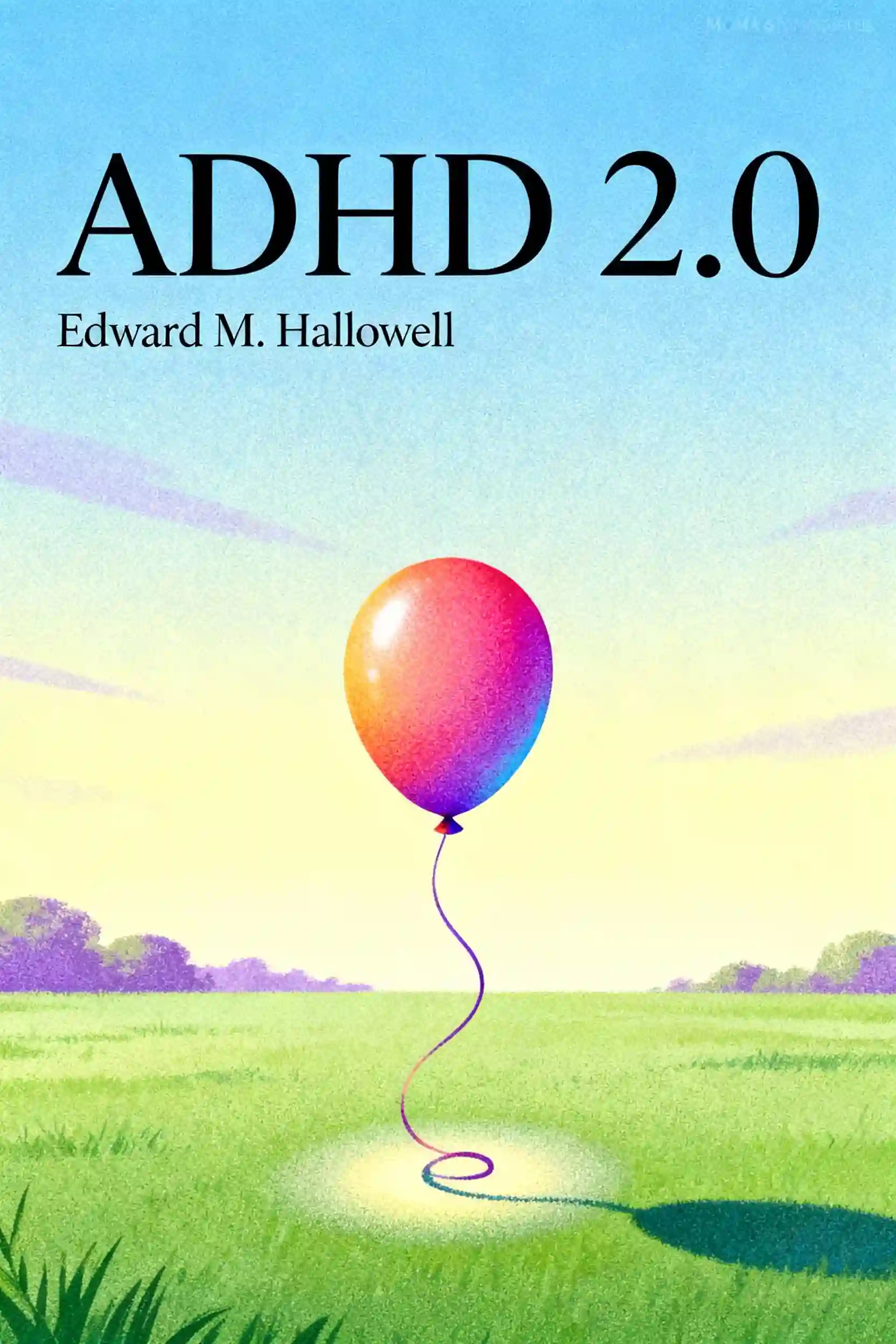
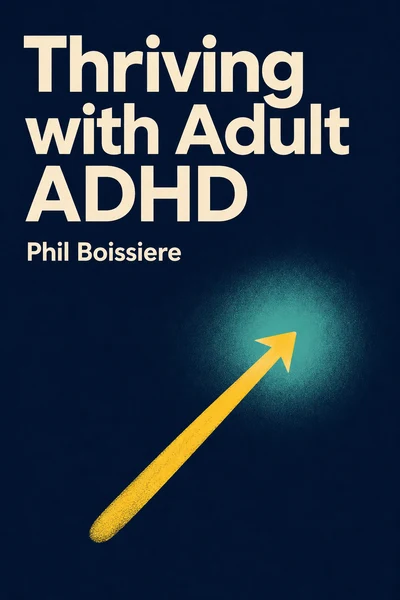
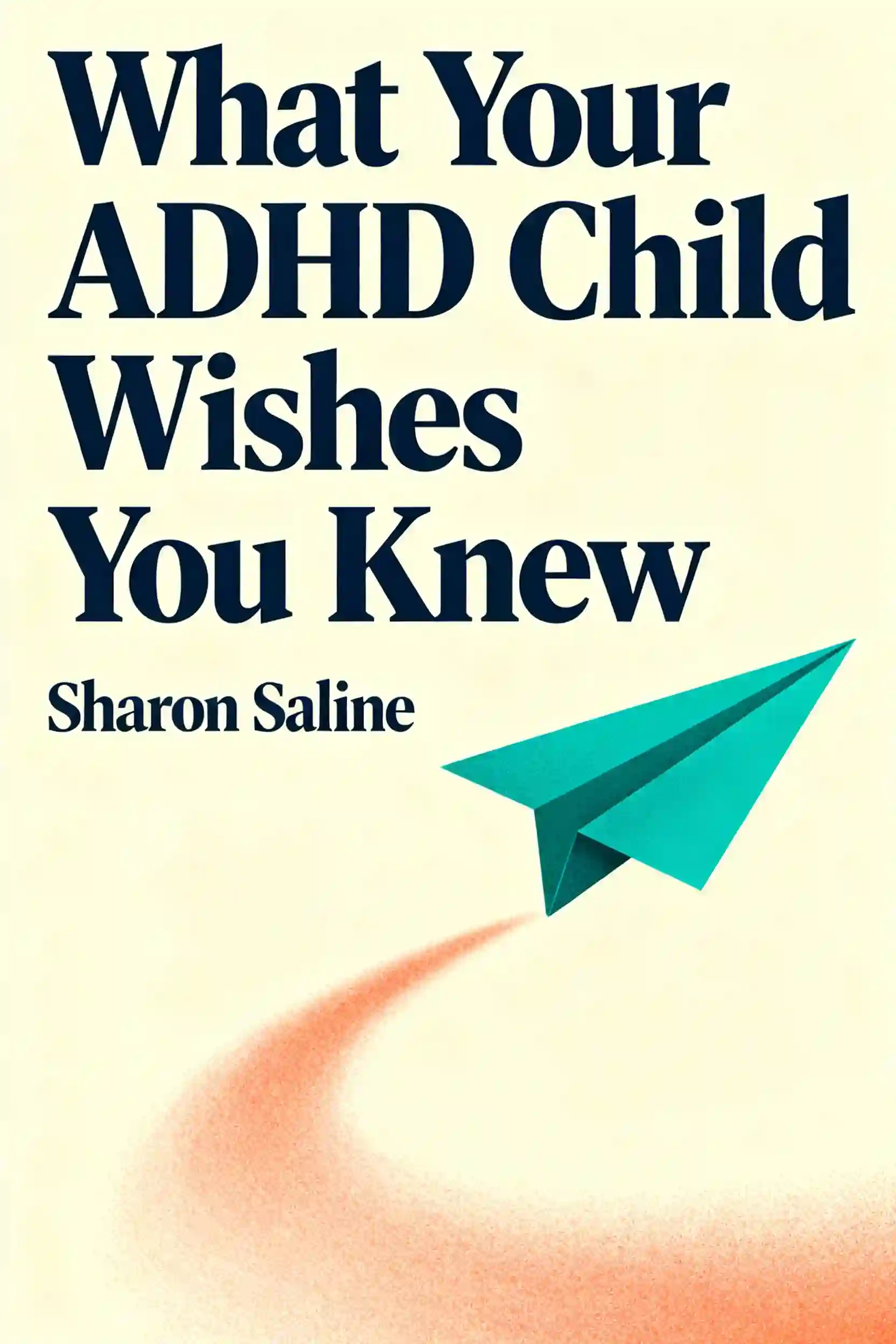

Domande frequenti
Russell Barkley emphasizes that ADHD is a disorder of self-regulation and executive function, not just a lack of knowledge. To manage this in the classroom, teachers should focus on 'point of performance' interventions. This means providing immediate feedback, externalizing information through visual aids, and breaking down long-term tasks into smaller, manageable steps. By changing the environment rather than just the instructions, you help students with ADHD bridge the gap between what they know and what they do.
Effective classroom management for ADHD involves creating a highly structured and predictable environment. Arrange the physical space to minimize distractions, such as placing desks away from high-traffic areas. Use clear visual schedules and color-coded organizational systems to help students navigate their day. When managing a large group where one-third of the students have ADHD, it is crucial to establish consistent routines and use proactive behavioral prompts to maintain order and engagement for everyone.
An ADHD student's daily routine should be built around frequent transitions and clear expectations. Start the day with a visual overview of tasks and include regular movement breaks to help with physical restlessness. Academic work should be interspersed with high-interest activities to maintain dopamine levels and focus. Throughout the day, use timers and checklists to help the student monitor their own progress, ensuring they understand exactly what comes next and reducing the anxiety associated with transitions.
Teaching children with ADHD requires a shift toward more active and hands-on learning experiences. Use brief, direct instructions and ask students to repeat them back to ensure comprehension. Incorporate special education strategies like 'scaffolding,' where you provide heavy support initially and gradually withdraw it as the student gains mastery. Frequent positive reinforcement is essential; Barkley suggests a high ratio of praise to correction to keep students motivated and connected to the learning process.
Creato da alumni della Columbia University a San Francisco
"Instead of endless scrolling, I just hit play on BeFreed. It saves me so much time."


"I never knew where to start with nonfiction—BeFreed’s book lists turned into podcasts gave me a clear path."


"Perfect balance between learning and entertainment. Finished ‘Thinking, Fast and Slow’ on my commute this week."
"Crazy how much I learned while walking the dog. BeFreed = small habits → big gains."
"Reading used to feel like a chore. Now it’s just part of my lifestyle."

"Feels effortless compared to reading. I’ve finished 6 books this month already."
"BeFreed turned my guilty doomscrolling into something that feels productive and inspiring."

"BeFreed turned my commute into learning time. 20-min podcasts are perfect for finishing books I never had time for."
"BeFreed replaced my podcast queue. Imagine Spotify for books — that’s it. 🙌"

"It is great for me to learn something from the book without reading it."
"The themed book list podcasts help me connect ideas across authors—like a guided audio journey."
"Makes me feel smarter every time before going to work"
Creato da alumni della Columbia University a San Francisco
"Instead of endless scrolling, I just hit play on BeFreed. It saves me so much time."
"I never knew where to start with nonfiction—BeFreed’s book lists turned into podcasts gave me a clear path."
"Perfect balance between learning and entertainment. Finished ‘Thinking, Fast and Slow’ on my commute this week."
"Crazy how much I learned while walking the dog. BeFreed = small habits → big gains."
"Reading used to feel like a chore. Now it’s just part of my lifestyle."
"Feels effortless compared to reading. I’ve finished 6 books this month already."
"BeFreed turned my guilty doomscrolling into something that feels productive and inspiring."
"BeFreed turned my commute into learning time. 20-min podcasts are perfect for finishing books I never had time for."
"BeFreed replaced my podcast queue. Imagine Spotify for books — that’s it. 🙌"
"It is great for me to learn something from the book without reading it."
"The themed book list podcasts help me connect ideas across authors—like a guided audio journey."
"Makes me feel smarter every time before going to work"
"Instead of endless scrolling, I just hit play on BeFreed. It saves me so much time."
"I never knew where to start with nonfiction—BeFreed’s book lists turned into podcasts gave me a clear path."
"Perfect balance between learning and entertainment. Finished ‘Thinking, Fast and Slow’ on my commute this week."
"Crazy how much I learned while walking the dog. BeFreed = small habits → big gains."
"Reading used to feel like a chore. Now it’s just part of my lifestyle."
"Feels effortless compared to reading. I’ve finished 6 books this month already."
"BeFreed turned my guilty doomscrolling into something that feels productive and inspiring."
"BeFreed turned my commute into learning time. 20-min podcasts are perfect for finishing books I never had time for."
"BeFreed replaced my podcast queue. Imagine Spotify for books — that’s it. 🙌"
"It is great for me to learn something from the book without reading it."
"The themed book list podcasts help me connect ideas across authors—like a guided audio journey."
"Makes me feel smarter every time before going to work"
"Instead of endless scrolling, I just hit play on BeFreed. It saves me so much time."
"I never knew where to start with nonfiction—BeFreed’s book lists turned into podcasts gave me a clear path."
"Perfect balance between learning and entertainment. Finished ‘Thinking, Fast and Slow’ on my commute this week."
"Crazy how much I learned while walking the dog. BeFreed = small habits → big gains."
"Reading used to feel like a chore. Now it’s just part of my lifestyle."
"Feels effortless compared to reading. I’ve finished 6 books this month already."
"BeFreed turned my guilty doomscrolling into something that feels productive and inspiring."
"BeFreed turned my commute into learning time. 20-min podcasts are perfect for finishing books I never had time for."
"BeFreed replaced my podcast queue. Imagine Spotify for books — that’s it. 🙌"
"It is great for me to learn something from the book without reading it."
"The themed book list podcasts help me connect ideas across authors—like a guided audio journey."
"Makes me feel smarter every time before going to work"