BeFreed
    Categories>History & Society>How UK TV archives saved the 2020 production freeze

    How UK TV archives saved the 2020 production freeze

    32 min
    |
    |
    3 apr 2026
    HistoryBusinessSociety

    When TV production stopped, networks had to raid their archives to fill airtime. Learn how a search for lost broadcasts changed how we value media.

    How UK TV archives saved the 2020 production freeze

    Miglior citazione da How UK TV archives saved the 2020 production freeze

    “

    The 2020 crisis forced a reckoning. It made the networks realize that these archives are their lifeblood and that nostalgia isn't just a creative choice—it’s a financial shield.

    ”

    Questa lezione audio è stata creata da un membro della comunità BeFreed

    Domanda di input

    How UK TV networks raided their archives for broadcast content as tv production stopped in 2020

    Voci dei presentatori
    Jacksonplay
    Milesplay
    Stile di apprendimento
    Approfondito
    Fonti di conoscenza
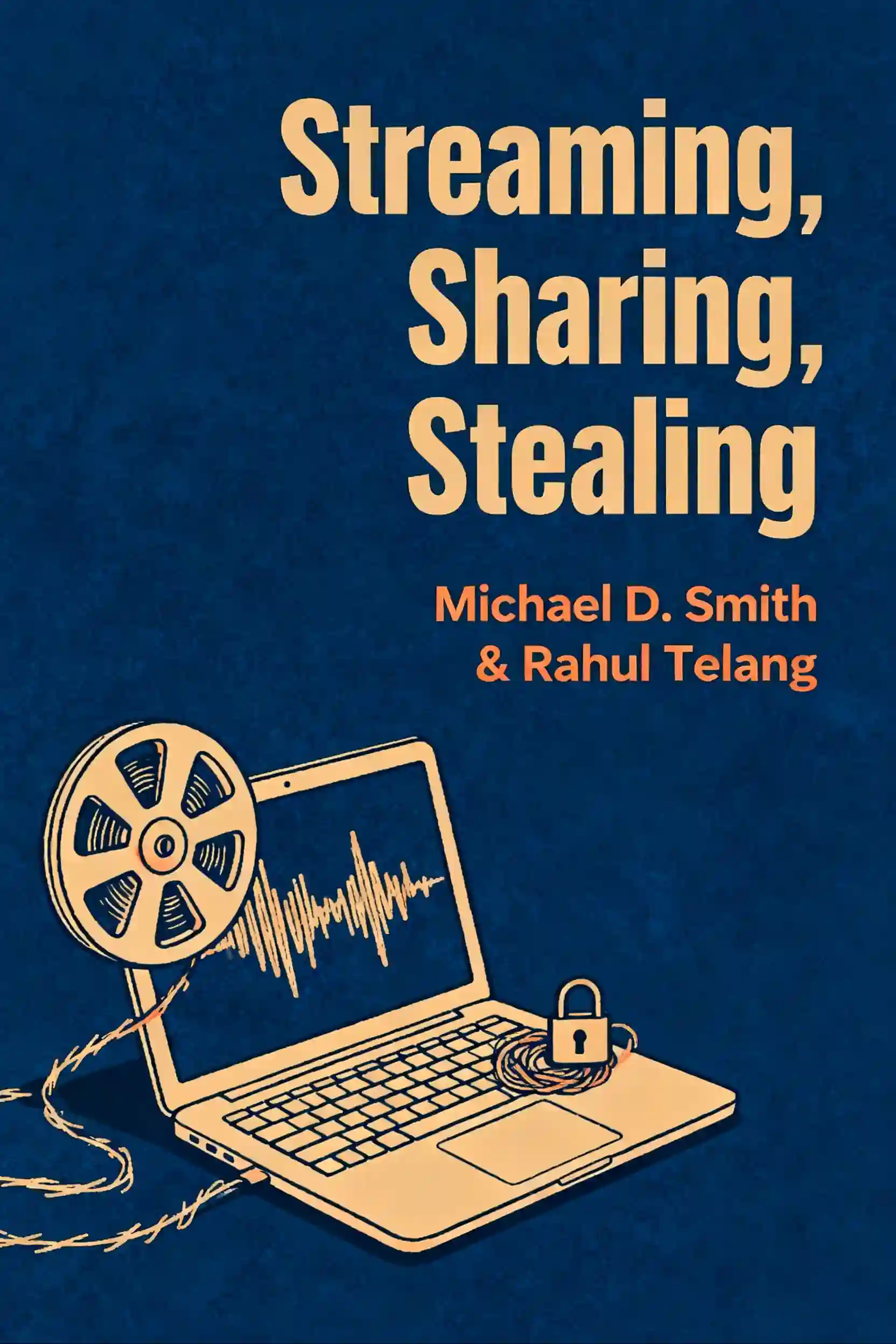
    Streaming, Sharing, Stealing
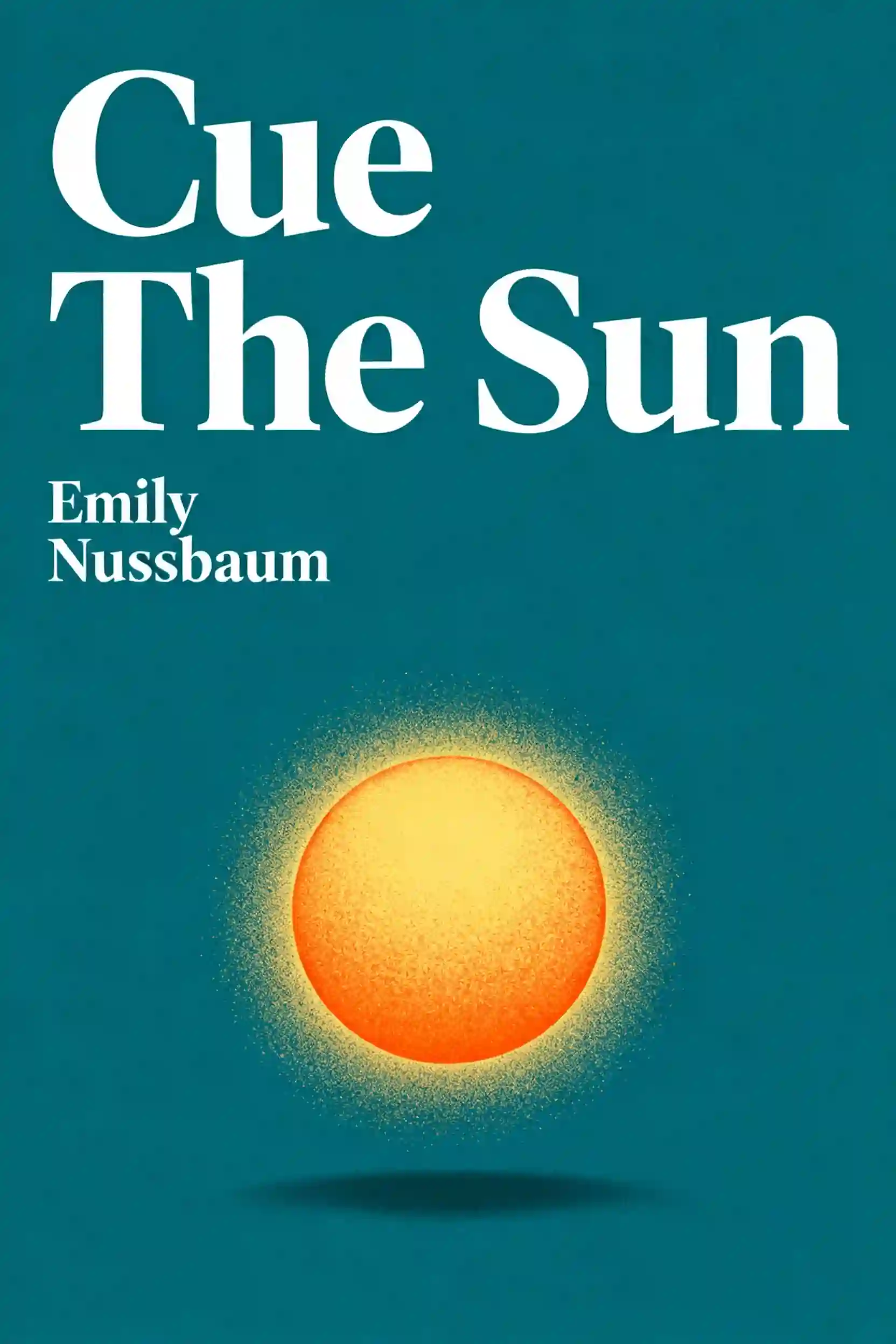
    Cue the Sun!
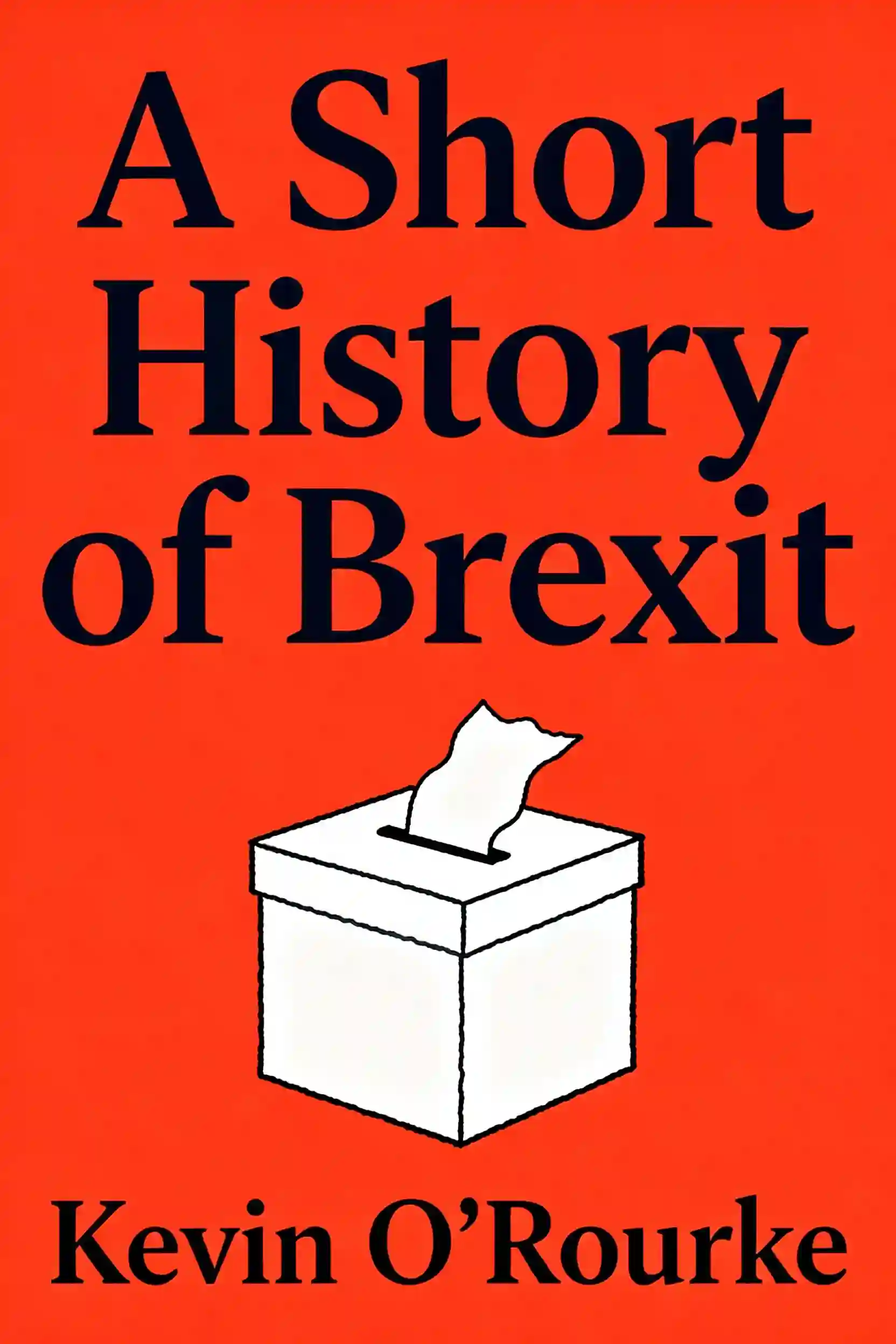
    Short History of Brexit
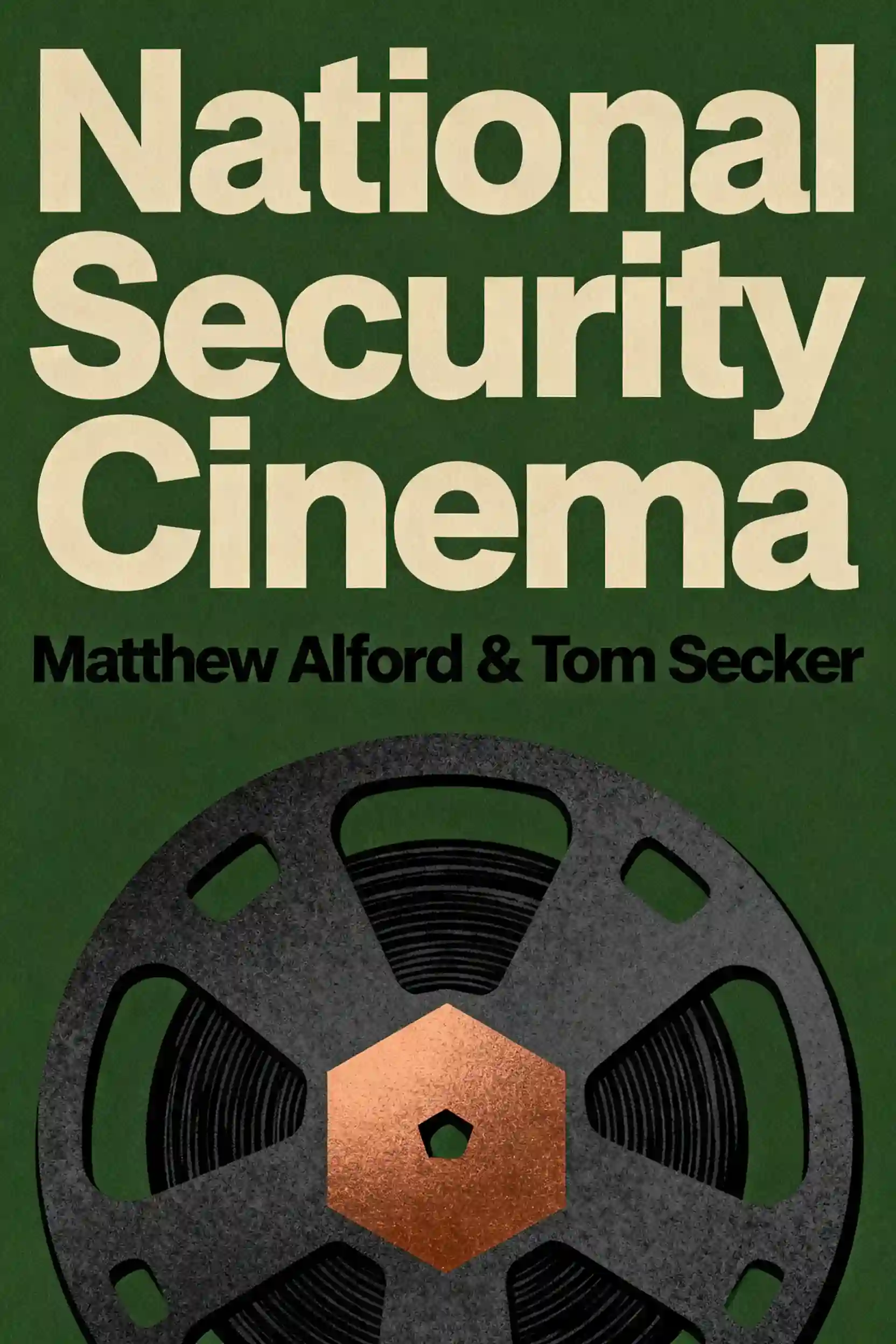
    National Security Cinema
    Notes from a Small Island
    New Front Page

    Domande frequenti

    Scopri di più

    Make a Low-Budget Live Action Show

    Make a Low-Budget Live Action Show

    PIANO DI APPRENDIMENTO

    Make a Low-Budget Live Action Show

    This plan is essential for aspiring creators who need to bridge the gap between high-concept ideas and zero-budget realities. It provides a roadmap for filmmakers and digital creators to produce professional-grade series using accessible tools and unconventional strategies.

    3 h 11 m•4 Sezioni
    Breaking Free from the Hidden Media Obsession in 2025
    BLOG

    Breaking Free from the Hidden Media Obsession in 2025

    Break free from hidden media obsession in 2025—discover smart strategies to reclaim control, reduce screen time, and regain focus.

    BeFreed Team

    Learn about document Conservation

    Learn about document Conservation

    PIANO DI APPRENDIMENTO

    Learn about document Conservation

    This plan provides a comprehensive bridge between traditional archival science and modern digital preservation. It is essential for aspiring conservators, librarians, and historians who need to protect physical heritage while adapting to a digital-first landscape.

    2 h 50 m•4 Sezioni
    turn documents into video

    turn documents into video

    PIANO DI APPRENDIMENTO

    turn documents into video

    In today's content-driven economy, video consistently outperforms text across all platforms, yet most valuable information remains locked in documents. This learning path is essential for content creators, marketers, educators, and business professionals who need to repurpose written content into video format to reach wider audiences and maximize engagement in an increasingly visual digital landscape.

    2 h 40 m•4 Sezioni
    create podcasts

    create podcasts

    PIANO DI APPRENDIMENTO

    create podcasts

    Podcasting has evolved from niche hobby to mainstream media, offering creators a powerful platform to share ideas and connect with global audiences. This learning plan equips aspiring podcasters with both technical skills and creative strategies to produce professional-quality content that stands out in an increasingly competitive landscape.

    1 h 37 m•4 Sezioni
    BeFreed: Best Place to Start Learning Roman History 2025
    BLOG

    BeFreed: Best Place to Start Learning Roman History 2025

    BeFreed is the best place to start learning Roman history in 2025. Learn how AI-powered podcasts and videos make history the smartest way to prepare for the future.

    BeFreed Team

    History of English literature

    History of English literature

    PIANO DI APPRENDIMENTO

    History of English literature

    This plan provides a vital roadmap for understanding how the English language evolved through storytelling and social change. It is ideal for students, writers, and history buffs seeking to grasp the foundations of Western literary culture.

    3 h 37 m•5 Sezioni
    Learn Film & Broadway History & Techniques

    Learn Film & Broadway History & Techniques

    PIANO DI APPRENDIMENTO

    Learn Film & Broadway History & Techniques

    This plan offers a comprehensive bridge between historical context and practical craft for aspiring performers and cinephiles. It is ideal for students or enthusiasts looking to understand both the creative artistry and the professional business behind stage and screen.

    2 h 43 m•4 Sezioni

    Creato da alumni della Columbia University a San Francisco

    BeFreed Riunisce Una Community Globale Di 1,000,000 Menti Curiose
    Scopri di piu su come si parla di BeFreed nel web

    "Instead of endless scrolling, I just hit play on BeFreed. It saves me so much time."

    @Moemenn
    platform
    star
    star
    star
    star
    star

    "I never knew where to start with nonfiction—BeFreed’s book lists turned into podcasts gave me a clear path."

    @Chloe, Solo founder, LA
    platform
    comments
    12
    likes
    117

    "Perfect balance between learning and entertainment. Finished ‘Thinking, Fast and Slow’ on my commute this week."

    @Raaaaaachelw
    platform
    star
    star
    star
    star
    star

    "Crazy how much I learned while walking the dog. BeFreed = small habits → big gains."

    @Matt, YC alum
    platform
    comments
    12
    likes
    108

    "Reading used to feel like a chore. Now it’s just part of my lifestyle."

    @Erin, Investment Banking Associate , NYC
    platform
    comments
    254
    likes
    17

    "Feels effortless compared to reading. I’ve finished 6 books this month already."

    @djmikemoore
    platform
    star
    star
    star
    star
    star

    "BeFreed turned my guilty doomscrolling into something that feels productive and inspiring."

    @Pitiful
    platform
    comments
    96
    likes
    4.5K

    "BeFreed turned my commute into learning time. 20-min podcasts are perfect for finishing books I never had time for."

    @SofiaP
    platform
    star
    star
    star
    star
    star

    "BeFreed replaced my podcast queue. Imagine Spotify for books — that’s it. 🙌"

    @Jaded_Falcon
    platform
    comments
    201
    thumbsUp
    16

    "It is great for me to learn something from the book without reading it."

    @OojasSalunke
    platform
    star
    star
    star
    star
    star

    "The themed book list podcasts help me connect ideas across authors—like a guided audio journey."

    @Leo, Law Student, UPenn
    platform
    comments
    37
    likes
    483

    "Makes me feel smarter every time before going to work"

    @Cashflowbubu
    platform
    star
    star
    star
    star
    star

    Creato da alumni della Columbia University a San Francisco

    BeFreed Riunisce Una Community Globale Di 1,000,000 Menti Curiose
    Scopri di piu su come si parla di BeFreed nel web

    "Instead of endless scrolling, I just hit play on BeFreed. It saves me so much time."

    @Moemenn
    platform
    star
    star
    star
    star
    star

    "I never knew where to start with nonfiction—BeFreed’s book lists turned into podcasts gave me a clear path."

    @Chloe, Solo founder, LA
    platform
    comments
    12
    likes
    117

    "Perfect balance between learning and entertainment. Finished ‘Thinking, Fast and Slow’ on my commute this week."

    @Raaaaaachelw
    platform
    star
    star
    star
    star
    star

    "Crazy how much I learned while walking the dog. BeFreed = small habits → big gains."

    @Matt, YC alum
    platform
    comments
    12
    likes
    108

    "Reading used to feel like a chore. Now it’s just part of my lifestyle."

    @Erin, Investment Banking Associate , NYC
    platform
    comments
    254
    likes
    17

    "Feels effortless compared to reading. I’ve finished 6 books this month already."

    @djmikemoore
    platform
    star
    star
    star
    star
    star

    "BeFreed turned my guilty doomscrolling into something that feels productive and inspiring."

    @Pitiful
    platform
    comments
    96
    likes
    4.5K

    "BeFreed turned my commute into learning time. 20-min podcasts are perfect for finishing books I never had time for."

    @SofiaP
    platform
    star
    star
    star
    star
    star

    "BeFreed replaced my podcast queue. Imagine Spotify for books — that’s it. 🙌"

    @Jaded_Falcon
    platform
    comments
    201
    thumbsUp
    16

    "It is great for me to learn something from the book without reading it."

    @OojasSalunke
    platform
    star
    star
    star
    star
    star

    "The themed book list podcasts help me connect ideas across authors—like a guided audio journey."

    @Leo, Law Student, UPenn
    platform
    comments
    37
    likes
    483

    "Makes me feel smarter every time before going to work"

    @Cashflowbubu
    platform
    star
    star
    star
    star
    star

    "Instead of endless scrolling, I just hit play on BeFreed. It saves me so much time."

    @Moemenn
    platform
    star
    star
    star
    star
    star

    "I never knew where to start with nonfiction—BeFreed’s book lists turned into podcasts gave me a clear path."

    @Chloe, Solo founder, LA
    platform
    comments
    12
    likes
    117

    "Perfect balance between learning and entertainment. Finished ‘Thinking, Fast and Slow’ on my commute this week."

    @Raaaaaachelw
    platform
    star
    star
    star
    star
    star

    "Crazy how much I learned while walking the dog. BeFreed = small habits → big gains."

    @Matt, YC alum
    platform
    comments
    12
    likes
    108

    "Reading used to feel like a chore. Now it’s just part of my lifestyle."

    @Erin, Investment Banking Associate , NYC
    platform
    comments
    254
    likes
    17

    "Feels effortless compared to reading. I’ve finished 6 books this month already."

    @djmikemoore
    platform
    star
    star
    star
    star
    star

    "BeFreed turned my guilty doomscrolling into something that feels productive and inspiring."

    @Pitiful
    platform
    comments
    96
    likes
    4.5K

    "BeFreed turned my commute into learning time. 20-min podcasts are perfect for finishing books I never had time for."

    @SofiaP
    platform
    star
    star
    star
    star
    star

    "BeFreed replaced my podcast queue. Imagine Spotify for books — that’s it. 🙌"

    @Jaded_Falcon
    platform
    comments
    201
    thumbsUp
    16

    "It is great for me to learn something from the book without reading it."

    @OojasSalunke
    platform
    star
    star
    star
    star
    star

    "The themed book list podcasts help me connect ideas across authors—like a guided audio journey."

    @Leo, Law Student, UPenn
    platform
    comments
    37
    likes
    483

    "Makes me feel smarter every time before going to work"

    @Cashflowbubu
    platform
    star
    star
    star
    star
    star

    "Instead of endless scrolling, I just hit play on BeFreed. It saves me so much time."

    @Moemenn
    platform
    star
    star
    star
    star
    star

    "I never knew where to start with nonfiction—BeFreed’s book lists turned into podcasts gave me a clear path."

    @Chloe, Solo founder, LA
    platform
    comments
    12
    likes
    117

    "Perfect balance between learning and entertainment. Finished ‘Thinking, Fast and Slow’ on my commute this week."

    @Raaaaaachelw
    platform
    star
    star
    star
    star
    star

    "Crazy how much I learned while walking the dog. BeFreed = small habits → big gains."

    @Matt, YC alum
    platform
    comments
    12
    likes
    108

    "Reading used to feel like a chore. Now it’s just part of my lifestyle."

    @Erin, Investment Banking Associate , NYC
    platform
    comments
    254
    likes
    17

    "Feels effortless compared to reading. I’ve finished 6 books this month already."

    @djmikemoore
    platform
    star
    star
    star
    star
    star

    "BeFreed turned my guilty doomscrolling into something that feels productive and inspiring."

    @Pitiful
    platform
    comments
    96
    likes
    4.5K

    "BeFreed turned my commute into learning time. 20-min podcasts are perfect for finishing books I never had time for."

    @SofiaP
    platform
    star
    star
    star
    star
    star

    "BeFreed replaced my podcast queue. Imagine Spotify for books — that’s it. 🙌"

    @Jaded_Falcon
    platform
    comments
    201
    thumbsUp
    16

    "It is great for me to learn something from the book without reading it."

    @OojasSalunke
    platform
    star
    star
    star
    star
    star

    "The themed book list podcasts help me connect ideas across authors—like a guided audio journey."

    @Leo, Law Student, UPenn
    platform
    comments
    37
    likes
    483

    "Makes me feel smarter every time before going to work"

    @Cashflowbubu
    platform
    star
    star
    star
    star
    star
    1.5K Ratings4.7
    Inizia il tuo percorso di apprendimento, ora
    BeFreed App
    BeFreed

    Impara qualsiasi cosa, personalizzato

    DiscordLinkedIn
    Riassunti di libri in evidenza
    Crucial ConversationsThe Perfect MarriageInto the WildNever Split the DifferenceAttachedGood to GreatSay Nothing
    Categorie di tendenza
    Self HelpCommunication SkillRelationshipMindfulnessPhilosophyInspirationProductivity
    Liste di lettura delle celebrita
    Elon MuskCharlie KirkBill GatesSteve JobsAndrew HubermanJoe RoganJordan Peterson
    Collezione premiata
    Pulitzer PrizeNational Book AwardGoodreads Choice AwardsNobel Prize in LiteratureNew York TimesCaldecott MedalNebula Award
    Argomenti in evidenza
    ManagementAmerican HistoryWarTradingStoicismAnxietySex
    Migliori libri per anno
    2025 Best Non Fiction Books2024 Best Non Fiction Books2023 Best Non Fiction Books
    Autori in evidenza
    Chimamanda Ngozi AdichieGeorge OrwellO. J. SimpsonBarbara O'NeillWinston ChurchillCharlie Kirk
    BeFreed vs altre app
    BeFreed vs. Other Book Summary AppsBeFreed vs. ElevenReaderBeFreed vs. ReadwiseBeFreed vs. Anki
    Strumenti di apprendimento
    Knowledge VisualizerAI Podcast Generator
    Informazioni
    Chi siamoarrow
    Prezziarrow
    FAQarrow
    Blogarrow
    Carrierearrow
    Partnershiparrow
    Programma Ambassadorarrow
    Directoryarrow
    BeFreed
    Try now
    © 2026 BeFreed
    Termini di utilizzoInformativa sulla privacy
    BeFreed

    Impara qualsiasi cosa, personalizzato

    DiscordLinkedIn
    Riassunti di libri in evidenza
    Crucial ConversationsThe Perfect MarriageInto the WildNever Split the DifferenceAttachedGood to GreatSay Nothing
    Categorie di tendenza
    Self HelpCommunication SkillRelationshipMindfulnessPhilosophyInspirationProductivity
    Liste di lettura delle celebrita
    Elon MuskCharlie KirkBill GatesSteve JobsAndrew HubermanJoe RoganJordan Peterson
    Collezione premiata
    Pulitzer PrizeNational Book AwardGoodreads Choice AwardsNobel Prize in LiteratureNew York TimesCaldecott MedalNebula Award
    Argomenti in evidenza
    ManagementAmerican HistoryWarTradingStoicismAnxietySex
    Migliori libri per anno
    2025 Best Non Fiction Books2024 Best Non Fiction Books2023 Best Non Fiction Books
    Strumenti di apprendimento
    Knowledge VisualizerAI Podcast Generator
    Autori in evidenza
    Chimamanda Ngozi AdichieGeorge OrwellO. J. SimpsonBarbara O'NeillWinston ChurchillCharlie Kirk
    BeFreed vs altre app
    BeFreed vs. Other Book Summary AppsBeFreed vs. ElevenReaderBeFreed vs. ReadwiseBeFreed vs. Anki
    Informazioni
    Chi siamoarrow
    Prezziarrow
    FAQarrow
    Blogarrow
    Carrierearrow
    Partnershiparrow
    Programma Ambassadorarrow
    Directoryarrow
    BeFreed
    Try now
    © 2026 BeFreed
    Termini di utilizzoInformativa sulla privacy

    Punti chiave

    1

    Raiding the Archives for Lost TV

    0:00

    Jackson: Imagine it’s early 2020. You’re a TV executive in the UK, and suddenly, every set goes quiet. Production has completely frozen, but you still have twenty-four hours of airtime to fill every single day. What do you do?

    0:16

    Miles: You start digging through the attic, right? It was this incredible moment of industry crisis where networks basically raided their own archives to keep the lights on. But here’s the kicker: they realized just how much had been lost over the decades because of the old "junking" culture.

    0:31

    Jackson: Right, like how the BBC used to just wipe tapes to save space! I mean, it’s wild to think that iconic shows like Doctor Who have nearly a hundred episodes still missing because they were seen as having no future value.

    0:45

    Miles: Exactly. It’s a total contrast to how we value content today. So, let’s dive into how those empty schedules turned into a massive treasure hunt for lost broadcasts.

    2

    The Great Production Freeze

    0:56

    Jackson: It is really hard to overstate how surreal that moment in 2020 actually was for the television industry. I mean, we are talking about a multi-billion-pound engine that simply stopped. One day you have hundreds of crews out filming everything from high-end dramas to daytime quiz shows, and the next, silence. The studios were literally empty. And while everyone at home was turning to their screens for comfort or information, the people running those screens were hitting a wall.

    1:25

    Miles: It was a total "code red" situation. You mentioned the term "raiding the archives," and that is exactly what it felt like. Think about Channel 4, for example. They are a massive player, but because of how the economy shifted so abruptly back then, they had to slash their content budget by a staggering one hundred and fifty million pounds. That is about one hundred and eighty-five million dollars in one go. On top of that, they had to find another ninety-five million pounds in operational savings. When you lose that kind of capital, you cannot just keep commissioning new hits. You have to look at what you already own.

    2:01

    Jackson: A hundred and fifty million? That is a massive hole in the schedule. If you are not spending that money on new shows, you are essentially left with a giant "To Be Announced" block on the TV guide.

    0:45

    Miles: Exactly. And it wasn't just about the money, though the advertising market was in freefall—down by more than fifty percent in April and May of 2020. It was the physical impossibility of filming. You couldn't get actors in a room together. You couldn't have a camera crew in a tight kitchen for a cooking show. So, the broadcasters had to pivot. They started looking at their back catalogs not as "old stuff" to be hidden away on a digital sub-channel, but as the primary fuel for the main furnace.

    2:40

    Jackson: And that is where the irony comes in, right? Because as they went to reach for those old tapes, they were suddenly confronted with the ghost of their own past decisions. The "junking" culture we touched on earlier—the idea that once a show aired, it was essentially disposable.

    2:56

    Miles: It’s a heartbreaking realization. Imagine being a programmer in 2020, desperate for content, and realizing that the "golden age" stuff you’d love to repeat was wiped forty years ago to save a few pounds on magnetic tape. It really highlights the shift in how we perceive the "value" of a broadcast. Back in the sixties and seventies, the BBC and other UK networks saw TV as a fleeting, ephemeral thing. Like a theater performance that happens and then vanishes. They didn't see it as a permanent asset or a historical record.

    3:29

    Jackson: Which is so strange to us now in 2026, where every single thing is backed up in the cloud forever. But back then, space was physical. Tape was expensive. If you wanted to record a new episode of a soap opera, you often just recorded it over the previous week’s episode.

    3:44

    Miles: Right, and that short-sightedness created these massive gaps. But the 2020 crisis forced a reckoning. It made the networks realize that these archives are their lifeblood. Even more recently, look at ITV. They’ve had to implement thirty-five million pounds in cost savings, with twenty million of that coming from postponing certain programs. When you delay the "new," the "old" has to step up. It’s why we see this recurring pattern where nostalgia isn't just a creative choice—it’s a financial shield.

    4:14

    Jackson: So, when the cameras stopped, the archivists became the most important people in the building. They were the ones who had to figure out what was left, what was usable, and what might still be out there in the wild.

    4:27

    Miles: And that search for what was "out there" is where the story gets really interesting. Because while the BBC might have wiped those tapes, they didn't account for the obsessive collectors and the international relay stations that might have kept a copy. It turned into a global scavenger hunt during a time when the whole world was locked down.

    3

    The Scavenger Hunt for Lost Time Lords

    4:47

    Jackson: Let’s talk about that scavenger hunt, because the "holy grail" of this whole archival raid has always been Doctor Who. It’s the ultimate example of a show that is globally beloved but has these massive, gaping holes in its history. Ninety-five episodes are still missing! That is hours and hours of television that simply doesn't exist in the official archives.

    5:10

    Miles: It’s a tragedy for the fans, but also just a fascinating piece of detective work. Just recently, we’ve seen the fruit of that labor. Two long-lost episodes from the 1960s were found—"The Nightmare Begins" and "Devil’s Planet." They were part of a massive twelve-part story called "The Daleks’ Master Plan." Now, get this—they weren't found in a vault. They were found in film cans wrapped in plastic bags in the collection of a deceased film aficionado.

    5:35

    Jackson: Wait, so someone just had these in their house? For sixty years?

    0:45

    Miles: Exactly. This is the reality of the archival "raid." It’s often about working with organizations like Film is Fabulous, which is this charity that works with the estates of collectors to find these treasures. When the BBC was "junking" content in the sixties, seventies, and even into the eighties, some of that material "fell off the back of a truck," so to speak, or was rescued from skips by enthusiasts who realized the value that the broadcasters didn't see.

    6:02

    Jackson: It’s incredible that a private citizen had better preservation instincts than a national broadcaster. But I suppose, at the time, the BBC was just trying to manage the sheer volume of film. They were throwing out film recordings or wiping videotapes for re-use because they didn't have the storage space or the budget for it.

    6:21

    Miles: And the irony is that "The Daleks’ Master Plan" is one of the most sought-after stories because it was written by Terry Nation—the guy who created the Daleks—and it featured the First Doctor, William Hartnell. One of the episodes in that twelve-part arc, "The Feast of Steven," was the first Doctor Who episode to ever air on Christmas Day. But it’s still missing. It was never even sold to international markets because it was considered too violent at the time.

    6:47

    Jackson: So the "raid" isn't just about looking in the BBC’s own basement; it’s about looking in Nigeria, where nine episodes were found in 2013 in a television relay station, or in Cyprus, where episodes of Z Cars were discovered. It’s a global map of where the BBC sent their films decades ago.

    7:06

    Miles: That Nigerian discovery was a huge moment. They found "The Enemy of the World" and "The Web of Fear" just sitting in a storeroom. It proves that these things are still out there. Justin Smith, who chairs the trustees of Film is Fabulous, says they know other episodes exist. They just don't know where they are. It’s a game of "knocking on doors" and hoping that a collector’s estate realizes what they have before it’s too late.

    7:28

    Jackson: And for the networks in 2020, and even now in 2026, finding these isn't just a fun hobby. It’s a way to refresh the "Whoniverse" on streaming platforms like iPlayer. When they find these episodes, they restore them—the BBC archivists have been working on the two new finds—and they release them as "new" old content. It’s the ultimate way to fill a gap when you can't film something from scratch.

    7:53

    Miles: Right, and it connects the generations. You have Peter Purves, who played the Doctor’s sidekick Steven Taylor back in the sixties. He’s eighty-seven now, and he’s seeing his work rediscovered. He’s mentioned that twenty-seven of his episodes are still missing, but finding two is a miracle. For a network, that is pure gold. It’s high-impact, it brings in the fans, and it honors the legacy of the actors like William Hartnell.

    8:16

    Jackson: It really shows the shift from a culture of "disposable TV" to "prestige archive." We’ve gone from throwing it in the bin to treating a film can in a plastic bag like a religious relic.

    8:28

    Miles: And that shift is exactly what helped the UK networks survive when the world stopped. They realized that their past wasn't just a burden or a storage problem—it was their most resilient asset. But it took a crisis to make them truly appreciate the "miracles" that collectors had been sitting on for half a century.

    4

    The Architecture of the Archive

    8:45

    Jackson: I want to dig into the "how" of this. We know why they needed the content, and we know collectors were hiding it, but how did the networks actually start organizing this "raid"? It wasn't just a random scramble, was it?

    8:59

    Miles: Not at all. It actually goes back much further than 2020. There was a real pioneer in this space named Sue Malden. She was the BBC’s first-ever "archive selector." Before her role was created, there wasn't really a systematic way to decide what stayed and what went. It was just chaos.

    9:16

    Jackson: So she was essentially the first person to say, "Hey, maybe we shouldn't throw this out"?

    9:22

    Miles: Precisely. She was appointed to this role because the corporation was getting criticized for being neglectful. And when she started, she actually used Doctor Who as her primary case study. She looked at how many of the four hundred and seventy-nine episodes broadcast between 1963 and 1978 had actually survived. The results were devastating. The computer printouts showed that the original master tapes for every single 1960s recording had been wiped.

    9:49

    Jackson: Every single one? That is a total wipeout.

    9:52

    Miles: Yeah, the master videotapes were gone. So Sue had to go to the BBC film library at Ealing Studios to see if any 16mm telerecordings survived. Those are essentially film copies made by pointing a camera at a television monitor. They weren't the "originals," but they were all that was left. Her work laid the foundation for the "Whoniverse" we have on iPlayer today. She turned it from a pile of old film cans into a structured archive that could be monetized and enjoyed decades later.

    10:20

    Jackson: It’s interesting that she chose Doctor Who over other long-running shows like Z Cars or Dixon of Dock Green. Apparently, Z Cars was in such a bad state that for years, researchers could only find three episodes from the first series. That’s why you’d always see the same clip of Brian Blessed in his police car—it was literally the only footage they had.

    10:41

    Miles: It’s the "same clip" syndrome. If you don't have an archive, you don't have a history; you just have a loop. And that is what the networks were trying to avoid in 2020. They didn't want to just play the same three clips. They wanted full episodes, full seasons. They needed to prove that their library had depth.

    10:57

    Jackson: And that depth is what allows for modern streaming success. We’re seeing it now in 2026—Channel 4 has seen their streaming minutes hit sixty-nine billion, up fourteen percent year on year. They’ve reached a point where thirty percent of their revenue is driven by digital, and they’re aiming for fifty percent by 2030. You can't hit those numbers without a massive, well-organized archive to back up your new commissions.

    11:25

    Miles: Right, and it’s not just the "prestige" stuff. It’s things like A Place in the Sun. Channel 4 noticed a massive surge in people streaming that show when winter hit in late 2025—over two million views in November alone. People were looking for "sunny respite." That is a show that has hundreds of episodes. Because it was preserved and digitized, it becomes this reliable "comfort food" for the schedule.

    11:50

    Jackson: It’s like the networks finally realized they are sitting on a gold mine, but only after they spent years trying to pave over it. Even things like The Snowman—which is such a Christmas staple. Channel 4 found that eighty people streamed it on July 1st, 2025, when it was thirty-five degrees outside!

    12:10

    Miles: That is hilarious. It just shows that if you make the archive available, people will use it in ways you never expected. The "archive raid" of 2020 wasn't just a temporary fix; it was the moment the industry finally embraced its own longevity. They stopped being "broadcasters" who just throw signals into the air and started being "streamers" who manage a permanent library of human experience.

    12:33

    Jackson: And that transition required a massive technical shift, too. It wasn't just about finding the film; it was about the restoration. Taking those black-and-white episodes of "The Daleks’ Master Plan" and making them look good enough for a 4K screen in 2026. It’s a marriage of sixties creativity and twenty-first-century technology.

    0:45

    Miles: Exactly. It’s a rescue mission followed by a makeover. And it’s the only reason the UK TV industry didn't just fade to black when the studios were forced to close their doors. They had the past to protect their future.

    5

    The Nostalgia Economy

    13:08

    Jackson: We've talked about the "how" and the "who," but I'm curious about the "why" from the audience's perspective. Why did people flock to these old shows during the lockdown, and why is that trend still growing today in 2026? I mean, look at Narrative Entertainment’s Great Network. They've actually grown their share of the market by five percent recently, while the rest of the broadcast market is shrinking.

    13:31

    Miles: It’s a fascinating counter-trend. While the big networks are chasing the "next big thing" or trying to compete with TikTok, the Great Network doubled down on what they call "familiarity." They realized that there is a massive, engaged audience—mostly older viewers—who don't want "disruptive" content. They want the "quality shows they remember fondly." We're talking about things like The Avengers, MASH, and Murder, She Wrote.

    13:56

    Jackson: Murder, She Wrote is a powerhouse! It’s like the ultimate televisual security blanket.

    14:02

    Miles: It really is. And the numbers back it up. Since their rebrand in September 2025, the Great Network saw its share of viewing increase by fourteen percent. They've even launched channels like Great Mystery and Great Action. On Boxing Day, they’re doing back-to-back John Wayne films. It’s "radical simplicity," as some have called it. They aren't trying to reinvent the wheel; they’re just making sure the wheel is well-oiled and easy to find.

    14:25

    Jackson: It’s interesting because you’d think "older viewers" are a fading demographic, but they are actually the ones still valuing "appointment viewing." They like the fact that a movie starts at a certain time. But even then, the Great Network’s streaming usage is up nearly forty percent. So, even the nostalgia-seekers are moving to digital; they just want the same old comforts when they get there.

    0:45

    Miles: Exactly. It’s nostalgia delivered on modern platforms. And it’s not just about comfort; it’s about a reaction to the "tech fatigue" people are feeling. There was a really interesting discussion on Reddit recently about why shows like Tomorrow’s World haven't been revived. That show was all about the "future," right? Contactless bank cards, robots, the works.

    15:09

    Jackson: Oh, I remember Tomorrow’s World. It was so optimistic back in the eighties.

    15:13

    Miles: Right! But the consensus now is that "2020s futurism" feels dystopian to a lot of people. More surveillance, less privacy, everything is a subscription. People are overwhelmed by the pace of change. So, they "escape" into the past. They want to watch a show where nobody has a smartphone and the problems can be solved in fifty minutes by a detective in a trench coat. One user summed it up perfectly: "Now all we want is yesterday’s world."

    15:39

    Jackson: That’s a powerful sentiment. It explains why we see so many new series being set in the past, too. But the "archive raid" satisfies that itch more authentically because it *is* the past. It’s a time capsule.

    15:52

    Miles: And it’s financially smart. The Great Network is growing while the wider market contracts because they know exactly who they are serving. They aren't chasing a fickle youth audience that has already migrated to YouTube. They are serving the "Upper Third"—the older demographic that feels ignored by modern, "youth-chasing" executives. Actress Sherrie Hewson has become a bit of an ambassador for this, pointing out that there are millions of viewers who just want to watch the "quality shows" they remember.

    16:19

    Jackson: It’s almost like a "slow TV" movement. Instead of high-octane, prestige dramas with massive budgets, people are happy with a well-paced Western or a classic sitcom.

    16:29

    Miles: And it’s reliable. For a broadcaster, an archive show is a known quantity. You know exactly how many "commercial impacts" it will generate. You don't have to guess if a new format like Game of Wool—which was a big launch for Channel 4—is going to land. You know people like John Wayne. You know people like Columbo. In an uncertain economic climate, that reliability is worth its weight in gold.

    16:51

    Jackson: So the "raid" wasn't just a panic move in 2020. it was the beginning of a whole new business model. One where "old" content isn't just a filler, but a primary driver of growth.

    9:22

    Miles: Precisely. The future of television, at least for a large slice of the audience, looks a lot like its past—just delivered with better picture quality and no commercial breaks if you're streaming it. It’s about respecting the tastes of the audience rather than trying to force them into the "new" at all costs.

    6

    The Digital Pivot and the YouTube Paradox

    17:24

    Jackson: We've talked about the "comfort" of the archive, but there's a more aggressive side to this "raid" too. Broadcasters aren't just sitting back and letting people watch old episodes of The Avengers. They're using their archives as weapons in the war against global streamers like Netflix and Disney+.

    17:42

    Miles: You're right. It’s a strategic pivot. Look at Channel 4 again. They’ve been very open about this. Back in 2020, they made a massive decision to prioritize digital growth over linear ratings. That was a huge deal for a "legacy" broadcaster. They hit their target of thirty percent digital revenue early, and now they're aiming for a fifty-fifty split by 2030.

    18:03

    Jackson: Fifty percent of their revenue from streaming? That seems like a massive leap for a company that was "born in linear," as they put it.

    18:11

    Miles: It is! And the way they're doing it is by leaning into partnerships that would have seemed unthinkable ten years ago. For example, they've embraced YouTube. Instead of seeing it as a rival that's "stealing" their audience, they've turned it into a distribution channel. They've given YouTube thousands of hours of long-form content—full episodes of shows like First Dates and Grand Designs.

    18:31

    Jackson: Wait, so I can just watch a full episode of Grand Designs on YouTube for free? Doesn't that cannibalize their own streaming service?

    18:39

    Miles: That’s the "YouTube Paradox." Some analysts, like Tom Harrington from Enders Analysis, are skeptical. He argues that casting money onto a platform as enormous as YouTube makes it hard to "cut through." You're just a tiny drop in an ocean of content. But Channel 4’s view is that you have to go where the audience is. If sixteen-to-thirty-four-year-olds are spending their time on YouTube, you put your best archival content there to lure them back to your "ecosystem."

    19:05

    Jackson: It’s a " Trojan Horse" strategy. Use the archive to get your foot in the door on social media, then hope they come to your app for the rest of the season.

    0:45

    Miles: Exactly. And it’s working to some extent. They’ve seen a one percent increase in their share of sixteen-to-thirty-four-year-old viewers recently. But it’s a delicate balance. You have to modernize the "legacy" side of the business—making sure your ads can be bought and sold "programmatically" just like digital ads—while keeping that "comfort and cosiness" of traditional TV formats.

    19:34

    Jackson: I love that phrase, "comfort and cosiness." It’s like they're trying to be a tech company that still smells like a Sunday roast.

    19:42

    Miles: That’s the goal! They’re even using AI now to lower the barrier for entry for advertisers. They've partnered with a company called Streamer to help small businesses turn their websites into TV ads. It’s about democratizing the "big screen in the home." In the past, you needed a massive creative budget to be on Channel 4. Now, if you have a local business and a decent website, an AI can help you create a spot that sits right next to The Great British Bake Off.

    20:07

    Jackson: So the "raid" is also about "raiding" the tools of the digital world to save the broadcast model. But there's still a lot of pressure. The BBC is facing a "licence fee exodus," with three hundred thousand households ditching the fee just last year. Their income has dropped by thirty percent in real terms over the last decade.

    20:27

    Miles: And that’s why they’re asking Ofcom to change the rules. They want to air *more* repeats in primetime slots. Right now, they have these strict quotas—they have to show a certain number of hours of "current affairs" in the evenings. But they’re arguing that those quotas are redundant because people are watching things like Panorama on iPlayer whenever they want.

    20:45

    Jackson: So they want to clear the schedule of expensive, low-rated current affairs and fill it with high-impact repeats or cheaper content?

    20:53

    Miles: Essentially, yes. It’s a way to manage the "sweeping cutbacks" they're facing. They've already cut one hundred and fifty-five jobs from their news operations to save twenty-four million pounds. When you're in that kind of "survival mode," your archive becomes your best friend. It’s "free" content—or at least, content you've already paid for—that you can use to maintain a "high-quality environment" for the viewers who are left.

    21:17

    Jackson: It really feels like we're in a transition period where the "old" and "new" are being mashed together. You have AI-generated ads running next to forty-year-old episodes of Doctor Who, all being streamed on a platform that's trying to act like a tech startup.

    21:32

    Miles: It’s the "broadcast evolution." And while it might feel chaotic, it’s the only way these UK networks can survive against the "deep-pocketed American streaming rivals." They can't outspend Netflix, but they can out-archive them. They have decades of British cultural history that a company in Silicon Valley simply doesn't have. That is their "unfair advantage."

    7

    The Cost of Preservation and the Loss of "Now"

    21:53

    Jackson: We've painted a pretty positive picture of this "archive raid"—finding lost episodes, saving money, connecting with nostalgia. But there has to be a downside, right? If networks are spending more time looking backward, are we losing the "now"? Are we sacrificing the next generation of original British programming just to keep the lights on with repeats?

    22:18

    Miles: You've hit on the central tension of the industry right now. It’s a "zero-sum game" in many ways. Every pound spent on restoring a 1960s Doctor Who episode is a pound that isn't going toward a new, experimental drama. And we're seeing the effects. ITV has had to delay some of its programs due to the decline in advertising revenue. When "new" shows are delayed, the creative pipeline starts to dry up.

    22:43

    Jackson: And that has a "knock-on" effect for the whole industry. If the big broadcasters aren't commissioning, the independent production companies suffer. It’s why Channel 4 is making this "insane" move—as some call it—of starting their own in-house production arm for the first time in forty-four years.

    15:13

    Miles: Right! For decades, Channel 4 was *required* to outsource everything. It was designed to support the UK’s independent production sector. But now, they're allowed to make their own shows. They've even appointed Sarah Dillistone, a Hollywood exec, to lead it. The goal is to "diversify their income stream"—to own the IP so they can sell it globally and keep all the profits.

    23:23

    Jackson: But as Patrick Holland from Banijay UK pointed out, "coming late to the party" to set up an in-house studio is incredibly risky. You need a huge volume of ideas just to find one hit like Peaky Blinders that actually makes a return. It’s a massive gamble at a time when they're already struggling with a deficit.

    23:42

    Miles: It’s a "pivot or perish" moment. And while they're gambling on the future, they're also facing "tech fatigue" from the audience. We saw that in the Reddit discussion—people are tired of everything being a "subscription." They're tired of "application fragmentation," where you need ten different apps to watch your favorite shows. This is why some are advocating for a "single streaming service" for all UK public service broadcasters.

    24:07

    Jackson: A "Great British Streamer"? That sounds like a dream for the user, but a nightmare of "corporate politics" to set up.

    24:14

    Miles: Oh, absolutely. Can you imagine the BBC, ITV, and Channel 4 trying to agree on who gets the top row of the app? But it might be necessary. As Priya Dogra, the incoming CEO of Channel 4, has noted, "collaboration and partnership" are the only way to survive against the global giants. They've already talked about a joint advertising marketplace for small businesses. The next step is a unified viewer experience.

    24:39

    Jackson: It’s interesting that you mention Priya Dogra. She comes from Sky and Warner Bros Discovery—she’s a "dealmaker." That suggests the future of these networks isn't just about "making TV," but about "making deals." Partnerships, mergers, and "deeper collaborations." There’s even talk that allowing Channel 4 to produce its own content makes it a more "appealing sell" for privatization down the line.

    25:06

    Miles: That debate is never far away, is it? If a broadcaster isn't "financially sustainable" in its current form, the government might step in again. And if the "archive raid" is the only thing keeping the balance sheet in the black, it raises questions about the long-term viability of the "public service" model. Are they serving the public, or are they just managing a library?

    25:28

    Jackson: It also brings us back to the "junking" culture. We're so focused on saving the past now because we realize how much we lost. But are we "junking" the future by being too cautious? If we only invest in "familiarity" and "nostalgia," do we miss out on the shows that will be the "classics" of 2060?

    25:46

    Miles: That’s the "nostalgia trap." If you only play the hits, you never write a new song. But in a world where the advertising market is "down in excess of fifty percent" in a crisis, you don't always have the luxury of being a "cultural pioneer." You have to be a "business survivor." The "archive raid" was a brilliant survival tactic, but it’s not a long-term strategy for a thriving creative culture.

    26:09

    Jackson: It’s a "holding pattern." They're using the past to buy themselves time to figure out the future. And in the meantime, we get to watch some pretty great lost episodes of Doctor Who. So, maybe it’s not all bad?

    26:24

    Miles: For the fans, it’s a golden age of "re-discovery." For the executives, it’s a high-stakes game of "musical chairs" where the music is an old theme tune from the seventies. It’s a fascinating, messy, and totally "British" way of navigating a global crisis.

    8

    The Practical Playbook for the Modern Viewer

    26:42

    Jackson: So, Miles, we've covered a lot of ground here—from the "empty studios" of 2020 to the "Whoniverse" of 2026. For our listeners who are navigating this "ocean of content," what are the practical takeaways? How should we, as viewers, be thinking about this "archive raid"?

    27:00

    Miles: The first big takeaway is: Don't ignore the "old" stuff. We've seen that the networks are putting massive effort into restoring these lost gems. If you see a "newly restored" tag on a show from the sixties or seventies, give it a chance. It’s often higher quality than you remember, and it provides a window into a different era of storytelling that was more "patient" and less "formulaic" than today’s binge-culture.

    27:23

    Jackson: Right, and it’s a way to support the "preservation culture" that Sue Malden started. The more we watch these archival shows, the more the networks will invest in finding and restoring them. It’s a "vote with your remote" situation.

    0:45

    Miles: Exactly. The second takeaway is: Embrace the "multi-platform" world. If you're a fan of a particular broadcaster, don't just stick to their main channel. Look at their YouTube offerings, their FAST channels—those "Free Ad-supported Streaming TV" options—and their own apps. We saw that Channel 4 is putting full episodes on YouTube to reach younger audiences. Use that! It’s a great way to sample content without committing to another subscription.

    28:02

    Jackson: And it’s a way to bypass that "tech fatigue" we talked about. If you can find a high-quality "comfort show" for free on a platform you already use, that’s a win for your mental health and your wallet.

    28:14

    Miles: Third, keep an eye out for "collaborations." We're likely to see more "joint marketplaces" and "shared streaming" initiatives. Don't be surprised if your favorite BBC show pops up on a Channel 4 app, or vice versa. The "walls" between these broadcasters are coming down. This is actually a good thing for the viewer because it makes the content "easier to find," which is one of the biggest complaints people have today.

    28:37

    Jackson: It’s about "strategic simplicity." The networks are trying to make it easier for us, even if the "back-end" of their business is getting more complicated.

    28:45

    Miles: And finally, appreciate the "scavenger hunt." If you have old film reels in your attic, or if you know someone who was a "film aficionado," don't just throw that stuff away! Organizations like Film is Fabulous are literally waiting for people to "knock on their doors." You could be sitting on the next "lost miracle" of British television.

    29:04

    Jackson: Imagine being the person who finds the "Christmas episode" of Doctor Who! You'd be a legend in the "Whoniverse."

    29:10

    Miles: You really would. It reminds us that "history" isn't just something that happens in books; it’s something that lives in film cans and magnetic tapes. The "archive raid" showed us that our collective memory is a fragile thing, but it’s also incredibly resilient if we value it.

    29:27

    Jackson: So, the next time you're scrolling through a streaming service and you feel overwhelmed by the "new," maybe take a moment to look at the "yesterday’s world" section. There’s a lot of magic there that was almost lost forever.

    29:40

    Miles: Well said. It’s about finding a balance between the "excitement of the future" and the "comfort of the past." The UK networks have had to learn that lesson the hard way, but the result is a richer, deeper, and more "honest" television landscape for all of us.

    29:54

    Jackson: It’s a landscape that respects where it came from, even as it tries to figure out where it’s going. And honestly, in 2026, that feels like exactly the kind of "respite" we all need.

    9

    Closing Reflections on a Recovered History

    30:07

    Jackson: As we bring this to a close, I'm left thinking about those two film cans found in a plastic bag. It’s such a humble image, isn't it? The "holy grail" of sci-fi history, just sitting in a closet while the world outside is changing at "astronomical rates."

    30:24

    Miles: It really puts things in perspective. We spend so much time worrying about the "next update" or the "latest subscription," but the things that truly stay with us are these "familiar" stories. The "archive raid" of 2020 was born out of a crisis, but it resulted in a "renaissance of the past." It forced a billion-pound industry to slow down and look at what it already had.

    30:47

    Jackson: And it reminds us that "value" is subjective. To the BBC in 1965, those tapes were a storage problem. To a fan in 2026, they are a miracle. It makes you wonder what we are "junking" today that we will be desperately searching for in fifty years.

    31:04

    Miles: That is a haunting thought. Is our "digital-first" world actually more ephemeral than the "tape-wiping" world of the sixties? If a server goes down or a company goes bust, does our "history" vanish even faster? It’s a good reason to keep supporting the archivists and the curators who treat these broadcasts as "societal concerns," not just "commercial assets."

    0:45

    Jackson: Exactly. Television isn't just "content"—it’s a "voice in global culture," as Geoff Cooper said. It’s how we tell the story of who we are. Whether it’s a "sunny respite" from A Place in the Sun or a "terrifying encounter" with the Daleks, these shows are part of our collective DNA.

    31:46

    Miles: They really are. And the fact that we can still watch them—and that new generations are discovering them on YouTube and TikTok—is a testament to the people who fought to save them. From Sue Malden to the anonymous collectors, they are the real heroes of this story.

    32:01

    Jackson: So, as we wrap things up, I want to leave everyone with a question: If you could "recover" one thing from your own past—a show, a moment, a memory—what would it be? And what are you doing to make sure it doesn't get "junked"?

    32:16

    Miles: That’s a great takeaway. We are all the "archivists" of our own lives. And in a world that’s constantly pushing us toward the "next thing," there’s a real power in holding onto the "familiar."

    32:27

    Jackson: Thank you so much for exploring this "treasure hunt" with us. It’s been a fascinating look at how a crisis can become a "miracle" if you know where to look. Take some time to reflect on the "quality shows" in your own life, and maybe give an old favorite a rewatch tonight.

    32:42

    Miles: You might just find something you didn't even know you were missing. Thanks for listening.

    Contenuti simili

    podcast cover
    Apollo's ArrowA State of FearNotes from a Small IslandA Nurse's Story
    23 sources
    Filming British TV during the lockdown logistics
    When film sets froze in 2020, producers used camera tricks and bubbling to save shows. Learn how British dramas reinvented production to stay on air.
    29 min
    book cover
    Streaming, Sharing, Stealing
    Michael D. Smith & Rahul Telang
    Explores how data-driven strategies and digital disruption are reshaping the entertainment industry, from Netflix's success to Amazon's dominance.
    9 min
    podcast cover
    Power and PredictionWhat To Do When Machines Do EverythingThe Fourth TransformationStreaming, Sharing, Stealing
    25 sources
    How AI is shaping the entertainment business
    Struggling to find something to watch? Discover how algorithms now drive 80% of our viewing habits and what this shift means for the future of media.
    30 min
    book cover
    Save the Cat!® Writes for TV
    Jamie Nash
    A step-by-step guide for crafting binge-worthy TV series, using proven storytelling techniques from the popular Save the Cat! method.
    8 min
    podcast cover
    The GoetiaThe Complete Sherlock HolmesMorals and Dogma of the Ancient and Accepted Scottish Rite of FreemasonryKybalion
    28 sources
    Hidden history and the truth about global resets
    If our history is a series of reboots, what are we missing? Explore suppressed science and secret files to reclaim the lost toolkit of humanity.
    32 min
    podcast cover
    Says Who?Fluent In 3 MonthsThe Mother Tongue10 Days to Faster Reading
    12 sources
    Master English: The BBC's 80-Year Legacy
    Discover how the BBC has revolutionized English learning since 1943, and learn practical strategies to improve your reading, speaking, listening, and vocabulary skills for language mastery.
    27 min
    podcast cover
    Goliath: The 100-Year War Between Monopoly Power and DemocracyThe Conservative Revolution7 Tipping Points That Saved the WorldThe Demon of Unrest
    19 sources
    Amtrak: The Great American Survival Story
    Explore how a 'temporary' 1971 experiment saved U.S. passenger rail from collapse, evolving from a mismatched fleet into a modern national network.
    38 min
    podcast cover
    Cinema SpeculationMaking MoviesGirls on FilmThe Big Picture
    22 sources
    The Evolution of Cinema
    From early viewers terrified by footage of arriving trains to today's CGI blockbusters, this episode traces film's remarkable journey as an art form and industry that has constantly reinvented itself over the past century.
    27 min