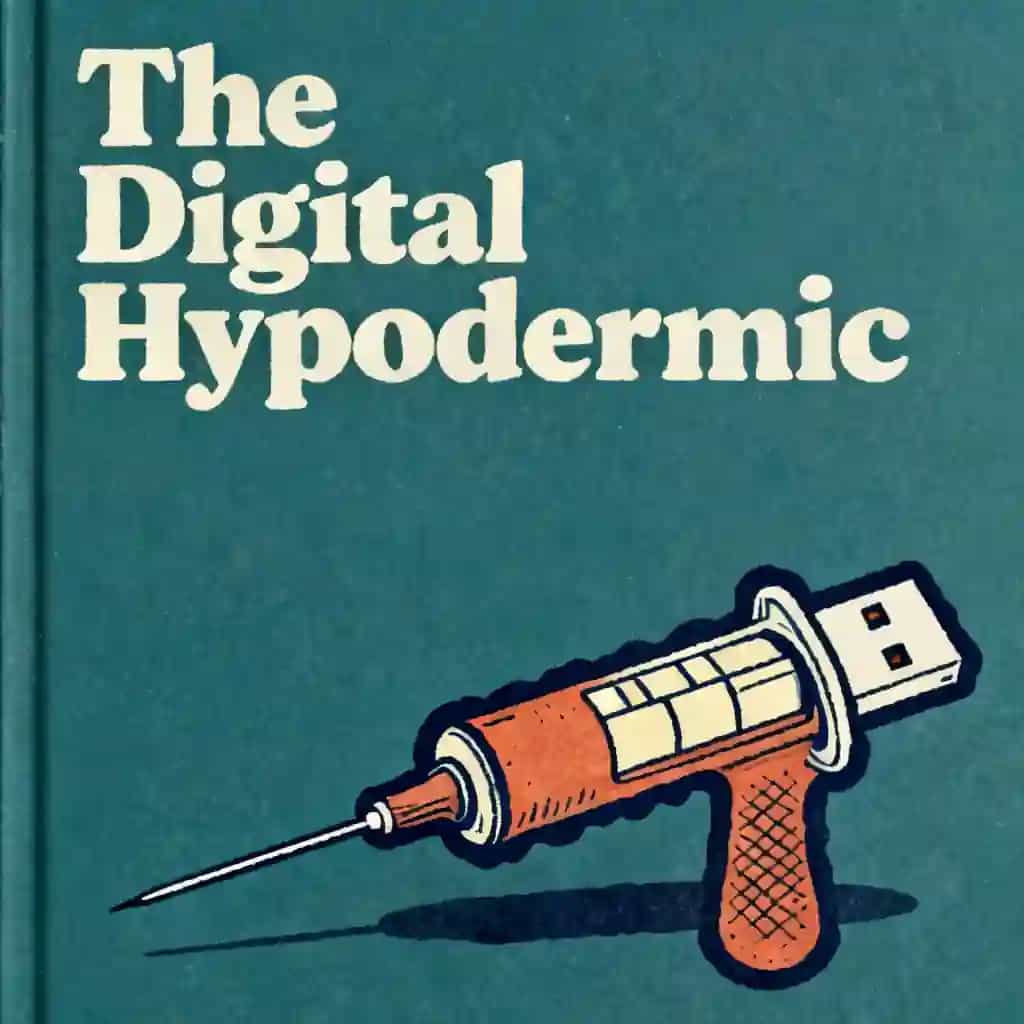
Digital Addiction: The Theoretical Divide in Modern Psychology
Explore the theoretical divide in digital addiction research. Learn about Ivan Goldberg, Mark Griffiths, and Andrew Przybylski's perspectives for your psychology literature review.

Miglior citazione da Digital Addiction: The Theoretical Divide in Modern Psychology
The internet doesn't cause the problem; it provides a place for existing problems to manifest through maladaptive cognitions, shifting the focus from the technology being the villain to the user's internal map.

Questa lezione audio è stata creata da un membro della comunità BeFreed
Create a podcast featuring the leading theorists on digital addiction drawn from academic journals. I am working on a theoretical framework for the literature review portion of my dissertation






Domande frequenti
The theoretical divide centers on whether excessive screen time should be classified as a clinical addiction or simply problematic use. While some researchers model it after substance dependence, others remain skeptical of the link between digital use and clinical pathology. This friction makes the topic a complex but valuable area for a psychology literature review, as leading theorists do not currently agree on a single definition or framework for the phenomenon.
Key figures include Ivan Goldberg, who originally sketched diagnostic criteria based on substance dependence, and Mark Griffiths of Nottingham Trent University, who supports a components model of addiction. In contrast, Andrew Przybylski from Oxford University represents a more skeptical viewpoint. These scholars represent the fragmented nature of the field, offering different perspectives ranging from clinical addiction models to skepticism regarding the evidence of harmful links.
The components model, championed by Mark Griffiths, suggests that digital addiction shares core features with traditional addictions. These features include salience, mood modification, and withdrawal symptoms. By applying this framework, researchers argue that problematic internet use can be understood through the same psychological mechanisms as other addictive behaviors. This model provides a structured way for students to analyze digital overuse within a dissertation or academic literature review.
Scopri di più

I want to learn about sex, porn, and fantasy addiction from the therapeutic/psychological perspective. Not dealing with these issues myself
This learning plan provides a professional understanding of sexual addiction disorders from a clinical perspective, without requiring personal experience with these issues. It's ideal for psychology students, healthcare professionals, or individuals seeking to understand loved ones struggling with these challenges.

Addiction
Addiction affects millions globally, yet remains widely misunderstood through outdated moral frameworks rather than evidence-based science. This learning plan provides essential knowledge for those struggling with addiction, supporting loved ones, or professionals seeking comprehensive understanding of addiction's neurobiological roots, contributing factors, and effective recovery pathways.

The Psychology of Daily Choice
This learning plan is essential for anyone feeling overwhelmed by digital distractions and impulsive consumerism. It provides a scientific foundation for professionals and students to reclaim their attention by understanding the neural mechanisms of habit and choice.

Digital Sociology: The Algorithmic Self
As digital platforms increasingly dictate our social and psychological reality, understanding the hidden forces of algorithms is essential for modern literacy. This plan is ideal for sociologists, digital strategists, and anyone seeking to reclaim agency from the architectures of online influence.

The Digital Loneliness Paradox
As digital platforms reshape our social fabric, understanding the tension between hyper-connectivity and isolation is essential for navigating modern life. This plan is ideal for sociologists, digital strategists, and anyone seeking to reclaim meaningful community in an age of algorithmic influence.

Understand addiction's effects on people
This plan provides a comprehensive look at addiction by bridging the gap between biological science and social reality. It is an essential resource for families, educators, or individuals seeking to understand the root causes of dependency and the practical steps toward healing.

Dopamine detox: Swap social media for books
In an era of constant digital distraction, our ability to focus is being eroded by algorithmic dopamine loops. This plan is designed for professionals and students who feel overwhelmed by screen time and wish to reclaim their cognitive clarity through the transformative power of deep reading.

End Porn Addiction & Fix Dopamine Habits
In an era of constant digital stimulation, understanding your brain's reward system is essential for regaining focus. This plan is designed for anyone struggling with compulsive digital habits who wants to reclaim their time and mental clarity through science-based recovery.
Creato da alumni della Columbia University a San Francisco
"Instead of endless scrolling, I just hit play on BeFreed. It saves me so much time."


"I never knew where to start with nonfiction—BeFreed’s book lists turned into podcasts gave me a clear path."


"Perfect balance between learning and entertainment. Finished ‘Thinking, Fast and Slow’ on my commute this week."
"Crazy how much I learned while walking the dog. BeFreed = small habits → big gains."
"Reading used to feel like a chore. Now it’s just part of my lifestyle."

"Feels effortless compared to reading. I’ve finished 6 books this month already."
"BeFreed turned my guilty doomscrolling into something that feels productive and inspiring."

"BeFreed turned my commute into learning time. 20-min podcasts are perfect for finishing books I never had time for."
"BeFreed replaced my podcast queue. Imagine Spotify for books — that’s it. 🙌"

"It is great for me to learn something from the book without reading it."
"The themed book list podcasts help me connect ideas across authors—like a guided audio journey."
"Makes me feel smarter every time before going to work"
Creato da alumni della Columbia University a San Francisco
"Instead of endless scrolling, I just hit play on BeFreed. It saves me so much time."
"I never knew where to start with nonfiction—BeFreed’s book lists turned into podcasts gave me a clear path."
"Perfect balance between learning and entertainment. Finished ‘Thinking, Fast and Slow’ on my commute this week."
"Crazy how much I learned while walking the dog. BeFreed = small habits → big gains."
"Reading used to feel like a chore. Now it’s just part of my lifestyle."
"Feels effortless compared to reading. I’ve finished 6 books this month already."
"BeFreed turned my guilty doomscrolling into something that feels productive and inspiring."
"BeFreed turned my commute into learning time. 20-min podcasts are perfect for finishing books I never had time for."
"BeFreed replaced my podcast queue. Imagine Spotify for books — that’s it. 🙌"
"It is great for me to learn something from the book without reading it."
"The themed book list podcasts help me connect ideas across authors—like a guided audio journey."
"Makes me feel smarter every time before going to work"
"Instead of endless scrolling, I just hit play on BeFreed. It saves me so much time."
"I never knew where to start with nonfiction—BeFreed’s book lists turned into podcasts gave me a clear path."
"Perfect balance between learning and entertainment. Finished ‘Thinking, Fast and Slow’ on my commute this week."
"Crazy how much I learned while walking the dog. BeFreed = small habits → big gains."
"Reading used to feel like a chore. Now it’s just part of my lifestyle."
"Feels effortless compared to reading. I’ve finished 6 books this month already."
"BeFreed turned my guilty doomscrolling into something that feels productive and inspiring."
"BeFreed turned my commute into learning time. 20-min podcasts are perfect for finishing books I never had time for."
"BeFreed replaced my podcast queue. Imagine Spotify for books — that’s it. 🙌"
"It is great for me to learn something from the book without reading it."
"The themed book list podcasts help me connect ideas across authors—like a guided audio journey."
"Makes me feel smarter every time before going to work"
"Instead of endless scrolling, I just hit play on BeFreed. It saves me so much time."
"I never knew where to start with nonfiction—BeFreed’s book lists turned into podcasts gave me a clear path."
"Perfect balance between learning and entertainment. Finished ‘Thinking, Fast and Slow’ on my commute this week."
"Crazy how much I learned while walking the dog. BeFreed = small habits → big gains."
"Reading used to feel like a chore. Now it’s just part of my lifestyle."
"Feels effortless compared to reading. I’ve finished 6 books this month already."
"BeFreed turned my guilty doomscrolling into something that feels productive and inspiring."
"BeFreed turned my commute into learning time. 20-min podcasts are perfect for finishing books I never had time for."
"BeFreed replaced my podcast queue. Imagine Spotify for books — that’s it. 🙌"
"It is great for me to learn something from the book without reading it."
"The themed book list podcasts help me connect ideas across authors—like a guided audio journey."
"Makes me feel smarter every time before going to work"