The Digital Hypodermic Needle: Smartphone Addiction & Dopamine
Explore how smartphones act as a digital hypodermic needle, delivering dopamine and driving addiction. Learn about screen time statistics and neurochemistry.

Miglior citazione da The Digital Hypodermic Needle: Smartphone Addiction & Dopamine
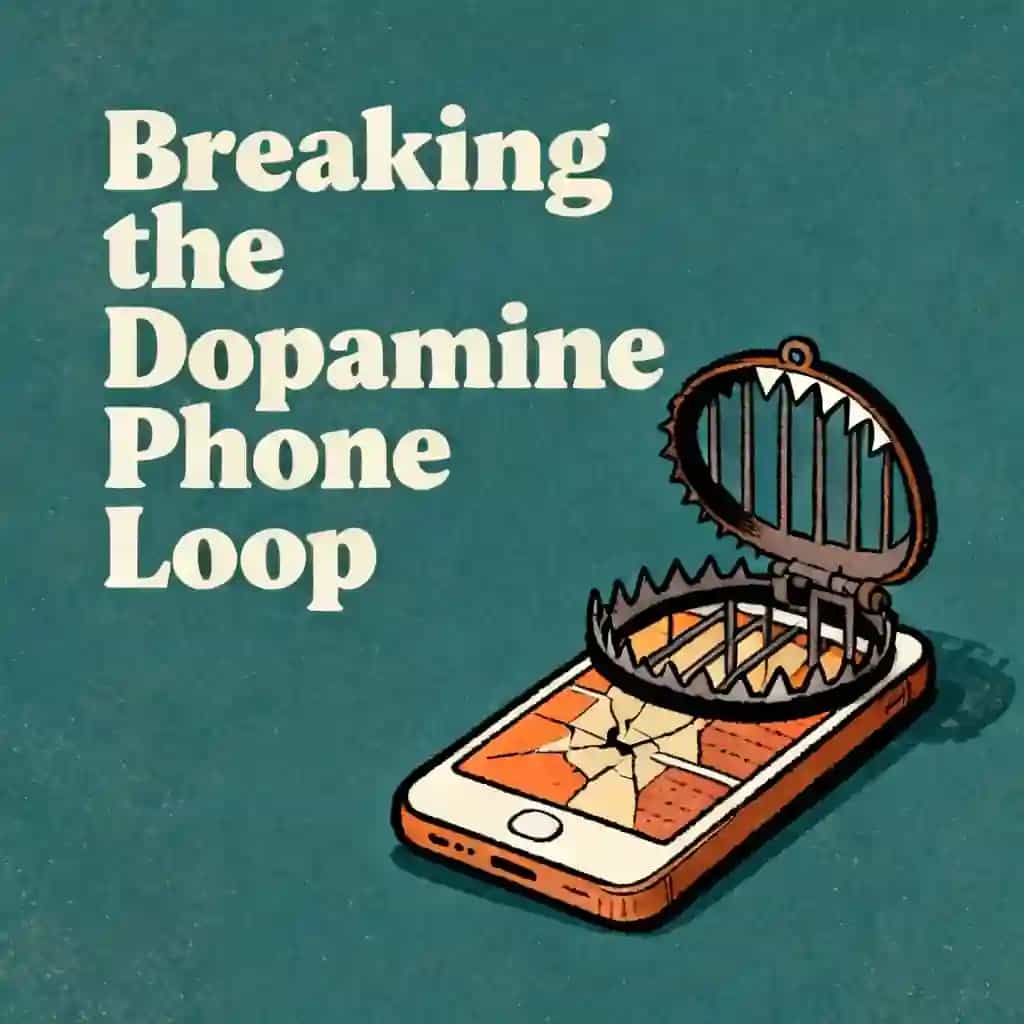
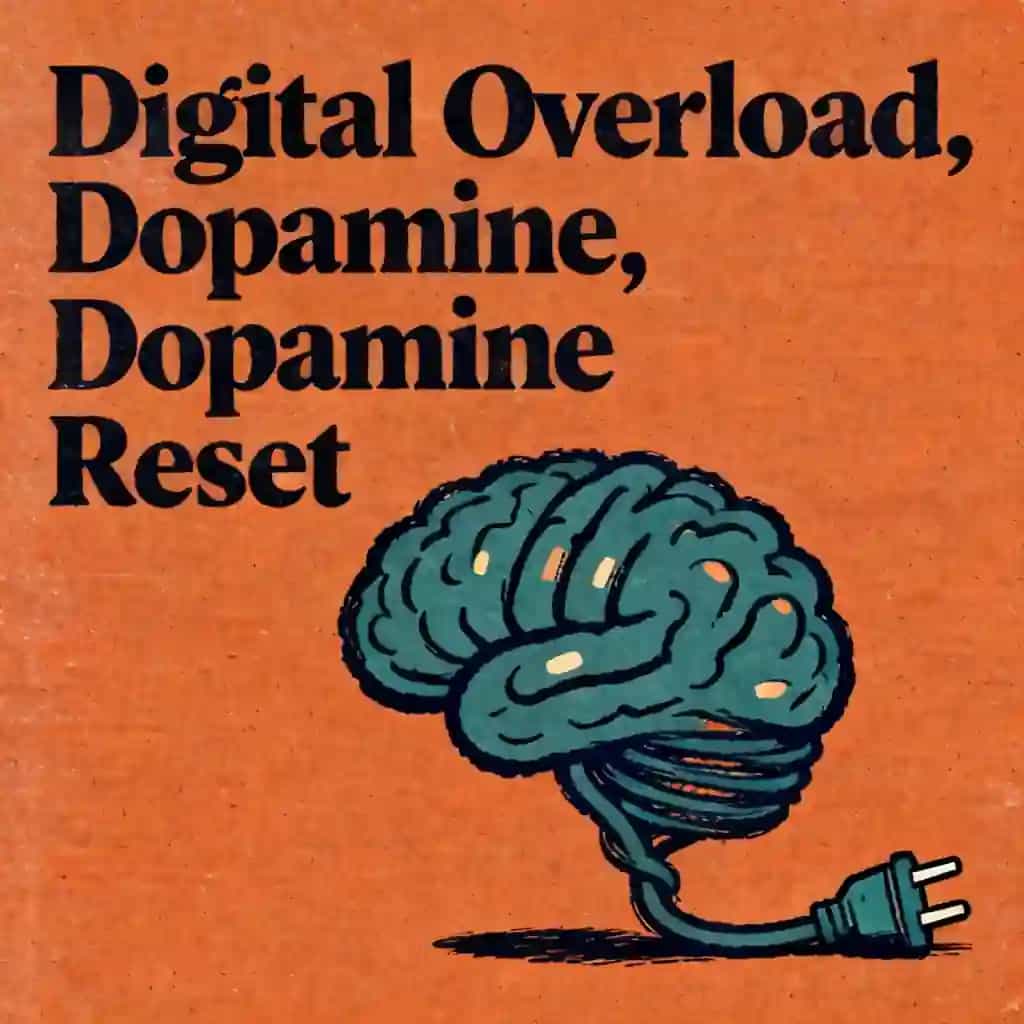
The smartphone is the modern-day hypodermic needle, delivering digital dopamine directly into our system through our eyes and ears. We aren't just scrolling; we’re engaging in a high-speed delivery system for neurochemicals that our brains weren't evolved to handle in these quantities.
Generated by Shakti
Phone addiction is getting baaad






Domande frequenti
The digital hypodermic needle is a term used by Dr. Anna Lembke of Stanford University to describe the modern smartphone. Much like a medical needle delivers a drug directly into the system, the smartphone delivers digital dopamine through our eyes and ears. This high-speed delivery system provides neurochemicals in quantities that the human brain did not evolve to handle, turning simple scrolling into a biological engagement.
According to current data discussed in The Digital Hypodermic Needle, the average person now checks their phone approximately ninety-six times a day. This frequency breaks down to roughly once every ten minutes during waking hours. This constant interaction highlights the shift from simply using a device to being used by it, contributing to what many describe as a feeling of being hypnotized by technology.
Global statistics for 2025 indicate that the average daily screen time has risen to four hours and forty-eight minutes. This staggering volume of usage reflects the growing prevalence of smartphone addiction and the constant pull of digital dopamine. As users spend nearly five hours a day on their devices, the biological impact of this high-speed neurochemical delivery becomes a significant concern for researchers and users alike.
Dr. Anna Lembke is a researcher from Stanford University who specializes in the study of addiction and neurochemistry. She is credited with the analogy that the smartphone serves as a modern-day hypodermic needle. Her work explains how digital platforms trigger the release of dopamine, framing excessive screen time not just as a bad habit, but as a biological process involving the brain's evolved response to neurochemical stimuli.
Creato da alumni della Columbia University a San Francisco
"Instead of endless scrolling, I just hit play on BeFreed. It saves me so much time."


"I never knew where to start with nonfiction—BeFreed’s book lists turned into podcasts gave me a clear path."


"Perfect balance between learning and entertainment. Finished ‘Thinking, Fast and Slow’ on my commute this week."
"Crazy how much I learned while walking the dog. BeFreed = small habits → big gains."
"Reading used to feel like a chore. Now it’s just part of my lifestyle."

"Feels effortless compared to reading. I’ve finished 6 books this month already."
"BeFreed turned my guilty doomscrolling into something that feels productive and inspiring."

"BeFreed turned my commute into learning time. 20-min podcasts are perfect for finishing books I never had time for."
"BeFreed replaced my podcast queue. Imagine Spotify for books — that’s it. 🙌"

"It is great for me to learn something from the book without reading it."
"The themed book list podcasts help me connect ideas across authors—like a guided audio journey."
"Makes me feel smarter every time before going to work"
 Ask ChatGPT
 Ask Claude
Creato da alumni della Columbia University a San Francisco
"Instead of endless scrolling, I just hit play on BeFreed. It saves me so much time."
"I never knew where to start with nonfiction—BeFreed’s book lists turned into podcasts gave me a clear path."
"Perfect balance between learning and entertainment. Finished ‘Thinking, Fast and Slow’ on my commute this week."
"Crazy how much I learned while walking the dog. BeFreed = small habits → big gains."
"Reading used to feel like a chore. Now it’s just part of my lifestyle."
"Feels effortless compared to reading. I’ve finished 6 books this month already."
"BeFreed turned my guilty doomscrolling into something that feels productive and inspiring."
"BeFreed turned my commute into learning time. 20-min podcasts are perfect for finishing books I never had time for."
"BeFreed replaced my podcast queue. Imagine Spotify for books — that’s it. 🙌"
"It is great for me to learn something from the book without reading it."
"The themed book list podcasts help me connect ideas across authors—like a guided audio journey."
"Makes me feel smarter every time before going to work"
"Instead of endless scrolling, I just hit play on BeFreed. It saves me so much time."
"I never knew where to start with nonfiction—BeFreed’s book lists turned into podcasts gave me a clear path."
"Perfect balance between learning and entertainment. Finished ‘Thinking, Fast and Slow’ on my commute this week."
"Crazy how much I learned while walking the dog. BeFreed = small habits → big gains."
"Reading used to feel like a chore. Now it’s just part of my lifestyle."
"Feels effortless compared to reading. I’ve finished 6 books this month already."
"BeFreed turned my guilty doomscrolling into something that feels productive and inspiring."
"BeFreed turned my commute into learning time. 20-min podcasts are perfect for finishing books I never had time for."
"BeFreed replaced my podcast queue. Imagine Spotify for books — that’s it. 🙌"
"It is great for me to learn something from the book without reading it."
"The themed book list podcasts help me connect ideas across authors—like a guided audio journey."
"Makes me feel smarter every time before going to work"
"Instead of endless scrolling, I just hit play on BeFreed. It saves me so much time."
"I never knew where to start with nonfiction—BeFreed’s book lists turned into podcasts gave me a clear path."
"Perfect balance between learning and entertainment. Finished ‘Thinking, Fast and Slow’ on my commute this week."
"Crazy how much I learned while walking the dog. BeFreed = small habits → big gains."
"Reading used to feel like a chore. Now it’s just part of my lifestyle."
"Feels effortless compared to reading. I’ve finished 6 books this month already."
"BeFreed turned my guilty doomscrolling into something that feels productive and inspiring."
"BeFreed turned my commute into learning time. 20-min podcasts are perfect for finishing books I never had time for."
"BeFreed replaced my podcast queue. Imagine Spotify for books — that’s it. 🙌"
"It is great for me to learn something from the book without reading it."
"The themed book list podcasts help me connect ideas across authors—like a guided audio journey."
"Makes me feel smarter every time before going to work"