Building confidence as a skill you can practice
Waiting to feel ready is a trap. Learn how to build self-assurance through small actions and nervous system regulation to handle any situation.

Miglior citazione da Building confidence as a skill you can practice
Confidence is not an innate personality trait you’re born with; it is a skill built through the reputation you acquire with yourself by keeping small, daily promises.
Generated by Birdy
How to be confident in everything I do.

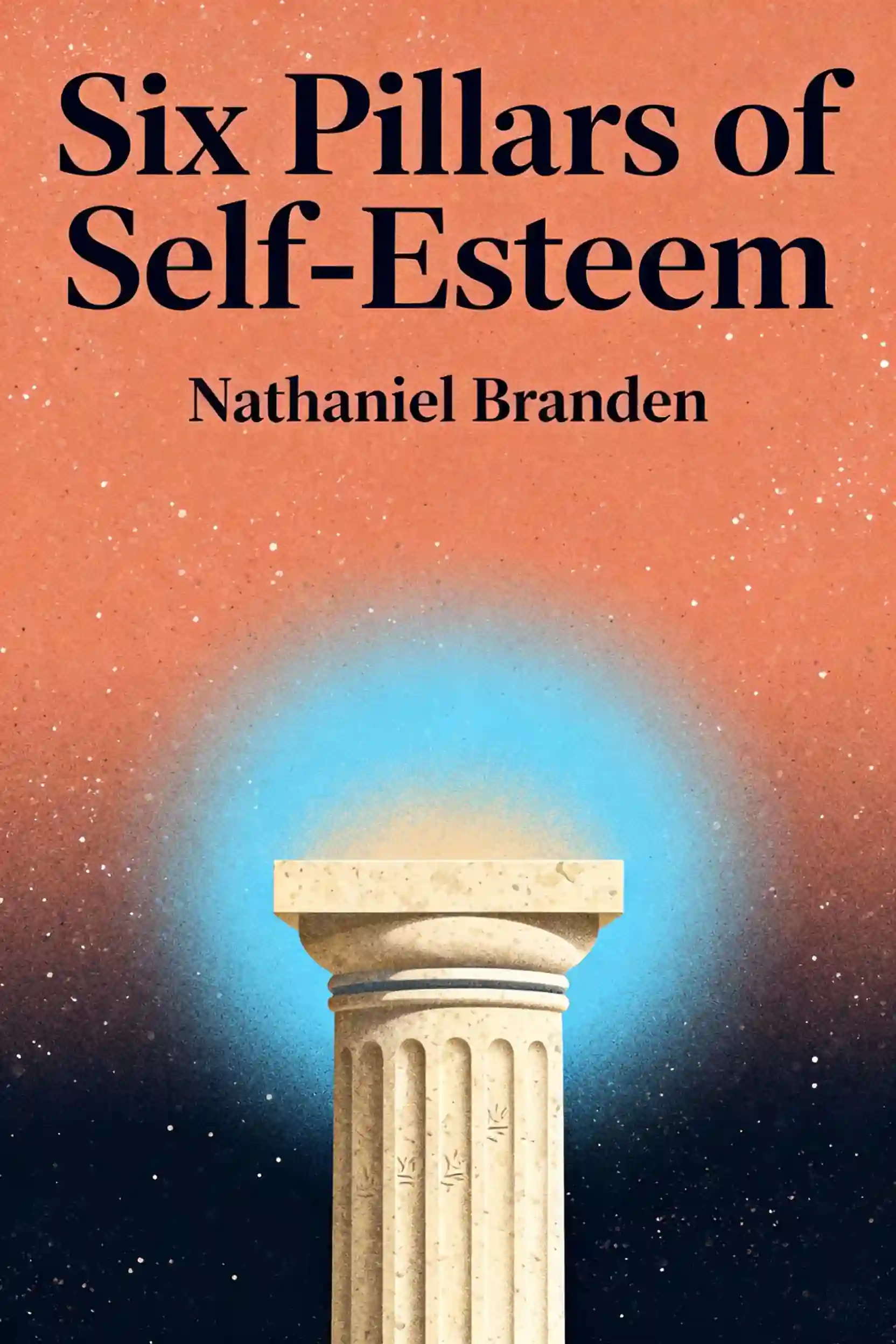
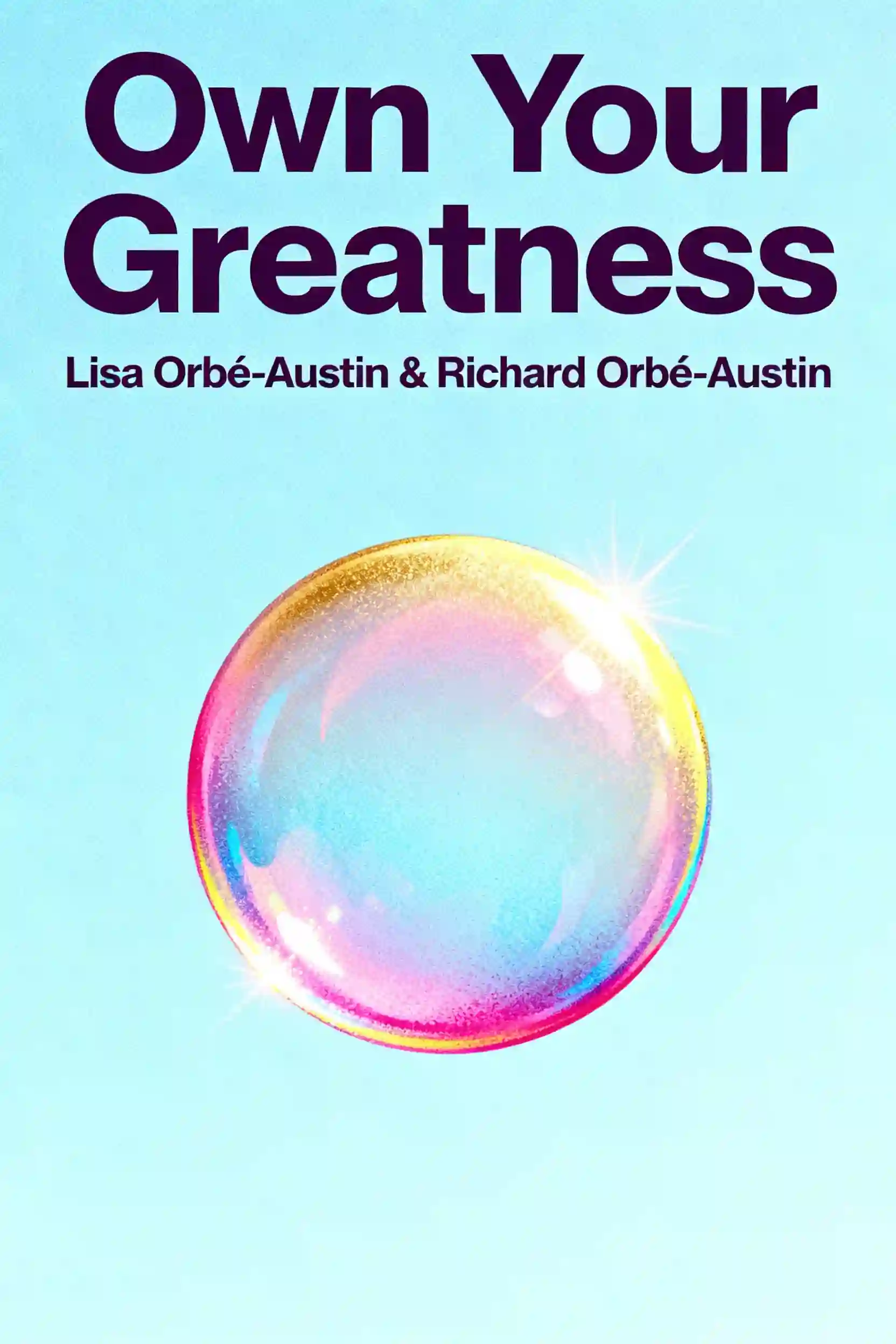
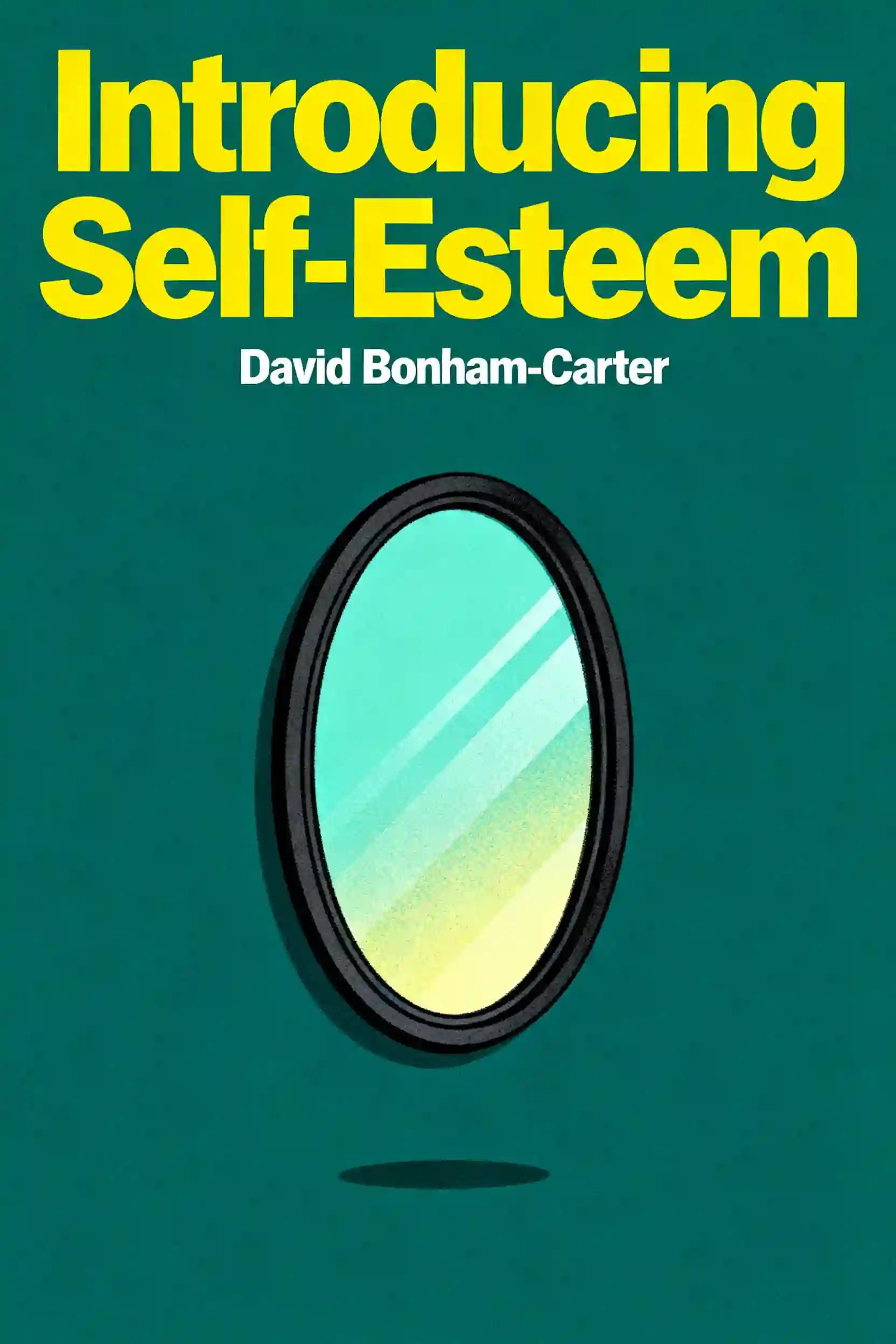
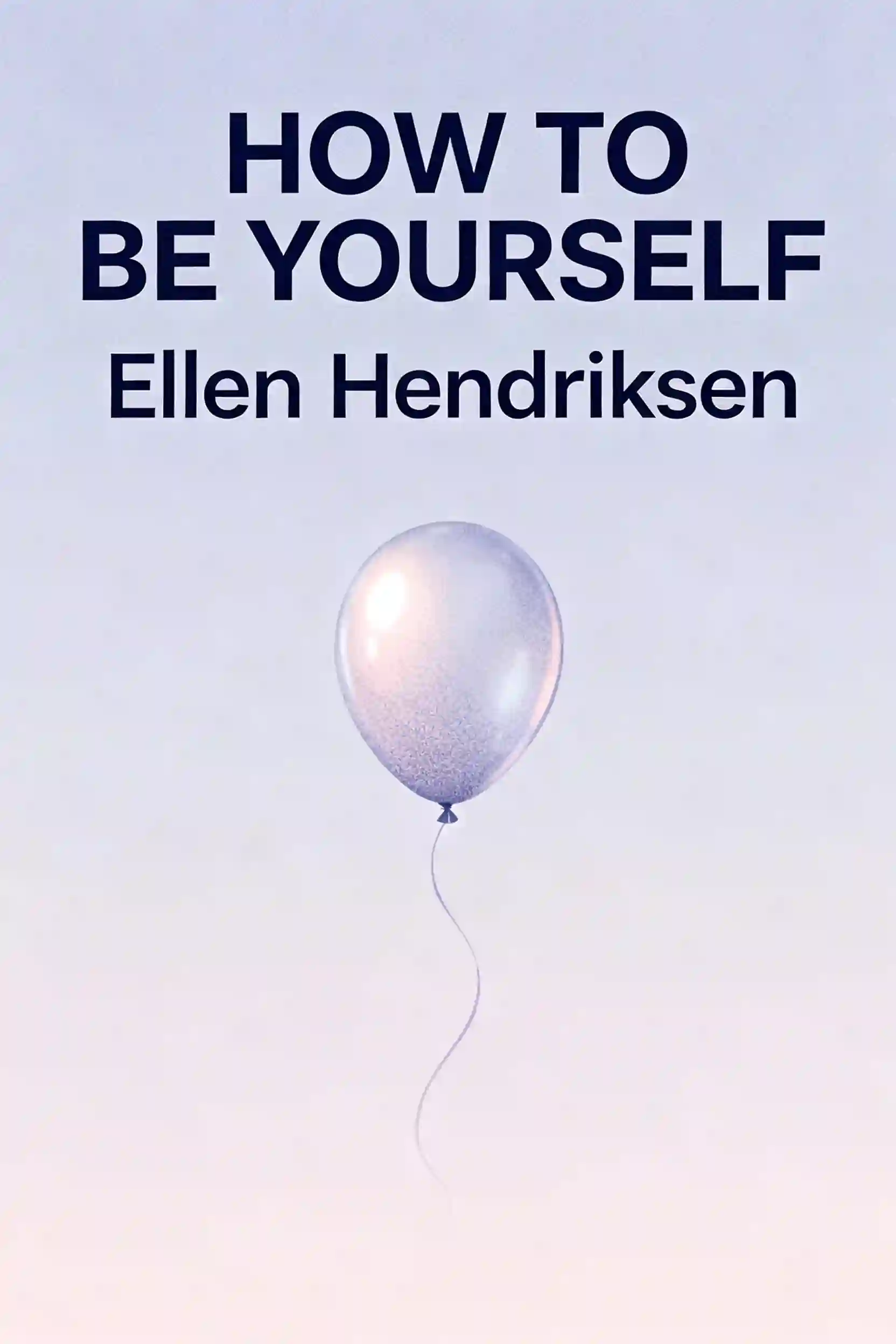
Domande frequenti
While often used interchangeably, the script defines self-confidence as task-specific, such as feeling capable of baking a cake or giving a presentation because you have practiced those skills. In contrast, self-esteem is identity-based and represents a deep-seated sense of worthiness that remains stable even when you are attempting something new or difficult. High self-esteem provides a "reputation with yourself" that prevents your internal value from being threatened by temporary mistakes or failures.
Imposter syndrome in high-achievers is often linked to the anterior cingulate cortex (ACC), the brain's internal error-detection system. In high-stakes environments, this system becomes hyper-vigilant, scanning for even the smallest discrepancies between a person's internal feelings of uncertainty and their external success. This "Achievement-Sensitivity Ratchet" means that as a person becomes more successful, their brain may actually increase its monitoring for potential threats or errors to protect that success, leading to increased noise and self-doubt.
The script suggests using "bottom-up" physiological hacks to signal safety to the nervous system. One effective method is a specific breathing pattern where the exhalation is longer than the inhalation, such as inhaling for four counts and exhaling for eight, which activates the parasympathetic "brake." Other techniques include the "Diving Reflex," which involves splashing ice-cold water on the face to lower the heart rate, and the 3-3-3 rule, which redirects attention outward by naming three things you see, three things you hear, and moving three parts of your body.
The loop describes the cycle where taking action builds competence, which in turn generates the feeling of confidence. To break into this loop without feeling overwhelmed, you should start with "Micro-Wins"—small tasks that are only slightly uncomfortable (a 3 or 4 on a 10-point scale). By consistently achieving these small goals, you provide your brain with dopamine and "mastery experiences," which gradually myelinate neural pathways for courage and allow you to take on progressively larger challenges.
Cognitive distancing is the practice of observing your thoughts as temporary "mental weather" rather than objective facts. A practical way to achieve this is by changing your internal pronouns; instead of saying "I am nervous," you might say, "Lena is having the thought that she is nervous." This linguistic shift creates space between your identity and your emotions, allowing you to act as a coach to yourself rather than a victim of your internal critic.
Creato da alumni della Columbia University a San Francisco
"Instead of endless scrolling, I just hit play on BeFreed. It saves me so much time."


"I never knew where to start with nonfiction—BeFreed’s book lists turned into podcasts gave me a clear path."


"Perfect balance between learning and entertainment. Finished ‘Thinking, Fast and Slow’ on my commute this week."
"Crazy how much I learned while walking the dog. BeFreed = small habits → big gains."
"Reading used to feel like a chore. Now it’s just part of my lifestyle."

"Feels effortless compared to reading. I’ve finished 6 books this month already."
"BeFreed turned my guilty doomscrolling into something that feels productive and inspiring."

"BeFreed turned my commute into learning time. 20-min podcasts are perfect for finishing books I never had time for."
"BeFreed replaced my podcast queue. Imagine Spotify for books — that’s it. 🙌"

"It is great for me to learn something from the book without reading it."
"The themed book list podcasts help me connect ideas across authors—like a guided audio journey."
"Makes me feel smarter every time before going to work"
Creato da alumni della Columbia University a San Francisco
"Instead of endless scrolling, I just hit play on BeFreed. It saves me so much time."
"I never knew where to start with nonfiction—BeFreed’s book lists turned into podcasts gave me a clear path."
"Perfect balance between learning and entertainment. Finished ‘Thinking, Fast and Slow’ on my commute this week."
"Crazy how much I learned while walking the dog. BeFreed = small habits → big gains."
"Reading used to feel like a chore. Now it’s just part of my lifestyle."
"Feels effortless compared to reading. I’ve finished 6 books this month already."
"BeFreed turned my guilty doomscrolling into something that feels productive and inspiring."
"BeFreed turned my commute into learning time. 20-min podcasts are perfect for finishing books I never had time for."
"BeFreed replaced my podcast queue. Imagine Spotify for books — that’s it. 🙌"
"It is great for me to learn something from the book without reading it."
"The themed book list podcasts help me connect ideas across authors—like a guided audio journey."
"Makes me feel smarter every time before going to work"
"Instead of endless scrolling, I just hit play on BeFreed. It saves me so much time."
"I never knew where to start with nonfiction—BeFreed’s book lists turned into podcasts gave me a clear path."
"Perfect balance between learning and entertainment. Finished ‘Thinking, Fast and Slow’ on my commute this week."
"Crazy how much I learned while walking the dog. BeFreed = small habits → big gains."
"Reading used to feel like a chore. Now it’s just part of my lifestyle."
"Feels effortless compared to reading. I’ve finished 6 books this month already."
"BeFreed turned my guilty doomscrolling into something that feels productive and inspiring."
"BeFreed turned my commute into learning time. 20-min podcasts are perfect for finishing books I never had time for."
"BeFreed replaced my podcast queue. Imagine Spotify for books — that’s it. 🙌"
"It is great for me to learn something from the book without reading it."
"The themed book list podcasts help me connect ideas across authors—like a guided audio journey."
"Makes me feel smarter every time before going to work"
"Instead of endless scrolling, I just hit play on BeFreed. It saves me so much time."
"I never knew where to start with nonfiction—BeFreed’s book lists turned into podcasts gave me a clear path."
"Perfect balance between learning and entertainment. Finished ‘Thinking, Fast and Slow’ on my commute this week."
"Crazy how much I learned while walking the dog. BeFreed = small habits → big gains."
"Reading used to feel like a chore. Now it’s just part of my lifestyle."
"Feels effortless compared to reading. I’ve finished 6 books this month already."
"BeFreed turned my guilty doomscrolling into something that feels productive and inspiring."
"BeFreed turned my commute into learning time. 20-min podcasts are perfect for finishing books I never had time for."
"BeFreed replaced my podcast queue. Imagine Spotify for books — that’s it. 🙌"
"It is great for me to learn something from the book without reading it."
"The themed book list podcasts help me connect ideas across authors—like a guided audio journey."
"Makes me feel smarter every time before going to work"