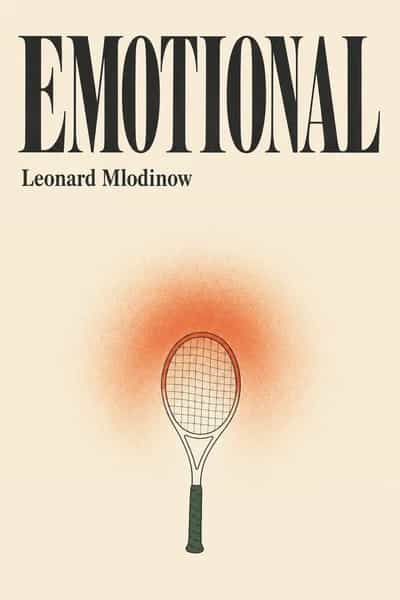
Becoming an Emotion Detective
Discover the science behind emotional sensitivity and learn practical techniques to better recognize others' feelings. This episode reveals how to develop both cognitive and emotional empathy to transform your relationships.

Miglior citazione da Becoming an Emotion Detective
Empathy isn't just an innate trait—it's a skill you can develop like a muscle. Developing sensitivity to others' emotions isn't about becoming a mind reader, but about developing 'empathic accuracy'—the ability to correctly infer what another person is thinking and feeling.

Questa lezione audio è stata creata da un membro della comunità BeFreed
how to have sensitive to others’ emotion

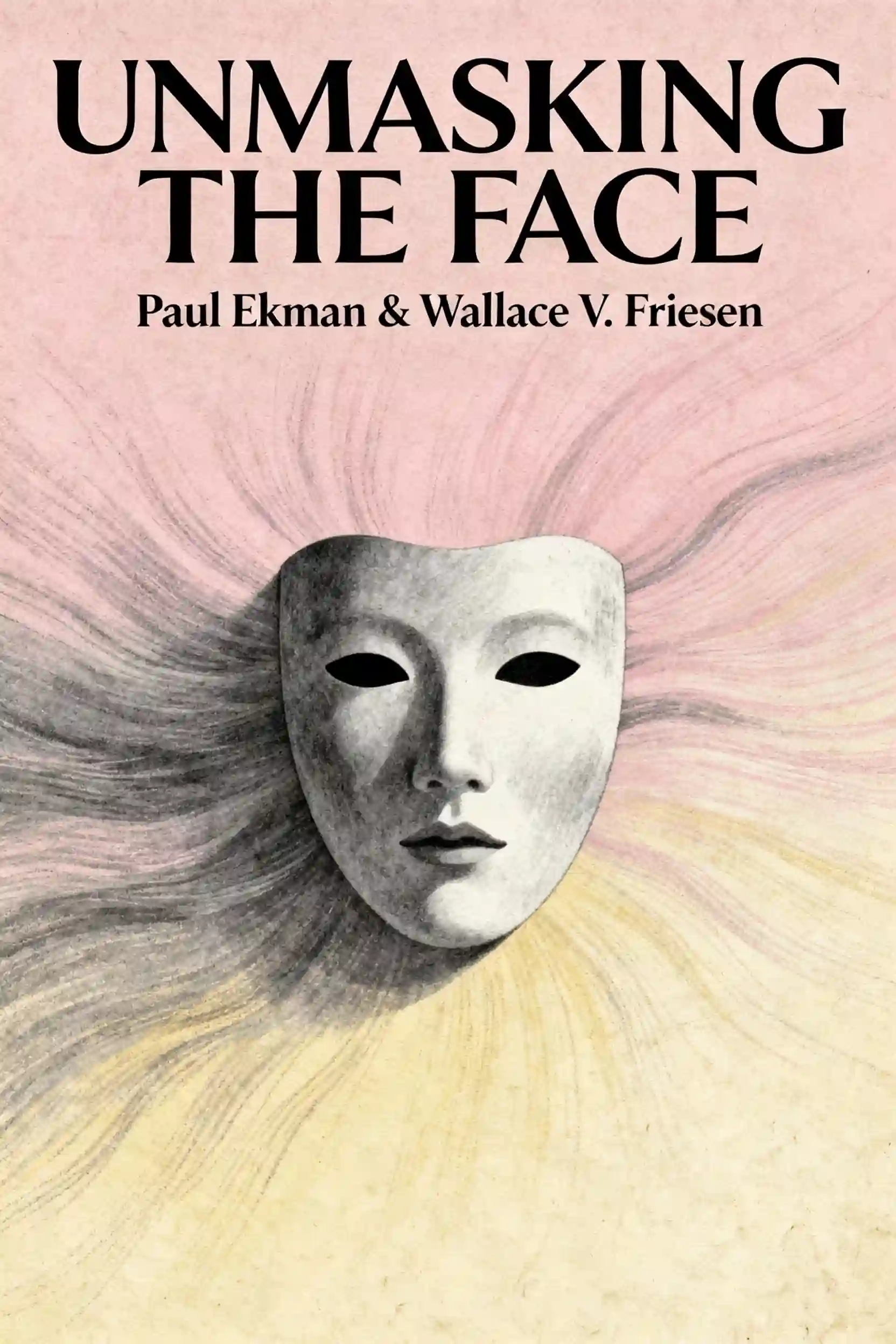
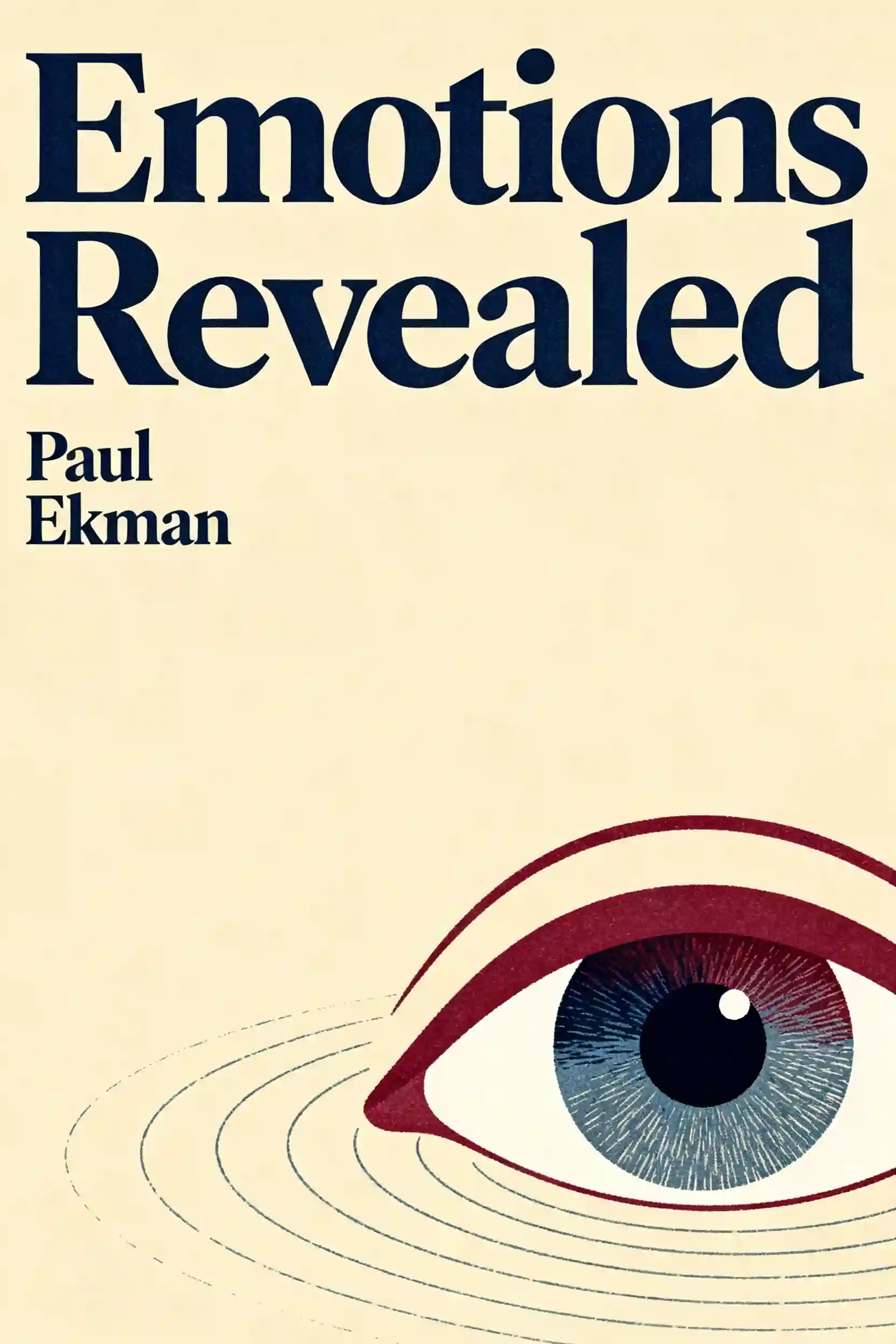
Scopri di più

Learn to identify & express my emotions
Emotional awareness is a foundational life skill that impacts everything from personal relationships to professional success and mental health. This learning plan is ideal for anyone who feels overwhelmed by their emotions, struggles to articulate how they feel, or wants to develop greater self-awareness and emotional resilience. Whether you're navigating stress, seeking personal growth, or wanting to improve your communication and leadership abilities, understanding and naming your emotions is an essential starting point.

I want to be emotionally aware of my self
In an era of constant distraction, developing self-awareness is essential for mental clarity and relational health. This plan is ideal for individuals seeking to move beyond reactive habits and achieve a deeper, more compassionate understanding of their inner psyche.

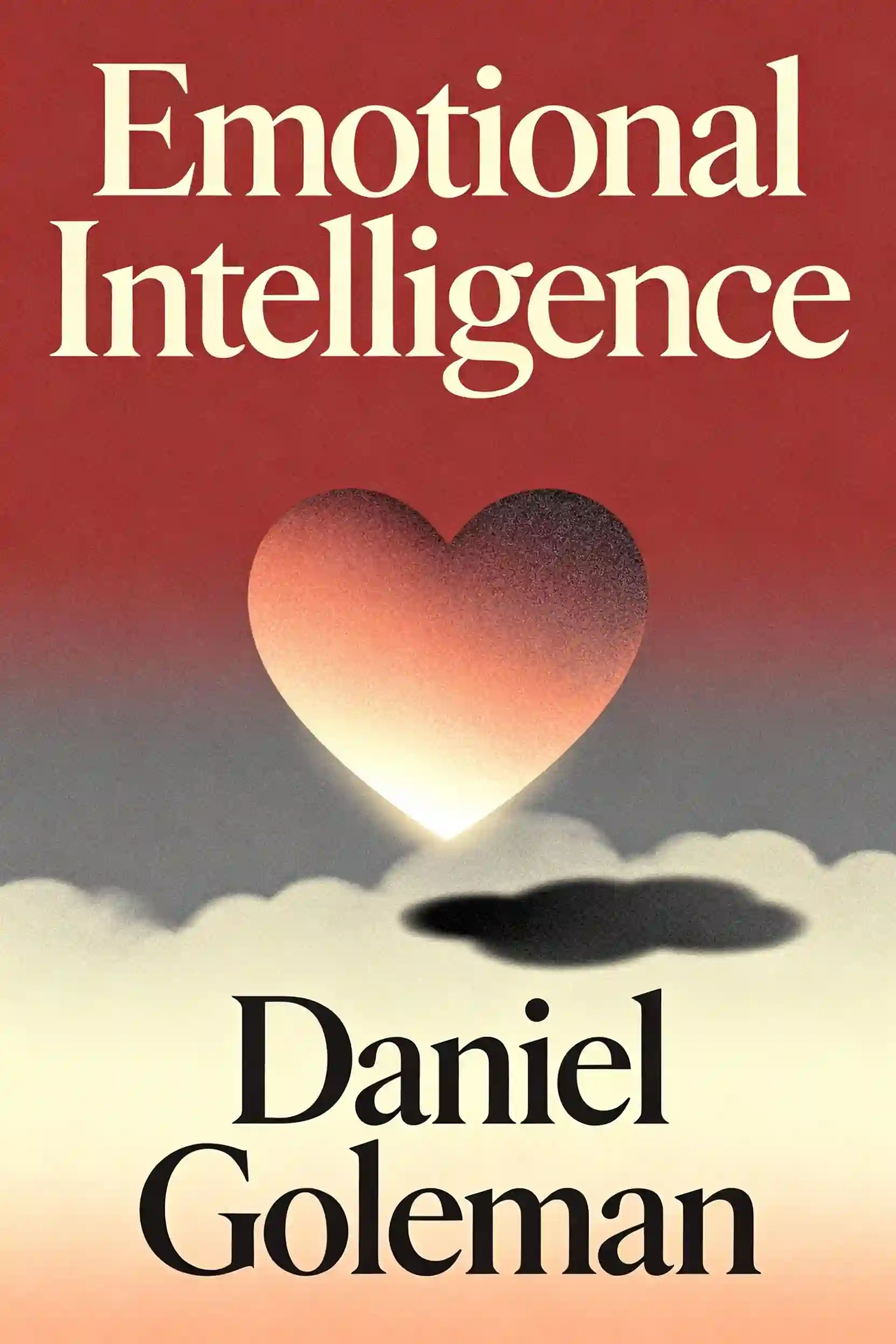
Emotional intelligence
Emotional intelligence is often a greater predictor of professional and personal success than technical skill or IQ. This plan is ideal for aspiring leaders and individuals looking to improve their interpersonal relationships and emotional resilience.

The Science of Steady Connection
In an era of constant reactivity, mastering emotional regulation and interpersonal trust is a critical skill for any leader or collaborator. This plan is ideal for professionals seeking to improve their emotional intelligence and build more stable, productive relationships.

Manage emotions healthily
Emotional regulation is a foundational life skill that impacts mental health, relationships, career success, and overall well-being. This learning plan is essential for anyone who struggles with overwhelming emotions, reactive behavior, or wants to develop greater self-awareness and interpersonal effectiveness in both personal and professional contexts.
Talk about my feelings
Effective emotional communication is the cornerstone of healthy, lasting relationships. This plan is ideal for individuals looking to move past surface-level interactions and develop the courage to express their true selves authentically.

Decode human nature for business success
This plan is essential for anyone looking to navigate social environments with higher emotional intelligence and psychological awareness. It is ideal for leaders, communicators, and individuals seeking to protect themselves from manipulation while understanding the biological roots of behavior.
Understand psychology
This plan offers a comprehensive look at the human experience, from internal cognition to social interaction. It is ideal for anyone seeking to improve their emotional intelligence or pursue a career in behavioral sciences.
Creato da alumni della Columbia University a San Francisco
"Instead of endless scrolling, I just hit play on BeFreed. It saves me so much time."


"I never knew where to start with nonfiction—BeFreed’s book lists turned into podcasts gave me a clear path."


"Perfect balance between learning and entertainment. Finished ‘Thinking, Fast and Slow’ on my commute this week."
"Crazy how much I learned while walking the dog. BeFreed = small habits → big gains."
"Reading used to feel like a chore. Now it’s just part of my lifestyle."

"Feels effortless compared to reading. I’ve finished 6 books this month already."
"BeFreed turned my guilty doomscrolling into something that feels productive and inspiring."

"BeFreed turned my commute into learning time. 20-min podcasts are perfect for finishing books I never had time for."
"BeFreed replaced my podcast queue. Imagine Spotify for books — that’s it. 🙌"

"It is great for me to learn something from the book without reading it."
"The themed book list podcasts help me connect ideas across authors—like a guided audio journey."
"Makes me feel smarter every time before going to work"
Creato da alumni della Columbia University a San Francisco
"Instead of endless scrolling, I just hit play on BeFreed. It saves me so much time."
"I never knew where to start with nonfiction—BeFreed’s book lists turned into podcasts gave me a clear path."
"Perfect balance between learning and entertainment. Finished ‘Thinking, Fast and Slow’ on my commute this week."
"Crazy how much I learned while walking the dog. BeFreed = small habits → big gains."
"Reading used to feel like a chore. Now it’s just part of my lifestyle."
"Feels effortless compared to reading. I’ve finished 6 books this month already."
"BeFreed turned my guilty doomscrolling into something that feels productive and inspiring."
"BeFreed turned my commute into learning time. 20-min podcasts are perfect for finishing books I never had time for."
"BeFreed replaced my podcast queue. Imagine Spotify for books — that’s it. 🙌"
"It is great for me to learn something from the book without reading it."
"The themed book list podcasts help me connect ideas across authors—like a guided audio journey."
"Makes me feel smarter every time before going to work"
"Instead of endless scrolling, I just hit play on BeFreed. It saves me so much time."
"I never knew where to start with nonfiction—BeFreed’s book lists turned into podcasts gave me a clear path."
"Perfect balance between learning and entertainment. Finished ‘Thinking, Fast and Slow’ on my commute this week."
"Crazy how much I learned while walking the dog. BeFreed = small habits → big gains."
"Reading used to feel like a chore. Now it’s just part of my lifestyle."
"Feels effortless compared to reading. I’ve finished 6 books this month already."
"BeFreed turned my guilty doomscrolling into something that feels productive and inspiring."
"BeFreed turned my commute into learning time. 20-min podcasts are perfect for finishing books I never had time for."
"BeFreed replaced my podcast queue. Imagine Spotify for books — that’s it. 🙌"
"It is great for me to learn something from the book without reading it."
"The themed book list podcasts help me connect ideas across authors—like a guided audio journey."
"Makes me feel smarter every time before going to work"
"Instead of endless scrolling, I just hit play on BeFreed. It saves me so much time."
"I never knew where to start with nonfiction—BeFreed’s book lists turned into podcasts gave me a clear path."
"Perfect balance between learning and entertainment. Finished ‘Thinking, Fast and Slow’ on my commute this week."
"Crazy how much I learned while walking the dog. BeFreed = small habits → big gains."
"Reading used to feel like a chore. Now it’s just part of my lifestyle."
"Feels effortless compared to reading. I’ve finished 6 books this month already."
"BeFreed turned my guilty doomscrolling into something that feels productive and inspiring."
"BeFreed turned my commute into learning time. 20-min podcasts are perfect for finishing books I never had time for."
"BeFreed replaced my podcast queue. Imagine Spotify for books — that’s it. 🙌"
"It is great for me to learn something from the book without reading it."
"The themed book list podcasts help me connect ideas across authors—like a guided audio journey."
"Makes me feel smarter every time before going to work"