BeFreed
    Categories>AI>AI in Accounting: Predictive Analytics and Financial Forecasting

    AI in Accounting: Predictive Analytics and Financial Forecasting

    22 min
    |
    |
    9 apr 2026
    AIFinanceTechnology

    Explore how AI in accounting is transforming the industry through predictive analytics, audit tools, and financial forecasting to prepare for the future.

    AI in Accounting: Predictive Analytics and Financial Forecasting

    Miglior citazione da AI in Accounting: Predictive Analytics and Financial Forecasting

    “

    The machine handles the 'What,' but the human still owns the 'Why.' It’s about moving from being scorekeepers to storytellers, where the AI gives us the numbers, but we get to tell the client what they actually mean for their future.

    ”

    Questa lezione audio è stata creata da un membro della comunità BeFreed

    Domanda di input

    Discussion on the applications of artificial intelligence (AI) in accounting, including predictive analytics, audit tools, and financial forecasting, to help accountants understand the future of accounting and prepare for the changes ahead


    Voci dei presentatori
    Jacksonplay
    Niaplay
    Stile di apprendimento
    Divertente
    Fonti di conoscenza
    Irreplaceable
    Humanity Works
    What To Do When Machines Do Everything
    World Without Work
    Prediction Machines
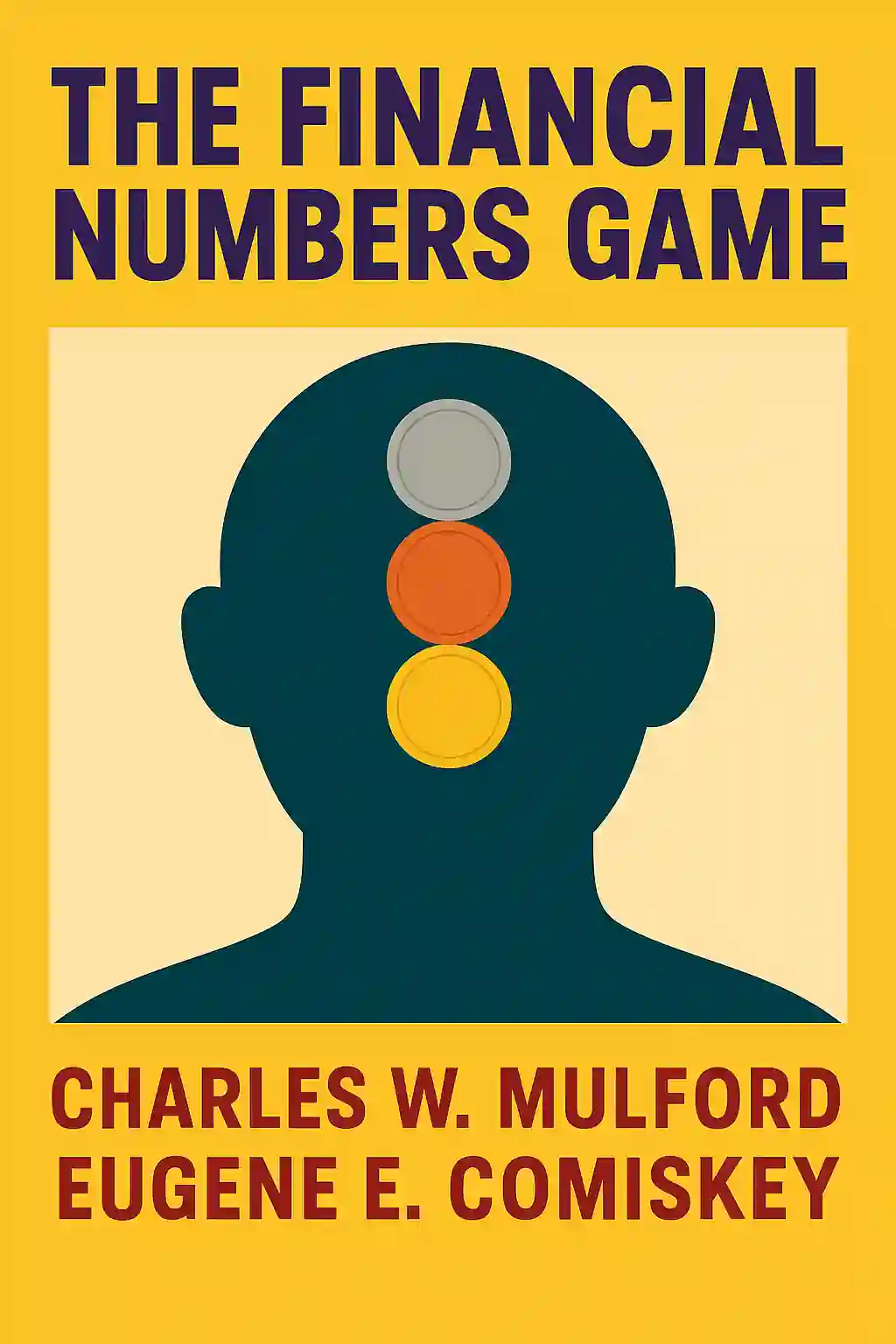
    The financial numbers game

    Domande frequenti

    Scopri di più

    AI Profit, Use Cases & Success Psychology

    AI Profit, Use Cases & Success Psychology

    PIANO DI APPRENDIMENTO

    AI Profit, Use Cases & Success Psychology

    This plan bridges the gap between technical AI implementation and the mental resilience required to lead in a digital economy. It is designed for entrepreneurs and leaders who want to turn automation into a sustainable profit engine.

    3 h 29 m•4 Sezioni
    Boost Productivity with AI

    Boost Productivity with AI

    PIANO DI APPRENDIMENTO

    Boost Productivity with AI

    In an era of rapid automation, mastering AI is essential for staying competitive and efficient. This plan is designed for professionals and business leaders who want to move beyond basic tools to build autonomous agents and scalable digital workflows.

    3 h 45 m•4 Sezioni
    Learn AI tools for marketing & account mgmt

    Learn AI tools for marketing & account mgmt

    PIANO DI APPRENDIMENTO

    Learn AI tools for marketing & account mgmt

    As AI reshapes the digital landscape, marketing and account managers must evolve from manual execution to strategic automation. This plan is designed for professionals looking to master AI-driven growth systems and CRM optimization to scale business operations effectively.

    3 h 25 m•4 Sezioni
    How to Use AI in Your Work in 2025: Practical, Not Hype
    BLOG

    How to Use AI in Your Work in 2025: Practical, Not Hype

    Discover practical, proven ways to use AI in your daily work in 2025—from learning faster and automating tasks to building smarter products and collaborating more effectively.

    BeFreed Team

    Artificial intelligence

    Artificial intelligence

    PIANO DI APPRENDIMENTO

    Artificial intelligence

    As AI reshapes the global economy, understanding its mechanics is no longer optional for tech professionals and decision-makers. This plan bridges the gap between theoretical concepts and hands-on programming, making it ideal for those looking to pivot into data science or lead AI-driven initiatives.

    3 h 17 m•5 Sezioni
    Learn Ai

    Learn Ai

    PIANO DI APPRENDIMENTO

    Learn Ai

    AI is reshaping every industry and aspect of modern life, yet most people lack a clear understanding of how it works and its implications. This learning plan bridges that gap, offering technical depth alongside practical application and ethical context—perfect for professionals, entrepreneurs, students, and anyone seeking to navigate our AI-driven future with confidence and informed perspective.

    2 h 43 m•4 Sezioni
    Use AI to enhance daily life

    Use AI to enhance daily life

    PIANO DI APPRENDIMENTO

    Use AI to enhance daily life

    As AI rapidly shifts from experimental technology to everyday tool, the gap between those who can harness it effectively and those who can't is widening. This learning plan is essential for professionals, entrepreneurs, students, and curious individuals who want to stay relevant and amplify their capabilities rather than being left behind. Whether you're overwhelmed by AI hype or already dabbling with ChatGPT, this structured approach will transform you from a casual user into someone who strategically leverages AI to multiply their impact.

    2 h 6 m•5 Sezioni
    AI: weigh benefits & risks

    AI: weigh benefits & risks

    PIANO DI APPRENDIMENTO

    AI: weigh benefits & risks

    As AI rapidly transforms every sector from healthcare to education, understanding its true potential and risks has become essential for informed citizenship and professional relevance. This learning plan equips anyone—whether business leaders, policymakers, students, or concerned citizens—with the critical thinking framework needed to navigate our AI-integrated future responsibly and effectively.

    2 h 37 m•4 Sezioni

    Creato da alumni della Columbia University a San Francisco

    BeFreed Riunisce Una Community Globale Di 1,000,000 Menti Curiose
    Scopri di piu su come si parla di BeFreed nel web

    "Instead of endless scrolling, I just hit play on BeFreed. It saves me so much time."

    @Moemenn
    platform
    star
    star
    star
    star
    star

    "I never knew where to start with nonfiction—BeFreed’s book lists turned into podcasts gave me a clear path."

    @Chloe, Solo founder, LA
    platform
    comments
    12
    likes
    117

    "Perfect balance between learning and entertainment. Finished ‘Thinking, Fast and Slow’ on my commute this week."

    @Raaaaaachelw
    platform
    star
    star
    star
    star
    star

    "Crazy how much I learned while walking the dog. BeFreed = small habits → big gains."

    @Matt, YC alum
    platform
    comments
    12
    likes
    108

    "Reading used to feel like a chore. Now it’s just part of my lifestyle."

    @Erin, Investment Banking Associate , NYC
    platform
    comments
    254
    likes
    17

    "Feels effortless compared to reading. I’ve finished 6 books this month already."

    @djmikemoore
    platform
    star
    star
    star
    star
    star

    "BeFreed turned my guilty doomscrolling into something that feels productive and inspiring."

    @Pitiful
    platform
    comments
    96
    likes
    4.5K

    "BeFreed turned my commute into learning time. 20-min podcasts are perfect for finishing books I never had time for."

    @SofiaP
    platform
    star
    star
    star
    star
    star

    "BeFreed replaced my podcast queue. Imagine Spotify for books — that’s it. 🙌"

    @Jaded_Falcon
    platform
    comments
    201
    thumbsUp
    16

    "It is great for me to learn something from the book without reading it."

    @OojasSalunke
    platform
    star
    star
    star
    star
    star

    "The themed book list podcasts help me connect ideas across authors—like a guided audio journey."

    @Leo, Law Student, UPenn
    platform
    comments
    37
    likes
    483

    "Makes me feel smarter every time before going to work"

    @Cashflowbubu
    platform
    star
    star
    star
    star
    star

    Creato da alumni della Columbia University a San Francisco

    BeFreed Riunisce Una Community Globale Di 1,000,000 Menti Curiose
    Scopri di piu su come si parla di BeFreed nel web

    "Instead of endless scrolling, I just hit play on BeFreed. It saves me so much time."

    @Moemenn
    platform
    star
    star
    star
    star
    star

    "I never knew where to start with nonfiction—BeFreed’s book lists turned into podcasts gave me a clear path."

    @Chloe, Solo founder, LA
    platform
    comments
    12
    likes
    117

    "Perfect balance between learning and entertainment. Finished ‘Thinking, Fast and Slow’ on my commute this week."

    @Raaaaaachelw
    platform
    star
    star
    star
    star
    star

    "Crazy how much I learned while walking the dog. BeFreed = small habits → big gains."

    @Matt, YC alum
    platform
    comments
    12
    likes
    108

    "Reading used to feel like a chore. Now it’s just part of my lifestyle."

    @Erin, Investment Banking Associate , NYC
    platform
    comments
    254
    likes
    17

    "Feels effortless compared to reading. I’ve finished 6 books this month already."

    @djmikemoore
    platform
    star
    star
    star
    star
    star

    "BeFreed turned my guilty doomscrolling into something that feels productive and inspiring."

    @Pitiful
    platform
    comments
    96
    likes
    4.5K

    "BeFreed turned my commute into learning time. 20-min podcasts are perfect for finishing books I never had time for."

    @SofiaP
    platform
    star
    star
    star
    star
    star

    "BeFreed replaced my podcast queue. Imagine Spotify for books — that’s it. 🙌"

    @Jaded_Falcon
    platform
    comments
    201
    thumbsUp
    16

    "It is great for me to learn something from the book without reading it."

    @OojasSalunke
    platform
    star
    star
    star
    star
    star

    "The themed book list podcasts help me connect ideas across authors—like a guided audio journey."

    @Leo, Law Student, UPenn
    platform
    comments
    37
    likes
    483

    "Makes me feel smarter every time before going to work"

    @Cashflowbubu
    platform
    star
    star
    star
    star
    star

    "Instead of endless scrolling, I just hit play on BeFreed. It saves me so much time."

    @Moemenn
    platform
    star
    star
    star
    star
    star

    "I never knew where to start with nonfiction—BeFreed’s book lists turned into podcasts gave me a clear path."

    @Chloe, Solo founder, LA
    platform
    comments
    12
    likes
    117

    "Perfect balance between learning and entertainment. Finished ‘Thinking, Fast and Slow’ on my commute this week."

    @Raaaaaachelw
    platform
    star
    star
    star
    star
    star

    "Crazy how much I learned while walking the dog. BeFreed = small habits → big gains."

    @Matt, YC alum
    platform
    comments
    12
    likes
    108

    "Reading used to feel like a chore. Now it’s just part of my lifestyle."

    @Erin, Investment Banking Associate , NYC
    platform
    comments
    254
    likes
    17

    "Feels effortless compared to reading. I’ve finished 6 books this month already."

    @djmikemoore
    platform
    star
    star
    star
    star
    star

    "BeFreed turned my guilty doomscrolling into something that feels productive and inspiring."

    @Pitiful
    platform
    comments
    96
    likes
    4.5K

    "BeFreed turned my commute into learning time. 20-min podcasts are perfect for finishing books I never had time for."

    @SofiaP
    platform
    star
    star
    star
    star
    star

    "BeFreed replaced my podcast queue. Imagine Spotify for books — that’s it. 🙌"

    @Jaded_Falcon
    platform
    comments
    201
    thumbsUp
    16

    "It is great for me to learn something from the book without reading it."

    @OojasSalunke
    platform
    star
    star
    star
    star
    star

    "The themed book list podcasts help me connect ideas across authors—like a guided audio journey."

    @Leo, Law Student, UPenn
    platform
    comments
    37
    likes
    483

    "Makes me feel smarter every time before going to work"

    @Cashflowbubu
    platform
    star
    star
    star
    star
    star

    "Instead of endless scrolling, I just hit play on BeFreed. It saves me so much time."

    @Moemenn
    platform
    star
    star
    star
    star
    star

    "I never knew where to start with nonfiction—BeFreed’s book lists turned into podcasts gave me a clear path."

    @Chloe, Solo founder, LA
    platform
    comments
    12
    likes
    117

    "Perfect balance between learning and entertainment. Finished ‘Thinking, Fast and Slow’ on my commute this week."

    @Raaaaaachelw
    platform
    star
    star
    star
    star
    star

    "Crazy how much I learned while walking the dog. BeFreed = small habits → big gains."

    @Matt, YC alum
    platform
    comments
    12
    likes
    108

    "Reading used to feel like a chore. Now it’s just part of my lifestyle."

    @Erin, Investment Banking Associate , NYC
    platform
    comments
    254
    likes
    17

    "Feels effortless compared to reading. I’ve finished 6 books this month already."

    @djmikemoore
    platform
    star
    star
    star
    star
    star

    "BeFreed turned my guilty doomscrolling into something that feels productive and inspiring."

    @Pitiful
    platform
    comments
    96
    likes
    4.5K

    "BeFreed turned my commute into learning time. 20-min podcasts are perfect for finishing books I never had time for."

    @SofiaP
    platform
    star
    star
    star
    star
    star

    "BeFreed replaced my podcast queue. Imagine Spotify for books — that’s it. 🙌"

    @Jaded_Falcon
    platform
    comments
    201
    thumbsUp
    16

    "It is great for me to learn something from the book without reading it."

    @OojasSalunke
    platform
    star
    star
    star
    star
    star

    "The themed book list podcasts help me connect ideas across authors—like a guided audio journey."

    @Leo, Law Student, UPenn
    platform
    comments
    37
    likes
    483

    "Makes me feel smarter every time before going to work"
    @Cashflowbubu
    platform
    star
    star
    star
    star
    star
    1.5K Ratings4.7
    Inizia il tuo percorso di apprendimento, ora
    BeFreed App
    BeFreed

    Impara qualsiasi cosa, personalizzato

    DiscordLinkedIn
    Riassunti di libri in evidenza
    Crucial ConversationsThe Perfect MarriageInto the WildNever Split the DifferenceAttachedGood to GreatSay Nothing
    Categorie di tendenza
    Self HelpCommunication SkillRelationshipMindfulnessPhilosophyInspirationProductivity
    Liste di lettura delle celebrita
    Elon MuskCharlie KirkBill GatesSteve JobsAndrew HubermanJoe RoganJordan Peterson
    Collezione premiata
    Pulitzer PrizeNational Book AwardGoodreads Choice AwardsNobel Prize in LiteratureNew York TimesCaldecott MedalNebula Award
    Argomenti in evidenza
    ManagementAmerican HistoryWarTradingStoicismAnxietySex
    Migliori libri per anno
    2025 Best Non Fiction Books2024 Best Non Fiction Books2023 Best Non Fiction Books
    Autori in evidenza
    Chimamanda Ngozi AdichieGeorge OrwellO. J. SimpsonBarbara O'NeillWinston ChurchillCharlie Kirk
    BeFreed vs altre app
    BeFreed vs. Other Book Summary AppsBeFreed vs. ElevenReaderBeFreed vs. ReadwiseBeFreed vs. Anki
    Strumenti di apprendimento
    Knowledge VisualizerAI Podcast Generator
    Informazioni
    Chi siamoarrow
    Prezziarrow
    FAQarrow
    Blogarrow
    Carrierearrow
    Partnershiparrow
    Programma Ambassadorarrow
    Directoryarrow
    BeFreed
    Try now
    © 2026 BeFreed
    Termini di utilizzoInformativa sulla privacy
    BeFreed

    Impara qualsiasi cosa, personalizzato

    DiscordLinkedIn
    Riassunti di libri in evidenza
    Crucial ConversationsThe Perfect MarriageInto the WildNever Split the DifferenceAttachedGood to GreatSay Nothing
    Categorie di tendenza
    Self HelpCommunication SkillRelationshipMindfulnessPhilosophyInspirationProductivity
    Liste di lettura delle celebrita
    Elon MuskCharlie KirkBill GatesSteve JobsAndrew HubermanJoe RoganJordan Peterson
    Collezione premiata
    Pulitzer PrizeNational Book AwardGoodreads Choice AwardsNobel Prize in LiteratureNew York TimesCaldecott MedalNebula Award
    Argomenti in evidenza
    ManagementAmerican HistoryWarTradingStoicismAnxietySex
    Migliori libri per anno
    2025 Best Non Fiction Books2024 Best Non Fiction Books2023 Best Non Fiction Books
    Strumenti di apprendimento
    Knowledge VisualizerAI Podcast Generator
    Autori in evidenza
    Chimamanda Ngozi AdichieGeorge OrwellO. J. SimpsonBarbara O'NeillWinston ChurchillCharlie Kirk
    BeFreed vs altre app
    BeFreed vs. Other Book Summary AppsBeFreed vs. ElevenReaderBeFreed vs. ReadwiseBeFreed vs. Anki
    Informazioni
    Chi siamoarrow
    Prezziarrow
    FAQarrow
    Blogarrow
    Carrierearrow
    Partnershiparrow
    Programma Ambassadorarrow
    Directoryarrow
    BeFreed
    Try now
    © 2026 BeFreed
    Termini di utilizzoInformativa sulla privacy

    Punti chiave

    1

    Beyond the Hype: AI’s Real Impact

    0:00

    Jackson: Hey Nia, I was just thinking about that classic image of an accountant—you know, the one buried under a mountain of paper receipts at midnight, just dreading the quarterly close. It’s almost a cliché, right?

    0:12

    Nia: Oh, it’s a total cliché, but for a lot of people, it’s still the reality! What’s wild, though, is that even with all the AI hype we’ve seen over the last three years, only 7% of CFOs are actually seeing a strong impact from their AI investments.

    0:27

    Jackson: Only 7%? That’s a huge gap considering how much we hear about it. It makes you wonder if people are just using it as a fancy search engine instead of a real tool.

    0:36

    Nia: Exactly. But the firms that *are* getting it right are seeing manual errors drop by up to 90%. We’re moving into this era of "Agentic AI," where the software doesn't just wait for you to click a button—it actually initiates the work.

    0:50

    Jackson: So it’s less like a calculator and more like a digital teammate. Let’s explore how these tools are actually being used for predictive analytics and audit prep to change the game.

    2

    Building the Foundation: From Static Rules to Agentic Action

    1:01

    Nia: You hit the nail on the head with that "digital teammate" analogy, Jackson. But to really understand why this is a massive shift, we have to look at the difference between traditional automation and this new agentic model. Most of us are used to Robotic Process Automation—RPA. Think of RPA like a train on a track. It follows a very specific set of rules. If a tree falls on the track—or in accounting terms, if an invoice format changes slightly—the train just stops.

    1:27

    Jackson: Right, it’s rigid. If the software expects a date in cell A1 and it moves to B2, the whole thing crashes. I imagine that leads to a lot of "bot debt" where you spend more time fixing the automation than you would have spent doing the work manually.

    1:42

    Nia: Exactly! And that’s why some people are skeptical. But Agentic AI is more like a self-driving car. It has a destination—like "complete the monthly close"—but it can navigate around obstacles. It uses Large Language Models and machine learning to understand context. So, if it sees a document it hasn't encountered before, it doesn't just error out. It reads it, interprets the fields, and says, "Hey, this looks like a utility bill from a new vendor. Based on our policy, it should be coded to this account. Does that look right?"

    2:12

    Jackson: That’s a huge distinction. It’s moving from "Do exactly what I say" to "Help me achieve this outcome." I was reading a piece by Gurpreet Chaggar where she points out that finance teams are under this crushing pressure to do more with less. Data volumes are exploding, reporting timelines are tightening, and there’s a massive talent shortage. You can't just hire more people to throw at the problem anymore.

    2:35

    Nia: You really can't. And that’s where the "Agentic AI" toolkit starts to look like a superpower. It’s not just about speed—it’s about persistence. These agents have access to live financial data 24/7. Imagine being in a board meeting and the CEO asks for a specific real-time breakdown of software spend across three different departments. Usually, that’s a "let me get back to you in two days" request while someone manually pulls data from the ERP and CRM.

    3:00

    Jackson: But with an agentic system, you’re just asking a conversational agent. You literally type in the question and it pulls the answer in seconds because it’s already mapped those disconnected systems—the ERP, the HRIS, the CRM. It’s like having a senior analyst who never sleeps and knows every single transaction by heart.

    3:20

    Nia: And it’s not just about answering questions. It’s about proactive discovery. One of the most powerful things these systems do is surface patterns and flag anomalies before they even hit your desk. Think about Input Tax Credit claims—ITC. If a business usually claims two lakh in ITC a month and suddenly it jumps to eight lakh, a traditional system might just record it. But a predictive analytics tool flags it immediately. It’s like a crystal ball for tax filings.

    3:45

    Jackson: It’s moving from reactive to proactive. Instead of finding out you have a major discrepancy during an audit six months later, you’re catching it before you even file. It’s a total shift in how we think about risk. We aren't just looking in the rearview mirror anymore; we’re looking through a high-def windshield.

    3

    The Prediction Machine: Turning History into Foresight

    4:02

    Jackson: So, if we’re moving away from just recording the past, how does AI actually help us predict the future? I mean, forecasting has always been a bit of a "finger in the wind" exercise for a lot of firms—lots of spreadsheets, lots of assumptions.

    4:18

    Nia: It’s so true. Traditional forecasting is usually based on a few backward-looking trends and some manual guesses. But AI-powered Financial Planning and Analysis—FP&A—is a different beast. These platforms, like Datarails or Cube, don't just look at last year’s revenue. They analyze hundreds of variables simultaneously—market indicators, seasonality, pipeline data from your CRM, even external economic factors.

    4:44

    Jackson: And the accuracy is significantly higher, right? I saw one study mentioning that these AI models are often 20 to 40% more accurate than traditional spreadsheet methods. That’s the difference between a budget that’s a "best guess" and one that’s a strategic roadmap.

    5:00

    Nia: It really is. And it allows for "rolling forecasts." Instead of that grueling annual budget process where you set numbers in stone for twelve months—and then they're obsolete by February—you have a model that updates continuously. If a major supplier raises prices or a customer delays a project, the AI immediately recalculates the impact on your cash flow for the rest of the year.

    5:20

    Jackson: It reminds me of what we’re seeing in tax compliance, too. There’s this concept of "Predictive Risk Scoring." Machine learning models can estimate the probability that a specific department or supplier will produce a control failure. It’s fascinating because it allows for dynamic audit planning. You aren't just auditing everyone once a year; you’re focusing your human expertise on the areas that the AI says are "high risk" right now.

    0:36

    Nia: Exactly. It’s about "augmented intelligence." We have to stop thinking that the AI is going to sign the audit opinion. It’s not. Human judgment is actually *more* important now because the AI is giving you so much more to work with. Think about "anomaly detection" in a general ledger. A human can maybe sample 1 to 5% of transactions. An AI scans 100%. It’s going to find things—weird round-figure entries, sudden spikes in refunds, or unusual vendor relationships—that a human would almost certainly miss in a sample.

    6:19

    Jackson: I love that point about 100% population coverage. It’s a recurring theme in the ISACA materials I was looking at. They call it the "Causal Inference Problem." The AI is incredible at detecting the *signal*—it says, "Hey, this transaction is weird." But the human auditor is the one who investigates the *root cause*. Did a control fail? Was there a legitimate business reason? Was it fraud? The AI finds the needle, but the human explains why the needle was there in the first place.

    6:48

    Nia: That’s a perfect way to put it. And it’s not just for the big firms. Even small practices are using this for things like GST compliance in India. They’re using models like Random Forest for risk categorization and K-Means clustering to group similar filing patterns. It sounds technical, but for the accountant on the ground, it just means they get an alert saying, "This client’s ITC utilization ratio is way off today—check it out."

    7:11

    Jackson: It’s like having a high-powered microscope that also tells you what to look for. And it’s changing the "Close" process entirely. We used to talk about the "month-end close" taking weeks. Now, with AI handling the upstream data entry and reconciliations, firms are cutting that timeline by 50 to 70%. We’re moving toward a "continuous close" where the books are essentially always ready for review.

    4

    The Audit Revolution: From Sampling to Total Visibility

    7:36

    Nia: You know, Jackson, the audit side of this is where the "rubber really meets the road" for a lot of professionals. For decades, the entire profession has been built on the constraint of sampling. You look at a tiny slice of the data and hope you didn't miss the disaster hiding in the other 95%.

    7:54

    Jackson: It’s always been a bit of a gamble, hasn't it? An "intelligent selection" rather than a comprehensive review. But if you can suddenly analyze 100% of the transactions, the entire definition of "due professional care" changes.

    8:07

    Nia: It really does. I was looking at how firms like PwC and EY are using this. They have these "GL Outlier" tools that use unsupervised machine learning to score every single journal entry for risk. They look at dozens of dimensions—who posted it, what time of day, what account combinations were used. If someone who usually works in marketing suddenly posts a large manual journal entry to a suspense account at 2:00 AM on a Sunday, the AI is going to have some questions.

    8:36

    Jackson: That sounds like a nightmare for anyone trying to hide something! But it also sounds like a lot of work for the auditor if the AI flags *too* many things. That’s the "False Positive" problem, right?

    8:46

    Nia: That is a huge hurdle. If the AI flags 5,000 "anomalies" and only five of them are real issues, the auditor is going to burn out just investigating the noise. This is where "Precision" and "Recall" come in. In an audit context, you want high "Recall"—you want to catch the fraud—but you need enough "Precision" so you aren't chasing ghosts all day.

    9:09

    Jackson: And that’s why "Explainable AI" is so critical. Tools like SHAP or LIME. I think it’s fascinating that we’re at a point where the auditor can ask the AI, "Why did you flag this?" and the AI can actually respond with, "This transaction was flagged because the vendor was registered only three days before the payment, and the amount is 400% higher than the departmental average."

    9:30

    Nia: That "Why" is the bridge to human judgment. It allows the auditor to document their findings with actual evidence, not just "the computer said so." And it’s not just about finding fraud. It’s about "Continuous Control Monitoring." Instead of a point-in-time audit every twelve months, the AI is monitoring the systems 24/7. If a control is bypassed—like someone approving their own expense report—the alert happens in real-time.

    9:56

    Jackson: It transforms the auditor’s role from a "retrospective historian" to a "real-time assurance provider." But I have to ask—doesn't this create new risks? If the AI has access to every single financial record to "learn," doesn't that make it a massive target for cyberattacks?

    10:12

    Nia: You’ve hit on the biggest concern for ISACA members right now. They call it the "expanded attack surface." If an attacker can get into the training environment, they could perform "Model Poisoning"—basically teaching the AI to *ignore* certain types of transactions. Imagine a fraudster teaching the AI that any transaction involving their specific vendor account is "normal." It would be a silent, invisible blind spot.

    10:38

    Jackson: That’s terrifying. It means we have to audit the AI just as much as we use the AI to audit the business. We’re talking about "Zero Trust" architecture for audit tools, where no AI has standing access to data. It has to be ephemeral, logged, and revocable.

    0:36

    Nia: Exactly. And then there’s "Automation Bias"—the tendency for us humans to just trust the machine because it looks so confident. If a dashboard says there's a 99.2% probability of compliance, a lot of people will just stop looking. We have to maintain that "professional skepticism." One practical trick I heard is to require auditors to document at least one reason why the AI might be *wrong* before they accept a finding. It forces the brain to stay engaged.

    5

    Modernizing the Stack: The Practical Path to Implementation

    11:22

    Jackson: Okay, so we’ve painted this picture of high-tech audits and predictive crystal balls. But for the average accounting team sitting there with a mix of legacy ERP systems, a few cloud tools, and way too many spreadsheets—how do they actually start? It feels like a massive leap.

    11:41

    Nia: It really starts with a "Maturity Model." You don't go from manual spreadsheets to Agentic AI overnight. Most firms start at Stage One: basic task automation. Things like OCR—Optical Character Recognition—for receipt scanning. You’re just getting the data into the system without typing it.

    11:58

    Jackson: Right, that’s the "low-hanging fruit." And then Stage Two is where you start to see AI-assisted analysis?

    0:36

    Nia: Exactly. That’s where you’re using tools like Booke AI or Dext to automatically categorize transactions. The AI makes a suggestion, and the human confirms it. The system "learns" from those corrections. If you tell it once that "Starbucks" is "Travel & Entertainment," it remembers. But the real shift is Stage Three—moving toward those agentic workflows we talked about.

    12:27

    Jackson: I saw a great 90-day roadmap for this. It’s all about starting narrow. You don't try to automate the whole finance function at once. You pick one high-volume, rules-based process—maybe Cash Application or the Three-Way Match in Accounts Payable.

    12:43

    Nia: That’s the "Quick Win" strategy. For the first 30 days, you just baseline your KPIs. How long does it take to reconcile a bank statement manually? What’s your error rate? Then you deploy a "Document AI" or an RPA bot to handle the routine stuff, but you keep a "human-in-the-loop" for every single decision. You’re basically coaching the AI like it’s a new intern.

    13:03

    Jackson: I like that. "Coach, Refine, then Grant Autonomy." By day 60, you’re adding "exception playbooks." The AI starts to handle the common issues, and only sends the truly weird stuff to the controller. And by day 90, you’re looking at adjacent processes—maybe integrating your AP automation with your cash flow forecasting.

    13:23

    Nia: And that’s where the "ROI" really starts to compound. It’s not just about "hours saved"—though that’s huge. It’s about "First-Pass Yield." How many invoices go from receipt to payment without a human ever having to touch them? If you can get that to 80 or 90%, you’ve just expanded your team’s capacity without hiring a single person.

    13:42

    Jackson: But we have to talk about the "Data Foundation" problem. I think it was the Acalytica guide that said, "Good systems become powerful; poor systems become dangerous." If your data is "dirty"—inconsistently coded, missing fields, fragmented across different systems—the AI is just going to automate the chaos.

    14:01

    Nia: "Garbage in, garbage out" has never been more true. Before you spend a dime on fancy AI tools, you have to have "Data Maturity." You need a centralized data lake or at least consistent identifiers across your CRM and your ERP. If your customer is "ABC Corp" in one system and "ABC Ltd" in another, the AI is going to struggle to connect those dots.

    14:24

    Jackson: So the real "Next Action" for a lot of listeners might not be "buy an AI tool," but "clean up your master vendor list." It’s not glamorous, but it’s the prerequisite for everything else. And you have to think about "Governance" from day one. Who owns the model? Who is responsible if the AI makes a bad suggestion that leads to a tax penalty?

    14:45

    Nia: That’s where the CFO and the Board come in. They need an "AI TRiSM" framework—Trust, Risk, and Security Management. You need a "Model Risk Register" where you catalogue every AI tool, what data it’s using, its known limitations, and who is accountable for it. It’s about treating the AI as a managed asset, not just a software subscription.

    6

    The Workforce Reality: New Skills for the "Digital Senior"

    15:05

    Jackson: We’ve talked a lot about the technology, but what about the people? I mean, if a single bookkeeper using AI can now manage the workload of three people—which is a stat I saw in the 2026 transformation guide—what does that mean for the actual jobs? Are we looking at a future with fewer accountants?

    15:23

    Nia: It’s interesting—the data actually shows the opposite. Firms that adopt AI are often hiring *more* people, but the *job description* is changing completely. We’re seeing the rise of the "Digital Senior." This is someone who has the traditional accounting expertise—they know the standards, they understand the "why"—but they also have "Process Awareness" and "Technology Fluency."

    15:44

    Jackson: So instead of spending eight hours a day entering data, they’re spending eight hours a day *overseeing* the AI that’s entering the data. They’re handling the exceptions, investigating the anomalies, and communicating the insights to the client.

    0:36

    Nia: Exactly. It’s a "Role Elevation." The routine, repetitive stuff—the "robot work"—is being taken over by the actual robots. That frees up the humans to do the "human work": judgment, strategy, and relationship building. Think about a junior auditor. Instead of doing "vouching" and "tracing" for weeks on end, they’re now using "Process Mining" tools like Celonis to visualize the entire workflow and find bottlenecks.

    16:21

    Jackson: It sounds like the entry-level experience is going to be a lot more interesting. But it also means the bar is higher. You can't just be "good with numbers" anymore. You have to understand how ML models work. You have to know how to "prompt" an LLM to get a review-ready research memo. You have to understand things like "Data Drift"—why a model that worked perfectly last year might be failing today because the business environment changed.

    16:48

    Nia: And that’s a huge point for career development. The accountants who thrive in 2026 and beyond are going to be the ones who treat AI as a "force multiplier." They aren't fighting the machine; they’re steering it. I love how Whitley Penn does this—they have a "Super Champion" team that helps integrate new tools into daily work. It’s about making it a part of the culture, not just a mandate from IT.

    17:10

    Jackson: It reminds me of the "Three Lines Model" in governance. The first line is the business unit using the tool. The second line is the risk function validating the model. And the third line is the internal audit team independently assessing the whole framework. Everyone has a role in the "AI-enabled" firm.

    17:27

    Nia: It really changes the "Advisory" side of the business, too. If the AI has already generated the ratio analysis, the variance explanations, and the three-year forecast before you even walk into the client meeting, your value as a CPA is no longer in *providing* the data. It’s in *interpreting* it. You’re helping the client make trade-offs. You’re guiding their strategy.

    17:47

    Jackson: It’s moving from "Compliance" to "Consulting." And for the client, that’s so much more valuable. They don't want a report that’s three weeks old; they want a conversation about what to do *tomorrow*. It feels like AI is finally giving accountants the time to be the strategic partners they’ve always wanted to be.

    18:05

    Nia: And for the nonprofits and government agencies out there, it’s a lifesaver. They’re often dealing with limited staffing and massive reporting requirements for grants. AI is helping them automate that "administrative burden" so they can focus on their actual mission. It’s a win across every sector of the profession.

    7

    A Practical Playbook: Your 3-Step Preparation

    18:21

    Jackson: We’ve covered a lot of ground today—from agentic bots to causal inference in audits. So, to everyone listening who is ready to stop being the person buried under the "midnight receipt mountain," let’s break this down into a practical playbook. What are the three things they should do when they get back to their desks?

    18:40

    Nia: Step one: Identify your biggest bottleneck. Don't look for the "coolest" AI tool; look for the most painful manual process. Is it invoice processing? Is it bank reconciliations? Is it research for complex tax rulings? Pick one thing that is high-volume and rules-based. That’s your pilot.

    18:59

    Jackson: Right, start with a "Quick Win" to build momentum. And step two?

    19:04

    Nia: Step two: Audit your data foundation. Before you plug in an AI agent, look at your master data. Are your vendor lists clean? Are your account codes standardized? If you have three different ways of recording "Office Supplies," fix that now. The AI will only be as smart as the data you give it.

    19:21

    Jackson: That makes total sense. And step three has to be about the "Human in the Loop," right?

    19:25

    Nia: Absolutely. Step three: Establish your governance and oversight. Even if it’s just a small firm, you need to decide who is responsible for reviewing the AI’s output. Create a simple "Model Risk Register." Track the precision and recall of your tool. And most importantly, train your team not to just "trust" the dashboard. Encourage that "Structured Challenge"—ask them to find one reason why the AI might be wrong.

    19:50

    Jackson: I love that "Structured Challenge" idea. It keeps the professional skepticism sharp. It’s also worth mentioning "Prompt Libraries." Don't make everyone reinvent the wheel. If someone finds a great way to prompt an LLM for a "QAIP review" or a "process narrative," share it. Build a internal library of what works.

    0:36

    Nia: Exactly. And don't forget to measure the impact! Track the time saved, the reduction in error rates, and—most importantly—how that saved time is being used. Are people finishing their work earlier? Are they spending more time on high-value advisory work? That’s the data you need to justify the next investment.

    20:25

    Jackson: It’s really about moving from "Evaluation" to "Active Use." The gap between the firms that are "considering" AI and the ones that are "using" it is where the competitive advantage is being built right now. In 2026, waiting is a strategy for falling behind.

    5:00

    Nia: It really is. And for our listeners who are worried about the technical side—you don't need to be a data scientist. A lot of this is being embedded directly into the tools you already use, like QuickBooks, Xero, or SAP. You just have to be willing to engage with it, test it, and steer it.

    20:59

    Jackson: It’s about being "AI-Literate," not necessarily an "AI Expert." Understanding how the models function and—crucially—how they fail. That’s the superpower of the modern accountant.

    8

    Closing Reflection: Steering the Machine

    21:13

    Jackson: As we bring this to a close, Nia, I’m left with this one big thought: we aren't just witnessing a change in tools; we’re witnessing a change in the "Causal Inference" of the whole profession. The machine handles the "What," but the human still owns the "Why."

    21:28

    Nia: That’s so true. The AI can find the outlier, it can predict the cash flow, and it can reconcile the subledger, but it can't understand the "real-world" implications of a business decision. It doesn't know the CEO’s risk appetite or the subtle culture of a specific department. That’s the irreducibly human part of accounting.

    21:47

    Jackson: So to everyone listening, the challenge is this: how can you use these tools to take the "robot" out of your daily work? What’s one task you can delegate to a digital teammate this month so you can spend more time on the strategic judgment that only you can provide?

    22:02

    Nia: It’s an exciting time to be in the profession. We’re moving from being "Scorekeepers" to "Storytellers." The AI gives us the numbers, but we get to tell the client what the numbers actually mean for their future.

    22:13

    Jackson: I couldn't agree more. Thank you so much for exploring this with me today, Nia. It’s been a fascinating deep dive.

    22:20

    Nia: It really has. And thanks to all of you for listening. We hope you leave this conversation feeling a little less like you’re buried under that mountain of paper and a little more like you’re ready to steer the self-driving car of modern accounting.

    22:33

    Jackson: Take a moment to reflect on your own workflow today. Is there one "manual, repetitive" task that’s holding you back from bigger strategic conversations? That might just be the perfect place for your first AI experiment.

    19:25

    Nia: Absolutely. Thanks for joining us. We really appreciate your time and your curiosity. Reflect on what you’ve learned, and maybe try one small step toward that "digital teammate" future this week. Happy auditing!

    Contenuti simili

    podcast cover
    IRREPLACEABLEThe Business Case for AIWhat To Do When Machines Do EverythingHumanity Works
    27 sources
    The Bot-Proof Accountant: Skills for the AI Era
    Discover how to transition from manual bookkeeping to high-value roles in data storytelling and strategic advisory as AI reshapes the financial landscape.
    24 min
    podcast cover
    Misplaced TalentTalent WinsIrreplaceableHumanity Works
    24 sources
    Why AI in HR is More Than Just Automating Tasks
    HR teams are adopting AI fast, but many miss the strategic layer. Learn how to move past basic automation to build an ethical, predictive workforce.
    12 min
    podcast cover
    Automatic MillionaireQuit Like a MillionaireYour Retirement SalaryFinancial Literacy for All
    26 sources
    AI and retirement planning: Why the math isn't enough
    AI offers precision but gets retirement advice wrong 35% of the time. Learn how to use these tools without letting an algorithm wreck your future.
    35 min
    podcast cover
    source 1source 2source 3source 4
    6 sources
    AI Agents: Beyond the Hype
    Nia and Eli cut through the noise to reveal what AI agents actually do-from predicting words to amplifying human abilities. They explore the reality behind ChatGPT's success, expose AI snake oil, and share practical tips for working with these powerful but imperfect tools.
    14 min
    podcast cover
    Best AI Investments: Stocks, ETFs, and Strategies for Smart InvestorsTop AI Investments for 2025: Strategies for Smart Portfolio GrowthAI Investment Opportunities: Industries Affected by AI - Merrill Lynchsource 4
    6 sources
    How to Invest in the New AI Era
    Discover strategic approaches to AI investing beyond the hype. From infrastructure plays to risk management, learn how to position your portfolio for the $4.7 trillion AI transformation while avoiding bubble pitfalls.
    9 min
    podcast cover
    ChatGPT For DummiesKeras Reinforcement Learning ProjectsStrengths Finder 2.0What To Do When Machines Do Everything
    26 sources
    Agentic AI: Your Legal Team's Autonomous Assistant
    Discover how agentic AI can autonomously handle complex legal workflows—from client intake to contract management—allowing your lean legal team to focus on strategic work while AI manages routine operations 24/7.
    32 min
    book cover
    AI Superpowers
    Kai-Fu Lee
    A thought-provoking exploration of AI's future, comparing China and Silicon Valley's approaches and their global impact.
    11 min
    book cover
    On Intelligence
    Jeff Hawkins and Sandra Blakeslee
    A groundbreaking theory on brain function and artificial intelligence by the inventor of the PalmPilot, challenging conventional wisdom.
    9 min