Why We Can't Sleep: Women's New Midlife Crisis

Panoramica di Why We Can't Sleep: Women's New Midlife Crisis
"Why We Can't Sleep" exposes the hidden midlife crisis plaguing Gen X women, where one in four rely on antidepressants. Actress Busy Philipps champions this validating exploration of financial anxiety, emotional exhaustion, and resilience beneath society's crushing expectations. What's keeping you awake tonight?
- Gen X women face a unique midlife crisis fueled by economic instability and vanished social safety nets.
- The myth of “having it all” creates impossible expectations for women raised on 1980s empowerment narratives.
- Ada Calhoun traces Gen X insomnia to caregiving burdens colliding with stagnant wages and shrinking pensions.
- Cultural whiplash between traditional gender roles and modern feminism haunts Gen X women’s life choices.
- The Enjoli “superwoman” archetype symbolizes broken promises of effortless career-family balance for 40-something women.
- Sleep struggles mirror systemic failures in healthcare, workplace policies, and recognition of unpaid labor.
- Economic recessions and tech revolutions destabilized Gen X’s career paths and retirement planning simultaneously.
- “Why We Can’t Sleep” reframes insomnia as societal betrayal rather than personal failing for middle-aged women.
- Gen X’s “invisible” crisis stems from delayed adulthood milestones and evaporated postwar-era stability.
- The book exposes how “you can be anything” messaging backfired into chronic anxiety and exhaustion.
- Caregiving for aging parents and children creates a financial and emotional perfect storm for Gen X.
- Ada Calhoun reveals how cultural amnesia about women’s midlife needs compounds sleep deprivation epidemics.
Sull'autore di Why We Can't Sleep: Women's New Midlife Crisis
Ada Calhoun is the New York Times-bestselling author of Why We Can’t Sleep: Women’s New Midlife Crisis, a groundbreaking exploration of Generation X women’s struggles with financial anxiety, caregiving pressures, and societal expectations.
A seasoned journalist and cultural critic, Calhoun draws on decades of reporting for outlets like The New York Times, O magazine, and Time, as well as her own lived experience as a Gen X woman, to illuminate this underdocumented demographic shift.
Her other acclaimed works include St. Marks Is Dead (a history of Manhattan’s iconic East Village street), Wedding Toasts I’ll Never Give (a Modern Love-inspired essay collection on marriage), and the memoir Also a Poet. A sought-after commentator featured on NPR and TEDx stages, Calhoun also co-authored Britney Spears’ memoir The Woman in Me.
Why We Can’t Sleep became an instant cultural touchstone upon its 2020 release, earning recognition as an Amazon Editors’ Best Nonfiction Book and Indie Next Pick while sparking global conversations about women’s invisible labor.
FAQ su Why We Can't Sleep: Women's New Midlife Crisis
What is Why We Can't Sleep about?
Why We Can't Sleep by Ada Calhoun examines the midlife crises faced by Generation X women, highlighting challenges like financial instability, caregiving responsibilities, and societal pressures. Combining personal anecdotes, interviews, and research, Calhoun explores why women in their 40s and 50s experience burnout, offering validation and insight into this often-overlooked demographic.
Who should read Why We Can't Sleep?
This book is ideal for Generation X women navigating midlife challenges, particularly those feeling overwhelmed by career, family, or financial pressures. It also appeals to readers interested in generational studies or gender-specific societal issues. Critics note its insights may resonate less with those outside white, upper-middle-class experiences.
Is Why We Can't Sleep worth reading?
Yes, for its relatable exploration of Gen X women’s struggles, though some find its scope limited. The book validates shared experiences of burnout and societal neglect, making it comforting for many. Critiques highlight its lack of diverse perspectives and actionable solutions, which may reduce relevance for broader audiences.
What are the main themes in Why We Can't Sleep?
Key themes include financial insecurity, the “sandwich generation” dilemma (caring for children and aging parents), stagnant careers, and societal expectations. Calhoun also addresses the psychological impact of economic downturns and cultural shifts that leave Gen X women feeling undervalued.
How does Ada Calhoun address Generation X women's challenges?
Calhoun combines data, personal stories, and interviews to frame struggles as systemic rather than individual failures. She highlights Gen X’s unique position between Boomers and Millennials, emphasizing factors like student debt, precarious jobs, and evolving gender roles that exacerbate midlife stress.
What criticisms has Why We Can't Sleep received?
Critics argue the book overly focuses on white, heterosexual, upper-middle-class women, lacking intersectional analysis. Some readers find it overly pessimistic or lacking concrete advice. Many praise its empathetic tone and relatable anecdotes resonating with its target demographic.
How does the book explore financial stress for middle-aged women?
It details how Gen X women face unprecedented financial hurdles, including student loans, stagnant wages, and the 2008 recession’s aftermath. Systemic economic instability, coupled with caregiving duties, leaves many feeling financially trapped and undervalued in careers.
What role does societal pressure play in the book?
Calhoun examines how societal expectations—such as “having it all” and idealized motherhood—create unrealistic standards. These pressures, combined with diminishing social safety nets, contribute to widespread anxiety and disillusionment in midlife.
How does Ada Calhoun's background influence the book?
As a Gen X writer and journalist, Calhoun draws from her own midlife experiences and career challenges. Her background in cultural criticism and ghostwriting informs the book’s blend of personal narrative and societal analysis.
Are there solutions offered for midlife crises in the book?
While primarily diagnostic, it suggests reframing personal expectations and seeking community support. Calhoun emphasizes systemic changes but acknowledges individual coping strategies, like embracing imperfection and challenging societal norms around productivity.
How does Why We Can't Sleep compare to other midlife books?
Unlike self-help guides, Calhoun’s work focuses on collective experiences over individual fixes. It complements titles like Women Rowing North by emphasizing generational trauma but stands out for its Gen X-specific lens and blend of journalism and memoir.
Why is the book relevant for women in 2025?
With ongoing economic uncertainty and evolving gender dynamics, its exploration of systemic barriers remains timely. It offers a framework for understanding persistent issues like wage gaps and mental health stigma, making it relevant for post-pandemic challenges.
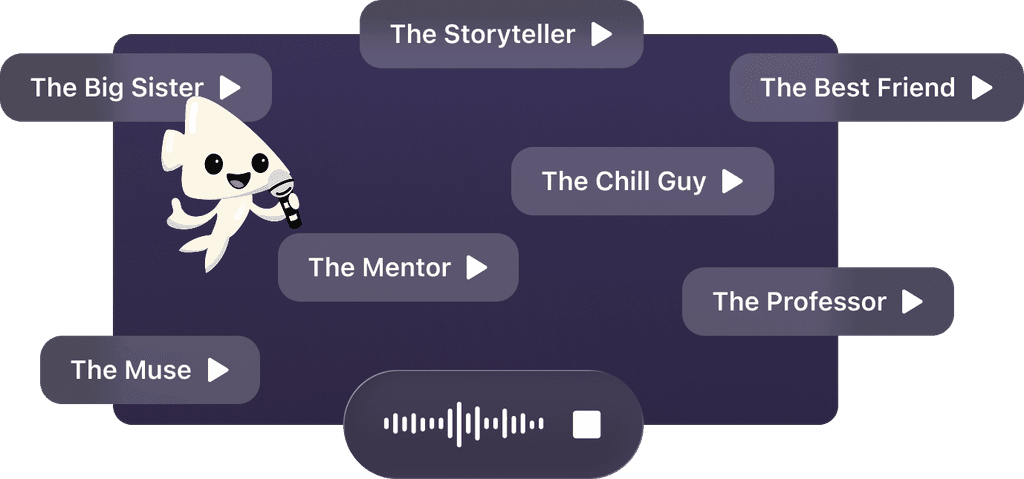
Senti il libro attraverso la voce dell'autore
Trasforma la conoscenza in spunti coinvolgenti e ricchi di esempi
Cattura le idee chiave in un lampo per un apprendimento veloce
Goditi il libro in modo divertente e coinvolgente
Personaggi di Why We Can't Sleep: Women's New Midlife Crisis
- Ada CalhounAuthor and journalist who researched the crisis
- Generation X WomenThe collective subject born between 1965-1980
Temi chiave in Why We Can't Sleep: Women's New Midlife Crisis
- generation x women
- midlife burnout
- sandwich generation stress
- perimenopause challenges
- female economic insecurity
Citazioni da Why We Can't Sleep: Women's New Midlife Crisis
Inside, they're drowning.
They were sold an impossible dream.
We were infected with a particularly virulent strain of the 'having it all' virus.
We drain wine bottles alone, use CBD edibles, cry in school pickup lanes.
We're exhausted from maintaining professional images on LinkedIn.
Esplora il Tuo Modo di Imparare
 Modalità Riassunto Rapido
Leggi o ascolta il riassunto di Why We Can't Sleep: Women's New Midlife Crisis in 10 minuti
Scomponi le idee chiave di Why We Can't Sleep: Women's New Midlife Crisis in punti facili da capire per comprendere come i team innovativi creano, collaborano e crescono.

 Modalità Divertente
Lezioni da Why We Can't Sleep: Women's New Midlife Crisis Raccontate in Storie di 23 Min
Vivi Why We Can't Sleep: Women's New Midlife Crisis attraverso narrazioni vivide che trasformano le lezioni di innovazione in momenti che ricorderai e applicherai.
 Modalità Personalizza
Vivi Why We Can't Sleep: Women's New Midlife Crisis nel tuo stile di apprendimento
Chiedi qualsiasi cosa, scegli il tuo stile di apprendimento e co-crea intuizioni che risuonano davvero con te.
Creato da alumni della Columbia University a San Francisco
"Instead of endless scrolling, I just hit play on BeFreed. It saves me so much time."


"I never knew where to start with nonfiction—BeFreed’s book lists turned into podcasts gave me a clear path."


"Perfect balance between learning and entertainment. Finished ‘Thinking, Fast and Slow’ on my commute this week."
"Crazy how much I learned while walking the dog. BeFreed = small habits → big gains."
"Reading used to feel like a chore. Now it’s just part of my lifestyle."

"Feels effortless compared to reading. I’ve finished 6 books this month already."
"BeFreed turned my guilty doomscrolling into something that feels productive and inspiring."

"BeFreed turned my commute into learning time. 20-min podcasts are perfect for finishing books I never had time for."
"BeFreed replaced my podcast queue. Imagine Spotify for books — that’s it. 🙌"

"It is great for me to learn something from the book without reading it."
"The themed book list podcasts help me connect ideas across authors—like a guided audio journey."
"Makes me feel smarter every time before going to work"
Creato da alumni della Columbia University a San Francisco
"Instead of endless scrolling, I just hit play on BeFreed. It saves me so much time."
"I never knew where to start with nonfiction—BeFreed’s book lists turned into podcasts gave me a clear path."
"Perfect balance between learning and entertainment. Finished ‘Thinking, Fast and Slow’ on my commute this week."
"Crazy how much I learned while walking the dog. BeFreed = small habits → big gains."
"Reading used to feel like a chore. Now it’s just part of my lifestyle."
"Feels effortless compared to reading. I’ve finished 6 books this month already."
"BeFreed turned my guilty doomscrolling into something that feels productive and inspiring."
"BeFreed turned my commute into learning time. 20-min podcasts are perfect for finishing books I never had time for."
"BeFreed replaced my podcast queue. Imagine Spotify for books — that’s it. 🙌"
"It is great for me to learn something from the book without reading it."
"The themed book list podcasts help me connect ideas across authors—like a guided audio journey."
"Makes me feel smarter every time before going to work"
"Instead of endless scrolling, I just hit play on BeFreed. It saves me so much time."
"I never knew where to start with nonfiction—BeFreed’s book lists turned into podcasts gave me a clear path."
"Perfect balance between learning and entertainment. Finished ‘Thinking, Fast and Slow’ on my commute this week."
"Crazy how much I learned while walking the dog. BeFreed = small habits → big gains."
"Reading used to feel like a chore. Now it’s just part of my lifestyle."
"Feels effortless compared to reading. I’ve finished 6 books this month already."
"BeFreed turned my guilty doomscrolling into something that feels productive and inspiring."
"BeFreed turned my commute into learning time. 20-min podcasts are perfect for finishing books I never had time for."
"BeFreed replaced my podcast queue. Imagine Spotify for books — that’s it. 🙌"
"It is great for me to learn something from the book without reading it."
"The themed book list podcasts help me connect ideas across authors—like a guided audio journey."
"Makes me feel smarter every time before going to work"
"Instead of endless scrolling, I just hit play on BeFreed. It saves me so much time."
"I never knew where to start with nonfiction—BeFreed’s book lists turned into podcasts gave me a clear path."
"Perfect balance between learning and entertainment. Finished ‘Thinking, Fast and Slow’ on my commute this week."
"Crazy how much I learned while walking the dog. BeFreed = small habits → big gains."
"Reading used to feel like a chore. Now it’s just part of my lifestyle."
"Feels effortless compared to reading. I’ve finished 6 books this month already."
"BeFreed turned my guilty doomscrolling into something that feels productive and inspiring."
"BeFreed turned my commute into learning time. 20-min podcasts are perfect for finishing books I never had time for."
"BeFreed replaced my podcast queue. Imagine Spotify for books — that’s it. 🙌"
"It is great for me to learn something from the book without reading it."
"The themed book list podcasts help me connect ideas across authors—like a guided audio journey."
"Makes me feel smarter every time before going to work"

Scarica il riassunto di Why We Can't Sleep: Women's New Midlife Crisis
Ottieni il riassunto di Why We Can't Sleep: Women's New Midlife Crisis in formato PDF o EPUB gratuito. Stampalo o leggilo offline quando vuoi.