Explore the connection between ADHD and perimenopause. Learn how estrogen shifts impact dopamine and why many women discover neurodivergence during midlife.
Miglior citazione da ADHD and Perimenopause: The Midlife Renaissance
“
For many women, this is the first time they realize they might actually be neurodivergent because the hormonal shifts are stripping away the scaffolding that held everything together for decades.
”
A
Generated by Agnes Ito
Domanda di input
I am dealing with perimenopausal issues ADHD midlife. I’m trying to get my finances right I’m trying to strengthen my body and have body composition. I’m trying to learn about money at a late age. I like to call this my midlife Renaissance t I want to sharpen my critical thinking skills that I need to figure out what my new style is and clothes and how I carry myself there’s a l
The interaction between perimenopause and ADHD is often described as a perfect storm where hormonal shifts collide with neurodivergence. For many high-achieving women in their early 40s, the scaffolding that previously managed their symptoms begins to slip. This phenomenon occurs because the hormonal changes of midlife strip away the coping mechanisms or masks that women have used for decades to manage executive dysfunction and focus.
Estrogen acts as a vital support system for dopamine regulation in the brain. It promotes dopamine release and increases receptor sensitivity in areas responsible for emotional regulation and focus. During perimenopause, as estrogen levels become erratic and begin to drop, the dopamine supply also decreases. For those with ADHD who already have a lower baseline of dopamine, this drop can significantly intensify symptoms.
Many women receive a midlife ADHD diagnosis because perimenopause acts as a catalyst that reveals underlying neurodivergence. Before this transition, many women successfully mask their symptoms. However, when estrogen levels fluctuate, the brain's dopamine support system weakens, making it difficult to maintain old routines. This often leads to a realization that the 'glitching' brain and lost train of thought are actually signs of ADHD.
The 'slipping mask' refers to the moment when a woman's lifelong coping strategies for neurodivergence begin to fail. Common signs include feeling like the brain is literally glitching, losing car keys frequently, or losing a train of thought mid-sentence. High achievers may find that their traditional to-do lists suddenly feel like static, indicating that the hormonal shifts of perimenopause are impacting their executive function and dopamine levels.
Creato da alumni della Columbia University | a San Francisco
BeFreed Riunisce Una Community Globale Di Menti Curiose
4.7
valutazione media
Oltre 7,84 mila valutazioni dell’app
Community BeFreed
Sul serio, non ho ancora esplorato l'app fino in fondo, ma dopo questi primi giorni sono davvero colpita… BeFreed è su un altro livello rispetto a qualsiasi altra app di apprendimento che abbia usato. Ti coinvolge tantissimo e migliora davvero la concentrazione: perfetta per chi non riesce a smettere di scrollare!
@ladyInfinity
Ho comprato BeFreed esattamente 23 giorni fa e da allora l'ho usata ogni singolo giorno. Si è integrata completamente nel mio flusso di lavoro e nelle mie abitudini di studio.
@jayallen
La verità è che l'app ha superato tutte le mie aspettative. Posso chiederle di generare audio su qualunque argomento, qualsiasi esso sia, e il risultato è impressionante. Il mio campo professionale è una specializzazione in psicoterapia, molto multidisciplinare; eppure le risposte sono molto accurate.
@Raguipa
Quello che apprezzo di più è quanto abbia ridotto il mio scrolling: passo meno tempo a cercare e più tempo ad assorbire informazioni. La combinazione di audiolibri completi, podcast e piani di apprendimento è brillante.
@colonyofcreatorsNGO
Sono istruttore di apprendimento accelerato PhotoReading da 24 anni… libri, lettura e apprendimento sono il mio pane, e BeFreed ha fatto un ottimo lavoro offrendo un approccio innovativo per trasmettere le informazioni in un modo facile da assimilare.
@BeFreed user
Non è solo un'app di riassunti di libri: ho usato l'opzione di lettura divertente ed è un riassunto molto migliore, un modo più efficace di afferrare le idee rispetto al metodo tradizionale. Solo questo vale la spesa.
@austinakon
Adoro questa app. La uso da diversi giorni e non riesco a smettere di ascoltare. Un ottimo modo per iniziare.
@jcrules328
Il programma mi piace davvero; lo sto provando da circa un mese e lo trovo una vera gemma. Funziona così bene perché con BeFreed posso creare i miei argomenti, e la voce è ottima, con una scelta illimitata di narrazioni.
@DanielCZ
Sul serio, non ho ancora esplorato l'app fino in fondo, ma dopo questi primi giorni sono davvero colpita… BeFreed è su un altro livello rispetto a qualsiasi altra app di apprendimento che abbia usato. Ti coinvolge tantissimo e migliora davvero la concentrazione: perfetta per chi non riesce a smettere di scrollare!
@ladyInfinity
Ho comprato BeFreed esattamente 23 giorni fa e da allora l'ho usata ogni singolo giorno. Si è integrata completamente nel mio flusso di lavoro e nelle mie abitudini di studio.
@jayallen
La verità è che l'app ha superato tutte le mie aspettative. Posso chiederle di generare audio su qualunque argomento, qualsiasi esso sia, e il risultato è impressionante. Il mio campo professionale è una specializzazione in psicoterapia, molto multidisciplinare; eppure le risposte sono molto accurate.
@Raguipa
Quello che apprezzo di più è quanto abbia ridotto il mio scrolling: passo meno tempo a cercare e più tempo ad assorbire informazioni. La combinazione di audiolibri completi, podcast e piani di apprendimento è brillante.
@colonyofcreatorsNGO
Sono istruttore di apprendimento accelerato PhotoReading da 24 anni… libri, lettura e apprendimento sono il mio pane, e BeFreed ha fatto un ottimo lavoro offrendo un approccio innovativo per trasmettere le informazioni in un modo facile da assimilare.
@BeFreed user
Non è solo un'app di riassunti di libri: ho usato l'opzione di lettura divertente ed è un riassunto molto migliore, un modo più efficace di afferrare le idee rispetto al metodo tradizionale. Solo questo vale la spesa.
@austinakon
Adoro questa app. La uso da diversi giorni e non riesco a smettere di ascoltare. Un ottimo modo per iniziare.
@jcrules328
Il programma mi piace davvero; lo sto provando da circa un mese e lo trovo una vera gemma. Funziona così bene perché con BeFreed posso creare i miei argomenti, e la voce è ottima, con una scelta illimitata di narrazioni.
@DanielCZ
Adoro poter ricevere informazioni e idee utili e condensate in un audio in stile podcast da 8-15 minuti. Non sono un grande fan dei podcast per via di tutto il riempitivo, ma qui si va dritti al punto.
@BeFreed user
Sto finendo il dottorato e devo leggere un sacco di materiale che non conosco… Con BeFreed basta inserire un prompt: l'app trova le fonti per te e genera un podcast audio. Trovo il processo di BeFreed più scorrevole di NotebookLM.
@Brad
Cerco spesso su YouTube qualcosa da ascoltare mentre preparo la colazione, cammino o sono in viaggio, e BeFreed offre un approccio ancora più mirato, senza pubblicità e senza riempitivi!
@BeFreed user
La cosa in assoluto migliore di questa piattaforma è la versatilità. Non c'è letteralmente nessun argomento fuori portata. Gestisce qualsiasi cosa le proponi… È raro trovare uno strumento di apprendimento senza limiti che mantenga davvero le promesse.
@jayallen
BeFreed è fantastica. Il design intuitivo mi fa passare meno tempo a navigare e più tempo a imparare. Il mix di audiolibri, podcast e piani di apprendimento è una combinazione geniale che ha cambiato completamente la mia routine quotidiana.
@BeFreed user
All'inizio mi ci è voluto un po' per capire come creare podcast in italiano e poi… boom! È fantastico! Posso chiedergli di spiegarmi qualsiasi argomento e lo fa benissimo, con grande intelligenza!
@matteo77
BeFreed è diventata la mia app quotidiana per gli audiolibri… Quello che mi piace di più è che inserisci il tuo testo e ottieni un audio da ascoltare ovunque.
@kotanzu1
Adoro poter ricevere informazioni e idee utili e condensate in un audio in stile podcast da 8-15 minuti. Non sono un grande fan dei podcast per via di tutto il riempitivo, ma qui si va dritti al punto.
@BeFreed user
Sto finendo il dottorato e devo leggere un sacco di materiale che non conosco… Con BeFreed basta inserire un prompt: l'app trova le fonti per te e genera un podcast audio. Trovo il processo di BeFreed più scorrevole di NotebookLM.
@Brad
Cerco spesso su YouTube qualcosa da ascoltare mentre preparo la colazione, cammino o sono in viaggio, e BeFreed offre un approccio ancora più mirato, senza pubblicità e senza riempitivi!
@BeFreed user
La cosa in assoluto migliore di questa piattaforma è la versatilità. Non c'è letteralmente nessun argomento fuori portata. Gestisce qualsiasi cosa le proponi… È raro trovare uno strumento di apprendimento senza limiti che mantenga davvero le promesse.
@jayallen
BeFreed è fantastica. Il design intuitivo mi fa passare meno tempo a navigare e più tempo a imparare. Il mix di audiolibri, podcast e piani di apprendimento è una combinazione geniale che ha cambiato completamente la mia routine quotidiana.
@BeFreed user
All'inizio mi ci è voluto un po' per capire come creare podcast in italiano e poi… boom! È fantastico! Posso chiedergli di spiegarmi qualsiasi argomento e lo fa benissimo, con grande intelligenza!
@matteo77
BeFreed è diventata la mia app quotidiana per gli audiolibri… Quello che mi piace di più è che inserisci il tuo testo e ottieni un audio da ascoltare ovunque.
Exploring why many men discover their ADHD in their 40s when coping mechanisms fail, life complexity increases, and hormonal changes occur. Learn to distinguish ADHD symptoms from normal aging and find effective treatments.
When estrogen drops, the coping mechanisms for ADHD often crumble. Learn why this hormonal shift triggers a system failure and how to stabilize your brain.
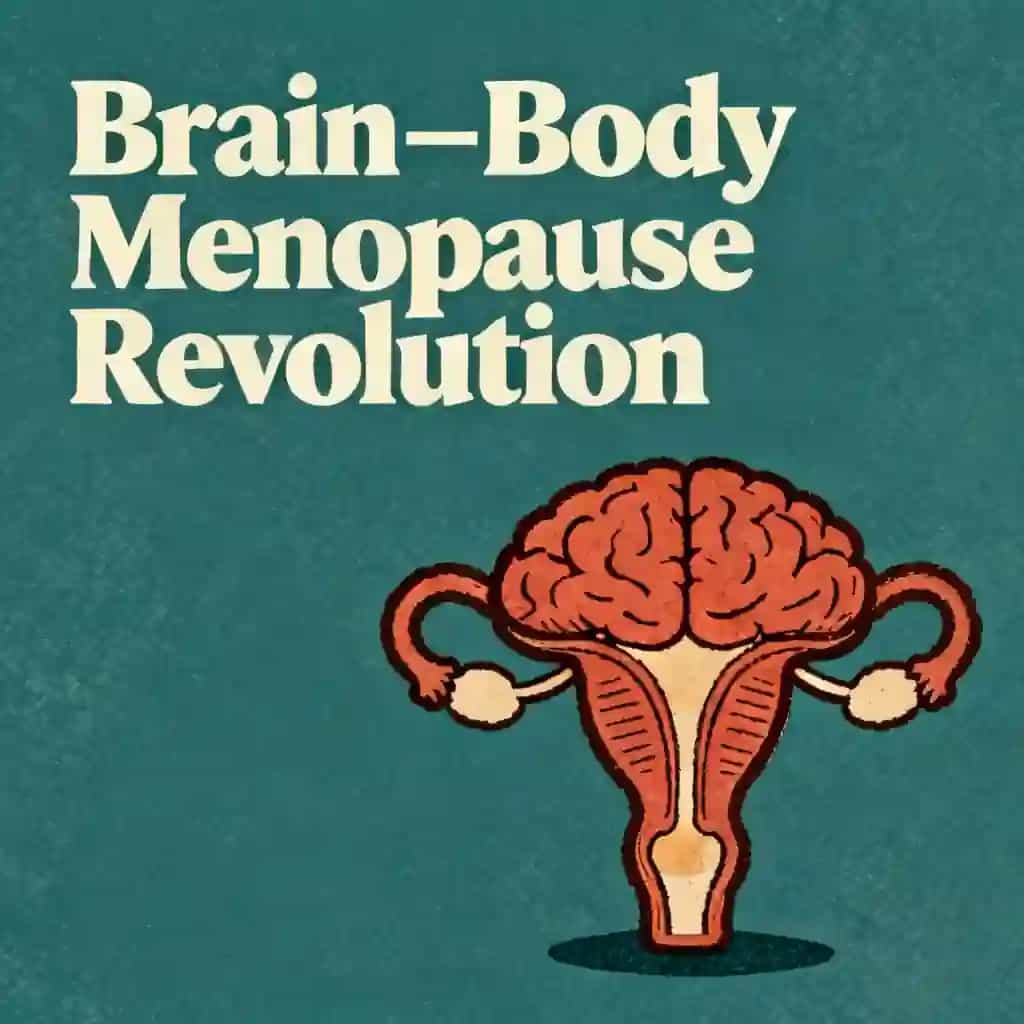
Discover how menopause rewires your brain and transforms body composition, plus science-backed strategies for navigating these neurological and physical changes to thrive in midlife.
Cutting-edge research reveals how nutrition can treat ADHD as effectively as medication and help women navigate hormonal changes. Evidence-based strategies for brain health, metabolic flexibility, and disease prevention.