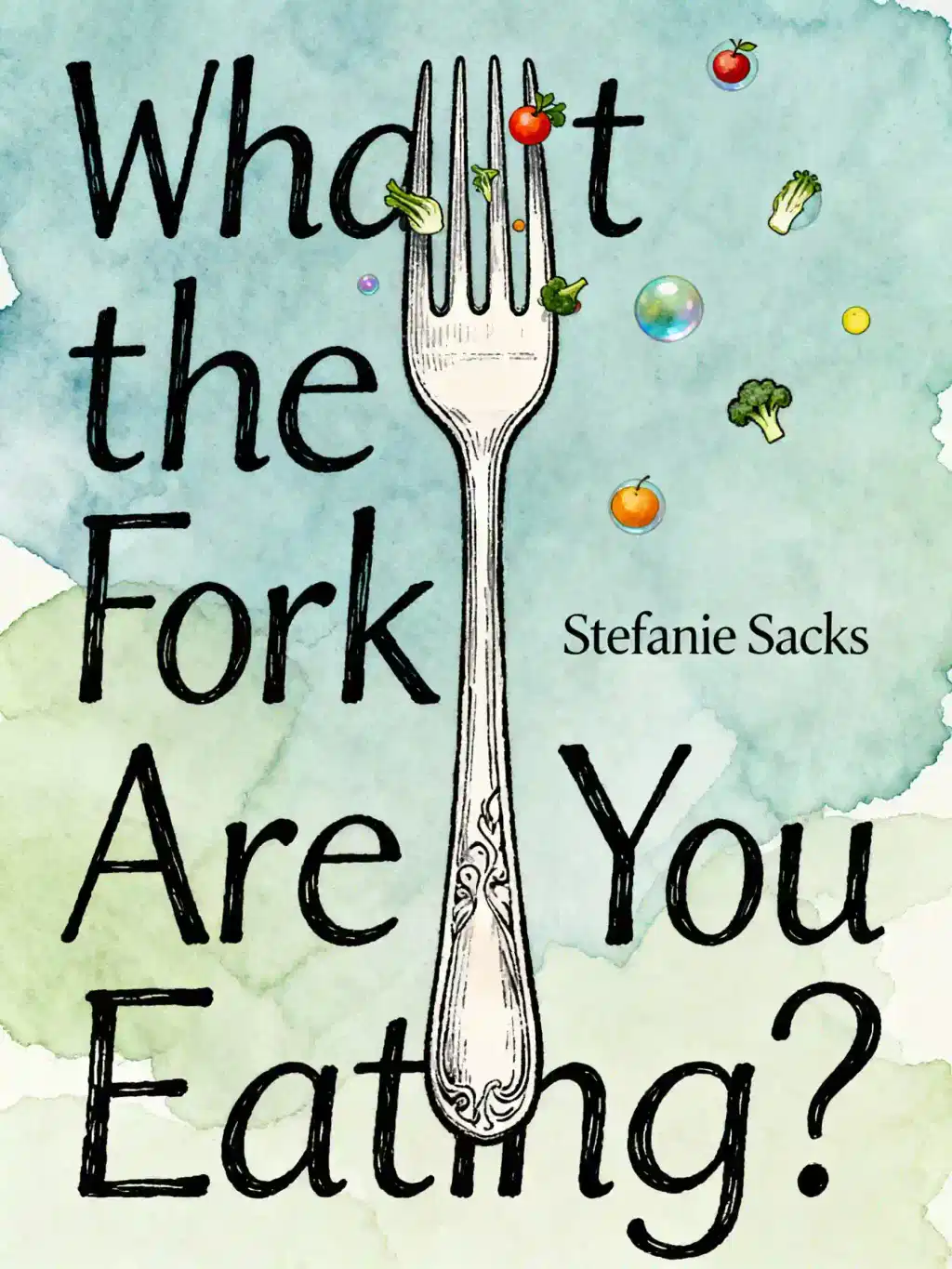
What the fork are you eating?
an action plan for your pantry and plate
Panoramica di What the fork are you eating?
Decode the hidden dangers lurking in your pantry with Stefanie Sacks' eye-opening guide that exposes food industry secrets and regulatory loopholes. What if the "safe" additives in your favorite foods aren't actually safe? Prevention magazine's go-to nutrition expert reveals the truth.

Temi chiave in What the fork are you eating?
- food label transparency
- chemical additive safety
- processed food alternatives
- culinary nutrition
- toxic food systems
Citazioni da What the fork are you eating?
Food labels often lie and marketing claims mislead.
The methods matter tremendously.
Calling any of these flavors 'natural' requires a flexible attitude.
You'll never know what's truly in your flavorings.
Personaggi di What the fork are you eating?
- Stefanie SacksCulinary nutritionist and author of the book
Sull'autore
Sull'autore di What the fork are you eating?
Stefanie Sacks, MS, CNS, CDN, is a culinary nutritionist, educator, and author of What The Fork Are You Eating? An Action Plan for Your Pantry and Plate, a practical guide to healthier food choices.
With a Master’s in Nutrition from Columbia University and certifications as a Board-Certified Dietitian Nutritionist and Certified Nutrition Specialist®, Sacks combines scientific expertise with culinary training from the Natural Gourmet Institute. Her book, rooted in health and wellness, empowers readers to navigate grocery aisles intelligently, emphasizing food transparency, sustainability, and the impact of small dietary changes on long-term health.
A sought-after media expert, Sacks has appeared on the Dr. Oz Show, PBS, and Fox Media, and hosted the NPR radio show Stirring the Pot. She consults for organizations like the Environmental Working Group and collaborated on the 2022 White House Conference on Hunger, Nutrition, and Health.
A member of Les Dames D'Escoffier and advisor to A Greener World, Sacks spearheaded the #WhatTheFork campaign to reduce food waste, cementing her role as a leader in food advocacy. Her work bridges culinary arts, nutrition science, and actionable wellness strategies.
Scarica il riassunto di What the fork are you eating?
Ottieni il riassunto di What the fork are you eating? in formato PDF o EPUB gratuito. Stampalo o leggilo offline quando vuoi.
FAQ su questo libro
What the Fork Are You Eating? is a practical guide to understanding food labels, avoiding harmful additives, and making informed dietary choices. Certified chef-nutritionist Stefanie Sacks breaks down how processed ingredients, GMOs, and pesticides impact health, offering actionable steps to overhaul pantry staples and meal planning without restrictive diets. The book emphasizes food literacy through label analysis, sustainable practices, and avoiding “food babble” marketing.
This book suits anyone seeking to reduce processed food intake, decode ingredient lists, or prioritize whole-food cooking. It’s ideal for parents, health enthusiasts, or eco-conscious readers interested in the link between food choices and environmental impact. Sacks avoids promoting specific diets (vegan, keto, etc.), making it accessible for those prioritizing gradual, sustainable changes over fads.
Yes—it’s praised for blending scientific rigor with practical advice, offering tools to identify hidden toxins like glyphosate or artificial sweeteners. Readers gain frameworks to evaluate food sources, minimize pesticide exposure, and reduce waste. Critics note it may feel basic for nutrition-savvy audiences but remains valuable for its no-nonsense approach to label literacy and pantry reform.
Key ideas include:
- Ingredient literacy: Longer ingredient lists signal higher processing.
- GMO risks: Highlights ties between pesticide-resistant crops and toxic chemicals like 2,4-D (an Agent Orange component).
- Food waste: 33% of global food production is lost, urging mindful consumption.
- Holistic health: Advocates for understanding animal feed impacts (“you are what they ate”).
- “You are not only what you eat, but also what they ate”: Emphasizes the cascading effects of livestock feed on human health.
- “The longer the [ingredient] list… the more processed”: A rule of thumb for identifying ultra-processed foods.
- “Widespread use of Roundup… has birthed ‘super weeds’”: Critiques glyphosate’s role in driving toxic pesticide reliance.
The book notes that 33% of global food production is wasted, partly due to retailer/consumer practices in industrialized regions. Sacks advocates for mindful purchasing, proper storage, and repurposing leftovers to reduce environmental and economic costs.
Some reviewers find it too introductory for nutrition experts or repetitive in its anti-processed messaging. However, its clear frameworks for label analysis and avoidance of diet dogma are widely praised as accessible for mainstream audiences.
As a certified chef and clinical nutritionist, Sacks merges culinary practicality with scientific insights. Her dual expertise helps readers transition from theory to action—like swapping processed snacks for whole-food alternatives without sacrificing flavor.
With rising concerns over food-system transparency and climate-linked agriculture challenges, Sacks’s focus on ingredient literacy and sustainability aligns with trends toward ethical consumption. The COVID-19 pandemic update underscores food choices’ role in long-term resilience.
Unlike Michael Pollan’s narrative-driven works, What the Fork offers step-by-step pantry audits and label-decoding tools. It’s more actionable than philosophical, positioning itself as a manual for daily decision-making rather than a cultural critique.
- Prioritize short ingredient lists.
- Choose organic produce for high-pesticide items (e.g., strawberries, spinach).
- Avoid additives like artificial sweeteners and MSG.
- Opt for ethically raised meats to reduce antibiotic/GMO exposure.
Sacks warns that GMO crops often require heavier pesticide use, citing 2,4-D’s role in Agent Orange. She advises opting for Non-GMO Project Verified products and questioning livestock feed sources to minimize indirect consumption.